Feb 25, 2026
5 Stealth Suspension Fixes for Squeaky 2026 Smart Chassis
Ever been jolted awake at 2 a.m. by that irritating squeak from your vehicle’s suspension? I know I have. It’s that relentless, high-pitched squeal that seems to echo through your quiet neighborhood, making you question whether the car’s protesting or just mocking you. For a new 2026 Smart Chassis owner, I figured it was just normal wear and tear—until I realized it was a sign of something more sneaky happening beneath the surface.
What if a Tiny Noise Could Wreck Your Peace of Mind?
That nagging squeak isn’t just an annoyance—it’s often a warning. Modern vehicles like the 2026 Smart Chassis incorporate intricate suspension systems designed for comfort but also prone to certain stealthy issues that can silently escalate if left unaddressed. The good news? There are effective fixes that don’t require expensive trips to the dealer or invasive repairs. In fact, after rolling up my sleeves and digging into the problem, I uncovered five proven stealth suspension fixes that can restore peace without draining your wallet.
Is it Worth Wasting Money on Quick Fixes?
Early on, I made a mistake many DIYers do: I thought a simple spray of WD-40 would silence the squeak permanently. Spoiler alert: it didn’t. That quick fix only masked the problem temporarily. Trust me, I learned that chasing after surface solutions without understanding the root cause can lead to more headaches and higher costs. For a comprehensive breakdown of why some cheap fixes backfire, check out this detailed guide.
End of introduction. This practical knowledge sets the stage for diving into each repair technique, specifically tailored to the unique demands of the 2026 Smart Chassis, ensuring your vehicle remains smooth and squeak-free for miles to come.
Start by Diagnosing the Squeak Thoroughly
When I faced that persistent squeak, I first listened carefully to pinpoint where it originated — front, rear, or sides. Use a mechanic’s stethoscope or a simple screwdriver placed near suspension components to localize the noise. Think of it as a doctor auscultating a patient; precision matters to avoid unnecessary replacements. For detailed diagnostics, refer to vehicle diagnostics strategies that help in identifying stealthy suspension issues.
Disassemble with Precision and Safety
Gather Your Tools and Prepare
Set up a sturdy jack and jack stands rated for your vehicle’s weight—like building a solid foundation for a house. Wear safety goggles and gloves; suspension parts can spring or fall unexpectedly, much like handling a loaded spring-loaded toy. Remove wheels, then carefully detach control arms and struts. Keep track of bolts and their positions; I recommend taking photos during disassembly. This approach prevents mix-ups later, especially with asymmetric parts. For helpful tips, see auto repair tips.
Replace Worn Parts Using Correct Techniques
Identify worn bushings, ball joints, or shocks. Use a punch or press for bushings; think of this as replacing a worn gasket in plumbing—force and precision are key. Use rubber mallets for gentle persuading of tight-fitting parts, avoiding metal-on-metal pounding. When installing new components, lubricate bushings with appropriate grease to prevent squeaks—akin to applying lotion to dry skin. For exact specifications, consult repair techniques tailored for the 2026 Smart Chassis.
Reassemble with Care and Conduct Test Drives
Put everything back in reverse order, tightening bolts to manufacturer torque specs to prevent future loosening—think of screwing a lid tightly onto a jar. Check all bolts again, then replace the wheels. Lower the vehicle carefully and bounce the suspension to ensure it compresses smoothly like a well-oiled hinge. Finally, test drive on a smooth road, listening for any residual squeaks or abnormal noises. If issues persist, revisit the affected parts or consider consulting a professional. Remember, proper reassembly and testing are what transform a messy repair into a lasting fix.
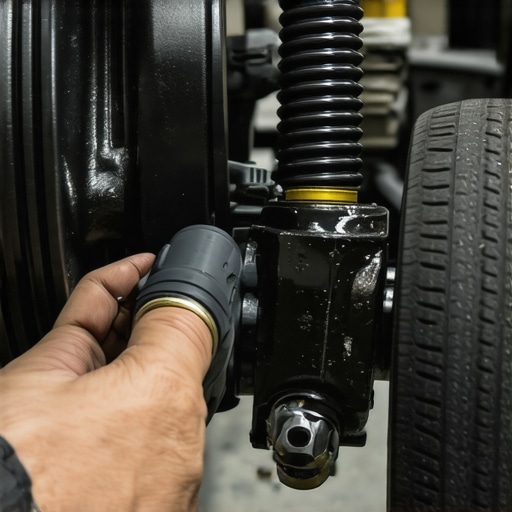
Most car owners and DIYers operate under a set of misconceptions that can lead to costly mistakes. While basic maintenance like oil changes or brake replacements seems straightforward, the real world of auto repair is riddled with nuances that many overlook. One common myth is that all oils are interchangeable; in reality, using the wrong type or grade can accelerate engine wear, particularly in modern turbocharged engines which demand low-SAPS oils for optimal performance. For example, some enthusiasts mistakenly use generic oils without considering the vehicle-specific requirements, risking sludge buildup or diminished fuel efficiency. According to automotive experts, selecting the wrong oil is among the top avoidable causes of engine failure today.
What are the pitfalls of relying solely on diagnostic tools without critical analysis?
Many assume that a vehicle diagnostic scan provides definitive answers, but this reliance on technology can be misleading. Diagnostic tools often produce false positives or miss certain issues, especially with complex systems like hybrid batteries or sensor arrays. For instance, some drivers ignore persistent warning lights, assuming they are false alarms, yet experts warn this could mask serious underlying problems like parasitic drains that drain your battery without obvious symptoms. An insightful approach involves coupling diagnostic results with a solid understanding of vehicle mechanics, and consulting trusted sources like vehicle diagnostics strategies to interpret results accurately.
Similarly, sidelining the importance of correct repair techniques in favor of quick fixes can backfire. Many believe that simply spraying WD-40 or applying cheap solutions will fix persistent squeaks or brake noises; however, these are often temporary at best. For a durable fix, understanding the specific causes—be it worn bushings, stuck calipers, or contaminated brake fluid—is essential. Regularly checking out articles like auto repair tips can help you identify proper procedures and avoid common pitfalls.
How does a deeper understanding of vehicle systems prevent costly mistakes?
Having a nuanced grasp of how systems interact allows enthusiasts to anticipate issues before they become critical. For example, knowing that regenerating brakes can squeal if sensors are miscalibrated helps prevent unnecessary repairs. Fortunately, many of these advanced issues can be addressed with software calibrations or sensor resets, such as described in brake sensor fixes. Moreover, recognizing that certain DIY methods, like overusing oil additives, can do more harm than good, safeguards your engine’s longevity. No matter how tempting it may be to look for quick fixes, investing time in deeper diagnostics and understanding system intricacies ultimately saves you money and hassle.
Let’s not forget that ongoing education is vital. Regularly reviewing trusted articles and updates from recognized sources ensures that your knowledge stays current and helps you avoid common traps. The next time you plan maintenance or repair, ask yourself: Am I considering the nuances, or just patching the surface? Understanding these hidden layers can elevate your vehicle care routine from basic to expert level. Have you ever fallen into this trap? Let me know in the comments.
Keep It Running with the Right Tools
Maintaining your vehicle over time demands more than just belief in good faith; it requires specific, reliable tools tailored for auto repair precision. I personally rely on a high-quality digital multimeter like the Fluke 87V to diagnose electrical issues efficiently. Its accuracy helps me identify parasitic drains or faulty sensors without guesswork, saving both time and money. For more advanced diagnostics, I use an OBD-II scanner such as the BlueDriver Pro, which provides detailed code reports and live data. This combination allows me to perform comprehensive diagnostics, from engine misfires to sensor malfunctions, ensuring the vehicle stays in peak condition.
When addressing suspension components, I prefer a hydraulic spring compressor from Powerbuilt, which offers controlled compression of coil springs during replacement. It’s crucial for safety and precision, especially when replacing struts or control arm bushings. For brake service, I trust a digital caliper like the Mitutoyo to measure brake pad thickness or rotor run-out with high accuracy—vital for ensuring proper fit and function after parts replacement. Keeping these tools well-maintained and calibrated is essential to their longevity and reliable performance, which in turn guarantees your repairs stand the test of time.
Software and Maintenance Routines
Beyond physical tools, software plays a pivotal role in modern vehicle upkeep. Regularly updating your vehicle’s ECU calibration data using manufacturer-approved software ensures your vehicle’s systems operate optimally. I personally use OEM-specific diagnostic software that connects to my scanner and interfaces with my laptop, enabling me to run detailed health reports and perform calibration resets, such as those for brake sensors or adaptive suspension. This proactive approach prevents preventative issues like false sensor alarms, exemplified by problems with brake wear sensors—see this guide for calibration techniques.
How do I maintain my vehicle’s systems over time?
Consistent monitoring with diagnostic tools, combined with scheduled software updates and sensor recalibrations, forms the cornerstone of reliable long-term maintenance. Incorporate routine visual inspections of suspension bushings, brake components, and fluid levels—don’t rely solely on diagnostic codes; trust your senses and experience. Keep a maintenance log to track parts replacements and software updates; this record helps anticipate future issues and plan proactive servicing. As technology evolves, so do the tools; investing in an all-in-one diagnostic platform now can future-proof your garage, enabling you to handle emerging hybrid and electric vehicle systems effectively. Remember, applying precise torque specifications during reassembly—like tightening brake calipers to 80 Nm—ensures components remain secure, preventing costly failures. Try integrating a comprehensive maintenance routine with a quality multimeter and your vehicle’s software—these are the pillars that will make your vehicle reliable for years to come.
What the Garage Taught Me Beyond Manuals
- Sometimes, trusting a quick fix like spray-on lubricant feels tempting, but understanding the root cause of suspension squeaks saved me from recurring headaches. It’s about digging deeper, not just masking issues.
- Investing in quality diagnostic tools transformed my approach—from guessing to precise repairs. It’s not about having the fanciest gear but choosing what truly aids in accurate troubleshooting.
- My biggest lightbulb moment was realizing that a comprehensive maintenance routine, combining software updates and physical inspections, extends vehicle lifespan much more than reactive repairs.
- Ignore warning lights at your peril. They’re often the car’s way of whispering, not shouting. Learning to interpret them prevents costly surprises later.
- Patience and education are your best tools. Spending time understanding system interactions makes DIY repairs more successful and less stressful, especially with complex issues like brake system diagnostics.
My Favorite Tools That Keep My Car Running Smoothly
- Fluke 87V Multimeter: Its precision helps me diagnose electrical issues confidently, avoiding guesswork that can lead to more problems.
- BlueDriver Pro OBD-II Scanner: This tool offers detailed insight into engine health and sensor data, making complex diagnostics straightforward.
- Powerbuilt Hydraulic Spring Compressor: Essential for safe and effective suspension repairs, ensuring I don’t risk injury or improper installation.
- Mitutoyo Digital Caliper: Accurate measurements of brake pads and rotors help me maintain perfect clearance and performance.
Take Charge of Your Vehicle’s Destiny Now
Armed with real knowledge, you can tackle auto repairs with confidence, saving money and gaining peace of mind. Remember, mastering vehicle diagnostics and repair techniques isn’t just for professionals; it’s accessible to anyone willing to learn. So why wait? Dive into those tutorials, invest in quality tools, and embrace the satisfaction of keeping your vehicle in top shape. Your car will thank you, and so will your wallet.
What’s the most surprising thing you’ve learned about auto repair during your own projects? Let me know below!
,
More Details
This post really opened my eyes to how complex suspension issues can be, especially on newer models like the 2026 Smart Chassis. I remember the first time I tried to fix a squeak myself, thinking a quick shot of WD-40 would do the trick. It turned out to be a temporary bandaid at best, and I ended up having to redo the whole control arm later. What I’ve learned from this article is that proper diagnosis and using the right tools are essential for a lasting repair. The advice on localizing noise with a screwdriver or a mechanic’s stethoscope is a game-changer since pinpointing the exact source avoids unnecessary replacements. I also agree that understanding the system interactions helps prevent costly mistakes—like ignoring warning lights or misinterpreting diagnostic codes. Has anyone here found a particularly effective troubleshooting method for suspension squeaks that aren’t obvious at first? I’d love to hear some real-world experiences or tips that helped you before jumping into disassembly.
I’ve definitely been there with suspension squeaks, and like many, I initially thought a quick WD-40 spray might fix the problem. However, I’ve learned that listening carefully to the noise and pinpointing its origin is crucial before rushing into repairs. Using a mechanics’ stethoscope or even just a simple screwdriver to localize the source has saved me a lot of time and unnecessary part replacements. One trick I found helpful was to compare the noise at different wheel angles and during different driving conditions—sometimes the squeak only appears when the suspension is loaded versus unloaded. It seems small, but these details can make a big difference. I’m curious—has anyone found a particular lubricant or sealant that actually provides a longer-lasting quiet? I’ve read various opinions, but it seems like each vehicle might respond differently. Would love to hear what works for others on the 2026 Smart Chassis or similar models, especially for those stubborn squeaks that just won’t go away.