Dec 5, 2025
Top Auto Repair & Brake Service Tips for 2025 Vehicle Safety
Ever had that sinking feeling when your brakes squeal unexpectedly or your car pulls to one side on the highway? I remember the first time I ignored a strange noise under the hood, only to find myself stranded because I overlooked a simple brake check. That moment was a real lightbulb for me—auto maintenance isn’t just about fixing things when they break, it’s about preventing those breakdowns altogether. In 2025, vehicle safety is more crucial than ever, especially with the new tech and complex systems in modern cars. Today, I want to share some honest, practical tips that will help you keep your car safe, reliable, and ready for the road ahead.
Why Staying Ahead with Auto Maintenance Matters Now More Than Ever
Cars have evolved fast. What used to be simple repairs now involve sophisticated diagnostics and delicate systems. Skipping routine brake services or ignoring warning signs can turn small problems into costly repairs or dangerous situations. According to the National Highway Traffic Safety Administration, a significant number of accidents are caused by brake failure or worn-out tires that could have been prevented with proper maintenance. This isn’t just about avoiding repairs; it’s about safeguarding your life and others on the road. When I first started neglecting regular brake checks, I learned the hard way that early prevention is always better than emergency fixes. If you’ve ever experienced sudden brake fade or a dashboard warning light, you know exactly what I mean. The good news? Simple, consistent maintenance can save you a lot of stress—and money.
Facing the Fear of Overpaying or Missing Critical Repairs?
Let me admit something. Early on, I made the mistake of trusting every mechanic without understanding what was really needed. I’d get a quick tune-up, think I was saving money, only to find out later that I’d overlooked essential repairs. That’s why I now recommend staying informed about key maintenance tips, especially for brakes and diagnostics. Knowing what to ask for and when to get a professional check-up can make all the difference. Want to learn how to avoid costly surprises and keep your vehicle running smoothly? I’ve got you covered with some straightforward advice that I wish I had known from the start. For a comprehensive guide, check out top brake services and auto repair tips for 2025.
What’s Next?
In the following sections, I’ll walk you through some of the most effective auto repair and brake service strategies that ensure your safety in 2025. From simple checks you can do yourself to knowing when it’s time to visit the pros, these tips are designed to keep you confident and your car dependable. Ready to take control of your vehicle’s health? Let’s dive into the essential maintenance practices that will keep you safe on every trip.
Inspect Your Brakes Regularly and Correctly
Start by checking your brake pads and rotors at least every 10,000 miles. I remember when I first did this myself — I used a simple flashlight and a mechanic’s tool. I discovered uneven wear that could have caused dangerous brake failure. Replacing worn pads early prevents costly repairs and keeps your stopping power sharp. For detailed guidance, visit top brake services and auto repair tips for 2025.
Perform Diagnostic Checks Before Problems Arise
Use a diagnostic scanner to identify hidden issues in your vehicle’s system. I once borrowed a scanner from a local auto parts store and hooked it up myself—what a game changer. It revealed a pending transmission sensor fault I hadn’t noticed. Regular diagnostics help catch problems early, saving you from unexpected breakdowns. Check out vehicle diagnostics auto repair top tips for 2025 for more insights.
Follow a Consistent Maintenance Schedule
Stick to a routine schedule for oil changes, tire rotations, and fluid top-ups. I set reminders on my phone every 5,000 miles, which made maintenance a habit rather than a chore. This consistency ensures your car’s vital systems stay in top shape. For tailored advice, see auto repair maintenance tips for trusted vehicle care in 2025.
Prioritize Oil Changes and Brake Fluid Replacement
Don’t overlook oil and brake fluid — these are the lifeblood of your vehicle. I learned this firsthand when my brake fluid was contaminated, causing my brakes to feel spongy. Regular oil and brake fluid changes ensure smooth operation and prevent corrosion. For optimal strategies, visit best oil change brake service strategies for safer driving 2025.
Use Quality Parts and Professional Help When Needed
Invest in high-quality replacement parts for durability. I once tried a cheap brake pad, only to have it squeal and wear out quickly. Sometimes, professional expertise is essential—especially for complex diagnostics or repairs. Don’t hesitate to consult trusted mechanics or visit top auto repair diagnostics tips for reliable maintenance 2025 when in doubt.
Stay Educated and Informed
Keep learning about your vehicle’s needs. I subscribe to auto maintenance blogs and forums, which alert me to upcoming service needs. Knowledge empowers you to ask the right questions and avoid unnecessary expenses. For a comprehensive approach, review auto repair top tips for reliable vehicle maintenance in 2025.
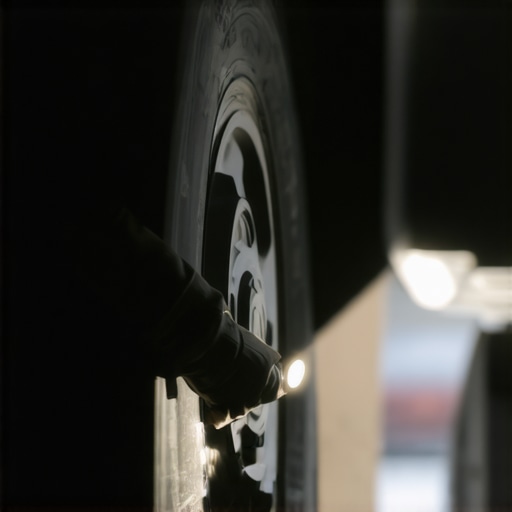
Many car owners believe they understand auto maintenance, but some common myths can actually lead you astray, causing unnecessary expenses or safety risks. Let’s dig deeper into these misconceptions to help you make smarter decisions about your vehicle care.
Are All Brake Checks Really Necessary Every Year?
Contrary to popular belief, the frequency of brake inspections depends heavily on your driving habits and vehicle history. While many assume annual checks are a must, modern vehicles with advanced brake systems can often go longer without routine inspections—especially if you’ve been vigilant about noticing warning signs. However, neglecting regular checks can lead to uneven wear or hidden damage, which might not be apparent until a critical failure. To avoid falling into this trap, learn the nuances of brake maintenance and know when to seek professional advice. For detailed insights, visit top brake services and auto repair tips for 2025.
Is Using Cheap Parts a Good Way to Save Money
This is a classic mistake. Many believe that opting for cheaper replacement parts saves money in the long run, but in reality, quality matters immensely—especially for critical components like brakes and suspension. Poor-quality parts may wear out faster, causing you to replace them more often, or worse, leading to safety issues. Investing in high-quality parts and professional installation can save money and headaches later. When in doubt, trust the guidance of experienced mechanics and use reputable sources for parts. For more on this, see auto repair diagnostics tips for reliable cars in 2025.
Why Overlooking Diagnostic Checks Might Be Dangerous
Many assume that if their car seems fine, it doesn’t need diagnostics until a problem appears. This misconception can be costly. Modern cars are equipped with complex electronic systems that can develop issues before warning lights activate or symptoms become noticeable. Regular diagnostic scans can detect these hidden faults early, preventing breakdowns and ensuring safety. This proactive approach is especially crucial as vehicle technology advances. For expert tips on diagnostics, visit vehicle diagnostics auto repair tips for 2025.
Have you ever fallen into this trap? Let me know in the comments. Understanding these nuances can save you time, money, and possibly your safety. Stay informed, stay safe, and keep your vehicle in top shape by questioning common myths and adopting proven maintenance strategies.
Choosing the Right Diagnostic Tools for Reliable Maintenance
Over the years, my go-to diagnostic tool has become the Autel MaxiCOM MK808. This handheld scanner offers comprehensive vehicle diagnostics, from reading error codes to live data streaming. I personally rely on it because of its user-friendly interface and extensive vehicle coverage, which allows me to quickly identify issues without costly trips to the mechanic. Investing in a quality scanner like this not only saves time but also enhances your ability to catch problems early, especially with complex systems in modern cars. As vehicle technology advances, I predict diagnostic tools will become more integrated with AI, offering real-time troubleshooting and predictive maintenance insights. For those serious about keeping their cars in top shape, I recommend exploring models that support the latest protocols and have a broad database of error codes.
How do I keep tools in top shape over time?
Maintaining your diagnostic equipment is crucial for long-term reliability. Regularly update the firmware and software to ensure compatibility with the latest vehicle models and error codes. Keep the device clean and store it in a dry, protected case to avoid damage. Periodic calibration and checking the battery health of portable scanners also prolong their lifespan. For manual tools like torque wrenches, I suggest applying a light coating of oil after use and recalibrating them annually. This routine care ensures your tools provide accurate readings and remain dependable for years. As the trend toward smart tools grows, expect future diagnostic devices to incorporate self-maintenance features, reducing the hassle of upkeep. To maximize your tool’s lifespan, always follow the manufacturer’s maintenance recommendations.
Why I swear by quality lubricants and cleaning supplies
Using high-grade oils and cleaning agents is vital for long-term vehicle health. I personally prefer synthetic oils like Mobil 1 because they withstand higher temperatures and provide better engine protection over conventional oils. For cleaning, I rely on products like Meguiar’s for maintaining the exterior and interior, which prevents corrosion and deterioration. Regularly replacing filters and cleaning components minimizes the risk of buildup that can impair performance. In the future, I believe the industry will shift toward eco-friendly, biodegradable lubricants and cleaning supplies that are just as effective but gentler on the environment. Implementing these premium products consistently pays off by reducing wear and extending the life of essential parts. Make it a habit to review your supplies annually and upgrade to the best options you can afford—your car will thank you for it.
How to scale your maintenance routine for multiple vehicles
If you manage a fleet or own several cars, a systematic approach is key. Create a shared maintenance schedule using digital tools like Fleetio or AutoMate, which track service history and send reminders. Organize your tools and supplies in a dedicated garage space to streamline inspections and repairs. Regularly review diagnostic data from each vehicle to identify recurring issues and adjust your maintenance plan accordingly. As technology evolves, more fleet management software will incorporate predictive analytics, helping you anticipate repairs before they become urgent. For individual owners, batching maintenance tasks—like doing oil changes and brake inspections on the same day—can save time and money. The key is consistency and proactive planning, which ensures your entire fleet remains operational and safe. Start by auditing your current setup and gradually implement smarter systems for better long-term results.
Get started today with a simple diagnostic check
Don’t wait for warning lights to turn on. Use your diagnostic tool to scan your vehicle now and see what hidden issues may lurk beneath the surface. Regular diagnostics empower you to take control of your car’s health and prevent costly repairs down the road. For more detailed strategies, visit vehicle diagnostics auto repair tips for 2025. Make it a habit to perform these checks quarterly, especially if your car is aging or has high mileage. Remember, staying ahead with the right tools and techniques is your best defense against unexpected breakdowns. So, pick a reliable scanner, keep your devices well-maintained, and start practicing these habits today — your vehicle will thank you for it.
The Hardest Lesson I Learned About Auto Maintenance
One of my biggest lightbulb moments came when I ignored a small squeal in my brakes. That seemingly minor issue turned into a costly repair and a reminder that regular inspections aren’t just a suggestion—they’re a necessity. I realized that proactive maintenance can prevent accidents, save money, and extend my vehicle’s lifespan. If I could go back, I’d tell my past self to trust the process of consistent care and never overlook warning signs, no matter how small they seem.
3 Myths About Brake Care That Held Me Back
For years, I believed that brake checks were only necessary when I felt something wrong. Turns out, the truth is more nuanced. Modern braking systems can develop issues silently; regular diagnostics and inspections are vital for safety. I also used to think cheap parts were okay to save money, but I learned the hard way that investing in quality parts and professional help pays off in the long run. Don’t let misconceptions hold you back from taking the best care of your vehicle—your safety depends on it.
What Experts Won’t Tell You About Vehicle Diagnostics
One secret I uncovered is that hidden faults often lurk beneath the surface, undetectable without proper diagnostic tools. Relying solely on warning lights isn’t enough. I started using a reliable scanner, like the Autel MaxiCOM MK808, which gave me early alerts on issues I couldn’t see. Regular diagnostic checks are a game-changer—they help you stay ahead of costly breakdowns and ensure your car performs reliably. For more insights, check out vehicle diagnostics top tips for 2025.
My Essential Toolkit for Maintaining Vehicle Safety
Over time, I’ve curated a set of trusted tools and resources. A quality diagnostic scanner is at the top of my list because it empowers me to troubleshoot issues early. I also swear by high-grade lubricants like Mobil 1, and I keep my manual tools, such as torque wrenches, well-maintained. For parts, I always choose reputable brands to ensure durability. These investments save me time, money, and stress, and I strongly recommend fellow car owners to build their own reliable maintenance arsenal.
Your Turn to Take Control of Your Car’s Future
The key to safer, more reliable driving in 2025 is embracing proactive maintenance and trusting the right tools and resources. Whether you’re doing basic checks or scheduling professional diagnostics, every step counts toward extending your vehicle’s life and keeping you safe on the road. Don’t wait for warning signs—start today, and experience the peace of mind that comes with knowing your car is in top shape. How will you begin your auto maintenance journey this year? Let me know below.
More Details