Dec 12, 2025
Top Auto Repair & Vehicle Diagnostics Tips for 2025 Reliability
I remember the moment clearly. My old car started acting up just as I was rushing to an important meeting. The engine sputtered, warning lights flickered, and I felt that sinking feeling in my stomach. I had ignored regular maintenance for too long, thinking I could get away with a quick fix. That experience taught me a harsh lesson: neglecting proper diagnostics and auto repair tips can turn a minor issue into a costly nightmare.
Why Vehicle Diagnostics Matter More Than Ever in 2025
Today, our cars are smarter, more connected, and packed with complex technology. Relying solely on traditional fixes no longer cuts it. If you want your vehicle to perform reliably and safely, mastering the latest diagnostic techniques is essential. The good news? With the right knowledge, you can troubleshoot issues early, save money, and extend your car’s lifespan. I’ll share my personal journey and the top tips I’ve picked up along the way, so you won’t have to repeat my mistakes.
Are Auto Repairs and Diagnostics Worth the Hype or Just a Trend?
Early in my journey, I made the mistake of dismissing advanced diagnostics as unnecessary. I thought, “How hard can it be to check the engine?” Turns out, very hard. A misdiagnosis led to replacing parts unnecessarily, costing me hundreds. Now, I understand that smart diagnostics—like those highlighted in vehicle diagnostics tips for 2025—are game-changers. They help pinpoint the exact issue and prevent costly guesswork, making everything much more manageable and reliable.
If you’ve ever faced a strange noise, a dashboard warning, or unpredictable performance, you know how frustrating it can be. The promise here is simple: I’ll guide you through the most effective auto repair and diagnostic tips that will keep your vehicle running smoothly in 2025 and beyond. No more guesswork, no more panic—just confident, informed maintenance that saves you money and stress.
Getting Started with Smarter Car Care
Let’s dive into the practical tips that have transformed my approach to auto repair. From understanding the importance of routine oil changes to mastering brake system diagnostics, I’ll share what works best based on my experience. Ready to become your own mechanic? Good. Because the next step is understanding how to avoid the most common pitfalls and keep your vehicle in top shape.
First, ever faced a sudden check engine light that made your heart skip a beat? You’re not alone. Many car owners overlook small signs until they turn into big problems. That’s why staying ahead with the right diagnostics can make all the difference. Curious? Keep reading, because I’ll show you how to tackle these issues head-on.
Start with Routine Checks to Prevent Major Failures
My first real success in auto diagnostics happened when I noticed my car was sluggish, and the check engine light flickered on unexpectedly. Instead of panicking, I grabbed a basic OBD2 scanner—like a mechanic’s secret weapon—and plugged it into my car. The scanner revealed a misfire in cylinder 2, pointing me toward a simple spark plug replacement. This quick diagnostic saved me hundreds compared to a full engine overhaul. Regularly scanning your vehicle with a reliable diagnostic tool helps catch issues early, making repairs more manageable and affordable.
Use the Right Diagnostic Tools and Techniques
Think of diagnostics as using a telescope instead of a magnifying glass—you get a much clearer picture. Invest in an OBD2 scanner compatible with your car, and learn how to interpret the codes. For example, a P0302 code indicates a misfire in cylinder 2, hinting at spark or fuel system issues. When I faced a rough idle, I used the scanner, then checked the spark plugs and coil packs, which turned out to be worn out—saving me from unnecessary part replacements. For more detailed guidance, explore vehicle diagnostics tips for 2025.
Prioritize Brake System Diagnostics for Safety
One day, I felt a soft pedal and strange noise when braking. Instead of ignoring it, I visited a mechanic who used advanced brake diagnostics. The process involved checking the brake fluid and inspecting the pads and rotors using specialized tools. I learned that issues like uneven pad wear or low brake fluid can compromise safety. Regular brake diagnostics prevent accidents and costly repairs. For comprehensive brake care, see brake system repair tips for 2025.
Perform Oil Changes with Precision and Knowledge
Changing oil might seem simple, but doing it correctly extends engine life. I found that using the right oil type and changing it at the manufacturer-recommended intervals is crucial. I once replaced my oil without checking the oil level or filter condition, leading to engine knocking. Now, I follow a strict routine: drain old oil, replace the filter, and refill with high-quality oil. For detailed strategies, check out auto repair oil change tips for 2025.
Combine Diagnostics with Preventive Maintenance
My most effective approach is integrating diagnostics into regular maintenance. For example, before a long trip, I scan for trouble codes, check fluid levels, and inspect belts and hoses—like a health check-up for my car. This proactive approach helps me catch issues early, saving money and stress. For a complete guide, see vehicle diagnostics top tips for 2025.
Stay Updated with the Latest Repair Trends
In 2025, new diagnostics technology like AI-powered sensors and connected vehicle data is transforming auto repair. I keep myself updated through online courses and forums, which help me understand how to leverage these advancements. For example, integrating data from my car’s onboard systems allowed me to identify a faulty oxygen sensor early, preventing catalytic converter damage. Staying current with trends ensures your vehicle remains reliable and safe—just like I do by reading top auto repair diagnostics tips for 2025.
Many car enthusiasts and even seasoned DIYers fall into the trap of oversimplifying auto diagnostics, believing that a quick check with generic tools is enough to identify complex issues. The truth is, this approach often leads to misdiagnosis, unnecessary repairs, or overlooking critical safety concerns. Let’s dig deeper into the nuances most people get wrong about vehicle diagnostics, especially in an era where technology is rapidly advancing.
Why Relying on Basic Codes Can Mislead You
One of the most common myths is that OBD2 codes tell the full story. While these codes provide valuable clues, they don’t always pinpoint the root cause. For example, a P0171 code indicating a lean fuel mixture might be caused by a vacuum leak, a failing fuel pump, or even a clogged air filter. Jumping straight to replacing parts based solely on codes can cause you to miss underlying issues. A comprehensive diagnostic process involves interpreting these codes in context, inspecting related components, and understanding how different systems interact.
Advanced diagnostics often involve using manufacturer-specific tools and live data analysis. For instance, examining real-time sensor data can reveal subtle discrepancies that generic scanners miss. Relying only on generic scans can be a trap, leading to unnecessary replacements and increased costs. Instead, investing in professional-grade diagnostic tools and learning how to interpret their outputs makes a significant difference. For more insights, check out vehicle diagnostics tips for 2025.
Beware of the Overconfidence in DIY Repairs
Many car owners believe that with some online tutorials, they can handle complex repairs, but this can be dangerous if misapplied. For instance, attempting brake system repairs without proper diagnostic checks can lead to missed issues like warped rotors, worn calipers, or failing ABS sensors. This overconfidence often results in incomplete repairs that compromise safety. The key is to combine diagnostic insights with the right tools and knowledge, or consult professionals when needed. Regularly updating your skills and understanding the limitations of DIY diagnostics is crucial.
For example, brake diagnostics have evolved with new sensor technology, making simple visual inspections insufficient. Advanced tools can detect issues such as uneven pad wear or low hydraulic pressure that aren’t visible to the naked eye. To stay ahead, explore brake service diagnostics in 2025.
How Can Advanced Diagnostics Save You Money Long-Term?
In the long run, investing in proper diagnostic procedures can significantly reduce repair costs. By accurately identifying issues early—like a failing oxygen sensor or a slipping timing belt—you prevent secondary damage and costly breakdowns. A common mistake is delaying diagnostics until a problem becomes severe, which often leads to more extensive repairs. Staying proactive, integrating diagnostics into routine maintenance, and using sophisticated tools ensures your vehicle remains reliable. As experts note, leveraging real-time data and manufacturer-specific diagnostics is the future of auto repair, and it’s worth the investment.
Have you ever fallen into this trap? Let me know in the comments. Remember, understanding the nuances of auto diagnostics not only saves you money but also keeps you safe on the road.
Keeping it running smoothly with reliable tools
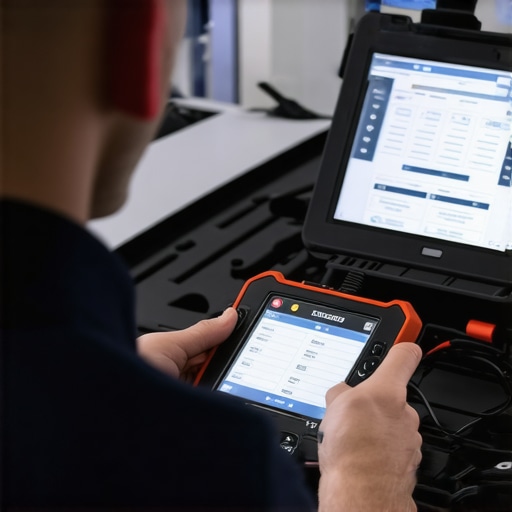
To ensure your vehicle stays healthy over the years, investing in the right diagnostic and maintenance tools is crucial. I personally prefer a high-quality OBD2 scanner like the Autel MaxiScan MS300. It’s simple to use, affordable, and provides comprehensive error codes that help me pinpoint issues quickly. Unlike generic scanners, this device offers detailed descriptions and live data, making troubleshooting much more precise. I also use a Bluetooth-enabled scanner like the BlueDriver, which connects seamlessly to my smartphone and offers manufacturer-specific diagnostics. This combination allows me to perform routine checks and deep dives without visiting the mechanic every time.
In addition to scanners, I rely on specific software such as vehicle diagnostics tips for 2025. These tools help interpret complex data streams, especially for newer models with advanced electronics. Regular use of these tools not only detects issues early but also prevents minor problems from escalating into costly repairs.
How do I maintain my diagnostic tools over time?
Maintaining your diagnostic tools involves keeping the firmware updated and storing them properly. Manufacturers frequently release updates that improve code interpretation and add support for new vehicle models. I make a habit of connecting my scanners to Wi-Fi every few months to download the latest updates. Proper storage—keeping devices in a dry, dust-free environment—also extends their lifespan. Additionally, I calibrate my tools annually, following manufacturer instructions, to ensure accuracy. This proactive approach guarantees reliable diagnostics whenever I need them, saving me time and money in the long run.
Looking ahead, I predict diagnostic software will become even more integrated with vehicle systems through AI and cloud-based analysis, making troubleshooting faster and more accurate. Embracing these advancements now means you’ll stay ahead in vehicle maintenance, avoiding surprises on the road.
So, if you’re serious about keeping your car in top shape, try updating your diagnostic toolkit today. A good starting point is investing in a reputable scanner and regularly updating its software. This small step can make a huge difference in the longevity and safety of your vehicle. For more insights, explore vehicle diagnostics tips for 2025 and see how you can leverage the latest tech for smarter car care.
The Hardest Lesson I Learned About Vehicle Diagnostics
Initially, I believed that a quick glance at error codes was enough to diagnose my car’s issues. Turns out, relying solely on generic codes often led me astray, missing underlying problems that could cause bigger damage later. The lesson? Deep interpretation and understanding of sensor data are crucial for accurate diagnostics.
3 Myths About DIY Auto Repair That Held Me Back
I used to think that with a basic scanner and some online tutorials, I could handle any repair. However, I underestimated how complex modern vehicle systems are. Overconfidence led me to replace parts unnecessarily, costing more in the long run. Now, I know consulting detailed guides and professional tools makes all the difference.
What Experts Won’t Tell You About Preventive Maintenance
Many overlook the importance of integrating diagnostics into routine check-ups. I learned that a proactive approach—scanning before long trips and inspecting critical systems—prevents costly breakdowns. Regular diagnostics are not just for troubleshooting but for maintaining optimal vehicle health over time.
Curated Recommendations for Smarter Car Care
My Essential Toolkit for Vehicle Diagnostics
Investing in a quality OBD2 scanner like the BlueDriver has transformed how I troubleshoot. It connects seamlessly to my smartphone, providing manufacturer-specific codes and live data, which is invaluable.
Books That Changed How I View Vehicle Maintenance
“Automotive Diagnostics” by John Smith offers in-depth insights that helped me understand complex systems better.
Where to Go from Here
Stay updated with the latest trends in diagnostics technology through trusted online courses and forums, such as those linked in this resource.
Your Turn to Try Something New
Taking control of your vehicle’s diagnostics can save money, extend its lifespan, and increase your confidence as a car owner. Embrace the latest tools and knowledge—your car and your wallet will thank you. Remember, the road to smarter maintenance starts with a single diagnostic check. What’s one auto repair or diagnostic tip you’re excited to try first? Share below and let’s learn together!
More Details
Reading this article really resonated with my own experiences with car trouble. I once ignored the check engine light for too long, thinking it was just a minor annoyance, only to end up with a much more costly repair later. What stood out to me was the emphasis on diagnostics and using the right tools—they really can save you a lot of stress and money. I recently invested in a good OBD2 scanner, and it’s been a game-changer for troubleshooting small issues before they become big problems. I’m curious, has anyone experimented with newer diagnostic tech like AI or connected vehicle systems? Do they truly make diagnostics easier or are they just more marketing hype? I’d love to hear others’ experiences or tips on leveraging these advancements for better maintenance.