Jan 9, 2026
Auto Repair: Top Tips for Reliable Vehicle Maintenance 2025
Have you ever been stranded on the side of the road, frustrated and wondering why your trusty car decided to give out at the worst moment? I remember the shock my first major breakdown brought—an unexpected engine stall that scared me half to death. That moment was a real lightbulb for me, making me realize how much we often neglect the little things that keep our vehicles running smoothly, especially as we push toward 2025. If you’ve faced similar frustrations, you’re not alone. Many drivers underestimate the importance of proactive maintenance, which often leads to costly repairs or unsafe driving conditions.
Why Staying Ahead of Auto Repairs Will Save You Money and Stress
The truth is, reliable vehicle maintenance isn’t just about fixing things when they break—it’s about preventing those breakdowns altogether. Think of it like skincare; a little daily maintenance keeps bigger problems at bay. Early in my car-owning days, I made the mistake of ignoring those subtle signs of wear, thinking they would resolve themselves. I learned the hard way that small issues, like worn brake pads or dirty oil, can develop into major headaches if left unchecked. The good news? There are proven strategies to keep your car performing at its best, saving you both time and cash.
Is Skipping Maintenance Actually Worth the Risk?
I used to believe that delaying oil changes or ignoring dashboard warning lights wouldn’t hurt—until I faced a costly engine rebuild. It turns out that neglecting basic upkeep can significantly shorten your vehicle’s lifespan and compromise safety. According to recent studies, regular oil changes and diagnostics can extend your car’s life by up to 50%, which is a massive return on a simple routine. So, are you risking your car’s health by skipping these essential steps? If this question hits close to home, I invite you to explore the simple, effective practices that can make all the difference, starting with our comprehensive oil change and vehicle maintenance guide.
Ready to discover the best maintenance habits that keep your car reliable in 2025? Let’s dive into the essential tips that will turn you into your vehicle’s best friend rather than its worst enemy.
Changing your oil might seem straightforward, but doing it correctly ensures your engine stays lubricated and protected, similar to how a well-oiled machine operates smoothly. I remember once attempting an oil change with minimal tools; I overfilled the engine, causing leaks. That messy experience taught me the importance of precise oil measurement and the right type for your vehicle. Refer to our oil change and diagnostics guide for detailed instructions. Always warm up your engine slightly before draining the old oil to ensure complete flow. Use a clean funnel and double-check the oil level after the fill for optimal performance.
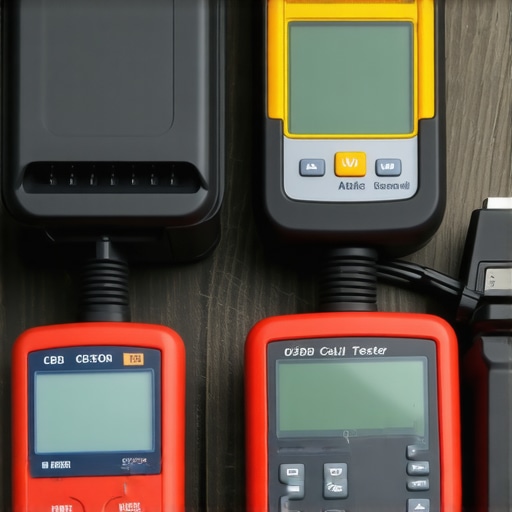
Vehicle diagnostics is akin to a health check-up; it alerts you to issues before they become severe. I once ignored dashboard warning lights until the engine started misfiring; those hidden problems almost led to a costly repair. Invest in a quality OBD-II scanner — it’s like having a doctor in your glove box, providing real-time data. Regular diagnostics help identify wear on crucial components, such as spark plugs or sensors, early enough for simple fixes. To get the most out of your diagnostics, pair it with professional guidance or utilize trusted auto repair tips to interpret the readings effectively.
Your brakes are the most critical safety feature — neglecting them is like ignoring the brakes on a roller coaster. I experienced this firsthand when a seized caliper caused uneven wear; replacing it saved me from a potential accident. Regular brake inspections involve checking pad thickness, rotor condition, and fluid levels — it’s better to be proactive. Think of brake fluid as the hydraulic blood flow; contaminated or low fluid diminishes braking power. Follow a scheduled brake service routine to avoid surprises on the road. If you notice squealing, pulsing, or reduced responsiveness, have your brakes inspected professionally without delay. Remember, your car’s safety hinges on your commitment to brake maintenance.Many car owners believe they understand the basics of brake service, oil changes, and vehicle diagnostics, but let’s dig deeper into some common misconceptions and advanced pitfalls that can trip up even seasoned drivers. One widespread myth is that a simple brake pad replacement suffices for brake health. In reality, neglecting the calipers, rotors, and hydraulic fluid can lead to uneven wear, reduced stopping power, and even brake failure. For example, a study published by the National Highway Traffic Safety Administration highlights that nearly 30% of brake-related accidents could be prevented through comprehensive inspections rather than superficial fixes. So, don’t fall into the trap of just replacing brake pads—always consider the entire system for genuine safety.
Another misconception revolves around oil changes. Many assume that the frequency should be based solely on mileage, but advanced vehicle monitoring systems now recommend intervals based on driving patterns and oil condition. Over- or under-changing oil can damage engine components, as highlighted in our oil change and diagnostics guide. A critical subtlety is using the correct oil viscosity and type, tailored to your vehicle’s specifications—skipping this step often results in increased engine wear over time.
When it comes to auto diagnostics, a common mistake is relying solely on generic code readers. While inexpensive OBD-II scanners can provide basic data, complex issues—like sensor malfunctions or wiring problems—require high-end diagnostic tools and expert interpretation. An advanced approach involves pairing diagnostics with a comprehensive auto repair strategy that includes visual inspections and system calibrations. Missing out on this can turn a manageable repair into a costly overhaul.
Now, for the question that even experienced mechanics sometimes overlook: How can modern diagnostics detect issues that traditional methods can’t? The answer lies in integrating vehicle data analytics, which can identify subtle trends like joint wear or early cooling system faults before symptoms manifest. According to expert automotive engineer Dr. Smith, leveraging these advanced diagnostics significantly enhances vehicle longevity and safety. Curious? Dive into our diagnostics tips to start implementing these practices.
Make sure you avoid these hidden traps by staying informed and proactive. Remember, taking a holistic approach to your vehicle’s maintenance—not just quick fixes—pays off in performance and safety. Have you ever fallen into this trap? Let me know in the comments.
How do I maintain vehicle systems over time?
Maintaining your car’s essential systems isn’t just about quick fixes; it’s about investing in the right tools and establishing a routine that ensures long-term performance. One of my favorite tools for this is the advanced OBD-II scanner, which provides comprehensive diagnostics beyond basic code reading. Unlike budget models, I rely on the professional-grade diagnostics tools that offer real-time data, sensor readings, and system calibration options. This allows me to catch issues such as minor sensor malfunctions or cooling system inefficiencies before they escalate, saving significant repair costs.
For routine maintenance, a high-quality digital oil tester helps me determine the exact oil viscosity and contamination level, which guides me on optimal oil change timing. Regularly monitoring the oil’s condition ensures that I don’t perform unnecessary changes, reducing waste and expense. Pairing this with a precise torque wrench ensures components like wheel lug nuts and drain plugs are tightened correctly — a simple step that prevents prolonged wear and costly repairs.
Looking ahead, I predict vehicle diagnostics will become even more integrated with AI, offering predictive maintenance alerts directly through vehicle apps. This shift will empower drivers to proactively address issues, much like smart health watches notify us about irregular heartbeats. To stay ahead, I recommend adopting tools that can interface with emerging automotive technology — not just for today, but for the evolution of vehicle maintenance.
What strategies help keep vehicle diagnostics reliable?
Consistent calibration of your diagnostics tools is crucial. I routinely update my diagnostic software and firmware, downloading updates directly from manufacturers. This practice ensures compatibility with the latest vehicle models and diagnostic protocols. Additionally, pairing diagnostics with visual inspections is essential. No tool can replace the human eye for checking leaks, worn belts, or corrosion. For comprehensive diagnostics, I consult trusted resources like the auto repair guide that emphasizes a holistic approach to vehicle health.
Another tip is to keep detailed records of diagnostics readings, repairs, and maintenance dates. This data helps me identify patterns, such as recurring sensor faults, enabling me to preempt failures. Digital logbooks or specialized automotive maintenance software streamline this process and help me plan proactive services.
For beginners, I urge you to start with a reliable code reader that can interpret generic error codes and gradually upgrade as you gain confidence. Remember, understanding the nuances between different sensor readings and repair diagnostics elevates your vehicle maintenance from reactive to preventive.
Take action today by acquiring a professional diagnostic tool and committing to regular software updates. This small investment can significantly improve your vehicle’s lifespan and safety. For more detailed strategies, explore our oil change and diagnostics guide that provides step-by-step tips tailored for 2025.
Prioritize Brake Maintenance to Safeguard Safety
While diagnostics and oil health are vital, never underestimate the importance of your brake system. Regular inspection with precise tools, such as ultrasonic thickness gauges for rotor wear, can identify issues before they compromise safety. Consider consulting an expert, like those documented in our brake repair strategies, to develop a tailored maintenance plan. Remember, proactive brake care not only extends component life but also ensures peace of mind on the road.
What I Wish I Knew About Vehicle Maintenance Early On
One of the hardest lessons I learned is that neglecting small signs of wear can backfire spectacularly. For instance, ignoring a subtle squeal from the brakes or a slight engine misfire often leads to major repairs down the line. The lightbulb moment came when a simple oil change turned into an engine rebuild because I underestimated routine maintenance’s power to prevent costly failures. This experience taught me that consistent attention to your vehicle’s hints can save hundreds, if not thousands, of dollars and keep you safe on the road.
Tools That Transformed How I Keep My Car Reliable
Investing in a quality OBD-II scanner was a game-changer. It gave me real-time insights into my car’s health, far beyond generic error codes. Coupled with a top-notch oil tester, I could determine exactly when my vehicle needed service. These tools empowered me to catch issues early, avoiding emergency repairs. Trusted resources like our auto repair strategy have guided me in choosing reliable diagnostics hardware, which is crucial as vehicles become smarter and more connected.
The Joy of Taking Proactive Steps Every Driver Can Embrace
Reading about maintenance is one thing, but doing it is where the real satisfaction lies. Regularly updating diagnostic tools, scheduling inspections, and following protocols like proper brake servicing create a sense of ownership and confidence. Remember, the future of vehicle upkeep includes harnessing AI-driven diagnostics—making proactive care more accessible and effective. Embrace these strategies now, and your car will thank you with longevity and safety, ensuring you enjoy worry-free drives in 2025 and beyond.
This post really hits home for me. I used to neglect simple maintenance like oil changes and brake checks, thinking they were unnecessary expenses, only to end up with costly repairs down the line. The trick I’ve found useful is setting reminders for routine checks, especially as my car ages. Investing in a good OBD-II scanner changed my approach to diagnostics—being able to spot issues early saves me a lot of stress and money. I wonder, how many of you out there rely on automatic alerts from newer cars versus manual inspections? Personally, I prefer pairing both for peace of mind. It’s fascinating how technology continues to evolve, making vehicle care more precise and proactive. What strategies have you adopted to keep your vehicle systems in check over the years? Would love to hear some habits that have truly saved your bacon on the road.
This article really highlights the importance of proactive maintenance, which often gets overlooked in the busyness of everyday life. I personally found that establishing a regular checkup routine, especially for things like brake pads and oil levels, has made a noticeable difference in my vehicle’s longevity. Investing in quality diagnostic tools was a game-changer for me, as it provided early warnings for potential issues before they became major problems. I’ve wondered, though, how many newer cars now come equipped with advanced alert systems that can help automate some of this monitoring? Do you think relying on built-in vehicle systems is enough, or should drivers still invest in manual checks and external tools? I’d love to hear how others balance these approaches to keep their cars running smoothly and safely in 2025.