Jan 10, 2026
Auto Repair Strategies to Extend Your Vehicle’s Lifespan
It was a scorching summer afternoon when my ride finally refused to start. The engine coughed, sputtered, and then died. That moment hit me like a ton of bricks—how many signs had I ignored before that took my car out of commission? I realized then that treating vehicle maintenance as a background task was a recipe for disaster. If there’s one thing I’ve learned over the years, it’s that proactive strategies can save you from costly repairs and extend your vehicle’s lifespan.
Today, I want to share how shifting my perspective and adopting simple, proven auto repair tactics transformed my relationship with my car—and kept it running smoothly for years longer than I expected. Whether it’s mastering the art of oil changes, vehicle diagnostics, or brake service, these tips can make all the difference. And, trust me, avoiding neglect now can save you from embarrassing breakdowns and hefty bills later.
Why Your Car’s Health Depends on Consistent Care
Many drivers underestimate the importance of regular maintenance, often assuming that as long as the car runs, everything’s fine. But this couldn’t be further from the truth. Vehicles are intricate systems; small issues—like worn brake pads or low oil levels—creep up over time and can cause serious damage if left unchecked. In fact, the majority of major repairs stem from overlooked routine services.
From my own experience, I made a terrible mistake early on: waiting for warning lights to appear before taking action. That’s like waiting until your chest hurts to visit the doctor. Instead, I started practicing consistent inspections, including oil changes and vehicle diagnostics, which I now know are two of the most critical components of reliable car ownership. If you’re curious about the best practices, I recommend diving into the [ultimate guide to oil change and vehicle diagnostics for reliable cars in 2025](https://repairmycarpro.com/ultimate-guide-to-oil-change-vehicle-diagnostics-for-reliable-cars-2025). It’s packed with tips that helped me identify issues early and keep my car on the road longer.
But here’s a question I bet many of you might be pondering: Is this level of upkeep really worth it? Isn’t regular maintenance just an unwelcome inconvenience? The answer depends on how much you value your time, money, and safety. Regular maintenance isn’t just about avoiding breakdowns; it’s about ensuring your vehicle performs at its best and lasts for many more miles.
In the following sections, I’ll walk you through practical steps—like how to perform oil and brake checks, and when to seek professional diagnostics—that will put you ahead in the auto care game. But first, let me share a quick story about a mistake I made early on that cost me dearly—so you won’t have to.Having skipped a crucial brake inspection, I found myself stranded due to brake failure, which could’ve been prevented with proper maintenance. That experience taught me that proactive auto repair strategies are non-negotiable if you want a reliable vehicle. Now, let’s get into the methods that can help you avoid those costly surprises and keep your car humming smoothly.
My first personal breakthrough came when I decided to do my own oil changes. I treated it like maintaining a health routine—regular and necessary. To start, gather the right supplies: high-quality oil, a compatible filter, and tools like a wrench and oil drain pan. Remember, using the correct oil type for your engine ensures optimal performance; consult your vehicle’s manual or check this guide for detailed advice.
Parking on a level surface, warming up your car helps oil drain better. Then, loosen the drain plug carefully—think of it as releasing a clogged pipe. Once drained, replace the filter—this is like changing filters in a home HVAC system, preventing dirt from circulating. Fill with fresh oil to the recommended level, and double-check for leaks. Performing this task periodically prevents engine wear, prolonging your engine’s life. For more detail, see effective strategies.
Think of diagnostics as a health check-up for your car. I once caught a subtle coolant leak early through a simple visual inspection, preventing a major engine meltdown. To do this, use a code reader or scanner compatible with your vehicle. Plug it into the OBD-II port—usually under the dashboard—and turn on the ignition. The device will reveal error codes that point directly to issues, akin to symptoms a doctor uses for diagnosis. Address these errors promptly; some can be solved with basic tools, but serious issues often require professional intervention. Regular diagnostics help identify problems before warning lights appear, saving money and reducing breakdown risk. For an in-depth approach, review auto repair tips.
Brake maintenance saved me from an emergency on a rainy day. I personally performed a brake pad inspection in my driveway, which involved removing the wheel, inspecting the pads for wear (think of it as checking shoe soles for holes), and listening for squeals. Worn brake pads feel like walking with worn-out shoes—a loss of grip and safety. Replacing pads is straightforward if you have the right tools: a lug wrench, C-clamp, and brake cleaner. Apply brake fluid — never neglect this crucial step—using quality fluid, as it’s like nourishing your car’s joint health. Regularly check for leaks or rust, which can compromise safety. Dive into the comprehensive brake service tips to master this vital component.
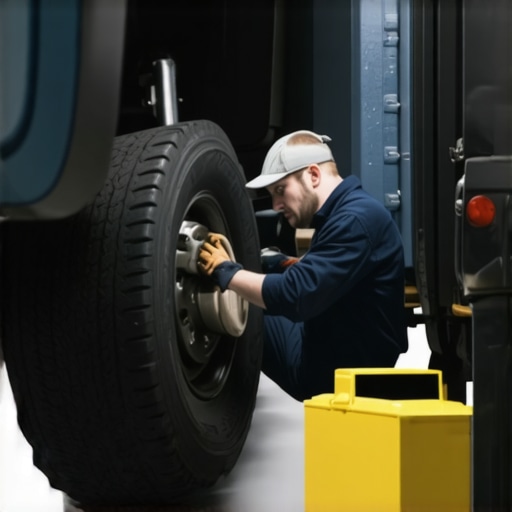 Many car owners believe that routine auto repair tasks like oil changes, diagnostics, and brake servicing are straightforward and don’t require specialized knowledge. While this might seem true at a surface level, in reality, there are critical nuances and common myths that can lead even seasoned drivers astray. For instance, a widespread misconception is that any inexpensive or generic repair service suffices. However, cutting corners often results in subpar fixes that only delay larger issues. To truly optimize vehicle performance and safety, understanding these subtle pitfalls is vital.
One of the most insidious myths is the idea that all oils and diagnostic tools are created equal. Many assume that any motor oil with the right viscosity will do, but experts emphasize the importance of selecting high-quality, manufacturer-recommended oils to prevent engine wear. Similarly, with diagnostics, using generic scanners might suffice for basic error codes, but advanced diagnostic tools—like those referenced in the auto repair tips for reliable vehicle maintenance—can detect nuanced issues that generic tools may miss, saving you from costly repairs down the line.
The trap of neglecting brake maintenance extends beyond just replacing worn pads. Many overlook the importance of inspecting brake fluid quality and calculating the optimal service intervals. Brake fluid is hygroscopic, meaning it absorbs moisture over time, which can drastically reduce braking efficiency. Skipping regular fluid changes can cause corrosion and compromise safety, especially on long, treacherous drives. For detailed guidance, consider reviewing brake service tips that highlight hidden maintenance essentials.
A frequent mistake in vehicle diagnostics pertains to misinterpreting error codes. Many drivers assume that clear-cut error codes are the whole story, but diagnosticians know that codes are merely symptoms, not definitive diagnoses. This is where advanced understanding becomes crucial. According to automotive experts, the context behind the codes—the real-world symptoms—must be evaluated to avoid unnecessary repairs or ineffective fixes. Therefore, pairing error codes with a thorough visual inspection and understanding of vehicle history, as detailed in auto repair essentials, improves repair accuracy and longevity.
Finally, many underestimate the importance of regular owner education. Vehicle technology continually evolves, adding layers of complexity that require more than just reactive repairs. Keeping informed through credible guides and expert tips helps avoid unnecessary damage and maximizes your investment. For example, leveraging resources on advanced diagnostics or preventive maintenance strategies—like those in effective strategies for oil change and diagnostics—empowers drivers to be proactive rather than reactive.
Have you ever fallen into this trap? Let me know in the comments! Recognizing these hidden nuances can drastically improve your auto care routine, helping your vehicle serve reliably for years to come.Maintaining a reliable vehicle over the long term requires investing in the right tools and mastering effective methods. One essential piece of equipment I personally rely on is a high-quality OBD-II scanner. Unlike generic code readers, my preferred scanner—the Autel MaxiCOM MK808—provides in-depth diagnostics, allowing me to interpret error codes accurately and understand underlying issues before they escalate. This detailed insight helps me decide whether a simple repair suffices or if professional intervention is needed. Over time, I’ve found that investing in such a scanner pays off by saving both money and time, especially when it comes to vehicle diagnostics, which become increasingly complex with newer models. Looking ahead, the trend is moving toward wireless, app-integrated diagnostic tools that enable on-the-go analysis through smartphones, making proactive maintenance more accessible.
For routine maintenance, I recommend keeping a set of quality tools—like a torque wrench, brake caliper piston tool, and a digital multimeter. I personally swear by the GearWrench torque wrench because it ensures precise tightening of critical components, reducing the risk of over-tightening or under-tightening that can lead to future issues. Meanwhile, a good multimeter, such as the Fluke 117, enables me to troubleshoot electrical systems efficiently, especially when diagnosing faulty sensors or wiring problems. These tools, when used correctly, speed up tasks like oil changes, brake inspections, and component testing, thereby extending your vehicle’s lifespan.
To keep your repairs effective over time, develop a routine schedule for inspections and diagnostics. For example, performing visual inspections of brake pads and rotors every few months, combined with periodic diagnostics—preferably using a reliable scanner—can reveal early signs of wear. Additionally, maintaining clean and well-lubricated parts such as the brake calipers and suspension components prevents uneven wear and unexpected failures. I also incorporate software updates for my diagnostic tools regularly; manufacturers often release firmware updates that enhance their capabilities and adapt to new vehicle models, ensuring that I stay ahead of potential problems.
As vehicle technology evolves rapidly, integrating these advanced tools into your maintenance routine isn’t just recommended; it’s becoming indispensable. For instance, the latest diagnostic platforms now support advanced functions like ABS system analysis and hybrid system checks, which were once exclusive to professional garages. Embracing these tools now positions you to catch issues early and avoid costly repairs down the line.
How do I maintain vehicle diagnostics over time? The key lies in staying informed: subscribe to industry updates, participate in online auto repair communities, and practice regularly with your tools. A great resource I often visit is auto repair tips that keep me updated on the latest diagnostic strategies.
Start by trying out a professional-grade scanner like the Autel MaxiCOM MK808 during your next maintenance session. It’s a game-changer for catching issues early and ensuring your vehicle continues running safely and efficiently. Remember, investing in the right tools and developing good habits now will pay dividends as your vehicle age and technology advance.
The Hidden Truths That Changed My Auto Care
One major lesson I learned was that consistent auto repair routines don’t just prevent breakdowns—they build a deeper understanding of my vehicle, empowering me to take control instead of simply reacting. Recognizing subtle signs like slight changes in engine noise or brake responsiveness often saved me from costly repairs. This proactive mindset transformed my approach from casual neglect to confident maintenance, showing that knowledge truly is power on the road.
Another insight was realizing the importance of trusting quality tools and resources. Investing in a reliable diagnostic scanner and consulting expert-approved guides, like the auto repair tips for reliable vehicle maintenance, gave me clarity. These resources aren’t just about fixing problems—they’re about understanding them thoroughly before they escalate, making every repair count.
Lastly, I discovered that every vehicle offers clues to its health—if you know how to read them. Visual inspections combined with diagnostics became my routine, turning guesswork into precise action. It’s like speaking the vehicle’s language, catching issues early and avoiding surprises. This knowledge, once learned, is invaluable for anyone who wants their car to serve reliably and safely for years to come.
Tools and Tips That Elevated My Auto Routine
The backbone of my improved maintenance became trusted tools like the auto repair diagnostics guide and a high-quality scan tool. These have allowed me to interpret error codes accurately and diagnose ailments early. Paired with essential equipment such as a torque wrench from reliable sources, I began performing my own oil changes and brake checks confidently. Building a kit tailored to my vehicle’s needs turned routine maintenance into a satisfying craft, saving money and extending longevity.
In addition, consulting industry-standard resources like the top auto repair tips kept me informed about evolving best practices. Regularly updating software for my diagnostic tools and scheduling visual inspections became second nature, ensuring I stayed ahead of potential issues. This combination of tools and ongoing education turned auto upkeep from a chore into a trusted ritual.
Believe in Your Power to Keep Your Car Running Strong
Taking control of auto maintenance is more than just about avoiding breakdowns; it’s about cultivating confidence and independence on the road. Each proactive step—be it an oil change, brake inspection, or diagnostic check—is a reinforcement of your capability to care for your vehicle. Remember, the best repairs are the ones you prevent, and that starts with knowledge, the right tools, and a commitment to routine. Your car’s reliability is a reflection of your dedication—so don’t shy away from learning and acting. The road is yours to conquer, one healthy mile at a time.
More Details