Jan 23, 2026
Why Your 2026 Auto Repair Bill Is So High (And How to Fix It)
I remember that sinking feeling all too well—pulling into the repair shop, expecting a straightforward oil change, only to be handed a bill that made my eyes widen in disbelief. It felt like my vehicle had turned into a money pit overnight. That moment was my lightbulb moment: I realized that the hidden costs of vehicle maintenance are sneaking up on us, especially with the complex advances in auto technology but not always with the knowledge to handle them.
How Did Costs Get So High, and Why Now?
Every year, vehicle repairs seem to get more costly—and no, it’s not just your imagination. Modern cars are packed with sophisticated electronics, advanced diagnostics, and intricate systems that require specialized tools and knowledge to repair. Early on, I made the mistake of relying solely on quick fixes, like ignoring the importance of proper diagnostics or delaying essential maintenance. That led to much bigger problems and bills down the line.
Here’s the thing: if you want to keep your repair costs manageable, understanding what’s behind these rising expenses is crucial. For example, your car’s onboard diagnostics have evolved dramatically, making troubleshooting more precise—but only if you’re using the latest techniques. I found that learning from reliable resources like the ultimate guide to auto repair diagnostics helped me avoid unnecessary repairs and save hundreds.
Have you experienced one of those surprise repair bills that threw off your budget? You’re not alone. Many drivers find themselves caught unprepared, spending far more than expected due to overlooked maintenance or outdated repair knowledge.
In the upcoming sections, I’ll walk you through actionable strategies—including simple maintenance tips, diagnostic best practices, and how to spot trouble before it costs a fortune. Buckle up—getting savvy about auto repairs isn’t just saving money; it’s giving you peace of mind on the road.
Perform Regular Oil Changes on Schedule
Think of your car like a blood donor—regular oil changes keep the engine blood flowing smoothly. I once ignored my oil until I noticed sluggish acceleration. After a quick oil change using tips from auto repair maintenance strategies, my engine ran quieter and more efficiently. Schedule oil changes every 3,000 to 5,000 miles, and always use quality oil to prevent wear and tear.
Use Proper Diagnostic Tools for Trouble Spots
Imagine your car is a patient; diagnostics are the doctor’s stethoscope. I once faced a check engine light blinking stubbornly. Instead of guessing, I borrowed a OBD-II scanner (a handy diagnostic tool) and found a loose gas cap, saving me from costly repairs. For accurate readings, connect to diagnostics best practices that help you interpret codes correctly, pinpoint issues, and decide on repairs confidently.
Choose Reliable Repair Methods
Skipping proper repairs is like patching a leaky boat with duct tape; it won’t last. I learned that replacing brake pads with authentic parts and following manufacturer specifications prevented brake squeal and extended lifespan. When dealing with complex systems, consult trusted resources to ensure the repair last, preventing repeat jobs and unexpected costs.
Inspect and Replace Worn Components Before Failure
Preventive maintenance is your car’s health check-up. I once ignored a worn serpentine belt, leading to a roadside breakdown. Afterwards, I started routine inspections, checking belts, hoses, and brakes regularly using vehicle lifespan extension tips. Replacing worn parts early avoids breakdowns and expensive emergency repairs.
Stay Informed with Reliable Resources
Knowledge is your best tool. I bookmarked trusted sites like auto repair diagnostics guide and dedicated forums, which helped me troubleshoot issues without guessing. By staying updated on maintenance tips and repair techniques, you can handle many problems yourself or know exactly when to seek professional help.
Many drivers operate under common misconceptions about auto repairs, especially regarding diagnostics, oil changes, and brake services. Let’s dig deeper into what most people get wrong and why misinformation can lead to costly mistakes.
Are There Flaws in Popular Diagnostic Assumptions?
One widespread myth is that a check engine light always indicates a severe issue requiring immediate repair. In reality, many lights are triggered by minor problems like a loose gas cap or sensor glitches, which can be easily diagnosed with proper tools. Relying solely on visual cues or ignoring these signs can escalate minor issues into major expenses. Teaching yourself to interpret diagnostic codes accurately, using trusted resources like diagnostics best practices, helps you avoid unnecessary repairs and understand your vehicle better.
Why Skipping Regular Oil Changes Is a Costly Mistake
Conventional wisdom suggests waiting longer between oil changes to save money, but this is a dangerous misconception. Modern engines are sensitive to oil quality, and neglecting timely oil changes leads to increased wear, reduced efficiency, and even engine failure. Advanced oil formulations and synthetic options extend intervals, but they still require adherence to manufacturer recommendations. A common trap is misjudging oil condition without proper checks, which can cause irreversible engine damage. For reliable performance, follow expert tips found on oil change maintenance guides. Remember: preventive maintenance saves money in the long run.
Brake Service: More Than Just Pads Replacement
Many assume that replacing brake pads is a straightforward job, but overlooking underlying issues can jeopardize safety. Worn rotors, warped calipers, or contaminated brake fluid demand more comprehensive inspections and repairs. A common mistake is waiting until brakes squeal loudly or vibrations occur, which indicates advanced problems and higher repair costs. Regular brake system checks, including fluid analysis and rotor condition, ensure your vehicle stops reliably. For expert insights on safer, more effective brake repairs, consult auto repair brake service tips. Having a nuanced understanding of brake health can prevent accidents and expensive emergency repairs.
Conveying Advanced Knowledge with Confidence
For seasoned enthusiasts or professionals, recognizing the nuances in diagnostic errors or maintenance shortcuts is essential. The myth that electronic diagnostics replace traditional checks can be misleading; modern tools complement but do not entirely substitute manual inspections. Additionally, advanced repair techniques—like updating your vehicle’s diagnostic software or understanding specific sensor calibrations—make a significant difference. Staying informed through detailed resources like auto repair top tips empowers you to avoid pitfalls. Remember, sometimes the seemingly minor oversight can lead to the most expensive repairs. Have you ever fallen into this trap? Let me know in the comments.
Keep it Running with the Right Tools
Maintaining your vehicle’s performance over time hinges on having the proper equipment. From diagnostic scanners to simple hand tools, each plays a crucial role in proactive auto care. Personally, I rely heavily on an OBD-II scanner that connects effortlessly to my smartphone, allowing me to interpret error codes instantly. This tool, paired with reliable repair resources like trusted maintenance guides, ensures I catch issues early, saving hundreds on repairs.
Why a Quality Diagnostic Scanner Matters
Investing in a good diagnostic scanner isn’t just about reading codes; it’s about understanding your vehicle’s health comprehensively. I prefer models that support the latest protocols and offer clear, detailed reports. Look for scanners compatible with your car’s make, as discussed in diagnostics best practices. These tools help me identify faulty sensors or systems before symptoms escalate, enabling targeted repairs instead of costly guesswork.
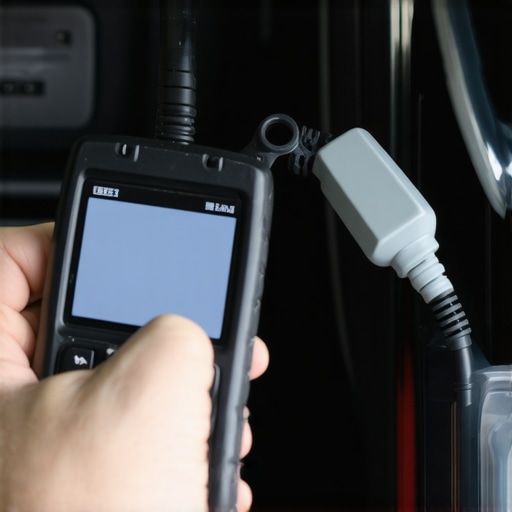
For example, a quality OBD-II scanner allows me to see real-time data during a test drive, helping me pinpoint issues like improper fuel mixture or misfires quickly. As vehicle technology advances, these diagnostic tools are evolving, making troubleshooting more accurate and less intimidating for the do-it-yourself enthusiast.
Manual Tools for Long-Term Success
While high-tech tools are vital, traditional manual equipment shouldn’t be overlooked. Quality wrenches, screwdrivers, and torque wrenches ensure proper assembly and prevent damage. I personally prioritize tools with ergonomic grips and durable construction. Regular inspection and calibration of these tools are essential, as explained in auto repair strategies. Using the right tool for each job minimizes errors and extends your vehicle’s lifespan.
Predicting Future Trends in Auto Tools
The automotive diagnostic and repair industry is rapidly embracing automation and AI-driven insights. Future tools may include machine learning-powered systems that predict component failures before they occur,-based on vehicle usage patterns. Staying ahead involves not only investing in current tech but also keeping an eye on emerging solutions that could revolutionize DIY maintenance.
How do I maintain diagnostic tools over time?
Proper maintenance of your diagnostic devices ensures long-term reliability. Regularly update firmware, keep connectors clean, and store tools in a dry environment. Calibration is crucial; annually check your tools against standards. I also recommend following manufacturer instructions meticulously to prevent issues and maintain accuracy. Implementing these habits guarantees your tools serve you reliably, which is increasingly important as vehicles become more sophisticated.
To make the most of your setup, try updating your diagnostic software with the latest patches and practice interpreting codes using trusted resources. Doing so can significantly improve troubleshooting accuracy, saving you money and headache over time. Remember, equipping yourself with quality tools and maintaining them is a smart investment in vehicle reliability and your peace of mind on the road.
The Hardest Lessons I Learned About vehicle diagnostics,auto repair,oil change,brake service
One of my biggest mistakes was ignoring the subtle signs that my car needed attention. Over time, I realized that neglecting early indicators—like a minor squeal or a slightly rough idle—could lead to costly repairs. Now, I know that paying attention to these small cues and using reliable diagnostics best practices can save you hundreds and keep your vehicle running smoothly.
The Myth That DIY Fixes Always Save Money
I used to believe I could fix everything myself. While DIY repairs can be cost-effective, I learned that rushing into repairs without proper tools or knowledge often backfires. Investing in quality auto repair strategies and knowing when to consult professionals ensures repairs are durable and less expensive in the long run.
Overlooking Preventive Maintenance Can Be Costly
Skipping routine checks like oil changes or brake inspections seemed harmless at first. But I discovered that preventive measures, guided by trusted maintenance tips, are the keys to avoiding emergencies. Regular inspections and early replacements preserve vehicle health and save money.
Why You Should Never Rely Solely on Dashboard Lights
The warning lights are helpful, but I learned not to wait until they turn on to act. Many issues can be caught early with simple diagnostics techniques. Acting promptly on minor signs avoids major repairs and keeps your car on the road longer.
More Details