Jan 27, 2026
Why Your Regenerative Brakes Squeal (2026 Fix Checklist)
Ever had that sinking feeling when you hit the brakes and hear that irritating squeal, even after a recent brake service? I remember the first time I experienced it—my heart sank, thinking I had just wasted money on new pads. Turns out, that squeal can be more than just an annoyance; it can be a signal that something’s off with your regenerative braking system. And believe me, ignoring it isn’t the answer.
Don’t Let Squeals Steal Your Peace of Mind
Regenerative brakes are marvels of modern auto technology, helping boost fuel efficiency while stopping smoothly. But when they squeal unexpectedly, it can lead to bigger, more costly issues down the line. Over my years tinkering with my vehicle, I’ve learned that those high-pitched sounds often originate from overlooked misalignments or worn-out components—things you might be able to fix yourself with a bit of know-how.
Is it worth worrying over that squeal? Absolutely—if you want to keep your car reliable and safe. Today’s post will walk you through a simple, straightforward checklist to identify and fix the common causes of brake squealing. No more guesswork, just practical steps to restore peace during every stop.
Will Fixing This Save Money in the Long Run?
Early mistakes in diagnosing brake issues can lead to unnecessary expenses. I once replaced my brake pads without inspecting the rotors properly, which only masked the real problem. That oversight cost me extra bucks in the end. To prevent this, I recommend checking out expert strategies, like those discussed in [this comprehensive guide](https://repairmycarpro.com/auto-repair-tips-for-reliable-vehicle-maintenance), to ensure your repairs are both effective and lasting.
Now, let’s dive into the first steps you can take today to quiet those squeals and keep your brake system humming smoothly.
Start With a Visual Inspection
Begin by safely elevating your vehicle using jack stands, then remove the wheels to access the brake components. Look for uneven wear, dirt buildup, or corrosion on the brake pads and rotors. I once found thick rust on my rotor surface, which I cleaned with a wire brush—this simple step immediately reduced squealing. Think of your brake system like a kitchen sink drain; if debris accumulates, it causes noise and inefficiency. Clearing out the grime is crucial for proper functioning.
Check for Proper Alignment and Calibration
Misalignment can cause uneven pad contact, leading to squeals. Use a brake pad spreader or a flat metal tool to gently press the pads apart and observe if the pistons move smoothly. If they stick or resist, the caliper piston might be sticking, requiring lubrication or replacement. Remember, misaligned parts act like shoes that don’t fit right—they cause unnecessary friction and noise. A quick inspection of piston movement can save you from bigger issues later.
Test the Brake Pad and Rotor Surface
Run your finger cautiously along the rotor surface to feel for rough spots or grooves—these imperfections can cause squealing. If you detect unevenness, consider resurfacing or replacing the rotors. I once faced persistent squeals, and after resurfacing my rotors, the noise vanished, much like smoothing out a rough road. Think of this like sanding a piece of wood before painting—surface quality affects overall performance.
Verify the Anti-Squeal Components
Inspect the anti-squeal shims and lubricant between the pads and calipers. These components act like noise dampers—without them, vibrations amplify into squeals. If shims are missing or cracked, replace them with OEM parts or high-quality equivalents. Applying a thin layer of brake grease to contact points prevents metal-on-metal contact, akin to applying WD-40 to squeaky door hinges. When I failed to replace worn shims, the squealing persisted until I followed this step, which made a noticeable difference.
Test Drive and Listen for Changes
After completing visual checks and component repairs, carefully test drive your vehicle on a safe road. Accelerate gently and apply light braking to observe any residual squeals. If noise remains, re-inspect the pads and rotors for signs of uneven wear or glazing—glazing appears as a shiny surface on pads caused by excessive heat. Cleaning or replacing glazed pads can restore quiet operation, much like polishing a scratched glass surface.
When to Seek Professional Help
If squealing persists despite your efforts, it might be time to consult a professional. Complex issues like caliper piston corrosion or warped rotors require specialized tools and expertise. Remember, neglecting persistent brake noise can compromise safety, so don’t hesitate to seek advice from experienced technicians. Regular diagnostics via trusted sources like [auto repair experts](https://repairmycarpro.com/auto-repair-tips-for-reliable-vehicle-maintenance) can prevent future problems and keep your braking system reliable.
While many car enthusiasts believe they understand vehicle diagnostics and repairs, the truth is that most get caught up in common myths that can lead to costly mistakes. A frequent misconception is that a simple visual inspection or relying solely on dashboard warning lights guarantees accurate diagnostics. However, expert auto technicians emphasize that these signs are only surface-level indicators—true understanding requires digging deeper into how systems interact under real-world conditions.
Are Dashboards Deceiving You About Your Car’s Health?
Many drivers panic at the sight of a warning light, rushing to replace parts or schedule unnecessary repairs. This reactive approach is often based on superficial cues rather than comprehensive diagnostics. For instance, a dashboard light for engine temperature might seem straightforward, but factors like sensor calibration errors or intermittent wiring faults can create misleading signals. According to automotive engineering research, reliance solely on onboard diagnostics can overlook underlying issues, highlighting the importance of advanced testing methods for accurate assessment.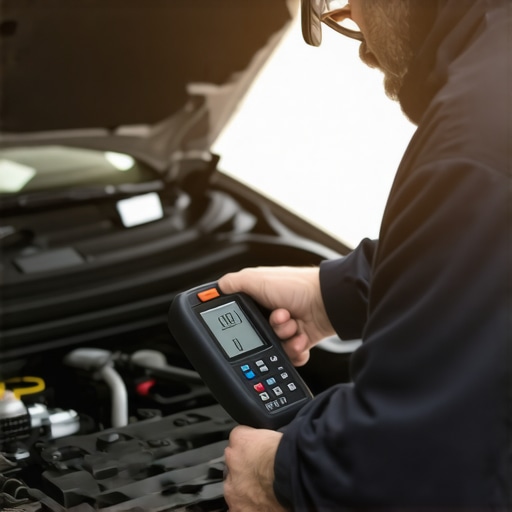
To avoid falling into this trap, understanding the nuances of vehicle diagnostics is critical. For example, differentiating between a worn brake pad and a warped rotor can save you from unnecessary replacements; sometimes, the noise is caused by dust accumulation or misaligned components, not actual damage. The common myths surrounding brake repair often lead to over-treatment—think replacing entire calipers when a simple shim adjustment would suffice. Becoming familiar with these advanced nuances ensures you’re making informed decisions that extend your vehicle’s lifespan and safety.
Another widespread misconception involves oil changes, where many believe that following the manufacturer’s recommended miles is always sufficient. Yet, factors like driving habits, climate, and engine load dramatically influence oil degradation. A study in automotive maintenance literature points out that optimizing oil change intervals based on real-time monitoring rather than generic timelines can significantly improve engine longevity. This proactive approach aligns with the broader strategy of precise vehicle maintenance, avoiding the oops of unnecessary oil changes or overlooking the need for timely interventions.
Why Do Auto Repair Shops Often Fail to Spot Hidden Problems?
Many car owners don’t realize that some repair shops may focus on quick fixes rather than comprehensive diagnostics. Their goal is to clear codes or replace visibly worn parts, but neglects subtle issues like vacuum leaks or advanced sensor malfunctions. This oversight can lead to recurring problems, which might escalate into costly repairs later. To mitigate this, it’s recommended to seek shops that employ advanced diagnostic tools and adhere to best practices outlined in resources like [auto repair tips for reliable vehicle diagnostics](https://repairmycarpro.com/auto-repair-tips-for-reliable-vehicle-diagnostics). An investment in proper diagnostics pays off by preventing the trap of temporary fixes that mask deeper problems, ultimately saving money and ensuring safety.
In summary, understanding the nuances behind vehicle diagnostics and repairs is crucial for any car owner. By questioning common myths, avoiding superficial assessments, and investing in advanced diagnostic techniques, you can maintain your vehicle’s reliability and safety effectively. Have you ever fallen into this trap? Let me know in the comments.Keeping your vehicle in top shape requires not just knowledge but also the right tools. I’ve found that investing in high-quality diagnostics equipment and essential repair tools pays dividends in longevity and safety. A digital inspection mirror, for instance, enables me to reach tight spots in the engine bay without dismantling major components, saving time and preventing accidental damage. I personally rely on a digital multimeter to verify electrical connections and sensor voltages—these are crucial for diagnosing issues like faulty ABS sensors or misfiring coils. Using an OBD-II scanner like the BlueDriver Bluetooth Scan Tool has transformed my troubleshooting process. It provides real-time data, error codes, and detailed explanations, allowing for precise repairs rather than guesswork. For brake inspections, I use a caliper piston tool set; I prefer the professional-grade ones because they prevent slipping and give me better leverage for brake caliper retraction during pad replacement. Regular calibration of these tools ensures consistent accuracy, which is vital for diagnostics accuracy. Looking ahead, I believe the trend will move towards more integrated, software-driven diagnostic systems that connect seamlessly with smartphones or tablets, making vehicle diagnostics more accessible for hobbyists. To keep your vehicle performing reliably, invest in these tools and learn their proper application. How do I maintain my diagnostic tools over time? I always follow manufacturer calibration schedules and store my equipment in a clean, dry environment to prevent corrosion and ensure longevity. Remember, precision in diagnostics begins with well-maintained tools. If you want to step up your auto maintenance game, try integrating a professional-grade OBD-II scanner into your toolkit—it’s a game-changer. For comprehensive guidance on selecting tools that match your needs, check out [auto repair tips for reliable vehicle diagnostics](https://repairmycarpro.com/auto-repair-tips-for-reliable-vehicle-diagnostics-maintenance). Proper maintenance of your equipment ensures that your vehicle’s health is always accurately assessed, saving you money and enhancing safety in the long run.In my journey with vehicle care, one of the most profound lessons I’ve learned is that real mastery comes from embracing the nuances others often overlook. I once believed that a quick wheel check was enough, only to discover later that deeper diagnostics revealed lurking issues. This realization taught me to trust comprehensive evaluations over superficial fixes, saving time and money in the long run. Another lightbulb moment was understanding that tools are only as good as the knowledge to use them; investing in quality diagnostic equipment and learning how to interpret their data transformed my approach from guesswork to precision. Lastly, I found that staying curious and questioning conventional advice opened doors to solutions tailored specifically to my vehicle’s needs, rather than relying on one-size-fits-all recommendations. This mindset shift has made me a more confident caretaker of my car, ensuring safety, reliability, and peace of mind each time I hit the road.
More Details