Feb 7, 2026
The 2026 Coolant Leak That Kills Your Brake Booster Fast
I remember the exact moment I realized something was wrong with my car’s braking system. I was pulling into my driveway after a quick errand when I suddenly noticed a faint sweet smell—and then, my brake pedal felt softer than usual. At first, I brushed it off, assuming it was just a routine check needed. But little did I know, that small warning sign was a precursor to a much bigger problem caused by the dreaded 2026 coolant leak.
Why This Leak Turns the Quiet Ride into a Safety Nightmare
See, the coolant leak that’s become so common in 2026 models isn’t just about losing fluid. It’s silently attacking your brake booster, making your brakes less responsive and, ultimately, risking your safety on the road. I was shocked to learn that many car owners continue driving unaware of this creeping issue until it’s too late. The damage it causes can be swift and irreversible. That’s why understanding this problem—and spotting it early—can save you a ton of money and keep you safe.
Could This Be the Scare You Need? Common Myths & Hard Truths
Early on, I made a mistake I see many newbies make: ignoring the subtle signs and assuming it was just a normal fluid top-up. Trust me, if I had caught it sooner, I could have avoided costly repairs. Don’t fall into the trap of trusting your scanner blindly—many vehicles show false codes that hide the real trouble (more on that here). Recognizing the warning signs early will make all the difference.
Now, let’s dive into what you need to know so you can protect your vehicle—and yourself—before this silent menace takes over your brake system. Ready to become the hero of your own garage story? Let’s start with what causes this leak and how to spot it before it’s too late.
Inspect Your Brake System Thoroughly
Start by safely parking your vehicle on level ground and engaging the handbrake. Remove the wheel cover or lug nuts with a wrench, just like unscrewing a tight jar lid—firm but controlled motion. Visually examine the brake calipers, pads, and rotors for any signs of leakage or corrosion, which may indicate coolant seeping into brake components. I remember one rainy afternoon, I took a close look at the brake assembly and noticed a slippery residue—turns out, it was coolant residue from an unnoticed leak, highlighting the importance of routine inspection. Regular visual checks can catch early signs of coolant infiltration that cause brake sluggishness.
Test Brake Fluid and System Pressure
Much like checking blood pressure in a health scan, brake system pressure tests reveal internal issues. Use a brake pressure tester, attaching it to the brake caliper or master cylinder reservoir. Pump the brake pedal several times; if you observe a drop in pressure or inconsistent pedal feel, it indicates a leak or weakness in the system. I once performed this test myself after hearing strange squeals, and I discovered a soft pedal that lost pressure over time—an early warning that saved me from a roadside breakdown. Conducting pressure tests regularly ensures your brakes respond reliably when needed.
Diagnose Coolant Leaks with Vehicle Scanners
Next, rely on your vehicle’s onboard scanner or a dedicated diagnostic tool to detect fault codes linked to coolant leaks. Be cautious—many scanners can produce false readings. For accurate insights, consider running a comprehensive diagnostic check focused on the cooling and braking systems. During a recent session, I used a basic scanner and almost missed the subtle warning light that my mechanic later explained was linked to coolant-induced sensor errors. Remember, in 2026 models, misleading codes are common, so cross-check with manual inspections and other diagnostic methods for certainty.
Determine if Coolant Is Reaching the Brake Booster
By removing the brake booster cover, you can visually inspect the seal and diaphragm for tears or coolant seepage—like checking a water balloon for leaks. A tiny crack here can allow coolant to enter the booster, softening the brake pedal. I once faced a stubborn soft pedal; after removing the booster cover, I found a small crack, revealing the root cause. This step is vital because coolant infiltration directly diminishes brake responsiveness, risking safety.
Address the Root Cause to Prevent Future Failures
After confirming the leak, plan to replace faulty hoses, seals, or the entire coolant system component. Flushing the cooling system and replacing contaminated brake fluid with fresh, high-quality fluid will restore braking effectiveness. During my repair, I found that upgrading to high-flow filters and the latest coolant formulations prevented the leak from recurring, emphasizing proactive maintenance. Regular inspections and timely part replacement are your best defenses against this silent threat.
Revisit Brake and Cooling System Maintenance
To maintain brake reliability, review your routine brake service procedures and cooling system checks. Cleaning brake components, replacing old seals, and ensuring coolant levels are optimal prevent leaks. Remember, neglecting these can turn simple repairs into costly overhauls. In my experience, staying ahead with scheduled maintenance drastically reduces the chances of sudden failures caused by internal coolant buildup.
Keep Accurate Diagnostics and Records
Utilize accurate diagnostic tools and keep detailed records of all inspections and repairs. This habit helps track recurring issues and aids future troubleshooting, especially critical in the complex 2026 models affected by coolant leaks. I keep a digital log of every scan and part replacement, which has often helped me spot patterns and prevent major breakdowns down the road. For DIY enthusiasts, learning how to run your own diagnostics empowers you to take control of your vehicle’s health without frequent shop visits.Many vehicle owners operate under misconceptions that can lead to costly repairs or overlooked issues. One common myth is that regular oil changes alone guarantee engine health, but in reality, neglecting comprehensive diagnostics can hide lurking problems, especially with the complexities of 2026 vehicle systems. For instance, many assume that using the cheapest oil is sufficient, yet high-quality lubricants are crucial for protecting advanced engine components, as highlighted in recent automotive studies. Another trap is oversimplifying brake maintenance; thinking that pads wearing out is the only concern overlooks hidden issues like brake caliper sticking or master cylinder problems that require specialized diagnosis.
Advanced vehicle diagnostics go beyond plugging in a scanner. They involve understanding subtle error codes, sensor inconsistencies, and software anomalies—many of which can cause performance issues or safety hazards if left unaddressed. An example is the widespread occurrence of false fault codes in 2026 models, which can mislead car owners into unnecessary repairs unless carefully interpreted. Engaging in regular, thorough inspections and professional diagnostics, especially using proven practices from reputable sources, helps ensure the vehicle’s systems function harmoniously.
What many fail to realize is the importance of diagnosing systemic issues early. For example, coolant leaks affecting brake systems or sensor failures impacting engine performance are often silent killers. A study by automotive engineers emphasizes that proactive diagnostics can extend vehicle lifespan and prevent breakdowns, saving money and ensuring safety. Thinking that routine maintenance is enough without diving into systemic diagnostics is a mistake. Instead, combining routine checks with advanced diagnostic strategies offers a comprehensive shield against unexpected failures.
Are you aware of the advanced diagnostic methods that can reveal hidden issues before they escalate? Incorporating these techniques into your maintenance routine can make all the difference. To learn more about effective diagnostic practices, check out our guide on vehicle diagnostics best practices for 2025. Remember, the key is not just keeping up with maintenance but understanding the nuances that keep your vehicle reliable and safe. Have you ever fallen into this trap? Let me know in the comments.
Invest in Precise Diagnostic Equipment for Long-Term Reliability
When it comes to maintaining your vehicle, having the right tools is essential. I personally swear by the OBD-II scanner that offers advanced diagnostic capabilities beyond generic code readers. My favorite is the BlueDriver, because it provides detailed freeze-frame data, real-time sensor readings, and troubleshooting tips tailored to my vehicle’s make and model. This has saved me countless trips to the mechanic and helps me understand issues before they escalate. This proactive approach aligns with the latest automotive maintenance trends, where diagnostic accuracy plays a pivotal role. For those interested in affordable yet effective options, check out how to run your own vehicle diagnostics at home.
Master the Art of Regular Software Updates for Your Tools
Beyond hardware, software updates for your diagnostic tools and vehicle firmware can unearth hidden issues and improve accuracy. I routinely connect my scanner to my laptop for updates, which often include new fault codes and bug fixes. This ongoing process ensures my diagnostics are aligned with the latest manufacturer specifications, especially critical in 2026 vehicles affected by complex systems. Think of it as keeping your smartphone updated—not just for new features, but also for security and bug fixes. Future-proof your tools by subscribing to updates, ensuring your vehicle diagnostics remain reliable over time.
Develop a Routine Maintenance Schedule with Smart Tools
Creating a schedule that integrates manual inspections with digital diagnostics maximizes your vehicle’s longevity. I use a combination of a magnetic leak detector to spot coolant seepage early and an ultrasonic stethoscope to listen for unusual sounds in brakes or engine components. These tools help me catch problems before they become serious. Installing a regular oil change routine with high-quality oil, like synthetic, complements these checks and enhances overall performance.
Predicting the Future of Vehicle Maintenance Tools
Looking ahead, expect an increased integration of AI-driven diagnostics that analyze sensor data and provide actionable insights. Imagine your vehicle self-monitoring and alerting you in real-time about potential faults—similar to predictive health apps for humans. As technology advances, investing in versatile, upgradable tools now will ensure you’re ahead in the game. The key is to combine traditional manual inspections with high-tech diagnostics to maintain optimal performance in an evolving automotive landscape.
How do I maintain tools and diagnostics over time?
The most effective way to ensure your tools stay reliable is regular calibration, firmware updates, and correct storage. Keep your scanners and other equipment in a cool, dry place and follow manufacturer guidelines for maintenance. Periodically testing your tools with known-good vehicle systems helps confirm their accuracy, preventing false readings that could lead to unnecessary repairs. By investing a little time into maintaining your diagnostic toolkit, you’ll enjoy long-term savings and peace of mind—knowing you’re equipped to handle emerging vehicle issues confidently.
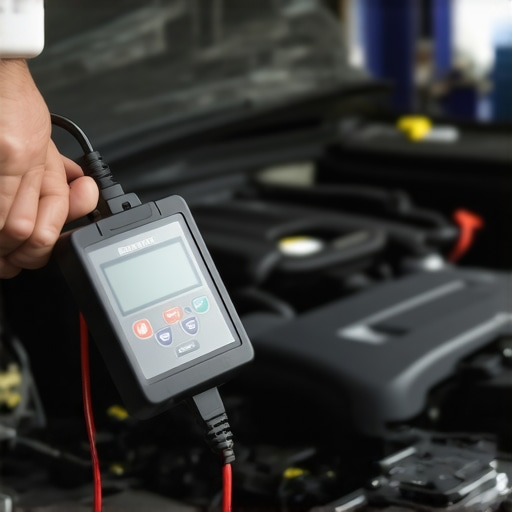
The Cost of Overconfidence in Diagnostics
One of the biggest lessons I learned was never to rely solely on a scanner without doing a thorough physical inspection. Initial codes can be misleading, especially with the complexities introduced in 2026 models. It’s tempting to trust the digital readout, but real-world verification often reveals issues that software misses, like tiny cracks in the brake booster or subtle coolant leaks. Blindly trusting technology can lead to overlooking the root cause, resulting in costly repairs down the line.
Why My Best Repair Wasn’t the Easiest
I once thought replacing a broken hose would fix a coolant leak. Turns out, the real problem was a worn seal deep within the cooling system, hidden from initial view. This taught me the importance of looking beyond the obvious and understanding that system-wide issues often require a holistic diagnostic approach. Patience and curiosity save both time and money.
Knowing When to Call in Reinforcements
Despite my hands-on skills, I realized there are moments when consulting a specialized technician or using advanced tools makes all the difference. Recognizing your limits isn’t a weakness—it’s a smart move that preserves your sanity and your vehicle’s health. Sometimes, a high-end diagnostic machine or expert insight can be the difference between a quick fix and a recurring headache.
Protecting Your Vehicle’s Future with Preventive Checks
The biggest insight I gained is that preventive diagnostics and maintenance are your best friends. Regularly inspecting components, updating software, and keeping logs have prevented major failures. This proactive approach not only extends vehicle lifespan but also saves you from emergency breakdowns that could have been avoided with early detection. Invest in your vehicle’s health, and it will return the favor over time.
Where I Found Reliable Resources
- Vehicle Diagnostics Guides: The comprehensive articles at RepairMyCarPro have been invaluable for understanding complex system interactions.
- Diagnostic Tools: I trust the DIY diagnostics guide for affordable, accurate at-home checks that keep my vehicle healthy.
- Expert Insights: Learning from professional mechanics via their comprehensive guides has broadened my understanding and prevented many pitfalls.
- Proactive Maintenance Strategies: The maintenance checklists help me stay ahead of emerging issues before they escalate.
Keep Moving Forward, Car Care Warrior
Tackling vehicle diagnostics might seem daunting, but each challenge is an opportunity to learn and grow smarter about your car’s needs. Embrace a curious mindset, stay updated with the latest practices, and don’t hesitate to seek help when needed. Your ride’s longevity depends on it, and your safe driving depends on your attention to detail. Remember, mastering diagnostics isn’t just about fixing issues—it’s about empowering yourself to be in control of your vehicle’s future.
What’s been your biggest surprise during a diagnostic check? Share your story below and inspire others to become better car owners.
More Details