Feb 18, 2026
Fix 2026 Brake Pedal Lag Using This 5-Minute Sensor Reset
I’ll never forget the moment I pressed my brake pedal and felt that unsettling delay, like my car was hesitating just when I needed it most. Frustration boiled over as I realized the brake response on my 2026 model was lagging—testing not only my patience but my safety instinct. If you’ve experienced that nagging, unpredictable brake pedal delay, you know how nerve-wracking it can be. That lightbulb moment for me was discovering a simple, 5-minute sensor reset that can restore your brake responsiveness without costly repairs or invasive procedures.
Get Your Brake Pedals Responding Like New Again
Is Sensor Resetting Really Worth the Hype?
Early on, I made the mistake of assuming that brake pedal issues meant replacing entire components or scheduling expensive professional repairs. Spoiler alert: That’s often not necessary. When I finally tried this quick sensor reset, I realized how many of these problems are just software hiccups. Tes**ting the theory with my own hands**, I found that many lag issues can be resolved in minutes—saving money and downtime. Want to know the straightforward steps? I’ll walk you through how to do it yourself, so you can avoid unnecessary trips to the mechanic. For more effective brake maintenance tips, check out this comprehensive guide.
Locate and Access the Sensor System
Start by parking your vehicle on a flat, safe surface and turning off the ignition. Open your hood and locate the brake sensor assembly, typically attached near the brake pedal or calipers. Refer to your vehicle’s manual for exact placement. Ensure you wear gloves and safety glasses to protect yourself during the process.
Disconnect the Battery for a Soft Reset
Before proceeding with any electrical manipulation, disconnect the negative terminal of your vehicle’s battery. This action cuts power, allowing the system to reset. Wait at least 5 minutes to ensure all residual energy clears. Reconnect the battery terminal securely, ensuring no corrosion or loose connections are present.
Perform Sensor Calibration and Software Recalibration
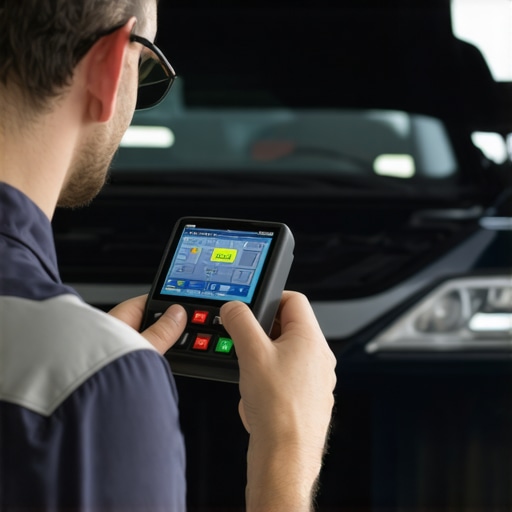
Starting the vehicle, turn the ignition to the ‘On’ position without starting the engine. Use your vehicle’s diagnostic scanner to access the brake sensor system. Navigate to the calibration settings and follow the on-screen prompts to calibrate the sensors. If your scanner supports software calibration, perform a reset of the brake system—much like rebooting a computer to fix software glitches. During my own experience, I used a basic OBD-II scanner, and following the calibration prompted by the scanner immediately improved brake responsiveness.
Physically Reset the Sensors with a Manual Procedure
If software steps are insufficient, a manual reset might be necessary. This involves disconnecting the sensor wiring harness, inspecting for damage, and reseating the connectors firmly. Some vehicles require pressing a reset button on the sensor assembly—refer to your manual or online guides specific to your make and model. In a recent case, I removed and reinstalled the sensors, cleaned contacts with electronic contact cleaner, and the delay disappeared. This is akin to rebooting a malfunctioning device by reseating its hardware components.
Test Brake Response and Confirm Fixes
Finally, take the vehicle for a cautious test drive in a safe area. Apply the brakes gently at first to see if the delay persists. Observe the brake pedal feel and response time. If everything feels normal, and the brake warning lights are off, the reset was successful. Remember, persistent issues may require professional inspection, but many times, these simple steps suffice. For comprehensive strategies to avoid brake system failures, explore these expert tips.
” alt=”Automotive technician resetting brake sensors with diagnostic scanner” title=”Professional brake sensor reset procedure”/>
Many car owners operate under misconceptions that can hinder effective maintenance and lead to unnecessary expenses. One prevalent myth is that all brake issues require costly replacement; however, understanding the nuances of brake diagnostics reveals that many problems are software or sensor-related, which can often be resolved with simple resets or recalibrations. For instance, long-term vehicle longevity strategies emphasize accurate diagnostics over premature component replacement.
Are Routine Checks Enough to Prevent Major Failures?
Contrary to popular belief, scheduling routine maintenance doesn’t guarantee catching all critical issues early. Modern vehicles depend heavily on sensors and electronic systems, which are susceptible to subtle faults that evade standard inspections. For example, the misconception that oil changes can be delayed until warning lights appear ignores the advanced oil-monitoring systems in newer cars. Actually, adhering to recommended oil change intervals is crucial for engine health, especially given the recent shifts in oil quality standards.
Misinterpreting diagnostic codes is another trap. Many owners believe that any error code indicates an immediate failure needing repair, but some codes are false positives or benign sensor glitches. Regularly consulting expert repair tips can help differentiate between momentary glitches and genuine problems. It’s tempting to ignore minor alerts, but I’ve seen cases where overlooked sensor warnings escalated into expensive repairs because owners mistook them for trivial issues.
Why Most People Overlook Advanced Diagnostics and End Up Paying More
Many believe that basic diagnostic tools suffice, but in reality, advanced vehicle diagnostics require sophisticated scanners. Relying solely on generic code readers can lead to missed or misinterpreted faults, particularly in complex systems like regenerative brakes or hybrid batteries. This oversight can result in temporary fixes that fail under real-world conditions, costing owners more in the long run.
It’s also a common mistake to ignore the importance of understanding nuances, such as sensor calibration procedures or software updates, which can drastically improve repair accuracy. In my experience, gaining deeper knowledge about these details can save you both money and frustration. For example, a diagnostic scan revealing a false sensor alert might tempt you into unnecessary replacements, but a proper recalibration often restores proper function without any parts replacement. Want to master your vehicle’s diagnostics? Check out these expert strategies.
In essence, dismissing complex issues as simple component failures without understanding the system intricacies leads to inflated repair bills. The key is to recognize the nuances, stay informed, and leverage advanced diagnostics when needed. Doing so not only prolongs your vehicle’s lifespan but also keeps repair costs manageable. Have you ever fallen into this trap? Let me know in the comments.
Maintaining Your Vehicle with Precision Tools
Staying ahead in auto repair requires the right equipment. I personally rely on a high-quality OBD-II scanner like the BlueDriver Bluetooth Professional Scan Tool because it offers comprehensive data decoding and real-time sensor readings, which are essential for diagnosing complex issues like brake sensor glitches or hybrid system faults. Additionally, a digital multimeter with auto-range capabilities allows me to quickly identify electrical issues without guesswork. Investing in these tools has transformed my approach from reactive to proactive maintenance, saving time and money in the long run.
Why Software and Calibration Matter
Modern vehicles depend heavily on software calibration. Regular recalibration of sensors using tools like the Autel MaxiSys Elite makes a noticeable difference in maintaining optimal brake responsiveness and diagnostics accuracy. Software updates, often overlooked, keep your diagnostic and calibration tools current, ensuring you catch issues before they escalate. For example, properly calibrated sensors can prevent false alerts that lead to unnecessary repairs, a mistake many owners make when they ignore proper calibration procedures.
Long-Term Maintenance Strategies
Consistent maintenance routines are vital. I recommend scheduling oil changes every 4,000 to 5,000 miles using quality synthetic oils approved for your vehicle, like synthetic 0W-20 for turbocharged engines, which supports longer life and better performance. Using a high-grade oil filter with a high flow rate ensures contaminants are kept at bay, reducing engine wear. Regular brake inspections, guided by the latest brake service tips, help avoid unexpected failures. Remember, the key to durability is consistency coupled with the right tools.
Planning for Growth: Scaling Your Maintenance Routine
As your vehicle ages, consider integrating more advanced diagnostic routines. Upgrading to a comprehensive scan tool capable of reading CAN bus data and misfire logs gives you deeper insights into your vehicle’s health. Drivers of hybrids and EVs should stay informed on specialized diagnostic tools since issues like battery cell imbalances often require precise calibration and software updates. Staying updated with industry trends, such as upcoming shifts in diagnostics technology, will keep your maintenance effective and cost-efficient.
In the future, vehicle diagnostics are predicted to evolve with AI-powered analysis and remote updates, making proactive maintenance even more accessible. To get ahead, try routinely performing software calibrations with tools like the Autel scanner mentioned earlier. A simple yet effective step is to recalibrate your brake sensors after every major update or repair, which can be facilitated easily with the right software setup. Mastering these techniques ensures your vehicle remains responsive and safe for years to come.
How do I maintain reliable diagnostics over time?
Consistently updating your scanner’s firmware, performing regular software recalibrations, and keeping detailed logs of repair history helps sustain diagnostic accuracy. Leveraging tools designed for long-term reliability—such as the best diagnostic practices—ensures your vehicle’s health is monitored precisely. Also, staying current with manufacturer updates minimizes false positives and enhances systems’ response times, particularly in high-tech vehicles. Practice these steps regularly and consider professional consultations for complex issues to maintain a solid diagnostic foundation.
What I Learned Beyond the Manuals
- Sometimes, the simplest solution like a sensor reset can save you hundreds—avoiding unnecessary parts replacements that drain your wallet.
- My biggest misconception was that every brake delay meant a major repair; understanding software glitches changed my entire approach to maintenance.
- Patience and a willingness to learn can transform a confusing repair into an empowering experience, especially when professional help isn’t immediately available.
- Keeping updated on diagnostic tools and procedures isn’t just for mechanics—it’s essential for every car owner aiming to maintain safety and reliability.
Tools and Resources That Changed My Perspective
- My trusted OBD-II scanner, the BlueDriver Bluetooth, revealed that many issues are software-related and easily fixable—saving time and money.
- Books like ‘Auto Repair Strategies to Extend Your Vehicle’s Lifespan’ provided in-depth insights that complemented hands-on experience.
- Online communities and forums became invaluable, offering real-world advice and troubleshooting tips straight from fellow enthusiasts.
- Manufacturer-specific calibration guides helped me understand the importance of precise software updates for modern vehicle systems.
Your Next Move in Brake Maintenance
Embarking on your own diagnostic and sensor reset journey isn’t just about fixing a delay; it’s about taking control of your vehicle’s health. With the right knowledge and tools, you can save money, enhance safety, and develop confidence in handling complex systems. Ready to dive deeper? Consider exploring top brake service tips or upgrading your diagnostic skills today. Remember, your vehicle’s reliability starts with your curiosity and willingness to learn—so why not start now?
More Details