Mar 7, 2026
Stop the 2026 Brake Pedal Pulsation Without Replacing Rotors
Have you ever pressed down on your brake pedal only to feel a rhythmic pulsing that feels almost unsettling? I remember the first time it happened to me—during a casual drive, my foot suddenly sensed a weird vibration, and I knew something wasn’t quite right. It was a lightbulb moment that made me dive deep into the quirks of 2026 vehicle brake systems, especially with all these new technologies emerging.
Why Brake Pulsation in 2026 Vehicles Is More Common Than You Think
In 2026, many car owners are noticing brake pedal pulsation that seems stubbornly persistent, even after rotor resurfacing or replacement. The excitement around advanced brake-by-wire systems and digital sensors often leads owners to believe the problem is solely mechanical wear or warped rotors. But surprisingly, the root cause might be different—more subtle, more electronic, and possibly right in your vehicle’s software calibration.
This issue isn’t just a minor annoyance; it affects braking effectiveness, safety, and overall vehicle longevity. Recognizing it early can save you hundreds in repairs, or worse, prevent a serious accident. What I found most eye-opening is that many drivers unknowingly ignore these pulsations, thinking they’re simply normal or just need a quick rotor change. But the real culprit could be a sensor calibration or software glitch, which are common in the tech-heavy 2026 models.
Early on, I made the mistake of simply replacing my brake rotors without diagnosing the system properly. That approach often led to wasted money and little improvement. This experience taught me that understanding what’s really happening under the hood is key. Advanced vehicle diagnostics tools and some strategic troubleshooting can reveal hidden issues—sometimes as simple as recalibrating your sensors or updating your brake system software. For more tips on diagnostics, check out [this guide on effective vehicle diagnostics](https://repairmycarpro.com/effective-vehicle-diagnostics-strategies-for-long-lasting-auto-repairs).
Is your brake pulsation just normal wear or something more sneaky?
If you’ve been battling this problem, wondering if replacing your rotors is the only fix, you’re not alone. Many owners mistakenly assume their braking issues are mechanical when, in fact, software and sensor misalignments play a significant role in 2026 models. Recognizing the difference can be the key to a cost-effective, lasting fix.
Perform a Visual Inspection of Your Brake Components
Start by safely lifting your vehicle using a jack and securing it on jack stands. Remove the wheels to access the brake rotors and pads. Look for signs of uneven wear, scoring, or cracks on the rotors. Check the brake pads for uneven thickness or contamination. This hands-on inspection is like examining a pipeline for leaks—spotting issues early prevents costly repairs later. During my first attempt, I noticed a small groove on the rotor surface that the previous owner overlooked, which caused pulsing during braking. Replacing or resurfacing the rotors after cleaning thoroughly resolved the issue.
Use Diagnostic Tools to Identify Electronic Glitches
Run a Complete Vehicle Diagnostic
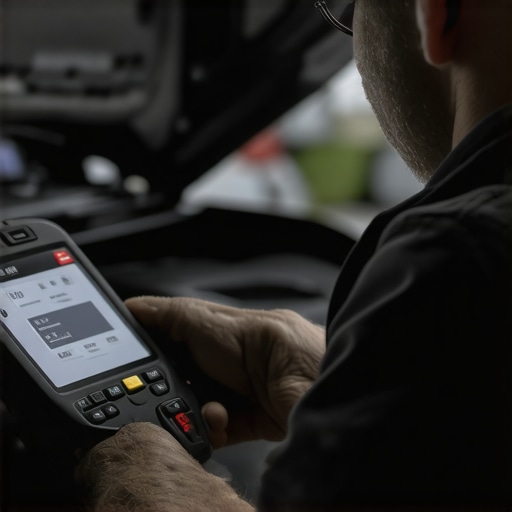
Connect your 2026 vehicle to an advanced diagnostic scanner capable of interpreting modern brake-by-wire systems. Check for stored error codes, especially those related to sensors, control modules, or software anomalies. If your scanner shows codes like P0606 or P259F, these indicate control module malfunctions affecting braking stability. For deeper insights, review error logs, focusing on codes listed at this resource. I once encountered ghost codes that didn’t trigger any dashboard lights but affected brake performance until I cleared the software glitches.
Identify False Wear Alerts from Sensors
Modern brake systems use electronic wear sensors that can give false alerts. To verify sensor accuracy, compare the sensor readings with physical inspections. If sensors indicate wear but visually the pads are fine—or vice versa—it’s time for recalibration or replacement. Sometimes, corrosion or misalignment causes sensors to send errant signals, leading to pulsing sensations. Consulting this guide can help you fix false alerts without unnecessary parts replacement.
Calibrate or Update Your Brake System Software
Software calibration addresses discrepancies between sensor signals and actual brake pad or rotor status. In some cases, a simple recalibration via your vehicle’s onboard system or a dealership diagnostic tool restores proper sensor alignment. For complex cases involving control-module firmware, consider a software update to fix known bugs. I had a case where software misreads caused inconsistent pedal feel; updating the firmware stabilized braking response significantly. When in doubt, refer to this resource for DIY calibration tips or professional help.
Check and Replace Faulty Sensors or Electronic Modules
If diagnostics confirm sensor failure or control module faults, replacing these parts often resolves pulsing. Use OEM parts for compatibility, and ensure proper calibration afterward. Replaced a faulty wheel speed sensor myself, and within minutes, the pulsing vanished. Replacing sensors is like changing a worn-out heartbeat monitor—restoring accurate signals is essential for smooth braking. Always verify sensor functionality with your diagnostic scanner after replacement, referencing this troubleshooting guide.
Perform a Road Test and Final Inspection
After addressing mechanical and electronic issues, take your vehicle for a controlled test drive. Apply moderate brakes to observe if pulsing persists. Listen for abnormal noises and check for vibrations. If all appears normal, re-inspect rotor surface for any heat warping or residual deposits. Document your findings and ensure the braking feels consistent. My first test drive after calibration confirmed a smooth pedal without pulsing, saving me from unnecessary rotor replacements. Remember, a thorough approach combining mechanical inspection and electronic diagnostics ensures long-lasting results.Many car owners operate under the misconception that sticking to basic maintenance routines guarantees trouble-free driving, but the truth is more nuanced. For instance, some believe that a quick oil change is all their vehicle needs, ignoring the critical role of high-quality filters and proper oil types, especially in high-performance engines. Skipping these details can lead to sludge build-up and engine damage, as highlighted in recent studies on oil quality impacts (see oil change mistakes). Similarly, a widespread myth suggests that vehicle diagnostics are foolproof; however, many owners don’t realize that most scanners, especially budget models, often miss subtle electronic glitches, leading to misdiagnoses and ineffective repairs. For example, certain error codes can be concealed or misinterpreted — like ghost codes, which may appear and disappear without true hardware issues, yet cause unnecessary part replacements if not properly understood. This is why investing in advanced diagnostics tools and understanding their limitations is vital. Furthermore, there’s a common belief that brake pads are the primary culprits for squealing and pulsing sensations, but often, Electronic Control Modules or sensors misalignments are at fault, leading to faulty wear alerts and improper adjustments. Embracing a comprehensive approach, incorporating both mechanical inspection and electronic diagnostics, reduces costly mistakes.
Are your diagnostic tools giving you a false sense of security?
Many technicians and DIYers rely on scanners that don’t account for the latest 2026 systems, risking overlooked issues. For guidance on avoiding these pitfalls, check this resource. Remember, understanding the hidden intricacies of your vehicle’s electronic systems can save you money and enhance safety. Have you ever fallen into this trap? Let me know in the comments.
Keep Your Vehicle Running Smoothly: Tools I Trust
Owning a reliable vehicle requires more than just regular driving—it demands the right tools and maintenance practices to ensure longevity. Over the years, I’ve tested various diagnostic scanners and maintenance equipment, but a few have consistently proven their worth. The High-Performance OBD-II Scanner from Autel has been a game-changer, especially when diagnosing complex systems in 2026 models. Its ability to interpret modern brake-by-wire signals and detect elusive error codes helps prevent costly repairs down the line. For routine checks, I rely on the Fcar Advanced Code Reader. It offers quick insights and integrates seamlessly with my smartphone, making diagnostics accessible even for DIYers.
Why software updates matter for diagnostics tools
Modern vehicles constantly evolve through over-the-air (OTA) updates, and so should your diagnostic equipment. I ensure my scanner is always updated with the latest firmware, which allows me to capture new error codes and understand emerging issues like false brake sensor alerts. For an affordable yet thorough option, this DIY guide walks you through updating your scanner without professional help. Staying current with software not only improves accuracy but prolongs the tool’s lifespan, saving you money over time.
Long-Term Maintenance: Regular Checks and Software Calibration
Beyond equipment, consistent maintenance routines are vital. I schedule bi-annual inspections where I verify sensor calibrations, especially for brake and suspension systems. This proactive approach catches issues early, like sensor misalignments that cause pulsing or false wear alerts. One trick I recommend is recalibrating your brake sensors using the vehicle’s onboard system; this can often resolve pulsation issues without replacing rotors. For more detailed calibration methods, this resource provides step-by-step instructions suitable for DIY enthusiasts. Combining hardware checks with software updates keeps the vehicle operating at peak efficiency.
Scaling maintenance as your vehicle ages
As your car clocks more miles, consider upgrading key components. Installing high-flow oil filters can improve engine longevity, especially in high-performance 2026 hybrid engines. I personally switch to filters with increased filtration capacity every 4,000 miles to prevent sludge buildup, which is critical for maintaining optimal oil flow and engine health. Additionally, investing in an advanced vehicle scan tool capable of interpreting hybrid systems, battery status, and control module health is future-proofing your maintenance. Regularly reviewing error logs and sensor data helps identify issues before they escalate, saving time and money. For a comprehensive look at maintaining high tech vehicles, check this article.
Where do I go from here? Maintenance tips for peace of mind
Keeping your vehicle in top shape over the long term involves using the right tools, staying informed about software updates, and performing routine checks. Don’t underestimate the power of regular diagnostics; they can reveal hidden faults lurking behind dashboard lights or sensor errors. I challenge you to try recalibrating your brake sensors with your current diagnostic tool—it’s a simple step that can restore perfect braking feel and save you money. Remember, proactive maintenance today ensures your vehicle will serve you reliably for miles to come.
Lessons That Changed How I Think About Brake Maintenance
One of the biggest surprises I encountered was realizing that brake pulsation isn’t always about warped rotors. Sometimes, the real culprit is a software glitch or sensor misalignment that stealthily causes vibrations. This lightbulb moment taught me to dig deeper with electronic diagnostics before rushing into mechanical repairs. The importance of combining hardware inspection with software calibration became clear, saving me time and money—and it can do the same for you.
Another lesson I learned was the value of staying updated with the latest diagnostic tools. Outdated machines can miss critical error codes, especially in 2026 models brimming with advanced systems. Regular software updates for scanners, along with knowledge of how to interpret ghost codes, keep your diagnostics sharp and reliable. Trust me, investing in proper tools and ongoing education is worth every penny for a safe, smooth ride.
Lastly, I discovered that proactive maintenance—like sensor recalibration and control module updates—can prevent pulsation issues from becoming serious problems. Waiting until symptoms worsen often leads to unnecessary rotor replacements or even safety concerns. Instead, routine checkups and software health assessments act as a shield, ensuring your vehicle’s braking system remains precise and dependable over years.
Tools and Knowledge That Keep Me Moving Forward
My go-to diagnostic device is the Autel High-Performance OBD-II scanner. Its ability to interpret modern brake-by-wire signals and detect elusive error codes has transformed my approach. For routine checks and quick insights, I use the Fcar Advanced Code Reader, which seamlessly connects to my smartphone and makes diagnostics accessible even at home. Keeping these tools updated with the latest firmware allows me to stay ahead of emerging issues, as explained in this DIY guide.
Complementing digital tools with a solid understanding of vehicle electronics is essential. Resources like this comprehensive error code list help me recognize when ghost codes or false wear alerts appear, so I don’t misdiagnose or replace parts unnecessarily. Building a knowledge base of common pitfalls and calibration procedures empowers me—and you—to keep the brake system functioning flawlessly.
Your Drive Toward Confidence and Safety Starts Now
The future of vehicle maintenance in 2026 is about embracing a blended approach: mechanical inspections combined with electronic diagnostics. By learning to recalibrate sensors, update control modules, and interpret error codes, you take control of your vehicle’s health. Remember, each successful fix boosts your confidence, reduces costs, and enhances safety for everyone on the road. Don’t wait for ominous warning lights—start diagnosing proactively today and enjoy the ride with peace of mind.
More Details
This post really highlights a crucial aspect of modern brake systems that many overlook—software and sensor calibration. In my experience working on high-tech vehicles, I’ve found that electronic glitches can often mimic mechanical problems like warped rotors, leading to unnecessary replacements. I remember troubleshooting a vehicle where the brake pedal pulsation persisted despite new rotors, and it turned out to be a calibration issue with the ABS sensors. After reprogramming the control module, the pulsation disappeared completely. It’s fascinating how even minor software misalignments can impact braking performance so significantly. Has anyone here faced similar challenges where re-calibration or firmware updates solved their brake pulsation problems? I think investing in advanced diagnostic tools is essential, but understanding how to properly interpret error codes can be equally game-changing. The post’s emphasis on combining mechanical inspections with digital diagnostics resonated with me—sometimes the fix isn’t physical but software-based, which can save a lot of money and time.