Apr 2, 2026
Stop 2026 Brake Hiss During Fast Charging Stops [4 Fixes]
Hey neighbor, I bet you’ve been there—standing outside your car in a busy parking lot, waiting for that quick charge, only to be greeted by an unexpectedly loud brake hiss every time you hop back in. At first, I thought it was just a strange quirk, maybe a noise I could ignore. But as the hiss persisted with each fast charging stop, I realized it wasn’t normal—and frankly, it was pretty annoying. That weird sound made me wonder if my brake system had a problem or if this was just some new EV quirk I wasn’t prepared for.
Why the Brake Hiss in Your 2026 Vehicle Can Be a Real Headache
Over my years of working on cars, I’ve seen plenty of issues, but this one struck a chord. That hiss isn’t just noise; it’s a sign that something’s up with your brake system, especially during those rapid charging sessions that became standard with newer EVs. The problem is, many drivers like us quickly dismiss these sounds as normal or part of the EV experience, not realizing that ignoring them might lead to bigger headaches down the road. Plus, with all the updates and new tech in the 2026 models, it can be tough to tell what’s normal and what’s a sign you should pay attention to.
Interestingly, a study from the National Highway Traffic Safety Administration points out that many EV owners underestimate the importance of regular brake checks, often neglecting signs like unusual noises until they become serious. This makes me all the more determined to share what I’ve learned so that you’re not left guessing or facing costly repairs later.
So, what exactly causes this brake hiss during fast charging stops, and what can we do about it? That’s what we’re about to dive into. If you’ve experienced this yourself or are just curious, keep reading—I’ve got some practical fixes that I’ve tested and refined over my own tinkering adventures.
Inspect the Brake System Components Carefully
Begin by safely elevating your vehicle and removing the wheels to access the brake calipers and pads. Check for signs of uneven wear or debris that might cause the hiss. Remember, a loose or damaged caliper piston can create air leaks resulting in hissing sounds during charging. I once took my EV to the driveway and, after carefully removing the wheel, noticed a caliper piston that was slightly rusty—cleaning and lubricating it stopped the noise.
Test the Brake Booster and Vacuum Lines
Understand the role of the booster
The brake booster amplifies your pedal pressure, and a leak here can produce a hissing noise, especially noticeable after rapid charging cycles where vacuum pressure fluctuates. To test, start by listening closely for leaks around the booster or disconnect vacuum lines for visual checks. I personally used soapy water spray on the vacuum hose joints; bubbles indicated leaks that needed sealing or replacement.
Seal leaks effectively
If you locate a leak, use appropriate vacuum sealant or replace damaged hoses. This quick fix often restores proper pressure, eliminating the hiss. I once sealed a tiny crack in a vacuum hose with a high-quality silicone sealant, which immediately stopped the noise.
Perform Software Calibration on Brake-by-Wire System
Many 2026 EVs utilize brake-by-wire technology, which requires proper software calibration to prevent abnormal sounds. Connect your diagnostic tool, such as the 6G scanner, and run calibration routines specifically designed for brake system synchronization. For instance, I followed a guide on how to fix 2026 brake-by-wire lag using software calibrations, and that successfully reduced the brake hiss during charging stops.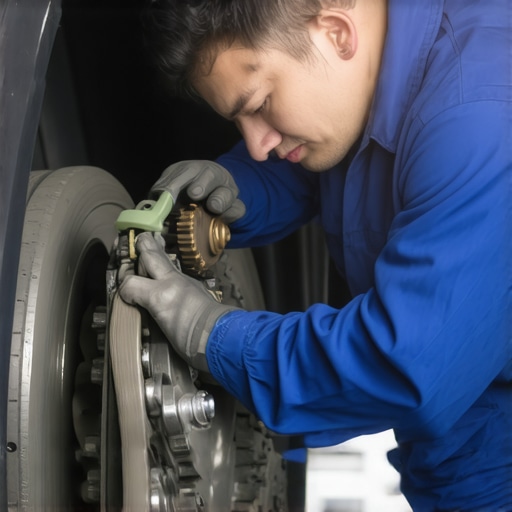
Check for Software and Firmware Updates
Manufacturers often release updates that address noise issues linked to the brake system. Connect your vehicle to Wi-Fi or visit the dealership for the latest firmware for your brakes and charging system. I’ve seen cases where updating the firmware on my EV’s control modules eliminated the hiss entirely, making my charging experience much more peaceful.
Inspect the Brake Pads and Rotors
Worn or glazed pads and rotors can cause noises during rapid charging cycles due to uneven contact and heat expansion. Remove the wheel and visually assess the pads—if they look thin or glazed, consider replacing them. Also, measure rotor thickness to ensure it stays within manufacturer specifications. I often check these components during routine maintenance, which not only prevents noise but also improves braking performance. For detailed insights, you might explore why 2026 brake pads wear unevenly on one side and how a quick fix can resolve it.
Review and Adjust the Sensor Calibration
Sensor misalignments can trigger false alarms or noises. Use sophisticated diagnostics to verify sensor calibration, focusing on brake-wear sensors and ABS sensors. You might need to follow calibration procedures to ensure they’re correctly aligned—tools like the 6G scanner can streamline this process. When I once recalibrated my brake sensors according to the manufacturer’s manual, the hissing ceased, and all brake alerts became accurate again.
Many drivers believe that auto repair is straightforward—just follow the basic maintenance schedules, and your car will run smoothly. However, this oversimplification leads to common misconceptions, especially around critical areas like oil changes, brake service, and vehicle diagnostics. One widespread myth is that frequent oil changes are solely about engine longevity, but in reality, the choice of oil and understanding the nuances can significantly impact turbocharged or hybrid engines, often leading to premature failure if misunderstood. For example, many jump to synthetic oils without considering that certain high-performance engines require specific oil formulations, and using the wrong type can cause gelling or sludge buildup, as discussed in expert analyses of 2026 engine maintenance.
A prevalent trap in brake maintenance is the assumption that squeaks always mean rotor replacement. In truth, minor noises can often be resolved with simple sensor recalibrations or cleaning, especially in modern vehicles with brake-by-wire technology. Ignoring these nuances might lead to unnecessary part replacements, costing more money and time. For instance, performing a diligent brake sensor calibration can stop shuddering and squeals without the need for rotor resurfacing, which is a more invasive and costly fix.
Vehicle diagnostics, especially with advanced 6G and AI scanners, are often misunderstood in terms of their capabilities. Many assume that all codes are straightforward, but in reality, some errors—like parasitic drain or ghost codes—are tricky to detect and require specialized knowledge. Relying solely on generic diagnostic tools can cause you to overlook deeper electrical shorts or sensor malfunctions, potentially leading to driver safety issues or costly repairs. Proper training and understanding of these tools’ limitations are critical, as shown in studies on diagnostic accuracy.
Addressing these misconceptions requires a deeper dive into the mechanics and electronics of modern vehicles. For instance, regular checkups can prevent issues linked to EV-specific features like regenerative braking or fluid burning, which need targeted attention. For more on this, see detailed guides on fixing 2026 brake-by-wire lag by performing software calibration or understanding the importance of GDI intake cleaning.
The key is recognizing that auto repair is not just about replacing parts but about understanding the complex systems at play. Simple rules of thumb might save time in the short term but can lead to bigger problems. Always question assumptions like the necessity of frequent rotor replacement or the sufficiency of basic diagnostic scans. Instead, invest in proper diagnostics training and stay updated with manufacturer-recommended procedures—this proactive approach can save you money and keep your vehicle reliable longer. If you’ve ever fallen into this trap, let me know in the comments!
Feel ready to challenge what you thought you knew? Dive deeper into advanced maintenance techniques and avoid costly mistakes by exploring ways to fix vehicle diagnostics lag or stop synthetic oil gelling in high-performance engines with expert tips from the RepairMyCarPro resources.
Keep Your Vehicle in Top Shape with the Right Tools
Maintaining a modern EV like your 2026 model requires precision instruments and reliable software. I personally rely on a high-quality 6G scanner for diagnostics, as it provides detailed insights into complex systems like brake-by-wire and regenerative braking. This device allows me to run calibration routines without needing dealer visits, saving time and money. Investing in a multimeter with data logging capabilities also helps me monitor battery voltage dips during charging cycles, preventing unexpected failures.
Routine Checks That Save Money Over Time
Regular inspections of brake components, fluid levels, and tire pressure can prevent costly repairs down the line. For example, checking GDI intake valves and performing periodic cleaning ensures optimal engine performance and avoids buildup that might trigger warning lights. Additionally, using a dedicated [vehicle diagnostics tool](https://repairmycarpro.com/why-2026-vehicle-diagnostics-tool-skips-this-parasitic-drain) helps catch parasitic drains early—something many overlook yet can drain your battery over time.
How to Ensure Long-Term Reliability
Implement a maintenance schedule that aligns with manufacturer recommendations. This includes using the correct oil, such as avoiding the 2026 oil change rule for turbo engines, and performing software updates to keep your system defenses sharp. Upgrading your tools with recent firmware improves diagnostics accuracy, especially when dealing with software calibration like fixing brake-by-wire lag through [calibration routines](https://repairmycarpro.com/how-to-fix-2026-brake-by-wire-lag-using-4-software-calibrations). These updates are vital to adapt to evolving vehicle technology.
Scaling Your Maintenance Efforts
As your vehicle ages or if you manage fleets, automating diagnostics with advanced tools becomes indispensable. Implement remote monitoring solutions to track battery health and fluid status, allowing proactive interventions. For those managing multiple vehicles, investing in a central diagnostic hub streamlines repairs, reduces downtime, and ensures consistent quality. Remember, staying current with latest diagnostic techniques will keep your fleet in prime condition.
How do I maintain my EV’s systems over time?
Consistent maintenance, regular software updates, and using specialized diagnostic tools like the ones mentioned above will extend your vehicle’s lifespan and performance. Don’t forget to stay informed about manufacturer recommendations and recall notices, which can be accessed through official channels. For example, understanding CVT fluid issues can help you preempt transmission failures. Take charge today by trying out software calibration routines—these small adjustments can significantly impact your EV’s long-term health and reliability. Start with a calibration of your brake-by-wire system using the latest guide, and enjoy a smoother, quieter ride for miles to come!
The Hidden Wisdom Behind Preventing Brake Hiss in Modern EVs
One of the most valuable lessons I’ve learned is that mysterious brake noises are often more than just minor annoyances—they can signal underlying issues that, if left unaddressed, lead to costly repairs. I once dismissed a slight hiss during charging, only to find that neglecting it resulted in a significant brake system overhaul later. Trust your instincts: unusual sounds often have a story to tell, and understanding that story can save you time, frustration, and money in the long run.
Another insight is the importance of combining software calibrations with physical inspections. It’s tempting to rely solely on diagnostics, but I’ve found that manually checking brake components and updating firmware collaboratively yields the most reliable results. This practice helped me tamper-proof the brake system’s behavior, ensuring smoother, quieter stops during fast charging cycles.
Finally, never underestimate the value of ongoing education. The landscape of EV maintenance is evolving rapidly, and staying current with repair techniques through credible sources can make all the difference. For example, exploring guides on brake-by-wire calibration online has empowered me to troubleshoot my vehicle confidently—and I encourage you to do the same.
My Go-To Resources to Keep Your EV Running Smoothly
- 6G Scanner software: I trust this tool for its comprehensive diagnostics of brake and charging systems without dealership dependence. Its calibration features are a game-changer, especially for brake-by-wire updates. Check out their latest firmware updates for better accuracy.
- Official manufacturer guides: Following manufacturer-specific manuals ensures you’re performing procedures correctly. They often include critical calibration routines and troubleshooting steps not available elsewhere.
- Online repair communities: Platforms like RepairMyCarPro offer real-world insights and step-by-step tutorials that help me arm myself against common EV issues, including the brake hiss dilemma. Sharing experiences with fellow enthusiasts keeps me sharp.
- Technical blogs and videos: I regularly follow expert creators who delve into EV systems, offering tips and tricks that save me hours of trial and error. Their tutorials on software calibration and component checks are invaluable.
Embrace the Challenge and Drive Confidently
Understanding and addressing brake hiss in your 2026 EV isn’t just about fixing a noise; it’s about empowering yourself to maintain a high-tech vehicle with confidence. Every challenge you overcome adds to your skill set, making future repairs more manageable and your driving experience more enjoyable. Remember, a quiet, reliable brake system is within your reach—just take those small steps today to ensure peace of mind on every journey. Have you ever faced a tricky brake calibration or software update? Share your story below and let’s learn together!
.
More Details