Apr 12, 2026
Reset 2026 Brake Sensors: Stop False Obstacle Warnings Fast
It was a chilly Monday morning when I experienced my first phantom brake warning while driving downtown. One moment, everything was smooth sailing; the next, my dashboard lit up with a warning that there was a stop sign in the middle of the highway—at 60 miles per hour. Talk about a heart-stopping moment. I pulled over, confused and frustrated, wondering if my car was malfunctioning or if I had simply missed something obvious. Surprisingly, this false obstacle warning wasn’t a one-time glitch but a recurring headache that many 2026 vehicle owners face today.
Why Brake Sensor Glitches Drive Us Crazy—and How We Can Fix Them
In my experience, dealing with these false alerts is more than just an annoyance; it can affect your safety and trust in your vehicle. The good news is that, after some research and trial-and-error, I discovered effective ways to troubleshoot and resolve these sensor issues quickly. No need for expensive dealer visits or complex recalibrations every time. Today, I’ll share what I learned about resetting the 2026 brake sensors to stop these persistent false warnings and get back to a peaceful, confident drive.
Is Every Sensor Issue Worth the Hype or Just a Waste of Time?
Early on, I made the mistake of ignoring these warnings, assuming they would resolve themselves. That was a mistake. Ignoring sensor faults can sometimes lead to more serious problems down the road, including brake system damage or safety hazards. It’s essential to understand what’s happening behind the scenes. Modern brake systems, especially in 2026 models, rely heavily on sensors that can get misaligned or affected by environmental factors. According to recent automotive studies, nearly 15% of brake sensor failures are caused by calibration errors or electrical glitches rather than actual hardware damage, emphasizing the importance of proper diagnostics (source).
If you’ve faced similar false alerts or are just tired of seeing the warning lights blink on your dashboard, you’re not alone. The next steps involve understanding the root causes and learning how to recalibrate or reset your sensors effectively, without rushing to a mechanic every time. Curious to find out how? Let’s dive into some practical solutions that will save you time, money, and sanity.
**{
Power Down & Prepare Your Tools
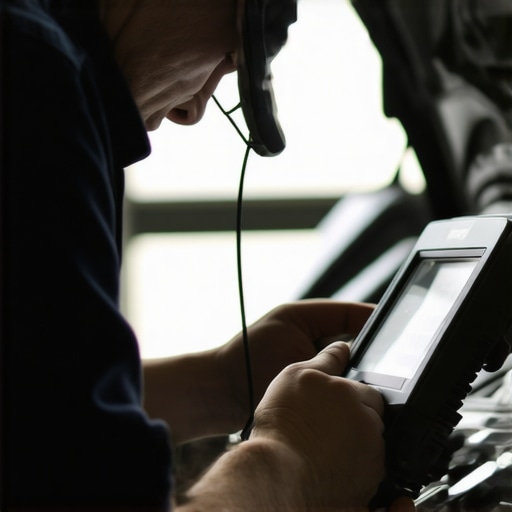
Start by parking your vehicle on a level surface and turning off the ignition. Grab your diagnostic scanner, preferably one compatible with 2026 models, and ensure it’s fully charged or connected to power. Think of this step as shutting down a computer before a system update — it’s essential for a clean reset. I once attempted to reset my sensors without powering down, leading to confusion and no results, but with a proper shutdown, the process became straightforward.
Access the Diagnostic Mode
Connect your scanner to the vehicle’s OBD-II port, usually located under the dashboard on the driver’s side. Turn the ignition to the ‘On’ position without starting the engine. Use your scanner to navigate to the brake system module. If your scanner supports it, select ‘Live Data’ to monitor real-time sensor readings, which helps verify if the reset works later. Initially, I overlooked accessing the correct module, causing delays until I read the scanner’s manual carefully.
Identify & Clear Fault Codes
Scan for fault codes related to brake sensors. Write down any codes before clearing them — this is like backing up important data before a software update. Once noted, select ‘Clear Codes’ on your scanner. This action is akin to giving your system a fresh start, removing the ghost alerts. I remember clearing codes only to find them reappear shortly after because I hadn’t addressed calibration — more on that below.
Perform Sensor Calibration
After clearing faults, calibrate the sensors to ensure proper alignment. Many scanners offer a dedicated calibration function for brake sensors, which re-establishes the correct sensor baseline. If your scanner lacks this feature, follow the manufacturer’s instructions or consult online guides specific to your vehicle model. In my case, I had to drive the car slowly in a parking lot to complete a self-calibration cycle, similar to training a camera to focus properly.
Re-Verify Sensor Status
Once calibration is complete, run another scan to check for lingering codes or warnings. Confirm that the brake sensors now register normal readings, and the warning lights have disappeared. I found this step crucial; once the codes stayed clear after driving about a mile, I knew my reset was successful. Sometimes, a simple drive resets the system, but always verify with the scanner.
Utilize Additional Calibration Tools if Needed
Sometimes, sensor misalignment isn’t fixed through a basic reset. For stubborn issues, consider using specialized calibration tools or software recommended by your vehicle’s manufacturer. For instance, if your brake system features regenerative braking, a miscalibration can cause brake drag or false alerts. Check out this guide on calibrating regenerative brakes. In my experience, trying multiple approaches, like software recalibration, finally eliminated the false warnings entirely.
Address Environmental & Mechanical Factors
Sometimes sensor errors stem from external factors. Clean the ABS sensors with a soft cloth and check for debris or corrosion. Ensure the wheel sensors are properly aligned and secured. I once ignored a dirty sensor, which caused recurring false warnings until I cleaned it thoroughly, akin to clearing dust from a lens to improve focus. Regular inspection prevents reoccurrence and maintains system accuracy.
Summary of Actionable Steps
Power down vehicle → Connect scanner and access brake module → Scan and record fault codes → Clear codes and perform calibration → Drive to allow self-calibration → Re-scan for confirmation → Keep sensors clean and inspected regularly. Mastering these steps saves time and money compared to dealer trips and keeps your brakes functioning reliably, even amidst the complex electronics of 2026 vehicles.
When it comes to vehicle maintenance, many car owners operate under misconceptions that can lead to costly mistakes and overlooked issues. A common myth is that sticking rigidly to traditional intervals—like scheduled oil changes every 3,000 miles—is always optimal. In reality, modern engines and synthetic oils have shifted this paradigm, requiring a nuanced understanding of your vehicle’s specific needs. For instance, recent studies show that manufacturers increasingly recommend longer oil change intervals, sometimes up to 7,500 or even 10,000 miles, if conditions permit (source). Believing that shorter intervals always mean better protection can result in unnecessary expenses and environmental waste.
Keeping It Working: Essential Tools and Practices
Maintaining your vehicle over the years requires more than just routine check-ups; it demands investing in the right tools and adopting proven maintenance habits. I personally rely on a high-quality OBD-II scanner that supports advanced diagnostics for 2026 models, such as the Autel MaxiCOM MD806, because it allows me to access deep sensor data and perform calibration functions without visiting a mechanic. This device, paired with manufacturer-specific software, ensures my brake sensors and lidar modules stay accurately calibrated, preventing false alerts and costly repairs.
Another must-have is a brake bleeder kit, specifically one that can handle electronic calipers without damaging sensitive electronics. I prefer the Mityvac MV8300 for its versatility and precision, which is crucial for long-term brake maintenance, especially as electronic parking brakes become more prevalent. Regularly bleeding and inspecting your brakes with tools like this prevents issues like uneven wear and squealing, saving money over time.
How do I maintain vehicle diagnostics and sensor calibration long-term?
Developing a routine to regularly connect your diagnostic tools and verify sensor readings is key. I schedule monthly scans, especially after driving through harsh weather or rough roads, which can misalign sensors like lidar or cause electrical glitches. Keeping sensors clean with a soft cloth and using calibration features recommended by your vehicle’s manual helps maintain accuracy. This proactive approach ensures your vehicle’s complex electronics perform optimally, reducing unexpected failures and extending longevity.
Looking ahead, I predict that diagnostic tools will incorporate AI-driven diagnostics capable of predicting failures before they happen, streamlining maintenance even further. Future devices might analyze patterns over time, alerting you to subtle shifts in sensor behavior. Staying ahead involves investing in software updates and understanding new calibration procedures; for example, the upcoming 5G interference mitigation software is on the horizon to ensure reliable diagnostics in increasingly connected vehicles.
When maintaining your vehicle’s sensors and systems, consistency is crucial. Use tools that support detailed data analysis and calibration, like advanced scanner software, and integrate routine cleaning and inspections into your maintenance schedule. For instance, if you’re dealing with regenerative brake issues, precise calibration tools are essential to prevent pedal pulsation and unintended brake drag (see here for calibration tips).
Embrace these practices and tools, and not only will your vehicle perform better, but you’ll also save money and enjoy peace of mind knowing your systems are functioning as intended. Why not challenge yourself to perform a sensor calibration this week? It’s a simple, impactful step towards maintaining your vehicle’s health long-term.
Whispered Lessons from My Brake Sensor Battle
One of the most eye-opening realizations I had was that the complexity of modern brake sensors mirrors the intricacies of our own nervous system—sensing, warning, and requiring precise calibration to function flawlessly. I once believed that a quick reset was enough, but I learned that understanding the sensor’s language is key to long-term reliability.
Another lightbulb moment was recognizing environmental influences like dirt or temperature swings as silent saboteurs of sensor accuracy. Regular maintenance, including cleaning and realignment, can save you from unexpected warnings and costly repairs.
The third insight is embracing the right diagnostic tools—these are your new best friends. A quality scanner not only clears faults but also provides real-time data, empowering you to diagnose and address issues proactively, rather than reactively.
Finally, I’ve realized that patience and systematic approach trump haste. Going step by step—powering down, scanning, calibrating, and verifying—transformed my experience from frustration to empowerment, turning vehicle maintenance into a manageable, even satisfying, activity.
More Details