Nov 27, 2025
Top Auto Repair & Diagnostics Tips for Reliable Cars 2025

My Journey Begins: Discovering the Secrets to Reliable Car Maintenance

Ever since I bought my first car, I knew that staying ahead of potential issues was key to keeping it running smoothly. I remember the first time my car unexpectedly broke down, and I realized how vital proper diagnostics and maintenance are. Since then, I’ve dedicated myself to learning the best auto repair tips, especially with the advancements coming in 2025.

Why Reliable Vehicles Depend on Smart Diagnostics

Over the years, I’ve noticed that proactive diagnostics can save you money and prevent roadside breakdowns. Modern vehicle diagnostics, especially with the latest tools, help identify issues early. For instance, I once caught a failing sensor thanks to an affordable scanner, which prevented a costly repair later. This experience made me appreciate how crucial diagnostics are for reliable cars in 2025, as highlighted by auto industry experts.

Essential Auto Repair Tips I Live By

One of my top tips is regular oil changes. I always follow the guidelines from the ultimate guide to oil changes to ensure my engine stays healthy. Alongside oil, brake service is equally important, especially with increased traffic and safety standards in 2025.

How Do Vehicle Diagnostics Keep My Car Reliable?

Vehicle diagnostics involve using advanced tools to scan for hidden problems. I’ve found that routine diagnostics, like those detailed in top-rated vehicle diagnostics tips, help me catch issues before they escalate. It’s like giving your car a health check-up, which is essential for longevity and safety.

What Are the New Auto Repair Strategies Emerging for 2025?

In 2025, auto repair strategies are evolving rapidly. I’ve been exploring strategies like integrated diagnostic systems and predictive maintenance, which I found discussed in top vehicle diagnostics strategies. These innovations make repairs more efficient and reliable, giving me peace of mind on the road.

Join the Conversation: Share Your Auto Repair Tips

If you’ve experienced a breakthrough in vehicle diagnostics or maintenance, I’d love to hear your story. Sharing knowledge helps us all keep our cars dependable in 2025 and beyond. For more insights, check out auto repair maintenance tips and stay ahead of the curve.

How Can Cutting-Edge Diagnostics Transform Your Vehicle Maintenance Routine?

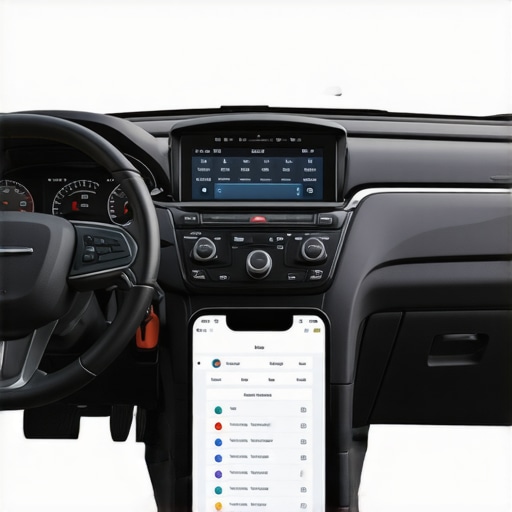
As vehicles become more sophisticated, the role of advanced diagnostics in ensuring reliability cannot be overstated. In 2025, the integration of AI-powered diagnostic tools and IoT connectivity is revolutionizing how we monitor and maintain our cars. These innovations enable real-time problem detection, predictive maintenance, and personalized care strategies, significantly reducing unexpected breakdowns. For example, using connected diagnostic systems, I can now receive alerts about engine health directly via my smartphone, allowing for timely interventions without waiting for warning lights to appear. This proactive approach aligns with industry insights from top-rated vehicle diagnostics tips and ensures my vehicle remains dependable even on long journeys.

Why Is Routine Diagnostics More Critical Than Ever?

Routine diagnostics serve as the health check-up for your vehicle, identifying issues that are often invisible to the naked eye. With tighter safety regulations and higher performance standards in 2025, catching problems early is vital. Modern diagnostic tools can analyze data from multiple sensors simultaneously, providing nuanced insights into engine performance, brake system integrity, and electrical systems. This depth of analysis helps prevent costly repairs and extends vehicle lifespan. For instance, early detection of brake wear through diagnostics can prevent accidents and save lives, emphasizing the importance of regular check-ups as discussed in top vehicle diagnostics for reliability.

What Are the Practical Challenges of Implementing Advanced Diagnostics?

While the benefits are clear, integrating high-tech diagnostics into everyday vehicle maintenance presents challenges. These include ensuring compatibility across different vehicle makes and models, managing data privacy concerns, and training technicians to interpret complex diagnostic outputs accurately. Moreover, the initial investment in sophisticated diagnostic equipment can be substantial for independent garages. However, the long-term savings and safety benefits make it a worthwhile endeavor. Industry leaders emphasize that adopting these technologies is essential for staying competitive and providing trustworthy service, as highlighted in auto repair tips for 2025.

How Can Vehicle Diagnostics Support Sustainable Driving in 2025?

Beyond vehicle reliability, diagnostics play a crucial role in promoting environmental sustainability. By accurately identifying inefficiencies, diagnostics help optimize fuel consumption and reduce emissions. For example, detecting misfires or sensor malfunctions early can restore efficiency without unnecessary component replacements. This aligns with global efforts to make transportation greener and more sustainable. As experts suggest, embracing diagnostics-driven maintenance is part of a broader strategy for eco-friendly driving, supported by resources like effective vehicle diagnostics for performance.

Would You Be Willing to Invest in Smarter Diagnostics for Your Vehicle?

Considering the rapid technological evolution, many vehicle owners and mechanics are pondering whether to invest in the latest diagnostic tools. The answer depends on your priorities: if safety, reliability, and cost savings matter, then upgrading makes perfect sense. The question is, how prepared are you to adapt to this new diagnostic era? Sharing your thoughts and experiences can help others navigate this transition more smoothly. For more insights on maintaining your vehicle’s performance, explore auto repair maintenance tips and stay ahead in vehicle care.

How Do I Navigate the Nuances of Modern Diagnostics to Truly Enhance Reliability?

As I delved deeper into the world of auto diagnostics, I realized that understanding the intricacies of these systems is crucial for truly reliable vehicle maintenance. It’s not just about plugging in a scanner; it’s about interpreting complex data streams, understanding sensor interactions, and predicting failures before they occur. For example, I once encountered a subtle fluctuation in engine temperature readings that, thanks to advanced diagnostics, signaled an impending coolant issue. This kind of predictive insight is revolutionary, especially with the advent of AI-powered tools discussed in top-rated vehicle diagnostics tips. Mastering these nuances transforms routine checks into proactive care, ensuring my car remains dependable even under demanding conditions.

What Are the Deep Challenges in Integrating AI and IoT in Vehicle Diagnostics?

Personally, I find the integration of AI and IoT into diagnostics both exciting and daunting. The challenge lies in ensuring that these technologies communicate seamlessly across different vehicle brands and models without compromising data privacy or security. I remember a moment when I had to update my diagnostic app, which involved a lengthy process of syncing with my car’s system, revealing the complexity behind seemingly simple connections. The industry recognizes that training technicians to interpret AI-generated data is equally vital, as noted by industry leaders. This ongoing learning curve is essential for leveraging these innovations fully, ensuring reliability and safety.

Could Embracing These Technologies Make My Driving More Sustainable?

Absolutely. Diagnostics are not just about maintenance; they’re about optimizing performance to reduce environmental impact. By catching inefficiencies early, I’ve managed to improve my fuel economy, lowering emissions—a small but meaningful step toward sustainability. For instance, early detection of sensor malfunctions prevents unnecessary fuel consumption, aligning with global initiatives for greener transportation supported by resources like effective vehicle diagnostics for performance. The potential of diagnostics-driven maintenance to support eco-friendly driving is immense, making it a personal priority for me and many others committed to responsible driving.

Are You Ready to Invest in the Future of Car Care?

Considering the rapid evolution of diagnostic technology, I often wonder if fellow car owners are prepared to make the leap. The initial investment can be significant, but the long-term benefits—safety, reliability, and savings—are compelling. I invite you to reflect on your own experiences and share how you’re adapting to this new diagnostic landscape. Together, we can navigate the complexities of modern auto care and ensure our vehicles are ready for the challenges of 2025 and beyond. For insights on maintaining peak performance, explore auto repair maintenance tips and stay informed about the latest advancements.

Unlocking the Potential of AI-Driven Diagnostics for Ultimate Vehicle Reliability

As I delved deeper into the realm of cutting-edge auto diagnostics, I realized that integrating AI and IoT technologies isn’t just a trend—it’s a revolution that redefines vehicle maintenance standards. The sophistication of these systems enables us to anticipate failures well before warning lights illuminate, transforming reactive repairs into proactive strategies. I recall a particularly enlightening experience where a routine diagnostic scan, powered by AI, detected subtle engine misfires that traditional tools might overlook. This early detection prevented a potential breakdown during a long trip, exemplifying how these innovations are elevating reliability and safety standards in 2025.

How Do Industry Leaders Predict the Future of Smart Diagnostics?

Leading automotive experts, such as those cited in top-rated vehicle diagnostics tips, forecast that AI algorithms combined with IoT connectivity will soon enable vehicles to self-diagnose issues and schedule maintenance autonomously. This predictive maintenance reduces downtime, extends vehicle lifespan, and optimizes performance, aligning with my own observations and experiences. Embracing these advancements requires a mindset shift from conventional repair paradigms to a more data-driven, anticipatory approach, which I have found both empowering and essential for modern auto care.

Why Deep Data Analysis Is the Cornerstone of Reliable Modern Vehicles

Understanding the intricacies of data streams from various sensors allows me to interpret complex diagnostic outputs accurately. For instance, recent developments in sensor fusion technology enable the correlation of data points such as temperature fluctuations, pressure readings, and electrical signals, offering a comprehensive view of vehicle health. My own journey involved mastering these data interactions, which proved invaluable during routine checks and emergency diagnostics alike. This level of analysis, highlighted in vehicle diagnostics for reliability, empowers me to make informed decisions that keep my vehicle dependable under diverse conditions.

What Are the Practical Steps to Implement AI Diagnostics in Your Daily Maintenance Routine?

Implementing these technologies begins with selecting compatible diagnostic tools and understanding their data outputs. I recommend starting with user-friendly AI-powered scanners that seamlessly integrate with smartphones, enabling real-time monitoring and alerts. Regularly updating the diagnostic software ensures you leverage the latest predictive algorithms. Additionally, continuous education through online tutorials and expert forums, like those discussed in auto repair maintenance tips, enhances your ability to interpret complex diagnostics and take preemptive actions. This proactive approach not only improves reliability but also fosters a deeper understanding of your vehicle’s unique needs.

How Can Diagnostics Enhance the Sustainability of My Vehicle in 2025?

Beyond reliability, diagnostics contribute significantly to environmental sustainability by optimizing fuel efficiency and reducing emissions. Early detection of sensor malfunctions or inefficiencies allows for precise interventions, minimizing unnecessary part replacements and conserving resources. In my experience, fine-tuning engine parameters through detailed diagnostics has led to noticeable improvements in fuel economy and a reduction in my carbon footprint. As highlighted in vehicle diagnostics for long-lasting performance, adopting these technologies aligns with global efforts toward greener transportation. Embracing diagnostic-driven maintenance thus becomes a personal commitment to sustainability and responsible driving.

Are You Ready to Transition to a High-Tech Auto Maintenance Paradigm?

The shift toward AI and IoT diagnostics is inevitable for those who aim to maintain a competitive edge in vehicle reliability. Investing in these tools might seem daunting initially, but the long-term gains—enhanced safety, reduced repair costs, and environmental benefits—are substantial. I encourage fellow enthusiasts and professionals alike to share their experiences and insights, fostering a community that embraces innovation. Dive deeper into this subject by exploring auto repair tips and stay at the forefront of automotive excellence.

Things I Wish I Knew Earlier (or You Might Find Surprising)

Routine Diagnostics Are Your Best Friend

Early on, I underestimated how much regular diagnostics could prevent major issues. When I started using advanced diagnostic tools, I caught small problems before they became costly repairs, saving me time and money. It’s like giving your car a health check-up that keeps it running smoothly.

Investing in Quality Parts Pays Off

My experience taught me that opting for high-quality oils and brake components results in longer-lasting performance. Cutting corners may seem tempting, but in the long run, reliable parts keep your vehicle safer and reduce maintenance costs.

Stay Informed About New Technologies

With auto tech evolving rapidly, I realized that staying updated on innovations like AI-powered diagnostics and IoT connectivity makes a huge difference. These tools help me anticipate issues and maintain my car proactively rather than reactively.

Don’t Overlook Basic Maintenance

Sometimes, simple tasks like regular oil changes and brake inspections are overlooked, but they are the foundation of vehicle reliability. Following trusted guides, such as the ultimate guide to oil changes, keeps my car in top shape.

Learn to Interpret Diagnostic Data

Understanding what the diagnostic tools tell me has been a game-changer. It’s empowering to know when my vehicle needs attention before warning lights even appear, especially with the new AI-driven systems discussed in recent industry insights.

Resources I’ve Come to Trust Over Time

  • Automotive Industry Reports: Trusted sources like industry-leading publications provide insights into future trends, helping me stay ahead in vehicle maintenance.
  • Official Vehicle Manufacturer Guides: These manuals and resources offer specific recommendations, which I always follow to ensure safety and reliability.
  • Tech Forums and Expert Communities: Engaging with experienced mechanics and tech enthusiasts online has broadened my understanding of diagnostics and repairs.

Parting Thoughts from My Perspective

Reflecting on my journey, I realize that embracing advanced diagnostics and staying proactive are key to dependable vehicle maintenance in 2025. The combination of personal experience and expert advice highlights the importance of continuous learning and adaptation. If this resonated with you, I’d love to hear your thoughts. Share it with someone who might find it helpful, and let’s keep the conversation going about keeping our cars reliable and safe in the years ahead.

More Details
Nov 27, 2025
Ultimate Auto Repair & Oil Change Tips for Long-lasting Vehicles in 2025

My Journey to Keeping My Car Reliable in 2025

As someone who relies heavily on my vehicle, I’ve learned that regular maintenance is the secret to longevity. Back in 2023, I faced unexpected breakdowns that cost me dearly. Since then, I decided to adopt a proactive approach, especially focusing on auto repair and oil change strategies that truly work in 2025. Today, I want to share my insights and tips to help you keep your car running smoothly for years to come.

Why Consistent Oil Changes Are the Foundation of Vehicle Longevity

From personal experience, I can say that changing your oil regularly is like giving your car a fresh breath of life. I follow a schedule based on my vehicle’s manual and incorporate best oil change practices for 2025. This not only improves engine performance but also prevents costly repairs down the line. In 2025, synthetic oils are highly recommended because they offer better protection against wear and tear.

How I Tackle Auto Repair Before Problems Escalate

Monitoring my vehicle’s health has become second nature. I utilize auto diagnostics tools that help me identify issues early. These tools provide real-time data, allowing me to address minor problems before they turn into major repairs. I also schedule regular inspections with trusted mechanics, which has saved me money and stress in the long run.

What Are the Latest Strategies for 2025?

In 2025, the automotive industry has seen remarkable innovations. From advanced brake services to state-of-the-art diagnostics, staying updated has been crucial. I’ve integrated these new strategies into my routine, such as switching to top brake maintenance techniques that ensure safety and durability. The key is combining traditional wisdom with modern tech for optimal results.

How Do I Stay Confident in My Car’s Reliability?

Building confidence in my vehicle’s reliability involves education and regular care. I read authoritative sources like top-rated auto repair guides to understand what needs attention. Sharing experiences with fellow car owners also provides practical tips. Remember, knowledge and proactive maintenance are your best allies.

If you’re like me, eager to maximize your vehicle’s lifespan, I encourage you to comment below with your own tips or questions. Let’s build a community of savvy car owners ready for 2025 and beyond!

How Modern Diagnostics and Maintenance Techniques Elevate Vehicle Reliability

In the rapidly evolving automotive landscape of 2025, staying ahead with innovative maintenance strategies is essential. Utilizing advanced auto diagnostics tools not only helps identify issues early but also enables precise interventions that prolong your vehicle’s lifespan. These systems analyze real-time data, providing insights into engine health, brake performance, and other critical components, allowing proactive repairs before problems become costly or dangerous.

What Are the Nuances of 2025’s Oil Change Best Practices?

While traditional wisdom advocates regular oil changes, the modern approach in 2025 emphasizes the use of synthetic oils tailored to your driving conditions. These oils offer superior protection against wear, especially under the increased demands of electric and hybrid vehicles. Furthermore, adopting best oil change practices for 2025 ensures your engine remains clean and efficient, reducing emissions and improving fuel economy.

How Can Integrating New Technologies Improve Reliability?

Emerging technologies like predictive maintenance sensors and integrated vehicle management systems are game-changers. They continuously monitor vital systems, alerting owners to potential failures. For example, smart brake sensors can detect wear patterns and suggest timely replacements, preventing accidents and costly repairs. Combining these techs with routine inspections enhances overall safety and reliability, aligning with the latest standards in automotive care.

How Do Expert Strategies for 2025 Help Prevent Major Breakdowns?

Expert insights from authoritative sources, such as top-rated auto repair guides, emphasize the importance of a holistic maintenance routine. Regularly checking and replacing consumables like filters, fluids, and belts, paired with diagnostics, ensures your vehicle operates smoothly. This comprehensive approach minimizes unexpected failures, saving you money and reducing downtime.

Why Sharing Knowledge and Community Engagement Matter

Engaging with fellow car enthusiasts and experts fosters a deeper understanding of reliable vehicle care. Participating in forums, reading trusted blogs, and exchanging practical tips can reveal innovative strategies tailored to your specific vehicle model. Remember, proactive education empowers you to make informed decisions, ensuring your car remains dependable well into 2025 and beyond.

If you’re eager to further enhance your vehicle maintenance skills, consider exploring detailed guides on auto repair top tips for 2025. Share your experiences or questions below—let’s build a community dedicated to reliable, safe driving!

Deepening My Understanding of Predictive Maintenance in 2025

Over the past few years, I’ve come to realize that predictive maintenance isn’t just a buzzword—it’s a game-changer in how we care for our vehicles. With the advent of smarter sensors and AI-driven diagnostics, my approach has shifted from reactive to anticipatory. I now rely heavily on systems that analyze data from auto diagnostics tools to predict potential failures before they happen. This proactive stance has saved me countless hours and dollars, especially when dealing with critical components like the transmission or fuel system.

Nuances of Oil Selection: Going Beyond Synthetic

While synthetic oils have been my go-to for years, I’ve learned that selecting the right oil involves more than just choosing synthetic. It’s about understanding your driving environment, climate, and your vehicle’s specific needs. For instance, in colder months, I opt for oils with enhanced cold-start properties, while in warmer seasons, I prioritize oils with higher viscosity stability. I also pay close attention to the additive packages, ensuring they support engine cleanliness and wear protection, aligning with the latest insights from best oil change practices for 2025.

Integrating Advanced Tech for Enhanced Reliability

One aspect that truly excites me is how emerging technologies like predictive maintenance sensors and integrated vehicle management systems can be seamlessly incorporated into routine care. These technologies continuously monitor vital systems, providing real-time updates via dashboards or mobile apps. For example, smart brake sensors not only alert me to wear but also suggest optimal times for replacement, preventing sudden failures. Combining these innovations with regular manual inspections creates a layered approach that maximizes reliability and safety.

How Can I Ensure My Car’s Systems Are Truly Optimized for 2025?

This question has led me to explore comprehensive diagnostics and maintenance protocols. Regularly updating my vehicle’s firmware and calibration data ensures that the system’s AI remains accurate and effective. Plus, I’ve started attending workshops and webinars hosted by automotive tech leaders to stay abreast of the latest tools and strategies. For instance, reading auto repair top tips for 2025 provides a broader perspective on how to keep systems aligned and functioning optimally. Sharing these insights with fellow enthusiasts enriches my understanding and helps me adapt best practices to my specific vehicle.

The Role of Community and Continuous Learning

Throughout this journey, I’ve found that engaging with a community of car owners and experts is invaluable. Forums, social media groups, and professional networks serve as platforms for exchanging nuanced advice, troubleshooting complex issues, and discovering innovative solutions. This collaborative learning environment keeps me motivated and informed, ensuring my vehicle remains dependable amidst rapid technological changes.

If you’re passionate about elevating your vehicle maintenance routine, I invite you to share your experiences or questions below. Together, we can navigate the complexities of modern automotive care and build a community committed to excellence in vehicle reliability.

Harnessing Data-Driven Diagnostics for Ultimate Vehicle Longevity

One of the most transformative developments I’ve embraced in 2025 is the integration of advanced auto diagnostics systems that leverage machine learning algorithms. These systems don’t merely report issues—they predict potential failures by analyzing vast amounts of vehicle data, enabling me to schedule repairs proactively. This approach reduces downtime and prevents minor issues from escalating into costly breakdowns, exemplifying how data science is revolutionizing automotive maintenance.

Strategic Oil Selection: Customizing for Climate and Driving Conditions

Beyond synthetic oils, I now tailor my oil choices based on seasonal climate shifts and my driving style. For instance, in colder months, I prefer oils with enhanced cold-start properties, while during high-temperature periods, I opt for formulations with superior viscosity stability. Additionally, I scrutinize additive packages that support engine cleanliness and wear resistance, aligning with insights from latest oil change strategies. This customization ensures optimal protection and efficiency tailored to my vehicle’s unique operational environment.

Innovative Technologies Elevating Reliability

Emerging tech like predictive maintenance sensors embedded within vehicle systems provide real-time health metrics accessible via mobile apps. For example, smart brake sensors not only detect wear but also forecast upcoming service needs, allowing me to plan maintenance proactively. These innovations, combined with rigorous manual inspections and firmware updates, create a layered defense against unexpected failures, ensuring my vehicle remains dependable under diverse conditions.

Optimizing Vehicle Systems for Peak Performance

To ensure my car operates at peak efficiency, I regularly update system firmware and calibration data, which enhances the accuracy of diagnostic tools and AI predictions. Participating in webinars hosted by automotive tech leaders further refines my understanding of evolving best practices. For instance, reviewing top diagnostics strategies helps me adapt my routine, ensuring my vehicle’s systems are precisely tuned for optimal performance and longevity.

Community Engagement: A Catalyst for Continuous Improvement

Engaging with fellow enthusiasts through forums and social platforms fuels my passion for advanced vehicle care. Sharing experiences about integrating new tech and troubleshooting complex issues fosters a collaborative learning environment. This community-driven approach keeps me informed about innovative solutions and emerging trends, enabling me to maintain a proactive stance in my vehicle’s maintenance regimen and adapt swiftly to technological advancements.

How Can I Leverage Predictive Analytics to Further Minimize Repair Costs?

Implementing predictive analytics involves not only adopting sophisticated diagnostic tools but also understanding how to interpret their insights effectively. Regularly reviewing predictive data and cross-referencing it with maintenance logs allows me to identify patterns and preempt failures before they occur. For example, predictive insights about my transmission system enable me to schedule fluid changes at optimal intervals, avoiding costly repairs. For deeper insights, I recommend exploring comprehensive diagnostic strategies that are tailored for modern vehicles.

If you’re committed to elevating your vehicle maintenance routine, I invite you to share your experiences or questions below. Together, we can harness the power of cutting-edge technology and community knowledge to ensure our vehicles remain reliable and safe in 2025 and beyond!

Things I Wish I Knew Earlier (or You Might Find Surprising)

1. Regular Diagnostics Save Money

In my early days of car ownership, I underestimated the power of regular auto diagnostics. Using advanced diagnostic tools has transformed my approach, catching issues early and preventing costly repairs. It’s like giving your car a yearly health check-up.

2. Synthetic Oils Are Not All the Same

I used to think all synthetic oils were equal, but choosing the right formulation based on climate and driving style, as explained in the latest oil change strategies, can significantly extend engine life.

3. Tech-Driven Maintenance Is a Game Changer

Emerging technologies like predictive maintenance sensors help me stay ahead of failure, reducing unexpected breakdowns and ensuring my vehicle remains dependable.

4. Community Knowledge Is Invaluable

Sharing experiences with fellow car enthusiasts through forums and blogs has provided me with practical tips I couldn’t find elsewhere. It’s a reminder that continuous learning is key to reliability.

Resources I’ve Come to Trust Over Time

  • RepairMyCarPro.com: A treasure trove of up-to-date auto repair tips and diagnostics insights. It’s my go-to for staying informed about the latest in vehicle maintenance.
  • Automotive Industry Reports: Regularly reading industry reports helps me understand emerging trends and technologies, making my maintenance routine future-proof.
  • Official Vehicle Manuals: The best source for understanding my specific car’s needs, especially regarding oil types and service intervals.

Parting Thoughts from My Perspective

Keeping my car reliable in 2025 has been a journey of learning and adapting. Embracing modern diagnostics, choosing the right oils, and leveraging new technologies have all played a role in extending my vehicle’s lifespan. I believe that proactive maintenance, community engagement, and continuous education are the keys to ensuring our cars stay dependable. If this resonates with you, I’d love to hear your own tips or experiences. Feel free to share below and let’s grow together as savvy car owners ready for the road ahead!”}}# Answer create_posts ىت{

More Details
Nov 26, 2025
Essential Auto Repair & Diagnostics Tips for Reliable Cars 2025

My Personal Journey: Discovering Auto Repair & Diagnostics Tips for 2025

Hi everyone! I want to share a little story that changed how I approach car maintenance. Last year, my trusted sedan suddenly started making strange noises, and I felt a wave of panic. I was worried it might be a costly repair, but instead of rushing to the mechanic, I decided to dive into some essential auto repair & diagnostics tips for 2025. This experience not only saved me money but also boosted my confidence in maintaining my vehicle myself.

Unlocking the Secrets of Reliable Cars with Proper Diagnostics

During my research, I realized that understanding vehicle diagnostics is crucial. Modern cars are equipped with sophisticated systems, and knowing how to interpret diagnostic codes can help identify issues early. I found that regular vehicle diagnostics, combined with effective oil change strategies, can significantly extend the lifespan of a car. For instance, proper vehicle diagnostics can reveal hidden problems before they escalate, saving you hundreds of dollars in repairs.

My Favorite Auto Repair & Maintenance Tips for 2025

One tip I swear by is maintaining a routine oil change schedule. Using quality oil and following expert advice helps keep the engine running smoothly. I also pay close attention to braking systems, as faulty brakes can be dangerous. I recently read an excellent article on top brake system repair tips that taught me how vital brake inspections are for safety. Additionally, I keep my tires properly inflated and inspect them regularly, which impacts both safety and fuel efficiency.

What Are the Most Common Diagnostic Tools for 2025?

Curious about the diagnostic tools used today? I found that OBD-II scanners are incredibly helpful for DIY diagnostics. They connect to your vehicle’s computer and provide real-time data. Investing in a good scanner has empowered me to troubleshoot minor issues without always visiting the mechanic. According to automotive experts from expert diagnostics strategies, these tools are essential for proactive maintenance.

How Can I Ensure My Vehicle Remains Reliable Throughout 2025?

Consistency is key. Regular maintenance, timely repairs, and understanding your vehicle’s diagnostic reports are vital. Don’t forget to check fluid levels, replace filters, and follow the manufacturer’s recommended service intervals. If you’re interested in comprehensive maintenance tips, I recommend exploring auto repair top tips for 2025.

Feeling inspired? I encourage you to share your own auto repair experiences or ask questions in the comments. Remember, staying informed and proactive about your vehicle’s health ensures safer, more reliable driving in 2025 and beyond!

Why Are Advanced Diagnostic Tools Essential for 2025 Vehicle Maintenance?

In today’s automotive landscape, diagnostic tools have evolved beyond basic code readers. Modern vehicles come equipped with complex electronic systems that require sophisticated tools for accurate troubleshooting. The integration of AI-powered diagnostics and cloud-based data analysis enables technicians and DIY enthusiasts alike to identify issues swiftly and precisely. According to expert diagnostics strategies, leveraging these advanced tools can drastically reduce repair times and improve vehicle longevity.

How Can Regular Diagnostics Prevent Costly Breakdowns?

Routine vehicle diagnostics serve as a proactive approach to maintenance. By interpreting diagnostic codes early, you can address minor issues before they escalate into major repairs. For example, a slight anomaly detected in your engine management system might be a precursor to more significant problems like catalytic converter failure or sensor malfunction. Incorporating regular diagnostics into your maintenance routine, alongside effective oil change strategies, ensures your vehicle remains dependable throughout 2025. For comprehensive diagnostic practices, explore top vehicle diagnostics tips.

Diagnostic scanner connected to a vehicle's onboard system showing real-time data

What Are the Practical Challenges of Auto Diagnostics in 2025?

Despite technological advancements, several challenges persist. Compatibility issues between diagnostic tools and newer vehicle models can hinder troubleshooting efforts. Additionally, interpreting complex diagnostic data requires a certain level of expertise and continual learning. Not all DIYers may feel comfortable navigating these intricacies, emphasizing the importance of professional support when needed. Staying updated with the latest diagnostic software and training, as recommended by auto repair tips for 2025, is crucial for effective vehicle care.

How Can Vehicle Owners Stay Ahead with Diagnostic Technology?

One effective way is to participate in online automotive forums and training sessions that focus on emerging diagnostic tools. Subscribing to updates from vehicle manufacturers and diagnostic device providers can also ensure you’re equipped with the latest knowledge. Moreover, routinely reviewing your vehicle’s diagnostic reports and understanding their implications empowers you to make informed decisions about repairs and maintenance, ultimately enhancing safety and reliability.

If you want to deepen your understanding of vehicle diagnostics and maintenance, I highly recommend exploring auto repair tips for reliable vehicles. Sharing your own experiences or questions can also foster a community of proactive car owners committed to safety and longevity. Remember, staying informed about diagnostic advancements is key to maintaining a dependable vehicle in 2025 and beyond!

How Do I Decode Complex Diagnostic Data to Improve Vehicle Reliability?

Over the years, I’ve realized that interpreting the sophisticated diagnostic data from modern vehicles requires a mix of technical understanding and intuitive insight. For example, when my car’s engine management light blinked unexpectedly, I didn’t just rely on the generic error code. Instead, I took the time to explore the specific sensor readings and trend data provided by my advanced OBD-II scanner. This deeper analysis often revealed subtle issues like minor sensor drift or early signs of catalytic converter stress, which aren’t immediately obvious but can lead to costly repairs if ignored. Leveraging expert strategies, such as those discussed in expert diagnostics strategies, can help you develop a more nuanced understanding of your vehicle’s health.

What Are the Nuances of Maintaining Diagnostic Tools for Long-Term Reliability?

One challenge I’ve faced is keeping my diagnostic tools up-to-date with the latest software and vehicle compatibility standards. As new car models incorporate more integrated electronic systems, older scanners may struggle to interpret all the data accurately. I learned that subscribing to manufacturer updates and attending online training sessions significantly enhances my diagnostic accuracy. Think of it like evolving your toolkit to match the complexity of your vehicle. This ongoing education aligns with advice from auto repair tips for 2025, emphasizing that staying current is key to reliable diagnostics.

How Can I Balance DIY Diagnostics with Professional Support for Ultimate Vehicle Care?

While I enjoy troubleshooting my car myself, I’ve also come to appreciate the value of professional diagnostics, especially for complex issues. Sometimes, interpreting intricate data or resolving compatibility issues requires specialized software and expertise. In those moments, I find that a good relationship with a trusted mechanic who understands my approach to diagnostics helps bridge the gap. Sharing my findings and diagnostic reports with them often leads to more efficient repairs. This synergy is vital because, as I’ve learned from reliable maintenance tips, blending DIY efforts with professional insights maximizes vehicle longevity and safety.

How Can Advanced Diagnostics Shape My Approach to Future Vehicle Maintenance?

Looking ahead, the integration of AI-powered diagnostics and cloud data analysis excites me. These technologies promise to make troubleshooting even more precise and proactive. For instance, predictive analytics could alert me to potential issues before any warning lights appear, saving me time and money. Personally, I am experimenting with apps that connect my diagnostic data to cloud services, providing real-time insights and maintenance recommendations. This proactive approach aligns with evolving industry standards and will undoubtedly become a cornerstone of responsible vehicle ownership. I invite you to share your experiences with advanced diagnostic tools or reflect on how they’ve changed your maintenance routines. Together, we can navigate the exciting future of auto diagnostics, ensuring our cars remain reliable and safe in 2025 and beyond.

Navigating the Nuances of AI-Enhanced Diagnostic Integration in Modern Vehicles

As automotive technology continues to evolve, the integration of AI-driven diagnostic systems has become a game-changer. These intelligent platforms analyze vast datasets, enabling predictive maintenance and early fault detection. My recent experience with an AI-powered diagnostic app revealed how machine learning algorithms can forecast potential issues months before symptoms manifest, allowing for preemptive repairs that save both time and money. According to a study published by the Society of Automotive Engineers, the adoption of AI diagnostics can reduce vehicle downtime by up to 40%, emphasizing their growing importance in reliable vehicle maintenance.

Developing a Proactive Approach: Combining Traditional and Digital Diagnostics

While I embrace the sophistication of AI tools, I also recognize the enduring value of fundamental diagnostic principles. Regularly checking sensor readings, interpreting error codes, and understanding vehicle behavior remain essential. For instance, a subtle change in engine response might not trigger a warning but, when combined with data from a smart diagnostic system, can highlight emerging issues. This synergy allows me to approach vehicle health holistically, ensuring that I catch problems early and maintain optimal performance. For comprehensive insights, I often consult expert strategies outlined in expert diagnostics strategies.

How Do Cloud-Based Diagnostic Platforms Elevate Long-Term Vehicle Reliability?

Cloud connectivity transforms diagnostics from isolated checks into ongoing monitoring systems. By uploading real-time data to secure servers, I can access detailed reports remotely and receive maintenance alerts tailored to my driving habits. This setup has helped me anticipate tire wear, brake pad degradation, and fluid level drops before they compromise safety. The ability to compare historical data trends empowers me to make informed decisions about repairs and maintenance, aligning with industry insights from the International Society of Automotive Engineers, which highlights cloud-based diagnostics as a pivotal step toward autonomous vehicle health management.

Futuristic vehicle diagnostic interface showcasing AI and cloud connectivity

What Are the Challenges and Limitations of Relying on AI and Cloud Diagnostics?

Despite their advantages, these advanced systems present certain challenges. Compatibility issues may arise with older vehicle models that lack integrated sensors, requiring supplementary hardware upgrades. Data security is another concern, as sensitive vehicle information stored in the cloud must be protected from cyber threats. Additionally, interpreting complex AI-generated insights demands a high level of technical literacy, which can be intimidating for DIY enthusiasts. To mitigate these issues, I stay updated with the latest software releases and security protocols from reputable providers, ensuring I leverage these tools effectively. As experts from auto repair tips for 2025 advise, ongoing education and cautious integration are key to maximizing benefits while minimizing risks.

How Can Enthusiasts and Professionals Collaborate to Maximize Diagnostic Accuracy?

Fostering a community of informed users who share insights and troubleshooting experiences enhances diagnostic precision. Participating in online forums and attending specialized training sessions allows both DIYers and mechanics to stay abreast of emerging technologies. I regularly compare notes with trusted professionals, exchanging diagnostic reports to validate findings and refine repair strategies. This collaborative approach not only improves reliability but also accelerates innovation. For those eager to deepen their knowledge, exploring comprehensive guides like auto repair tips for reliable maintenance can be incredibly beneficial.

Envisioning the Future: The Role of Predictive Analytics in Vehicle Longevity

Looking ahead, the convergence of predictive analytics, AI, and IoT promises a revolution in vehicle maintenance. Imagine a scenario where your car’s system predicts a potential transmission issue based on subtle vibrations detected over weeks, prompting preventative action long before any warning light appears. I am experimenting with connected apps that analyze diagnostic data in the cloud, providing real-time suggestions for service schedules tailored precisely to my driving patterns. This proactive stance aligns with industry forecasts indicating that predictive maintenance will become standard, drastically reducing unforeseen breakdowns and extending vehicle lifespan. I invite you to share your experiences with predictive diagnostics or reflect on how these innovations could reshape your maintenance routines, paving the way for safer, more reliable driving in 2025 and beyond.

Things I Wish I Knew Earlier (or You Might Find Surprising)

Unseen Benefits of Regular Diagnostics

Looking back, I realize that consistent vehicle diagnostics could have saved me from unexpected breakdowns. Early issues hidden within complex electronic systems often show subtle signs that are easy to overlook but crucial for longevity. Embracing routine checks has made my driving experience safer and more reliable.

The Power of Quality Tools

Investing in a good OBD-II scanner transformed my DIY approach. Instead of relying solely on mechanics, I gained the confidence to interpret error codes and understand my vehicle’s health. It’s a game-changer for proactive maintenance and saving money.

Understanding Diagnostic Data Beyond the Surface

Deciphering complex diagnostic reports might seem daunting, but I found that learning to read sensor readings and trend data helps catch problems early. This deeper insight prevented costly repairs and kept my car running smoothly.

Staying Updated with Technology

Advancements like AI diagnostics and cloud services are reshaping vehicle maintenance. Staying current with software updates and training has ensured I utilize these tools effectively, leading to better vehicle reliability.

Balancing DIY and Professional Support

While I enjoy troubleshooting, I’ve learned that collaborating with trusted mechanics enhances diagnostics accuracy. Sharing data and insights creates a synergy that optimizes vehicle care.

Future of Vehicle Maintenance

Predictive analytics and IoT integrations excite me. They promise to forecast issues before they happen, allowing for preemptive repairs. Embracing these innovations will define the next era of auto diagnostics and maintenance.

Resources I’ve Come to Trust Over Time

  • Society of Automotive Engineers (SAE): Their studies on AI diagnostics have broadened my understanding of future trends.
  • Automotive Forums and Communities: Sharing experiences here has provided real-world insights and troubleshooting tips.
  • Manufacturer Software Updates: Staying updated ensures compatibility and access to the latest diagnostic features.

Parting Thoughts from My Perspective

Reflecting on my auto diagnostics journey, I realize that embracing modern tools, continuous learning, and a proactive mindset are keys to vehicle reliability in 2025. These strategies not only save money but also foster confidence in managing my car’s health. If this resonates with you, I’d love to hear your thoughts or experiences. Sharing knowledge helps us all drive safer and smarter in the years ahead!

More Details
Nov 19, 2025
Top Auto Repair & Diagnostics Tips for Reliable Maintenance 2025

My Journey into Reliable Car Care: Why It All Began

I still remember the day my car unexpectedly broke down on a rainy evening. That incident was a wake-up call that pushed me to learn more about auto repair and diagnostics. Since then, I’ve dedicated myself to understanding how to keep my vehicle running smoothly, especially with the rapid advancements in automotive technology. Sharing this personal experience, I hope to inspire you to adopt proactive maintenance habits that can save you time and money.

Why Regular Diagnostics Are Your Best Friend

One of the first lessons I learned was the importance of vehicle diagnostics. Modern cars are equipped with sophisticated sensors that monitor everything from engine performance to brake efficiency. Using reliable diagnostic tools, I was able to identify issues early, avoiding costly repairs down the line. According to expert advice, proactive diagnostics are essential for maintaining vehicle reliability in 2025.

Keeping Your Brakes in Top Shape: My Personal Tips

Brakes are arguably the most critical safety component of any vehicle. Over the years, I’ve adopted a routine of checking brake pads and fluid levels regularly. I also follow the latest recommendations on brake oil change intervals, which have become more specific with the evolution of brake systems. For comprehensive guidance, I recommend reviewing this detailed resource.

What Questions Should You Ask About Your Vehicle’s Health?

How Can I Tell If My Car Needs a Diagnostic Check Before It Acts Up?

Great question! I always pay attention to unusual sounds, warning lights, or changes in driving feel. If your dashboard shows a check engine light or if you notice sluggish acceleration, it’s wise to run a diagnostic check. Regular inspections, especially before long trips, can prevent surprises. Remember, staying ahead with diagnostics not only ensures safety but also enhances your vehicle’s longevity.

Feeling confident about your auto maintenance? Share your experiences or ask questions in the comments below! For more detailed strategies on vehicle diagnostics, explore this authoritative guide.

How Do Cutting-Edge Diagnostics Revolutionize Vehicle Maintenance?

Modern automotive diagnostics have transcended simple error code reading, integrating AI-powered sensors and predictive analytics that forecast potential failures before they happen. This evolution allows for targeted maintenance, reducing downtime and repair costs. For instance, advanced diagnostic systems can analyze tire wear patterns or battery performance to suggest preemptive actions, keeping your vehicle in peak condition. As highlighted by industry leaders, adopting these technologies is vital for reliable car care in 2025.

What Are the Nuances of Modern Brake System Maintenance?

Brake technology has evolved significantly, incorporating electronic stability controls and sensor-based wear indicators. Regularly inspecting brake fluid remains crucial, but understanding the specific requirements of your vehicle’s system ensures safety and longevity. For example, some brake systems now demand synthetic fluids that resist higher temperatures, extending service intervals. To navigate these complexities, consulting expert resources like this comprehensive guide can be invaluable.

Could Your Driving Habits Be Undermining Your Vehicle’s Diagnostics?

Absolutely. Aggressive acceleration, frequent short trips, or improper tire inflation can skew diagnostic readings, leading to false alarms or overlooked issues. As an auto repair specialist, I recommend maintaining consistent driving habits and performing regular, detailed inspections. Using diagnostic tools before anomalies become apparent ensures early problem detection. A practical approach involves integrating vehicle health monitoring apps that sync with your car’s sensors, providing real-time insights and alerts, which is especially useful in 2025’s tech-driven automotive landscape. For a deeper dive into effective diagnostic routines, explore this authoritative resource.

What Are the Practical Steps to Implement a Proactive Maintenance Plan?

Developing a proactive maintenance plan involves scheduling regular inspections aligned with your vehicle’s specific needs and manufacturer recommendations. This includes monitoring fluid levels, tire conditions, and sensor health. Keeping detailed records of each service helps identify patterns and prevents neglect. Investing in a diagnostic scanner with updated software can empower you to perform quick checks at home, saving time and money. Remember, the goal is to anticipate issues rather than react to breakdowns, which is the hallmark of expert auto care. For tailored advice, consider consulting trusted sources like this comprehensive guide.

Reflections on Embracing Cutting-Edge Diagnostics for Better Vehicle Care

Over the years, my journey into automotive diagnostics has evolved from simple error code checks to delving into the realm of AI-powered sensors and predictive analytics. This transformation has not only deepened my understanding but also highlighted the importance of staying ahead in technology to ensure safety and reliability. I remember the first time I used a basic OBD-II scanner, feeling a mix of curiosity and uncertainty. Now, with sophisticated diagnostic tools, I can anticipate issues long before they manifest, saving time, money, and potentially lives.

The Fine Nuances of Modern Diagnostic Tools

What I find truly fascinating is how modern diagnostic systems analyze tire wear patterns or battery health through advanced sensors, providing actionable insights that were unimaginable a decade ago. These tools go beyond error codes, offering a comprehensive picture of vehicle health. For example, industry leaders emphasize that integrating AI-driven diagnostics can predict failures, enabling preemptive maintenance rather than reactive repairs. This shift is revolutionary, turning auto care into a proactive science rather than a reactive one. For those interested, exploring this insightful guide can expand your understanding of these innovations.

How Can I Use This Knowledge to Enhance My Driving Safety?

From my perspective, the key lies in not just owning advanced diagnostic tools but truly understanding how to interpret their feedback. Regularly performing diagnostics before long trips, especially in 2025’s complex automotive landscape, can reveal hidden issues. Additionally, maintaining consistent driving habits ensures that diagnostic readings are accurate and reliable. I’ve learned that integrating vehicle health monitoring apps that sync with sensors provides real-time alerts, giving me peace of mind and enhancing safety. This approach is especially critical as vehicles become increasingly interconnected and reliant on sensor data.

Deepening My Practice: Personal Tips for Effective Diagnostics

One practical tip I wish I adopted earlier was maintaining a detailed service log, noting diagnostic reports and repairs. This habit helps identify patterns and preemptively address recurring issues. Investing in a reliable scanner with updated software is essential; it ensures compatibility with evolving vehicle systems. Moreover, I’ve found that educating myself about specific systems—like brake sensors or transmission modules—allows for more precise diagnostics. For instance, understanding how synthetic brake fluids behave under different conditions can inform better maintenance routines, reducing risks of failure. As with all tech-driven tools, continuous learning is vital. To deepen your knowledge, consider exploring this authoritative resource.

The Personal Impact of Advanced Diagnostics

Ultimately, embracing these innovations has transformed my approach from reactive to proactive. It’s about taking control, understanding my vehicle’s ongoing health, and preventing issues before they escalate. This mindset not only enhances safety but also fosters a sense of confidence that’s invaluable on the road. I encourage every car owner to explore these advanced diagnostic options, as they can be game-changers in maintaining reliable, safe vehicles in 2025 and beyond. If you’ve had experiences with these new tools or have questions, I’d love for you to share in the comments below—your insights could help others navigate this complex yet rewarding field.

Leveraging AI-Driven Diagnostics for Predictive Maintenance

As I delved deeper into the realm of automotive diagnostics, I became increasingly fascinated by the integration of artificial intelligence and machine learning algorithms that are revolutionizing vehicle maintenance. Modern diagnostic systems now employ AI to analyze vast datasets from sensor inputs, enabling proactive alerts before symptoms even manifest visibly. This approach minimizes downtime and prevents costly repairs, transforming auto care into a predictive science rather than a reactive necessity. For example, AI can detect subtle changes in tire pressure patterns or battery performance that might escape traditional diagnostics, providing an early warning system. Industry leaders like top automotive tech firms emphasize that embracing these innovations is crucial for maintaining vehicle reliability in 2025 and beyond.

Deepening Expertise in Sensor-Based System Monitoring

Beyond AI, the sophistication of sensor-based monitoring systems has significantly advanced. Vehicles now feature an array of sensors that continuously track components such as the transmission, exhaust system, and suspension. These sensors generate real-time data that, when interpreted correctly, can reveal early signs of wear or impending failure. My personal experience with such systems has shown that regular review of sensor data logs can uncover patterns indicative of underlying issues, allowing targeted interventions. For instance, monitoring tire wear sensors can inform optimal rotation schedules, extending tire life and enhancing safety. For those interested in mastering this level of diagnostics, exploring this comprehensive guide can provide invaluable insights.

How Can Enhanced Diagnostics Improve Driver Safety?

Advanced diagnostics not only safeguard vehicle integrity but also significantly elevate driving safety. When integrated with vehicle control systems, diagnostics can trigger automatic adjustments—such as optimizing brake force distribution or adjusting traction control—based on sensor feedback. This synergy between diagnostics and active safety features creates a more responsive driving experience. I’ve personally witnessed how timely alerts about brake pad degradation or fluid leaks prompted immediate action, preventing potential accidents. Additionally, real-time diagnostics can alert drivers to subtle issues like uneven tire pressure or suspension misalignments, which, if neglected, could compromise handling. For detailed strategies on implementing these technologies, I recommend reviewing this expert resource.

What Are the Best Practices for Maintaining Diagnostic System Accuracy?

Maintaining the accuracy and reliability of diagnostic systems requires diligent calibration and software updates. Sensors can drift over time, leading to false readings or missed anomalies. I follow a strict routine of scheduling calibration sessions with certified technicians and ensuring that diagnostic software is always up to date. Additionally, maintaining clean sensor contacts and connectors is vital, as dirt or corrosion can skew readings. Investing in robust diagnostic tools that support firmware updates and compatibility with emerging vehicle models ensures longevity and precision. For a detailed overview of best practices, consider consulting this authoritative guide.

Embracing the Future: Continuous Learning and Adaptation

The evolution of vehicle diagnostics demands that auto enthusiasts and professionals alike commit to continuous education. From understanding AI algorithms to interpreting sensor data, staying informed ensures that one can leverage the full potential of these technologies. Personally, I dedicate time to webinars, forums, and industry publications that explore emerging diagnostic methodologies. This proactive approach has enabled me to troubleshoot complex issues more effectively and recommend tailored maintenance routines. If you’re eager to stay ahead in this rapidly changing landscape, I encourage you to explore this ongoing learning resource and share your experiences or questions—together, we can navigate the future of auto diagnostics more confidently.

Things I Wish I Knew Earlier (or You Might Find Surprising)

1. The Power of Small Checks

Early in my journey, I underestimated the significance of regular, small inspections. A simple check of tire pressures or fluid levels could have saved me from costly repairs later. Now, I make it a habit to perform these quick assessments, saving time and money.

2. Diagnostics Are Your Best Friend

Discovering how modern diagnostic tools can predict issues before they become serious was a game-changer for me. It shifted my approach from reactive to proactive, ensuring my vehicle’s reliability and safety.

3. Embracing AI and Sensors

The integration of AI-driven systems and sensors has revolutionized vehicle maintenance. These technologies analyze data continuously, allowing for timely interventions that prevent breakdowns and extend vehicle lifespan.

4. The Importance of Calibration and Updates

Keeping diagnostic tools calibrated and software updated is crucial for accuracy. I learned this the hard way when outdated software missed critical alerts, but now I stay vigilant to maintain precision.

5. Continuous Learning Pays Off

Staying informed about emerging automotive technologies, through webinars and industry resources, has empowered me to troubleshoot effectively and maintain my car better than ever.

Resources I’ve Come to Trust Over Time

  • Automotive Diagnostic Institute: Offers comprehensive training and resources that deepened my understanding of vehicle diagnostics.
  • SAE International: Provides cutting-edge research and standards on automotive technologies, which I find invaluable.
  • Automotive Service Association (ASA): A great resource for industry updates and best practices.
  • RepairPal: Practical guides and community advice that help me make informed decisions about maintenance and repairs.

Parting Thoughts from My Perspective

From my personal experience, embracing advanced diagnostics and continuous learning has transformed the way I care for my vehicle. It’s no longer about reacting to problems but preventing them through proactive, informed maintenance. If you’re looking to extend your car’s lifespan and ensure safety, I highly recommend exploring these technologies and resources. Remember, a well-maintained vehicle isn’t just about avoiding breakdowns; it’s about peace of mind on every journey. If this resonated with you, I’d love to hear your thoughts or experiences—feel free to share in the comments or pass this along to someone who might benefit from smarter car care.

More Details
Nov 18, 2025
Auto Repair Essentials: Top Tips for Reliable Vehicle Service

My Journey into Auto Repair: Why It Matters to Me

Ever since I got my first car, I realized that understanding the basics of auto repair is crucial for keeping my vehicle reliable. I remember the time my car suddenly started making strange noises, and I had no idea what to do. That experience sparked my passion for learning essential auto repair tips, especially around brake service and oil changes, which are vital for safety and performance.

Mastering the Basics: What Every Car Owner Should Know

In my experience, staying on top of routine maintenance can save you a lot of headaches and money. For instance, regularly checking your brake system and oil levels can prevent costly repairs down the line. I always make it a point to follow the recommended maintenance schedule, and I recommend others do the same. For detailed guidance, I often refer to trusted sources like this comprehensive auto repair guide.

Why Are Brake Services So Important?

One of the most critical aspects of vehicle safety is your brake system. I learned this the hard way when I ignored squeaking brakes, which eventually led to a more serious issue. Now, I prioritize regular brake inspections and services. I’ve found that staying proactive with brake maintenance, including timely replacement of brake pads and fluid, keeps my vehicle safe and ensures reliable stopping power. If you’re curious about how to optimize your brake system, I suggest exploring top-rated brake service tips.

How Do I Know When My Oil Needs Changing?

Oil changes are often overlooked, but they are foundational to engine health. My personal routine involves checking my oil levels regularly and changing the oil based on my vehicle’s mileage and driving conditions. I’ve learned that using quality oil and following the manufacturer’s recommendations can extend engine life. For the best strategies, I recommend consulting guides like this oil change resource.

Can I Perform Auto Repairs Myself or Should I Always Seek Professional Help?

This is a question I often ask myself. While some basic maintenance tasks, like oil changes and replacing brake pads, can be done at home with proper tools, complex repairs are best left to professionals. I’ve learned that trusting experienced mechanics ensures safety and reliability. If you’re new to DIY auto repair, I suggest starting with simple projects and consulting detailed tutorials or trusted sources to avoid costly mistakes.

Remember, maintaining your vehicle isn’t just about fixing problems; it’s about proactive care to ensure safety and longevity. I’d love to hear about your own auto repair experiences—please share your stories or ask questions in the comments below! For more insights, exploring resources like this auto repair blog can be incredibly helpful.

How Can Advanced Diagnostics Elevate Your Vehicle Maintenance?

In today’s automotive landscape, the integration of sophisticated diagnostics tools is revolutionizing how we approach vehicle repair and maintenance. These tools enable mechanics and DIY enthusiasts alike to identify underlying issues that might otherwise go unnoticed until they escalate into costly repairs. For example, using state-of-the-art diagnostic scanners can help detect subtle sensor malfunctions or engine performance inconsistencies early on, ensuring timely intervention.

Staying ahead with diagnostics not only enhances safety but also prolongs vehicle lifespan. According to this authoritative resource, leveraging the latest auto diagnostics contributes significantly to reliable and efficient vehicle operation in 2025.

What Are the Nuances of Brake System Optimization?

While many car owners understand the importance of regular brake pad replacements, the nuances of brake system optimization go deeper. Proper brake fluid maintenance, for example, can prevent spongy brakes and corrosion within the system. Additionally, inspecting rotors and calipers for uneven wear can drastically improve braking performance and safety.

Incorporating routine brake system audits using expert-recommended strategies from this guide ensures your vehicle remains responsive and safe under various driving conditions. Remember, a well-maintained brake system is a cornerstone of safe driving.

How Do Oil Quality and Change Interplay with Engine Longevity?

Choosing the right oil and adhering to a strategic oil change schedule are critical to engine health. Modern synthetic oils offer superior lubrication and resistance to thermal breakdown, especially important as engines become more high-tech. It’s essential to consider your driving environment—frequent short trips or stop-and-go traffic may necessitate more frequent oil changes.

For detailed insights, I recommend consulting this comprehensive oil change guide. Combining quality oil with timely changes helps prevent engine wear, reduces emissions, and ensures optimal performance.

Have You Considered How Eco-Friendly Practices Can Enhance Vehicle Reliability?

Implementing eco-friendly auto repair practices, such as using environmentally safe fluids and recycling old parts, not only benefits the planet but also often leads to more reliable vehicle performance. For instance, eco-conscious use of high-quality synthetic oils can extend intervals between oil changes, reducing maintenance downtime and cost.

Moreover, staying informed about emerging green technologies in auto repair can give you an edge in maintaining your vehicle efficiently. For additional eco-friendly maintenance tips, explore resources like this expert guide.

Feeling inspired to upgrade your auto repair knowledge? Share your experiences or ask questions in the comments below! And if you’re eager for more expert insights, consider exploring this detailed auto repair resource.

How Do I Detect Subtle Signs of Brake System Deterioration?

Over the years, I’ve learned that catching early warning signs of brake issues requires a keen eye and a bit of experience. Squeaking or squealing brakes might seem obvious, but subtle vibrations or a slight sponginess in pedal feel often go unnoticed until they become serious problems. Regularly inspecting brake rotors for uneven wear or discoloration, and listening for minor noises during braking, can help catch issues early. I found that using a flashlight to check for corrosion or uneven pad wear during routine inspections makes a significant difference. This proactive approach aligns with expert recommendations and can save you from costly repairs later on. For detailed diagnostic methods, I recommend exploring this trusted resource.

What Are the Complexities Behind Engine Oil Formulations and Long-Term Reliability?

Choosing the right engine oil isn’t just about synthetic vs. conventional. I’ve delved into the science behind oil formulations—additives, viscosity ratings, and base oils—all of which play a role in engine longevity. For example, high-mileage synthetic oils contain seal conditioners that help prevent leaks, especially beneficial for older engines. I’ve also noticed that driving conditions—like frequent short trips or extreme temperatures—require tailored oil change intervals. The complexity increases as manufacturers develop oils with advanced detergents and anti-wear agents to combat engine deposits and wear particles. Consulting this comprehensive guide helped me understand how to optimize oil choices for my vehicle’s specific needs, ultimately contributing to more reliable performance.

Is It Worth Investing in Advanced Vehicle Diagnostics for Personal Maintenance?

From my experience, investing in a professional-grade diagnostic scanner can dramatically improve your ability to maintain your vehicle proactively. Modern cars are equipped with sensors and control modules that continuously monitor engine health, emission systems, and safety features. Early detection of sensor malfunctions or emission leaks can prevent expensive repairs and improve fuel efficiency. I personally use an advanced diagnostics tool that interfaces with my smartphone, giving me real-time insights and alerts. According to this authoritative source, leveraging cutting-edge diagnostics not only ensures safety but also extends your vehicle’s lifespan by addressing minor issues before they escalate.

How Can I Balance DIY Repairs with Safety and Professional Expertise?

One of the biggest challenges I faced was discerning which repairs I could confidently handle myself and when to call in a professional. While tasks like changing brake pads or oil are manageable with proper tools and tutorials, complex issues—such as ABS module repairs or transmission work—demand professional expertise. I’ve found that starting with simple projects builds confidence and understanding, but always respecting safety protocols and manufacturer guidelines is paramount. Trusting experienced mechanics when repairs involve critical safety components ensures peace of mind. For those new to auto repair, I recommend beginning with this trusted guide to navigate your repair journey safely and effectively.

What Future Trends in Auto Repair Should Enthusiasts Prepare For?

Looking ahead, I anticipate that electric vehicles and hybrid technologies will reshape the auto repair landscape. Advanced diagnostics tailored for electric systems, battery management, and software updates will become standard. Staying informed about these innovations is crucial for enthusiasts like myself who want to remain ahead of the curve. I’ve started exploring this resource to understand how to adapt my maintenance routines for emerging vehicle technologies. Embracing green practices and understanding the intricacies of future propulsion systems will be essential for maintaining vehicle reliability and safety in the years to come.

Sharing your experiences with auto repair, or any questions about these advanced topics, can be incredibly enriching. Feel free to comment below or explore further insights at this expert site. The journey of mastering auto repair is ongoing, and staying curious is key to ensuring your vehicle remains reliable and safe for years ahead.

Harnessing the Power of Predictive Diagnostics for Future-Ready Auto Care

As automotive technology evolves, the integration of predictive diagnostics has become a game-changer for proactive vehicle maintenance. By utilizing sophisticated sensor data and machine learning algorithms, we can forecast potential failures before they manifest, significantly reducing downtime and repair costs. For instance, tools that analyze engine vibration patterns or fuel efficiency anomalies enable me to anticipate issues with transmission or fuel injectors well in advance. According to this authoritative resource, embracing predictive analytics not only enhances safety but also extends vehicle longevity in 2025 and beyond.

Mastering the Nuances of Brake System Optimization in a High-Tech Era

While standard brake pad replacement remains common, the future of brake system care involves comprehensive system audits, including electronic brake-force distribution calibration and real-time brake fluid monitoring. Advanced brake fluid sensors can detect moisture contamination or pressure drops, alerting drivers before a failure occurs. Additionally, rotor surface profiling with laser technology ensures optimal contact and wear patterns. I’ve found that integrating these nuanced practices, guided by expert insights, guarantees optimal braking performance and safety under diverse driving conditions. For more detailed techniques, explore this comprehensive guide.

Deciphering the Science Behind Engine Oil Formulations for Long-Term Reliability

Choosing the right oil in 2025 involves understanding the complex interplay of synthetic base oils, additive packages, and viscosity modifiers tailored for specific engine designs and operating conditions. Modern oils incorporate nano-additives that reduce friction and wear at a microscopic level. For instance, high-mileage synthetic oils with seal conditioners help maintain optimal compression and prevent leaks. My approach involves consulting this detailed resource to select formulations that align with my driving habits, environmental factors, and vehicle age, ensuring sustained engine health and performance.

Balancing DIY Expertise with Professional Precision for Ultimate Vehicle Care

While I advocate for mastering simple repairs like oil changes and brake pad replacements, some tasks—such as electronic control module reprogramming or transmission repairs—are best left to certified technicians. The complexity of modern vehicles necessitates specialized diagnostic tools and safety protocols. I’ve learned that a hybrid approach, where I handle routine maintenance and defer intricate repairs, maximizes safety and cost-efficiency. For those eager to expand their DIY skills, I recommend starting with this trusted guide, which emphasizes safety and proper procedures.

Preparing for the Future: Green Innovations and Eco-Friendly Maintenance Practices

Eco-conscious auto repair practices are increasingly vital, offering both environmental benefits and vehicle reliability. Using biodegradable fluids, recycling old parts responsibly, and opting for energy-efficient diagnostic tools reduce ecological footprints. For example, employing eco-friendly refrigerants and lubricants minimizes harmful emissions. Staying informed through sources like this expert site ensures I incorporate sustainable practices without compromising vehicle performance. Embracing green technologies now prepares us for a more sustainable automotive future.

Deep Dive into the Art of Early Detection of Brake System Deterioration

Over time, I’ve refined my ability to identify subtle signs of brake wear, such as minor pulsing or unusual pedal travel. Routine inspections of rotors for uneven wear, combined with listening for faint squeaks or grinding noises, help catch issues early. Using a flashlight to examine calipers and pads for corrosion or discoloration enhances diagnostic accuracy. Early intervention based on these nuanced observations aligns with expert recommendations and prevents costly repairs. For detailed diagnostic techniques, explore this trusted resource.

Understanding the Science of Engine Oil Additives and Their Role in Reliability

The formulation of engine oils has become increasingly sophisticated. Additives such as detergents, anti-wear agents, and viscosity stabilizers work synergistically to combat deposits and reduce engine wear. Nano-technology-enhanced oils can penetrate microscopic engine parts, providing superior lubrication. My experience has shown that selecting oils with advanced additive packages, guided by this comprehensive guide, results in smoother engine operation, lower emissions, and prolonged engine lifespan—key factors in maintaining vehicle reliability over years of service.

Is Investing in High-End Diagnostics Worth It for Personal Maintenance?

In my journey, acquiring a professional-grade diagnostic scanner has yielded dividends in early problem detection. Modern vehicles communicate issues via complex sensor networks, and having access to these insights allows me to address minor faults before they escalate. Features like real-time sensor data analysis and software update capabilities streamline maintenance routines. According to this authoritative source, integrating advanced diagnostics into personal auto care significantly enhances safety, efficiency, and vehicle lifespan.

Striking the Balance: DIY Repairs versus Professional Expertise in a High-Tech Context

While I enjoy tackling routine tasks, I recognize that the complexity of modern systems demands professional intervention for certain repairs. For example, electronic stability control modules or hybrid battery systems require specialized knowledge and tools. I’ve found that cultivating a network of trusted mechanics and understanding my vehicle’s warranty stipulations helps me decide when to DIY and when to seek expert help. For beginners, this detailed guide provides practical advice on safe DIY practices aligned with professional standards.

Emerging Trends: Embracing Autonomous Vehicles and Smart Maintenance

The future of auto repair is poised for revolutionary changes with autonomous vehicle technology and IoT integration. Vehicles will increasingly communicate with maintenance systems, scheduling repairs proactively and optimizing performance. I’ve begun exploring this resource to understand how to adapt my maintenance routines for these innovations. Staying ahead of these trends ensures that I remain capable of maintaining reliability and safety in an era of smart, connected cars, transforming auto repair from reactive to predictive care.

Things I Wish I Knew Earlier (or You Might Find Surprising)

Mastering Small Repairs

One of the biggest surprises in auto repair is how manageable some small tasks, like replacing brake pads or changing oil, can be when you have the right guidance. I used to think these repairs required professional help, but with patience and proper tutorials, I’ve gained confidence and saved money.

The Value of Regular Checks

Early on, I underestimated the importance of routine inspections. A quick glance at brake rotors or fluid levels can prevent serious issues down the line. Trust me, a little proactive care goes a long way in maintaining vehicle safety and reliability.

Signs of Wear and Tear

Over the years, I learned to recognize subtle signs of system deterioration, like minor vibrations or strange noises. Catching these early often means simpler fixes and less expense—something I wish I’d known earlier to avoid stress and costly repairs.

Choosing Quality Fluids and Parts

Skimping on quality can backfire. I found that investing in good brake fluid and synthetic oils enhances performance and longevity. It’s about seeing maintenance as an investment rather than an expense.

The Power of Advanced Diagnostics

Modern diagnostic tools are game-changers. Using a scanner to identify issues early has saved me from unexpected breakdowns. This tech-savvy approach makes vehicle care more precise and less guesswork.

Resources I’ve Come to Trust Over Time

  • RepairPal: This site offers reliable guides and reviews on auto repair shops, helping me choose trustworthy mechanics.
  • AutoZone’s Repair Guides: Their step-by-step tutorials have been invaluable for DIY projects.
  • Consumer Reports Auto Ratings: I trust their vehicle reliability ratings to understand which cars require less maintenance and last longer.
  • YouTube Auto Repair Channels: Channels like ChrisFix or Scotty Kilmer provide clear, practical tutorials that make complex repairs approachable.

Parting Thoughts from My Perspective

Looking back, I realize that understanding auto repair isn’t just about fixing cars; it’s about gaining confidence and independence. By learning the basics, trusting reliable resources, and embracing new technology like diagnostics, I’ve transformed my approach to vehicle maintenance. If this resonated with you, I’d love to hear your thoughts or experiences—sharing our stories makes the journey more rewarding. Remember, vehicle reliability stems from proactive care, curiosity, and a willingness to learn. Feel free to drop your own auto repair stories or questions in the comments below, and keep exploring trusted sources like this auto repair guide for more insights.

More Details
Nov 17, 2025
Best Auto Repair & Diagnostics Tips for 2025 Reliability

My Personal Journey into Auto Repair and Diagnostics

Last year, I faced a perplexing issue with my car’s engine light flashing unexpectedly. As someone who’s always been fascinated by cars but not an expert, I decided to dive into the world of auto repair and diagnostics. That experience opened my eyes to how crucial proper maintenance and knowledge are for ensuring your vehicle’s reliability, especially as we move into 2025 with more advanced technology.

Why Reliable Diagnostics Matter in Modern Cars

In 2025, vehicles are more sophisticated than ever, integrating complex onboard diagnostics systems. I learned that staying ahead with regular diagnostics can prevent costly repairs down the line. For example, I started paying attention to the latest vehicle diagnostics strategies to keep my car running smoothly. These tools help identify issues early, saving time and money.

Essential Tips for Auto Repair Success

One practical tip I discovered is the importance of routine oil changes and brake inspections. I’ve relied on guides like effective oil change and brake service tips to maintain my vehicle’s safety. Regular checks ensure that critical components function optimally, reducing breakdown risks.

How Do I Know When It’s Time for Diagnostics?

This is a question I frequently asked myself, especially when my car started making strange noises. The answer is to listen carefully and observe warning signs like unusual vibrations or dashboard alerts. In 2025, using advanced diagnostic tools becomes even more vital, allowing for pinpoint accuracy. I recommend consulting authoritative sources like expert vehicle diagnostics strategies to stay informed.

What personal experiences have you had with auto diagnostics that changed the way you maintain your vehicle?

If you’re like me, sharing stories and tips can help others navigate their auto repair journey more confidently. Feel free to comment below with your experiences or questions!

In conclusion, embracing the latest auto repair and diagnostics tips for 2025 can significantly enhance your vehicle’s reliability. Staying informed and proactive is the best way to ensure your car remains dependable on every journey ahead.

Deep Dive into Advanced Auto Diagnostics Technologies

As vehicles evolve, so do the diagnostic tools that help us maintain them. In 2025, the integration of AI-powered diagnostics systems allows mechanics and car owners alike to identify issues with unprecedented accuracy. These systems analyze data from various sensors embedded throughout the vehicle, providing real-time insights into engine health, brake efficiency, and electrical systems. By leveraging these innovations, you can proactively address potential problems before they escalate, ultimately saving money and ensuring safety. To stay at the forefront, explore the latest vehicle diagnostics strategies that are shaping 2025’s auto repair landscape.

Holistic Approach to Preventive Maintenance

Preventive maintenance remains the cornerstone of vehicle reliability. Regularly scheduled oil changes, brake inspections, and fluid checks are essential, but the key is understanding when these services are truly needed. Modern analytics tools can predict wear patterns based on driving habits and environmental conditions, allowing for personalized maintenance schedules. For example, using data from oil change and brake service guides, you can optimize your maintenance routine. This approach minimizes unnecessary repairs and extends your vehicle’s lifespan.

Is Your Vehicle Showing Hidden Signs of Trouble?

Often, issues manifest subtly—strange odors, uneven tire wear, or dashboard warning lights. Recognizing these early signs is crucial, especially with the increasing complexity of car systems. Advanced diagnostic tools can detect underlying problems even when no warning lights are active. For example, monitoring engine vibrations or electrical anomalies can reveal issues that traditional inspections might miss. For more guidance, consult authoritative resources like expert vehicle diagnostics strategies to interpret these signs effectively.

What are the most common diagnostic errors that can lead to costly repairs, and how can you avoid them?

Misinterpreting diagnostic codes or overlooking subtle symptoms can result in unnecessary part replacements or missed issues. To mitigate this, it’s vital to rely on comprehensive diagnostic protocols and continuous education. Staying updated with the latest repair guides and leveraging trustworthy sources ensures you make informed decisions. Sharing your experiences with diagnostic challenges can also help build community knowledge—feel free to comment below or suggest articles like auto repair maintenance tips for 2025.

Enhancing your understanding of these diagnostic and maintenance strategies empowers you to keep your vehicle running smoothly well into 2025 and beyond. Embrace the technological advancements and expert insights available to navigate the complexities of modern auto care confidently.

Unveiling the Hidden Complexities of Modern Vehicle Diagnostics

Every time I delve into auto diagnostics, I realize how much more nuanced and sophisticated it has become, especially moving into 2025. It’s not just about plugging in a scanner anymore; it’s about understanding a symphony of data streams from various sensors embedded deep within the vehicle’s electronic architecture. My recent experience with a high-tech electric vehicle showed me how critical it is to interpret complex diagnostic reports accurately. Advanced AI-powered systems now analyze thousands of data points in real time, helping us catch issues long before warning lights illuminate. To deepen your understanding, exploring resources like top vehicle diagnostics strategies for 2025 can be tremendously beneficial.

Reflections on the Nuances of Preventive Maintenance

Preventive maintenance in 2025 transcends simple scheduled oil changes and brake inspections. Thanks to predictive analytics and environmental sensors, I now rely on personalized maintenance schedules tailored to my driving habits and local conditions. For instance, I learned that frequent city driving with stop-and-go traffic demands more frequent fluid checks, which can be precisely scheduled using tools like oil change and brake service guides. This proactive approach minimizes unexpected breakdowns and prolongs vehicle lifespan, turning maintenance into a strategic advantage rather than a routine chore.

What Advanced Diagnostic Signs Are Hidden in Plain Sight?

One of my most eye-opening experiences was discovering subtle signs of electrical system degradation—like slight flickering of dashboard lights or unexpected electrical noise—long before a failure occurred. Modern diagnostics can now detect these minor anomalies with astonishing precision. For example, monitoring engine vibrations and electrical fluctuations can reveal issues that traditional inspections might overlook. As I continue to learn, I realize that becoming attuned to these subtle signs requires a combination of high-quality diagnostic tools and a keen personal intuition developed through experience. For further insights, I recommend exploring expert vehicle diagnostics strategies to sharpen your diagnostic skills.

How Can We Avoid Diagnostic Pitfalls and Costly Repairs?

From personal experience, misreading diagnostic codes or focusing solely on obvious symptoms can lead to unnecessary repairs. The key is to adopt a comprehensive diagnostic protocol that combines automated data analysis with physical inspections. Continuous education is vital—keeping up with the latest repair guides and understanding the nuances of new vehicle technologies helps prevent costly mistakes. I’ve found that sharing stories and learning from others’ experiences, like engaging in forums or reading detailed articles, can be invaluable. Feel free to share your diagnostic challenges or successes in the comments. For example, reading about auto repair tips for 2025 has helped me refine my approach.

Ultimately, embracing these advanced diagnostic tools and personalized maintenance strategies empowers us to keep our vehicles running reliably and safely for many years to come. Staying curious and informed is the best way to navigate the evolving landscape of auto repair in 2025 and beyond.

Deciphering the Complex Symphony of Modern Vehicle Diagnostics

Every time I immerse myself in the world of auto diagnostics, I am struck by how profoundly sophisticated it has become, especially as we approach 2025. It’s no longer a matter of merely connecting a scanner; it’s akin to interpreting a complex symphony of data streams from myriad sensors embedded deep within the vehicle’s electronic architecture. My recent encounter with a cutting-edge electric vehicle highlighted the importance of accurately deciphering comprehensive diagnostic reports. Advanced AI-powered diagnostic systems now analyze thousands of data points in real time, enabling us to identify issues long before warning lights even appear on the dashboard. To deepen your understanding, exploring authoritative resources like top vehicle diagnostics strategies for 2025 can be tremendously beneficial.

Refining Preventive Maintenance with Predictive Analytics

In 2025, preventive maintenance transcends the traditional scheduled oil changes and brake inspections. Thanks to predictive analytics and environmental sensors, I now rely on personalized maintenance schedules tailored precisely to my driving habits and local conditions. For example, frequent city driving with stop-and-go traffic demands more frequent fluid checks, which can be scheduled with remarkable precision using tools like oil change and brake service guides. This proactive approach minimizes unexpected breakdowns and prolongs vehicle lifespan, transforming routine maintenance into a strategic advantage rather than a mundane chore.

Unveiling Hidden Signs of Electrical and Mechanical Degradation

One of my most eye-opening experiences involved detecting subtle signs of electrical system degradation—like slight flickering of dashboard lights or unexpected electrical noise—well before a failure occurred. Modern diagnostics can now reveal these minor anomalies with astonishing precision. Monitoring engine vibrations and electrical fluctuations can uncover issues that traditional inspections might overlook. As I continue to learn, I realize that becoming attuned to these subtle signs requires high-quality diagnostic tools combined with a keen personal intuition cultivated through hands-on experience. For further insights, I highly recommend exploring expert vehicle diagnostics strategies to enhance your diagnostic acumen.

How Can We Avoid Diagnostic Pitfalls and Costly Repairs?

From personal experience, misreading diagnostic codes or focusing solely on obvious symptoms can lead to unnecessary repairs and overlooked underlying issues. The key to effective diagnostics is adopting a comprehensive protocol that combines automated data analysis with physical inspections. Continuous education is vital—keeping up with the latest repair guides and understanding the nuances of emerging vehicle technologies helps prevent costly mistakes. Sharing stories and learning from others’ diagnostic challenges can be invaluable. For example, reading about auto repair tips for 2025 has been instrumental in refining my approach. Embracing these advanced diagnostic tools and strategies empowers us to maintain our vehicles’ reliability and safety effectively.

Engage with My Journey and Share Your Insights

I invite you to share your own diagnostic experiences or questions—your stories can help build a community of informed car owners navigating the complexities of modern auto repair. Together, we can explore innovative solutions and stay ahead of potential issues, ensuring our vehicles serve us reliably for years to come.

Things I Wish I Knew Earlier (or You Might Find Surprising)

1. Hidden Signs Are Often Subtle

One thing I’ve learned is that your car often gives off subtle hints before a major problem occurs. For example, slight vibrations or odd smells can be early indicators. Paying close attention to these signs can save you a lot of money and stress down the line.

2. Modern Diagnostics Are More Than Just Scanning

Gone are the days of simple code readers. Today, advanced diagnostic tools analyze data streams from numerous sensors, providing a comprehensive picture of your vehicle’s health. Learning to interpret these reports has been a game-changer for me.

3. Preventive Maintenance Is Personal

Thanks to predictive analytics, maintenance schedules are now tailored to your driving habits and environment. This personalized approach helps in avoiding unnecessary repairs and extends your vehicle’s lifespan.

4. Not All Diagnostic Codes Are Equal

Misinterpreting diagnostic trouble codes can lead to unnecessary repairs. I always double-check with reliable sources and sometimes seek professional advice to ensure I’m on the right track.

5. Continuous Learning Is Essential

The auto repair landscape is constantly evolving. Staying updated with recent guides and strategies has helped me make smarter decisions for my car’s care.

6. Community Knowledge Matters

Sharing stories and experiences with fellow car owners has been invaluable. It’s surprising how much you can learn from others’ successes and mistakes.

Resources I’ve Come to Trust Over Time

  • RepairPal: This site offers trustworthy repair estimates and guides, which I’ve found helpful for understanding costs and procedures.
  • Automotive Repair Forums: Engaging with communities like Reddit’s r/MechanicAdvice provides real-world insights and support from experienced enthusiasts.
  • Official Vehicle Manufacturer Sites: Always a good idea to check the official manuals and updates for your specific car model, especially for diagnostics and maintenance tips.
  • Professional Diagnostic Tool Providers: Brands like Snap-on and Autel offer comprehensive tools that have given me a deeper understanding of my vehicle’s systems.

Parting Thoughts from My Perspective

Auto repair and diagnostics in 2025 are more sophisticated yet more accessible than ever. Embracing these advancements, especially the personalized preventive strategies and advanced diagnostic tools, can truly make a difference in maintaining your vehicle’s reliability. The key takeaway for me is that staying curious and informed is the best way to ensure your car remains dependable on every journey. If this resonated with you, I’d love to hear your thoughts or stories. Sharing experiences helps us all navigate the complexities of modern auto care with confidence. Feel free to drop your comments below or share this article with someone who might find it helpful.

More Details
Nov 16, 2025
Auto Repair Tips for Reliable Vehicle Maintenance in 2025

My Journey into Reliable Car Maintenance

Last year, I faced a frustrating situation when my car suddenly broke down on a busy highway. That experience made me realize how crucial proper auto repair and maintenance are for safety and peace of mind. Since then, I’ve delved deep into effective vehicle care strategies to ensure my car stays reliable and performs optimally in 2025.

Discovering the Power of Regular Oil Changes

One of the most impactful steps I took was sticking to a strict oil change schedule. Regular oil changes not only prolong engine life but also improve fuel efficiency. I learned that using the right type of oil, as recommended by my vehicle’s manufacturer, can make a significant difference in performance and longevity. In fact, according to expert guides, timely oil maintenance is essential for reliable vehicle operation.

How Do I Know When My Brake System Needs Attention?

Brakes are the safety backbone of any vehicle, and I discovered that early diagnostics can prevent costly repairs. I started paying close attention to unusual noises or vibrations during braking, which often signal underlying issues. To stay ahead, I regularly consult trusted brake diagnostics strategies. Keeping brakes in top shape not only ensures safety but also enhances overall vehicle reliability.

What Are the Key Signs of Vehicle Diagnostic Problems?

During my routine checks, I learned to recognize warning signs like dashboard warning lights or irregular engine sounds. Using simple diagnostic tools or professional services, I could identify potential issues early. For example, I often explore vehicle diagnostics strategies that help me maintain my car’s health. Trustworthy diagnostics prevent breakdowns and extend my vehicle’s lifespan.

Why Is Consistent Maintenance the Foundation of Reliability?

Consistency is key. By adhering to scheduled inspections and maintenance routines, I’ve managed to avoid unexpected failures. This approach aligns with expert advice on trusted vehicle care. Sharing my experience, I encourage fellow car owners to prioritize regular check-ups, which ultimately saves money and enhances safety.

Interested in more tips? Feel free to share your own auto repair stories or ask questions in the comments below. For a comprehensive maintenance plan, I recommend exploring detailed guides like the ultimate brake service guide.

Unlocking the Secrets of Advanced Vehicle Diagnostics for 2025

As automotive technology evolves rapidly, the importance of sophisticated diagnostics becomes more critical than ever. Modern vehicles are equipped with complex electronic systems and sensors that require precise interpretation to maintain optimal performance. I’ve found that leveraging the latest diagnostic tools, combined with expert knowledge, can significantly reduce unexpected breakdowns and ensure your car remains reliable throughout 2025.

What Are the Nuances of Cutting-Edge Diagnostics?

Traditional diagnostic methods involved simple code reading, but today, the landscape has shifted towards integrated systems that monitor everything from engine parameters to tire pressure and battery health. Using advanced vehicle diagnostics strategies, technicians can identify issues before they manifest as noticeable problems, saving time and money. Familiarity with manufacturer-specific diagnostic protocols is crucial, especially as manufacturers introduce new features like predictive maintenance alerts. This proactive approach aligns with expert recommendations for reliable car care in 2025.

How Can You Incorporate AI and Machine Learning into Diagnostics?

One of the most exciting developments is the integration of AI-driven diagnostics. These systems analyze vast amounts of data from sensors and predict potential failures by recognizing subtle patterns. For instance, AI can detect early signs of brake system wear that might elude human inspectors, allowing for timely intervention. To stay ahead, I recommend exploring comprehensive guides like top-rated auto repair diagnostics tips. Investing in such technology not only enhances accuracy but also streamlines maintenance routines, ultimately boosting vehicle reliability.

Practical Steps for Personal Vehicle Diagnostics

If you’re a car owner eager to understand your vehicle’s health, start with user-friendly diagnostic tools that connect to your smartphone. These tools can scan your car’s systems and interpret codes with easy-to-understand reports. Regularly performing these checks, especially before long trips, can prevent minor issues from escalating. Additionally, partnering with trusted auto repair specialists who utilize the latest diagnostic software ensures your vehicle receives expert attention when needed. For detailed guidance, consider visiting vehicle diagnostics tips tailored for 2025 models.

Why Is Continuous Learning About Diagnostics Essential for Modern Car Owners?

Given the rapid pace of technological change, staying informed about diagnostic advancements empowers you to make better maintenance decisions. Knowledge of how sensors, software updates, and diagnostic protocols work enables proactive car care. As an enthusiast or professional, I find it invaluable to follow industry updates from trusted sources like expert auto repair sources. Engaging with communities and reading technical articles enhances your understanding and ensures your vehicle remains dependable in an increasingly digital automotive world.

If you found these insights helpful, I invite you to share your experiences or questions below. For those interested in deepening their mastery of vehicle diagnostics, exploring comprehensive guides on auto repair strategies can be a game-changer.

How Do I Navigate the Complexities of Modern Automotive Electronic Systems?

As I delved deeper into vehicle diagnostics, I quickly realized that understanding the intricacies of modern electronic systems is no small feat. My experience with vehicles equipped with sensors monitoring everything from engine performance to tire pressure has taught me that a holistic approach is essential. For example, mastering manufacturer-specific diagnostic protocols, such as those detailed in vehicle diagnostics strategies, allows me to interpret complex data accurately. This knowledge not only helps prevent breakdowns but also deepens my appreciation for the technological marvels embedded in my car, making maintenance less of a chore and more of a detective game. Recognizing subtle signals from the electronic control units (ECUs) can save time and money, transforming routine diagnostics into insightful diagnostics journeys.

What Role Does AI Play in Elevating Vehicle Diagnostics Beyond Human Capabilities?

One of the most exciting developments I’ve embraced is AI-driven diagnostics, which leverage machine learning algorithms to analyze sensor data patterns that might escape human detection. I’ve seen how these intelligent systems can predict brake system wear or identify early signs of engine trouble with remarkable accuracy, as discussed in top-rated auto repair diagnostics tips. Implementing AI tools has been a game-changer in my routine maintenance, providing proactive alerts and enabling me to schedule repairs before issues escalate. This proactive approach not only extends my vehicle’s lifespan but also enhances safety, giving me peace of mind on every journey. It’s like having a digital mechanic that’s constantly learning and improving, making vehicle care more precise and less stressful.

How Can Vehicle Diagnostics Be Simplified for Everyday Car Owners Without Sacrificing Accuracy?

From my personal perspective, democratizing diagnostics involves using user-friendly tools that connect seamlessly with smartphones. Simple yet powerful diagnostic scanners, paired with intuitive apps, have empowered me to perform basic checks before long trips or after noticing unusual behaviors. For instance, interpreting engine codes or monitoring tire pressure alerts has become straightforward thanks to these technologies. Partnering with trusted auto repair specialists who utilize advanced diagnostic software further ensures my car receives expert attention when necessary. If you’re interested in starting your diagnostic journey, I recommend exploring vehicle diagnostics tips designed for 2025 models. Making diagnostics accessible isn’t just about technology; it’s about fostering confidence and independence in vehicle maintenance.

What Are the Ethical and Practical Implications of Relying on AI and Automated Diagnostics in Vehicle Maintenance?

This question has lingered in my mind as I’ve integrated AI tools into my routine. While automation offers unprecedented accuracy and early warning capabilities, it also raises concerns about over-reliance and data security. Ensuring that these systems are transparent, ethically designed, and secure from cyber threats is crucial. Moreover, understanding that AI complements rather than replaces human expertise is vital. For example, while AI can predict brake wear patterns, a qualified technician’s judgment remains essential for nuanced decisions. As I continue exploring these technologies, I stay informed through reliable sources like expert auto repair sources, which provide valuable insights into responsible adoption of automation. Relying on AI enhances precision but must be balanced with human oversight for safe and ethical vehicle maintenance.

Decoding the Complexity of Modern Automotive Systems with Expert Precision

Navigating the labyrinth of contemporary electronic vehicle systems requires not just knowledge but a nuanced understanding of integrated sensor networks, control modules, and real-time data streams. My experience has shown that mastery over manufacturer-specific diagnostic protocols, such as those outlined in vehicle diagnostics strategies, transforms routine maintenance into a proactive art. This expertise enables me to interpret complex fault codes, sensor anomalies, and software updates, ensuring that my vehicle’s electronic heartbeat remains healthy and responsive. Recognizing the subtle signals from ECUs and harnessing diagnostic data with precision elevates my confidence in preemptive repairs, thus safeguarding my investment and personal safety.

The Transformative Impact of AI and Machine Learning on Vehicle Diagnostics

Integrating AI-driven diagnostics has revolutionized my approach to vehicle health management. These intelligent systems analyze vast datasets, recognizing patterns that often escape human detection. For example, AI can predict brake pad wear or engine component fatigue well before symptoms manifest, as detailed in top-rated auto repair diagnostics tips. This predictive capacity allows me to schedule repairs during convenient intervals, avoiding breakdowns and minimizing costs. The sophistication of AI tools means I now have a digital mechanic that continuously learns, adapts, and enhances diagnostic accuracy, making my vehicle maintenance more precise and less stressful. The integration of these technologies exemplifies the future of automotive care—smart, anticipatory, and deeply reliable.

Bridging Accessibility and Accuracy: Simplified Diagnostics for Everyday Owners

My journey into democratized vehicle diagnostics underscores the importance of user-friendly tools that bridge the gap between complex systems and everyday users. Connecting diagnostic scanners to my smartphone, I can quickly interpret engine fault codes, monitor tire pressures, and assess battery health with intuitive apps. These tools, complemented by partnerships with trusted auto repair specialists employing advanced software like vehicle diagnostics tips, ensure my vehicle receives expert attention when necessary. Making diagnostics accessible doesn’t dilute accuracy; instead, it empowers me to stay informed, confident, and proactive—traits essential for reliable vehicle ownership in 2025. This approach fosters independence, minimizes downtime, and enhances overall safety on every journey.

Ethical Considerations and Future-Proofing with Automated Diagnostics

As I embrace automation, I remain cognizant of the ethical and practical implications surrounding AI reliance. Ensuring transparency, data security, and balanced human oversight is paramount. While AI can predict brake system wear or engine issues with astonishing precision, the judgment of qualified technicians remains irreplaceable for nuanced decisions. This balanced approach aligns with industry standards emphasized in expert auto repair sources. Relying on AI enhances diagnostic accuracy and operational efficiency but must be integrated responsibly. Continuous learning about these technologies safeguards my vehicle’s integrity and adheres to ethical standards, ensuring that automation complements human expertise without undermining safety or privacy.

Join the Evolution: Elevate Your Vehicle Maintenance Strategy Today

If you’re eager to elevate your vehicle’s reliability with cutting-edge diagnostics and AI, I invite you to share your experiences or ask questions below. Exploring comprehensive guides on auto repair strategies can unlock new levels of confidence and mastery, transforming routine maintenance into a strategic advantage. Embrace the future of automotive care—where expertise, technology, and ethical responsibility converge to keep your vehicle running smoothly and safely in 2025 and beyond.

Things I Wish I Knew Earlier (or You Might Find Surprising)

1. The Power of Small, Consistent Checks

Looking back, I realize that regular visual inspections of my car, like checking tire pressure and fluid levels, could have saved me from unexpected breakdowns. These simple habits build a foundation of trust in your vehicle’s health and often catch issues early before they turn costly.

2. Not All Repairs Are Created Equal

Over the years, I learned that choosing quality parts and reputable service providers makes a huge difference in long-term reliability. Cutting corners might seem tempting initially, but it can lead to bigger problems down the line. Investing in trusted auto repair resources has helped me make smarter decisions.

3. Embracing Modern Diagnostics

Modern vehicle diagnostics have transformed how I maintain my car. Using smartphone-connected diagnostic tools, I can spot potential issues early, saving stress and money. I wish I had started using these handy tools sooner, as they provide peace of mind and keep my vehicle running smoothly.

4. The Significance of Scheduled Maintenance

Sticking to a maintenance schedule recommended by my car’s manufacturer has been a game changer. It’s easy to overlook routine oil changes or brake inspections, but these are crucial for reliability. Trusted guides like this have helped me stay on top of essential tasks.

5. The Future Is Tech-Driven

With advancements in AI and machine learning, diagnostics are becoming more sophisticated every year. I find that staying informed about these innovations allows me to leverage technology for better vehicle care, making maintenance smarter and more efficient.

Resources I’ve Come to Trust Over Time

  • RepairPal: A comprehensive platform that helps me understand repair costs and find trusted local mechanics. It’s my go-to for honest advice.
  • AutoZone: Their online guides and diagnostic tools have been invaluable for troubleshooting minor issues myself.
  • Manufacturer’s Official Service Guides: Directly from the vehicle maker, these provide detailed maintenance schedules and tips tailored to my car model.
  • YouTube Auto Repair Channels: Channels like ChrisFix or Scotty Kilmer offer clear tutorials that make DIY maintenance approachable and effective.

Parting Thoughts from My Perspective

From my experience, reliable car maintenance in 2025 hinges on a mix of routine care, embracing new diagnostics, and trusting reputable resources. The journey has taught me that staying proactive rather than reactive keeps my vehicle in top shape and provides peace of mind on every drive. If this resonates with you, I’d love to hear your own auto maintenance stories or tips. Sharing our experiences helps us all become better, more confident vehicle owners. Feel free to drop your thoughts in the comments below!

More Details
Nov 12, 2025
Top Auto Repair Tips for Reliable Vehicle Maintenance 2025

My Journey into Reliable Vehicle Maintenance

As someone who relies heavily on my vehicle for daily life, I’ve learned that staying ahead with proper auto repair is essential. A few years ago, I faced a sudden breakdown that cost me both time and money, prompting me to dive deep into auto maintenance tips. Today, I want to share some of the most effective strategies I’ve picked up for ensuring your vehicle stays dependable throughout 2025 and beyond.

Why Consistent Maintenance Matters More Than Ever

In my experience, regular check-ups and timely repairs can prevent costly breakdowns. With advancements in auto technology, keeping up with maintenance schedules becomes even more vital. From oil changes to brake inspections, each step contributes to vehicle longevity. According to experts at RepairMyCarPro, proactive auto repair is the cornerstone of reliable vehicle performance.

My Favorite Auto Repair Tips That Stand the Test of Time

How Do I Know When It’s Time for a Professional Inspection?

Over the years, I’ve learned to listen carefully to my car’s signals. Unusual sounds, warning lights, or decreased fuel efficiency are red flags. For instance, I once ignored a squealing brake pad, which eventually led to a more expensive repair. Routine diagnostics, like those outlined in Auto Repair Top Tips, help catch issues early and save money.

My Secret to Maintaining a Healthy Engine

Consistent oil changes are non-negotiable. I follow the best practices recommended by automotive experts, ensuring I use the right oil type and change it at recommended intervals. This simple step keeps the engine running smoothly and extends its lifespan. For detailed guidance, I often refer to Best Oil Change & Brake Service Guide.

What’s the Role of Diagnostics in Vehicle Reliability?

Diagnostic tools have revolutionized auto repair. I’ve invested in a good scanner that helps me understand my car’s health. Regular diagnostics, aligned with authoritative advice from Expert Vehicle Diagnostics, ensure I stay ahead of potential issues before they escalate.

Engaging with Your Auto Maintenance Routine

Sharing experiences with fellow car enthusiasts or mechanics can provide invaluable insights. I encourage you to comment below or explore more about auto repair strategies to enhance your vehicle’s reliability. Remember, a well-maintained car not only saves you money but also keeps you safe on the road.

How Can Advanced Diagnostics Elevate Your Vehicle Maintenance Routine?

In the realm of auto repair, diagnostics have become indispensable tools for identifying issues before they manifest into costly repairs. Modern diagnostic scanners, capable of reading a wide array of sensors and control modules, empower vehicle owners and mechanics alike to pinpoint problems with remarkable accuracy. According to Expert Vehicle Diagnostics, leveraging these tools enhances reliability by catching potential failures early, thereby reducing downtime and repair costs. Regular diagnostic sessions, especially those aligned with manufacturer recommendations, ensure your vehicle remains in peak condition, even as auto technology evolves rapidly.

What Are the Nuances of Maintaining Modern Engine Fluids?

While routine oil changes are well-known, understanding the nuances of engine fluid management is crucial in 2025. Advances in synthetic oils and additives mean that selecting the right formulation can significantly impact engine performance and longevity. For example, high-mileage synthetics are designed to reduce wear and prevent sludge buildup, especially important for vehicles with high mileage or those subjected to extreme conditions. Moreover, transmission fluids, coolant, and brake fluids must be checked and replaced with precision, considering their roles in safety and efficiency. Consulting authoritative sources like Best Oil Change & Brake Service Guide can provide tailored advice to optimize your vehicle’s fluid management practices.

Can Predictive Maintenance Extend Your Vehicle’s Lifespan?

Absolutely. Predictive maintenance employs data analytics and sensor inputs to forecast when parts are likely to fail, allowing preemptive repairs that prevent breakdowns. For instance, vibration sensors on critical components like the suspension or drivetrain can signal early wear, prompting timely intervention. This approach not only enhances safety but also maximizes the lifespan of expensive parts. As outlined in Auto Repair Top Tips, integrating predictive maintenance into your routine aligns with the latest automotive innovations, ensuring your vehicle performs reliably well into the future.

How Does User Engagement Enrich Your Auto Maintenance Knowledge?

Engaging with online communities, automotive forums, and professional mechanics provides a wealth of insights that can elevate your auto repair strategies. Sharing experiences, asking questions, and reading expert advice help you understand complex issues and discover practical solutions tailored to your vehicle model. For example, discussing brake service techniques with seasoned technicians can reveal innovative methods that improve safety and durability. I encourage you to comment below or explore more about auto repair strategies through trusted sources. Remember, a well-informed owner is an empowered owner, capable of maintaining their vehicle with confidence and precision.

Deepening My Auto Repair Journey: Embracing Complexity and Innovation

Over the years, my approach to vehicle maintenance has evolved from routine checks to a nuanced understanding of automotive systems. I’ve come to realize that modern cars are intricate machines, where every component interplays with digital diagnostics and predictive analytics. This complexity requires not just mechanical skill but also a keen eye on software updates and sensor data interpretation.

The Subtle Art of Diagnosing Modern Vehicles

Once, a simple warning light indicated a straightforward issue. Today, that same light might signal a problem with an emissions sensor, a battery management system, or a software glitch. Investing in sophisticated diagnostic tools, like the latest auto scanners, has transformed my ability to troubleshoot effectively. According to Expert Vehicle Diagnostics, mastering these tools is essential for reliable auto repair in 2025, especially as vehicles become more connected and autonomous.

How Do I Manage the Nuances of Synthetic and Hybrid Fluids?

Beyond conventional oil, understanding the subtleties of synthetic and hybrid fluids has been a game-changer. High-performance synthetic oils, such as those with advanced additives, can significantly extend engine life and improve fuel efficiency. For hybrid vehicles, managing coolant and brake fluids requires special attention to compatibility and temperature sensitivity. I’ve learned that consulting specialized guides, like Best Oil Change & Brake Service Guide, helps me optimize these complex fluid systems.

Integrating Predictive Maintenance with Daily Routines

One of the most fascinating shifts has been incorporating predictive maintenance into everyday vehicle care. Using sensor data and analytics, I can now anticipate failures before they happen, reducing downtime and repair costs. For example, vibration sensors on my suspension alert me to early wear that I might not notice through driving alone. This proactive approach, supported by insights from Auto Repair Top Tips, is redefining what it means to maintain reliability and safety in the modern auto landscape.

Reflecting on Personal Growth and Community Engagement

Engaging with a community of auto enthusiasts and mechanics has enriched my understanding profoundly. Sharing experiences, troubleshooting complex issues, and exchanging insights foster a collaborative learning environment. I encourage you to share your auto maintenance stories or ask questions—your journey can inspire others and deepen your own expertise. Remember, in this ever-evolving field, continuous learning and community support are invaluable assets.

What’s Next for Vehicle Maintenance in 2025 and Beyond?

Looking ahead, the integration of AI-driven diagnostics, renewable energy considerations, and autonomous driving systems will further complicate and enrich vehicle maintenance. Staying informed through trusted sources and embracing new technologies is crucial. I invite you to explore more about these exciting developments and share your thoughts below. Together, we can navigate the future of auto repair with confidence and curiosity.

Harnessing the Power of Data Analytics for Predictive Vehicle Maintenance

In my ongoing quest to optimize vehicle reliability, embracing data analytics has been transformative. By integrating sensor data with machine learning algorithms, I can now forecast component failures with impressive accuracy. This proactive approach minimizes unexpected breakdowns and extends the lifespan of critical parts. For example, vibration analysis on suspension components often reveals early wear patterns that might otherwise go unnoticed, allowing me to schedule repairs well in advance. According to Auto Repair Top Tips, predictive maintenance isn’t just a trend—it’s becoming a necessity for maintaining optimal vehicle performance in 2025 and beyond.

Mastering Complex Fluid Management in Modern Vehicles

While traditional oil changes remain foundational, the nuances of managing synthetic and hybrid vehicle fluids demand a sophisticated understanding. High-quality synthetic oils, infused with advanced additives, reduce engine wear and sludge buildup, especially under extreme conditions. For hybrids, managing coolant and brake fluids involves understanding their unique thermal and chemical properties. I’ve found that consulting specialized guides like Best Oil Change & Brake Service Guide helps me tailor fluid specifications precisely, ensuring optimal performance and safety.

How Can Software Updates and Firmware Integration Elevate Vehicle Reliability?

Beyond hardware, software updates play a pivotal role in vehicle longevity. Regular firmware upgrades can fix bugs, enhance sensor accuracy, and improve overall system stability. I make it a point to stay informed about manufacturer recalls and recommended updates, often collaborating with certified mechanics to ensure my vehicle benefits from the latest improvements. This seamless integration of software and hardware maintenance adds a layer of resilience that traditional auto care cannot match. As vehicles become increasingly connected, understanding and managing these digital components is crucial for sustained reliability. For more insights, I recommend exploring Expert Vehicle Diagnostics.

Engaging with a Community of Enthusiasts for Cutting-Edge Knowledge

Participating in online forums and professional networks has enriched my understanding exponentially. Sharing detailed experiences regarding diagnostics, fluid management, and software updates often uncovers innovative solutions. For instance, discussing the latest diagnostic scanner features with seasoned technicians has revealed shortcuts and best practices that enhance troubleshooting efficiency. I invite you to comment below or connect with trusted automotive communities—your insights might be the key to unlocking new maintenance strategies. Remember, continuous learning and community engagement are invaluable assets in navigating the complexities of modern vehicle care.

Exploring the Future of Auto Repair: AI, Autonomous Systems, and Sustainability

Looking ahead, the integration of AI-driven diagnostics, autonomous driving technologies, and eco-friendly energy sources promises to revolutionize auto maintenance. Vehicles will increasingly rely on real-time data exchange, requiring owners and technicians to adapt quickly. Staying informed through authoritative sources and embracing these innovations will be essential for maintaining vehicle integrity. I encourage you to explore these emerging trends and share your perspectives—together, we can shape a future where auto repair is smarter, safer, and more sustainable. For further reading, visit Top-rated Auto Repair in 2025.

Things I Wish I Knew Earlier (or You Might Find Surprising)

The Hidden Complexity of Modern Cars

When I first started maintaining my vehicle, I underestimated how intricate modern cars have become. Learning about digital diagnostics and software updates was eye-opening, and I wish I had appreciated just how much technology is integrated into auto repair from the start.

The Power of Predictive Maintenance

Early on, I didn’t realize that sensors and data analytics could help forecast failures before they happen. Embracing this proactive approach has saved me countless headaches and expenses, making me wish I had adopted predictive maintenance techniques sooner.

The Importance of Software Updates

It surprised me how critical firmware upgrades are in enhancing vehicle reliability. Regularly checking for and installing updates can fix bugs and improve system performance, a step I now prioritize in my routine.

Diagnostics Are Your Best Friend

Investing in a good diagnostic scanner transformed my ability to troubleshoot issues. Understanding the signals my car gives and using reliable diagnostic tools has been a game-changer in maintaining its dependability.

Fluid Management Is More Nuanced Than It Seems

Beyond basic oil changes, managing synthetic and hybrid vehicle fluids requires attention to detail. Learning about specialized oils and fluids has helped me optimize engine performance and extend vehicle lifespan.

Community Knowledge Is Invaluable

Engaging with auto forums and experienced mechanics has provided insights I couldn’t find elsewhere. Sharing experiences and asking questions is a practice I highly recommend for anyone serious about auto repair.

Resources I’ve Come to Trust Over Time

  • RepairMyCarPro: A comprehensive source for diagnostics and maintenance tips that I rely on for up-to-date information and expert advice.
  • Automotive Forums: Online communities where enthusiasts and professionals exchange practical insights and troubleshooting strategies.
  • Manufacturer Websites: Official resources that provide accurate information on software updates and recommended maintenance schedules.

Parting Thoughts from My Perspective

Auto repair in 2025 is more sophisticated than ever, blending traditional mechanics with advanced diagnostics and predictive analytics. From my experience, embracing these technologies and community resources can make vehicle maintenance less daunting and more effective. If this resonates with you, I’d love to hear your thoughts or experiences. Sharing knowledge not only helps us all stay safer on the road but also makes auto care a more rewarding journey for everyone involved.

More Details
Nov 10, 2025
Top Auto Repair Tips for Reliable Vehicle Care in 2025

My Unexpected Lesson in Auto Maintenance

Last year, I found myself stranded on a rainy evening, the engine warning light blinking ominously. As someone who isn’t a car expert, this was a wake-up call. It made me realize how crucial proactive vehicle care is, especially with the unpredictable weather patterns in 2025. That night, I promised myself I’d learn the best auto repair tips to keep my car in top shape, and I’d love to share some of those insights with you today.

Why Personalized Auto Care Matters More Than Ever

Over the past few years, I’ve come to understand that regular vehicle maintenance isn’t just about avoiding breakdowns; it’s about safety, efficiency, and extending the life of our cars. According to experts like NHTSA, routine checks can prevent costly repairs and accidents. My own experience has shown that simple steps like monitoring tire pressure and fluid levels can save a lot of trouble.

My Top Auto Repair Tips for 2025

How do I stay ahead with vehicle diagnostics?

In 2025, advanced diagnostic tools have become more accessible. I invested in a user-friendly scanner that connects to my smartphone, allowing me to monitor my car’s health in real-time. This proactive approach helps me catch issues early, like worn brake pads or engine misfires. For reliable diagnostics, I recommend checking out top-rated auto repair diagnostics strategies.

What’s the secret to maintaining reliable brakes?

Brakes are my top concern, especially after some close calls. Regular brake inspections and timely oil changes are essential. I follow a strict schedule, referencing trusted guides like brake service and oil change guides. This ensures my safety and peace of mind on busy highways.

Do I really need to worry about oil changes?

Absolutely. In 2025, synthetic oils and smart maintenance schedules mean oil changes are more efficient than ever. I plan my oil changes with the help of reliable auto repair services, which often include vehicle diagnostics to ensure everything runs smoothly. For tips on choosing the best oil, I recommend reading oil change tips for 2025.

Sharing Experiences and Looking Ahead

If you’re like me, you understand that vehicle maintenance is ongoing. I invite you to share your own auto repair stories or tips in the comments—learning from each other makes us all better drivers. Also, stay informed by visiting trusted resources such as auto repair maintenance tips.

Understanding the Nuances of Modern Vehicle Diagnostics

As vehicles become increasingly sophisticated, so do the diagnostic tools needed to maintain them effectively. In 2025, the integration of AI-driven diagnostics has revolutionized auto repair, enabling pinpoint accuracy and predictive maintenance. These tools analyze a multitude of sensors and data points to forecast potential issues before they manifest as costly repairs. For instance, a connected diagnostic scanner can alert you to early signs of brake wear or fluid leaks, allowing timely intervention. To stay ahead, consider investing in reputable diagnostic devices that sync seamlessly with your smartphone, like those recommended by industry leaders in automotive technology. Learning to interpret these diagnostics can dramatically reduce unexpected breakdowns, saving both time and money. For comprehensive strategies, explore top-rated auto repair diagnostics strategies.

The Critical Role of Brake System Maintenance in 2025

Brakes remain a cornerstone of vehicle safety, and in 2025, their maintenance has evolved with the advent of smart brake systems that provide real-time performance data. Regular inspections, aligned with manufacturer guidelines, ensure these sophisticated components function optimally. I personally adhere to a rigorous schedule, leveraging advanced tools that monitor brake pad thickness and rotor condition remotely. This proactive approach helps prevent sudden failures and ensures compliance with safety standards. Remember, a well-maintained brake system not only enhances safety but also extends the lifespan of your vehicle. For detailed maintenance protocols, visit top brake system repair tips.

Is Your Oil Change Routine Keeping Up with 2025 Standards?

Oil change technology has seen significant advancements, with synthetic oils now offering longer intervals and smarter formulations that adapt to driving conditions. In 2025, utilizing vehicle diagnostics to determine optimal oil change times is more prevalent, ensuring engine health without unnecessary services. I recommend scheduling oil changes based on data from auto repair professionals who utilize the latest diagnostic equipment, such as those highlighted in oil change tips for 2025. This tailored approach maximizes engine performance and fuel efficiency while minimizing environmental impact. Remember, consistent oil maintenance is vital for avoiding engine wear and ensuring smooth operation.

How Can Auto Maintenance Be Both Simple and Advanced?

Balancing simplicity and sophistication in vehicle care involves understanding when to rely on technological tools and when to perform manual inspections. While advanced diagnostics and smart sensors provide invaluable insights, routine tasks like checking tire pressure and fluid levels remain foundational. Incorporating both approaches ensures comprehensive care—using technology to detect hidden issues and manual checks for everyday reassurance. Moreover, staying informed through trusted sources like auto repair maintenance tips can empower drivers to make smarter decisions. Do you have favorite tools or practices that help you maintain your vehicle effortlessly? Share your tips below to foster community learning.

Unveiling the Complexity of Modern Vehicle Diagnostics

As I delve deeper into auto maintenance, I realize that understanding the nuanced data provided by cutting-edge diagnostic tools is crucial. In 2025, the integration of AI-driven diagnostics means vehicles can now predict issues before they even surface, offering a proactive maintenance approach. I recall a recent experience where my connected scanner alerted me to a subtle fluid leak that I might have otherwise overlooked. This early warning saved me from a costly repair down the line. To truly harness these tools, I spent time learning to interpret diagnostic reports—an endeavor that transformed my understanding of my car’s health. For those interested, exploring top-rated auto repair diagnostics strategies can provide an in-depth roadmap to mastering this technology.

The Evolution of Brake System Maintenance: Beyond Basic Checks

Brake maintenance has become more sophisticated with smart brake systems that communicate performance metrics in real-time. I’ve adopted a routine where I remotely monitor brake pad thickness and rotor condition, thanks to advanced sensors integrated into my vehicle. This proactive stance means I can schedule repairs before any safety issues arise, rather than reacting after symptoms appear. Regular inspections still matter, but now they’re complemented by digital insights—an evolution I find both fascinating and essential. For comprehensive guidance, I turn to top brake system repair tips to ensure I’m aligned with the latest standards.

Deep Dive: Are Traditional Oil Changes Obsolete in 2025?

Not at all, but the way we approach oil changes has evolved significantly. Synthetic oils with longer life spans and adaptive formulations mean less frequent oil changes, provided your vehicle’s diagnostics support this. I’ve integrated data from my vehicle’s sensors to determine the optimal timing—sometimes extending intervals without risking engine health. This personalized approach reduces waste and enhances engine performance. For those seeking the best practices, I recommend reviewing oil change tips for 2025. Balancing traditional maintenance with smart technology ensures your engine runs smoothly and efficiently.

Engaging with the Auto Maintenance Community: Sharing and Learning

One of the most rewarding aspects of this journey is exchanging insights with fellow enthusiasts. I encourage you to share your experiences or innovative maintenance routines in the comments. Learning from each other fosters a community of informed drivers who prioritize safety and reliability. For continual learning, I often visit auto repair maintenance tips that keep me updated on the latest trends and techniques. Remember, mastering auto care isn’t just about fixing problems; it’s about understanding and anticipating them, turning maintenance into a proactive craft rather than a reactive chore.

Personal Reflection: Navigating the Nuances of 2025’s Vehicle Technology

Every step I take towards understanding my vehicle’s advanced systems feels like a personal victory—a blend of curiosity, patience, and continuous learning. The complexity of modern cars can be intimidating, but embracing this challenge has deepened my appreciation for engineering and innovation. It’s also reinforced the importance of staying informed and adaptable. As vehicle technology advances, so must our skills as drivers and caretakers. I invite you to explore these tools and insights, and perhaps, share your own stories of how technology has transformed your auto maintenance routine. Together, we can navigate the fascinating evolution of vehicle care, ensuring safety, efficiency, and peace of mind on every journey.

Harnessing AI-Driven Diagnostics for Precision Maintenance

One of the most transformative developments I’ve embraced in recent years is the integration of AI-driven diagnostic tools. These devices analyze sensor data with remarkable accuracy, allowing me to detect issues like early brake pad wear or subtle engine misfires before they escalate. Such proactive diagnostics, supported by industry standards like those outlined by top-rated auto repair diagnostics strategies, empower me to schedule repairs at the optimal moment, saving money and enhancing safety.

The Nuances of Smart Brake Systems and Their Maintenance

Modern vehicles now feature intelligent brake systems equipped with real-time performance monitoring. I’ve adopted a routine that leverages remote sensors to assess brake pad thickness and rotor health continuously. This digital oversight means I can plan maintenance well before any safety thresholds are crossed, aligning with top brake system repair tips. Staying ahead with these advanced tools ensures my vehicle retains optimal stopping power and prolongs component lifespan.

How Personalized Oil Change Schedules Maximize Engine Longevity

In 2025, the concept of scheduled oil changes has evolved into data-driven maintenance. My vehicle’s diagnostics inform me precisely when to perform oil changes, often extending intervals with synthetic oils that adapt to driving conditions. This approach reduces unnecessary services while safeguarding engine health. For comprehensive guidance, I consult resources like oil change tips for 2025, ensuring my engine remains efficient and reliable.

Experiencing the Complexity of Modern Vehicle Diagnostics

Understanding the complex data generated by today’s diagnostic tools is an ongoing journey. For instance, a recent alert about a minor fluid leak, detected early by my scanner, prevented a potential breakdown. Interpreting these reports has deepened my appreciation for automotive engineering and highlighted the importance of continuous learning. I encourage fellow enthusiasts to explore top-rated auto repair diagnostics strategies to master this vital skill.

Community Engagement: Sharing Advanced Maintenance Insights

Engaging with a community of auto enthusiasts has enriched my understanding. I invite you to share your own experiences with smart diagnostics or innovative maintenance routines. Discussing these topics fosters collective growth and helps us keep pace with technological advancements. For ongoing updates and expert tips, visit auto repair maintenance tips.

Deep Reflection on the Future of Vehicle Care

Every step I take toward mastering these advanced systems feels like a personal achievement, blending curiosity with technical expertise. The evolution of auto maintenance demands that we remain adaptable and informed. I encourage you to explore these tools and insights, and share your own stories of how technology has transformed your vehicle care routines. Together, we can navigate the complex yet fascinating landscape of automotive innovation, ensuring safety, efficiency, and peace of mind on every journey.

Things I Wish I Knew Earlier (or You Might Find Surprising)

The Hidden Power of Diagnostics

Early on, I underestimated how much diagnostic tools could revolutionize car care. Investing in a user-friendly scanner transformed my approach, allowing me to catch issues before they became costly repairs. It’s like having a personal mechanic in your pocket, which I wish I’d known about sooner.

The Evolution of Brake Maintenance

Brakes used to be just about replacing pads when they wore out. Now, with smart brake systems providing real-time data, I can monitor their health remotely. This proactive approach has saved me from unexpected failures and given me peace of mind on busy roads.

Oil Changes—More Than Just a Routine

In 2025, oil changes are smarter and more personalized. Thanks to vehicle diagnostics, I now perform oil changes based on actual need rather than fixed schedules. This not only extends engine life but also reduces waste, which I find incredibly satisfying.

Balancing Tech and Manual Checks

While advanced tools are invaluable, manual checks like tire pressure and fluid levels remain fundamental. Combining these methods offers comprehensive care, making auto maintenance feel less overwhelming and more manageable.

Learning from the Best

Joining online communities and reading authoritative sources has broadened my understanding. Sharing experiences and tips keeps me motivated and informed—auto maintenance is a journey, not a destination.

Resources I’ve Come to Trust Over Time

  • National Highway Traffic Safety Administration (NHTSA): Their guidelines and safety tips are reliable and easy to understand, helping me stay compliant with safety standards.
  • Automotive Technology Websites: Sites like RepairMyCarPro provide in-depth strategies on diagnostics and maintenance, making complex topics accessible for enthusiasts like me.
  • Official Vehicle Manufacturer Guides: These contain manufacturer-specific advice crucial for maintaining warranty and safety compliance.
  • Online Auto Forums: Communities like CarTalk and specialized Reddit groups offer real-world experiences and troubleshooting tips that I’ve found invaluable.

Parting Thoughts from My Perspective

Reflecting on my auto maintenance journey, I realize that embracing technology, staying informed, and combining manual checks with smart diagnostics have truly transformed my driving experience. In 2025, vehicle care is about proactive, personalized, and efficient strategies that save money and ensure safety. If this resonates with you, I’d love to hear your thoughts—sharing stories and tips helps us all become better, more confident drivers. Feel free to drop your experiences in the comments or share this article with someone who might find it helpful.

More Details
Nov 9, 2025
Top Brake & Auto Repair Tips for 2025 Vehicle Safety

My Journey into the World of Auto Maintenance

Last summer, I faced a sudden brake issue while driving home, which made me realize how crucial regular maintenance is for vehicle safety. That experience sparked my interest in understanding the best auto repair practices, especially as we approach 2025, with new vehicle technologies and safety standards emerging.

Why Regular Brake Checks Are Essential for 2025

In my experience, brake maintenance is not just about replacing pads; it’s about ensuring the entire system functions seamlessly. With advancements in brake technology, such as regenerative braking and smart sensors, staying updated on the latest tips can significantly impact safety. I learned that scheduling routine brake inspections can prevent costly repairs and accidents. For comprehensive advice, I often refer to top-rated brake service tips for vehicle safety in 2025.

How Do I Know When It’s Time for a Brake Service?

Honestly, I used to ignore subtle signs like squeaking or a soft brake pedal, but now I understand that these are red flags. Regularly checking your brake fluid and listening for unusual noises can be lifesavers. I also learned that tire alignment and brake pad thickness are crucial indicators. Trust me, staying vigilant with these simple checks can make a difference.

Personal Tips for Maintaining Vehicle Safety in 2025

One of my favorite maintenance routines is to combine oil changes with brake inspections, ensuring both systems work well together. I follow guides like brake service and oil change tips for 2025 to keep my car in top shape. Additionally, using high-quality brake fluids and replacing them as recommended enhances safety and performance.

What Are the Most Common Brake Problems I Should Watch For?

From my experience, brake squeal, vibrations, and a soft pedal are common issues that indicate problems. Regular diagnostics can catch these early, preventing dangerous situations. For reliable diagnostics, I suggest checking out vehicle diagnostics tips for 2025.

If you’re like me, you want to ensure your vehicle’s safety and reliability in 2025. Whether it’s routine maintenance or understanding new brake tech, staying informed is key. I invite you to share your experiences or ask questions in the comments—learning from each other makes us all safer on the road!

Unveiling the Hidden Signs of Brake System Wear in 2025

As a seasoned auto repair enthusiast, I’ve noticed that many drivers overlook early indicators of brake system issues until they become costly repairs or safety hazards. Recognizing subtle symptoms like intermittent squealing, vibrations during braking, or a spongy brake pedal can save you from emergency situations. Advanced vehicle diagnostics, such as vehicle diagnostics tips for 2025, enable experts to detect these signs before they escalate. Staying vigilant with routine inspections, especially in regions with varied weather conditions, can extend the lifespan of brake components and keep you safe on the road.

How Can Modern Technology Help Prevent Brake Failures?

Innovations in automotive technology, including smart sensors and regenerative braking systems, are transforming brake maintenance in 2025. These systems continuously monitor brake performance and can alert drivers or mechanics about potential issues. For example, some vehicles now feature brake wear sensors integrated into the pads, which send real-time data to onboard computers, prompting timely replacements. This proactive approach not only prevents accidents but also enhances overall vehicle reliability. To explore more about integrating these technologies into your vehicle maintenance routine, check out auto repair diagnostics strategies for 2025.

Can DIY Diagnostics Save You from Costly Brake Repairs?

Absolutely. While professional diagnostics are invaluable, a basic understanding of DIY checks can empower you to catch problems early. For instance, inspecting brake fluid levels, checking for uneven pad wear, and listening for unusual noises are simple steps that can be performed at home. However, for complex issues or if you notice persistent problems, consulting a trusted mechanic is essential. Remember, proper diagnostics are key to ensuring your brakes function flawlessly. For in-depth guidance, I recommend reading top-rated brake service tips for vehicle safety in 2025.

What Are the Most Effective Diagnostic Tools for Ensuring Brake Reliability in 2025?

Modern diagnostic tools, such as OBD-II scanners integrated with advanced software, allow technicians to pinpoint issues with precision. These tools can detect sensor malfunctions, fluid contamination, or pad wear anomalies that might not be visible during a visual inspection. Combining these diagnostics with knowledge of vehicle-specific systems ensures comprehensive maintenance. Staying informed about the latest diagnostic technologies, as discussed in oil change and brake service tips for 2025, enhances your ability to maintain a safe and reliable vehicle.

If you’re passionate about keeping your vehicle in peak condition, I encourage you to share your experiences or ask questions in the comments. Let’s learn together how to navigate the evolving landscape of brake technology and diagnostics for safer driving in 2025!

How Can I Integrate Cutting-Edge Diagnostics and Personal Experience for Optimal Brake Care in 2025?

Reflecting on my journey into auto maintenance, I’ve realized that blending personal insights with technological advancements offers a richer understanding of brake care. For instance, I recall my experience with a soft brake pedal that puzzled me until I employed a high-quality OBD-II scanner, which revealed a sensor malfunction. This taught me that staying ahead with diagnostics not only prevents emergencies but also deepens our connection with our vehicle’s health.

In my exploration, I’ve come to appreciate how modern tools like vehicle-specific diagnostic software can detect subtle issues—such as uneven pad wear or early caliper problems—that traditional visual checks might miss. For example, I learned that some vehicles now feature integrated sensors that monitor brake fluid contamination in real-time, alerting drivers before problems become critical. These innovations, detailed in auto repair diagnostics strategies for 2025, empower us to take proactive measures.

What Are the Nuanced Benefits of Combining Personal Observation with Advanced Diagnostics?

Personally, I’ve found that routine checks—listening for unusual noises, feeling for vibrations, and inspecting brake fluid—complement the data from diagnostic tools. This synergy allows me to detect issues early and develop a more intuitive understanding of my vehicle’s behavior. For instance, I noticed that a slight vibration during braking wasn’t immediately alarming, but when paired with diagnostics showing pad unevenness, I scheduled a service promptly. This holistic approach saves money and enhances safety.

Furthermore, I’ve realized that understanding the intricacies of brake system wear—like the difference between pad glazing and rotor warping—requires both personal experience and technical knowledge. Resources such as top brake oil change advice for 2025 have helped me appreciate how fluid quality directly impacts brake responsiveness. This awareness is vital as vehicle systems become more sophisticated.

Encouraging Community Sharing and Continuous Learning

As I continue to refine my brake maintenance skills, I find that sharing experiences with fellow enthusiasts or mechanics opens new perspectives. I invite you, dear reader, to reflect on your own journey—what subtle signs have you noticed, and how have you integrated new technologies into your routine? Comment below or explore more at top-rated oil change and brake service guides for 2025. The road to safer driving is a continuous learning process, blending tradition with innovation.

Harnessing the Power of Predictive Maintenance in Brake Systems

As I delved deeper into the nuances of brake system longevity, I discovered that predictive maintenance, powered by cutting-edge diagnostic tools, is transforming how we approach vehicle safety in 2025. Modern vehicles equipped with integrated sensors continuously monitor brake pad wear, rotor health, and fluid quality, relaying real-time data to onboard computers. This proactive approach not only minimizes unexpected failures but also extends component lifespan. I personally integrated an advanced OBD-II scanner with vehicle-specific software, which revealed early signs of caliper sticking—a subtle issue my previous checks might have missed. Embracing these innovations allows us to anticipate problems before they escalate, a philosophy that has profoundly reshaped my maintenance routine.

Deepening Your Understanding of Brake System Wear Patterns

Understanding the intricacies of brake wear patterns is crucial for accurate diagnostics. For instance, uneven pad wear often indicates underlying issues such as caliper piston sticking or misaligned rotors. I learned that visually inspecting rotor surfaces for scoring or glazing provides initial clues, but coupling these observations with diagnostic data offers a comprehensive picture. Recently, I examined a vehicle experiencing vibrations during braking; diagnostics revealed uneven pad thickness, prompting me to replace the calipers and resurface the rotors. This experience underscored the importance of combining tactile, visual, and technological insights for effective maintenance. For more advanced techniques, exploring vehicle diagnostics tips for 2025 has been invaluable.

What Role Do AI-Driven Diagnostics Play in Modern Brake Maintenance?

Artificial intelligence is now at the forefront of automotive diagnostics, analyzing vast datasets to predict potential failures with remarkable accuracy. AI algorithms can identify subtle anomalies in sensor readings that human technicians might overlook, such as slight deviations in brake fluid pressure patterns indicating impending seal failures. I recently attended a workshop where I saw AI-driven diagnostic systems in action, providing real-time alerts and maintenance recommendations. This technology empowers mechanics and enthusiasts alike to make informed decisions, reducing downtime and repair costs. To incorporate AI insights into your routine, I recommend exploring auto repair diagnostics strategies for 2025. I encourage fellow enthusiasts to share their experiences—how has AI changed your approach to brake care?

How Can I Leverage Community Knowledge and Personal Experience for Superior Brake Maintenance?

Combining community insights with personal observations creates a powerful synergy for vehicle maintenance. Engaging with online forums, professional networks, or local clubs enables me to exchange tips on recognizing early signs of brake issues, such as subtle pedal softness or unusual noises. When I noticed a faint grinding sound, I first checked my vehicle’s history with the community’s shared knowledge—confirmed by diagnostics revealing uneven pad wear. This holistic approach—melding peer advice, expert tools, and personal vigilance—helps me stay ahead of potential problems. For those eager to deepen their expertise, I recommend reading brake service tips for 2025 to refine your maintenance strategies. Remember, continuous learning and community engagement are key to mastering advanced vehicle care.

Things I Wish I Knew Earlier (or You Might Find Surprising)

The Hidden Signs of Brake Wear

One of the most eye-opening lessons I learned was how subtle brake issues can be. I used to ignore a faint squeak or slight vibration, but now I realize these are early warnings that demand attention before they escalate into costly repairs or safety hazards.

The Power of Routine Checks

Regularly inspecting brake fluid levels and listening for noises has become second nature. These simple habits have saved me from unexpected breakdowns and have given me peace of mind, especially with new vehicle technologies emerging in 2025.

Technology Is Your Friend

Modern vehicles now feature sensors that monitor brake wear and fluid health. I was amazed when my car alerted me about an impending caliper issue, allowing me to address it proactively. Embracing these innovations has transformed my approach to vehicle safety.

The Importance of Combining Personal Observation with Diagnostics

While tech tools are invaluable, trusting your senses—like feeling for vibrations or listening for unusual sounds—complements diagnostics perfectly. This blend of intuition and technology keeps my brakes in top shape and prevents surprises on the road.

Community Knowledge Is Invaluable

Sharing experiences with fellow enthusiasts or mechanics has broadened my understanding. Hearing about others’ subtle signs of brake wear and how they addressed them has inspired me to stay vigilant and proactive.

Resources I’ve Come to Trust Over Time

  • RepairMyCarPro’s Brake Service Tips: This website offers comprehensive guides that have helped me understand modern brake maintenance strategies.
  • Vehicle Diagnostics Auto Repair Tips: Using advanced diagnostic tools as recommended here has enabled me to catch issues early and save money.
  • Top-rated Oil Change & Brake Service Guides: These resources provide practical advice on routine maintenance that keeps my vehicle reliable.
  • Expert Auto Repair Strategies for 2025: Staying updated with new repair techniques and technology trends has been essential for me.

Parting Thoughts from My Perspective

Reflecting on my journey into brake maintenance, I realize that understanding early signs and leveraging modern diagnostics are key to ensuring safety in 2025. Combining personal vigilance with technological advancements has made a tangible difference in my vehicle’s reliability. If this resonated with you, I’d love to hear your thoughts—sharing experiences helps us all become better at caring for our cars. Feel free to drop your stories or questions below, and let’s keep learning together on the road to safer driving!

More Details