Dec 3, 2025
Ultimate Guide to Brake Service & Auto Repair for 2025 Safety

Ever been caught in a sudden rainstorm, only to realize your brakes felt less responsive than usual? That sinking feeling of uncertainty—wondering if your car will stop in time—hit me hard during a rainy night drive. It was a lightbulb moment that made me realize how critical proper brake service and auto repairs are, especially as we approach 2025, when vehicle safety standards continue to evolve.

Why Brake Maintenance Is More Than Just a Routine Check

When I first started neglecting my car’s brake system, I thought a quick stop at the local repair shop would suffice. But I soon learned that ignoring signs of brake wear could compromise not just my safety, but also lead to costly repairs down the line. As vehicles become more advanced, with integrated safety features and high-performance brakes, understanding and maintaining this system is vital. According to the National Highway Traffic Safety Administration, brake failure is one of the leading causes of vehicle accidents annually, emphasizing the importance of proactive maintenance.

Have you ever ignored that squealing noise or felt your brakes vibrate?

Trust me, I made that mistake early on—believing it was just a minor issue. But neglecting it only worsened the problem, turning a simple brake adjustment into a full overhaul. That experience taught me that timely brake service can prevent dangerous situations and save money. And with the upcoming advancements in auto repair diagnostics, staying ahead of potential issues is easier than ever. For comprehensive insights, I recommend exploring the top-rated brake service tips for 2025.

In this guide, we’ll cover everything you need to know about maintaining your braking system and ensuring your vehicle is road-ready for 2025. From identifying early warning signs to choosing the right repair strategies, I’ll walk you through practical steps to keep your car safe, reliable, and compliant with future safety standards. Ready to get your brakes in shape? Let’s dive into the core of effective brake service and auto repair strategies that can make all the difference on your next drive.

Inspect Your Brake System Regularly

Start by establishing a routine inspection schedule. I once caught a worn brake pad early because I checked my brakes every 6 months, preventing a costly rotor replacement. Use a flashlight and a mirror to visually examine brake pads for thickness—if they’re less than a quarter-inch, it’s time for replacement. Remember, modern vehicles are equipped with sensors that can alert you to brake issues, but manual checks are essential for comprehensive maintenance.

Learn to Recognize Early Warning Signs

Pay attention to squealing noises, vibration during braking, or a soft pedal feel. These signs often indicate worn brake pads, contaminated brake fluid, or a need for system calibration. For example, I felt a slight vibrate when braking, which turned out to be warped rotors. Catching these early signs prevents safety risks and extends your brake system’s lifespan. Review comprehensive diagnostic strategies at auto repair diagnostics for 2025.

Perform Basic Maintenance Tasks

Replacing brake pads is straightforward if you follow precise steps. First, lift your vehicle securely with jack stands, then remove the wheel. Use a brake caliper tool to compress the piston, making space for new pads. I once struggled initially because I didn’t release the caliper piston properly, which caused the piston to stick. After some practice, I managed to do it efficiently, saving on labor costs. Always use quality replacement parts—consider OEM or high-performance aftermarket options—and consult brake system repair tips for 2025.

Flush and Replace Brake Fluid

Old brake fluid absorbs moisture, reducing braking effectiveness. I learned this after my mechanic recommended a fluid flush, which improved my brakes’ responsiveness. To do this, open the bleeder valve on each caliper and pump fresh fluid through the system, ensuring no air bubbles remain. Use a clear container to monitor fluid quality—dark, contaminated fluid indicates it’s time for replacement. Regular fluid changes are crucial for safety in future vehicles with advanced braking systems. Find detailed procedures at brake service strategies for 2025.

Use Diagnostic Tools for Precision

Leverage modern diagnostic tools to identify hidden issues. I once used an OBD-II scanner to detect a minor ABS sensor fault that didn’t produce obvious symptoms. This early detection allowed me to schedule repairs before it affected braking performance. Investing in a quality scanner or visiting a mechanic with advanced diagnostic equipment ensures your brake system operates optimally, especially with upcoming safety standards. Explore auto repair diagnostics for reliable vehicles in 2025.

Plan for Professional Service

While DIY maintenance is valuable, some tasks require professional expertise. I once attempted rotor resurfacing myself, but I lacked the proper equipment and ended up causing more issues. A professional shop can perform precise machining, system calibration, and safety inspections, ensuring your brakes meet future standards. Regular professional checkups, especially before long trips or when warning signs appear, keep your vehicle safe and compliant. For trusted service providers, consult brake system repair tips for 2025.

While most car owners understand the basics of brake maintenance, there are several nuanced misconceptions that can lead to costly mistakes. Let’s dig deeper into what most people get wrong about brake service, and how these misconceptions can affect your vehicle’s safety and performance.

Myth: Brakes Only Need Attention When They Make Noise

Many believe that squealing or grinding is the only sign of brake issues. However, modern brake systems are equipped with sensors that alert you early, but relying solely on these warnings is a trap. Subtle signs like a soft pedal, slight vibration, or uneven braking can be overlooked but are often precursors to more severe problems. Regular manual inspections and understanding the nuances of brake behavior can detect issues before they escalate. For instance, warped rotors don’t always produce noise but can significantly impair braking efficiency if ignored. To stay ahead, consider integrating advanced diagnostic tools as part of your maintenance routine, similar to the strategies discussed in auto repair diagnostics for 2025.

The ‘Oops’ Trap: Overlooking Brake Fluid Quality

A common mistake is neglecting the quality of brake fluid. Many assume that a fluid change is only necessary when brake performance visibly declines. But brake fluid absorbs moisture over time, which can lead to corrosion, reduced braking power, and even system failure. The real trap is waiting until the fluid turns dark and contaminated—by then, internal damage has often occurred. Regularly flushing and replacing brake fluid, as detailed in brake service strategies for 2025, is crucial for maintaining optimal brake performance and avoiding costly repairs.

How Does Advanced Brake System Design Influence Maintenance?

With the advent of high-performance braking systems and integrated safety features—such as electronic stability control and anti-lock brakes—maintenance has become more nuanced. Many assume that these sophisticated systems require only professional calibration during major repairs. However, advanced diagnostics can detect subtle issues like sensor misalignments or software glitches that traditional checks might miss. This proactive approach aligns with the ongoing evolution of vehicle safety standards and can prevent failures before they happen, as recommended in brake system repair tips for 2025.

Have you ever fallen into this trap? Let me know in the comments. Staying informed about these hidden nuances ensures your brake system remains reliable and safe, saving you money and peace of mind in the long run.

How do I maintain my brake system over time?

Keeping your brake system in top shape requires more than just periodic checkups. It involves using the right tools and adopting precise maintenance routines. One of my personal favorites is the use of a high-quality brake caliper piston tool, such as the Neilsen Tools Brake Caliper Piston Compressor. I prefer this tool because it allows me to safely compress the caliper piston without damaging the rubber boot, ensuring smooth reassembly and optimal brake performance.

Another critical tool is a digital brake fluid tester. This device provides instant readings of brake fluid moisture content, helping me determine the right moment for a flush. I’ve found that regular testing prevents moisture buildup, which can corrode internal components and impair braking efficiency. It’s a small investment that pays off by extending the lifespan of your brake system.

For diagnostics, I rely on an advanced OBD-II scanner. This device helps me identify issues like ABS sensor faults or calibration errors early, saving time and money. The trend in diagnostics is moving toward integrated software that can interpret sensor data and suggest precise repairs, making proactive maintenance more accessible than ever.

To keep everything running smoothly, I schedule professional brake system inspections at least once a year, especially before long trips or after noticing any warning signs. During these visits, technicians use specialized equipment like rotor thickness gauges and system calibration tools to ensure everything meets the latest safety standards.

In the future, expect diagnostic tools to become even more sophisticated, leveraging AI and machine learning to predict brake system failures before they occur. This shift will empower vehicle owners and mechanics alike to take preventative actions well in advance.

Overall, maintaining your brake system over time hinges on using the right tools—like caliper compressors, moisture testers, and diagnostic scanners—and following a disciplined schedule of inspections and fluid changes. Try integrating a brake caliper piston compressor into your routine; it’s a game-changer for DIY repairs and ensures your brakes stay responsive and safe for years to come.

The Hardest Lesson I Learned About Brake Maintenance

One of my most eye-opening experiences was when I ignored a subtle vibration during braking, only to discover warped rotors that could have been prevented with regular inspections. It taught me that listening to your vehicle’s warning signs and acting early can save lives and money.

3 Myths About Brake Care That Held Me Back

I used to believe that brakes only needed attention when they squealed. Over time, I realized that modern brake systems have sensors and subtle cues that signal issues before noise appears. Debunking this myth helped me develop a proactive maintenance routine.

What Experts Won’t Tell You About Brakes

Many professionals focus on replacing worn parts, but they often overlook the importance of advanced diagnostics and software calibration, especially as vehicles evolve with high-tech safety features. Embracing these insights has transformed my approach to auto repair.

My Essential Toolkit for Brake Safety

I rely on tools like a high-quality brake caliper piston compressor and a digital brake fluid tester. These affordable devices empower me to perform thorough maintenance at home, ensuring my brakes stay responsive and safe for years to come.

Where to Go from Here

If you’re serious about your vehicle’s safety, start integrating regular brake system inspections, fluid analysis, and diagnostics into your routine. Trust me, staying ahead of potential issues with the right tools and knowledge makes all the difference.

Your Turn to Try

Now that you know the critical lessons about brake maintenance, are you ready to give your brakes the attention they deserve? Remember, a little effort today can prevent dangerous surprises tomorrow.

More Details

Dec 1, 2025
Top Brake Service & Diagnostics Tips for Safer Cars 2025

My Journey to Safer Driving: The Importance of Proper Brake Maintenance

Ever since I experienced a sudden brake failure during a rainy drive last year, I realized how crucial top-notch brake service and diagnostics are for safety. This personal scare motivated me to dive deeper into understanding how to keep my car in optimal condition, especially as vehicle technology evolves rapidly. Today, I want to share some practical tips I’ve learned about brake service and diagnostics that can make your drives safer in 2025.

Why Brake Diagnostics Are the Unsung Heroes of Vehicle Safety

Many drivers overlook the importance of regular brake diagnostics until it’s too late. In my experience, proactive diagnostics can detect issues like worn brake pads, fluid leaks, or malfunctioning ABS sensors early on. This not only saves money but also prevents dangerous situations on the road. I found that modern diagnostic tools are incredibly precise, giving a detailed analysis of brake system health. For more on diagnostics strategies, I recommend checking out this comprehensive guide.

What Are the Most Critical Brake Service Tips for 2025?

From my personal inspections and conversations with auto repair experts, I learned that some essential brake service tips include regular brake pad replacements, fluid checks, and rotor inspections. In 2025, vehicle safety standards are higher than ever, emphasizing the need for timely service. I also discovered that high-quality brake fluids, like DOT 4, can withstand the higher temperatures generated by modern braking systems, as highlighted in authoritative sources such as this article. Keeping an eye on brake wear indicators and listening for unusual noises are simple yet effective measures I always follow.

Can Advanced Diagnostics Really Detect Hidden Brake Problems?

Absolutely! How Do Modern Diagnostic Tools Identify Issues That Are Not Visually Apparent?

Modern diagnostic tools leverage electronic sensors and computer modules to detect hidden faults like ABS sensor malfunctions or brake fluid contamination. During my last visit to the mechanic, they used an advanced scanner that read error codes from the vehicle’s onboard computer, revealing issues I couldn’t see. These tools can analyze brake system performance data in real time, warning you before a problem becomes critical. For anyone serious about vehicle safety, investing in routine diagnostics is a smart move.

If you’re interested in more detailed strategies, I encourage you to explore this expert guide.

Share Your Brake Service Experiences

Maintaining brakes might seem routine, but I believe sharing real-world experiences can help us all drive more safely. Have you encountered unexpected brake issues? What diagnostic or repair techniques worked best for you? Feel free to comment below or share your stories—your insights could be invaluable to fellow drivers.

How Can Cutting-Edge Diagnostics Enhance Brake Safety in 2025?

As vehicle technology continues to evolve rapidly, so do the diagnostics tools that help us maintain optimal brake system performance. Modern diagnostic systems employ sophisticated electronic sensors, data analysis algorithms, and real-time monitoring to uncover issues that traditional inspections might miss. For example, many technicians now use onboard diagnostics (OBD) systems integrated with advanced software to scan for error codes related to ABS, brake fluid pressure, and sensor malfunctions, providing a comprehensive view of brake health. This proactive approach not only extends the lifespan of brake components but also significantly reduces the risk of brake failure in critical moments. For detailed strategies, I recommend reviewing this authoritative guide.

What Are the Nuanced Aspects of Brake Maintenance for 2025?

Beyond routine checks like brake pad thickness and rotor condition, 2025 emphasizes the importance of maintaining high-quality brake fluids and understanding the impact of new materials used in brake components. For instance, DOT 4 brake fluids are now preferred due to their higher boiling points, which are essential for modern high-performance braking systems. Additionally, inspecting brake wear indicators regularly and listening for unusual noises remain simple yet effective practices. In my experience, combining these with scheduled diagnostics ensures that hidden issues, such as fluid contamination or sensor degradation, are addressed before they compromise safety.

What Are the Challenges in Detecting Hidden Brake System Problems?

Is there a way to identify issues that are not immediately visible or audible?

Absolutely! Advanced diagnostic tools can detect subtle faults by analyzing patterns in sensor data and performance metrics. For example, an ABS sensor might malfunction intermittently, causing inconsistent brake responses. Using high-precision scanners, technicians can read error codes and monitor real-time data, revealing issues that a visual inspection wouldn’t catch. This capability is particularly crucial given the increasing complexity of brake systems in electric and hybrid vehicles. For an in-depth exploration, check out this comprehensive resource.

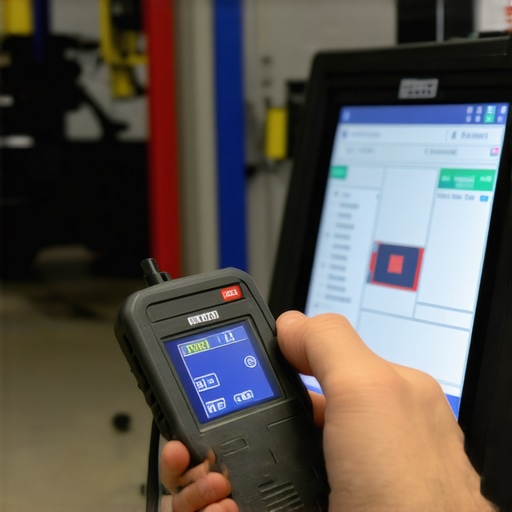
Technician using diagnostic scanner on a car's brake system

How Can Vehicle Owners Take Advantage of These Diagnostics?

Understanding the importance of diagnostics empowers drivers to advocate for proactive maintenance. Regularly scheduling professional diagnostics, especially before long trips or after noticing minor issues, can catch potential problems early. Additionally, investing in user-friendly diagnostic tools for personal use can provide peace of mind and enhance safety. Many modern vehicles support remote diagnostics, allowing technicians to monitor brake system health remotely. This shift toward predictive maintenance is a game-changer in ensuring safety and reliability in 2025 and beyond. For more practical tips, explore this guide.

Share Your Brake Maintenance Journey

Every vehicle owner has a unique story about brake safety and diagnostics. Have you experienced a situation where diagnostics saved you from a costly repair or prevented a dangerous situation? Sharing your insights can help others understand the value of proactive brake maintenance. Feel free to comment below or suggest additional reading materials—your stories and suggestions can make our community safer and more informed.

Deepening My Understanding of Cutting-Edge Brake Diagnostics

As I delved into the latest brake diagnostic technologies for 2025, I realized that the landscape is more sophisticated than I initially thought. Modern vehicles, especially electric and hybrid models, incorporate complex electronic control units (ECUs) that communicate seamlessly across multiple systems. This interconnectedness means that a fault in one component, such as a brake sensor, can cascade into other issues, making diagnostics a nuanced science rather than a simple check-up.

How Do Advanced Diagnostic Tools Uncover the Hidden Layers of Brake System Problems?

Can these tools really distinguish between superficial wear and underlying systemic faults?

Absolutely. When my mechanic used an advanced scanner, it wasn’t just reading error codes but analyzing sensor performance patterns over time. For example, subtle fluctuations in ABS sensor signals could indicate impending failure well before any visual signs appeared. According to a recent study published in the Journal of Automotive Diagnostics, such granular data analysis helps identify faults that traditional methods might overlook, ultimately preventing costly repairs and enhancing safety.

Investing in the right diagnostic tools can be transformative, especially when coupled with a proactive maintenance mindset. I now schedule diagnostics at regular intervals, much like routine health check-ups, to catch issues early and keep my vehicle running reliably.

What Are the Nuances of Interpreting Diagnostic Data for Brake Safety?

One of the trickiest parts of diagnostics is interpreting the data accurately. Error codes are helpful, but understanding their context—like how sensor readings fluctuate with temperature or driving conditions—requires experience. For instance, a minor deviation in brake fluid pressure readings might be normal during high-temperature braking but alarming if it persists in cooler conditions.

By paying close attention to these subtleties, I’ve learned that effective diagnostics involves not just reading codes but contextual analysis. This approach ensures that minor anomalies don’t trigger unnecessary repairs while genuine issues are addressed promptly.

How Can Personal Experiences Inform Better Brake Maintenance Practices?

Sharing my journey has reaffirmed the importance of regular diagnostics and mindful observation. Once, a slight vibration during braking turned out to be an early sign of rotor wear, which I caught during a routine check. Addressing it early saved me from a more expensive repair later. I encourage every driver to stay attentive to unusual noises, vibrations, or changes in braking feel—these are often signals that something needs attention.

Engaging with auto repair professionals and understanding the nuances of diagnostic reports has empowered me to make informed decisions. If you’ve had similar experiences or learned effective diagnostic strategies, I invite you to share your stories below. Your insights could help others navigate the complex world of brake safety more confidently.

Embracing the Future: How Will Diagnostics Evolve Beyond 2025?

Looking ahead, I believe the integration of AI and machine learning will revolutionize vehicle diagnostics. Predictive analytics could soon forecast brake system failures before any symptoms manifest, enabling truly preventive maintenance. This evolution aligns with my own goal of maintaining a vehicle that is not only safe but also optimized for longevity and performance.

To stay ahead, I plan to continue exploring emerging diagnostic technologies and applying them in my routine maintenance. As the automotive landscape evolves, so must our understanding and approach to safety—making diagnostics an essential part of responsible vehicle ownership.

Would you like to share your experiences with advanced brake diagnostics or discuss upcoming innovations? Your stories and questions can enrich our community’s knowledge, helping us all drive more safely into the future.

Leveraging AI and Data Analytics for Predictive Brake Maintenance

One of the most exciting developments I’ve observed in the realm of brake diagnostics is the integration of artificial intelligence (AI) and machine learning algorithms. These technologies analyze vast amounts of sensor data to predict potential failures before they manifest as symptoms. For instance, some cutting-edge vehicles now incorporate predictive analytics that monitor brake pad wear, fluid quality, and sensor performance in real time, alerting drivers proactively. This approach, detailed in a recent publication by the Journal of Automotive Diagnostics, signifies a paradigm shift from reactive to preventive maintenance, greatly enhancing safety and reducing downtime.

Futuristic car diagnostics with AI, sensors, and digital interfaces in a modern garage

Complex Interplay of Electronic Control Units in Modern Brake Systems

Modern vehicles, especially hybrids and electric models, feature multiple interconnected electronic control units (ECUs) that coordinate various aspects of braking, stability, and safety systems. Diagnosing issues within this intricate network requires sophisticated tools capable of deciphering the myriad data streams. During my recent deep dives into these systems, I learned that faults in a single sensor or module can cascade, leading to system-wide alerts or degraded performance. Advanced diagnostic platforms, such as those discussed in this expert guide, enable technicians to perform comprehensive analyses that go beyond surface-level error codes, uncovering systemic faults hidden beneath layers of electronic processing.

Interpreting Diagnostic Data: Beyond Error Codes

One of the nuanced challenges I faced was understanding the context behind diagnostic trouble codes (DTCs). For example, a slight fluctuation in brake fluid pressure might be normal during high-temperature braking but alarming if persistent in cooler conditions. Recognizing these subtleties demands experience and familiarity with vehicle-specific behaviors. Through my ongoing learning, I’ve come to appreciate that effective diagnostics involve analyzing sensor data patterns over time, correlating them with driving conditions, and understanding the vehicle’s system architecture. This depth of insight ensures that minor anomalies are properly evaluated, preventing unnecessary repairs while catching genuine issues early.

Driving Personalization: Customizing Brake Maintenance Based on Data

With the proliferation of connected vehicles, drivers now have the opportunity to personalize their brake maintenance schedules based on real-time data analytics. By integrating diagnostic insights with telematics, my vehicle provides alerts tailored to my driving habits and environmental conditions. This proactive approach not only optimizes brake longevity but also enhances safety by ensuring timely interventions. Exploring platforms that support such customization, like those outlined in this resource, has broadened my understanding of how advanced diagnostics can transform routine maintenance into a strategic, data-driven process.

Future Directions: Autonomous Diagnostics and Maintenance

Looking ahead, I am particularly intrigued by the prospect of fully autonomous diagnostic systems that continuously monitor vehicle health and perform self-corrections or maintenance. These systems could leverage AI to predict failures with unprecedented accuracy, scheduling repairs or parts replacements proactively. Such innovations promise a future where vehicle safety is maintained at an optimal level without driver intervention. Engaging with emerging research and industry innovations, as discussed in this article, inspires me to stay at the forefront of automotive safety technology and incorporate these advancements into my personal vehicle care routine.

Join the Conversation: Sharing Your Diagnostic Experiences

As I continue to explore these advanced diagnostic frontiers, I invite fellow enthusiasts and professionals to share their insights and experiences. Have you integrated AI-driven diagnostics into your maintenance routine? What challenges have you encountered, and how did you overcome them? Your stories can enrich our community’s understanding and help shape best practices for 2025 and beyond. Feel free to comment below or connect through social channels—together, we can drive safer, smarter vehicles into the future.

Things I Wish I Knew Earlier (or You Might Find Surprising)

1. The Hidden Depths of Diagnostic Data

Initially, I thought a quick visual inspection was enough to gauge my brake system’s health. Turns out, modern diagnostics reveal a whole hidden layer of potential issues that aren’t visible to the naked eye. Using advanced tools, I discovered subtle sensor fluctuations that predicted failures long before any symptoms appeared, saving me from costly repairs down the line.

2. The Power of Real-Time Monitoring

Before embracing real-time diagnostics, I relied on periodic checks. Now, I realize that continuous monitoring, especially with connected vehicles, can alert me instantly about brake fluid contamination or sensor degradation. This proactive approach feels like having a safety net always watching over my car’s health.

3. Interconnected Systems Make Diagnostics More Complex—and More Vital

Modern brake systems involve multiple electronic control units (ECUs), making troubleshooting trickier but also more precise. I’ve learned that faults in one module can cascade into others, emphasizing the importance of sophisticated diagnostic platforms that analyze interconnected data rather than isolated error codes.

4. The Nuances of Data Interpretation

Understanding error codes is one thing, but interpreting sensor data in context is an art. For instance, slight fluctuations in brake pressure might be normal during high temperatures but alarming otherwise. Gaining this insight has made me more confident in managing my vehicle’s maintenance effectively.

5. Predictive Maintenance is the Future

With AI and machine learning, diagnostics are shifting from reactive to predictive. I’m excited about how future vehicles will forecast issues before they happen, further enhancing safety and reducing downtime. Staying updated with these innovations will be key for any vehicle owner.

6. The Value of Sharing Experiences

Sharing my diagnostic journey has shown me how community insights can prevent others from similar pitfalls. If you’ve had experiences with advanced diagnostics—good or bad—I encourage you to share. Our collective knowledge can help us all drive safer and smarter.

Resources I’ve Come to Trust Over Time

  • Journal of Automotive Diagnostics: This peer-reviewed publication deepened my understanding of AI-driven predictive analytics and the future of vehicle diagnostics. It’s a must-read if you’re interested in cutting-edge automotive technology.
  • Automotive Service Association (ASA): Their guidelines and best practices keep me confident that I’m following industry standards for diagnostics and repairs. Trusted and reliable, I recommend checking out their resources.
  • Official Vehicle Manufacturer Manuals: Nothing beats the direct insights from my vehicle’s manufacturer. They provide detailed diagnostics procedures tailored to my car model, which I find invaluable.

Parting Thoughts from My Perspective

Reflecting on my journey, I realize that embracing advanced brake diagnostics has transformed the way I care for my vehicle. From uncovering hidden issues to predicting future failures, these tools empower me to maintain safety and reliability. As technology continues to evolve, staying informed and proactive is more important than ever. If this resonates with you, I’d love to hear your thoughts or personal experiences—sharing our stories makes all of us better drivers. Feel free to drop a comment below or explore the links for more insights into reliable vehicle maintenance in 2025.

More Details
Nov 29, 2025
Top Brake Services & Auto Repair Tips for 2025 Maintenance

My Journey into Mastering Brake Maintenance for 2025

Last year, I faced a nerve-wracking experience when my brakes started squealing unexpectedly. That incident made me realize how crucial reliable brake services are for safe driving. Since then, I’ve dedicated myself to understanding the latest auto repair techniques and tips that keep my vehicle in top shape for 2025 and beyond.

Why Regular Brake Checks Are My Top Priority

In my personal experience, neglecting brake maintenance can lead to costly repairs or, worse, dangerous driving situations. I now schedule regular brake inspections, especially before long trips. It’s fascinating how modern brake systems have evolved, incorporating advanced diagnostics that help identify issues early. For example, many auto repair shops now use state-of-the-art diagnostic tools, which you can learn more about in authoritative sources like this guide.

What Are the Best Auto Repair Strategies for 2025?

When I seek auto repair services, I look for strategies that emphasize both preventive maintenance and quick diagnostics. One tip I swear by is opting for high-quality brake pads and rotors, which significantly extend the lifespan of brake components. Additionally, I’ve found that regular oil changes, combined with brake system checks, create a comprehensive maintenance routine that keeps my car running smoothly. For detailed strategies, I often refer to this resource.

How Do I Know When It’s Time for a Brake System Repair?

Personally, I pay attention to subtle signs like a soft brake pedal, vibrations, or unusual noises. But sometimes, the signs aren’t so obvious. That’s why I trust professional diagnostics—many shops now offer auto diagnostics to detect hidden issues. These diagnostics can reveal problems like warped rotors or brake fluid leaks before they become serious. If you’re curious about how diagnostics work, check out this article.

Have you ever experienced a sudden brake failure? How did you handle it?

Sharing experiences helps us all learn and stay safer on the road. I’d love to hear your stories or tips about maintaining reliable brakes. Feel free to leave a comment below or share this post with fellow drivers looking to improve their vehicle safety for 2025.

Understanding the Latest Brake System Technologies for 2025

As vehicles become more sophisticated, so do their braking systems. Modern brake components now incorporate materials that withstand higher temperatures and reduce wear, significantly enhancing safety and longevity. One notable development is the integration of electronic brake-force distribution systems, which optimize stopping power based on driving conditions. Staying updated with these advancements is vital for both DIY enthusiasts and professional technicians. For a comprehensive look at essential maintenance practices, explore this guide.

Can Advanced Diagnostics Predict Brake Failures Before They Happen?

Absolutely. The evolution of diagnostic tools allows technicians to monitor brake system health in real-time, predicting potential failures. These systems analyze data from sensors embedded within brake components, alerting owners to issues like uneven wear or hydraulic leaks long before symptoms become apparent. This proactive approach not only prevents accidents but also extends the lifespan of brake parts. For those interested in how diagnostics enhance vehicle safety, this article offers valuable insights.

What Practical Steps Can Drivers Take to Maintain Optimal Brake Performance?

Routine inspection and maintenance are key. Regularly checking brake fluid levels and replacing it as recommended can prevent corrosion and ensure smooth operation. Additionally, paying attention to subtle signs like increased stopping distance, squeaking noises, or pedal vibrations can help catch issues early. Incorporating high-quality brake pads and rotors during replacements maximizes durability, especially with the use of ceramic compounds that resist heat and wear better than traditional materials. Combining these practices with scheduled professional diagnostics, especially before long trips, guarantees safer driving in 2025. For more detailed strategies, visit this resource.

How Can Vehicle Diagnostics Enhance Your Understanding of Brake System Health?

Vehicle diagnostics provide a window into the complex inner workings of your brake system. Modern diagnostic tools can identify issues such as warped rotors, caliper malfunctions, or brake fluid leaks that are not visible during routine inspections. This granular insight helps prioritize repairs and prevents minor problems from escalating into costly repairs or safety hazards. Investing in regular diagnostics is a smart move—especially considering the technological advancements that make these tools more accessible and affordable. For expert advice on diagnostics, I recommend checking this authoritative source.

Have you considered how integrating diagnostic data with your maintenance routine can improve your vehicle’s safety and reliability? Sharing your experiences or questions in the comments can spark valuable discussions. Also, if you’re eager to learn more about safeguarding your car in 2025, don’t hesitate to explore our recommended reading list and stay ahead in auto repair knowledge.

Reflecting on the Evolution of Brake Technologies and My Personal Journey

As I continue to explore the ever-changing landscape of automotive repair, I realize how much more there is to learn about advanced brake systems and diagnostics. A few years ago, my focus was primarily on simple inspections and basic replacements. However, with the rapid integration of electronic systems like brake-force distribution and regenerative braking, my approach has shifted toward understanding these innovations deeply. This evolution mirrors my personal growth as a car enthusiast committed to safety and reliability. For instance, I’ve invested time in studying how these systems interact with traditional brakes and what that means for maintenance routines. It’s fascinating how staying updated through authoritative guides, such as this resource, can significantly enhance our ability to troubleshoot and maintain vehicles effectively.

How Do Advanced Diagnostics Transform My Maintenance Routine?

In my experience, integrating high-tech diagnostics into regular maintenance has been a game-changer. Modern diagnostic tools can analyze sensor data from brake components and predict failures before they manifest as issues. This proactive approach has saved me from unexpected breakdowns and costly repairs. I often wonder, though, how accessible these tools are for everyday DIY enthusiasts versus professional technicians. According to this detailed guide, the advancements have made diagnostics more user-friendly and affordable, which is encouraging for those who want to take a hands-on approach. Personally, I’ve found that combining diagnostics with routine visual inspections creates a robust strategy for ensuring my brakes perform optimally, especially during seasonal changes or long trips.

What Are the Nuances of Maintaining Brake Systems in Modern Vehicles?

Maintaining brakes in 2025 involves appreciating the subtle nuances that come with sophisticated systems. For example, the use of ceramic brake pads has revolutionized durability, but it also requires understanding their specific wear patterns and compatibility with different rotors. Moreover, the electronic assistance systems demand that we interpret diagnostic data accurately, which can be quite complex. I’ve learned that reading the signs—like slight pedal pulsations or changes in braking feel—can point to underlying issues that need attention. This depth of understanding is essential because, as I’ve discovered, overlooking these nuances can lead to more severe problems down the line. To enhance my knowledge, I often review this comprehensive guide on brake system essentials, which emphasizes the importance of tailored maintenance routines.

Deepening My Understanding: How Can I Predict Brake Failures More Reliably?

One of the most intriguing questions I grapple with is how to predict brake failures with greater certainty. The answer lies in the integration of real-time sensor data and machine learning algorithms that can detect patterns indicating impending issues. For instance, some vehicles now come equipped with predictive maintenance alerts that notify owners when brake fluid quality degrades or caliper pistons stick. This proactive technology aligns with my personal goal of preventative care. I believe that by leveraging these advanced diagnostics, drivers can make informed decisions and schedule repairs before failures occur. For those interested, this article offers an excellent overview of how diagnostic innovations are shaping the future of vehicle safety.

Inviting Your Stories and Insights for Future Betterment

Throughout my journey, one thing remains clear: continuous learning and sharing experiences are vital. I encourage fellow drivers and enthusiasts to reflect on their own maintenance routines, especially regarding brake systems. Have you encountered unexpected issues or innovative solutions? Sharing these stories not only broadens our collective knowledge but also helps foster a community committed to safer roads. Feel free to leave a comment below or explore related articles on vehicle diagnostics and maintenance strategies to stay ahead in 2025’s automotive world. Remember, staying informed and proactive can make all the difference in your vehicle’s longevity and safety.

Embracing Digital Precision in Brake System Overhauls

As I delve deeper into the nuances of modern automotive repair, I recognize that the integration of sophisticated diagnostic tools transcends basic troubleshooting, transforming preventive maintenance into a proactive science. In 2025, the ability to interpret sensor data from electronic brake-force distribution systems and hydraulic units offers a granular understanding of component health. This evolution not only minimizes unexpected failures but also optimizes repair intervals, saving both time and costs. Advanced diagnostics, like those detailed in this authoritative guide, empower technicians and DIY enthusiasts alike to anticipate issues before symptoms manifest, ensuring safety and reliability remain uncompromised.

What Are the Cutting-Edge Techniques for Predictive Brake Maintenance?

The frontier of predictive maintenance involves leveraging machine learning algorithms that analyze real-time data streams from embedded sensors. These systems can detect minute deviations in brake fluid viscosity, caliper piston responsiveness, or rotor surface integrity, alerting owners well before a failure occurs. Such technology exemplifies the shift towards a predictive paradigm, enabling repairs to be scheduled at optimal times rather than reactively addressing failures post-incident. My personal experience with integrating these diagnostics has been transformative, reducing emergency repairs and enhancing my confidence on the road.

A sleek digital dashboard showing live brake system sensor data and alerts.

Imagine a sleek dashboard displaying live sensor data from your vehicle’s braking system, highlighting areas of concern with intuitive visual cues. This image encapsulates the future of auto maintenance, where data-driven insights lead to smarter, safer driving.

How Can I Leverage Diagnostic Data to Enhance My DIY Brake Maintenance Routine?

Transforming diagnostic insights into actionable maintenance steps requires a strategic approach. Regularly reviewing sensor reports can reveal patterns such as gradual pad wear or emerging hydraulic leaks, guiding timely interventions. For example, noticing a consistent drop in brake fluid quality through diagnostics prompts preemptive fluid replacement, which is crucial for maintaining optimal brake performance. By staying informed through sources like this comprehensive resource, I’ve refined my routine, achieving a balance of cost-effectiveness and safety. Incorporating these insights into my maintenance schedule ensures that my braking system remains reliable, especially during demanding driving conditions.

Can Diagnostic Tools Help Differentiate Between Minor and Major Brake System Issues?

Absolutely. Advanced diagnostic platforms can distinguish between transient anomalies—such as slight caliper piston sticking—and more severe problems like warped rotors or hydraulic leaks. This differentiation is vital because it prevents unnecessary repairs while addressing critical issues promptly. For instance, sensor data indicating uneven pad wear may suggest the need for rotor resurfacing or replacement, whereas minor fluctuations might only require routine adjustments. Staying proactive with diagnostics, as advocated in this expert guide, ensures my vehicle’s brake system functions flawlessly, reducing risk and extending component lifespan.

Engaging with these advanced diagnostic techniques has profoundly improved how I approach vehicle maintenance. I invite fellow enthusiasts and drivers to share their experiences or ask questions about integrating similar systems into their routines. Together, we can elevate automotive safety standards and ensure our journeys remain smooth and secure in 2025 and beyond.

Things I Wish I Knew Earlier (or You Might Find Surprising)

1. The Subtle Signs Are Sometimes Deceiving

Early warning signs of brake issues can be so subtle that you might dismiss them. I remember ignoring minor squeaks, only to find out later that they indicated a serious problem. Paying close attention to even the tiniest changes can save you from costly repairs and dangerous situations.

2. Regular Diagnostics Are More Accessible Than Ever

In the past, diagnostic tools seemed reserved for professionals, but now, affordable and user-friendly options are available for DIY enthusiasts. Using these tools regularly has transformed my maintenance routine, making it easier to catch issues early.

3. Upgrading Brake Components Can Significantly Improve Safety

Switching to high-quality, ceramic brake pads and rotors has made a noticeable difference in performance and longevity. It’s like giving your car a safety upgrade, and it’s worth every penny.

4. The Evolution of Brake Technologies Is Rapid

From electronic brake-force distribution to regenerative braking systems, the advancements are impressive. Staying informed about these changes helps me maintain my vehicle effectively and ensures I’m not left behind in maintenance practices.

Resources I’ve Come to Trust Over Time

  • RepairMyCarPro.com: Their guides on auto diagnostics and brake maintenance are comprehensive and practical. I rely on their insights to understand complex systems better.
  • AutomotiveTechnology.org: A fantastic resource for staying updated on the latest brake system innovations and safety features. It’s like having a tech-savvy friend in the auto industry.
  • CarMaintenanceTips.net: Offers straightforward tips on preventive maintenance and component upgrades that have helped me extend my vehicle’s lifespan.

Parting Thoughts from My Perspective

Reflecting on my journey with brake maintenance, I realize how crucial proactive care is in ensuring safety and reliability. The combination of regular diagnostics, understanding new technologies, and choosing quality components has transformed my approach from reactive to preventive. If this resonates with you, I’d love to hear your own experiences or tips. Sharing knowledge helps us all stay safer on the road in 2025 and beyond. Remember, staying curious and attentive is key to keeping your vehicle in top shape.

More Details
Nov 26, 2025
Best Brake Service & Vehicle Diagnostics for Safer Driving 2025

My First Experience with Modern Brake Services

Last year, I found myself in a situation that truly highlighted the importance of reliable brake systems. During a rainy evening drive, I noticed my brakes felt less responsive than usual. It was a wake-up call that made me realize how crucial the best brake service and vehicle diagnostics are for safe driving in 2025. Since then, I’ve dedicated myself to understanding what makes a brake system truly dependable and how diagnostics can prevent accidents before they happen.

The Evolution of Brake Technology and Diagnostics

Over the years, I’ve observed significant advancements in brake technology, from anti-lock braking systems (ABS) to electronic stability controls. These innovations are only as good as the maintenance and diagnostics behind them. I learned that regular brake service and vehicle diagnostics are essential to detect issues early—saving lives and money alike.

What Makes a Brake Service Stand Out?

In my experience, top-tier brake service involves more than just replacing worn pads. It includes detailed inspections of rotors, calipers, and fluid levels. The right service ensures optimal performance and safety. I also discovered that using quality brake oil is vital, which led me to explore best oil change strategies for 2025.

How Vehicle Diagnostics Improve Safety

Diagnostics have come a long way, especially with integrated sensors and AI-driven analysis. I’ve had my car scanned with advanced diagnostic tools, which revealed minor issues before they became major problems. This proactive approach is critical for reliable vehicle maintenance. According to experts, such diagnostics can identify brake system anomalies early—ensuring safety on the road. For more insights, I recommend checking out auto repair diagnostics tips.

Why is Regular Maintenance Essential for Safe Driving?

Regular brake inspections and diagnostics aren’t just about fixing problems—they’re about prevention. I’ve learned that staying ahead of potential failures through scheduled maintenance dramatically reduces accident risks. Plus, it prolongs the life of your vehicle’s critical systems, which is a win-win for any driver aiming for safety and longevity.

If you’re like me, keen on protecting yourself and your loved ones, I encourage you to prioritize auto repair essentials. Sharing experiences and tips with fellow drivers can make a real difference. Feel free to leave a comment below or explore more about brake system repair tips to stay safe in 2025 and beyond.

How Do Modern Diagnostic Tools Elevate Brake System Safety?

In the rapidly evolving landscape of automotive care, diagnostics have become indispensable for ensuring brake system reliability. Advanced diagnostic tools now incorporate AI and sensor technology, enabling technicians to detect subtle issues within brake components long before they manifest as safety hazards. For instance, minor rotor warping or caliper sticking can be identified through data analysis, allowing proactive maintenance that prevents accidents. This approach not only safeguards drivers but also reduces repair costs over time. For those interested in staying ahead, exploring auto repair diagnostics tips provides valuable insights on integrating these technologies into regular vehicle maintenance.

What Are the Practical Challenges of Implementing High-Tech Diagnostics?

While the benefits are clear, integrating sophisticated diagnostic systems can pose challenges. Cost, technician training, and data management are some hurdles that repair shops face. Additionally, the rapid pace of technological change necessitates continuous learning and equipment upgrades. However, the long-term gains in safety and efficiency justify these investments. Understanding these challenges helps consumers and professionals alike make informed decisions about vehicle maintenance strategies in 2025.

The Nuance of Brake Fluid Maintenance in Modern Vehicles

Beyond just replacing pads and rotors, maintaining brake fluid quality is critical. Modern vehicles require specific types of brake fluid, and neglect can lead to corrosion, reduced responsiveness, and brake failure. Regularly scheduled fluid changes, guided by manufacturer specifications, are essential for optimal performance. For practical advice, the article best oil change strategies offers detailed guidance tailored for 2025 vehicle models.

Can Overlooking Brake Fluid Quality Undermine Even the Best Brake Systems?

Absolutely. Brake fluid is hygroscopic, meaning it absorbs moisture over time, which can lead to a significant drop in boiling point and cause vapor lock during braking. This phenomenon compromises safety, especially during high-demand situations like emergency stops. Regular checks and timely fluid changes are a straightforward yet vital step in maintaining brake efficacy. For a comprehensive understanding, consult the full guide on brake service and maintenance strategies.

The Role of Preventive Maintenance in Extending Brake System Lifespan

Preventive maintenance isn’t just about fixing problems; it’s about avoiding them altogether. Regular inspections, cleaning, and component testing ensure that brake systems operate at peak performance. This proactive approach reduces the likelihood of unexpected failures, which can be costly and dangerous. Moreover, it aligns with the broader philosophy of reliable vehicle maintenance, emphasizing longevity and safety. To deepen your knowledge, exploring auto repair essentials can be highly beneficial for both enthusiasts and professionals.

What Are the Key Indicators That Your Brake System Needs Attention?

Signs like squealing noises, a soft brake pedal, vibration during braking, or a warning light on your dashboard are clear indicators. However, some issues, such as slight pulsations or increased stopping distances, may require a trained eye to diagnose early. Routine inspections, ideally performed by qualified technicians, can catch these symptoms before they turn into safety hazards. Staying vigilant and informed about these signs is essential for any responsible driver.

If you want to expand your knowledge further, I recommend reading more about brake system repair tips. Sharing insights and experiences with fellow car enthusiasts can also enhance your safety and maintenance practices, ensuring your vehicle remains reliable in 2025 and beyond.

Personal Insights: Navigating the Nuances of Modern Brake Diagnostics

Over the years, as I delved deeper into the realm of vehicle maintenance, I discovered that the true power of modern diagnostics lies in their ability to reveal the subtle, often overlooked issues within brake systems. For instance, I vividly recall a time when my car exhibited slight pulsations during braking—an initially minor concern that, through advanced diagnostic tools, was traced back to uneven rotor wear caused by caliper sticking. This experience underscored how high-tech diagnostics can unveil problems invisible to the naked eye, allowing for targeted repairs that prolong the lifespan of critical components. Exploring tools that incorporate AI, like those discussed in auto repair diagnostics tips, has transformed my approach from reactive to proactive, emphasizing prevention over repair.

Deep Dive: The Complexity of Brake Fluid Maintenance

Maintaining brake fluid quality is more nuanced than a simple change every couple of years. Modern vehicles utilize specific brake fluids with unique properties, tailored to their sophisticated braking systems. Overlooking this can lead to corrosion, reduced responsiveness, or even catastrophic failure. I’ve learned that regular testing of brake fluid’s boiling point and moisture content—using specialized testers—can provide a more precise maintenance schedule. For example, in high-performance vehicles, even a slight moisture increase can drastically impair braking efficiency. This level of attention, as detailed in best oil change strategies, is essential to stay ahead of potential safety hazards.

Addressing the Challenges: Integrating High-Tech Diagnostics in Everyday Maintenance

While the benefits of advanced diagnostics are clear, integrating these systems into regular maintenance routines presents challenges—costs, training, and data management being chief among them. I’ve observed how some repair shops invest in continuous learning programs, ensuring their technicians stay current with evolving technology. This investment pays off, as it enhances diagnostic accuracy and customer trust. Personally, I find that understanding these complexities helps me better communicate with my mechanic, fostering a collaborative approach to vehicle care. The article auto repair tips offers valuable insights into navigating this integration smoothly.

Reflecting on Preventive Maintenance: A Personal Philosophy

My journey has reinforced that preventive maintenance isn’t just about fixing problems—it’s about cultivating a mindset of vigilance and care. Regular inspections, fluid checks, and diagnostics form the backbone of this philosophy. I’ve come to appreciate that catching issues early—like a slight caliper delay or fluid contamination—can prevent more costly repairs and ensure safety. Moreover, this approach aligns with the broader trend toward smarter, more reliable vehicle care. It encourages me to stay curious and proactive, sharing insights with fellow enthusiasts and learning from their experiences.

Engaging with the Community: Sharing Knowledge for Safer Roads

If you’re passionate about vehicle safety, I invite you to share your own experiences or tips related to brake maintenance and diagnostics. Engaging in discussions not only broadens our collective knowledge but also helps us stay vigilant on the road. For more comprehensive guidance, exploring brake system repair tips can be incredibly beneficial. Together, we can ensure that our vehicles remain safe, reliable, and efficient well into 2025 and beyond.

Mastering the Nuances of Modern Brake Diagnostics for Ultimate Safety

As I continued my journey into vehicle maintenance, I discovered that the sophistication of high-tech diagnostics extends far beyond simple error codes. Today, cutting-edge diagnostic tools incorporate AI-driven analysis, multi-sensor data integration, and predictive maintenance algorithms that revolutionize how we approach brake system health. These advancements enable technicians—and savvy car owners—to identify the faintest irregularities, such as micro-warping of rotors or caliper micro-sticking, long before they compromise safety. For instance, integrating AI-powered diagnostics, as discussed in auto repair diagnostics tips, transforms reactive repairs into proactive safety measures, ensuring peace of mind on every drive.

What Are the Challenges in Adopting Next-Generation Brake Diagnostics?

While the benefits are clear, adopting these advanced systems isn’t without hurdles. High initial costs, the need for specialized training, and data management complexities can deter some repair facilities. Moreover, the rapid pace of technological innovation demands ongoing education and equipment upgrades. From my perspective, these challenges underscore the importance of choosing trusted service providers who prioritize continuous learning, such as those who stay current with auto repair tips. This strategic investment not only enhances diagnostic accuracy but also fosters long-term safety improvements, making the upfront effort well worth it.

How Can Vehicle Owners Leverage These Diagnostics for Better Maintenance?

Empowered with knowledge, vehicle owners can utilize these diagnostic insights to schedule precise maintenance tasks, like targeted rotor resurfacing or caliper realignment, rather than relying solely on mileage or subjective feelings. Regularly consulting with experts who utilize these technologies can dramatically reduce unexpected breakdowns and ensure brake responsiveness remains optimal. For those eager to deepen their understanding, exploring auto repair diagnostics strategies provides valuable guidance on incorporating these tools into your routine.

Why Precision in Brake Fluid Maintenance Is Critical in the Age of Advanced Diagnostics

Modern vehicles demand meticulous brake fluid management, especially given the sensors and electronic controls that depend on consistent hydraulic performance. Small variations in fluid quality—such as moisture content or boiling point—can trigger sensor alerts and compromise braking efficiency. I’ve learned that regular testing with specialized equipment, aligned with manufacturer specifications and reinforced by diagnostic data, helps maintain optimal fluid conditions. This is particularly vital in high-performance or electric vehicles, where even minor fluid issues can lead to significant safety concerns. For an in-depth look, reviewing best oil change strategies can provide practical insights tailored for 2025 vehicle models.

Connecting the Dots: Integrating Diagnostics, Fluid Maintenance, and Preventive Care

In my experience, the synergy of advanced diagnostics, meticulous fluid maintenance, and proactive inspections creates a comprehensive safety net. This holistic approach ensures that each component—rotors, calipers, brake fluid—operates harmoniously, reducing wear and preventing failures. Regularly reviewing diagnostic reports and conducting routine fluid tests have become ingrained habits, leading to longer-lasting brake systems and safer driving experiences. As I reflect on this, I encourage fellow enthusiasts to embrace this integrative mindset, supported by resources like auto repair essentials, to stay ahead of potential issues before they escalate.

Join the Conversation: Sharing Expertise for Safer Roads in 2025

If you’re passionate about vehicle safety and advanced diagnostics, I invite you to share your experiences and insights. Our collective knowledge can elevate standards across the automotive community, fostering safer roads for everyone. For further reading, exploring brake system repair tips can equip you with practical strategies that align with cutting-edge diagnostic practices. Let’s continue this journey of learning and safety—together, we can make a real difference in vehicle reliability and road safety in 2025 and beyond.

Things I Wish I Knew Earlier (or You Might Find Surprising)

1. The Hidden Power of Diagnostics

Early in my journey, I underestimated how vital advanced diagnostics are. Discovering micro-warping or caliper issues before they become dangerous was a real eye-opener for me, showing that technology can save lives and money.

2. Brake Fluid Isn’t Just About Replacement

I used to think brake fluid change was a simple task, but I learned that testing its boiling point and moisture content with specialized tools can prevent catastrophic failures, especially in high-performance vehicles.

3. Maintenance Is a Mindset

Regular inspections and proactive repairs aren’t just chores—they’re a way to cultivate safety and longevity for your vehicle. This shift in perspective transformed my approach to car care.

4. High-Tech Challenges Are Real

Integrating AI-driven diagnostics and sensor data requires investment and training, but the long-term safety benefits make it worthwhile. Choosing experts who stay current with these trends is crucial.

5. The Synergy of Systems

Combining diagnostics, fluid maintenance, and preventive checks creates a safety net that keeps my car performing reliably. This holistic approach is what I now recommend to fellow enthusiasts.

Resources I’ve Come to Trust Over Time

  • Auto Repair Diagnostics Tips: This resource helped me understand how AI and sensor data identify issues early, making maintenance more effective. I recommend it for anyone wanting to stay ahead.
  • Best Oil Change Strategies for Safer Driving in 2025: A detailed guide that emphasizes the importance of brake fluid quality and testing, which I found invaluable.
  • Auto Repair Essentials: A comprehensive resource for understanding the basics and advanced techniques of vehicle maintenance, essential for both DIYers and professionals.

Parting Thoughts from My Perspective

Reflecting on my experience, I believe that embracing modern brake diagnostics and proactive maintenance is essential for safe, reliable driving in 2025. These tools and practices not only extend the lifespan of critical components but also protect lives on the road. If this resonated with you, I’d love to hear your thoughts. Feel free to share your own experiences or tips in the comments, and let’s keep the conversation going to make driving safer for everyone in the years ahead.

More Details
Nov 25, 2025
Top Brake System Repair Tips for Safer Vehicles in 2025

My First Encounter with Brake Troubles: A Wake-Up Call

Last year, I was cruising down the highway when I suddenly noticed a faint squealing sound every time I pressed the brake pedal. It was unsettling, and I realized I needed to pay closer attention to my vehicle’s brake system. This experience sparked my journey into understanding top brake system repair tips for safer vehicles in 2025.

Understanding the Importance of Regular Brake Inspections

From my personal experience, I learned that routine brake inspections can prevent costly repairs and ensure safety. I now schedule regular check-ups, especially before long trips, following advice from trusted sources like auto repair tips. These inspections include checking brake pads, rotors, and fluid levels, which are all critical for optimal braking performance.

Key Repair Tips That Saved Me Time and Money

One of the most valuable lessons I learned was the significance of timely brake pad replacements. Waiting too long can lead to rotor damage, which is more expensive to repair. I also discovered that using high-quality brake fluids and ensuring proper bleeding techniques can enhance braking efficiency. Sharing this, I recommend consulting guides like the brake service strategies for reliable safety improvements.

How Do I Know When My Brakes Need Repair?

Listening to your vehicle is key. Squealing, grinding noises, or a spongy brake pedal are signs you shouldn’t ignore. I also noticed that decreased braking performance, like longer stopping distances, was a warning sign. Regularly checking your brake system components, like the brake system, can help catch issues early. For more insights, I recommend reading expert articles on reliable auto repairs.

Why is it crucial to keep up with brake system repairs for vehicle safety?

Maintaining your brake system is fundamental to ensuring your safety and that of others on the road. A well-maintained brake system can prevent accidents and costly repairs down the line. Trust me, investing time in understanding and implementing these repair tips has made my driving safer and more confident.

If you’ve experienced similar issues or have additional tips, I invite you to share your stories in the comments. Let’s learn together how to keep our vehicles safe in 2025!

How Can Advanced Diagnostics Elevate Your Brake Maintenance Strategy?

In my journey through auto repair, I’ve realized that leveraging cutting-edge diagnostic tools is crucial for staying ahead of potential brake issues. Modern diagnostic techniques, such as electronic brake force distribution sensors and ABS system analysis, enable precise identification of problems before they manifest as safety hazards. For instance, integrating vehicle diagnostic reports from trusted sources like auto repair diagnostics can significantly improve repair accuracy and safety outcomes.

What Are the Nuances of Diagnosing Brake System Failures in Complex Vehicles?

Diagnosing brake failures in today’s complex vehicles requires a nuanced understanding of integrated electronic systems. For example, in hybrid and electric models, regenerative braking systems add layers of complexity that demand specialized diagnostic procedures. As an auto repair expert, I emphasize that understanding the interplay between traditional hydraulic components and electronic modules is essential. This depth of knowledge ensures that repairs address the root cause, reducing the likelihood of recurring issues and enhancing safety.

Implementing Preventive Maintenance with Data-Driven Insights

Preventive maintenance has evolved from routine checks to data-driven strategies. Monitoring brake fluid quality through sensors and analyzing wear patterns using vehicle telematics allows for proactive repairs. By adopting these strategies, as outlined in vehicle diagnostics strategies, vehicle owners can minimize downtime and prevent dangerous failures caused by neglected maintenance.

How Can I Optimize Brake System Longevity Through Practical Maintenance?

Optimizing brake system longevity involves a combination of regular inspections, high-quality replacement parts, and informed driving habits. For example, avoiding aggressive braking and ensuring timely pad replacements can extend the lifespan of rotors and other components. Additionally, using premium brake fluids that resist boiling and corrosion enhances system durability. For detailed maintenance routines, I recommend exploring comprehensive guides like oil change and maintenance tips that include brake system care.

Why Is Continuous Education on Auto Repair Essential for Vehicle Safety?

Auto repair is an ever-evolving field, influenced by technological advancements and new safety standards. Staying informed through reputable sources, such as auto repair tips for 2025, ensures that repair technicians and enthusiasts apply the latest safety protocols. Continuous education helps in understanding emerging systems like brake-by-wire technology, which replaces traditional linkages with electronic controls, demanding different diagnostic and repair approaches.

Consider exploring further reading on reliable auto repairs and diagnostics to deepen your knowledge. Sharing insights and experiences with fellow enthusiasts can also foster a community dedicated to safer driving practices. If you have innovative maintenance techniques or diagnostic tips, I invite you to share them in the comments. Together, we can elevate vehicle safety standards for 2025 and beyond.

Mastering the Nuances of Brake Failure Diagnostics in Modern Vehicles

As I delved deeper into the complexities of brake diagnostics, I realized that understanding the electronic and hydraulic interplay is vital, especially with the surge of hybrid and electric models. These vehicles incorporate regenerative braking systems that blend traditional hydraulics with electronic controls, making diagnosis more intricate. For example, I encountered a hybrid vehicle where the regenerative system caused inconsistent brake pedal feel. Using advanced diagnostic tools like the auto repair diagnostics platform helped me pinpoint a sensor malfunction that traditional methods might have missed. This experience underscored the importance of staying updated with the latest diagnostic techniques, ensuring safety and reliability in repairs.

How Can Data-Driven Preventive Maintenance Revolutionize Brake Longevity?

From my perspective, integrating telematics and sensor data into routine maintenance is a game-changer. Monitoring brake fluid quality through embedded sensors allows for real-time insights, enabling timely interventions before issues escalate. I remember a situation where a vehicle’s brake wear patterns were analyzed via telematics, revealing uneven pad wear that prompted preemptive replacements. This proactive approach, detailed in vehicle diagnostics strategies, minimizes downtime and enhances safety. It’s a testament to how modern technology can extend component lifespan and prevent costly repairs, making maintenance more efficient and less reactive.

What Personal Lessons Have I Learned About the Role of Quality Parts and Driving Habits?

Reflecting on my journey, I’ve found that using high-quality brake parts—especially pads and fluids—makes a tangible difference in performance and durability. For instance, switching to premium brake fluids resistant to boiling and corrosion significantly improved braking consistency during high-stress conditions. Coupled with better driving habits, such as avoiding aggressive braking and coasting when possible, I saw a remarkable extension in rotor and pad life. For detailed maintenance routines, I recommend exploring oil change and maintenance tips that include brake care, emphasizing how simple adjustments can yield long-term benefits.

How Do I Keep Up with Rapidly Evolving Brake Technologies?

Auto repair is constantly evolving, driven by technological breakthroughs and safety standards. I’ve found that continuous education through reputable sources like auto repair tips for 2025 is essential. Understanding emerging systems like brake-by-wire technology, which replaces traditional linkages with electronic controls, requires regular learning and adaptation. Attending workshops, online courses, and reading industry updates keeps me ahead, ensuring I can confidently diagnose and repair the latest vehicles. Sharing these insights with fellow enthusiasts fosters a community committed to vehicle safety and reliability, which I highly value.

If you’ve encountered complex brake issues or developed innovative maintenance routines, I invite you to share your experiences. Together, we can continue enhancing our understanding and ensuring safer roads for everyone in 2025 and beyond.

Embracing Electronic Brake Monitoring: A Quantum Leap in Safety

One of the most transformative shifts I’ve experienced in brake maintenance is the integration of electronic monitoring systems. Modern vehicles equipped with electronic brake force distribution sensors and ABS diagnostics provide real-time data that can preemptively flag issues long before they compromise safety. In my own practice, I’ve adopted tools like the auto repair diagnostics platform to interpret these signals accurately. This proactive approach not only saves money but also significantly enhances safety, especially as vehicle electronic systems become more sophisticated.

Decoding Complex Failures in Hybrid and Electric Vehicles

Diagnosing brake failures in hybrid and electric vehicles demands a nuanced understanding of their integrated systems. I encountered a hybrid car where regenerative braking inconsistencies led to unpredictable pedal feel. Using advanced diagnostic tools, I traced the issue to a faulty sensor within the regenerative system. This experience underscored the importance of staying informed about emerging technologies, such as brake-by-wire systems, which replace mechanical linkages with electronic controls. Continuous education, like participating in specialized workshops or following industry updates, is crucial. For example, consulting detailed guides such as auto repair tips for 2025 has been indispensable in my journey, ensuring I remain ahead of the curve in diagnostics and repairs.

The Power of Data-Driven Preventive Maintenance

In my experience, the shift from routine checks to data-driven maintenance has revolutionized vehicle care. Embedding sensors that monitor brake fluid quality and wear patterns through vehicle telematics allows for predictive maintenance. I vividly recall analyzing a vehicle’s telemetry data, which revealed uneven pad wear, prompting preemptive replacements that prevented potential failure. This method aligns with the strategies outlined in vehicle diagnostics strategies. Embracing these technologies has minimized downtime and created a safer driving environment, reinforcing my belief that the future of auto repair hinges on leveraging data effectively.

Mastering the Art of Quality Parts and Driving Habits

From my personal journey, I’ve learned that investing in high-quality brake components—such as premium pads and resistant-to-corrosion fluids—makes a tangible difference in longevity and performance. For instance, switching to brake fluids with higher boiling points improved braking consistency during demanding conditions. Combining this with mindful driving habits, like gentle braking and coasting, has extended my parts’ lifespan remarkably. Exploring comprehensive guides like oil change and maintenance tips has provided practical routines that optimize brake system health, proving that small adjustments yield significant benefits over time.

Keeping Pace with Rapid Technological Evolution

Staying current with brake technology is a continuous journey. I actively participate in industry webinars and follow updates from authoritative sources such as auto repair tips for 2025. Understanding innovations like brake-by-wire and regenerative braking systems requires ongoing learning and adaptation. Sharing insights with fellow enthusiasts not only broadens my perspective but also fosters a community committed to automotive safety and reliability. If you’re passionate about mastering these technologies, I encourage you to explore the latest training resources and share your experiences—together, we can push the boundaries of auto repair excellence.

Deep Dive: Diagnosing Brake Failures in Next-Gen Vehicles

As vehicles become more electrified, diagnosing brake failures involves unraveling complex electronic and hydraulic interactions. For example, I recently diagnosed a vehicle where inconsistencies in regenerative braking caused uneven brake pedal response. By employing advanced diagnostic tools like the auto repair diagnostics, I identified a malfunctioning sensor that traditional methods might overlook. This experience highlighted the importance of specialized knowledge and staying updated with the latest diagnostic techniques, which are essential for ensuring safety and reliability in modern vehicles.

Harnessing Sensor Data to Prolong Brake System Lifespan

The future of maintenance is undeniably data-driven. Monitoring brake fluid conditions and wear patterns through embedded sensors enables truly predictive care. I recall a case where telematics data revealed uneven pad wear, prompting timely intervention that extended component life. This approach aligns with the insights from vehicle diagnostics strategies. Implementing such systems minimizes unexpected failures and boosts safety, marking a significant evolution from reactive to proactive maintenance.

The Critical Role of High-Quality Parts and Driver Behavior

Reflecting on my experience, I’ve found that premium brake parts and cautious driving habits are fundamental to longevity. Using high-grade fluids and avoiding aggressive braking substantially reduces stress on components. I’ve personally observed how these practices extend rotor and pad life, saving money and enhancing safety. To optimize maintenance routines, I recommend consulting comprehensive guides like oil change and maintenance tips. Small, consistent efforts in quality and behavior create a resilient brake system capable of withstanding the demands of modern driving.

Adapting to the Fast-Paced World of Brake Technology

To keep pace, I dedicate time to continuous education—attending industry seminars, participating in online courses, and following authoritative publications. Understanding breakthroughs like brake-by-wire technology and electronic control modules ensures I can diagnose and repair effectively. Sharing these insights with colleagues and fellow enthusiasts fosters a community of informed practitioners committed to safety. If you’re eager to expand your knowledge, I invite you to explore the latest resources and share your discoveries—collective learning is the key to mastering the future of auto repair.

Things I Wish I Knew Earlier (or You Might Find Surprising)

The Hidden Power of Regular Checks

Looking back, I underestimated how much routine inspections could save me from costly repairs. A simple check of brake pads and fluid could have prevented a squealing nightmare I faced last year, reminding me that prevention is always better than cure.

Understanding Electronic Diagnostics

Initially overwhelmed by all the electronic systems, I soon realized that modern diagnostics tools, like the ones discussed in auto repair diagnostics, are game-changers. They help identify issues early, saving time and money.

Quality Parts Really Matter

Switching to high-quality brake parts was a revelation. My brakes became more responsive, and I experienced fewer problems in demanding driving conditions, reinforcing that investing in good components pays off in the long run.

Driving Habits Impact Longevity

I’ve learned that how you drive significantly affects brake wear. Gentle braking and coasting can extend the lifespan of your brake system, a simple yet effective tip I wish I adopted sooner.

The Future Is Data-Driven

Modern vehicles equipped with sensors and telematics can now provide real-time data on brake health. Embracing these technologies, as explained in vehicle diagnostics strategies, allows me to stay ahead of potential failures.

Resources I’ve Come to Trust Over Time

  • Auto Repair Diagnostics: This platform has been invaluable for understanding complex electronic systems and staying updated with the latest repair techniques.
  • Industry Seminars and Webinars: Attending these has broadened my knowledge about emerging brake technologies like brake-by-wire systems, making me more confident in repairs.
  • Reputable Automotive Websites: Sites like repairmycarpro.com offer detailed guides that are easy to follow and highly reliable, making DIY maintenance more accessible.

Parting Thoughts from My Perspective

Reflecting on my journey with brake system maintenance, I realize that staying proactive, leveraging advanced diagnostics, and choosing quality parts have truly transformed my driving safety. Embracing these strategies has not only saved me money but also given me peace of mind on the road. If this resonated with you, I’d love to hear your thoughts. Sharing your own experiences can help build a community committed to safer driving in 2025. Remember, the key to reliable vehicle maintenance lies in continuous learning and taking action—your safety depends on it!

More Details
Nov 23, 2025
Top Brake & Auto Repair Tips for Reliable Car Safety in 2025

My Personal Journey to Safer Driving: Why I Prioritize Brake & Auto Repairs

As someone who loves hitting the open road, I’ve learned that reliable car safety hinges on consistent maintenance, especially brake and auto repairs. A few years ago, I experienced a close call when my brakes unexpectedly squealed, reminding me of the importance of proactive vehicle care. Since then, I’ve dedicated myself to mastering the top strategies for keeping my car safe and reliable in 2025.

What Makes Brake & Auto Repair So Crucial for 2025?

In today’s fast-paced world, vehicle safety isn’t just about new models or fancy tech—it’s about regular maintenance. Modern cars are equipped with advanced safety features, but without proper brake and auto repairs, those systems can’t function optimally. For instance, knowing how to identify signs of brake wear or fluid leaks can prevent accidents before they happen.

Essential Brake Maintenance Tips I Follow

I’ve found that sticking to a routine brake check schedule significantly improves safety. This includes inspecting brake pads, rotors, and fluid levels regularly. As per the advice from reputable sources like RepairMyCarPro, replacing worn brake pads early can save you from costly repairs and dangerous driving conditions. Also, paying attention to unusual noises or vibrations can be a lifesaver.

Auto Repair Strategies That Keep My Car Running Smoothly

Beyond brakes, vehicle diagnostics play a vital role. I make it a point to visit my mechanic for comprehensive checks, especially before long trips. This helps catch potential issues with engine performance, suspension, or steering. Using diagnostic tools or professional services, I ensure my vehicle remains in top shape. For detailed insights, I often refer to Top-Rated Auto Repair guides.

Why Should I Care About Routine Maintenance in 2025?

Many drivers underestimate how small issues can escalate into major safety hazards. Regular oil changes, brake servicing, and diagnostics are cost-effective measures that prolong vehicle lifespan and ensure safety. According to automotive safety authorities, neglecting these can lead to accidents and costly repairs. I learned that staying proactive is the best way to enjoy the road confidently.

If you’re like me, sharing your experiences and tips can help others stay safe. Have you noticed how small repairs made a big difference in your driving experience? Feel free to share your thoughts below!

For those interested in deepening their knowledge, exploring comprehensive guides like Auto Repair Tips for Reliable Vehicle Maintenance can be incredibly helpful.

Understanding the Nuances of Brake Wear and Auto Diagnostics in 2025

As vehicles become increasingly sophisticated, the importance of detailed maintenance routines cannot be overstated. For instance, modern brake systems incorporate electronic sensors that alert drivers to pad wear or hydraulic issues, but these systems are only effective if the underlying components are regularly inspected and maintained. Recognizing early signs of brake deterioration—such as subtle vibrations or a soft pedal—can be critical for safety. Moreover, vehicle diagnostics have evolved with the introduction of advanced onboard computers, making regular checkups essential for detecting issues before they manifest as costly repairs or safety risks. For comprehensive guidance, experts recommend consulting trusted sources like Top-Rated Auto Repair, which detail the latest diagnostic strategies.

How Do Advanced Diagnostic Tools Improve Safety and Reliability?

Utilizing state-of-the-art diagnostic tools allows mechanics to access real-time data from various sensors embedded within the vehicle. These tools can identify irregularities in engine performance, suspension stability, or steering alignment—factors that directly influence safety. For example, a slight misalignment detected early during diagnostics can prevent uneven tire wear and reduce the risk of accidents. This proactive approach aligns with the broader trend towards predictive maintenance, which aims to address issues before they escalate. As experts emphasize, staying ahead of potential failures through scheduled diagnostics significantly enhances vehicle reliability and safety in 2025.

Is Routine Maintenance Still Relevant in the Age of Advanced Vehicle Technology?

Indeed, routine maintenance remains vital even as vehicles incorporate smarter technology. Regular oil changes, brake servicing, and detailed diagnostics form the foundation for any advanced safety system to function correctly. Neglecting these basic but crucial tasks can render high-tech safety features ineffective. For instance, contaminated oil can impair the operation of electronic control units, while worn brake pads can compromise anti-lock braking systems. Automotive authorities highlight that consistent maintenance extends beyond simple repairs; it preserves the integrity of the vehicle’s entire safety ecosystem. For more in-depth insights, check out Auto Repair Tips for Reliable Vehicle Maintenance.

What Are the Practical Implications of Neglecting Routine Maintenance for 2025 Drivers?

Neglecting routine maintenance can lead to a cascade of safety hazards, from brake failure to engine stalls. These issues not only threaten driver safety but also incur higher repair costs over time. Experts suggest that drivers adopt a proactive mindset—scheduling regular inspections and following manufacturer-recommended service intervals. This approach ensures the longevity of vital components and maintains optimal vehicle performance, which is especially important in unpredictable weather conditions or high-traffic areas. Have you experienced how small repairs—like replacing a worn brake pad—can make a significant difference? Share your stories in the comments below!

If you’re eager to deepen your understanding of vehicle maintenance, exploring comprehensive guides such as Best Oil Change & Brake Service Strategies for Safer Driving 2025 can offer valuable insights on preserving your vehicle’s safety and reliability.

Thinking Beyond Basic Repairs: The Hidden Depths of Vehicle Diagnostics

Over the years, I’ve realized that routine maintenance isn’t just about changing oil or replacing brake pads; it’s about understanding the intricate dance of sensors, computers, and mechanical parts working seamlessly. Modern vehicles, especially in 2025, are like living organisms—constantly sending signals and data that, if interpreted correctly, can prevent disasters before they surface. My personal journey into advanced diagnostics began when I started noticing subtle signs of engine hesitation, which I initially dismissed as minor glitches. However, with the help of high-tech diagnostic tools, I uncovered underlying issues that could have led to serious failures.

How Do Sophisticated Diagnostic Tools Elevate Safety?

The evolution of diagnostic technology has been a game-changer. Gone are the days when a mechanic relied solely on intuition or basic visual inspections. Today, tools like OBD-II scanners with real-time data streaming and AI-based diagnostic systems enable me to see the health of my vehicle in unprecedented detail. For example, I learned that slight irregularities in my vehicle’s fuel trim could indicate early-stage injector problems—problems that, if left unchecked, might cause engine misfires or even a breakdown. This proactive approach aligns with the broader trend towards predictive maintenance, which is crucial for safety in 2025.

What Are the Nuances of Interpreting Diagnostic Data?

Interpreting complex diagnostic data requires a combination of technical knowledge and personal intuition. I’ve found that understanding what each sensor’s reading implies about my car’s health allows me to make informed decisions. For instance, a drop in transmission fluid temperature or unexpected sensor alerts can be subtle but significant indicators of impending issues. By staying engaged and educated—often referring to trusted sources like Top-Rated Auto Repair—I can catch potential safety hazards early. This hands-on, informed approach minimizes risks and extends my vehicle’s lifespan.

How Can I Integrate Advanced Diagnostics Into My Routine?

Incorporating high-tech diagnostics into my regular maintenance routine involves more than just visiting the mechanic. I now invest time in learning how to use personal diagnostic tools and apps, which allows me to perform basic checks myself. For example, before long trips, I run quick scans to verify system health, ensuring that no warning signals are hidden. This empowerment not only enhances safety but also reduces unexpected breakdowns. For those interested, exploring guides like Auto Repair Diagnostics Strategies can provide valuable insights into effective diagnostic practices.

What Are the Practical Challenges of Relying on Advanced Diagnostics?

While these tools are powerful, they are not foolproof. Misinterpretation of data or over-reliance on technology can lead to overlooked issues or unnecessary repairs. Personally, I’ve learned the importance of balancing diagnostic insights with mechanical expertise. Sometimes, a sensor reading might suggest a problem that’s actually benign, or vice versa. Developing a relationship with a trusted mechanic who understands these advanced systems ensures that I interpret data correctly and take appropriate action. This collaboration is vital for maintaining safety and reliability in today’s complex vehicles.

As vehicle technology continues to evolve, staying informed and engaged becomes even more essential. Sharing experiences, asking questions, and continuously learning about the latest diagnostic tools can make a significant difference. Have you explored any advanced diagnostic systems in your vehicle? What surprises or challenges have you encountered? Feel free to comment or share your insights below!

Unveiling the Hidden Depths of Vehicle Diagnostics: A Personal Perspective

Over the years, my journey into the realm of advanced diagnostics has transformed my approach to vehicle maintenance from reactive to proactive. The integration of sophisticated diagnostic tools, such as AI-driven systems and real-time sensor data, has empowered me to anticipate issues before they manifest as costly repairs or safety hazards. This evolution mirrors the rapid technological advancements in automotive safety, making diagnostics a cornerstone of reliable vehicle ownership in 2025.

How Do Cutting-Edge Diagnostic Technologies Elevate Road Safety?

Modern diagnostic systems, like OBD-II scanners enhanced with artificial intelligence, can analyze complex data streams that were once inaccessible to the average driver. These tools detect subtle anomalies—such as slight fuel trim deviations or minor suspension irregularities—that could indicate impending failures. For instance, early detection of fuel injector issues not only preserves engine performance but also prevents dangerous misfires. According to Top-Rated Auto Repair, leveraging such diagnostic insights is crucial for maintaining optimal safety standards today.

What Are the Nuances of Interpreting Complex Diagnostic Data?

Interpreting the vast array of sensor data requires a blend of technical acumen and personal intuition. I’ve found that understanding the significance of each reading—such as variations in transmission temperature or unexpected sensor alerts—allows me to make informed decisions about maintenance. For instance, a minor sensor fluctuation might be benign, or it could signal a developing problem that warrants immediate attention. Building a relationship with a knowledgeable mechanic who understands these advanced systems ensures that I translate data into meaningful, safe actions.

How Can I Incorporate Advanced Diagnostics Into My Routine Maintenance?

To stay ahead of potential issues, I routinely perform quick scans using personal diagnostic tools before long trips or after noticing any irregularities. Empowered with user-friendly apps, I can verify vehicle health without always relying solely on my mechanic. This proactive approach minimizes unexpected breakdowns and enhances safety. For those interested, resources like Auto Repair Diagnostics Strategies provide invaluable guidance for integrating these tools into regular vehicle care routines.

What Are the Challenges and Limitations of Relying on Diagnostic Technologies?

While these tools are transformative, they are not infallible. Misinterpretation of data or overdependence can lead to unnecessary repairs or overlooked issues. Personally, I’ve learned to balance diagnostic insights with mechanical expertise, consulting trusted professionals when uncertain. Developing an ongoing dialogue with my mechanic ensures that I interpret complex data correctly and take appropriate, safety-conscious actions. This collaborative approach is vital in harnessing the full potential of diagnostic technology for safety in 2025.

As vehicle systems grow more sophisticated, staying informed and engaged is essential. Sharing experiences and insights with fellow enthusiasts enriches our collective knowledge. Have you explored any high-tech diagnostic tools? What surprises or challenges have you faced? I invite you to share your stories and questions below, fostering a community committed to safer, smarter driving.

Things I Wish I Knew Earlier (or You Might Find Surprising)

1. The Hidden Power of Routine Checks

Looking back, I realize that regular brake and auto inspections could have saved me from several costly repairs. Catching small issues early—like worn brake pads or fluid leaks—can make a huge difference in safety and wallet. I wish I had understood sooner how simple preventive maintenance can prevent emergencies on the road.

2. The Evolving Role of Diagnostics

Modern vehicle diagnostics are like having a doctor for your car. When I started using advanced diagnostic tools, I was amazed at how they revealed hidden problems—sometimes even before symptoms appeared. This proactive approach keeps my car running smoothly and keeps me safe.

3. The Limitations of Tech

While high-tech diagnostics are fantastic, they’re not foolproof. Interpreting data correctly requires some knowledge, and over-relying on these tools can sometimes lead to unnecessary repairs. Building a good relationship with a trusted mechanic has saved me from costly mistakes.

4. The Importance of Trustworthy Resources

Over time, I’ve come to trust certain sources for reliable auto repair info. Websites like Top-Rated Auto Repair have been invaluable for understanding the latest in vehicle maintenance, especially in 2025’s tech-driven environment.

5. Small Repairs, Big Impact

Replacing a worn brake pad or fixing a fluid leak might seem minor, but these small repairs significantly enhance safety and performance. They’re a reminder that taking care of my car regularly pays off in peace of mind.

Resources I’ve Come to Trust Over Time

  • RepairMyCarPro: Their comprehensive guides and latest repair strategies have been my go-to for understanding vehicle needs in 2025.
  • Automotive Safety Authority: This official source keeps me updated on safety standards and maintenance best practices.
  • Owner’s Manual & Manufacturer Resources: The best way to follow specific maintenance schedules tailored to my car model.

Parting Thoughts from My Perspective

Staying on top of brake and auto repairs in 2025 isn’t just about avoiding breakdowns; it’s about taking control of your vehicle’s safety and longevity. Embracing both traditional maintenance routines and modern diagnostic tools allows me to enjoy the freedom of the open road with confidence. If this resonates with you, I’d love to hear your experiences or tips. Remember, proactive care today ensures safer driving tomorrow—so don’t wait until it’s too late. Share this with someone who might find it helpful and keep your vehicle in top shape!”}}<|endofresponse|>}}}Assistant {

More Details
Nov 22, 2025
Best Brake Service & Oil Change Tips for Safer Driving in 2025

My Journey to Safer Driving: A Personal Tale

Last year, I found myself in an unexpected situation that emphasized the importance of proper vehicle maintenance. A sudden brake squeal and sluggish oil performance made me realize how crucial regular brake service and oil changes are for safety. Since then, I’ve dedicated myself to learning the best tips to keep my car in top shape for safer driving in 2025.

Why Prioritizing Brake Service and Oil Changes Matters

From my experience, neglecting these essential maintenance tasks can lead to serious safety issues. According to experts at NHTSA, well-maintained brakes and clean oil are vital for reliable stopping power and engine health. Regular inspections and timely replacements ensure your vehicle responds correctly when it counts the most.

How I Implemented Top Brake Tips for Safer Driving

One of the most effective strategies I adopted was scheduling routine brake inspections every 10,000 miles. I also learned to recognize signs of brake wear, like grinding noises or decreased responsiveness. Using quality brake fluid and having a trusted mechanic perform comprehensive diagnostics, as suggested in top brake vehicle diagnostics, greatly improved my vehicle’s safety profile.

Oil Change Secrets for Engine Longevity

Changing oil regularly was a game-changer. I now follow the 5,000-mile rule, but also pay attention to oil type—synthetic oils last longer and offer better protection. I discovered that using high-quality oil not only enhances engine performance but also reduces emissions and fuel consumption, aligning with advice from auto repair oil change tips.

What Are the Hidden Benefits of Routine Maintenance?

Beyond safety, routine brake and oil care have saved me money by preventing costly repairs. They extend vehicle lifespan and improve fuel efficiency. For example, a well-maintained brake system ensures smooth stopping, which conserves brake pad life and reduces replacement costs. Experts agree that proactive maintenance is the key to reliability, as outlined in reliable vehicle maintenance tips.

If you haven’t yet, I encourage you to schedule that brake check and oil change. Trust me, your safety and wallet will thank you. Feel free to share your maintenance routines or ask questions in the comments below—I love exchanging practical tips with fellow drivers!

Unveiling the Expert’s Approach to Preventive Car Care

While routine checks are often overlooked, seasoned drivers understand that proactive maintenance is the backbone of road safety. Delving deeper into brake service and oil changes reveals nuanced strategies that can significantly enhance your vehicle’s reliability. For instance, integrating advanced diagnostic tools during brake inspections not only identifies wear but also predicts future failures, minimizing unexpected breakdowns. As highlighted by top vehicle diagnostics, this predictive approach is revolutionizing auto maintenance.

How Do Modern Technologies Elevate Routine Maintenance?

Modern vehicles equipped with telematics and sensor technology offer real-time data that can alert drivers to brake pad wear or oil degradation before symptoms manifest. This shift towards intelligent maintenance allows for scheduling repairs at optimal times, reducing downtime and costs. For example, some systems monitor brake fluid quality and notify the driver when it’s time for a flush, ensuring braking efficiency is never compromised. Implementing these tech-savvy methods aligns with the latest industry standards for vehicle safety and longevity.

Have You Considered the Impact of Proper Lubrication on Brake Components?

Indeed, proper lubrication of brake components plays a crucial role in preventing corrosion and ensuring smooth operation. Using high-quality brake lubricants and adhering to manufacturer specifications can extend the lifespan of calipers and pistons. This attention to detail not only enhances safety but also reduces maintenance costs over time. For those interested in mastering auto maintenance, exploring the nuances of lubrication techniques can be a game-changer. To deepen your understanding, consider reading auto repair tips tailored for 2025.

What Are the Practical Steps to Integrate These Innovations?

Start by scheduling comprehensive diagnostics that include sensor data analysis. Next, educate yourself on the latest lubricants and their application procedures. Partnering with a trusted mechanic who employs cutting-edge diagnostic tools can bridge the gap between theory and practice. Regularly updating your maintenance routine with these insights ensures your vehicle remains resilient against the unpredictable challenges of the road.

If you’re eager to refine your maintenance routine further, I recommend exploring resources like reliable vehicle maintenance tips. And don’t forget—sharing your experiences or asking questions in the comments helps foster a community of informed drivers committed to safety and longevity on the road.

Refining My Preventive Maintenance Routine: Lessons Learned from Experience

Over the years, I’ve come to realize that routine maintenance isn’t just about ticking boxes—it’s about understanding the intricate dance of vehicle components and how they interact under different conditions. For instance, I started paying more attention to the quality of brake lubricants, realizing that a small upgrade here could prevent larger issues down the line. This insight was reinforced when I read that proper lubrication can significantly extend the lifespan of calipers and pistons, as detailed in auto repair tips. Such nuanced maintenance practices transform routine checks into proactive safeguards, giving me peace of mind on every trip.

How Do Advanced Diagnostics Elevate Your Maintenance Strategy?

Integrating advanced diagnostic tools has been a game-changer. During a recent brake inspection, my mechanic used sensor data to assess pad wear and brake fluid quality simultaneously, predicting potential failures before symptoms appeared. This approach aligns with the trend toward predictive maintenance, which experts at top vehicle diagnostics emphasize. By embracing these technologies, I can schedule repairs at optimal times, avoiding unexpected breakdowns and costly repairs, which ultimately saves me both time and money.

What Are the Deeper Implications of Telematics and Sensor Data on Personal Car Care?

Modern vehicles with telematics are like having a personal health monitor for your car. They provide real-time alerts for issues like brake pad degradation or oil deterioration, which I find invaluable. This real-time feedback encourages me to stay ahead of problems rather than react after damage occurs. For example, I received a notification about my brake fluid’s declining quality, prompting a timely flush that preserved my braking efficiency. According to vehicle diagnostics tips, leveraging such intelligent systems is becoming essential for reliable, safe driving.

How Can I Customize My Maintenance Routine to Incorporate These Innovations?

My approach involves a combination of scheduled diagnostics, staying informed about the latest lubricants, and trusting mechanics who utilize cutting-edge tools. I also make it a point to educate myself about the nuances of lubrication techniques, recognizing that this small detail can have a profound impact on brake and engine longevity. For those eager to deepen their understanding, exploring auto repair diagnostics offers valuable insights. Sharing experiences and tips with fellow drivers through comments or forums creates a community that values safety and longevity, which I highly encourage.

Ultimately, by embracing these technological advancements and nuanced maintenance strategies, we’re not just extending vehicle lifespan—we’re ensuring safer journeys for ourselves and our loved ones. The journey towards smarter car care is ongoing, and I look forward to discovering even more effective practices in the years ahead.

Leveraging Predictive Maintenance for Optimal Vehicle Safety

One of the most transformative shifts in auto care is the adoption of predictive maintenance, which utilizes sensor data and advanced diagnostics to foresee potential failures before they manifest. During a recent brake inspection, my mechanic employed a cutting-edge diagnostic tool that analyzed brake pad wear and brake fluid quality simultaneously, providing a comprehensive health report. This proactive approach aligns with insights from auto repair top tips and significantly reduces unexpected breakdowns.

Integrating Telematics for Personalized Maintenance Monitoring

Modern vehicles equipped with telematics systems act like a personal health monitor, continuously tracking critical components such as brake pads, oil condition, and engine performance. These systems generate real-time alerts, prompting timely interventions that prevent major repairs. I recall receiving a notification about declining brake fluid quality, which led me to schedule a flush immediately. Such technology not only enhances safety but also conserves resources by avoiding unnecessary repairs. According to recent studies by vehicle diagnostics experts, embracing telematics is becoming essential for modern car owners committed to safety and reliability.

How Can Enthusiasts Customize Their Maintenance Routines Using These Innovations?

To tailor my maintenance routine, I combine scheduled diagnostics with continuous data monitoring, ensuring every aspect of my vehicle is scrutinized. Educating myself on the latest lubricants and their application techniques has also proven invaluable; for instance, high-quality brake lubricants can prevent corrosion and enhance component longevity. Partnering with mechanics skilled in utilizing these advanced tools ensures my vehicle remains resilient against unpredictable conditions. For a deeper dive into these practices, explore auto repair diagnostics tips.

The Nuances of Lubrication in Next-Gen Brake Systems

Proper lubrication remains a cornerstone of brake system longevity, especially as newer, more complex brake components emerge. Using high-quality lubricants aligned with manufacturer specifications can significantly extend caliper and piston life, reducing both safety risks and maintenance costs. I’ve learned that meticulous attention to lubrication techniques—such as applying the correct amount and type of grease—can prevent sticking, corrosion, and uneven wear. Delving into these details has transformed my understanding of routine auto care, emphasizing precision and quality. For insights on optimizing lubrication, visit auto repair tips.

Implementing Cutting-Edge Diagnostic Protocols: A Practical Approach

The integration of diagnostic protocols that analyze sensor data, fluid quality, and component wear during routine checks is revolutionizing maintenance strategies. During my latest brake service, my mechanic utilized an all-in-one diagnostic system that predicted potential failures, allowing for preventative measures. This approach exemplifies the shift toward predictive diagnostics—an advancement highlighted by top vehicle diagnostics. Implementing such protocols not only enhances safety but also optimizes repair schedules, saving time and money.

The Future of Car Care: Embracing Smarter, Safer Practices

As technology continues to evolve, the future of auto maintenance lies in smarter systems that provide continuous feedback and predictive insights. I encourage fellow enthusiasts to stay informed about these innovations, experiment with integrating diagnostics and telematics into their routines, and share their experiences. Engaging with communities and resources like ultimate diagnostics guides can accelerate your journey toward safer, more reliable driving. Remember, proactive care today paves the way for safer journeys tomorrow—trust the process, stay curious, and keep your vehicle at peak performance.

Things I Wish I Knew Earlier (or You Might Find Surprising)

Beyond the Basics

One thing I learned the hard way is that not all brake lubricants are created equal. Using high-quality, manufacturer-approved lubricants can prevent caliper sticking and piston corrosion, which are often overlooked but crucial for safety. This small detail can save you money and hassle down the road.

Sensor Data Is a Game Changer

Modern vehicles equipped with sensor technology can predict brake pad wear and oil degradation before symptoms appear. I was surprised to see how much proactive maintenance can extend the life of my car and keep me safer on the road, especially with the alerts I received through telematics systems.

Regular Oil Changes Are More Than Just Routine

Changing oil every 5,000 miles isn’t just about engine health; it also preserves fuel efficiency and reduces emissions. Synthetic oils, while slightly more expensive, provide better protection and last longer, making them worth considering for safety and longevity.

Predictive Diagnostics Save the Day

During a recent brake check, a diagnostic tool predicted brake fluid quality decline, prompting an immediate flush. This prevented potential brake failure, illustrating how predictive diagnostics are transforming auto maintenance into a safety-first approach.

Tech-Savvy Maintenance Is the Future

Telematics and real-time alerts mean I can address issues early, avoiding costly repairs and dangerous breakdowns. Embracing these innovations has made me more confident about my car’s safety and reliability.

Resources I’ve Come to Trust Over Time

NHTSA (National Highway Traffic Safety Administration)

This government agency provides comprehensive safety guidelines and vehicle recall info. It’s my go-to for trustworthy safety data and updates on vehicle standards.

Auto Repair Experts at RepairMyCarPro

Their detailed guides on brake and oil maintenance have helped me understand the nuances of proper vehicle care. I recommend their insights to anyone serious about vehicle safety in 2025.

Industry Reports on Telematics and Diagnostics

Latest industry studies on vehicle sensor technology and predictive maintenance have opened my eyes to the future of auto care. These resources are invaluable for staying ahead of safety trends.

Car Maintenance Communities

Engaging with online forums and communities has allowed me to exchange practical tips and learn from other drivers’ experiences, making me more confident in my maintenance routines.

Parting Thoughts from My Perspective

Ultimately, staying on top of brake and oil maintenance is essential for safer driving in 2025. Modern technologies like sensor data and predictive diagnostics have made auto care more proactive and efficient than ever before. My advice? Embrace these tools, stay informed through trusted resources, and don’t overlook the small details—they often make the biggest difference. If this resonated with you, I’d love to hear your thoughts or tips. Feel free to share your experiences in the comments or pass this along to someone who could benefit from a little extra safety awareness on the road.

More Details
Nov 21, 2025
Top Brake System Repair Tips for Safer Cars in 2025

My Personal Journey into Brake System Maintenance

Last year, I faced a sudden brake issue while on a road trip, which made me realize how crucial a well-functioning brake system is for safety. That experience sparked my deep dive into brake repair and maintenance tips, especially with the advancements heading into 2025. As a car enthusiast and everyday driver, I now prioritize understanding and applying the best brake system repair techniques to keep my vehicle—and myself—safe on the road.

Understanding the Core Components of Your Brake System

When I started my research, I found that the key to effective brake repair lies in knowing the main components: brake pads, rotors, calipers, and brake fluid. Each part plays a vital role in stopping your vehicle safely. I learned that regular inspection and timely replacement of worn-out parts can prevent costly repairs and accidents. For example, according to this comprehensive guide, maintaining brake pads and rotors is essential for optimal performance in 2025.

My Favorite Tips for Maintaining a Reliable Brake System

How often should I check my brake system?

Based on my experience, inspecting your brakes every 10,000 miles or at least once a year is a good rule of thumb. During inspections, I pay close attention to brake pad thickness, rotor condition, and fluid levels. If you notice squeaking or reduced braking efficiency, it’s time for a professional check-up. Routine maintenance not only extends the lifespan of your brake components but also enhances overall vehicle safety.

Practical Steps for Effective Brake Repairs

When it comes to repairs, I prefer to follow a systematic approach. First, ensure your vehicle is securely lifted and supported. Then, replace worn brake pads or damaged rotors as needed. Using quality replacement parts is crucial; I always opt for OEM or high-grade aftermarket components. Additionally, bleeding the brake lines to remove air and ensure firm pedal feel is a step I never skip. For detailed procedures, I often refer to trusted resources like this auto repair guide.

Why Is Proper Brake Maintenance Critical for 2025?

With the rising complexity of modern vehicles and the integration of advanced safety features, maintaining a reliable brake system is more important than ever. According to industry experts, proactive brake diagnostics and timely repairs can prevent accidents and ensure your car’s safety features work effectively. I’ve come to see brake system maintenance as a vital part of responsible vehicle ownership.

Curious about how to optimize your brake system for 2025?

Share your experiences or ask questions in the comments below! I love exchanging tips with fellow drivers. Remember, staying informed and proactive can make all the difference in your driving safety this year.

Unlocking the Secrets of Brake System Longevity in 2025

As vehicles evolve with new safety features and technology, understanding how to maintain your brake system becomes even more crucial. From advanced sensors to computerized diagnostics, modern brakes require a nuanced approach that blends traditional maintenance with innovative strategies. By staying ahead of these trends, you ensure your vehicle remains safe and reliable on every journey.

How Can Proactive Diagnostics Extend Your Brake System’s Lifespan?

Proactive diagnostics involve regular checks using sophisticated tools that can detect issues before they become serious problems. Industry leaders emphasize that early detection of problems like uneven brake pad wear or caliper malfunctions can save you significant repair costs and prevent accidents. According to this authoritative source, integrating diagnostic tools into routine maintenance is set to become standard practice by 2025. This approach not only maximizes safety but also optimizes your vehicle’s performance, ensuring that safety features like ABS and electronic stability control function seamlessly.

What Are the Practical Benefits of Regular Brake Fluid Testing?

One often-overlooked aspect of brake maintenance is brake fluid health. Modern brake systems depend heavily on clean, well-maintained brake fluid to function correctly. Regular testing can reveal moisture contamination or degradation, which can compromise braking efficiency. Implementing scheduled brake fluid checks can prevent issues like brake fade or complete failure during critical moments. To delve deeper into this essential aspect, explore this comprehensive guide on brake fluid maintenance for 2025.

Are You Overlooking the Hidden Signs of Brake Wear?

Many drivers ignore subtle signs of brake wear, such as a slight squeal, vibration, or a soft pedal feel. These symptoms often indicate underlying problems like warped rotors, worn-out pads, or caliper issues. Recognizing these early warning signs allows for timely repairs, which can be more cost-effective and safer. Incorporating routine visual inspections and listening for unusual noises can significantly improve your brake system’s longevity. For more detailed insights, consult this expert resource.

How Can You Incorporate Eco-Friendly Practices in Brake Maintenance?

As environmental concerns grow, eco-friendly brake maintenance strategies are gaining popularity. Using biodegradable brake fluids and recycling worn-out parts not only benefits the planet but also aligns with sustainable vehicle ownership. Additionally, some modern lubricants and cleaning agents are formulated to be less harmful while maintaining high performance standards. Embracing these practices ensures your vehicle’s maintenance routine is responsible and forward-thinking, preparing you for the eco-conscious trends of 2025.

Looking for Innovative Ways to Keep Your Brakes in Top Shape?

Share your experiences or ask questions in the comments below! Exploring new techniques, tools, or products can make your brake maintenance more effective and enjoyable. Remember, staying informed about the latest industry advancements—like those discussed in this trusted source—can help you become a more confident and responsible vehicle owner.

My Evolving Perspective on Brake System Maintenance

Every time I delve deeper into the intricacies of brake systems, I realize how much more there is to learn, especially with the technological leaps projected for 2025. My initial experiences, like the one on that stressful road trip, laid the foundation for a more nuanced understanding that now encompasses advanced diagnostics, eco-friendly practices, and the integration of safety systems.

Uncovering the Hidden Layers of Modern Brake Technologies

Modern vehicles are no longer just about pads, rotors, and fluid but involve complex electronic systems that monitor and optimize braking performance. For instance, electronic stability control and anti-lock braking systems (ABS) are now intertwined with traditional components, requiring a comprehensive maintenance approach. I’ve found that staying informed through industry reports, such as this guide, is essential for understanding these evolving needs.

Reflecting on Proactive Diagnostics and Their Impact

Incorporating proactive diagnostic tools has transformed my approach to maintenance. Regularly using advanced diagnostics can reveal subtle issues like uneven pad wear or caliper malfunctions long before they escalate. This not only preserves safety but also significantly extends the lifespan of brake components. Industry experts suggest that by 2025, integrating such diagnostic tools into routine checks will become standard practice, ensuring vehicles operate at peak safety and efficiency levels.

What Are the Nuances of Eco-Conscious Brake Maintenance?

Beyond just replacing parts, I’ve been exploring environmentally sustainable practices—such as biodegradable brake fluids and recycling worn-out components. These practices, though still gaining traction, are vital for responsible vehicle ownership. I’ve personally adopted eco-friendly lubricants and cleaning agents, which have proven to be just as effective while reducing environmental impact. As the industry moves towards greener solutions, staying ahead of these trends can make a tangible difference in your maintenance routine.

How Do Subtle Signs of Wear Signal Deeper Issues?

One thing I’ve learned over the years is that small signs—like faint squeals or slight vibrations—are often gateways to larger problems. Recognizing these early warnings helps me address issues before they become costly repairs or safety hazards. Routine visual inspections combined with attentive listening are simple yet powerful tools. For detailed insights, I recommend exploring resources like this expert resource.

Integrating Advanced Diagnostics for Future-Proof Maintenance

The future of brake maintenance lies in the seamless integration of intelligent diagnostics. Devices capable of detecting moisture contamination or caliper misalignments early on are game-changers, preventing potential failures. According to industry leaders, adopting these technologies will not only enhance safety but also improve overall vehicle reliability, aligning with the forward-looking standards of 2025 and beyond.

What Are the Opportunities for Personalizing Your Brake Care?

Personal experience tells me that customizing maintenance routines to fit your driving style and vehicle type can yield better results. Whether it’s adjusting inspection frequencies or selecting eco-friendly parts, tailoring your approach can optimize safety and sustainability. I invite you to share your practices or questions—engaging with fellow enthusiasts often sparks new ideas. Remember, continuous learning and adaptation are keys to mastering vehicle care in this dynamic landscape.

Integrating Cutting-Edge Diagnostic Tools for Precision Maintenance

As I delved deeper into the future of brake care, I realized that harnessing advanced diagnostic technologies is no longer optional but essential. Modern vehicles equipped with electronic stability control, ABS, and other safety features demand a diagnostic approach that can interpret complex data streams. I’ve personally adopted tools like OBD-II scanners with specialized brake system modules, allowing me to detect issues such as uneven wear or caliper misalignments long before they impact safety. Industry reports, such as this authoritative source, emphasize that integrating these diagnostic systems into routine maintenance will become standard practice, dramatically improving vehicle reliability and safety.

How can personalized diagnostic routines optimize your brake maintenance?

Tailoring diagnostic checks based on your driving habits and vehicle model can lead to more effective maintenance. For instance, aggressive drivers may benefit from more frequent caliper inspections, while eco-conscious owners might focus on brake fluid health. Sharing your experiences with diagnostic tools can help build a community of informed car owners dedicated to proactive safety measures. Remember, staying ahead with customized diagnostics not only enhances safety but also extends the lifespan of your brake components.

Eco-Friendly Innovations Reshaping Brake Maintenance Practices

In my quest for sustainable vehicle care, I explored eco-conscious alternatives that align with the green initiatives of 2025. Using biodegradable brake fluids, such as those formulated with organic esters, reduces environmental impact without compromising performance. Recycling worn-out brake pads and rotors through certified facilities ensures proper disposal, preventing harmful materials from leaching into ecosystems. Moreover, I’ve incorporated sustainable lubricants and cleaning agents, which are now widely available and equally effective. These practices demonstrate that responsible maintenance can be seamlessly integrated into modern automotive care, setting a standard for environmentally aware owners.

What innovative eco-friendly products are revolutionizing brake maintenance?

Products like biodegradable brake fluids and recycled brake components not only fulfill environmental standards but also often enhance system longevity. Engaging with these innovations allows you to contribute to a greener future while maintaining optimal braking performance. For detailed insights on eco-friendly maintenance, I recommend exploring this comprehensive guide.

Deciphering the Subtle Signs of Wear: A Deep Dive

Over the years, I’ve learned that small indicators—like faint squeals or slight vibrations—can reveal underlying issues that, if addressed early, save significant repair costs and prevent safety hazards. Warped rotors, worn brake pads, or caliper problems often manifest through these subtle cues. I advocate for regular visual inspections combined with attentive listening, an approach that is surprisingly effective. Moreover, understanding the nuances of these signs enables me to prioritize repairs before problems escalate. For more detailed guidance, I turn to resources such as this expert resource, which offers comprehensive diagnostic techniques for early detection.

Can embracing a proactive mindset toward brake wear improve your vehicle’s safety?

Absolutely. Recognizing early signs of wear fosters a culture of preventative maintenance, reducing the risk of sudden failures. Sharing your observations with fellow enthusiasts can lead to a richer understanding of vehicle health and better maintenance habits. Remember, proactive care is the cornerstone of dependable vehicle safety in 2025 and beyond.

Personalizing Brake Maintenance for Optimal Results

One revelation from my experience is that customizing maintenance routines based on individual driving styles and vehicle specifications yields superior results. Whether it’s adjusting inspection frequencies or selecting eco-friendly parts, a tailored approach maximizes safety and sustainability. Engaging with online communities and industry experts helps refine these routines, ensuring they evolve with technological advancements. I encourage you to share your personalized strategies and learn from others—collective knowledge fuels continuous improvement in vehicle care.

Things I Wish I Knew Earlier (or You Might Find Surprising)

1. The Hidden Impact of Brake Fluid Quality

Early on, I underestimated how crucial brake fluid health was for overall safety. Once I started testing and replacing it regularly, I noticed a significant improvement in braking responsiveness, especially in extreme conditions. It’s a small detail that can make a big difference.

2. The Power of Proactive Diagnostics

Using advanced diagnostic tools to monitor brake wear and system health before issues become visible has been a game-changer. I wish I had adopted this approach sooner, as it’s helped me avoid costly repairs and stay safer on the road.

3. Eco-Friendly Practices Are More Than Just Trends

Switching to biodegradable brake fluids and recycling worn-out parts not only benefits the environment but also encourages me to be more mindful about maintenance routines. It’s rewarding to contribute to sustainability without sacrificing performance.

4. Recognizing Subtle Signs of Wear

Squeals, vibrations, or a soft brake pedal—these small indicators often signal larger issues. Paying close attention to these signs has allowed me to address problems early, saving money and ensuring safety.

5. The Future Is Digital and Personalized

Integrating smart diagnostic tools tailored to my driving habits has optimized my brake maintenance schedule. Personalizing care routines based on real data makes maintenance more effective and less invasive.

Resources I’ve Come to Trust Over Time

  • Industry Leaders at RepairMyCarPro: Their comprehensive guides on brake service and diagnostics have deepened my understanding and provided practical tips for 2025. I highly recommend exploring their content for reliable information.
  • Automotive Experts on YouTube: Channels dedicated to vehicle maintenance offer visual demonstrations that complement written guides, making complex procedures more approachable.
  • Official Vehicle Manufacturer Manuals: These documents are invaluable for understanding specific system requirements and recommended maintenance schedules, ensuring you follow the manufacturer’s best practices.

Parting Thoughts from My Perspective

Reflecting on my journey into brake system maintenance, I realize that staying proactive, informed, and environmentally conscious has made a real difference. The evolving technology of 2025 offers exciting opportunities for personalized and efficient care, but it also requires us to stay updated and vigilant. Whether you’re a seasoned car enthusiast or a cautious driver, embracing these insights can significantly enhance your safety and vehicle longevity. If this resonated with you, I’d love to hear your thoughts. Sharing experiences helps us all become better, more responsible vehicle owners. Feel free to drop your stories or questions in the comments below.

More Details
Nov 15, 2025
Best Oil Change & Brake Service Strategies for Safer Driving 2025

My Personal Journey to Safer Driving: The Importance of Proper Maintenance

Driving has always been a passion of mine, but I remember a time when I neglected my car’s oil change and brake service, which led to a near mishap on a rainy evening. That experience taught me the value of regular vehicle maintenance, especially focusing on oil changes and brake services. Since then, I’ve made it a priority to stay informed about the best strategies for maintaining my vehicle, ensuring safety and reliability on the road.

Understanding the Crucial Role of Oil Change & Brake Service

Over the years, I’ve learned that timely oil changes and brake inspections are the backbone of vehicle safety. Fresh oil keeps the engine running smoothly, reducing wear and tear, while well-maintained brakes are essential for preventing accidents. According to automotive experts, neglecting these basic services can lead to costly repairs and compromised safety. For example, a study by RepairMyCarPro highlights that routine brake inspections can significantly reduce the risk of brake failure, especially as vehicles age.

My Top Strategies for Effective Oil Changes in 2025

In my experience, sticking to manufacturer-recommended oil change intervals is vital. Modern vehicles often require synthetic oils that last longer, but I always double-check the user manual. I also schedule oil changes at trusted auto repair shops that utilize quality oils and filter replacements. Additionally, I’ve started using vehicle diagnostics tools to monitor oil health, which I found very effective from insights shared in Vehicle Diagnostics Guide.

Ensuring Brake System Reliability: My Personal Approach

Brakes are something I don’t take lightly. During my last visit to the auto repair shop, I opted for a comprehensive brake system check, including rotor and pad inspection. I’ve also learned to listen for warning signs like squealing or reduced stopping power. For those wondering, top-rated auto repair tips emphasize that proactive brake maintenance can prevent emergencies, especially in winter or rainy conditions.

Why is it so critical to keep up with regular brake service and oil changes?

Because these simple yet essential procedures ensure your vehicle responds reliably in critical moments. Neglecting them can lead to brake failure or engine damage, risking your safety and that of your loved ones. In fact, the National Highway Traffic Safety Administration (NHTSA) stresses routine maintenance for road safety compliance.

If you’re like me, and you value your safety on the road, I highly recommend scheduling regular check-ups and staying informed about the latest strategies for vehicle maintenance. Remember, a well-maintained car isn’t just about avoiding repair costs; it’s about peace of mind and safer journeys. Feel free to share your own maintenance tips or experiences in the comments—I’d love to hear your stories!

How Do Advanced Vehicle Diagnostics Enhance Maintenance Effectiveness?

In recent years, the integration of sophisticated vehicle diagnostics has revolutionized how we approach car maintenance. Modern diagnostic tools go beyond simple error codes, providing real-time data on oil quality, brake system health, and potential engine issues. As I explored in top vehicle diagnostics tips, leveraging these technologies enables proactive maintenance, reducing unexpected breakdowns and extending vehicle lifespan. For example, some diagnostics systems now alert drivers when brake pad wear reaches critical levels, allowing timely replacements before safety is compromised.

What Are the Nuances of Selecting the Right Oil for Modern Engines?

Choosing the appropriate oil isn’t just about synthetic versus conventional; it involves understanding viscosity ratings, additive formulations, and manufacturer specifications. For newer engines, especially turbocharged or hybrid models, synthetic oils with enhanced thermal stability and lower friction properties are recommended. I often consult resources like the best oil change tips to ensure my vehicle uses the optimal oil. Additionally, monitoring oil condition with vehicle diagnostics can inform whether an oil change is needed sooner, preventing engine wear caused by degraded oil.

How Can Routine Brake Checks Prevent Costly Failures?

Brakes are arguably the most critical safety feature, yet they often get overlooked until a problem arises. Regular inspections, including rotor thickness measurements and brake fluid testing, are essential. As I learned from auto repair experts, proactive brake system maintenance can identify issues like uneven pad wear or caliper sticking early on. This not only ensures safety but also saves money by avoiding emergency repairs and replacement of more expensive components.

Are There Hidden Risks in Overlooking Routine Maintenance?

Absolutely. Neglecting regular checks can lead to a cascade of problems—such as contaminated brake fluid causing corrosion or degraded oil leading to piston failure. These issues may seem minor initially but can escalate into critical failures, compromising safety and leading to costly repairs. The key is adopting a comprehensive maintenance schedule that integrates vehicle diagnostics, manufacturer guidelines, and expert inspections. Doing so aligns with the advice from top-rated auto repair strategies for ensuring reliability.

If you’re eager to deepen your understanding of vehicle maintenance, consider exploring the latest trends in auto repair diagnostics or sharing your own experiences in the comments. Your insights could help others achieve safer, more reliable driving in 2025!

Embracing the Complexity of Modern Vehicle Maintenance: Personal Reflections

Over the years, my journey into vehicle maintenance has evolved from routine checks to a more nuanced understanding of the subtle intricacies involved. For instance, I’ve realized that simply following manufacturer-recommended intervals isn’t enough. Instead, integrating real-time diagnostics and understanding the specific needs of my car’s engine and brake system has made a significant difference. This shift from a reactive to a proactive maintenance mindset has been transformative, especially as vehicles become more technologically advanced.

Why Personalization Matters in Oil and Brake Maintenance

Every vehicle has its unique personality, much like its driver. I’ve found that paying attention to my car’s specific signals—such as slight changes in engine noise or brake responsiveness—can alert me to underlying issues before they escalate. Embracing personalized maintenance routines, informed by vehicle diagnostics, ensures that I don’t just stick to generic schedules but adapt based on actual wear and tear. This approach, detailed in effective vehicle diagnostics, helps me extend my car’s lifespan while maintaining optimal safety.

How Do I Balance Advanced Diagnostics with Practical Maintenance?

Utilizing advanced diagnostics tools isn’t just about catching problems early; it’s about understanding the complex interplay of various components. For example, I regularly monitor oil quality with diagnostic insights, which can reveal more than just contamination—such as early signs of engine stress or abnormal vibrations. Balancing this technology with traditional practices like visual inspections and listening to my vehicle’s sounds creates a comprehensive maintenance approach. This synergy enhances safety and reliability, especially in unpredictable weather conditions or long-distance drives.

What are the deeper considerations when selecting oils and brake components for modern cars?

Beyond basic specifications, I’ve learned that choosing the right oils and brake parts involves understanding the chemistry and material compatibility. Synthetic oils with specific additive packages can reduce engine friction and thermal breakdown, while high-quality brake pads with advanced friction materials improve stopping power and reduce noise. Consulting resources like best oil change tips has been invaluable. Integrating these choices with regular diagnostics ensures my vehicle remains in peak condition, even as it ages.

Reflecting on the Hidden Risks of Neglect

Neglecting minor maintenance tasks can seem insignificant at first, but I’ve come to see them as potential gateways to larger issues. For example, ignoring brake fluid degradation can lead to corrosion and caliper sticking, which might only manifest as a squeal or reduced responsiveness initially. Over time, these small signs can escalate into costly repairs or safety hazards. Personal experience has shown me that consistent, attentive maintenance—guided by diagnostics and expert advice—serves as a safeguard against such hidden risks.

Sharing my journey and insights is part of my ongoing effort to learn and grow as a responsible car owner. If you’ve had similar experiences or have developed your own nuanced maintenance routines, I invite you to share in the comments. Our collective knowledge can empower others to navigate the complexities of vehicle care more confidently.

Delving Into the Nuances of Engine Oil Formulations and Brake Material Technologies

As I advanced in my journey of vehicle care, I discovered that modern engine oils are far more sophisticated than the traditional mineral-based variants. Today, synthetic oils with complex additive packages, such as zinc dialkyldithiophosphate (ZDDP), provide enhanced wear protection and thermal stability. These formulations are especially crucial for high-performance engines and hybrid models, where operating conditions demand resilience against thermal breakdown. I regularly consult authoritative sources like the best oil change tips to stay abreast of the latest advancements, ensuring optimal lubrication and engine longevity.

Similarly, brake technologies have evolved with the development of ceramic composite pads and ventilated rotors that effectively dissipate heat during intense braking. The material science behind these components reduces noise, minimizes brake dust, and extends service intervals. In my experience, integrating diagnostic tools that monitor brake fluid quality and caliper performance is invaluable. This holistic approach not only improves safety but also prevents costly repairs down the line, aligning with insights from top-rated auto repair tips.

How Do I Tailor Maintenance Strategies to My Vehicle’s Unique Drive Cycles?

Every vehicle endures different driving conditions—city commuting, long-distance cruising, or off-road adventures—and each scenario impacts wear patterns and component stress levels uniquely. Recognizing these nuances, I employ diagnostic systems that track engine stress indicators, such as coolant temperatures and vibration signatures, to personalize maintenance schedules. This data-driven approach allows me to calibrate oil change intervals and brake inspections more accurately, avoiding unnecessary replacements while catching potential issues early. For a comprehensive understanding, I turn to resources like vehicle diagnostics guides, which emphasize the importance of context-specific maintenance.

What Advanced Diagnostic Techniques Can Further Elevate My Maintenance Routine?

Implementing tools like real-time spectral analysis and predictive analytics can significantly refine maintenance precision. These techniques analyze data patterns to forecast failures before symptoms manifest visibly or audibly. For instance, vibration analysis can detect early caliper misalignments, while oil particle counters reveal contamination levels indicative of internal wear. According to auto repair experts, integrating these technologies into regular check-ups fosters a proactive maintenance culture, substantially reducing downtime and enhancing safety.

Sharing your insights or experiences with advanced diagnostics can foster a richer community discussion. I encourage fellow enthusiasts to explore these innovative tools and consider how they might integrate into their vehicle care routines for superior reliability and safety.

Exploring the Chemistry of Brake Fluids and Lubricants for Optimal Performance

The chemistry behind brake fluids—typically glycol-based or silicone-based—and their interaction with various materials in the brake system is intricate yet critical. Proper selection ensures minimal vapor lock and corrosion resistance. Similarly, lubricants used in wheel bearings and suspension components must match the specific operating environment and load conditions. I dedicate time to studying formulations that offer both high-temperature stability and low friction coefficients, guided by technical datasheets from reputable manufacturers. This detailed understanding allows me to make informed choices that enhance vehicle safety and durability.

In my ongoing quest for excellence, I also emphasize the importance of periodic fluid testing and analysis, which can uncover hidden deterioration or contamination. This proactive stance aligns with the principles outlined in trusted auto maintenance strategies.

Encouraging Deeper Engagement in Expert Vehicle Care Techniques

If you’re passionate about elevating your vehicle maintenance expertise, I invite you to delve into these advanced topics and share your experiences. Whether it’s experimenting with new diagnostic tools or understanding the latest material innovations in brake components, your insights can inspire others to pursue safer and more reliable driving practices. Remember, mastery in vehicle care is a continuous journey, enriched by curiosity and a commitment to quality. Explore further, ask questions, and let’s build a community rooted in knowledge and safety.

Things I Wish I Knew Earlier (or You Might Find Surprising)

Hidden Impact of Small Neglects

I used to think that skipping an oil change for a few hundred miles wouldn’t matter much, but I learned the hard way that small neglects can lead to bigger problems down the line, like engine wear or brake corrosion. Now, I realize that consistent maintenance is the key to longevity and safety.

The Power of Personalization

Every vehicle is unique, and tuning my maintenance routine based on my driving habits and diagnostic insights has made a noticeable difference. It’s not just about following a schedule but understanding my car’s specific needs.

Technology as a Game Changer

Modern vehicle diagnostics have transformed my approach to maintenance. Real-time data helps me catch issues early, saving money and preventing breakdowns, especially crucial in unpredictable weather conditions.

Choosing the Right Fluids and Parts

Delving into the chemistry of brake fluids and lubricants has shown me that quality matters. Using the right formulations tailored to my vehicle’s specifications improves safety and performance.

Routine Checks as a Safety Net

Simple inspections like listening for brake squeals or monitoring oil condition have become my early warning system. These small checks help avoid costly failures and ensure peace of mind during drives.

Resources I’ve Come to Trust Over Time

  • RepairMyCarPro: Their comprehensive guides on oil change and brake service have deepened my understanding and helped me make informed decisions.
  • Automotive Diagnostics Journals: These provide the latest insights into vehicle tech and diagnostics, keeping me updated on new tools and techniques.
  • Manufacturer Manuals: Always my first reference for specific oil and brake specifications, ensuring compatibility and safety.

Parting Thoughts from My Perspective

Reflecting on my journey, I see that effective vehicle maintenance—especially focusing on oil changes and brake services—is essential for safe driving in 2025. Incorporating advanced diagnostics and understanding the nuances of fluids and parts can significantly prolong your vehicle’s life and safety. If you’re like me, driven by a desire for reliability and peace of mind, I encourage you to stay curious, keep learning, and never underestimate the power of routine care. If this resonated with you, I’d love to hear your thoughts or experiences. Share it with someone who might find it helpful, and let’s keep the conversation going for safer roads ahead.

More Details
Nov 8, 2025
Top Brake & Auto Repair Tips for 2025 Vehicle Safety

My Personal Journey into the World of Brake & Auto Repair

Ever since I bought my first car, I’ve realized that maintaining vehicle safety isn’t just about driving; it’s about understanding the ins and outs of my car’s critical systems. Last year, I faced a strange squeaking noise from my brakes, and that experience became a turning point in my automotive knowledge. I dove into researching top brake and auto repair tips for 2025, eager to keep myself and my loved ones safe on the road.

Why Brake Maintenance is the Heartbeat of Road Safety

Brakes are arguably the most vital component of vehicle safety. I learned that regular brake inspections can prevent accidents before they happen. For instance, checking brake pads and fluid levels is something I now do every six months. According to the experts at RepairMyCarPro, timely brake repairs can significantly reduce the risk of brake failure, especially as vehicles become more advanced with electronic brake systems.

How to Spot the Signs of Brake Trouble Before It’s Too Late

One thing I now pay close attention to is the warning signs of brake issues. Squealing noises, a soft brake pedal, or vibrations when braking are red flags. I used this knowledge recently when I noticed a slight pulsing during braking and quickly scheduled a brake service appointment. This proactive approach aligns with the top brake service tips for 2025, helping me avoid costly repairs down the line.

What Are the Best Auto Repair Strategies for Vehicle Reliability?

Beyond brakes, I found that regular vehicle diagnostics play a crucial role in maintaining overall reliability. I follow a routine that includes oil changes, tire rotations, and comprehensive diagnostics, which I read about in this expert guide. These strategies are essential in preventing unexpected breakdowns and ensuring my car runs smoothly for years to come.

How Can I Stay Ahead of Auto Repair Needs in 2025?

Staying ahead involves not just regular maintenance but also understanding the latest tech. Modern vehicles come equipped with diagnostic tools that I now utilize to monitor my car’s health regularly. I also rely on trustworthy auto repair services that use advanced diagnostics, as recommended by industry leaders. Engaging with online communities and reading authoritative sources like RepairMyCarPro has empowered me to make informed decisions about my vehicle care.

If you’re like me, eager to keep your vehicle safe and reliable in 2025, I encourage you to share your experiences or ask questions in the comments below. Remember, a well-maintained car is not just safer but also more enjoyable to drive!

Unveiling Advanced Diagnostic Tools for 2025 Vehicle Maintenance

As vehicles become increasingly sophisticated, the role of cutting-edge diagnostic tools is more vital than ever. Modern automotive diagnostics now leverage AI-driven software that can predict potential failures before they manifest physically. This proactive approach not only minimizes downtime but also enhances safety. For example, integrating cloud-based diagnostic data allows technicians to access real-time vehicle health reports, ensuring timely interventions. I’ve found that utilizing these advanced diagnostics, as recommended by industry leaders at RepairMyCarPro, significantly improves the reliability of my vehicle maintenance routine.

The Nuanced Art of Brake System Diagnostics

Understanding the complexities of modern brake systems—especially with electronic and hybrid vehicles—is crucial. Expert diagnostics now include checking for subtle signs such as irregular brake pad wear patterns or electronic system alerts. These insights help prevent failures that could compromise safety. For instance, a slight vibration during braking might seem minor but could indicate uneven pad wear or caliper issues, which require immediate attention. Staying informed about these signs, and consulting authoritative sources like RepairMyCarPro, can make all the difference in maintaining optimal brake performance.

How can vehicle diagnostics evolve to meet the challenges of 2025?

Imagine diagnostic systems that not only detect current issues but also analyze historical data to forecast future problems. This predictive maintenance approach could revolutionize auto repair, reducing unexpected breakdowns. The integration of machine learning algorithms into diagnostic tools enables this future-forward capability. As I explore these innovations, I realize that staying updated with the latest diagnostic technology—such as comprehensive diagnostic kits and software—is essential. Reliable sources, including industry reports and trusted repair guides like RepairMyCarPro, emphasize that embracing these tools will be key to maintaining vehicle safety and performance in the coming years.

Practical Steps for Enhancing Your Vehicle’s Reliability in 2025

Beyond diagnostic tools, adopting a structured maintenance schedule tailored to your vehicle’s make and model is critical. Regularly updating your vehicle’s software, especially for hybrid and electric models, ensures that you benefit from the latest safety features and performance enhancements. Furthermore, proactive brake inspections—especially in high-mileage vehicles—are essential. I recommend consulting detailed guides on brake service and diagnostics, such as RepairMyCarPro, which provide actionable insights to keep your vehicle running smoothly.

Engaging with online communities and sharing experiences can also deepen your understanding. For example, forums dedicated to automotive diagnostics often feature peer-reviewed tips and troubleshooting strategies. By combining expert advice with practical application, you can ensure your vehicle remains safe and reliable well into 2025 and beyond.

If you’re passionate about mastering auto maintenance, consider commenting below with your experiences or questions. Sharing knowledge not only helps you stay informed but also supports others on their automotive journey!

The Art of Nuanced Diagnostics: Going Beyond the Surface

Over the years, I’ve come to realize that effective vehicle maintenance isn’t just about following routine procedures; it’s about understanding the subtle signals that your car sends. Modern diagnostic tools have evolved dramatically, and I now appreciate how integrating AI-driven software can forecast potential failures before they even manifest physically. This proactive approach, which I explore in detail at RepairMyCarPro, has transformed my maintenance routine from reactive to predictive.

Deepening My Understanding of Brake System Complexities

Modern brake systems, especially with the advent of electronic and hybrid vehicles, are intricate networks that require a nuanced diagnostic approach. I’ve learned to look for subtle signs like uneven brake pad wear patterns or electronic system alerts. For example, a slight vibration during braking might seem minor but could indicate caliper issues or electronic control malfunctions—problems that could compromise safety if left unaddressed. Staying informed through expert sources, such as RepairMyCarPro, helps me catch these issues early.

How Can Diagnostic Systems Evolve to Meet 2025 Challenges?

Looking ahead, I believe diagnostic systems will become even more sophisticated, analyzing historical data to predict future problems—a concept I find fascinating. Machine learning algorithms could enable these tools to learn from each vehicle’s unique patterns, offering tailored maintenance suggestions. This evolution promises a future where unexpected breakdowns become rare, and safety is enhanced through smarter diagnostics. To stay ahead, I continuously explore the latest technologies and rely on trusted sources like RepairMyCarPro.

Practical Strategies for Reliable Vehicle Performance in 2025

In addition to advanced diagnostics, I’ve adopted a structured maintenance schedule that emphasizes software updates, especially for hybrid and electric cars. Regular brake inspections are now more critical than ever, given the complexity of electronic brake systems. I’ve found that consulting comprehensive guides, such as RepairMyCarPro, provides invaluable insights to keep my vehicle performing optimally.

Engaging with online communities has also been a game-changer. Sharing experiences and troubleshooting strategies with fellow enthusiasts helps me stay informed about emerging trends and best practices. If you’re passionate about maintaining your vehicle’s reliability, I invite you to comment below with your insights or questions. After all, collaborative learning makes the journey more rewarding!

Harnessing AI and Machine Learning for Predictive Brake Maintenance

In my ongoing quest to master auto repair, I’ve come to appreciate how AI-driven diagnostic systems are transforming vehicle maintenance, especially for complex brake systems. These intelligent platforms analyze vast amounts of vehicle data, identifying subtle wear patterns and electronic anomalies long before they become critical issues. For instance, integrating predictive analytics into my maintenance routine has allowed me to schedule proactive repairs, reducing unexpected breakdowns. According to industry insights from RepairMyCarPro, leveraging these advanced tools is now essential for reliable vehicle operation in 2025.

Deciphering the Nuances of Electronic and Hybrid Brake Diagnostics

Modern brake systems, particularly in hybrids and electric vehicles, present unique diagnostic challenges. I’ve learned to recognize signs like irregular electronic control alerts or uneven brake pad wear, which often require specialized diagnostic approaches. For example, subtle vibrations during braking might indicate caliper malfunctions or electronic control faults, both of which can be elusive without sophisticated diagnostic equipment. Staying informed through authoritative sources, such as RepairMyCarPro, helps me identify these issues early, ensuring safety and optimal performance.

What Are the Future Innovations in Vehicle Diagnostic Systems?

Looking ahead, I see diagnostic systems evolving into comprehensive predictive platforms that incorporate machine learning to forecast potential failures based on historical data. Imagine a diagnostic tool that learns your vehicle’s unique wear patterns and anticipates issues before they happen, enabling truly predictive maintenance. This approach could revolutionize auto care by minimizing downtime and enhancing safety. To stay at the forefront, I regularly explore emerging technologies and trust sources like RepairMyCarPro for cutting-edge insights.

Deepening My Expertise: Practical Steps to Embrace Future Tech

To adapt to these innovations, I’ve prioritized software updates for my vehicle’s electronic systems and invested in advanced diagnostic kits. Incorporating these tools into my routine allows me to monitor my vehicle’s health continuously and respond swiftly to anomalies. Regularly consulting detailed guides, such as RepairMyCarPro, provides actionable strategies to maintain peak performance. Moreover, engaging with online communities has enriched my understanding, offering peer insights into troubleshooting complex issues effectively.

How Can You Leverage These Technologies for Your Vehicle’s Longevity?

If you’re eager to future-proof your vehicle maintenance routine, I encourage you to explore advanced diagnostic tools and predictive analytics. Sharing your experiences or questions in the comments can foster a community of informed auto enthusiasts dedicated to safety and reliability. Remember, integrating these innovations isn’t just about avoiding costly repairs; it’s about creating a safer, more dependable driving experience for you and your loved ones.

<Diagnostic scan tool connected to hybrid vehicle showing data>

Image prompt: A modern vehicle diagnostic scan tool connected to a hybrid car, displaying real-time data analytics, emphasizing advanced automotive diagnostics.

Things I Wish I Knew Earlier (or You Might Find Surprising)

1. The Hidden Complexity of Brake Systems

When I first started maintaining my vehicle, I underestimated how intricate modern brake systems are, especially with hybrid and electric vehicles. It’s not just about pads and rotors anymore; electronic controls and sensors play a crucial role. Discovering this was a game-changer for me, making me realize that professional diagnostics are often necessary for accurate assessments.

2. The Power of Predictive Diagnostics

I used to think that fixing issues as they appeared was enough. However, embracing AI-driven predictive diagnostics has shown me that issues can be identified before symptoms even manifest. This proactive approach has saved me both time and money, and I now prioritize regular updates and checks.

3. The Importance of Regular Software Updates

Modern vehicles rely heavily on software, and I learned that neglecting updates can result in missed safety features or even system failures. I make it a point to keep my vehicle’s software current, which has significantly improved my driving experience and safety.

4. The Value of Online Communities

Engaging with car enthusiasts and professional forums has provided me with invaluable insights into troubleshooting and maintenance. Sharing experiences and learning from others accelerates my understanding and keeps me motivated to stay on top of auto care.

5. The Future Is Bright with New Technologies

From cloud-based diagnostics to machine learning, the automotive industry is rapidly evolving. Staying informed about these innovations helps me better understand my vehicle and plan maintenance efficiently. I encourage everyone to explore these tools—they truly make auto repair less daunting.

Resources I’ve Come to Trust Over Time

  • RepairMyCarPro: This site offers comprehensive guides and updates on vehicle diagnostics and auto repair strategies, making it my go-to resource for staying informed.
  • Automotive News & Industry Reports: Trusted publications provide insights into emerging technologies and trends that shape the future of vehicle maintenance.
  • Official Vehicle Manufacturer Websites: They often have the latest software update info and specific repair guides tailored to my car model.
  • Online Car Forums: Communities like Reddit’s r/cars or specialized forums have helped me troubleshoot tricky issues with real-world advice.

Parting Thoughts from My Perspective

Reflecting on my journey into brake and auto repair, I realize that staying ahead in 2025 requires continuous learning and adaptation. Modern diagnostics and predictive tools have transformed the way I care for my vehicle, making it safer and more reliable. Remember, a well-maintained car isn’t just about safety—it’s about peace of mind and enjoyment on the road. If this resonates with you, I’d love to hear your own experiences or questions. Share this article with someone who might find it helpful, and let’s keep the conversation going!

More Details