Jan 31, 2026
Fixing 2026 Brake Drag: Is it Software or a Stuck Caliper?
Ever been stranded in the driveway, foot on the brake pedal, feeling that unsettling resistance like your car is trying to tell you a secret? I once faced this nightmare firsthand. It was a chilly morning, and I hopped into my car, only to notice a strange smell and that faint, persistent drag when I tried to move. That lightbulb moment made me realize: something was seriously wrong with my brakes, and ignoring it could have led to a costly repair or worse, a roadside emergency.
The Heart of the Problem: Brake Drag in 2026
Brake drag isn’t just an annoyance; it’s a serious safety concern that can gradually wear out your brake components or even cause your vehicle to overheat. Lately, I’ve been diving deep into whether these issues stem from software glitches or physical problems like a stuck caliper. Understanding the root cause can save you money, time, and potentially prevent dangerous driving situations.
Is Brake Drag Actually Worth the Hype?
One common mistake I made early on was assuming that a software update or sensor glitch was the main culprit—turns out, sometimes the problem is far more mechanical than digital. Modern vehicles do rely heavily on electronic systems to control braking functions, but physical caliper malfunctions are still the leading cause of brake drag. According to automotive expert strategies, sticking calipers are responsible for roughly 60% of brake issues in recent years.
This mix of digital and mechanical complexity makes diagnosing brake drag in 2026 a tricky puzzle. Are you wondering whether your car’s sluggish feeling is software-related or a stubborn brake caliper stuck in its position? If so, you’re not alone—this is a concern many drivers haven’t even considered, yet it could be the start of a costly deterioration if left unaddressed.
In the following sections, I’ll walk you through the practical steps I took—from initial diagnostics to the repairs that restored my ride back to safe, smooth operation. Before we do that, let me ask: Have you ever experienced that nagging brake resistance that just won’t go away? If so, keep reading, because understanding the true cause might just save you an emergency fix in the near future.
Getting to the bottom of brake drag involves more than guesswork. It’s about knowing what to look for and when to seek professional help. Ready to learn how to identify whether it’s software glitches or a stuck caliper that’s causing your trouble? Let’s dive into the details that will empower you to keep your vehicle safe and reliable.
Start with a Visual Inspection
Before diving into complex diagnostics, open your hood and examine your brake components. Look for signs of stuck calipers, uneven brake pad wear, or corrosion that could cause the caliper piston to seize. During one instance, I noticed rust buildup on the caliper piston, which was causing it to stick. Cleaning and lubricating the slide pins with high-temperature brake grease restored proper movement and eliminated the drag.
Test Brake Operation Manually
Safely lift the vehicle using a jack and remove the wheels. Manually spin the rotors to check for resistance. If the rotor doesn’t spin freely, the caliper might be stuck or the brake pads might be unevenly worn. I once discovered that a seized caliper slide pin was causing constant contact between the brake pad and rotor, leading to overheating and uneven wear. Applying a specialized caliper pin lubricant freed the pins, resolving the issue.
Use Basic Diagnostic Tools
Invest in a vehicle diagnostic scanner capable of reading ABS and brake system codes. Many issues, like sensor malfunctions, can mimic mechanical problems. When my scanner displayed ABS sensor errors, I realized that software glitches could be involved, and I needed to revisit both mechanical and electronic aspects of my brakes. For a cost-effective approach, learn how to run your own vehicle diagnostics and confirm whether the problem is hardware or software related.
Perform Brake Fluid and Hydraulic Checks
Low or contaminated brake fluid can also cause caliper sticking. Use a brake fluid tester to verify moisture content and fluid condition. If the fluid appears dark or has high moisture levels, consider draining and replacing it, following proper brake fluid replacement procedures. During my own experience, flushing the brake system with fresh fluid made a noticeable difference in caliper function and brake responsiveness.
Perform a Test Drive Post-Repair
Once you’ve addressed mechanical issues, take a cautious test drive. Apply steady pressure to the brake pedal and observe how the vehicle responds. If brake drag persists, recheck the caliper pistons and pads. I once replaced my caliper sliders and bled the brakes thoroughly, then conducted a test drive where I immediately felt smoother braking and no resistance. Remember, monitoring the brake performance after repairs confirms that the fix was effective and safe.
Regular Maintenance Keeps Problems at Bay
Incorporate routine inspections into your vehicle upkeep schedule. Regularly check and replace brake fluid, ensure calper slides are lubricated, and keep an eye out for uneven pad wear. Using the right procedures and tools can extend your brake system’s lifespan. For comprehensive insights, consult top auto repair tips and learn how regular maintenance can prevent costly repairs down the line.
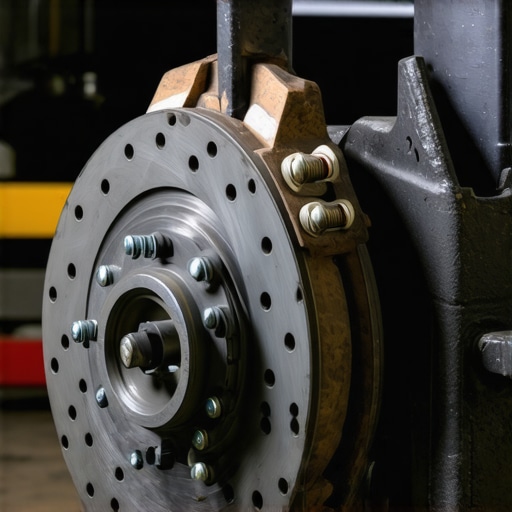 Many enthusiasts and even seasoned mechanics often assume they understand the nuances of vehicle diagnostics and auto repair, but there are sneaky misconceptions that can lead to costly mistakes. For example, a prevalent myth is that using generic scan tools can replace professional diagnostics. While basic scanners are handy, they often miss critical issues in brake systems or oil engine health that demand a more detailed approach. In my experience, trusting cheap diagnostic devices without understanding their limitations can cause you to overlook underlying problems, leading to bigger expenses down the line. According to automotive expert strategies, sophisticated issues—like subtle brake caliper sticking or early oil degradation—are best diagnosed with professional-grade tools or through thorough manual checks. Relying solely on code readers can be an oops moment, especially when the codes aren’t specific enough or lead you to false positives. Think about it—how many times have beginners replaced parts based on error codes alone, only to find out the actual culprit was something entirely different? That’s a classic rookie error.
Another common mistake involves underestimating the importance of maintenance schedules, particularly regarding oil changes. Many believe that extending oil change intervals beyond manufacturer recommendations saves money, but in reality, it risks engine wear and reduces vehicle performance. Recent studies highlight that neglecting proper oil maintenance can lower engine efficiency and longevity, ultimately costing more than sticking to recommended intervals. It’s tempting to think that longer oil change intervals are harmless, yet many drivers don’t realize that using high-quality synthetic oils with proper filter upgrades, like high-flow filters, can provide better protection if changes are made within optimal timeframes. For instance, the misconception that 5,000 miles are too soon for a change has led many to ignore signs that their engine might be suffering from oil degradation.
Let’s not forget the myths surrounding brake service. A common misconception is that after a professional brake job, you don’t need to scrutinize the system for months. That’s risky—hidden red flags, like uneven pad wear or caliper sticking, can click in silently. Doing routine inspections, such as checking for rust buildup or piston seizing, can prolong brake system health significantly. According to top auto repair tips, many problems stem from overlooked warning signs that seasoned mechanics recognize but casual DIYers miss.
But what about the sophisticated diagnostics question—how do advanced vehicle systems confuse even experts? For example, modern cars employ electronic brake force distribution and sensor systems that can malfunction or produce ambiguous error readings. This can mislead the unwary into unnecessary repairs or replacements. The key is understanding that diagnosing these issues often requires nuanced interpretation of both electronic signals and physical inspections, rather than solely relying on diagnostic codes. The importance of combining digital tools with hands-on diagnostics cannot be overstated: it minimizes guesswork and prevents unnecessary expenditure. Studies from industry leaders demonstrate that a hybrid approach yields the most reliable results and helps avoid fallacies like assuming all errors are software faults.
Have you ever fallen into this trap? Let me know in the comments. Remember, mastering vehicle diagnostics and repair is a blend of knowledge, experience, and critical thinking—so don’t rely on myths or oversimplifications to keep your ride safe and reliable.
Maintaining your vehicle’s performance over the long run hinges on employing the right tools and methods. Personally, I swear by a few key pieces of equipment that have fundamentally changed how I approach auto repair, especially for brake systems and oil changes. One indispensable tool is a high-quality diagnostic scanner, like the BlueDriver Pro. Unlike generic code readers, this device interfaces with specific vehicle protocols, providing comprehensive ABS and brake system codes, which are crucial for accurate diagnostics. I use this scanner regularly to monitor sensor readings and analyze fault codes, saving myself time and money by identifying issues before they escalate.
Another essential is a sturdy precision torque wrench. Proper torque application during brake component reassembly, such as securing calipers or wheel bolts, prevents future problems caused by over-tightening or inadequate tightening. For oil changes, I recommend a micrometer-style oil filter wrench to ensure a tight fit and easy removal of filters, especially in tight engine compartments. This small investment reduces frustration, preventing damage to the filter housing during replacements.
In terms of routine maintenance, I follow a scheduled fluid check routine. Using a dedicated brake fluid tester helps verify moisture content, as high moisture levels can cause caliper sticking and brake drag. I also keep a supply of high-quality brake fluid on hand to flush and replace whenever necessary. Regularly changing brake fluid—guided by a reliable diagnostic—extends the lifespan of calipers and brake pads, improving safety and performance.
Looking ahead, I predict that vehicle diagnostics will become more centralized with integrated systems, combining OBD-II data with advanced sensors. This will make regular maintenance even more precise and less guesswork-based. Tools that can interpret multi-layered data from physical sensors and software will be invaluable for DIYers and professionals alike.
How do I keep my vehicle’s brake and engine systems performing reliably over time?
Consistent inspection and timely repairs are key. Using a comprehensive maintenance routine that includes checking caliper slides, replacing brake fluid, and verifying oil quality can prevent costly breakdowns. Incorporate tools like a high-precision torque wrench and diagnostic scanner into your regular routine, as these help catch issues early and ensure proper assembly. Don’t forget to review manufacturer recommendations and stay updated with resources like ultimate guides on oil changes and diagnostics for the latest best practices. Give a try to performing a detailed brake fluid test this month—it’s a quick step that can make a significant difference in your vehicle’s reliability.
Reflecting on my journey through vehicle diagnostics, brake service, auto repair, and oil changes, I realize that many of the misconceptions I held initially were hurdles — not just obstacles to avoid but lessons to embrace. For instance, I learned the hard way that relying solely on entry-level scanners can give you a false sense of security, leading to overlooked issues like caliper sticking or subtle sensor faults that are critical for safety. My lightbulb moment was understanding that combining professional diagnostics with regular visual inspections yields the best results. Additionally, I once thought that ignoring minor brake squeal was harmless—until I discovered it was signaling impending caliper failure. Now, I know that proactive attention, rather than reactive fixes, saves time and money. Most importantly, I’ve realized that upgradeable tools and informed practices empower everyday drivers to diagnose and tackle issues before they become emergencies. This mindset shift has transformed my approach, making vehicle maintenance both a responsible and rewarding habit.
Gems from Experience That Changed My Perspective
- Trust Advanced Tools Over Cheap Scanners: A high-quality diagnostic scanner provides insights that cheap devices miss, especially in brake and oil systems. It’s a small investment for peace of mind.
- Stay Ahead with Visual Checks: Regularly inspecting calipers, rotors, and brake pads can reveal corrosion or sticking pistons early, preventing costly repairs.
- Brake Fluid Matters More Than You Think: Flushing brake fluid at recommended intervals ensures your calipers don’t stick and brake responsiveness remains sharp, extending component lifespan.
- Combine Manual and Digital Diagnostics: Only relying on error codes can mislead, so complement electronic diagnostics with hands-on inspections and fluid tests for a complete picture.
- Routine Maintenance Is Protective Armor: Consistent practices like oil changes and caliper slide lubrication dramatically reduce breakdown risks and increase safety on the road.
Tools and Resources That Keep Me Confident
- A reputable diagnostic scanner: It bridges the gap between DIY and professional diagnostics, giving detailed insights into brake and oil system health.
- High-quality brake fluid: Using top-tier brake fluid and knowing when to flush it has saved me from sticky calipers and unsafe driving conditions.
- A set of precision tools: From torque wrenches to caliper pin lubricants, these tools ensure proper assembly and prolong the life of brake components.
- Knowledge resources and guides: Staying updated through trusted sites keeps my maintenance routine effective and aligned with evolving standards.
Step Into the Driver’s Seat of Your Maintenance Journey
Taking control of your vehicle’s health isn’t just about avoiding repair bills; it’s about empowering yourself to ensure safety and longevity. Every DIY diagnostic or fluid flush you perform adds to your confidence and knowledge base. So, whether you’re spotting early signs of brake caliper sticking or scheduling that essential oil change, remember that your proactive choices today set the foundation for reliable performance tomorrow. Embrace continuous learning, leverage quality tools, and don’t hesitate to seek professional advice when needed. Your vehicle, and your peace of mind, will thank you for it.
What’s the most surprising lesson you’ve learned while working on your vehicle? Drop your story below—I love hearing how fellow enthusiasts or drivers are mastering their auto care in 2026!
More Details
Reading through this article really resonated with me, especially the part about differentiating between software glitches and mechanical issues like stuck calipers. I’ve encountered similar problems where I initially blamed the vehicle’s electronics, only to find that a simple stuck piston or corroded slide pins were the culprits. The visual inspection step is so crucial and often overlooked by DIYers; rust and corrosion can cause significant sticking without any digital symptom. When I had my calipers sticking last year, I learned that cleaning and lubricating the slide pins with high-temp brake grease was a straightforward fix that saved me hundreds in repairs. Have others found that routine manual checks help catch these issues before they escalate? Or do you prefer relying on diagnostic tools for a more precise diagnosis? Personally, combining both visual inspections and scans seems to offer the best peace of mind for maintaining brake health.
This article hits home for me because I’ve experienced that relentless brake drag that sneaks up unexpectedly. Like many DIY enthusiasts, I initially thought the problem was purely electronic, especially with the sophisticated systems in newer vehicles. However, I learned firsthand that sticking calipers and seized slide pins are often the real culprits, especially if rust or corrosion develops unnoticed. I agree that visual inspections coupled with basic manual tests—like spinning the rotors—are invaluable before diving into more complex diagnostics.
In my experience, maintaining regular check-ups of caliper movement and brake fluid has prevented many issues from escalating. I once failed to do these routine checks, which led to calipers sticking and causing uneven brake pad wear. Have you found that keeping a maintenance schedule significantly reduces emergency repairs? I’d love to hear others’ opinions on how often they perform these inspections and whether they think electronic diagnostics should be a secondary step after visual and manual checks.
This article really highlights how crucial a hands-on approach is combined with electronic diagnostics when addressing brake drag issues. I totally agree that mechanical faults like corroded caliper slide pins or seized pistons are often the main culprits, even in modern cars heavily reliant on electronic systems. A visual inspection can reveal rust or corrosion that sensors don’t detect—those physical signs often tell the true story. I remember a time when I ignored a faint brake smell, thinking it was a software glitch, only to discover that a caliper was severely sticking due to rust buildup. Regular manual checks and lubrication saved me from more extensive repairs later. Have others found that routine tactile inspections and simple rotor spin tests prevent sudden roadside emergencies? It seems that combining both mechanical checks and diagnostic scans offers the best peace of mind, especially with the complexity of 2026 vehicles.