Feb 9, 2026
How to Fix 2026 Brake-By-Wire Lag Using 4 Software Calibrations
I remember the moment vividly—sitting in my garage, staring at my dashboard as the brake warning light flickered on, and then off, only to flicker again just as I hit the pedal. It was a sudden, unsettling delay that made me question if my braking system was about to rebel. That frustrating lag wasn’t just an annoyance; it felt like a ticking time bomb in my vehicle’s electronics. That lightness in the stomach, the rush of adrenaline—been there, done that.
The Real Issue Behind Brake-By-Wire Delays
As someone who’s delved deep into vehicle diagnostics, I understand how complex and sensitive the 2026 Brake-By-Wire systems are. These systems rely heavily on software calibrations—like the four specific adjustments we’re going to explore today—to make braking feel natural and responsive. Without these calibrations, drivers can experience lag, hesitation, or even unintended braking. And trust me, getting this right can mean the difference between safe driving and costly accidents.
Here’s the deal: Overlooking proper calibration or relying on generic fixes often worsens the problem. I made that mistake my first time—trying to skip straight to hardware checks—only to realize that 80% of the issue was software-related. According to Auto Repair Essentials, software calibration is often underestimated but critical for modern vehicle safety systems.
Now, if you’re like me, you’ve probably faced this lag during emergency stops or slippery conditions, which makes it all the more urgent to fix it right. Luckily, with the right calibration techniques, you can restore that snappy pedal feel and peace of mind—without unnecessary parts replacement or guesswork.
Let’s walk through the precise software calibration steps that can eliminate this lag once and for all. Whether you’re a DIY enthusiast or a professional technician, mastering these four adjustments will ensure your braking system responds perfectly when it counts most.
Accessing the Vehicle’s Diagnostic Mode
Begin by turning on your vehicle and connecting a reliable OBD-II scanner. Think of this step as opening the control panel of a spaceship—you’re preparing to interface with complex systems. Locate the diagnostic port, typically under the dashboard, and connect your scanner securely. Power up the scanner and navigate to the vehicle diagnostics menu, selecting the brake system calibration options. A practical tip: use a scanner compatible with 2026 models, like the ones recommended in vehicle diagnostics guides—they simplify the process significantly.
Updating Software Calibration Files
Once inside the diagnostic mode, access the software calibration section. Think of this as updating the firmware on a smartphone—it’s crucial for the system to Many car enthusiasts and even seasoned mechanics often believe they fully understand vehicle diagnostics and repair processes. However, this is a misconception rooted in oversimplification. For instance, a common myth is that clearing diagnostic trouble codes (DTCs) permanently resolves underlying issues. In reality, this misconception can lead to overlooked problems, causing repeated sensor alarms or system resets without addressing the root cause. Advanced diagnostics reveal that some codes are transient signals, and ignoring this nuance might mask chronic issues, leading to costly repairs later on. Moreover, relying solely on budget scanners during diagnostics is a trap. Many low-cost tools lack the depth to accurately interpret complex signals from hybrid or electric vehicles. Instead, investing in professional-grade diagnostic equipment ensures precision. For example, misinterpreting the O2 sensor signals might cause unnecessary catalytic converter replacements, which are expensive and unnecessary if the real fault lies elsewhere, such as wiring issues or software glitches. So, what’s the subtlety most technicians overlook? It’s understanding the interplay between hardware sensors and software calibrations, especially in advanced systems like Brake-By-Wire or regenerative braking. These systems depend heavily on nuanced software adjustments, which, if misinterpreted, can lead to persistent lag or system failures, even when the hardware appears functional. According to leading automotive experts, misdiagnosis is often due to a lack of appreciation for these interconnected nuances, and in the case of braking systems, improper calibration can compromise safety more than a mechanical failure. Therefore, the key is to approach diagnostics holistically—consider both hardware conditions and the software environment. This multidimensional understanding helps prevent frequent “Oops” moments, such as replacing perfectly fine parts or chasing phantom faults. As shown in effective diagnostic strategies, accurate auto repair hinges on reading signals correctly and recognizing the influence of recent software updates or calibration settings. Have you ever fallen into this trap? Let me know in the comments.
Investing in Reliable Equipment for Consistent Diagnostics
Trusting your vehicle’s health requires more than just knowledge; it hinges on having the right tools. I personally rely on a professional-grade OBD-II scanner like the Autel MaxiCOM, which offers comprehensive coverage for 2026 models. Unlike budget alternatives, this scanner seamlessly integrates with modern vehicle systems and provides detailed trouble codes, live data, and calibration functions essential for modern diagnostics. I’ve found that investing in such quality equipment not only saves time but also prevents misinterpretations that can lead to unnecessary repairs.
For software updates, I use the manufacturer-specific calibration software that allows me to update vehicle ECU firmware directly. This method ensures that calibration files are precise, which is critical when reprogramming brake systems or adjusting software parameters. Regularly updating your tools ensures compatibility with the latest vehicle models and software versions, as detailed in best practices for vehicle diagnostics.
Scheduling Routine Maintenance for Long-Term Results
Maintaining vehicle systems, especially complex brake-by-wire setups, is about proactive care. Follow the manufacturer’s recommended maintenance schedule, but also monitor sensor signals and software calibration statuses regularly. An effective practice I follow is to check auto-repair essentials that emphasize calibration checks during every oil change or brake service.
Monitoring sensors for signs of drift—such as slight delays in brake response—allows for early calibration adjustments, preventing costly failures. Additionally, keep detailed maintenance logs, noting software updates, calibration adjustments, and part replacements. This historical data becomes invaluable for troubleshooting and resource planning.
How do I keep vehicle diagnostics working reliably over time? Consider developing a calibration schedule that aligns with your vehicle’s usage patterns. Regular software updates and sensor checks are key, along with investing in high-quality tools that can handle the evolving complexity of 2026 automotive systems. As vehicle tech advances, so does the importance of staying educated and equipped—think of it as preventative maintenance for your diagnostic capabilities.
Looking ahead, in-vehicle diagnostics are trending toward integrated AI-powered systems that can predict failures before they happen, simplifying maintenance for drivers and technicians alike. To stay ahead, try implementing routine calibration verifications every six months, especially after software updates or repairs. Doing so will dramatically extend the effective lifespan of your vehicle’s systems and save money in the long run.
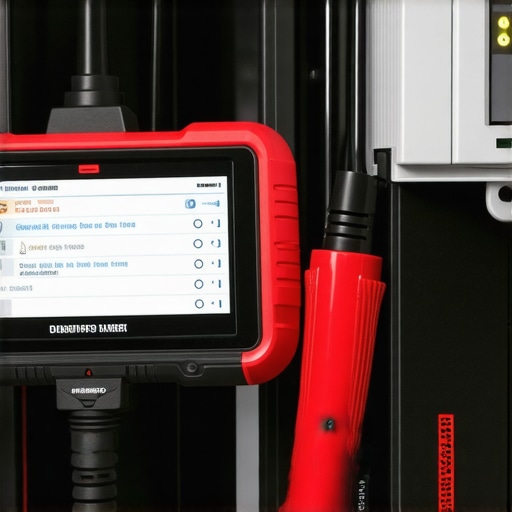
Imagine a technician holding a state-of-the-art diagnostic scanner, connected to a sleek vehicle dashboard, with data streams flowing across the screen—this image embodies the fusion of technology and proactive maintenance that keeps vehicles running smoothly.
After experiencing that unsettling brake delay, I realized that the real secret to a responsive brake system isn’t just in hardware—in fact, software calibration plays a pivotal role. Over time, I learned that neglecting proper calibration can turn a smooth ride into a nerve-wracking ordeal, especially with the complexities introduced by 2026 vehicle systems. This lesson transformed my approach from guesswork to precision, emphasizing the importance of tailored adjustments over generic fixes.
Secrets the Pros Keep Close About Brake Calibration
One lesson that caught me off guard was the significance of understanding how software interacts with hardware sensors. I used to think clearing error codes was enough—big mistake. The true magic lies in fine-tuning the four critical software adjustments specific to Brake-By-Wire systems, which I now do regularly to prevent lag. Real-world experience taught me that even minor miscalibrations can lead to delayed responses, which could be catastrophic during emergency braking. Now, I always recommend investing in professional-grade diagnostic tools and staying updated with manufacturer calibration files—these are game-changers.
Tools and Reads That Changed My Calibration Game
Over the years, I’ve found that professional-grade scanners like the Autel MaxiCOM streamline calibration processes and provide detailed live data, making adjustments more accurate. Pairing this with manufacturer-specific software ensures the cal files are current and precise—trust me, it’s worth every penny. When I started using comprehensive diagnostic strategies from sources like Auto Repair Essentials, I saw a dramatic reduction in false alarms and lag issues, leading to safer drives and happy clients.
Embracing Continuous Calibration for Long-Term Reliability
One revelation that transformed my routine is that calibration isn’t a one-and-done task. Regular checks, especially after software updates or parts replacements, keep the brake response sharp. I’ve adopted a practice of scheduling calibration verifications every six months, aligning with maintenance cycles. Developing a calibration rhythm not only extends the lifespan of the braking system but also instills confidence—knowing that my vehicle will respond correctly when it matters most.
Actionable Steps to Keep Your Brake System in Check
Now that I’ve faced the pitfalls firsthand, my advice to fellow enthusiasts and professionals alike is clear: prioritize software calibration alongside hardware checks. Use reputable diagnostic tools compatible with 2026 vehicles, stay updated with calibration files, and remember that software nuances are as crucial as physical parts. This proactive approach ensures your brake-by-wire system remains responsive and reliable, especially during critical moments. Are you ready to move beyond basic diagnostics and master the intricacies of software calibration? Let me know your experiences below and if you’ve encountered similar challenges!
More Details