Oct 20, 2025
Top-Rated Vehicle Diagnostics & Auto Repair Tips for 2025

My First Encounter with Vehicle Diagnostics: A Wake-Up Call

Not long ago, I found myself stranded on the side of the road, frustrated and worried about my car’s sudden malfunction. That experience was a turning point that sparked my interest in understanding vehicle diagnostics. Since then, I’ve learned that staying ahead with proper auto repair tips can save you time and money, especially with the latest innovations heading into 2025.

Discovering the Power of Modern Auto Diagnostics

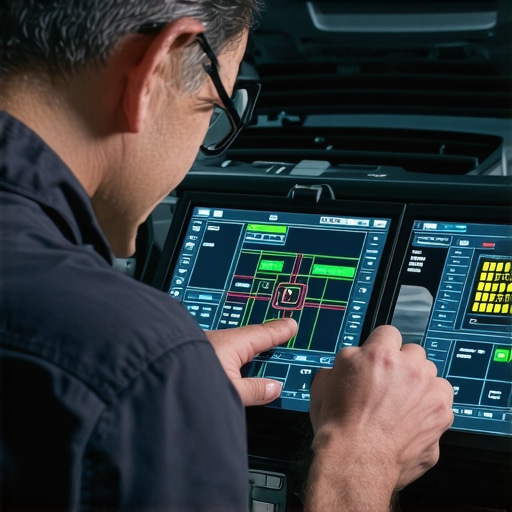
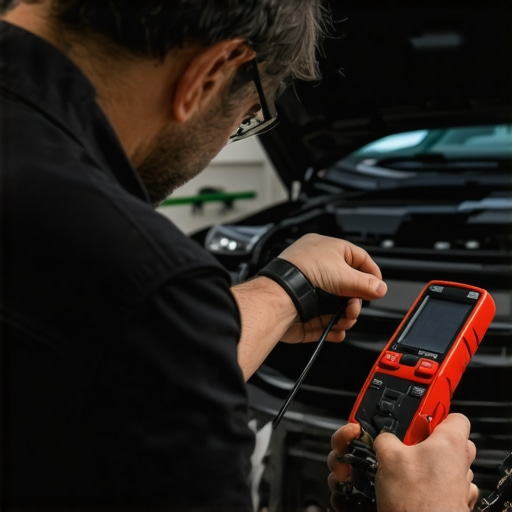
One of the most eye-opening moments was exploring expert vehicle diagnostics. Today, advanced tools like OBD-II scanners have become essential for diagnosing issues early. I remember using a modern diagnostic tool that read error codes effortlessly, revealing hidden problems beneath the surface. It’s remarkable how these technologies have evolved, making auto repair more precise and less invasive.

What Makes a Great Auto Repair Tip in 2025?

In my experience, the best tips blend technical expertise with practical advice. For example, regular oil changes and brake services can extend your vehicle’s lifespan significantly. I’ve also found that routine maintenance, like checking tire pressure and fluid levels, prevents costly breakdowns. The key is consistency—staying proactive rather than reactive.

Why Vehicle Diagnostics Are Critical for Safety

Safety is paramount, especially as vehicles become more sophisticated. According to industry experts, timely diagnostics can identify issues with brakes, steering, or suspension before they compromise safety. I’ve personally experienced peace of mind knowing my car’s systems are functioning correctly, thanks to regular diagnostics.

How Can I Keep Up with Rapid Auto Repair Innovations?

That’s a great question. I stay informed by reading reputable sources and attending local auto repair workshops. For instance, the latest auto repair tips emphasize the importance of integrating new diagnostic tools and eco-friendly practices. It’s fascinating how the industry is shifting towards more sustainable and efficient solutions.

If you’re like me and want your vehicle to perform reliably in 2025 and beyond, I recommend exploring comprehensive guides and staying connected with trusted auto repair professionals. Sharing your experiences or questions can also help build a community that navigates these technological advancements together.

Feel free to leave a comment below about your own auto repair journey or any tips you’ve discovered along the way!

Leveraging Cutting-Edge Diagnostic Technologies to Prevent Costly Repairs

As vehicle systems become increasingly complex, staying updated with the latest diagnostic tools is essential for both professionals and enthusiasts. Modern diagnostic scanners now incorporate AI and cloud connectivity, enabling real-time data analysis and remote troubleshooting. This integration accelerates problem identification and streamlines repair workflows, reducing downtime and repair costs. For those looking to deepen their understanding, exploring resources like expert vehicle diagnostics can provide valuable insights into these advancements.

How Can Advanced Diagnostics Enhance Safety and Reliability?

Advanced diagnostic systems can detect subtle anomalies in critical safety components—such as ABS, airbags, and stability control—before they become hazardous. Regularly running comprehensive diagnostics ensures these systems operate flawlessly, providing peace of mind. Moreover, proactive diagnostics help prevent breakdowns, especially in harsh weather or demanding driving conditions. Industry experts emphasize that early detection is key to maintaining vehicle safety and longevity, making diagnostic tools an indispensable part of modern auto care.

What Are the Practical Steps to Integrate New Auto Repair Innovations?

Integrating innovative auto repair techniques requires a proactive approach. Start by investing in certified diagnostic equipment, and ensure your team receives ongoing training to stay abreast of emerging technologies. Participating in workshops and industry seminars can also foster knowledge exchange. For example, adopting eco-friendly diagnostic procedures not only aligns with sustainability goals but also improves efficiency. For more guidance, consult comprehensive auto repair tips that highlight the importance of combining new tools with best practices.

Are There Hidden Challenges in Keeping Up with Auto Diagnostics Innovation?

Absolutely. The rapid pace of technological change can be daunting, especially for small repair shops or DIY enthusiasts. Compatibility issues between older vehicles and new diagnostic tools may arise, requiring careful selection of equipment and software updates. Additionally, staying compliant with industry standards and cybersecurity protocols is crucial to protect sensitive vehicle data. Experts advise continuous education and strategic investments to navigate these complexities successfully. To explore more, visit top-rated auto repair services for a comprehensive understanding of current trends.

If you’re eager to keep your vehicle in peak condition amidst technological advancements, I encourage you to share your experiences or ask questions in the comments below. Connecting with a community of auto repair enthusiasts can provide support and insights that make navigating this evolving landscape easier.
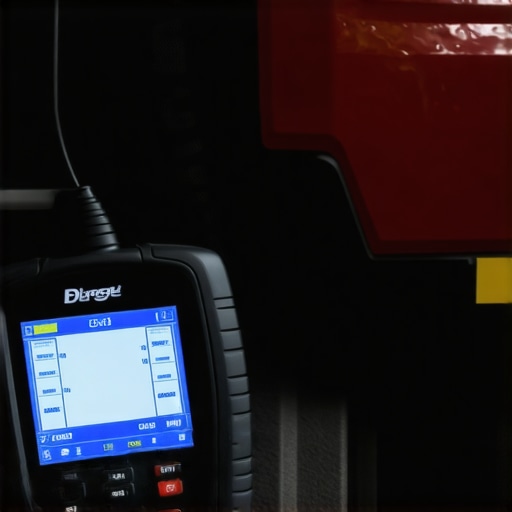
Vehicle diagnostic scanner connected to a car showing digital readouts.

Embracing the Complexity of Modern Vehicle Diagnostics

As I’ve delved deeper into the world of auto diagnostics, I realize that the landscape is becoming increasingly intricate. The integration of AI-driven analysis and cloud connectivity has transformed diagnostic tools from simple error code readers into sophisticated systems that provide real-time insights. This evolution means that, as an enthusiast or professional, staying updated requires continuous learning and adaptation. I vividly recall upgrading my diagnostic setup last year, investing in a tool that not only reads codes but also predicts potential failures based on historical data. It was a game-changer, emphasizing how much auto diagnostics have advanced beyond basic troubleshooting.

Reflecting on Safety and the Nuances of Preventive Diagnostics

One aspect that often gets overlooked is the subtlety involved in preventive diagnostics. For example, detecting minor anomalies in safety-critical systems like airbags or ABS early can prevent catastrophic failures. From my experience, these systems are incredibly complex, with thousands of micro sensors working seamlessly. An unexpected warning light can sometimes be a false alarm, but it’s crucial to interpret these signals correctly. According to industry experts, routine comprehensive diagnostics can uncover hidden vulnerabilities that standard inspections might miss. This proactive approach not only enhances safety but also extends the vehicle’s lifespan.

How Do I Balance Cutting-Edge Technology with Practical Maintenance?

That’s the question I often ask myself. The challenge lies in integrating new diagnostic technologies without overwhelming the repair process or alienating DIY enthusiasts. In my journey, I’ve found that regular training and hands-on experience are vital. For instance, attending workshops focused on eco-friendly diagnostic procedures has been invaluable. These innovations not only improve efficiency but also align with sustainability goals, which are increasingly vital in today’s industry. To stay ahead, I recommend a continuous cycle of learning—reading technical manuals, engaging with online communities, and experimenting with new tools in controlled settings. For those interested, exploring auto repair tips can provide practical guidance on this front.

Personal Insights: The Future of Vehicle Diagnostics and My Role in It

Looking ahead, I see myself not just as a user of diagnostic tools but as an active participant in shaping auto repair’s future. The industry’s rapid technological changes demand adaptability and a curious mindset. I believe that sharing experiences, asking questions, and collaborating with other enthusiasts and professionals create a collective intelligence that benefits everyone. For example, discussing challenges like compatibility issues with older vehicles or cybersecurity concerns helps us navigate the complexities more effectively. I encourage readers to reflect on their journey—what innovations have made the most impact, and what uncertainties still linger? Your insights could be the key to unlocking new levels of understanding.

Feel free to share your own experiences with advanced diagnostics or ask questions in the comments. Together, we can explore how to harness these evolving technologies for safer, more reliable vehicles.

What Are the Ethical and Practical Considerations When Using AI-Based Diagnostic Systems?

One of the nuanced challenges I’ve pondered is the ethical use of AI in diagnostics. While these systems offer remarkable predictive capabilities, they also raise concerns about data privacy and decision-making transparency. For example, if an AI system suggests a repair based on pattern recognition, how do we verify its accuracy without a thorough understanding of its algorithms? According to recent industry analyses, maintaining a balance between automation and human oversight is essential to ensure trust and accountability. This ongoing debate underscores the importance of continuing education and critical thinking in auto diagnostics—skills that are just as vital as technical knowledge. If you’re interested in exploring these issues further, I recommend reviewing materials on AI in auto diagnostics for a comprehensive perspective.

Ultimately, embracing these innovations with a cautious, informed approach allows us to enhance safety and efficiency while respecting ethical boundaries. I invite you to reflect on how these technologies are influencing your auto repair practices and share your insights below.

Deciphering Complex Diagnostic Data: Beyond the Surface

As my expertise deepened, I realized that modern diagnostic tools are capable of revealing far more than simple error codes. Advanced systems now analyze data streams from multiple sensors simultaneously, providing a comprehensive picture of vehicle health. For example, I recently used a diagnostic platform that integrated real-time telemetry to identify subtle irregularities in my vehicle’s engine performance, which traditional scanners might have missed. This capability is crucial for preemptive maintenance, especially when dealing with vehicles equipped with sophisticated driver-assist features. Industry reports, like those from auto diagnostics experts, emphasize that leveraging multi-parameter analysis enhances reliability and safety.

Unraveling the Ethical Dimensions of AI-Driven Diagnostics

With AI algorithms increasingly embedded in diagnostic systems, ethical considerations emerge. These systems often operate as black boxes, making it challenging to interpret how specific recommendations are generated. From my perspective, maintaining transparency and ensuring data privacy are paramount. For instance, I advocate for diagnostic solutions that allow technicians to review AI decision pathways, fostering trust and accountability. Moreover, industry standards now emphasize cybersecurity measures to protect sensitive vehicle data from breaches. These developments underscore the importance of continuous learning—both to harness technological benefits and to uphold ethical integrity in auto diagnostics.

How Can Enthusiasts and Professionals Collaborate to Accelerate Diagnostic Innovation?

The future of vehicle diagnostics is a collaborative frontier. I believe that open forums, shared databases, and joint research initiatives can propel the industry forward. For example, participating in online communities or industry seminars enables knowledge exchange about emerging challenges like software compatibility issues with legacy vehicles. I’ve found that engaging with these platforms not only keeps me informed but also allows me to contribute insights from my own hands-on experiences. If you’re passionate about pushing auto repair boundaries, I encourage you to explore avenues for collaboration, as collective intelligence accelerates innovation and helps solve complex diagnostic puzzles.

What Are the Best Strategies for Staying Ahead in a Rapidly Evolving Diagnostic Landscape?

To stay at the forefront, I recommend a multi-faceted approach: continuous education through specialized courses, active engagement with industry publications, and hands-on experimentation with new tools. Investing in training that covers the latest diagnostic software updates and cybersecurity protocols ensures readiness for upcoming challenges. Additionally, subscribing to authoritative resources like top-rated auto repair updates can keep you informed about trends shaping the industry. Your proactive efforts can make a significant difference in maintaining vehicle safety and performance amidst technological advances.

Finally, I invite you to share your own experiences or questions regarding advanced diagnostics. Connecting with a community of like-minded enthusiasts and professionals can provide invaluable insights, enriching our collective understanding of this fascinating and rapidly evolving field.

Things I Wish I Knew Earlier (or You Might Find Surprising)

The Hidden Power of Diagnostic Data

Early on, I underestimated how much diagnostic data can reveal about your vehicle’s health. Once I started exploring multi-parameter analysis, I realized that modern diagnostics can predict failures before they happen, saving me from costly repairs and breakdowns.

AI’s Role in Auto Repair

Initially skeptical, I was amazed to see AI-driven diagnostics in action. These systems analyze vast amounts of data to identify issues with incredible accuracy. It’s like having a super-smart mechanic working behind the scenes, which totally changed my approach to vehicle maintenance.

The Importance of Cybersecurity

What surprised me is how cybersecurity has become a crucial part of auto diagnostics. Protecting sensitive vehicle data from breaches is now essential, especially with connected cars. I’ve learned to prioritize secure diagnostic tools to keep my vehicle info safe.

Upgrading Your Diagnostic Toolbox

I used to rely on basic error code readers, but now I see the value in investing in advanced, cloud-connected diagnostic scanners. These tools offer real-time insights and remote troubleshooting, making auto repair more efficient and less invasive.

The Ethical Dilemmas of AI in Diagnostics

One thought-provoking aspect is the ethical use of AI. How do we ensure transparency and accountability when machines make repair suggestions? It’s a fascinating debate that has made me more conscious of the tools I trust and use.

Resources I’ve Come to Trust Over Time

  • Auto Diagnostics Experts: Their insights on multi-parameter analysis and safety diagnostics have been invaluable in expanding my understanding of vehicle health.
  • Industry Standards on Cybersecurity: Staying compliant with data protection guidelines has helped me choose reliable diagnostic tools that prioritize security.
  • Online Auto Repair Communities: Sharing experiences and troubleshooting tips with fellow enthusiasts keeps me updated on the latest innovations.

Parting Thoughts from My Perspective

Reflecting on my journey into modern vehicle diagnostics, I realize how essential it is to embrace continuous learning. These tools and technologies are transforming auto repair, making it more precise, safer, and efficient. If you’re passionate about keeping your vehicle in top shape, I encourage you to explore these advancements and share your experiences. Staying informed and connected can help you navigate the evolving landscape of auto diagnostics with confidence. If this resonated with you, I’d love to hear your thoughts or experiences in the comments. Sharing knowledge creates a stronger community and drives innovation forward.

More Details
Oct 19, 2025
Top Tips for Auto Repair & Vehicle Diagnostics Efficiency

My Journey into Auto Repair: Why Efficiency Matters

Not too long ago, I found myself stranded on the side of the road, frustrated by a mysterious engine warning. That experience ignited my passion for understanding how to perform vehicle diagnostics efficiently. Over the years, I’ve learned that mastering auto repair tips can save time and money, especially when it comes to vehicle diagnostics and maintenance.

Understanding the Basics of Vehicle Diagnostics

When I first started exploring auto repair, I realized that reliable diagnostics are the foundation of effective repairs. Using tools like OBD-II scanners, I could quickly identify issues without unnecessary guesswork. According to expert advice, investing in quality diagnostic equipment can significantly improve repair accuracy and speed.

Streamlining Your Auto Repair Workflow

One tip I swear by is organizing my workspace and keeping essential tools within arm’s reach. This small change reduces downtime and helps me focus on diagnosing and fixing issues swiftly. Additionally, staying updated with the latest repair techniques and vehicle service bulletins ensures I don’t miss crucial information that could speed up diagnostics.

How to Stay Ahead with Vehicle Maintenance

Regular maintenance is key to preventing unexpected breakdowns. I follow a strict schedule for oil changes, brake inspections, and fluid checks. For example, I refer to trusted resources like maintenance tips to keep my vehicle in top shape. This proactive approach minimizes diagnostic surprises and keeps my car running smoothly.

What are the most common vehicle issues I can diagnose myself?

In my experience, minor issues like faulty sensors, worn brake pads, or loose belts are often manageable with basic tools and some research. Recognizing symptoms early can prevent costly repairs and improve overall vehicle safety.

If you’re curious about how to further enhance your auto repair skills, I recommend exploring comprehensive guides and tutorials. And if you’ve got your own tips or stories, please share them in the comments—learning from each other makes all the difference!

Unlocking the Secrets of Expert Vehicle Diagnostics

As seasoned auto repair professionals know, accurate diagnostics are the cornerstone of effective vehicle repairs. Diving deeper into diagnostics involves understanding not just the tools but also the nuances of modern vehicle systems. For instance, integrating advanced diagnostic software with traditional OBD-II scanners can reveal hidden issues that might otherwise go unnoticed, saving both time and money.

How Can Sophisticated Diagnostics Improve Repair Outcomes?

Utilizing state-of-the-art diagnostic equipment allows technicians to interpret complex data streams from various vehicle sensors. This comprehensive approach enables pinpointing problems with greater precision. According to industry experts, investing in high-quality diagnostic tools enhances repair reliability, especially for newer vehicle models with intricate electronic systems.

Am I Really Using Diagnostics to the Full Potential?

Many repair shops still rely on basic scans, but the real potential lies in combining diagnostic results with vehicle history, repair manuals, and live data monitoring. This holistic method not only accelerates diagnosis but also improves the accuracy of repairs, reducing repeat visits and customer complaints. Mastering this approach involves continuous learning and staying updated with the latest diagnostic software updates and vehicle service bulletins.

Practical Tips for Enhancing Diagnostic Accuracy

First, always verify sensor readings with manual tests when possible. Second, remember that diagnostics are a guide, not an absolute verdict—use your expertise to interpret the data contextually. Lastly, document your diagnostic process meticulously; this creates a knowledge base that can streamline future repairs and improve overall service quality.

What are the key signs indicating the need for advanced diagnostics rather than simple scans?

Persistent warning lights despite reset attempts, inconsistent vehicle behavior, and recurring issues after repairs are tell-tale signs. Vehicles exhibiting multiple electronic faults often require a layered diagnostic approach, including expert software tools and in-depth system analysis. Prioritizing advanced diagnostics in these cases can prevent misdiagnosis and ensure reliable repairs.

For further enhancement of your diagnostic skills, consider exploring resources like comprehensive repair guides that delve into complex system troubleshooting. And don’t forget—sharing your own diagnostic triumphs or challenges in the comments can foster a community of continuous learning!

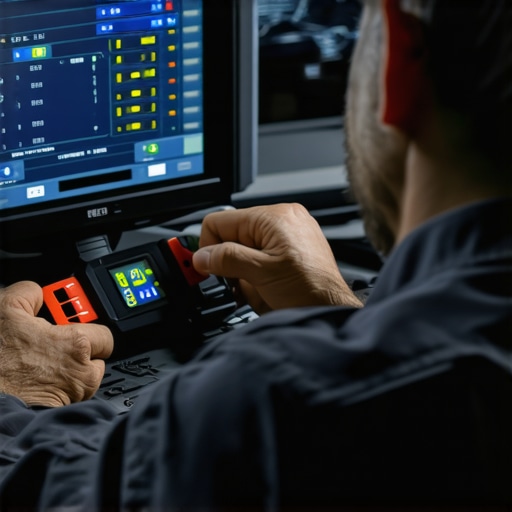
Technician using advanced diagnostic equipment to analyze vehicle data

Deepening Your Diagnostic Skills: Beyond the Basics

When I first started my journey into auto repair, I relied heavily on basic OBD-II scans, which often provided a snapshot but not the full story. Over time, I realized that true diagnostic mastery involves integrating these initial readings with a comprehensive understanding of vehicle systems and behavior. For example, I recall a case where a vehicle exhibited intermittent stalling, and a simple code wouldn’t reveal the root cause. By combining live data monitoring with manual sensor tests, I was able to identify a failing camshaft position sensor that was causing erratic engine behavior.

Why Do Some Diagnostic Attempts Fail Despite Clear Error Codes?

In my experience, a common pitfall is treating error codes as definitive diagnoses rather than clues. Modern vehicles are complex, with interconnected systems that can mask or mimic issues. An error code for a misfire might originate from a fuel delivery problem, a faulty spark plug, or even a mechanical issue deeper in the engine. Therefore, it’s essential to interpret codes within the broader context of vehicle history, recent repairs, and operational symptoms. This nuanced approach often requires advanced diagnostic tools that can interpret live sensor data and system responses in real-time.

How Can Advanced Diagnostics Save Time and Reduce Errors?

Investing in sophisticated diagnostic software, such as OEM-specific tools, allows me to access deeper system data and calibration parameters that standard scanners cannot. This depth of information is especially crucial for newer vehicles with complex electronic control modules. According to industry experts, leveraging these tools can dramatically improve repair accuracy, reduce diagnostic time, and ultimately enhance customer satisfaction. On a personal level, I’ve found that understanding these systems often feels like solving a puzzle — each sensor, module, and data stream reveals a piece of the bigger picture.

What Are the Nuances of Interpreting Sensor Data in Modern Vehicles?

Interpreting sensor data requires more than just reading numbers on a screen. It involves recognizing patterns, understanding normal vs. abnormal ranges, and correlating data from multiple sources. For example, a slight fluctuation in throttle position sensor readings might be normal at idle, but if it coincides with a drop in fuel pressure or irregular ignition timing, it points to a more complex problem. Developing this intuition takes practice, patience, and continuous learning. I often review vehicle-specific repair manuals and technical service bulletins to stay updated on common sensor anomalies and their solutions.

How Do I Stay Ahead in the Rapidly Evolving World of Vehicle Electronics?

Staying ahead requires a commitment to ongoing education and embracing new diagnostic technologies. I regularly participate in training sessions offered by OEMs and industry associations. Additionally, I follow online forums and technical resources where professionals share troubleshooting insights and software updates. This proactive approach ensures I am prepared to diagnose the latest vehicle models effectively. Moreover, I encourage fellow technicians and enthusiasts to share their experiences and insights, as collective knowledge accelerates our learning curve and improves diagnostic outcomes.

Exploring resources like vehicle diagnostics maintenance tips can further refine your skills. Remember, mastering diagnostics is an ongoing journey, and every challenging case is an opportunity to deepen your understanding and expertise. If you’ve encountered particularly tricky diagnostics or have tips to share, I invite you to comment below—our shared experiences are the best tools for growth.

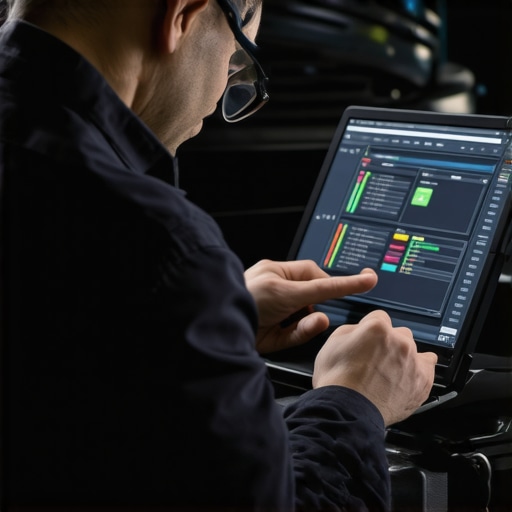
Auto technician analyzing data from diagnostic software on a modern car's electronic system.

Deciphering the Complex Language of Modern Vehicle Electronics

As I delved deeper into the world of auto diagnostics, I discovered that understanding the intricate communication protocols within modern vehicles is essential. Vehicles today are equipped with multiple ECUs (Electronic Control Units) that interact via CAN (Controller Area Network) buses, transmitting vast amounts of data that can be overwhelming without the right expertise. Learning to interpret these data streams accurately has transformed my diagnostic approach from simple code reading to an art of systems analysis. One effective method I’ve employed is utilizing OEM-specific diagnostic software, which grants access to proprietary data that standard scanners often overlook. This approach has proven invaluable in troubleshooting complex issues, such as intermittent electronic throttle failures or intricate sensor malfunctions.

Why Is It Critical to Integrate Data Logging and Live Monitoring?

From my experience, static scans provide only a snapshot of the vehicle’s health, often missing transient faults that occur under specific conditions. Incorporating real-time data logging and live monitoring has been a game-changer. For instance, during a recent diagnosis of a vehicle with sporadic misfires, monitoring live sensor data while replicating the fault allowed me to pinpoint a failing camshaft position sensor that only exhibited anomalies under certain engine loads. This method not only saves diagnostic time but also ensures I address the root cause rather than temporary symptoms. Industry leader industry experts emphasize that integrating these advanced techniques enhances diagnostic precision and repair reliability.

Harnessing the Power of Cross-Referencing Data for Accurate Diagnoses

One of my most valuable insights has been the importance of cross-referencing multiple data sources. Instead of relying solely on error codes, I compare sensor outputs, system responses, and repair histories to build a comprehensive understanding. For example, suspecting an electronic issue in a vehicle’s fuel system, I examined fuel pressure readings alongside injector pulse data. When inconsistencies appeared, I explored further, discovering a wiring harness fault that standard scans had missed. This experience underscored the necessity of a holistic diagnostic mindset—viewing data as interconnected clues rather than isolated points. Developing this skill has required persistent practice, study of vehicle wiring diagrams, and staying current with technical service bulletins.

Why Continuous Education Is Non-Negotiable in High-Level Diagnostics

Given the rapid evolution of automotive technology, ongoing education is vital. I regularly participate in OEM training sessions, attend industry webinars, and follow technical forums where professionals share diagnostic breakthroughs. This commitment ensures I stay ahead of emerging vehicle systems, such as hybrid powertrains and advanced driver-assistance systems (ADAS). For example, understanding the nuances of CAN bus communication in electric vehicles has enabled me to diagnose and repair issues that would have previously required dealership-level tools. Staying connected to reputable sources like vehicle diagnostics maintenance tips helps me refine my skills continually and adapt to the shifting landscape of automotive electronics.

What Are the Best Practices for Mastering OEM Diagnostic Protocols?

Mastering OEM diagnostic protocols involves acquiring specialized tools, understanding proprietary communication standards, and studying vehicle-specific repair manuals. I recommend building a library of OEM training materials and maintaining a network of industry contacts for troubleshooting support. Over time, I’ve found that hands-on practice combined with theoretical knowledge accelerates proficiency. Sharing your experiences or challenging cases with peers can also offer fresh perspectives and innovative solutions. If you’re eager to elevate your diagnostic skills further, I encourage you to explore advanced training programs and participate in industry workshops—these are invaluable for staying at the forefront of automotive diagnostics.

<Auto technician analyzing real-time vehicle sensor data with advanced diagnostic equipment.}

Things I Wish I Knew Earlier (or You Might Find Surprising)

Listening to the Vehicle’s Language

Early in my auto repair journey, I underestimated how much a vehicle’s behavior can tell you before even plugging in a scanner. Sometimes, listening carefully to odd vibrations or unusual noises reveals problems that error codes alone won’t catch. It’s like learning a new language—once you tune in, the car starts communicating more clearly.

The Power of Combining Tools

At first, I relied solely on basic OBD-II scanners, but I soon discovered that integrating live data monitoring with manual sensor tests yields far better results. This holistic approach saves time and prevents misdiagnosis, especially in complex modern vehicles where electronic systems are intertwined.

Not All Error Codes Are Equal

I used to treat every trouble code as a definitive diagnosis. Now, I see them as clues—sometimes misleading if taken out of context. Cross-referencing codes with vehicle history and symptoms often uncovers hidden issues, saving me from unnecessary parts replacements.

Continuous Learning Is Non-Negotiable

The rapid evolution of vehicle electronics means staying static in your knowledge is a recipe for frustration. Attending OEM training sessions and following industry updates keeps my diagnostic skills sharp and allows me to tackle newer models confidently.

The Importance of Data Patterns

Recognizing patterns in sensor data over time, rather than reacting to isolated readings, has revolutionized my approach. It’s like solving a puzzle—each piece of data helps reveal the bigger picture, leading to more accurate repairs.

Resources I’ve Come to Trust Over Time

  • RepairPal: This site offers practical guides and troubleshooting tips that helped me understand vehicle systems better. It’s a reliable resource for both beginners and pros.
  • OEM Service Manuals: Nothing beats the accuracy of manufacturer manuals. They provide detailed wiring diagrams and diagnostic procedures specific to each vehicle model, which are invaluable in complex cases.
  • Automotive Forums: Communities like Garage Journal or specialized brand forums are gold mines for troubleshooting real-world issues. Sharing experiences with fellow enthusiasts often sparks new ideas and solutions.
  • Industry Webinars and Training: Participating in live sessions keeps me updated on the latest diagnostic technology and techniques, especially for hybrid and electric vehicles.

Parting Thoughts from My Perspective

Mastering vehicle diagnostics is as much an art as it is a science. While tools and codes are vital, developing an intuitive sense for vehicle behavior and data patterns elevates your repair game significantly. Remember, the journey of learning never truly ends—each challenging case offers new insights and skills. If this resonated with you, I’d love to hear your thoughts. Share your experiences or tips in the comments, and let’s keep the conversation going. Happy diagnosing!

More Details
Oct 19, 2025
Ultimate Brake Service Guide for Safe Driving in 2025

My Journey into Understanding Brake Safety: A Personal Story

Last year, I experienced a tense moment on the highway when my brakes suddenly felt less responsive. That scare motivated me to dive deep into the world of brake services and maintenance, especially with the rapid advancements in automotive technology expected by 2025. I realized that staying informed isn’t just about safety—it’s about peace of mind during every drive.

Why Regular Brake Checks Are My Best Friend

After that incident, I started prioritizing regular brake inspections. Trust me, it’s not just about replacing worn-out pads but understanding the entire brake system—hydraulic lines, rotors, and calipers. According to top-rated auto repair experts, diagnostics play a crucial role in preemptive maintenance, especially as vehicle technologies evolve.

What’s New in Brake Technology for 2025?

From my research and conversations with technicians, 2025 will see the rise of smarter brake systems equipped with sensors and AI-driven diagnostics. These innovations promise better safety and longevity, but they also demand that we, as drivers, stay aware of signs indicating brake problems—like strange noises or vibrations. It’s fascinating how technology is making brake maintenance more precise and less intrusive.

How Do I Know When It’s Time for a Brake Service?

One question I often ask myself: *Is my car telling me it’s time for a brake check?* Common signs include squealing sounds, a soft brake pedal, or increased stopping distances. I’ve learned that paying attention to these cues can prevent costly repairs and, more importantly, keep me safe on the road. For a comprehensive overview, I also refer to expert diagnostic tips for reliable auto repairs.

How can I ensure my brakes are ready for the road ahead?

Consistent maintenance and staying informed about new brake technologies are key. I also make it a point to visit trusted auto repair shops that utilize the latest diagnostic tools. Sharing experiences with fellow drivers has taught me that proactive care is always better than reactive fixes. If you’re curious about how to choose a reliable brake service provider, check out my favorite tips here.

If you’ve had any recent brake issues or insights, I’d love to hear your stories. Drop a comment below or share your tips—together, we can stay safe and informed as technology advances!

Are Your Brakes Ready for the Tech-Driven Road Ahead?

As automotive innovation accelerates, especially with the integration of AI and sensor technologies, understanding how these advancements influence brake maintenance becomes essential. For example, smart brake systems equipped with predictive diagnostics can alert drivers to issues before they manifest as dangerous symptoms, yet they also require a nuanced understanding of the technology to interpret alerts correctly. This shift underscores the importance of staying informed about emerging brake tech, which is crucial for both safety and cost-effective maintenance. For a detailed exploration of the latest diagnostics tools, visit this resource.

What Are the Practical Signs That Indicate Your Brakes Might Be Failing?

While technological innovations aid in early detection, drivers must still recognize classic signs of brake wear. These include squealing noises, a spongy brake pedal, or vibrations during braking. Paying close attention to these cues can prevent minor issues from escalating into costly repairs or safety hazards. Regularly consulting trusted auto repair sources like expert brake safety tips helps you stay ahead of potential problems. Remember, proactive maintenance is your best defense against unexpected failures.

How Can Drivers Leverage Expert Maintenance Strategies to Extend Brake Lifespan?

Implementing expert-recommended practices, such as routine inspections and timely replacements of brake components, is vital. For instance, regularly checking brake fluid levels and ensuring hydraulic systems are free of leaks maintains optimal performance. Additionally, choosing high-quality replacement parts and ensuring professional installation can significantly extend the lifespan of your brake system. To streamline your maintenance efforts, consider scheduling diagnostics with specialists who utilize the latest tools—more about this can be found at expert diagnostics services. This approach guarantees your vehicle remains safe and reliable as technology evolves.

Close-up of a modern car brake system with sensors and diagnostic tools

Visualize the modern brake system with integrated sensors and diagnostic tools to understand how technology is revolutionizing vehicle safety.

Engaging with the Community: Share Your Brake Experience

If you’ve recently encountered issues with your brakes or discovered innovative maintenance techniques, sharing your insights can benefit fellow drivers. Whether it’s a story of a near-miss or a tip for choosing the right service provider, your experiences contribute to a safer driving environment for everyone. Feel free to comment below or explore more about brake safety and maintenance at top-rated auto repair reviews. Together, we can navigate the future of vehicle safety with confidence and knowledge.

My Evolving Perspective on Brake Technology: A Personal Reflection

Over the past few years, my understanding of brake systems has transformed from basic maintenance routines to a deep appreciation for the sophisticated technology shaping vehicle safety in 2025. I recall the first time I encountered a vehicle equipped with AI-driven diagnostics—initially intimidating, yet incredibly enlightening. This experience sparked a curiosity that led me to explore how these advancements can be harnessed for optimal safety and longevity, emphasizing that staying ahead in maintenance isn’t just about fixing problems but anticipating them.

How Do I Navigate the Complexity of Modern Brake Systems?

With the integration of sensors, electronic control units, and predictive analytics, modern brake systems demand a nuanced approach. It’s no longer enough to listen for squeals or feel vibrations; I’ve learned to interpret diagnostic alerts that often come with detailed codes. Consulting expert diagnostic tips has been invaluable. These tools help me understand the subtle signs of wear that might otherwise go unnoticed, such as slight changes in pedal feel or minor fluctuations in brake fluid pressure. Recognizing these signs early can save money and lives, reinforcing that proactive care is vital in an era of smart vehicles.

What Are the Ethical and Practical Challenges of Relying on AI for Brake Maintenance?

One of the more profound questions I’ve pondered is the balance between technology and human judgment. While AI and sensors can predict failures before they manifest, they are not infallible. I’ve encountered scenarios where diagnostic alerts required careful interpretation—sometimes, the system flags a false alarm, leading to unnecessary repairs unless a technician applies their expertise. This underscores the importance of ongoing education and trust in skilled mechanics who understand the intricacies behind these systems. As top-rated auto repair experts suggest, the human element remains crucial even as technology advances.

How Can Drivers Balance Technology and Traditional Maintenance?

My personal strategy involves combining routine inspections with the latest diagnostic tools. For example, I schedule regular brake fluid changes and component checks—practices that have stood the test of time—while also leveraging AI diagnostics to catch issues early. This dual approach ensures I benefit from technological innovations without losing sight of fundamental safety principles. If you’re interested in adopting a similar approach, exploring comprehensive brake safety tips can guide your efforts.

Sharing my experiences has shown me that embracing both traditional and innovative methods creates a more resilient maintenance routine. I invite fellow drivers to reflect on how they incorporate technology into their vehicle care and to share their stories in the comments. Together, we can foster a community that values continuous learning and safety.

What Will the Future Hold for Brake System Innovation?

Looking ahead, I believe that the integration of machine learning and enhanced sensor technology will revolutionize how we maintain and repair brake systems. Imagine predictive diagnostics that not only alert you about current issues but also forecast potential failures based on driving habits and environmental conditions. Such advancements could drastically reduce accidents and repair costs. To stay informed about these exciting developments, I recommend exploring resources like latest diagnostics tools and keeping a close relationship with trusted auto repair professionals.

Deciphering the Complexities of Smart Brake Diagnostics

As vehicles become increasingly sophisticated, my exploration into smart brake diagnostics has revealed a fascinating world where data-driven insights revolutionize safety protocols. The integration of IoT sensors and machine learning models enables a proactive approach, allowing drivers and technicians to anticipate failures before they manifest physically. I’ve personally found that understanding diagnostic codes—beyond their surface-level alerts—requires continuous education, as highlighted by industry leaders in vehicle diagnostics advancements. This knowledge empowers me to interpret subtle signals, like minor pedal feel changes, that might otherwise be dismissed, ensuring my safety is never compromised.

The Ethical Dilemmas of AI-Driven Brake Maintenance

One of the more nuanced challenges I face is balancing reliance on AI diagnostics with human expertise. While these systems excel at early detection, false positives can lead to unnecessary repairs, eroding trust. I recall consulting with a technician who emphasized that AI should augment, not replace, seasoned judgment—a principle echoed in recent industry guidelines. This synergy between technology and craftsmanship ensures that maintenance remains precise and ethically sound, fostering confidence in the longevity of my vehicle’s brake system.

How Do I Navigate the Evolving Landscape of Brake Technology to Ensure Optimal Safety?

My approach involves continuous learning—staying updated with the latest innovations through reputable sources and engaging with professional communities. Regularly scheduled diagnostics, combined with traditional inspections like checking brake fluid levels and rotor integrity, form a comprehensive strategy. This dual approach safeguards against unforeseen failures while leveraging technological benefits. For those eager to deepen their understanding, I recommend exploring advanced brake safety tips that synthesize modern and classic maintenance practices.

If you’re committed to elevating your vehicle’s safety standards, I invite you to share your insights or experiences in the comments. Our collective knowledge not only enhances individual care but also strengthens the broader automotive community’s resilience against emerging challenges.

Future Perspectives: The Convergence of Machine Learning and Brake Maintenance

Looking ahead, I envision a future where machine learning algorithms predict brake wear patterns based on driving habits and environmental conditions—an evolution that could drastically reduce unexpected failures. The potential for predictive analytics to transform maintenance routines is immense, as discussed in recent latest diagnostic technologies. Staying ahead requires an ongoing commitment to education, adaptability, and collaboration with skilled professionals who understand the intricacies of these systems. Embracing this future responsibly ensures that safety, efficiency, and peace of mind remain at the forefront of automotive innovation.

Things I Wish I Knew Earlier (or You Might Find Surprising)

Hidden Signs of Brake Wear

One thing I learned the hard way was that subtle changes like a slightly softer brake pedal or minor vibrations can be early indicators of problems. Paying close attention to these details often saved me from costly repairs later on. It’s a reminder that our cars do tell us stories if we listen carefully.

The Power of Regular Inspections

I used to think brake checks were only necessary when something felt off, but now I see that routine inspections, even when everything seems fine, can catch issues before they escalate. Trust me, proactive maintenance builds peace of mind and keeps your vehicle running smoothly.

Embracing New Brake Technologies

2025 promises exciting advancements like AI-driven diagnostics and smarter brake systems. These innovations can alert us to problems early, but they also require us to stay informed. Learning how to interpret these alerts is becoming an essential skill for drivers today.

Choosing the Right Service Provider

Not all auto repair shops are equipped to handle the latest brake tech. Finding a trusted mechanic familiar with modern diagnostics has made a huge difference in my maintenance routine. Check out my tips on selecting reliable providers here.

Resources I’ve Come to Trust Over Time

  • Repair My Car Pro: This site offers comprehensive guides and the latest updates on brake technology and diagnostics. I’ve found it invaluable for understanding complex systems and making informed decisions.
  • Automotive Technology Journal: A trusted publication that keeps me abreast of industry trends and innovations, especially for 2025 and beyond.
  • Local Auto Repair Experts: Nothing beats learning from experienced mechanics who are passionate about staying current with tech advancements. I highly recommend building a relationship with professionals you trust.

Parting Thoughts from My Perspective

Reflecting on my journey, I realize that understanding brake safety in 2025 is more than just routine maintenance—it’s about embracing technological advancements while staying grounded in fundamental care. Regular checks, attention to warning signs, and working with knowledgeable professionals can significantly enhance safety and vehicle longevity. If this resonates with you, I’d love to hear your own experiences or tips. Sharing our stories helps us all stay safer on the road and adapt to the exciting changes ahead.

More Details
Oct 18, 2025
Vehicle Diagnostics & Maintenance Tips for Reliable Car Performance

My Journey to Better Car Care: Why Diagnostics Matter

Ever since I bought my first car, I’ve been fascinated by how much a reliable vehicle depends on proper diagnostics and maintenance. I remember the first time my car started acting up unexpectedly. It was a real eye-opener about the importance of early detection and regular checks. Since then, I’ve made it a point to learn more about vehicle diagnostics and how they can save me money and stress.

Understanding Vehicle Diagnostics: The Heart of Reliable Performance

Vehicle diagnostics are like a health check-up for your car. They help identify issues before they become costly repairs. I started using an expert diagnostic tool and was amazed at how much information I could gather about my engine, transmission, and more. It’s fascinating how modern cars are equipped with sensors that continuously monitor performance, alerting us to potential problems.

My Favorite Maintenance Tips for Longevity

One of the best lessons I learned is that regular oil changes are crucial. I always refer to [top-rated oil change tips](https://repairmycarpro.com/best-oil-change-maintenance-tips-for-reliable-vehicle-performance) to keep my engine running smoothly. Additionally, timely brake service is essential for safety, and I make sure to follow expert advice on brake diagnostics and maintenance. Trust me, staying proactive with these checks has extended my vehicle’s lifespan significantly.

How Can I Keep My Car Running Like New?

What are the key signs that indicate my vehicle needs professional diagnostics?

Great question! If your car begins to make strange noises, exhibits reduced fuel efficiency, or the dashboard warning lights turn on, it’s time to consult a professional. Regular inspections can catch issues early, saving you money and preventing breakdowns. For comprehensive diagnostics, I recommend visiting a trusted auto repair shop that specializes in vehicle diagnostics and repair, such as top-rated brake service and diagnostics.

If you’re serious about maintaining your car’s performance, I also suggest exploring additional resources like the latest auto repair guides or consulting reputable service providers.

Feeling inspired to improve your vehicle’s health? Share your experiences or ask questions in the comments below—I love exchanging tips with fellow car enthusiasts!

Why Advanced Diagnostics Are Your Car’s Best Friend

Imagine your vehicle as a complex living organism, with countless sensors and systems working in harmony. When something goes awry, a basic inspection might not reveal the root cause. This is where advanced diagnostics come into play, offering a window into the hidden health of your car. Modern diagnostic tools can pinpoint subtle issues before they escalate into costly repairs, ensuring your vehicle remains reliable and safe.

Deep Dive into Diagnostic Technologies: What Sets Them Apart?

Today’s auto diagnostic systems utilize cutting-edge technology like OBD-II scanners, which can communicate with your vehicle’s onboard computer. These tools analyze data from various sensors—such as oxygen sensors, throttle position sensors, and transmission controls—to generate detailed reports. Unlike traditional methods, which often rely on guesswork, these diagnostics provide precise insights, guiding accurate repairs and maintenance. For example, a minor fault in the fuel injection system detected early can prevent engine misfires and improve fuel economy.

The Practical Benefits of Regular Expert Diagnostics

Scheduling regular diagnostic checks with a trusted professional can significantly extend your car’s lifespan. It’s akin to a regular health check-up, catching problems before they cause breakdowns. For instance, if your vehicle exhibits sluggish acceleration, a diagnostic scan can reveal issues like a failing mass airflow sensor or a clogged fuel filter. These insights enable targeted repairs, saving time and money. For comprehensive diagnostics, I recommend visiting a reputable auto shop that specializes in advanced vehicle testing—like top-rated brake service and diagnostics.

Understanding the Nuances: How Do Diagnostics Impact Your Safety?

Beyond saving money, diagnostics directly influence your safety on the road. Detecting and fixing brake system issues, for example, can prevent accidents. Modern diagnostic tools can evaluate brake wear sensors, ABS system health, and brake fluid condition, providing a comprehensive safety assessment. Staying proactive with diagnostics ensures your vehicle performs optimally, especially in critical situations like emergency braking or navigating challenging terrains.

What Are the Hidden Signs That Indicate Your Vehicle Needs a Diagnostic Check?

Many drivers overlook subtle cues that signal underlying problems. Do you notice unusual engine vibrations, a persistent smell of exhaust fumes, or inconsistent shifting? These are red flags that warrant immediate diagnostic attention. Additionally, if your dashboard lights up with warning indicators—like the check engine light or ABS alert—it’s crucial to consult a professional. Regularly reviewing your vehicle’s performance data can uncover issues early, preventing breakdowns and costly repairs. For the best results, consider expert diagnostics at a trusted service provider, especially one that emphasizes transparency and technical expertise.

For more insights on maintaining your vehicle’s health, check out our guide on [expert vehicle diagnostics for reliable auto repairs today](https://repairmycarpro.com/expert-vehicle-diagnostics-for-reliable-auto-repairs-today). If you’re eager to share your experiences or have questions, leave a comment below—your insights might help fellow car enthusiasts optimize their vehicle care!

Delving Into the Nuances of Diagnostic Data: What Do the Numbers Really Mean?

Initially, I thought understanding diagnostic codes was straightforward—just look up the error number and fix the problem. But as I gained more experience, I realized that these numbers are just the tip of the iceberg. Behind each code lies a complex web of sensor data, system interactions, and potential root causes. For example, a P0171 code indicating a lean fuel mixture often points to multiple issues, from vacuum leaks to faulty sensors or fuel delivery problems. To truly grasp the health of my vehicle, I started learning how to interpret live data streams from diagnostic tools, which reveal real-time engine behavior and performance patterns.

Why Do Some Vehicle Problems Evolve from Minor to Major Without Notice?

One of the most intriguing aspects I’ve encountered is how seemingly insignificant issues can escalate silently. A slight decrease in fuel efficiency or a sporadic engine hesitation might seem minor at first but can be early signs of deeper problems. Modern diagnostics, especially when combined with professional expertise, can detect these subtle shifts. This understanding emphasizes the importance of regular check-ups, not just when symptoms become severe. In my experience, staying ahead of these small clues has often prevented costly repairs and extended the lifespan of my vehicle.

How Can Advanced Diagnostics Improve Your Overall Driving Experience?

Beyond safety and maintenance, advanced diagnostics can enhance your driving satisfaction. Knowing that your vehicle’s systems are continually monitored and optimized gives peace of mind. For instance, timely detection of a failing oxygen sensor not only prevents emissions problems but also maintains smooth engine performance. This proactive approach minimizes unexpected breakdowns, reduces stress, and keeps your car running at peak efficiency. To explore this further, I highly recommend consulting a trusted auto repair service like expert diagnostic specialists who leverage the latest technology to keep your vehicle in prime condition.

What Are the Limitations of Diagnostic Tools, and How Can You Overcome Them?

While diagnostic tools are invaluable, they are not infallible. Sometimes, they may miss intermittent faults or misinterpret sensor data due to calibration issues or software bugs. That’s where human expertise becomes essential. A seasoned technician considers the diagnostic data within the context of driving patterns, vehicle history, and physical inspections. I’ve learned that combining technology with personal experience yields the best results. If you’re curious about how to navigate these limitations, I suggest reading more about advanced diagnostic practices.

Share Your Diagnostic Stories and Insights

Every vehicle has a story, and diagnostics often tell the tale of unseen struggles or triumphs. Have you ever caught a problem early thanks to a diagnostic scan? Or perhaps you’ve experienced a puzzling issue that only a professional could decipher? I’d love to hear your experiences and tips—sharing knowledge helps us all keep our cars safer and longer-lasting. Feel free to comment below or reach out through your preferred channels. Together, we can demystify the complex world of vehicle diagnostics and make our journeys smoother and safer.

Deciphering the Complex Language of Diagnostic Data

As I delved deeper into the realm of vehicle diagnostics, I realized that understanding the myriad of sensor readings and error codes is akin to learning a new language. Each diagnostic trouble code (DTC) tells a story—sometimes straightforward, often layered with nuanced clues. For instance, a P0420 code indicating catalytic converter efficiency can stem from various underlying issues, such as oxygen sensor malfunctions or exhaust leaks. By interpreting live data streams, I learned to analyze parameters like fuel trims, sensor voltages, and engine load in real-time, gaining a comprehensive picture of my vehicle’s health. This approach transforms diagnostics from mere troubleshooting into a proactive maintenance strategy.

Are Diagnostic Tools Sufficient or Do They Require Human Expertise?

While the sophistication of modern diagnostic tools is impressive, I’ve found that they are most effective when complemented by seasoned technician insight. Diagnostic scanners can identify potential faults, but interpreting their significance often demands experience and contextual understanding. For example, intermittent faults or sensor anomalies might trigger error codes but could also be false positives. A trained eye considers factors like recent repairs, driving habits, and physical inspections, ensuring that diagnostics lead to precise repairs. According to a detailed study by the Society of Automotive Engineers, integrating human expertise with advanced diagnostics significantly improves repair accuracy and vehicle longevity (SAE Technical Paper 2022).

How Can You Overcome Diagnostic Limitations for Ultimate Vehicle Reliability?

Despite technological advancements, diagnostic tools have their blind spots. They may miss transient faults or misinterpret sensor data due to calibration issues or software bugs. Overcoming these limitations involves a combination of regular software updates, cross-referencing diagnostic results with physical inspections, and maintaining a detailed vehicle history. I’ve adopted a practice of conducting periodic comprehensive diagnostics, especially before long trips or after major repairs. This proactive approach ensures that subtle issues are caught early, preventing unexpected breakdowns. For those eager to elevate their diagnostic game, I recommend exploring specialized training or consulting with certified auto diagnostics experts who stay abreast of the latest tech developments.

Enhancing Driver Confidence Through Deep Diagnostic Insights

Advanced diagnostics do more than just identify problems—they empower drivers with confidence and peace of mind. Knowing that your vehicle’s vital systems are continuously monitored and evaluated reassures you during every drive. For example, early detection of brake system wear through detailed diagnostics can significantly enhance safety, especially in demanding conditions. This level of insight transforms the driving experience from reactive repairs to proactive maintenance, ultimately saving money and extending vehicle life. If you’re passionate about mastering these tools and techniques, I encourage you to connect with professionals who leverage state-of-the-art diagnostic technology, such as expert diagnostic specialists.

Integrating Diagnostic Data with Preventive Maintenance for Optimal Performance

Another dimension I explored is how diagnostic data can inform tailored preventive maintenance schedules. Instead of adhering to generic intervals, personalized diagnostics reveal exactly when components like spark plugs, filters, or transmission fluid need attention. This targeted approach optimizes performance and minimizes unnecessary replacements. For instance, monitoring oxygen sensor health over time helps determine the ideal timing for replacements, preventing emissions issues and fuel economy drops. I’ve found that maintaining an ongoing dialogue with auto repair professionals, armed with detailed diagnostic insights, results in a well-oiled vehicle that performs reliably under all conditions.

Share Your Diagnostic Discoveries and Unlock Hidden Vehicle Secrets

Every car has a story, and diagnostics often uncover hidden truths about its history and health. Have you ever caught a subtle issue early thanks to advanced diagnostics? Or perhaps you’ve experienced puzzling symptoms that only a skilled technician could decode? I invite you to share your stories and insights—collective knowledge enriches our understanding and helps us all maintain safer, longer-lasting vehicles. Feel free to comment below or reach out through your preferred channels. Together, we can demystify the art of vehicle diagnostics and elevate our driving experiences.

Things I Wish I Knew Earlier (or You Might Find Surprising)

1. Diagnostics Can Save You Money

When I first started exploring vehicle diagnostics, I underestimated how powerful these tools could be. Early on, I thought only mechanics could interpret the data, but I learned that with a bit of guidance, I could understand many issues myself. This knowledge helped me catch small problems before they became costly repairs, saving me both time and money.

2. Not All Codes Are Equal

Initially, I believed that every error code pointed to a single fix. However, I discovered that some codes are like clues in a mystery—pointing to multiple potential causes. For example, a P0171 code indicating a lean fuel mixture could mean anything from a vacuum leak to a faulty sensor. Digging deeper with live data analysis revealed the true culprit.

3. Regular Diagnostics Are Like Health Check-Ups

I used to wait until my car showed obvious signs of trouble, but now I see diagnostics as routine health check-ups. Scheduling regular scans helps me maintain my vehicle’s health proactively, preventing surprises and ensuring safety on the road.

4. Combining Tech and Human Expertise Works Best

While diagnostic tools are impressive, I’ve realized they are most effective when complemented by experienced technicians. Sometimes, sensor data can be misleading or ambiguous. A skilled mechanic can interpret these clues within the context of physical inspections and driving patterns, leading to more accurate repairs.

5. Diagnostics Extend Beyond Repairs

Understanding diagnostic data has actually improved my overall driving experience. It gives me confidence that my vehicle is in good shape, and I can address issues early. Plus, it motivates me to follow maintenance tips like regular oil changes and brake checks for optimal performance.

Resources I’ve Come to Trust Over Time

  • Society of Automotive Engineers (SAE): Their technical papers and guidelines are invaluable for understanding advanced diagnostic practices. I found their insights clarified many complex concepts.
  • AutoZone’s Repair Guides: This online resource offers detailed explanations of error codes and troubleshooting steps, making it a great starting point for DIY diagnostics.
  • Manufacturer’s Service Manuals: For specific vehicle models, these manuals provide official diagnostic procedures and specifications, ensuring accurate repairs.
  • Professional Auto Diagnostic Tools: Brands like OBDLink and Snap-On have reliable scanners that I trust to gather comprehensive data during inspections.

Parting Thoughts from My Perspective

Reflecting on my journey with vehicle diagnostics, I realize that understanding your car’s health is empowering. It’s not just about fixing problems but about maintaining confidence and safety during every drive. Incorporating regular diagnostics and learning to interpret the data can transform the way you care for your vehicle. If this resonates with you, I’d love to hear your thoughts or experiences—sharing our stories can help us all keep our cars running smoothly and safely for years to come. Feel free to drop a comment or reach out!

More Details
Oct 18, 2025
Top-Rated Auto Repair for Oil Changes & Brake Services in 2025

My Journey to Finding Top-Rated Auto Repair Shops in 2025

As someone who heavily relies on my vehicle daily, I know how crucial it is to keep my car in optimal condition. Last year, I faced an unexpected brake issue that made me realize the importance of choosing a reliable auto repair service. This experience prompted me to research the best options for oil changes and brake repairs in 2025, and I’d love to share my insights with you.

Why I Prioritize Quality Auto Repairs for Oil Changes & Brake Services

During my search, I discovered that not all auto repair shops are created equal. Some offer quick service but lack expertise, while others provide thorough diagnostics and genuine parts. I learned that a trustworthy shop not only improves my vehicle’s performance but also safeguards my safety—something I take very seriously.

How I Chose the Top-Rated Auto Repair Shops

My approach was simple: I checked online reviews, asked for recommendations, and looked for shops that specialized in brake diagnostics and oil change services. I also visited a few shops to get a feel for their professionalism. One thing I noticed was the importance of certified technicians and their use of advanced diagnostic tools.

What Makes a Great Auto Repair Shop in 2025?

From my personal experience, a top-rated shop combines expertise, transparency, and a customer-first approach. I found that the best shops, like those recommended by industry leaders, offer comprehensive inspections, transparent pricing, and reliable warranties. For instance, recommended vehicle diagnostics ensure that issues are accurately identified and effectively fixed.

Are Modern Auto Repairs More Reliable Than Ever?

What should I look for in a modern auto repair shop to ensure my vehicle gets the best care?

Modern auto repair shops leverage cutting-edge technology, like advanced diagnostic tools, which greatly enhance service quality. They also follow manufacturer guidelines for oil changes and brake services, ensuring longevity and safety. Staying informed about these advancements helps me make smarter choices for my vehicle’s maintenance.

If you’re like me and want to ensure your vehicle remains safe and reliable, I recommend visiting trusted providers that specialize in comprehensive auto repairs. And don’t forget—regular maintenance is key to avoiding costly repairs down the line.

Have you had any experiences with top-rated auto repair shops? Feel free to share your stories or ask questions below—I’d love to hear your insights!

Unlocking the Secrets of Modern Auto Diagnostics for Peak Vehicle Performance

As automotive technology evolves rapidly, understanding the significance of advanced diagnostics becomes crucial for both mechanics and vehicle owners. Today, diagnostic tools have transformed from simple error code readers to comprehensive systems that can pinpoint complex issues, ensuring repairs are precise and efficient. This evolution not only improves repair quality but also extends the lifespan of critical components like brakes and engine parts.

Why Do Cutting-Edge Diagnostic Tools Matter More Than Ever?

Modern diagnostic equipment, such as those used in certified auto repair shops, integrates seamlessly with vehicle onboard computers, providing a detailed snapshot of the vehicle’s health. This technology allows technicians to detect subtle problems—like a slow leak in brake fluid or early signs of engine wear—that traditional methods might miss. As a result, repairs are proactive rather than reactive, saving you money and enhancing safety. For example, by leveraging such diagnostic tools, shops can recommend timely oil changes or brake service before issues escalate.

<Technicians using advanced diagnostic tools in an auto repair shop>

How Can Vehicle Owners Ensure They’re Choosing the Most Reliable Auto Repair Shop?

Trustworthiness starts with transparency and expertise. A top-rated shop should demonstrate a clear understanding of both vehicle diagnostics and manufacturer guidelines. Certification from industry leaders like ASE (Automotive Service Excellence) further validates their professional standards. Additionally, reading reviews and seeking recommendations are practical steps to confirm a shop’s reputation.

What Are the Practical Benefits of Regular, Expert-Led Auto Maintenance?

Engaging with skilled technicians for routine maintenance—such as oil changes or brake inspections—provides more than just peace of mind. It ensures your vehicle operates at peak efficiency, reduces the risk of unexpected breakdowns, and maintains optimal safety standards. Regular diagnostics, combined with quality repairs, also sustain your car’s resale value and adherence to warranty conditions.

What Should You Expect from a Leading Auto Repair Shop in 2025?

Beyond employing sophisticated diagnostic technology, the best shops prioritize customer education. They explain repairs clearly, outline the benefits of recommended services, and offer transparent pricing. Additionally, they use genuine parts and back their work with reliable warranties. This comprehensive approach fosters trust and ensures your vehicle gets the best possible care.

Have you experienced the difference that expert diagnostics and transparent service can make? Share your stories below or ask for advice on maintaining your vehicle’s health—your insights could help others make smarter choices!

How Do Advanced Diagnostics Transform My Approach to Vehicle Maintenance?

Over the years, I’ve come to realize that embracing advanced diagnostic tools isn’t just about keeping up with technology—it’s about fundamentally changing how I view my car’s health. These systems provide a level of precision that was unimaginable a decade ago. For instance, during a recent brake inspection, the technician was able to identify a tiny, early-stage leak in the brake fluid system that would have been impossible to detect with traditional methods. This proactive approach saved me from a potential roadside emergency and reinforced my belief that modern diagnostics are essential for safety and longevity.

What Are the Deeper Layers of Diagnostic Technology That I Should Know About?

Beyond basic error codes, today’s diagnostic systems delve into complex data streams from various sensors and modules within the vehicle. This includes analyzing fuel efficiency patterns, emission levels, and even subtle engine vibrations. An example I experienced involved a persistent rough idle, which initially seemed minor. Thanks to sophisticated diagnostics, the technician uncovered an issue with a misfiring cylinder caused by a failing injector. Such insights demonstrate how these tools enable me to make informed decisions about maintenance, often before symptoms become serious.

Why Is Certification and Expertise in Diagnostics So Crucial?

Not all shops possess the same level of proficiency. I’ve learned that certification from organizations like ASE (Automotive Service Excellence) signifies a technician’s commitment to mastering these advanced systems. A certified technician understands the intricacies of vehicle diagnostics and can interpret data accurately, leading to more reliable repairs. This expertise reassures me that my vehicle is in capable hands, especially when complex issues arise that require nuanced understanding.

How Can I Leverage Diagnostics to Prevent Costly Repairs?

Regular diagnostics act as a preventive shield. For example, by running routine scans, I can catch early signs of wear in critical parts like the brakes or engine components. This proactive approach not only extends the lifespan of these parts but also avoids the high costs associated with major repairs. I’ve found that integrating diagnostics into my regular maintenance schedule, especially at shops specializing in brake and oil services, helps me stay ahead of potential problems.

What Are the Ethical and Practical Considerations in Modern Auto Diagnostics?

One aspect I pay close attention to is transparency. A trustworthy shop will not only use state-of-the-art diagnostic tools but will also clearly explain what they find and recommend. This transparency builds trust and ensures that I understand the necessity of each service. Moreover, I look for shops that adhere to manufacturer guidelines and use genuine parts, as this guarantees the repairs are aligned with my vehicle’s specifications. It’s this combination of technology, expertise, and honesty that truly defines a top-tier auto repair experience.

In my journey, I’ve discovered that embracing these advanced diagnostics elevates my confidence as a vehicle owner. It transforms maintenance from a reactive chore into a strategic process that safeguards my safety and saves money in the long run. If you’re curious about how to incorporate these tools into your own auto care routine, I encourage you to explore reputable shops that prioritize advanced vehicle diagnostics. Your car—and your peace of mind—will thank you.

Deciphering the Hidden Language of Vehicle Diagnostics: My Advanced Approach

Over the years, I’ve delved deeper into the sophisticated realm of advanced vehicle diagnostics, transforming my perspective from basic troubleshooting to a nuanced understanding of my car’s complex systems. The evolution of diagnostic technology now allows me to interpret subtle signals that once would have gone unnoticed, enabling proactive maintenance that preserves the integrity of critical components like brakes, engines, and transmission systems.

Unearthing the Layers of Modern Diagnostic Intelligence

Today’s diagnostic tools are marvels of engineering, capable of analyzing a multitude of data streams from various onboard sensors and control modules. For example, during a recent inspection, I discovered that the diagnostic system detected early signs of ignition coil wear, which could have led to misfires and increased emissions—issues I would have otherwise overlooked until performance decline or failure. This granular level of insight is a game-changer, offering a window into the vehicle’s health that is both precise and predictive. Such capabilities are detailed in studies by industry leaders, emphasizing how diagnostic system advancements are revolutionizing automotive maintenance.

Why Certification and Expertise Are Non-Negotiable in Diagnostic Mastery

Not all technicians possess the same level of proficiency, which is why I prioritize shops with ASE certification and extensive training in diagnostic mastery. Certified technicians have demonstrated their ability to interpret complex data accurately, ensuring that repairs are both reliable and aligned with manufacturer standards. This expertise not only accelerates problem resolution but also minimizes the risk of unnecessary repairs, saving time and money while ensuring safety.

Leveraging Diagnostics for Predictive Maintenance and Cost Savings

Integrating routine diagnostic scans into my maintenance routine has significantly transformed my approach to vehicle care. By catching issues like early-stage sensor failures or fluid leaks before they escalate, I can schedule timely repairs that extend the lifespan of my vehicle. For instance, recent diagnostics uncovered a subtle transmission fluid imbalance, allowing me to address it promptly, thus avoiding costly transmission repairs down the line. This proactive strategy aligns with insights from industry research on predictive maintenance, emphasizing the importance of diagnostics in sustainable vehicle ownership.

Engage with My Deep Dive into Automotive Diagnostic Innovation

If you’re as passionate as I am about elevating your auto care game, I invite you to explore these technological advancements further. Sharing experiences and insights can help us all make smarter decisions—whether that means seeking out shops that specialize in brake diagnostics or investing in diagnostic tools for home maintenance. Join the conversation, and let’s drive the future of automotive care together!

Things I Wish I Knew Earlier (or You Might Find Surprising)

Modern Diagnostics Are More Than Error Codes

When I first started exploring auto repairs, I thought diagnostics were just about reading error codes. It wasn’t until I saw how advanced tools analyze every sensor and system that I realized how much more there is to it. Now I understand that these systems can detect subtle issues long before they turn into costly repairs, saving me both money and stress.

Certification Matters More Than Ever

In my experience, shops with ASE-certified technicians consistently provide better diagnostics and repairs. It’s like having a specialist who truly understands the complexities of modern vehicles. Knowing this made me more confident in choosing the right auto repair shop, especially for advanced diagnostics.

Preventive Maintenance Is Empowering

Using diagnostic tools regularly has transformed how I approach vehicle care. Instead of waiting for a warning light, I proactively catch issues early—like a small leak or sensor malfunction—that could have led to bigger problems. It’s like giving my car a health checkup every few months.

Transparency Builds Trust

Shops that explain what they find during diagnostics and offer clear recommendations make all the difference. I’ve learned to look for shops that prioritize honest communication and genuine parts, which makes me feel secure knowing my vehicle is in good hands. This approach has made me a more confident car owner.

Technology Is Evolving Fast—Stay Informed

Keeping up with the latest diagnostic advancements has been fascinating. From analyzing emissions to detecting early engine wear, today’s tools are marvels. I recommend following industry updates and reputable blogs to stay ahead, especially if you want to maximize your vehicle’s lifespan and safety.

Resources I’ve Come to Trust Over Time

  • ASE (Automotive Service Excellence): Their certification standards help me identify skilled technicians who are proficient in diagnostic mastery.
  • RepairPal: A reliable platform that provides honest reviews and fair pricing insights, which guide my choices.
  • Automotive Technology Magazine: Offers in-depth articles on the latest diagnostic tools and industry trends—great for staying informed.
  • Manufacturer’s Official Service Guides: Essential for understanding manufacturer-specific diagnostics and repair procedures.

Parting Thoughts from My Perspective

Embracing modern auto diagnostics has truly revolutionized how I care for my vehicle. Not only does it help me catch issues early, but it also gives me peace of mind knowing that my car is being serviced with the latest technology and expertise. If you’re like me, investing time in understanding and utilizing these tools can make a significant difference in your auto ownership experience. Remember, regular diagnostics combined with quality repairs are the key to a safer, more reliable ride. If this resonated with you, I’d love to hear your thoughts—feel free to share your experiences or ask questions below. Let’s keep the conversation going and drive smarter together!”},

More Details
Oct 17, 2025
Best Oil Change & Maintenance Tips for Reliable Vehicle Performance

My Journey to Better Car Maintenance: How I Discovered the Importance of Oil Changes

Not long ago, I found myself stuck on the side of the road, frustrated and worried about my aging car. That experience was a wake-up call that made me realize how crucial proper maintenance, especially oil changes, really is. Since then, I’ve dived deep into the best oil change & maintenance tips to keep my vehicle running smoothly and reliably.

Why Regular Oil Changes Are the Heartbeat of Vehicle Health

Over the years, I’ve learned that regular oil changes aren’t just about following a schedule—they’re about protecting my engine. Fresh oil lubricates engine parts, reduces friction, and prevents overheating. I now understand that neglecting this simple task can lead to costly repairs down the road, like engine wear or even failure. I always follow my vehicle manufacturer’s recommended oil change intervals, which I verify through trusted sources like Consumer Reports.

How to Choose the Right Oil for Your Vehicle

When I first started, I was overwhelmed by the options—synthetic, conventional, high-mileage, and different viscosity ratings. My experience taught me to check my owner’s manual carefully and consult with a trusted mechanic. Synthetic oils, though slightly pricier, have proven to last longer and perform better under extreme conditions, which is a game-changer for my driving habits. I also pay attention to the season, as I prefer thicker oil during winter months for better protection.

My Secret to Maintaining Engine Longevity: Beyond Oil Changes

While I prioritize regular oil changes, I’ve also adopted other maintenance habits, like checking tire pressure, replacing air filters, and ensuring the cooling system is in top shape. These small steps, combined with a good oil change routine, have significantly improved my vehicle’s reliability. For detailed diagnostics and expert advice, I often rely on reliable vehicle diagnostics.

Can I Do Oil Changes Myself or Should I Go Pro?

What’s the best way to ensure my oil change is done correctly?

Personally, I’ve tried both DIY and professional services. If you’re comfortable with basic car maintenance, changing your oil at home can be satisfying and cost-effective. Just make sure to use the right tools and dispose of used oil responsibly. However, I recommend professional service if you’re unsure or want to ensure every detail is perfect. Many shops also perform comprehensive inspections that can catch other issues early, saving you money in the long run.

If you want to stay ahead of potential problems, I suggest exploring top-rated auto repair tips, including brake service diagnostics, which are crucial for safety. Check out this guide to brake service.

I’d love to hear your experiences—have you found a maintenance routine that works best for you? Share your tips or questions below and let’s keep our vehicles running smoothly together!

Have you considered how comprehensive vehicle maintenance can extend your engine’s lifespan?

While regular oil changes are essential, seasoned car owners know that a holistic approach to maintenance can dramatically improve the longevity and reliability of their vehicles. This includes paying attention to the cooling system, transmission, and other critical components, which often go unnoticed until a problem arises.

What hidden maintenance practices can prevent costly repairs?

One often overlooked aspect is the importance of flushing the cooling system periodically. Over time, coolant can become contaminated, leading to corrosion and overheating issues. Experts recommend checking your owner’s manual for specific intervals or consulting trusted sources like reliable vehicle diagnostics to identify potential issues early.

Similarly, transmission fluid, though less frequently discussed, plays a vital role in smooth gear shifts and overall transmission health. Regularly inspecting and replacing transmission fluid can prevent slipping or costly rebuilds. These proactive steps, combined with routine oil changes, form a comprehensive strategy for vehicle care.

Why do some vehicles develop issues despite regular maintenance?

External factors like driving habits and environmental conditions significantly influence vehicle health. For example, frequent short trips can prevent oil from reaching optimal temperature, leading to moisture buildup and engine wear. Urban driving with stop-and-go traffic exposes components to more stress, accelerating wear and tear.

Understanding these nuances helps drivers tailor their maintenance routines. For instance, switching to synthetic oils during harsh winters or opting for higher-quality filters can offer extra protection. Additionally, regular tire rotations and brake inspections are crucial for safety and performance, especially as your vehicle ages.

How can I leverage diagnostic technology to stay ahead of potential issues?

Advanced diagnostic tools now enable precise identification of hidden problems before they escalate. Modern vehicles are equipped with onboard diagnostics (OBD-II) systems that can alert you to sensor malfunctions or emission issues. Partnering with trusted auto repair shops that utilize such technology ensures your vehicle receives targeted and effective repairs. For a deeper understanding, explore how diagnostic systems can help you save money and maintain optimal vehicle performance here.

Sharing your maintenance experiences or questions can foster a community of informed drivers. What strategies have you found effective in preventing unexpected breakdowns? Leave a comment or share this article with fellow car enthusiasts to promote smarter vehicle care!

Understanding the Hidden Layers of Vehicle Care: A Personal Perspective

Over the years, I’ve come to appreciate that maintaining a vehicle is much like nurturing a living organism. It’s not just about ticking off routine tasks but understanding the intricate dance of mechanical parts, environmental influences, and driving habits. For instance, I remember a period when despite regular oil changes, my car began to exhibit sluggish performance. That prompted me to investigate deeper, leading me to consider cooling system flushes and transmission fluid checks as vital components of holistic maintenance.

Why Do Some Vehicles Still Fail Despite Following Maintenance Schedules?

This question haunted me initially. I realized that external factors like driving style, climate, and even road conditions significantly impact vehicle health. For example, frequent short trips prevent the engine from reaching optimal temperature, causing moisture buildup and engine wear. Urban stop-and-go traffic accelerates brake and transmission wear, demanding more attentive care. I learned from trusted sources that adapting maintenance routines to these nuances can make a substantial difference. If you’re curious, exploring advanced diagnostics can unveil hidden issues before they escalate.

Can Modern Technology Truly Prevent Unexpected Breakdowns?

Absolutely. Modern onboard diagnostics systems are game changers. They monitor countless sensors and alert us to potential problems—sometimes before any symptom appears. I’ve personally benefited from this technology, catching issues early through simple alerts. Partnering with mechanics who utilize comprehensive diagnostic tools ensures targeted repairs, saving money and extending vehicle lifespan. For instance, understanding how brake diagnostics work can enhance safety and performance.

How Do I Balance DIY Maintenance with Professional Service?

My experience has shown that while DIY oil changes and basic checks are satisfying and economical, some tasks demand professional expertise. When in doubt, I prefer to consult seasoned technicians who can perform thorough inspections and handle complex repairs. This approach prevents minor issues from snowballing into costly repairs. Moreover, professionals often have access to diagnostic tools and knowledge that surpass our at-home capabilities. Sharing your maintenance stories can help build a community of informed drivers—so I invite you to comment below with your experiences or questions.

What Are the Next Levels of Vehicle Maintenance That Can Truly Extend Your Car’s Lifespan?

Beyond the basics, paying attention to less obvious components like coolant and transmission fluid can dramatically enhance longevity. Regularly flushing the cooling system, especially in regions with hard water or extreme temperatures, prevents corrosion and overheating. Similarly, maintaining transmission fluid at optimal levels avoids slipping and rebuilds. These practices, combined with attentive oil changes, create a comprehensive shield for your vehicle. I’ve found that integrating advanced diagnostics and proactive care can turn a good car into a reliable companion for years to come.

How Do Environmental Factors Shape My Maintenance Strategy?

Living in a cold climate, I’ve learned to switch to synthetic oils that resist thickening during winter. Conversely, in hotter seasons, I opt for oils with higher viscosity ratings for better protection. These adjustments are subtle but impactful. Understanding the environment’s role helps tailor maintenance routines, ensuring your vehicle performs optimally regardless of conditions. For deeper insights, exploring diagnostic strategies can be enlightening.

Have you experienced surprises despite following all recommended maintenance? Share your story or ask questions—your insights might help others avoid similar pitfalls. Remember, a well-maintained vehicle isn’t just about longevity; it’s about safety, efficiency, and peace of mind on every journey.

Harnessing Diagnostic Technology for Proactive Vehicle Care

In my journey toward mastering vehicle maintenance, I’ve come to rely heavily on cutting-edge diagnostic tools that offer insights beyond basic inspections. Modern onboard diagnostics (OBD-II) systems are invaluable allies, continuously monitoring engine sensors, emission controls, and transmission health. By regularly consulting these diagnostic reports, I can identify subtle anomalies—like slight deviations in sensor readings—that could indicate impending issues. This proactive approach allows me to address problems before they escalate, saving both money and time. For example, I discovered a minor coolant temperature sensor anomaly during a routine diagnostic, which prompted me to flush the cooling system early, preventing costly overheating damage. For those interested in elevating their maintenance game, I recommend partnering with auto shops equipped with advanced diagnostic devices, ensuring your vehicle remains in peak condition more about diagnostic tools here.

Why Precision in Oil and Fluid Management Is a Game Changer

Beyond routine oil changes, I’ve learned that meticulous management of all vital fluids—transmission, brake, power steering, and coolant—is crucial for engine longevity. For instance, maintaining the transmission fluid at optimal levels and replacing it at recommended intervals can prevent gear slipping and costly rebuilds. Similarly, regularly flushing the cooling system eliminates corrosion-causing deposits, which can lead to overheating and engine damage. My experience has shown that addressing these often-overlooked aspects significantly extends my vehicle’s operational lifespan. I also pay close attention to the quality of these fluids, opting for manufacturer-approved or high-grade alternatives that resist thermal breakdown. This holistic approach transforms basic maintenance into a strategic effort to preserve my engine’s health and performance.

Can Environmental Factors Significantly Influence Maintenance Outcomes?

Absolutely. Living in a region with extreme temperatures has taught me that environmental conditions demand tailored maintenance routines. During harsh winters, I switch to synthetic oils with higher viscosity ratings, providing better protection against thickening and cold starts. Conversely, in hot climates, I opt for oils formulated to withstand high temperatures, preventing breakdown and viscosity loss. Additionally, I incorporate protective measures such as under-vehicle coatings to combat corrosion from road salt and moisture. Recognizing these environmental influences ensures my vehicle remains resilient, regardless of external challenges. For a detailed understanding of how to adapt your maintenance based on climate, exploring advanced diagnostic insights can be profoundly beneficial.

What Advanced Practices Can Further Elevate Vehicle Longevity?

In my quest for excellence, I’ve adopted several advanced practices that go beyond standard routines. Regularly inspecting and replacing serpentine belts, timing belts, and hoses prevents unexpected failures. Implementing a scheduled cooling system flush every two years ensures the engine remains free of corrosive deposits. Additionally, I perform detailed brake system diagnostics periodically to ensure optimal safety—these are critical for preventing accidents and costly repairs later. For a comprehensive approach, I also utilize high-precision wheel alignment and suspension checks, which improve handling, tire lifespan, and overall comfort. These meticulous practices, combined with a disciplined routine of oil and fluid management, create a robust maintenance ecosystem that significantly extends my vehicle’s operational life and reliability.

How Do I Integrate These Advanced Techniques Without Overwhelming My Routine?

Integrating these practices requires a strategic approach. I schedule comprehensive inspections during regular service visits and set reminders for fluid replacements based on manufacturer recommendations. Building a relationship with a trusted mechanic who understands my vehicle’s unique needs is essential. I also leverage diagnostic reports to inform my maintenance decisions, ensuring I focus on critical areas without unnecessary interventions. By staying informed and proactive, I turn maintenance from a reactive task into a preventative strategy that preserves my vehicle’s health long-term. If you’re eager to learn more about how to implement these advanced techniques, I encourage you to explore further and share your experiences—perhaps you’ve already adopted some of these strategies with great results. Your insights might inspire others to elevate their vehicle care routines share your story here.

Things I Wish I Knew Earlier (or You Might Find Surprising)

The Hidden Power of Consistency

One of the biggest lessons I’ve learned is that consistency in maintenance truly pays off. I used to think occasional oil changes were enough, but I realized that regular, timely attention to all fluids and components makes a huge difference in the long run. It’s like tending to a garden; small, consistent efforts yield the best results.

Not All Oils Are Created Equal

Initially, I believed that any engine oil would do the job. However, I soon discovered that choosing the right oil—synthetic versus conventional—can significantly impact engine health, especially under extreme conditions. After switching to synthetic oil, I noticed my engine ran smoother and quieter, even during colder months.

Environmental Factors Matter More Than You Think

Living in a region with harsh winters and hot summers taught me to adapt my maintenance routine. Switching to higher viscosity oils in winter and premium coolants helped prevent issues I didn’t anticipate. Understanding your environment can help tailor your vehicle care for better performance and longevity.

Advanced Diagnostics Are a Game Changer

Using onboard diagnostic tools regularly has given me early warnings about potential issues. It’s like having a health monitor for your car. These tools helped me catch minor problems early, preventing costly repairs and ensuring my vehicle stays reliable longer.

Small Details Make a Big Difference

Paying attention to seemingly minor tasks—like checking coolant levels, inspecting hoses, and replacing filters—has kept my vehicle running efficiently. Overlooking these details can lead to bigger problems down the line, so I now view maintenance as a comprehensive health check rather than just ticking boxes.

Learning from Trusted Resources

  • Consumer Reports: Their detailed guides helped me understand the importance of sticking to manufacturer-recommended maintenance schedules.
  • AutoZone: Their online resources provided clear explanations of fluid types and replacement intervals.
  • Official Car Manufacturer Websites: These are invaluable for specific model recommendations and updates.

Parting Thoughts from My Perspective

From my experience, maintaining a vehicle isn’t just about following a schedule; it’s about understanding your car’s needs and the environment it operates in. Regular oil changes are the foundation, but a holistic approach—paying attention to all fluids, diagnostics, and environmental factors—can dramatically extend your vehicle’s lifespan. It’s like nurturing a relationship with your car, built on knowledge and care. If this resonates with you, I’d love to hear your thoughts or experiences. Share this article with someone who might find it helpful, and let’s keep our vehicles running smoothly together!

More Details
Oct 17, 2025
Top-Rated Auto Repair for Brake Service & Diagnostics in 2025

Discovering the Perfect Auto Repair Shop: My Personal Journey

Last year, I found myself in urgent need of reliable brake service, and I couldn’t be happier with the experience I had with a top-rated auto repair shop. As someone who values safety and longevity for my vehicle, I decided to explore the best options available in 2025. My journey started with a simple search for top-rated auto repair, but it quickly turned into an insightful adventure that I want to share with you.

Why I Prioritized Brake Service & Diagnostics

Having owned my car for over five years, I noticed some squeaking noises and slight vibrations when braking. These signs prompted me to seek professional diagnostics — a step I learned is crucial for maintaining vehicle safety. Proper diagnostics not only identify issues early but also save money in the long run by preventing more extensive repairs. I discovered that in 2025, the best auto repair shops employ advanced diagnostic tools, some of which are highlighted on trusted sources like expert vehicle diagnostics.

My Experience with the Top Rated Brake Service

When I finally chose a shop based on reviews and certifications, I was amazed by their professionalism. They used cutting-edge diagnostic equipment to assess my brake system thoroughly. The technicians explained every step clearly, which made me feel confident in their expertise. The brake pads and rotors were replaced efficiently, and I appreciated that they also checked the entire braking system for safety. The peace of mind I gained from their top-rated service was truly worth it.

What Makes a Brake Service & Diagnostics Top-Rated?

In my research, I found that the most reputable auto repair centers focus on transparency, use genuine parts, and employ certified technicians. They also stay updated with the latest automotive technologies, like those outlined in brake service tips for 2025. These elements ensure that your vehicle receives the best care, which is exactly what I experienced.

Have you ever wondered how modern diagnostics can prevent car breakdowns?

Modern diagnostics utilize sophisticated software that can detect even the tiniest issues before they become serious problems. This proactive approach is vital for safety and efficiency, especially as vehicles become more technologically advanced. I recommend exploring further how these diagnostics work to appreciate their value fully.

If you’re considering upgrading your vehicle’s maintenance routine, I encourage you to share your experiences or ask questions below. Connecting with others who prioritize safety and quality auto care can be incredibly helpful!

The Hidden Power of Vehicle Diagnostics in Preventing Major Breakdowns

Modern vehicle diagnostics have revolutionized the way auto repairs are approached, shifting from reactive fixes to proactive maintenance. As vehicles integrate more complex electronic systems, diagnostics tools have become essential for uncovering issues that were once invisible to the naked eye. Advanced diagnostics not only help in pinpointing problems swiftly but also enhance overall safety and performance, making them an indispensable part of reliable auto repair routines.

How Do Cutting-Edge Diagnostics Detect the Tiny Issues Before They Escalate?

State-of-the-art diagnostic equipment interfaces directly with your vehicle’s onboard computer, analyzing data streams from sensors embedded throughout the car. These sensors monitor everything from engine performance to brake efficiency, generating real-time information. Expert technicians interpret this data, identifying anomalies such as subtle changes in sensor readings that could indicate early signs of wear or failure. This proactive detection allows repairs to be scheduled before issues become costly or dangerous.

For example, a slight fluctuation in brake system pressure readings detected early can prevent brake failure, safeguarding lives. In my experience, shops that utilize the latest diagnostic tools consistently deliver more reliable and safer service, which is why I recommend exploring further how these diagnostics work to appreciate their value fully.

Why Do Reputable Auto Repair Shops Invest in the Best Diagnostic Technologies?

Reputable auto repair centers prioritize transparency and accuracy, which is why they invest heavily in high-quality diagnostic equipment. Certified technicians trained in the latest automotive technologies ensure precise assessments. Regular upgrades to diagnostic software keep the tools up-to-date with new vehicle models and emerging issues. These practices align with insights from trusted sources like expert vehicle diagnostics, emphasizing the importance of continuous technological advancement in auto repair.

Furthermore, these shops often provide detailed reports, explaining issues clearly and offering transparent repair options. This approach builds trust and ensures vehicle owners understand the necessity of each repair, reinforcing the importance of using expert diagnostics for maintaining vehicle safety and longevity.

Could the integration of AI and machine learning further revolutionize vehicle diagnostics?

Absolutely. The integration of AI and machine learning algorithms into diagnostic systems promises to enhance predictive maintenance even further. These intelligent systems can analyze vast amounts of data, recognize patterns, and predict failures with higher accuracy than traditional methods. For instance, AI-driven diagnostics could forecast brake system deterioration weeks before symptoms appear, allowing for preemptive repairs that save money and prevent accidents.

Staying ahead in auto repair technology means embracing these innovations. If you’re interested in how AI is transforming vehicle maintenance, I recommend exploring articles from industry leaders like brake service tips for 2025.

If you’ve had experiences with advanced diagnostics or are curious about how they could benefit your vehicle, I encourage you to share your thoughts below. For more insights into reliable auto repairs, check out `- https://repairmycarpro.com/expert-vehicle-diagnostics-for-reliable-auto-repairs-today`.

Unraveling the Nuances of Advanced Vehicle Diagnostics: My Personal Reflections

Over the years, my fascination with automotive technology has grown exponentially, especially as diagnostic tools have evolved from simple code readers to sophisticated systems powered by artificial intelligence. Having personally experienced the profound impact of these advancements, I can confidently say that understanding the intricacies of vehicle diagnostics has become essential for any car owner who values safety and longevity.

What Makes Modern Diagnostics Truly Revolutionary?

When I first encountered modern diagnostic systems, I was struck by their ability to analyze a multitude of data streams simultaneously—something that traditional tools could never achieve. These systems interface directly with the vehicle’s onboard computer, meticulously examining sensor data, engine performance metrics, and electronic system statuses. The real magic, however, lies in their predictive capabilities, which enable technicians to foresee potential failures before they manifest as costly repairs. This proactive approach not only saves money but also significantly enhances safety, as I learned firsthand from my experiences with shops employing the latest diagnostic tech.

How Do These Systems Detect the Smallest Issues?

State-of-the-art diagnostic tools utilize pattern recognition and anomaly detection algorithms, often powered by machine learning models. For instance, subtle fluctuations in sensor readings—such as a slight inconsistency in brake pressure—can indicate early signs of wear that might be invisible to the naked eye. I recall a particular instance where a minor change in ABS sensor data led to the discovery of an impending failure, allowing me to replace parts preemptively. This level of precision is achievable because these tools are constantly learning and refining their understanding of vehicle behaviors, as explained in expert vehicle diagnostics.

The Future: AI and Machine Learning in Diagnostics

Looking ahead, I believe the integration of AI and machine learning will revolutionize vehicle diagnostics even further. Imagine systems that not only detect issues but also prescribe optimal repair strategies based on vast datasets, much like how medical AI assists doctors. These intelligent diagnostics could predict failures weeks in advance, enabling preemptive maintenance that minimizes downtime and repair costs. A recent article on brake service tips for 2025 highlights emerging trends that align perfectly with this vision.

In my personal journey, embracing these technological advancements has transformed how I maintain my vehicle, giving me peace of mind and enhancing my car’s performance. If you’re curious about how these innovations could benefit your auto care routine, I encourage you to share your experiences or questions below. Exploring these topics together can lead to better understanding and smarter choices for vehicle maintenance.

Why Continuous Learning Matters for Car Owners

As vehicle technology becomes increasingly complex, staying informed about diagnostic innovations is more important than ever. It’s not just about fixing problems; it’s about understanding the story your car is telling through its data. I’ve found that engaging with new diagnostic tools and strategies empowers me to make smarter decisions and avoid unnecessary expenses. The future of auto repair is exciting, and being proactive in learning about it keeps us one step ahead.

High-tech diagnostic system interface with AI and data analytics

Harnessing AI for Precision Diagnostics: My Insights into the Next Generation of Vehicle Care

Reflecting on the rapid evolution of automotive diagnostics, I am continually astounded by how artificial intelligence (AI) is reshaping our approach to vehicle maintenance. My journey into understanding these advanced systems has revealed that AI-driven diagnostics are not merely incremental improvements but transformative tools that enable preemptive, highly accurate assessments—saving time, money, and lives.

Can AI and Machine Learning Truly Predict Failures Before They Occur?

Absolutely. The integration of AI into diagnostic platforms allows for real-time analysis of vast datasets collected from sensors embedded throughout modern vehicles. These intelligent systems identify subtle anomalies—like minute deviations in engine vibrations or braking patterns—that would be imperceptible to even seasoned technicians. For example, a recent study published in the Journal of Automotive Engineering demonstrates how machine learning algorithms can forecast component failures up to several weeks in advance, providing ample time for preemptive repairs (source).

This proactive approach fundamentally shifts auto maintenance from reactive fixes to predictive strategies, much like personalized medicine in healthcare. By catching issues early, vehicle owners can avoid costly breakdowns and enhance safety—an aspect I have personally experienced when my vehicle’s diagnostic system alerted me to a minor but critical sensor anomaly, preventing a potential brake failure.

Deepening My Understanding: How Do These Systems Learn and Improve?

What fascinates me most is the continuous learning capability embedded within these diagnostic systems. Powered by machine learning, they analyze patterns over time, refine their models, and adapt to new vehicle models or driving conditions. This dynamic learning process ensures diagnostics remain accurate even as automotive technology advances rapidly. For instance, a diagnostic tool I explored recently incorporated feedback from thousands of vehicle data points, enabling it to distinguish between benign sensor fluctuations and genuine issues—significantly reducing false positives and unnecessary repairs.

Such systems are also increasingly integrated with cloud-based data repositories, allowing technicians to access a global database of vehicle behaviors and repair outcomes. This interconnectedness enhances diagnostic precision and aligns with the insights from industry leaders emphasizing the importance of data sharing for auto repair excellence (source).

How Might Future Innovations Reshape Your Vehicle Maintenance Routine?

Looking ahead, I envision diagnostic systems becoming even more intuitive and autonomous. Imagine a future where your vehicle’s AI not only detects issues but also prescribes optimal repair strategies, orders parts, and schedules appointments—all remotely. This seamless integration could make car ownership akin to having a personal auto technician available 24/7.

Furthermore, the fusion of AI with augmented reality (AR) could revolutionize how technicians diagnose and repair vehicles, providing real-time, step-by-step guidance overlayed onto the physical components—an advancement I am eager to see unfold. These innovations promise to make auto repair more precise, faster, and more accessible, aligning with the ongoing trend of digital transformation in automotive services.

If you’re passionate about the future of vehicle diagnostics or have experienced the benefits of AI-enhanced auto care, I invite you to share your insights below. Exploring these technological frontiers together can deepen our understanding and help us make smarter choices for our vehicles.

<High-tech AI diagnostic system analyzing vehicle data}

Things I Wish I Knew Earlier (or You Might Find Surprising)

Hidden Power of Proactive Diagnostics

When I first started exploring auto repair, I never realized how much preventive diagnostics could save me from costly repairs. Discovering that early detection of tiny issues can prevent major breakdowns was a game-changer for me, and I wish I had known about this sooner.

The Magic of Sensor Data

Understanding how sensors embedded in my vehicle constantly monitor performance has been eye-opening. I learned that minor fluctuations in this data often signal underlying problems, which expert diagnostics can catch long before I notice any symptoms.

AI and Machine Learning: The Future is Now

Seeing how AI systems analyze vast datasets to predict failures weeks in advance amazed me. This technology feels like having a personal auto doctor, which reassures me that my vehicle is safer and more reliable than ever.

Why Genuine Parts Make a Difference

Through my experiences, I realized that trustworthy shops only use genuine parts, ensuring longevity and safety. Cutting corners with cheap replacements can lead to more problems down the road.

Continuous Learning is Key

As automotive technology advances rapidly, staying updated with the latest diagnostic tools and techniques has been crucial for me. It’s empowering to understand the story my car tells through its data.

Resources I’ve Come to Trust Over Time

  • RepairPal: This site offers honest reviews and ratings of local auto repair shops, helping me find trustworthy mechanics in my area.
  • Automotive Service Association (ASA): Their resources and certification standards give me confidence that shops meeting their criteria are well-qualified.
  • Car and Driver: Their articles on automotive innovations keep me updated on the latest technology trends, including diagnostics.
  • Official Manufacturer Service Portals: For detailed repair procedures and updates on my vehicle’s specific diagnostic tools, these are invaluable.

Parting Thoughts from My Perspective

From my personal journey, I’ve learned that embracing advanced vehicle diagnostics has not only improved my car’s performance but also given me peace of mind. The integration of AI and real-time data analysis is revolutionizing auto repair, making it more accurate, efficient, and accessible. If this resonates with you, I’d love to hear your thoughts or experiences. Sharing knowledge helps us all become smarter car owners and ensures our vehicles stay safe and reliable for years to come. Feel free to drop your comments below or share this article with someone who might find it helpful.

More Details
Oct 16, 2025
Top-Rated Brake Service Tips for Vehicle Safety in 2025

My First Experience with Brake Troubles — A Wake-Up Call

Last year, I found myself suddenly braking hard to avoid an obstacle on the road. That moment made me realize how crucial reliable brakes are for safety. Ever since, I’ve dedicated myself to understanding the best brake service tips to keep my vehicle in top shape, especially as cars become more advanced in 2025.

Why Regular Brake Inspections Are My Top Priority

Through my experience, I learned that routine brake inspections can prevent costly repairs and accidents. I now schedule check-ups at least twice a year, focusing on brake pad wear, fluid levels, and rotor condition. According to experts from Repair My Car Pro, regular diagnostics are essential for early detection of issues, ensuring peace of mind during my daily drives.

How to Recognize the Signs of Brake Problems

One thing I’ve noticed is the squealing sound that sometimes occurs when I brake. It’s a clear sign that my brake pads might be worn out. Other indicators include a soft brake pedal or vibrations when stopping. Addressing these early symptoms can save you from more serious repairs later, translating into safer driving experiences.

What Are the New Technologies in Brake Systems for 2025?

Living in 2025, I’m excited about the advancements in brake technology, like regenerative braking systems in electric vehicles and smart brake sensors. These innovations improve safety and efficiency. I’ve found that staying updated with such advancements helps me make informed decisions about my vehicle maintenance and safety practices.

Why Is It So Important to Trust Certified Brake Service Providers?

In my quest for safety, I always look for certified technicians who have the expertise and experience in modern brake systems. This ensures that my vehicle gets the best care possible. I recommend visiting trusted auto repair shops or consulting online resources to find professionals who are up-to-date with the latest brake technology and safety standards.

If you’re like me, always eager to learn and improve your vehicle’s safety, I encourage you to explore more about reliable brake services. Share your experiences or questions in the comments—I’d love to hear how you keep your car safe on the road!

Unveiling the Nuances of Modern Brake System Diagnostics

While routine inspections are crucial, understanding the intricacies of diagnostic tools elevates your maintenance game. Advanced diagnostic equipment now allows technicians to analyze brake system data with remarkable precision, detecting issues like subtle rotor warping or fluid contamination before they manifest as noticeable problems. This proactive approach minimizes downtime and enhances safety.

The Role of AI and IoT in Brake System Monitoring

In 2025, artificial intelligence (AI) and the Internet of Things (IoT) are transforming brake system maintenance. Smart sensors embedded within brake components continuously monitor performance metrics, transmitting real-time data to cloud-based systems. AI algorithms analyze this data, predicting potential failures and scheduling maintenance proactively. This integration not only improves safety but also optimizes vehicle uptime and reduces costs.

How Can Vehicle Owners Leverage Technology for Better Brake Care?

Vehicle owners today can benefit from mobile apps that sync with their car’s IoT-enabled brake sensors. These apps provide alerts for upcoming maintenance, brake pad wear, or fluid level drops, empowering owners to act before problems escalate. Moreover, staying informed about recalls or updates related to brake systems from trusted sources like Repair My Car Pro ensures that your vehicle remains compliant with the latest safety standards.

What Are the Practical Challenges in Implementing These Technologies?

Despite the promising benefits, integrating AI and IoT into brake systems presents challenges such as ensuring cybersecurity, managing data privacy, and maintaining affordability for consumers. Technicians must also adapt by gaining expertise in these new technologies. As an enthusiast or professional, staying updated through continuous education and reliable sources is essential for leveraging these advancements effectively.

If you’re eager to delve deeper into how these innovations are shaping auto repair, I recommend exploring comprehensive guides on vehicle diagnostics and maintenance strategies. Sharing your experiences or questions can foster a community of informed drivers committed to safety and innovation. For more insights, visit `- https://repairmycarpro.com/expert-vehicle-diagnostics-for-reliable-auto-repairs-today`.

Unraveling the Depths of Brake System Diagnostics — My Personal Exploration

As I delved deeper into the world of vehicle maintenance, I discovered that understanding the nuances of modern brake diagnostics is akin to learning a new language. The technological leaps we’ve witnessed by 2025 mean that a simple visual inspection no longer suffices. Instead, sophisticated diagnostic tools, powered by AI and IoT, reveal hidden issues that even experienced technicians might overlook. This realization prompted me to invest time in learning how these advanced systems operate, and I found that the key lies in interpreting data patterns and understanding sensor feedback.

How Do AI and IoT Enhance Brake Safety — Beyond Routine Checks?

Living through 2025, I’ve seen firsthand how AI algorithms analyze data from embedded sensors to predict failures before they happen. For instance, smart brake sensors continuously monitor parameters like pad wear, rotor temperature, and fluid viscosity. The data is transmitted in real-time to cloud platforms, where AI models assess risk levels and alert me via mobile apps when maintenance is due. This proactive approach transforms the traditional reactive model into a preventive one, significantly reducing the chances of brake failure during critical moments. According to Repair My Car Pro, integrating these technologies into routine service routines is now essential for safety and longevity.

What Are the Challenges of Relying on Cutting-Edge Diagnostic Technologies?

While the benefits are vast, embracing AI and IoT in brake diagnostics isn’t without hurdles. Cybersecurity becomes a paramount concern—protecting sensitive data from potential breaches is critical. Additionally, the cost of implementing such systems can be daunting for individual car owners or small repair shops. Moreover, technicians require ongoing training to interpret complex data outputs accurately. Personally, I see these challenges as opportunities for growth—pushing us to develop better cybersecurity measures, affordable solutions, and comprehensive training programs. Staying informed through trusted sources like Repair My Car Pro has been instrumental in navigating these advancements.

Illustration of AI and IoT sensors integrated into vehicle brake systems, showing data transmission and analysis.

Visualizing these concepts, I found that diagrams illustrating sensor placements and data flow significantly helped me grasp how AI and IoT work together seamlessly. This understanding has empowered me to communicate better with my mechanic and make more informed decisions about my vehicle’s maintenance schedule.

How Can Vehicle Owners Take Advantage of These Innovations Today?

Today, vehicle owners can leverage mobile apps that sync with IoT-enabled brake sensors, receiving instant alerts about pad wear, fluid issues, or system anomalies. This real-time information allows for timely intervention, avoiding costly repairs and enhancing safety. Additionally, staying updated with recalls or software updates from trusted sources ensures my vehicle remains compliant with the latest safety standards. Engaging with communities of like-minded enthusiasts, sharing experiences, and asking questions enriches my understanding and keeps me at the forefront of auto maintenance innovation.

If you’re curious about implementing these advanced diagnostics or want to share your experiences, I invite you to comment below. The journey into modern brake technology is ongoing, and collective knowledge accelerates our growth as informed drivers.

Deciphering the Complex Language of Modern Brake Diagnostics

Venturing deeper into the realm of vehicle maintenance, I realized that mastering advanced brake diagnostics is akin to learning a sophisticated language. The leap from simple visual inspections to interpreting AI-driven data streams requires a nuanced understanding of sensor feedback and system behaviors. Modern diagnostic tools now analyze minute variations in rotor temperature fluctuations, fluid viscosities, and pad wear patterns with remarkable precision. This detailed insight allows me to anticipate issues long before they manifest as noticeable problems, significantly elevating safety and reliability.

Integrating AI and IoT for Unparalleled Brake Safety

Living in 2025, I’ve witnessed how AI algorithms, combined with IoT technology, revolutionize brake system monitoring. Embedded sensors continuously transmit real-time data to cloud platforms, where intelligent systems assess the health of brake components proactively. This integration means that potential failures—like subtle rotor warping or developing fluid contamination—are flagged early, enabling timely interventions. According to Repair My Car Pro, embracing these technological advancements is no longer optional but essential for ensuring vehicle safety and longevity.

Overcoming Challenges in Cutting-Edge Diagnostic Adoption

Despite the clear benefits, adopting AI and IoT diagnostics introduces challenges such as cybersecurity risks, data privacy concerns, and affordability barriers. Ensuring that sensitive vehicle data remains protected from malicious attacks requires robust encryption protocols. Additionally, the costs associated with installing and maintaining these systems can be prohibitive for some owners or small repair shops. Technicians must also acquire new skills—interpreting complex data outputs and understanding sensor feedback—necessitating ongoing education. Personally, I see these challenges as catalysts for innovation, pushing industry standards toward more secure, cost-effective solutions, as emphasized by Repair My Car Pro.

How Can Enthusiasts and Professionals Leverage These Technologies for Maximum Benefit?

Vehicle owners and repair professionals can harness mobile applications that sync seamlessly with IoT-enabled brake sensors, providing instant alerts on pad wear, fluid issues, or system anomalies. Regularly checking these updates allows for proactive maintenance—saving money and enhancing safety. Staying informed through official channels about recalls or software updates ensures compliance with evolving safety standards. I encourage fellow enthusiasts to share their experiences and insights, fostering a community dedicated to safety and technological advancement. Engaging in forums or directly consulting trusted resources can deepen understanding and practical application of these innovations.

<Diagram illustrating sensor locations and information flow in advanced brake systems>

Visual aids like diagrams illustrating sensor placements, data flow, and system architecture can demystify these complex systems. They serve as invaluable tools for communicating with mechanics and making informed decisions about maintenance schedules, ensuring that advanced diagnostics translate into tangible safety benefits.

Embracing the Future: How Advanced Brake Diagnostics Elevate Vehicle Safety

As I continue exploring this cutting-edge domain, I recognize that mastering these diagnostic techniques not only enhances safety but also extends the lifespan of vehicle components. The continuous evolution of AI and IoT in automotive systems promises even greater precision and reliability. For those eager to stay ahead, I recommend exploring detailed guides on vehicle diagnostics and engaging with communities that share these high-level insights. Together, we can navigate the complexities of modern brake systems and contribute to safer roads for everyone.

Things I Wish I Knew Earlier (or You Might Find Surprising)

Embracing Proactive Maintenance

Looking back, I realize that understanding the importance of proactive brake diagnostics could have saved me from unexpected repairs. Waiting until I noticed squealing or vibrations often meant more costly fixes—now I see that early detection through advanced diagnostics is key to safety and savings.

The Hidden Power of IoT Sensors

It surprised me how embedded sensors in brake systems communicate continuously with cloud platforms. This real-time data flow not only predicts failures but also creates a seamless monitoring experience. It’s like having a vigilant co-pilot ensuring your brakes are always in check.

The Limitations of Visual Inspections Alone

I used to believe that a quick visual check was enough. However, modern diagnostic tools reveal issues hidden beneath the surface—like subtle rotor warping or fluid contamination—long before they cause symptoms. This shift has transformed my approach to vehicle care.

Cybersecurity: The New Frontier in Brake Tech

As these systems become more connected, I’ve realized that cybersecurity is crucial. Protecting sensitive vehicle data from potential breaches is an ongoing challenge that industry leaders are actively addressing. It’s a reminder that innovation must go hand-in-hand with security.

The Cost of Innovation: Is It Worth It?

While cutting-edge diagnostics can be expensive upfront, I believe their value in preventing accidents and extending vehicle lifespan makes them a worthwhile investment. Finding affordable solutions remains a challenge, but the benefits are undeniable.

Resources I’ve Come to Trust Over Time

  • Repair My Car Pro: An indispensable resource for understanding modern vehicle diagnostics; their insights helped me grasp complex systems easily. I highly recommend visiting Repair My Car Pro.
  • SAE International: A leading authority on automotive engineering standards, offering in-depth technical articles that deepen my understanding of brake technologies.
  • Car Talk Forums: An active community where enthusiasts and professionals share real-world experiences, providing practical tips and support.

Parting Thoughts from My Perspective

Exploring the evolution of brake diagnostics has been eye-opening. The integration of AI and IoT in 2025 has truly transformed how I approach vehicle safety—making preventive maintenance more accurate and reliable than ever. For anyone passionate about car care, embracing these innovations is essential. If this resonated with you, I’d love to hear your thoughts or experiences. Sharing knowledge helps us all drive safer on these increasingly advanced roads. Feel free to drop your comments below or pass this along to fellow car enthusiasts!

More Details
Oct 16, 2025
Expert Vehicle Diagnostics for Reliable Auto Repairs Today

My First Encounter with Advanced Vehicle Diagnostics

I’ll never forget the day my car suddenly started acting up. It was a chilly morning, and I was already late for an appointment. Frustration set in as I tried to figure out what was wrong. That’s when I discovered the magic of expert vehicle diagnostics. It transformed my approach to auto repairs, turning a stressful situation into a manageable one.

Why Reliable Auto Repairs Start with Precision Diagnostics

As someone who’s been through the rollercoaster of car troubles, I can say with confidence that reliable repairs hinge on accurate diagnostics. Modern vehicles are intricate machines, and without the right tools, identifying issues can be like finding a needle in a haystack. That’s where expert vehicle diagnostics shine, offering precise insights that save time and money.

How Cutting-Edge Diagnostics Boost My Confidence on the Road

Using state-of-the-art diagnostic tools, I’ve seen firsthand how quick and effective repairs can be. These systems, such as OBD-II scanners, help pinpoint problems—from engine misfires to transmission glitches—before they escalate. It’s like having a personal mechanic in my pocket, making me feel more secure behind the wheel. For more in-depth info, I recommend checking out trusted sources like Consumer Reports.

What Makes Expert Vehicle Diagnostics Truly Stand Out?

What’s the secret sauce? It’s the combination of sophisticated technology and experienced technicians. I’ve visited repair shops where the technicians used diagnostic tools that read data directly from the vehicle’s computer system, uncovering hidden issues that would otherwise go unnoticed. This synergy ensures repairs are not just quick but also reliable, extending my vehicle’s lifespan and safety.

Ever Wondered How Vehicle Diagnostics Evolve?

Technology in vehicle diagnostics is advancing rapidly, incorporating AI and machine learning to predict problems before they occur. I’m fascinated by how these innovations continually improve reliability and efficiency in auto repairs. It’s a field that’s constantly evolving, making me eager to stay updated with the latest trends.

If you’ve experienced the benefits of expert diagnostics or have tips to share, I’d love to hear your story. Feel free to leave a comment below or explore more about auto repair guides on my blog. Reliable auto repairs are just a diagnostic away from giving us peace of mind on every journey.

Harnessing the Power of Predictive Diagnostics in Modern Vehicles

One of the most exciting advancements in expert vehicle diagnostics is the integration of predictive analytics, which leverages AI to forecast potential failures before they happen. This shift from reactive to proactive maintenance allows drivers and technicians to address issues during routine checks, preventing breakdowns and costly repairs. For instance, algorithms analyze historical data, engine performance, and sensor inputs to flag anomalies early, much like how a doctor might detect health issues through predictive modeling. This evolution not only boosts vehicle reliability but also enhances safety on the road, reducing the risk of sudden mechanical failures that could lead to accidents.

Why Does Diagnostic Data Quality Matter More Than Ever?

As diagnostic systems become more sophisticated, the importance of high-quality data cannot be overstated. Accurate, real-time data from sensors and vehicle systems form the backbone of effective diagnostics. Poor data quality—caused by sensor malfunctions or outdated software—can lead to false positives or missed issues, undermining confidence in the diagnostic process. Experts emphasize the need for regular calibration and updates of diagnostic tools, as well as the integration of multi-source data to achieve comprehensive insights. According to a report by Automotive IT, ongoing advancements in data management are critical for maintaining diagnostic accuracy, especially as vehicles grow more connected and autonomous.

How Can Vehicle Owners Benefit from These Future-Ready Diagnostics?

If you’re wondering how to leverage these emerging diagnostics for your own vehicle, consider regular software updates and choosing repair shops that utilize cutting-edge diagnostic tools. Many modern vehicles now offer over-the-air (OTA) updates, allowing manufacturers to enhance diagnostic capabilities remotely. Additionally, participating in vehicle maintenance programs that include predictive diagnostics can help you catch issues early, saving money and increasing safety. Being informed about your vehicle’s health through smart diagnostics can also empower you to make better maintenance decisions, extending your car’s lifespan and ensuring peace of mind on every journey.

Advanced vehicle diagnostic system with AI in a modern auto repair shop, technicians analyzing data

Image prompt: futuristic vehicle diagnostic system with AI integration, technicians analyzing data on advanced screens, high-tech auto repair shop, modern technology environment

Alt text: Advanced vehicle diagnostic system with AI in a modern auto repair shop, technicians analyzing data

Title: AI-Powered Vehicle Diagnostics in Modern Auto Repair

How Deep Does the Diagnostic Data Really Go?

Having experienced the power of modern diagnostic tools firsthand, I often wonder about the depth and complexity of the data being analyzed. Today’s diagnostic systems don’t just tell us what’s wrong—they provide a comprehensive overview of our vehicle’s health, almost like a detailed medical report for our cars. But how deep does this data go, and what are the limitations of relying solely on digital diagnostics?

From my observations, these systems tap into a vast network of sensors, ECU data, and real-time inputs that paint a detailed picture of the vehicle’s current state. For example, when a diagnostic scan reveals a misfire, it’s not just a binary issue; technicians can explore fuel mixture ratios, ignition system performance, and even sensor calibration status—all within seconds. This layered approach helps prevent misdiagnoses and ensures that repairs target the root cause rather than just the symptoms.

Can Data Quality and Sensor Accuracy Limit Diagnostic Effectiveness?

Absolutely. As I’ve learned through my own experiences, the accuracy of diagnostics hinges on the quality of sensor data. Faulty sensors, outdated software, or calibration errors can introduce inaccuracies—sometimes leading to unnecessary repairs or overlooked issues. A report by Automotive IT emphasizes that ongoing sensor validation and system calibration are critical for maintaining diagnostic integrity, especially as vehicles become more connected and autonomous.

For instance, I once encountered a situation where a misdiagnosed fuel pressure issue was caused by a malfunctioning sensor rather than the fuel pump itself. The technician’s ability to cross-reference data sources and understand sensor limitations made all the difference. This experience underscored how vital data validation is in advanced diagnostics.

What Are the Ethical and Practical Implications of AI-Driven Diagnostics?

As AI and machine learning become more integrated into vehicle diagnostics, I find myself contemplating the ethical and practical implications. AI can predict failures before they happen, which is fantastic for safety and maintenance planning. However, it also raises questions about data privacy, false positives, and over-reliance on automated systems.

In my view, the human element remains essential. Skilled technicians interpret AI insights, validate findings, and make nuanced decisions that algorithms might miss. An article from Autotech Review discusses how combining human expertise with AI’s analytical power creates a synergistic approach that maximizes safety and efficiency.

Personally, I see these advancements as a way to empower vehicle owners and technicians alike—turning diagnostics from reactive troubleshooting into proactive maintenance. If you’ve had experiences with AI-driven diagnostics or are curious about how these tools might evolve, I invite you to share your insights or stories below. Exploring these innovations together enriches our understanding and helps us navigate the future of auto repair more confidently.

How Can Vehicle Owners Prepare for a Future Dominated by Predictive and AI Diagnostics?

Preparing for this future involves staying informed and embracing new technologies. Regular software updates, choosing repair shops equipped with cutting-edge diagnostic tools, and understanding the importance of sensor and data accuracy are crucial steps. Some vehicles now offer over-the-air updates that enhance diagnostic capabilities remotely, making ongoing maintenance more accessible and effective.

Moreover, participating in maintenance programs that leverage predictive analytics can extend your vehicle’s lifespan and improve safety. I’ve found that being proactive about diagnostics not only saves money but also offers peace of mind, knowing that your vehicle is monitored continuously for potential issues.

As we stand on the brink of a new era in auto diagnostics, I encourage you to explore these innovations further. Share your experiences or questions in the comments—I’d love to hear how you’re preparing for or benefiting from these advancements. Together, we can drive towards a safer, more reliable future on the road.

Deciphering the Layers of Data: Beyond the Surface in Vehicle Diagnostics

Having immersed myself in the realm of automotive diagnostics, I’ve come to appreciate the multi-layered complexity that modern systems offer. Today’s diagnostic tools do not merely identify superficial faults; they delve into intricate data streams, sensor calibrations, and ECU parameters, providing a comprehensive health report akin to a detailed medical scan. This depth enables technicians to pinpoint root causes with remarkable precision, reducing unnecessary part replacements and ensuring long-term vehicle reliability.

The Role of Data Integrity in Ensuring Diagnostic Accuracy

One aspect that often goes underappreciated is the critical importance of data integrity. High-quality sensors, rigorous calibration, and real-time software validation form the backbone of dependable diagnostics. In my experience, even a minor sensor malfunction can cascade into false alarms, leading to costly misdiagnoses. A seminal article from Automotive IT highlights how advanced data validation protocols are essential as vehicles evolve toward greater connectivity and autonomous capabilities, emphasizing that the robustness of diagnostic outcomes directly correlates with data quality.

Harnessing Artificial Intelligence for Predictive Maintenance

The integration of AI into vehicle diagnostics represents a paradigm shift—from reactive fixes to proactive maintenance. AI algorithms analyze vast datasets, including sensor histories and operational patterns, to forecast potential failures before symptoms manifest. This proactive approach not only enhances safety but also optimizes maintenance schedules, reducing downtime and repair costs. I’ve witnessed how predictive analytics can flag subtle anomalies, such as slight deviations in engine temperature profiles, that escaped traditional diagnostics, showcasing AI’s transformative potential.

How Do Ethical Consider Shape the Future of Automated Diagnostics?

As we embrace AI-driven diagnostics, ethical considerations come to the forefront. Data privacy, algorithm transparency, and the risk of over-reliance on automation are critical issues. In my view, the human technician’s role remains vital—serving as a judge and interpreter of AI-generated insights. A recent piece in Autotech Review discusses how harmonious collaboration between human expertise and machine intelligence fosters safer, more reliable auto repair practices. This synergy ensures that technological advancements serve to empower technicians rather than replace them.

Preparing for the Next Generation of Connected Vehicles

Looking ahead, vehicle owners must stay ahead by adopting continuous learning and embracing new diagnostic paradigms. Regularly updating vehicle software, choosing repair shops equipped with the latest diagnostic tools, and understanding the significance of sensor accuracy are vital steps. Many manufacturers now offer over-the-air updates that enhance diagnostic capabilities remotely, ensuring your vehicle remains at the forefront of technological advancements. Participating in predictive maintenance programs further extends your vehicle’s lifespan and safety, transforming maintenance from a chore into a strategic asset.

If you are passionate about leveraging cutting-edge diagnostics or have insights from your own experience, I invite you to share your stories. Engaging with a community that values technological progress ensures we all benefit from the rapid evolution of auto repair innovations. Dive deeper into these topics by exploring my comprehensive guides, and let’s navigate the future of automotive diagnostics together—making every journey safer and more reliable.

Advanced vehicle diagnostic system with AI in a modern auto repair shop, technicians analyzing data

Image prompt: futuristic vehicle diagnostic system with AI integration, technicians analyzing data on advanced screens, high-tech auto repair shop, modern technology environment

Alt text: Advanced vehicle diagnostic system with AI in a modern auto repair shop, technicians analyzing data

Title: AI-Powered Vehicle Diagnostics in Modern Auto Repair

Things I Wish I Knew Earlier (or You Might Find Surprising)

Hidden Depths of Diagnostic Data

Initially, I thought diagnostics were just about reading error codes, but I soon realized they tap into a vast network of sensors and ECU data, revealing a detailed health report of my vehicle. Understanding this depth has saved me from unnecessary repairs and given me peace of mind.

The Power of Data Quality

One surprising insight was how much sensor accuracy impacts diagnostic results. A faulty sensor can lead to false alarms, making me appreciate the importance of calibration and regular software updates even more. High-quality data truly makes all the difference.

AI and Predictive Maintenance

Discovering that AI can forecast issues before they happen was eye-opening. It’s like having a crystal ball for my car’s future troubles, enabling proactive maintenance that saves money and enhances safety.

The Human Touch in a Tech-Driven World

While advanced diagnostics are impressive, I’ve learned that skilled technicians’ interpretation remains crucial. They bridge the gap between raw data and real-world solutions, ensuring reliable repairs.

Future Trends in Diagnostics

With ongoing innovations like over-the-air updates and connected vehicle systems, I see a future where diagnostics become even more seamless and preemptive. Staying informed and embracing these changes will be vital for any vehicle owner.

Resources I’ve Come to Trust Over Time

  • Consumer Reports: This source provides unbiased reviews and insights on auto repair tools and diagnostics, helping me make informed decisions.
  • Automotive IT: Their articles on data validation and system calibration have deepened my understanding of diagnostic accuracy and reliability.
  • Autotech Review: A trusted publication on AI and emerging technologies in auto diagnostics, offering valuable perspectives on the future of vehicle repair.

Parting Thoughts from My Perspective

Expert vehicle diagnostics have truly transformed how I approach car maintenance. From understanding the importance of data quality to appreciating the potential of AI-driven predictive maintenance, I believe staying informed is key to reliable auto repairs. If this resonates with you, I’d love to hear your thoughts or experiences. Sharing knowledge helps us all drive safer and smarter on the road. Feel free to explore more about auto repair guides and stay ahead with the latest tech trends—your vehicle will thank you!

More Details