Dec 11, 2025
Top Auto Repair & Brake Service Tips for Safer 2025 Driving
Ever had that sinking feeling sitting behind the wheel, realizing your brakes just aren’t stopping as quickly as they used to? I remember a time when I ignored that squealing noise, thinking it was just a minor annoyance. That was until I found myself barely avoiding a rear-end collision on a rainy evening. Talk about a wake-up call! Since then, I’ve learned that the secret to safer driving in 2025 isn’t just about driving skills; it’s about proper auto maintenance, especially brake care and vehicle diagnostics.
Why Staying Ahead of Auto Troubles Can Save Your Life
In my early days of car ownership, I underestimated how vital regular brake checks and oil changes were. I thought, “It’s just routine stuff,” until a sudden brake failure reminded me how critical this maintenance really is. According to the National Highway Traffic Safety Administration, vehicle maintenance issues are a leading cause of accidents, especially brake failure. That’s a stark reminder that proactive care isn’t just about saving money—it’s about saving lives. Today, I want to share how you can avoid the same mistakes I made and keep your vehicle in tip-top shape for safer driving in 2025.
Have you ever faced a brake problem that caught you off guard?
If so, you’re not alone. I’ve learned through personal experience that neglecting simple checks can lead to big problems. For example, a quick oil change combined with a vehicle diagnostic check can reveal hidden issues before they become dangerous. Want to know how I managed to turn my car into a safer, more reliable ride? Keep reading, because I’ll guide you through essential tips and strategies to keep your brakes and vehicle diagnostics in check.
Now, let’s dive into the practical steps that will help you stay ahead of auto troubles and drive with confidence in 2025.
Inspect Your Brake System Regularly
Start by making a habit of inspecting your brakes every 10,000 miles or at least twice a year. Check for uneven wear on brake pads and rotors, and listen for squealing noises that indicate worn components. During my last brake check, I noticed a slight pulsing when braking, which led me to replace my rotors early, preventing potential failure. For a thorough inspection, consider consulting a professional or using a vehicle diagnostic tool. You can learn more about effective diagnostics at this comprehensive guide.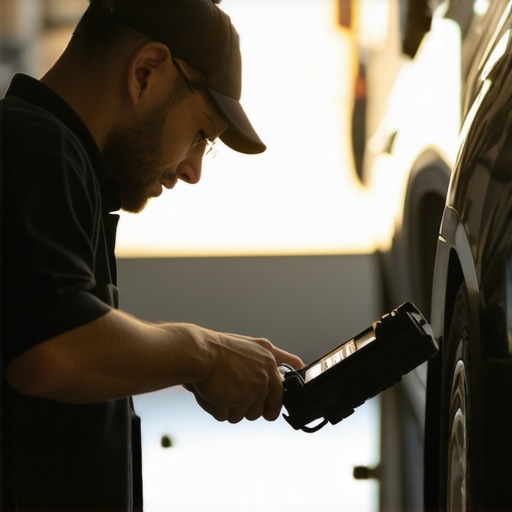
Prioritize Brake Fluid Maintenance
Brake fluid absorbs moisture over time, which can cause corrosion and reduce braking efficiency. I once neglected this aspect, and during a rainy day, my brakes felt less responsive. After a flush and refill of brake fluid, my braking performance improved noticeably. It’s recommended to replace brake fluid every two years or sooner if your vehicle’s manual suggests. Use high-quality brake fluid and always check for contamination. More tips on brake fluid health can be found at this expert advice.
Replace Worn Brake Components Promptly
Worn brake pads and rotors are dangerous and can cause brake failure. During a routine service, I replaced my worn pads with high-performance ones, which improved stopping power and reduced stopping distance. Always replace brake components in pairs to maintain balance and safety. Keep an eye on brake pad thickness—most pads have a wear indicator or can be checked with a simple gauge. For advanced repair strategies, visit this detailed resource.
Utilize Modern Vehicle Diagnostics
Today’s vehicles are equipped with sophisticated diagnostic systems that can alert you to issues before they become critical. I recently used an OBD-II scanner to identify a subtle misfire, which was traced back to a faulty spark plug. Regular diagnostics can detect problems with brakes, sensors, and other vital systems. For best results, schedule diagnostic checks every 10,000 miles or when warning lights appear. Learn more about diagnostic strategies at this guide.
Keep Your Oil and Fluids Fresh
Proper oil change and fluid maintenance are the backbone of vehicle reliability. Fresh oil reduces engine strain, while clean transmission and coolant fluids ensure smooth operation. I set a reminder for my oil change every 5,000 miles, using this trusted resource for guidance. Regularly check fluid levels and top off as needed. Maintaining optimal fluid condition minimizes the risk of overheating and system failures, contributing to safer driving conditions.
Many car owners fall prey to common misconceptions about auto maintenance, especially when it comes to brakes and diagnostics. While most believe that occasional checks are enough, the reality is far more nuanced. For instance, a widespread myth is that brake pads only need replacement once they are visibly worn. In truth, relying solely on visual cues can be risky because some issues develop internally or gradually, making early detection difficult. Regularly scheduled diagnostics can reveal these hidden problems before they escalate, saving you money and enhancing safety. To master this, understanding the advanced nuances of vehicle diagnostics becomes essential. Expert insights suggest that incorporating routine diagnostic scans into your maintenance schedule not only catches issues early but also optimizes overall vehicle performance. For example, proactive diagnostics can detect subtle sensor malfunctions or fluid leaks that standard inspections might miss, thereby preventing dangerous failures. If you want to get ahead of auto trouble, consider engaging with comprehensive diagnostic guides like this resource. Additionally, many owners overlook the importance of precise fluid management, which plays a critical role in brake efficiency and system longevity. Using high-quality brake fluid and adhering to recommended replacement intervals can significantly reduce the risk of corrosion or moisture buildup, which often causes brake failure. Remember, neglecting these details is an ‘oops’ factor that can lead to costly repairs or accidents. Now, let’s explore how to avoid these pitfalls and keep your vehicle in top shape for 2025, starting with the most overlooked aspect: the importance of advanced diagnostics and timely maintenance.
Keeping your vehicle running smoothly over the years requires more than just routine checks; it demands the right tools and strategies to diagnose and address issues proactively. In 2025, the landscape of automotive maintenance is increasingly digital and high-tech, making it essential for car owners and DIY enthusiasts to invest in reliable equipment that enhances safety and longevity.
How do I maintain my vehicle diagnostics over time?
The cornerstone of effective long-term maintenance is a quality OBD-II scanner. I personally rely on the Top Vehicle Diagnostics Guide to select a scanner that offers comprehensive coverage and user-friendly interface. My go-to model is the BlueDriver Bluetooth Professional Scanner, which pairs seamlessly with my smartphone and provides real-time fault code readings, live sensor data, and detailed repair suggestions. This tool has helped me catch issues like minor sensor malfunctions before they escalate, saving me hundreds in repair costs.
In addition to an OBD-II scanner, I recommend investing in a digital multimeter. It’s perfect for testing electrical components such as sensors, relays, and wiring. I use mine for troubleshooting brake light circuits or checking battery voltage, which are critical for vehicle safety. Pairing this with a reliable repair manual, such as those found at Auto Repair Top Tips, helps me understand the diagnostic results and take targeted action.
Future of auto diagnostics and maintenance tools
As vehicle technology advances, diagnostics are becoming more integrated into the car’s core systems, with features like remote monitoring and predictive maintenance powered by AI. I predict that in the next few years, more car owners will embrace connected devices that continuously track vehicle health, alerting us to issues before symptoms even appear. This shift will make maintaining vehicles more proactive and less reactive, ultimately extending vehicle lifespan and improving safety.
To stay ahead, I’ve begun exploring cloud-based diagnostic platforms that sync with my vehicle’s onboard systems. These tools compile data over time, providing insights into wear patterns and suggesting optimal maintenance schedules. Embracing these innovations now will prepare you for the future of auto care.
Start by trying out a high-quality OBD-II scanner like the BlueDriver and integrating it into your routine maintenance. Regular diagnostics keep hidden problems at bay and ensure your vehicle remains reliable for years to come. For a detailed guide on effective diagnostic tools, visit this resource.
The Hardest Lesson I Learned About Vehicle Maintenance
I used to think that ignoring small brake squeals was harmless, but one rainy evening changed my perspective forever. The importance of regular brake inspections became crystal clear when I almost lost control. That experience taught me that proactive maintenance, especially in brake care and diagnostics, isn’t just about vehicle longevity—it’s about safety. I realized that hidden issues, like internal brake pad wear or moisture in brake fluid, can be silent killers if left unchecked. Embracing routine checks and diagnostics has since transformed my driving experience, making me more confident and secure on the road.
My Essential Toolkit for Reliable Car Care
Investing in the right tools can make all the difference. I trust the Top Vehicle Diagnostics Guide because it helped me select a high-quality OBD-II scanner that provides real-time fault codes and sensor data, catching problems early. A digital multimeter is another must-have; it’s invaluable for troubleshooting electrical issues like sensors and wiring. Pairing these tools with a comprehensive repair manual from Auto Repair Top Tips has empowered me to address issues myself, saving money and time. These resources are my secret weapons for maintaining safety and performance in 2025.
Take Action and Drive Confidently in 2025
Now, it’s your turn to prioritize auto diagnostics and brake care. Regularly inspect your brake system, replace worn components promptly, and stay ahead with advanced diagnostic tools. The future of auto maintenance is digital and interconnected, making proactive care more accessible than ever. Embrace these strategies today—your safety and peace of mind depend on it. Are you ready to make vehicle maintenance a habit that keeps you safe well into 2025? Share your experiences and questions below, and let’s grow together in safer driving!
More Details
This post really hits home for me. I remember ignoring that squealing noise from the brakes because I thought it was just normal wear and tear. That was a mistake I regretted when I had to deal with brake failure during a rainy evening. Since then, I’ve made it a point to check my brakes regularly and stay ahead of any potential issues. The part about using diagnostic tools really resonated—I’ve started using an OBD-II scanner as part of my routine maintenance, and it’s helped me identify problems early, saving money and preventing accidents. I’m curious, for those of you who do your own brake repairs, what’s your go-to diagnostic or maintenance tip? Do you find that regular checks actually make a noticeable difference in peace of mind and safety? Looking forward to hearing everyone’s experiences, especially those who’ve caught issues early before they became serious.
This post really hits home for me. I used to ignore those squeals from the brakes, thinking it was just normal wear and tear, but that was a big mistake. The last thing I want is to be caught off guard during a rainy night, especially with poorly maintained brakes. Since then, I’ve made it a point to check my brakes and fluids regularly. Using an OBD-II scanner has been a game-changer; it helps me catch tiny issues early before they become serious problems. It’s fascinating how much technology now allows us to monitor our vehicle health from home, saving both money and potentially dangerous situations.
I wonder, for those who do their own brake repairs, how do you stay on top of diagnostics? Do you have a specific routine or tools that you swear by for early detection? Sharing these tips could really help those new to DIY auto maintenance avoid making the same mistakes I did. Regular, proactive checks seem to be the best approach to keeping safe on the road in 2025 and beyond.
This article really emphasizes the importance of proactive vehicle maintenance, especially as cars become more advanced with integrated diagnostics. I’ve found that using a good quality OBD-II scanner consistently saves me both time and money by catching issues early. I particularly agree with the importance of regular brake inspections that you mentioned. When I started checking my brakes in intervals, I noticed subtle signs like uneven pad wear or a slight pulsation when braking, which allowed me to replace components before brake failure occurred.
One challenge I see for many car owners is knowing exactly what signs to look for between inspections. Has anyone here developed a personal routine or checklist for quick inspections or troubleshooting? Also, do you think that integrating newer tech, like connected diagnostic devices, will become standard in everyday maintenance? I’d love to hear how others are adapting to these technological changes and staying ahead of potential problems—that kind of knowledge can truly make us safer drivers in 2025 and beyond.