Jan 9, 2026
Top Auto Repair Strategies to Extend Your Car’s Lifespan in 2025
It was just another morning, and as I started my car, a strange humming noise caught my attention. A quick glance at the dashboard revealed a warning light I couldn’t ignore. That moment made me realize how fragile even the most reliable vehicles can be without proper care. I’ve been there—trust me, a small oversight can turn into a costly repair or, worse, leave you stranded on the side of the road.
Your Car’s Health Is a Reflection of Your Care
Over the years, I’ve learned that sticking to basic yet effective maintenance routines can dramatically extend your vehicle’s lifespan. In 2025, staying ahead of potential issues isn’t just about fixing problems when they arise; it’s about preventing them altogether. Promise me this—if you adopt a proactive approach, you can keep your car running smoothly for years to come, saving both time and money.
Is Regular Auto Maintenance Really Worth the Effort?
Early in my driving days, I ignored vital oil changes thinking they were unnecessary. That mistake cost me an oil leak and engine repairs that could have been avoided with simple upkeep. Now I know better, and I want to help you avoid the same pitfalls. Proper diagnostics and scheduled services are key, and I’ll guide you through the best strategies to keep your vehicle reliable in 2025. To dive deeper, check out our comprehensive oil change and diagnostics guide.
Repeating this proactive maintenance has transformed my driving experience—less stress, fewer breakdowns, and a car that feels new every year. But what really makes a difference is understanding which strategies are worth your effort. Let’s explore them together, starting with the fundamentals that can save you thousands over the vehicle’s lifespan.
Perform Regular Oil Changes to Protect Your Engine
Think of your engine as the heart of your car; without proper care, it deteriorates quickly. I remember last summer, I caught a neglected oil change that led to engine overheating mid-commute. To prevent this, schedule oil changes every 5,000 to 7,500 miles depending on your vehicle and driving conditions. Use quality oil that suits your car’s specifications. When performing an oil change, drain the old oil completely, replace the filter, and refill with fresh oil. This simple task can be done at home with basic tools, saving you money and ensuring optimal engine health.
Leverage Vehicle Diagnostics for Early Problem Detection
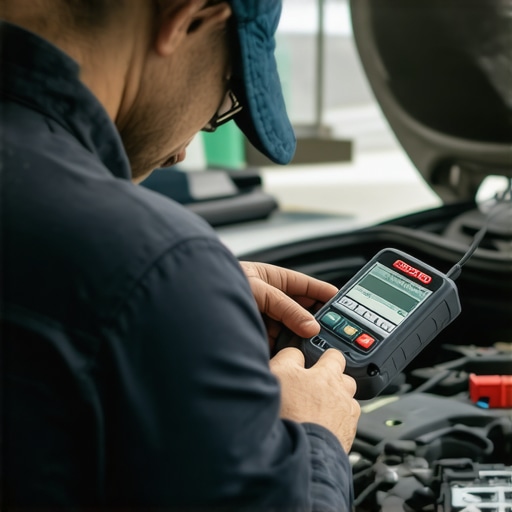
Auto diagnostics are like a check-up for your car’s vital signs. I once noticed my dashboard warning light flickering, which prompted me to use a diagnostic scanner. Connecting it revealed a faulty sensor that could have led to more expensive repairs if ignored. Invest in a reliable diagnostic device or visit a professional periodically. Conduct diagnostics at least twice a year to spot issues early, especially before long trips. This proactive approach prevents breakdowns and extends your vehicle’s lifespan. For detailed strategies, see our vehicle diagnostics best practices.
Prioritize Brake System Checks for Safety
Your brakes are your primary safety feature. I vividly recall a situation where squeaking brakes prompted an inspection, revealing worn-out pads. Replacing them promptly with quality components restored braking efficiency. Regularly check brake pads and rotors every 10,000 miles, or as recommended by your manufacturer. Look for signs like squealing, reduced responsiveness, or vibrations. Schedule brake service and maintenance to ensure your stopping power is reliable. Remember, wells-serviced brakes can prevent accidents and save lives.
Follow a Routine for Effective Maintenance
Consistency is key. When I started creating a maintenance schedule, replacing filters, checking tires, and inspecting belts became second nature. Use a checklist to keep track of what’s due—this helps avoid overlooking critical tasks. For example, inspecting your belts every 30,000 miles can prevent sudden failures. Set reminders for fluid replacements and tire rotations. This systematic approach minimizes surprises and maintains vehicle performance. For comprehensive methods, review our vehicle diagnostics and maintenance strategies. Ultimately, sticking to a plan keeps your car dependable and safe on the road.Many car owners believe that basic maintenance like oil changes and brake checks are sufficient to keep their vehicles running smoothly. However, in my experience, there are nuanced pitfalls and misconceptions that can sabotage even diligent drivers. For example, while everyone emphasizes regular oil changes, few recognize that not all oils are created equal, and selecting the wrong type for your driving conditions can lead to engine wear despite frequent changes. Additionally, a common myth is that vehicle diagnostics are only necessary when warning lights illuminate. The truth is, proactive diagnostics can reveal subtle issues—like sensor deviations—that aren’t yet noticeable but could result in costly repairs if ignored. Let’s uncover these hidden pitfalls together.
Are Standard Diagnostic Scans Enough to Catch All Problems
Many believe that plugging in a generic scanner provides a complete picture of their vehicle’s health. In reality, basic scans often miss nuanced issues like minor sensor calibrations or software glitches. Advanced diagnostics, which involve detailed data analysis and more sophisticated tools, can detect early signs of component degradation that standard scans overlook. Investing in this deeper level of diagnosis can prevent breakdowns and extend your vehicle’s lifespan. For a comprehensive resource, check out our ultimate guide to auto-repair diagnostics.
The Danger of Ignoring Brake System Wear in Cold Weather
Many drivers underestimate the importance of meticulous brake inspections, especially during winter. Cold temperatures can exacerbate brake component wear and cause more than just squealing—severe issues like rotor warping or caliper seizing may develop early and go unnoticed. Regularly inspecting brake pads and rotors before winter is crucial. Replacing worn parts promptly ensures safety and can save you from emergency repairs during a snowstorm. Don’t forget to consult the tips in our brake service guide.
Another commonly overlooked detail is the quality of oil used during changes. Using generic or low-grade oils, especially in modern engines with strict specifications, can cause accelerated wear. Modern synthetic oils designed for high-performance vehicles provide better longevity and protection, but only if they meet manufacturer standards. To choose wisely, review our oil change and diagnostics strategies.
Don’t fall into these traps—delving into the nuances of vehicle maintenance can save you money and time, and keep your car reliable for years to come. Have you ever fallen into this trap? Let me know in the comments.
Choosing Reliable Diagnostic Tools
When it comes to vehicle diagnostics, I rely heavily on the professional-grade OBD-II scanners. These devices provide comprehensive readouts, including live sensor data and fault code histories, allowing me to spot issues early. Personally, I favor models with Bluetooth connectivity and smartphone integration, which streamline the diagnostic process and make troubleshooting more intuitive. Upgrading to a scanner that offers advanced features like freeze-frame data analysis has saved me from costly repairs on multiple occasions.
Investing in Quality Maintenance Equipment
Beyond diagnostics, I recommend having a dedicated set of quality tools for routine maintenance. For example, a digital torque wrench ensures that lug nuts and engine components are tightened to manufacturer specifications, preventing issues like warped rotors or stripped threads. I trust brands like Snap-On and Matco because their durability and precision make a real difference over time. Using the right tools not only speeds up maintenance tasks but also protects your vehicle from unintentional damage.
Leveraging Software for Scheduling and Record-Keeping
Managing maintenance schedules can be challenging, but specialized apps simplify the process. I use maintenance tracking software that reminders me when oil changes, brake inspections, or fluid top-offs are due. Keeping detailed records allows me to identify patterns—like recurring sensor alerts—and plan proactive interventions. This approach extends the longevity of my vehicle and optimizes repair shop visits, saving both time and money.
Where Future Vehicle Maintenance Is Heading
Looking ahead, I predict a more significant integration of AI-driven diagnostics and predictive analytics. Vehicles will increasingly monitor their own health, alerting owners and technicians to subtle issues before they escalate. This evolution means investing in versatile diagnostic tools now will keep you one step ahead, ensuring your vehicle remains reliable in the long term.
How do I maintain vehicle performance over time?
Regularly updating your diagnostic tools and adhering to a strict maintenance schedule makes the biggest difference. Trying out advanced techniques, like connecting with the best diagnostic practices for 2025, can uncover hidden problems early. I encourage you to invest in a high-quality scanner with live data capabilities—it’s a game-changer. Start by testing your system today and see how much smoother your vehicle runs when equipped with the right tools for ongoing care.
The Hidden Lessons Behind Proactive Vehicle Maintenance
One of the most eye-opening lessons I learned is that overlooking small details—like a minor sensor warning—can snowball into expensive repairs or dangerous driving situations. Patience and vigilance uncover subtle signs early, saving you countless headaches. I’ve discovered that trusting your instincts, combined with proper diagnostics, often reveals issues before they escalate, emphasizing the importance of patience and thoroughness in vehicle care.
Another insight is that not all diagnostic tools are created equal. Investing in advanced, reliable scanners has empowered me to understand my vehicle’s true health, rather than relying on generic scans. This shift from reactive to proactive diagnostics transforms the maintenance process, making it more precise and reassuring.
Lastly, consistency beats quick fixes. Developing a routine and sticking to it—checking brake pads, oil levels, and fluid quality—creates a foundation of safety and reliability. That discipline ensures that your vehicle remains dependable, no matter how demanding your driving schedule becomes.
My Essential Arsenal for Vehicle Longevity
Over the years, I’ve come to trust a few key tools and resources that significantly elevate my maintenance game. The comprehensive vehicle diagnostics guide provides deep insights into early issue detection, which is invaluable. For diagnostics, I personally favor models with Bluetooth connectivity for ease of use and detailed data output—these have saved me from costly repairs.
In terms of physical tools, a high-quality torque wrench like those from Snap-On ensures I tighten components to manufacturer specs, preventing damage and ensuring safety. Additionally, adopting maintenance apps that remind me of oil changes, brake checks, and fluid replacements keeps me on top of critical tasks, making vehicle upkeep less stressful.
Lastly, reading about expert strategies in books such as auto repair tips for reliable vehicles has broadened my perspective and introduced me to preventive techniques I might have overlooked. These resources together form a toolkit that keeps my vehicle performing reliably year after year.
Your Path to Reliable Journeys Starts Now
Taking control of your vehicle’s health through informed diagnostics and disciplined maintenance isn’t just smart—it’s empowering. Each proactive step you take today ensures safer drives, fewer breakdowns, and more peace of mind on every trip. The future of vehicle care is in your hands; embrace it with confidence and curiosity.
What’s the first change you plan to make in your maintenance routine? Share your thoughts below—I’d love to hear your plans or experiences!
,
More Details
Reading through this post really resonated with me, especially the emphasis on regular diagnostics and proactive maintenance. I’ve learned from my own experience that neglecting simple checks like brake pad wear or fluid levels can quickly turn into costly repairs or safety hazards, particularly with winter approaching. I personally invested in a decent OBD-II scanner last year, and it’s been fantastic for catching issues early—like sensors malfunctioning that I might have missed otherwise. What I find interesting is how predictive maintenance and AI are starting to integrate into newer vehicles, making the process even more streamlined. For those who still rely on manual checks, do you have a routine or tools you swear by? I’d love to hear other effective strategies for maintaining vehicle health, especially for those of us who want to stay ahead without breaking the bank.
This post really hits home, especially the emphasis on leveraging diagnostics and routine maintenance. I’ve found that investing in a good quality OBD-II scanner has made a huge difference for me. Not only does it help catch subtle issues early, but it also gives peace of mind before long trips or harsh weather conditions. I agree with the importance of a systematic approach—sticking to a schedule for oil changes, brake checks, and fluid top-offs makes maintenance feel less overwhelming. One thing I’ve learned is that not all tools are created equal; I rely on brands like Bosch for their reliability and longevity. My question is, how do others prioritize which maintenance tasks to tackle first when they’re juggling a busy schedule? I’d love to hear some time-saving tips or tools that have helped others stay ahead of vehicle issues without constantly feeling overwhelmed.
Reading this post really resonated with me, especially the emphasis on proactive diagnostics and routine maintenance. I’ve experienced firsthand how neglecting small issues, like a minor warning light or an unusual noise, can escalate into costly repairs or, worse, roadside emergencies. Investing in a reliable OBD-II scanner has been a game changer for me, allowing early detection of problems that might not yet affect performance but could lead to bigger issues if ignored. I also find that maintaining a simple checklist for regular checks—oil level, brake pads, tire pressure—helps me stay organized and prevent surprises. In my opinion, with today’s technology, integrating car maintenance apps can further simplify scheduling and record-keeping, making it easier to stay consistent. How about others here—what’s your favorite tool or technique to ensure your vehicle remains in top shape without dedicating excessive time or money? Would love to hear your tips or experiences.