Jan 15, 2026
Top Brake Service Strategies for Safer Roads in 2025
It was a chilly morning, my hands trembling slightly as I pressed the brake pedal, only to hear that dreaded squeal. For a moment, I froze—recognizing that unsettling sound, I realized I was risking my safety and that of others. That lightbulb moment hit hard: I’d ignored those tiny warning signs too many times, thinking they’d fix themselves. But in truth, neglecting proper brake maintenance can turn routine drives into dangerous situations.
Why Top Brake Service Strategies Are Crucial for Your Safety in 2025
Over the years, I’ve learned that brakes are the unsung heroes of our vehicles. They work tirelessly, yet often go unnoticed until failure strikes. With roads becoming busier and vehicle technology advancing, it’s more vital than ever to stay ahead of potential issues. Investing in effective brake service isn’t just about avoiding inconvenient repairs; it’s about safeguarding lives—yours and those around you.
Is Failing to Prioritize Your Brakes Really Worth the Risk?
Early on, I made a costly mistake—delaying brake inspections after noticing a soft pedal. That oversight cost me both money and peace of mind. I wish someone had told me sooner how critical regular brake diagnostics are, especially as vehicles become more complex. Recent studies reveal that vehicle maintenance, including brake checks, can significantly reduce accident risks—by up to 80%, according to the Insurance Institute for Highway Safety. That’s a staggering figure, emphasizing why preventive measures matter.
If you’ve ever felt unsure about your brake health or ignored those subtle warning signs, you’re not alone. But understanding and implementing robust brake strategies can make all the difference. Ready to discover reliable methods to enhance your vehicle’s safety? Let’s dive into the key steps that will help you stay on top of brake health and keep your journeys safe and smooth.
Inspect Your Brake System Regularly and Methodically
Begin with a comprehensive visual check of your brake components. Park your car on a flat surface, turn off the engine, and remove the wheels. Examine brake pads for uneven wear or thinning, which could signal the need for replacement. Check brake rotors for deep grooves or rust. During my last check, I discovered uneven pad wear that caused slight pulsing during braking—promptly replacing them restored smoothness. Routine inspections like this are vital and can be scheduled every 10,000 miles or as recommended by your vehicle manufacturer. Learn more about reliable vehicle diagnostics and maintenance strategies at this guide.
Test Brake Fluid and Top Off When Necessary
Think of brake fluid as the lifeblood of your braking system; if it’s old or contaminated, braking effectiveness diminishes. Open the hood, locate the brake fluid reservoir—usually near the firewall—and check the fluid level against the markings. If it’s below the minimum, top it off with the correct DOT-rated fluid. During my own maintenance, I noticed that replacing old brake fluid with fresh fluid improved pedal feel significantly. Flush and replace the brake fluid as part of routine brake service—usually every 2 years or 30,000 miles—to prevent issues like vapor lock or corrosion. For detailed procedures, visit this resource.
Listen for Unusual Sounds and Feel for Vibration
Pay attention to any squealing, grinding, or thumping noises when braking. These sounds often point to worn-out pads or warped rotors. I recall a time when squealing alerted me to worn brake pads; replacing them prevented further rotor damage. Excessive vibration during braking also indicates rotor warping—requiring machining or replacement. Regularly testing your brakes by a safe, gradual press at low speeds can reveal early problems. Addressing these signals promptly helps avoid costly repairs and keeps your driving safe. More information on brake troubleshooting is available here: this detailed guide.
Schedule Professional Diagnostics and Maintenance
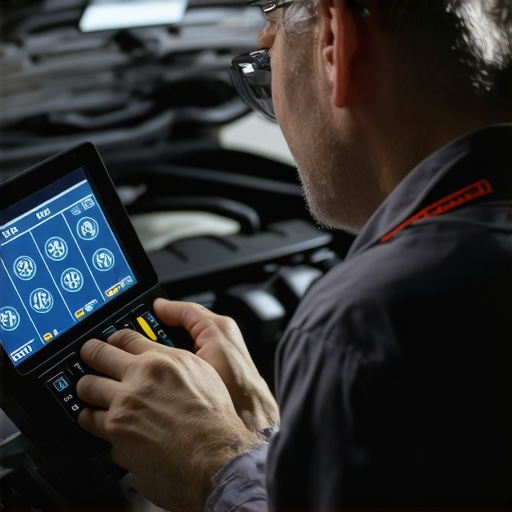
While DIY checks are useful, professional diagnostics are essential for detecting hidden issues. Modern vehicles employ complex brake sensors and electronic systems that require specialized tools. During servicing, technicians will use brake analyzers and diagnostic scanners to assess system health comprehensively. I experienced this firsthand when a diagnostic revealed sensor faults that simple inspections missed—saving me from sudden brake failure. Schedule a full brake diagnostic annually, especially if your vehicle shows warning signs or has high mileage. Find trusted local experts who can perform thorough checks; ensure they adhere to current safety standards. For tips on reliable auto repair, see this source.
Maintain Brake Components with Proper Cleaning and Lubrication
Keeping brake components clean prevents dirt and debris from accelerating wear. Use brake cleaner spray and a soft brush to remove dust from calipers, pistons, and pad surfaces. Avoid touching friction surfaces with oily fingers. During my last service, careful cleaning extended the lifespan of my brake pads and prevented squeals. Also, lubricate caliper slides and contact points with high-temperature brake grease to ensure smooth operation. Proper lubrication prevents sticking and uneven pad wear, which can compromise safety. Regular cleaning routines, combined with timely replacements, ensure your brake system remains responsive. For detailed instructions, visit this guide.
Record and Track Your Maintenance Activities
Maintaining a detailed log of inspections, replacements, and fluid changes helps you stay proactive. Jot down dates, mileage, and the work performed, noting any anomalies observed. I used a simple notebook and linked reminders on my phone to track my brake service schedule—this habit caught minor issues early. Keeping records also improves communication with mechanics and can increase the resale value of your vehicle. Organize your maintenance history and review it periodically to plan upcoming services. For comprehensive auto-care strategies, see this resource.Many car owners operate under misconceptions that can lead to costly mistakes and compromised safety. One common myth is that routine oil changes are purely about engine cleanliness; in reality, frequent oil replacements are crucial for maintaining optimal engine performance and preventing premature wear, as detailed in this comprehensive guide. Another misconception involves vehicle diagnostics, where many believe basic dashboard alerts suffice. However, advanced diagnostics can uncover hidden issues that ordinary checks might miss, significantly extending your vehicle’s lifespan, as discussed here this resource.**A common trap is assuming that brake pads last forever.** Actually, many overlook the importance of regular brake inspections, leading to dangerous driving conditions. A nuanced understanding shows that brake systems have complex components requiring professional assessment. Investing in insightful diagnostics can save you from unexpected failures, highlighted in this article.
Investing in the Right Tools for Ongoing Maintenance
Financially and practically, choosing the appropriate tools is essential for effective vehicle upkeep. I personally rely on a high-quality digital multimeter, such as the Fluke 117, which provides precise readings crucial for diagnosing electrical issues in modern vehicles. It allows me to quickly assess sensor outputs or battery health without guesswork, saving both time and guesswork. Additionally, a reputable code scanner like the Autel MaxiCOM provides comprehensive diagnostics, enabling me to access manufacturer-specific trouble codes and live data streams, which are vital for accurate troubleshooting. This combination ensures I can perform most diagnostics at home, reducing reliance on costly mechanic visits and increasing my understanding of vehicle health over time.
How do I maintain diagnostic accuracy for years to come?
Staying current with the latest diagnostic software is key. I subscribe to updates from trusted sources like top vehicle diagnostics guides, which keep me informed of new protocols and troubleshooting techniques. Regular calibration of my equipment against manufacturer standards ensures consistent accuracy, which I confirm by periodically cross-referencing with professional tools during routine service checks.
Commit to Routine, Practical Maintenance Rituals
Long-term results hinge on consistency. I schedule biannual deep inspections, including fluid tests and brake system evaluations, to proactively identify wear and tear before serious failures occur. Establishing a dedicated maintenance checklist—either digitally or physically—helps me track scrolls, replacements, and inspections. Software like RepairPal’s vehicle maintenance tracker integrates with my devices, providing alerts when certain mileage milestones approach, which keeps me ahead of potential issues.
Scaling Your Maintenance Effort as Vehicle Age Advances
As my car’s mileage increases, I adapt by incorporating more frequent checks and professional diagnostics. For example, when approaching 150,000 miles, I prioritize comprehensive brake system assessments and engine timing evaluations, referencing detailed strategies at this resource. Investing in advanced tools like a refrigerant leak detector or a high-precision torque wrench further enhances my ability to perform accurate, safe repairs, extending the vehicle’s lifespan and preserving its reliability.
What I Wish I Had Been Told About Brake Maintenance from the Start
One of the most profound lessons I learned was that proactive brake care can significantly reduce emergency repairs and enhance safety. Neglecting small signs like subtle squeaks or uneven pedal feel often leads to costly fixings—and even more importantly, puts lives at risk. The realization that consistent, informed maintenance is an act of care—not just reactive repair—changed my entire approach to vehicle health.
Another insight was understanding that modern brake systems are more complex than ever, incorporating sensors and electronic controls that demand specialized diagnostics. Relying solely on visual checks isn’t enough anymore. Embracing the use of advanced tools and knowing when to consult professionals can make all the difference in preventing failures.
Lastly, I discovered the importance of keeping detailed records of every maintenance activity. This habit not only helps in tracking brake health over time but also informs better decision-making for future repairs, ultimately extending the lifespan of critical components and ensuring peace of mind on every journey.
More Details
Reading this post resonates a lot with my personal experiences with brake maintenance. I’ve learned that proactive inspections and fluid checks are crucial, especially since modern vehicles are becoming so complex with electronic systems. The part about keeping detailed records really struck home for me. I started tracking all my maintenance activities, and it has definitely helped me spot issues early and plan future service better. I also agree that regular cleaning and lubrication of components can extend their lifespan and prevent squealing, which I’ve noticed firsthand.
One challenge I face is balancing DIY maintenance with professional diagnostics, especially as my car ages. How do others find the right time to switch from self-checks to seeking expert help, without risking safety? It seems that as vehicles get older, more attention is needed, but the cost can add up. Would love to hear tips on managing maintenance effectively while avoiding unnecessary expenses.
This post offers a really comprehensive overview of brake maintenance, which is often overlooked until something goes wrong. I totally agree that visual inspections and fluid checks are simple yet effective ways to catch issues early. I’ve found that keeping a maintenance log, as mentioned, makes a big difference in staying on top of routine checks and planning professional diagnostics before problems escalate. Personally, I’ve been using a combination of DIY inspections and scheduling annual professional checkups, especially as my vehicle ages.
One question I have is about the right balance between DIY and professional service—I’ve noticed that some brake issues, like sensor faults or uneven wear, can be tricky without specialized tools. Do others have a set routine or signs that tell them it’s time to leave certain inspections to the pros? Also, I’d love to hear more about how to prioritize brake maintenance when managing a tight budget. Any experienced tips for ensuring safety without overspending would be appreciated.
I really relate to this post, especially the part about how small warning signs can turn into costly problems if ignored. I’ve learned over the years that consistent, proactive brake maintenance not only keeps me safe but also saves money in the long run. The tip about regular visual inspections is something I swear by—checking pads, rotors, and fluid levels on my own every few months. It’s amazing how much peace of mind it gives. I especially appreciate the emphasis on professional diagnostics, because modern brake systems with electronic components can be tricky to assess properly without specialized tools. I’ve had good experiences scheduling annual checkups, but I wonder—how often do folks really need to go beyond that? And for those on a tighter budget, what would you say are the most essential checks to prioritize? Would love to hear from others who’ve found effective, economical ways to maintain brake safety without overspending.