Dec 15, 2025
Top Brake System Repair Tips for Safer 2025 Driving
Have you ever slammed on the brakes during a sudden stop and felt that unsettling squeal or nothing at all? I remember the first time my brakes failed me unexpectedly. It was a wake-up call that made me realize how crucial a well-maintained brake system is for safety. That lightbulb moment pushed me to dig deeper into what really keeps us safe on the road, especially as cars become more advanced in 2025.
Why Proper Brake Maintenance Matters More Than Ever
In today’s world, where vehicles are packed with high-tech features and safety systems, you might think brakes are just a simple component. But trust me, they are the backbone of your safety. Modern brake systems require regular check-ups, especially with the increasing demands of newer vehicle technologies. Neglecting brake care can lead to costly repairs and, worse, dangerous driving situations. According to recent studies, about 22% of car accidents involve brake failure, which underscores the importance of staying ahead of potential problems. I learned this the hard way, making a mistake early on by ignoring regular brake inspections. It cost me more than just money—it was a risk I didn’t want to take again.
Is investing in brake repairs really worth it?
At first, I thought skipping a few maintenance sessions would save me some cash. Boy, was I wrong. Over time, I realized that a small investment in brake checks and repairs could prevent major accidents and expensive fixes. If you’re wondering whether it’s worth the effort, just ask yourself: Have you ever been caught off guard by squeaky brakes or a spongy pedal? If yes, then you know the importance of these tips. I’ll walk you through the essential steps I’ve learned to keep your brakes reliable in 2025, so you can drive with confidence and peace of mind.
Ready to learn how to keep your brakes in top shape? Let’s dive into the practical tips that can save your life and your wallet.
Begin with a Comprehensive Inspection
When I first tackled my brake system, I started by performing a thorough visual inspection. I checked the brake pads for wear, looking for thin or uneven pads that could cause failure. I also examined the rotors for grooves or warping, which can compromise braking efficiency. This step is crucial because early detection of issues prevents costly repairs later. For detailed guidance, I refer to the best brake service diagnostics. Always wear gloves and safety glasses during inspection to protect yourself from debris and brake dust.
Test Brake Fluid and Replace If Necessary
Next, I tested the brake fluid level and condition. Low or contaminated fluid can lead to spongy brakes or complete failure. I used a brake fluid tester to assess moisture content; if it exceeded 3%, I knew it was time for a flush. Replacing brake fluid is a simple process but critical for safety, especially with vehicles in 2025 that feature advanced braking systems. For a detailed process, visit the vehicle diagnostics guide. Proper brake fluid maintenance ensures your system responds promptly in emergencies.
Replace Worn Brake Components
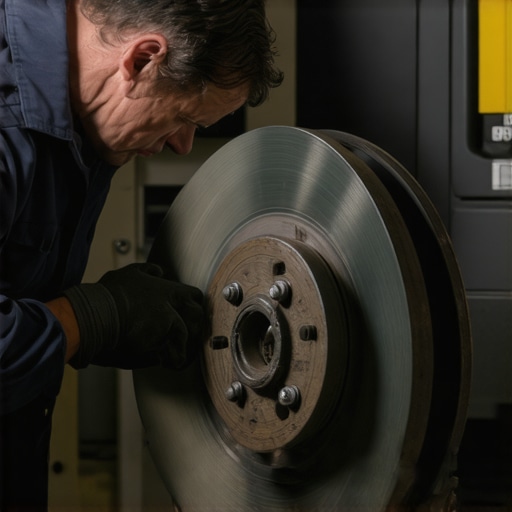
Once I confirmed the pads and rotors needed attention, I replaced the worn parts. I used high-quality brake pads compatible with my vehicle’s system, ensuring better longevity and performance. When installing, I made sure to clean the caliper slides and lubricate them with high-temperature brake grease—this prevents sticking and uneven pad wear. For detailed replacement strategies, I checked the top brake system repair tips. Proper installation prevents vibrations and improves brake response.
Bleed the Brake System Correctly
Air in the brake lines can cause spongy pedal feel and reduce braking power. I bled the brakes following the manufacturer’s specifications, usually starting from the furthest wheel. Using a clear tube and a catch container, I pumped the brake pedal slowly while opening and closing the bleed screw. This process removes trapped air, restoring firmness. For best results, I used a brake bleeding kit from a trusted supplier. For step-by-step instructions, see the effective brake service strategies. Proper bleeding guarantees a responsive brake pedal.
Test Drive and Final Checks
After completing repairs, I took a cautious test drive in a safe area. I tested braking at various speeds, ensuring the pedal feels firm and the vehicle stops smoothly without pulling to one side. I also checked for unusual noises or vibrations. If everything feels right, I perform a final visual inspection, tightening all bolts and ensuring no leaks are present. Regularly performing such detailed checks can prevent emergencies and extend the lifespan of your brake system. For ongoing maintenance tips, consult the auto repair diagnostics. This proactive approach keeps your brakes reliable in 2025 and beyond.
Many car owners believe that sticking to basic brake checks is enough, but in reality, there are subtle nuances that can make or break your braking system’s reliability. One common myth is that brake pads alone dictate safety, yet the true story is much more complex. For instance, neglecting the condition of brake fluid can silently undermine your braking effectiveness, especially in vehicles equipped with advanced brake systems in 2025. Regularly testing and replacing brake fluid is essential, but it’s often overlooked because it seems insignificant compared to pad replacement. This oversight can lead to spongy brakes or even complete failure under heavy load or extreme conditions. To truly master brake maintenance, understanding these less obvious factors is crucial.
Another misconception is that rotor resurfacing is a quick fix, when in fact, it can sometimes mask underlying issues like warped rotors or caliper problems. Resurfacing might be a temporary solution, but if the rotors are excessively worn or cracked, replacement is the safer choice. Advanced diagnostics can reveal these hidden flaws before they cause a catastrophic failure. Always consider the full picture — including caliper health, rotor integrity, and even the condition of brake hardware — to avoid costly mistakes. As I’ve learned from experience, ignoring these nuances can lead to uneven brake wear and compromised safety, especially as vehicles incorporate more sophisticated braking technology in 2025.
What Are the Risks of Overlooking Brake System Diagnostics
Many drivers focus solely on visible parts like pads and rotors, but neglect the importance of diagnostic checks for internal components and fluid systems. Skipping comprehensive diagnostics can result in missing early signs of issues like caliper sticking or brake line corrosion. These problems, if left unchecked, can escalate into dangerous brake failures. According to automotive safety experts, proactive diagnostics significantly reduce the risk of unexpected breakdowns. For example, regular system scans can identify subtle sensor malfunctions in electronic brake-force distribution systems, preventing asymmetric braking that could cause accidents. Don’t fall into the trap of reactive maintenance — stay ahead with regular, in-depth diagnostics. Have you ever fallen into this trap? Let me know in the comments.
Investing in Quality Tools for Long-Term Performance
Maintaining your brake system over time demands not just knowledge but also the right equipment. I personally rely on a few specialized tools that make the process safer and more precise. One of my top picks is a digital brake caliper gauge. This device helps me measure rotor thickness accurately, ensuring I catch wear early before it becomes a safety issue. Unlike traditional manual gauges, digital versions provide quick readings and reduce human error, which is crucial for consistent maintenance in 2025 where vehicle technology continues to evolve.
I also swear by a high-quality brake fluid tester. Regularly checking fluid moisture content prevents deterioration that can lead to spongy pedals or brake failure. The model I use has a simple digital readout and works with all common brake fluids. Investing around $20 on this device has saved me from costly repairs and potential accidents over the years.
Leveraging Diagnostic Software for Better Results
Beyond physical tools, diagnostic software plays a pivotal role in keeping brakes reliable. I use a reputable OBD-II scanner that can access brake system sensors and electronic control modules. This technology allows me to identify issues like caliper sticking or sensor malfunctions early. For example, using top diagnostic strategies, I can run comprehensive system checks that reveal hidden problems. These insights enable me to plan repairs proactively, extending the lifespan of my brake components.
How do I maintain brake system diagnostics over time?
Regular updates of software and calibration are essential. I schedule diagnostic scans every 6 months, especially if I notice any changes in braking response. Keeping my scanner firmware up to date ensures compatibility with the latest vehicle models and safety features. Additionally, I keep a detailed maintenance log, tracking sensor readings and repair history, which helps me recognize patterns and anticipate future issues. As technology advances in 2025, I believe integrated diagnostic systems will become even more intuitive, providing real-time alerts for potential brake issues directly to drivers via their vehicle dashboards. Embracing these advancements now will prepare you for the future of vehicle maintenance.
Try Using a Brake Bleeding Kit for Precision
One advanced tip that significantly improves brake reliability is using a professional-grade brake bleeding kit. I personally prefer a vacuum-assisted bleeding system because it minimizes air entrapment and ensures a firm pedal after repairs. This method is faster and more consistent than manual pumping, especially when working on modern vehicles with complex brake systems. A good bleeding kit might cost around $50, but it’s a worthwhile investment for anyone serious about vehicle safety. Follow the detailed instructions from effective brake service strategies to get the best results.
By combining high-quality tools with regular diagnostic practices, you can keep your brake system functioning flawlessly over the years. As technology progresses, staying ahead with these strategies will be key to safe driving in 2025 and beyond. Don’t hesitate to try out these tools and see the difference they make in your vehicle’s performance—your safety depends on it.
The Hardest Lesson I Learned About Brake Maintenance
One of my most eye-opening moments was realizing that brake fluid quality can silently sabotage your safety. I once ignored a routine fluid check, only to find myself with spongy brakes during an emergency. That taught me that the little things, like moisture content in brake fluid, can have big consequences. It’s a reminder that thorough diagnostics often reveal hidden issues before they become dangerous.
3 Myths About Brake Repairs That Held Me Back
I used to believe that replacing pads was enough to keep my brakes reliable. Turns out, rotors, calipers, and even hardware play crucial roles. Resurfacing rotors is often just a band-aid, not a cure. Learning the truth about these components helped me avoid costly mistakes and ensure my safety, especially as vehicles get smarter in 2025.
What Experts Won’t Tell You About Brake System Checks
Many drivers overlook the importance of diagnostic tools. Using a quality OBD-II scanner and digital caliper has given me insights into my brake system’s health, catching problems early. Regular software updates for diagnostic tools keep me ahead of the curve, ensuring my brakes respond perfectly in any situation. These behind-the-scenes tools are game-changers for proactive maintenance.
My Essential Toolkit for Brake Maintenance
- Digital brake caliper gauge: Ensures precise rotor measurements, preventing surprises during inspections.
- Brake fluid tester: Detects moisture and contamination, saving me from spongy pedals and failures.
- Vacuum brake bleeding kit: Provides fast, reliable air removal for consistent braking response.
- OBD-II scanner: Lets me monitor electronic systems and sensors for early issue detection.
Your Turn to Try
Taking control of your brake system with these insights and tools can be a real game-changer for your safety and wallet. Regular checks, quality parts, and diagnostic tools are investments in peace of mind in 2025. Remember, a well-maintained brake system is the core of confident driving—don’t wait for warning signs to act.
What’s the first step you’re planning to take to improve your brake maintenance routine? Let me know in the comments below!
More Details