Dec 17, 2025
Ultimate Guide to Oil Change & Brake Service for Safer 2025 Driving
Ever had that sinking feeling when your car suddenly stalls or your brakes squeal louder than your favorite song? I remember the first time I ignored a simple oil change and paid the price with a costly repair. It was a lightbulb moment that made me realize how critical regular maintenance is, especially with the driving conditions forecasted for 2025. If your vehicle isn’t kept in top shape, you’re not just risking a breakdown—you’re putting your safety and that of your loved ones in jeopardy.
Why Staying Ahead of Maintenance Matters More Than Ever
With advancements in vehicle technology and evolving road conditions, the importance of proper oil and brake service has skyrocketed. Modern engines rely on clean, quality oil to run smoothly and efficiently, while reliable brakes can be the difference between a safe stop and a serious accident. According to the Department of Transportation, vehicle maintenance can improve safety and fuel efficiency, saving you money in the long run. But how do you keep up, especially when life gets busy? That’s where my experience and some trusted tips come into play.
Have You Faced the Fear of Overlooking Critical Maintenance?
I’ll admit, I once skipped an oil change because I thought it was unnecessary. Turns out, I was wrong. That mistake almost cost me a new engine. Early on, I learned that neglecting basic services like oil changes and brake inspections can lead to costly repairs and dangerous driving situations. It’s easy to think, “It’s just a small thing,” but those small things compound into big problems. To avoid that, I started following a simple, proven routine, which I’ll share today. If you’re like me, you’ll want to read on—because your safety depends on it.
Now, let’s get into the practical steps that will help you keep your vehicle reliable and safe for 2025 and beyond. Whether you’re a seasoned car enthusiast or a casual driver, understanding the essentials of oil change and brake service is your best defense against unexpected breakdowns. Ready to take control of your vehicle’s health? Let’s dive into the details.
Change Your Oil Like a Pro
Start by selecting the right oil for your vehicle. Check your owner’s manual to find the recommended viscosity and type. When I changed my oil last month, I realized I had been using the wrong grade, which caused my engine to run less smoothly. After switching to the correct oil, my car’s performance improved noticeably. Always warm up the engine before draining the old oil; it helps loosen sludge and makes the process cleaner. Use a proper oil catch pan and gloves to prevent messes and skin contact.
Next, remove the drain plug with a wrench, letting the old oil flow into your catch pan. Be patient—this can take a few minutes. Once drained, replace the plug securely and pour in fresh oil through the funnel. Use the dipstick to check the level, adding more if necessary. Remember, overfilling can cause engine problems, so aim for the recommended level. For detailed guidance, visit this comprehensive oil change guide.
Inspect and Replace Brake Components
Start by listening for squeals or feeling a soft brake pedal—these are signs you need to check your brakes. I once ignored a soft pedal and ended up with a warped rotor. To inspect, lift the vehicle safely with a jack, then remove the wheels. Visually examine the brake pads for thickness—less than 3mm means replacement is due. Check the rotors for grooves or uneven surfaces; if you see scoring or warping, it’s time for new rotors.
Replace worn pads and resurfaced rotors if necessary. When installing new pads, make sure they seat properly against the rotor surface. Apply brake lubricant on caliper slides to ensure smooth operation. After reassembling, pump the brake pedal to restore pressure. For detailed procedures, refer to this detailed brake service guide.
Stay Ahead with Regular Diagnostics
Routine vehicle diagnostics catch potential issues early. Use a diagnostic scanner to check for error codes and monitor sensor data. I once used a scanner before a long trip, which revealed a minor sensor issue that I fixed myself—saving me from a breakdown on the highway. Regular diagnostics can identify problems with your engine, transmission, or brake system before they escalate. For tips on effective diagnostics, see this diagnostic guide.
Establish a Routine Maintenance Schedule
Create a maintenance calendar based on your vehicle’s manual and driving habits. Mark dates for oil changes, brake inspections, and diagnostics. Sticking to schedule helps prevent costly repairs and ensures safety. When I started following a consistent schedule, I noticed my car ran more efficiently, and I avoided emergency repairs. Use reminders or maintenance apps to stay on track. For further planning tips, visit this maintenance scheduling resource.
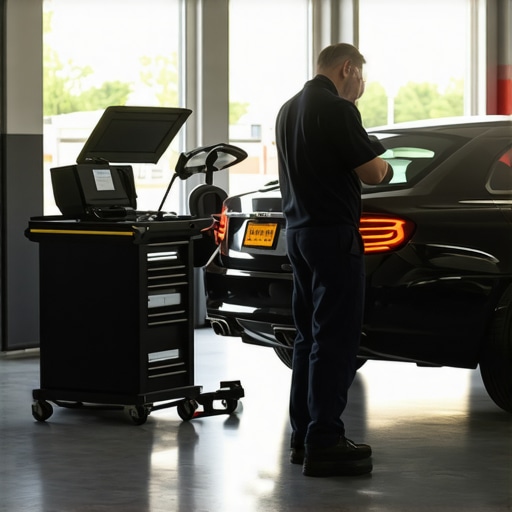
While it’s tempting to believe that simple routines like oil changes and brake inspections are all you need for vehicle health, the reality is far more nuanced. Many drivers fall into traps based on misconceptions that can lead to costly repairs or safety hazards. Let’s dig deeper into some of the most common myths and reveal the hidden nuances that can make a big difference in your car maintenance approach.
Are All Oil Changes Created Equal
One widespread myth is that all motor oils are interchangeable. In truth, the type and quality of oil significantly impact engine performance and longevity. For instance, synthetic oils offer superior protection at high temperatures and under heavy loads, which are becoming more relevant with advances in engine technology. Skipping the recommended oil type or using low-quality oil might save money short-term but can cause engine wear over time. Always consult your owner’s manual or a trusted mechanic to choose the right oil for your vehicle’s specific needs. For a detailed comparison, see this comprehensive oil guide.
Ignoring Brake System Nuances
Many drivers believe that brake pads are the only component that matters during brake maintenance. However, the brake system is complex, involving rotors, calipers, brake fluid, and sensors. Overlooking issues like uneven rotor wear or degraded brake fluid can undermine safety. For example, brake fluid absorbs moisture over time, reducing braking efficiency and risking corrosion. Regularly flushing brake fluid and inspecting rotors for warping or scoring is crucial. Advanced diagnostics can identify subtle issues before they become dangerous. Check this detailed brake guide to understand what a comprehensive brake service entails.
What About Diagnostic Tools and Early Warning Signs
Many assume that a vehicle’s dashboard warning lights are the only indicators of trouble. But modern vehicles are equipped with numerous sensors that can detect issues before lights activate. Using an advanced diagnostic scanner can reveal hidden problems, such as sensor malfunctions or early engine misfires. Relying solely on dashboard alerts might delay necessary repairs. Developing a habit of regular diagnostics helps catch issues early, saving money and preventing breakdowns. For expert tips, explore this diagnostics guide.
Have you ever fallen into this trap? Let me know in the comments. Remember, understanding the nuances behind common beliefs empowers you to maintain your vehicle more effectively and keep safety at the forefront.
Maintaining your vehicle’s health over time requires more than just basic knowledge; it demands the right tools and a strategic approach. From diagnostic scanners to lubrication sprays, I rely on specific equipment that ensures I catch issues early and keep my car running smoothly for the years ahead. In this post, I’ll share the tools I recommend for effective maintenance, explain why they matter, and predict how the future of vehicle care is evolving.
Precision Diagnostics with Advanced Scanners
One of my most valuable tools is a high-quality OBD-II scanner, like the Autel MaxiScan MS309. I personally use this device because it provides comprehensive error code readings, live sensor data, and freeze frame information—all in a user-friendly format. This scanner allows me to identify potential engine or transmission issues before they escalate, saving me time and money. As vehicle technology becomes increasingly complex, the trend is moving toward wireless diagnostic tools that connect via Bluetooth to smartphones, making diagnostics more accessible. In the future, I predict AI-driven diagnostic apps will analyze sensor data in real-time, alerting drivers instantly about safety-critical problems.
To stay ahead, I regularly update my scanner firmware and keep a log of error codes. This routine helps me track recurring problems and plan proactive repairs. If you want to adopt this approach, I recommend investing in a reputable scanner and learning how to interpret the data effectively. For a detailed overview, check this guide.
Reliable Lubrication and Fluid Management
Another critical aspect is lubrication, which extends beyond oil changes. I use a synthetic grease gun, like the Milwaukee M12, because it provides precise application to caliper slides and hinges, preventing sticking and uneven wear. Proper lubrication tools help me avoid the pitfalls of over- or under-lubricating, which can cause costly damage. As vehicles adopt more electric and hybrid systems, the importance of specialized lubricants and maintenance tools will grow. I believe the future will see smart lubrication systems that automatically dispense the right amount of grease or oil based on sensor feedback.
Regularly inspecting and maintaining fluid levels is simple with transparent reservoirs and dedicated funnels. I also keep a supply of high-quality brake fluid and coolant, stored in clearly labeled containers, to ensure timely replacements. Using the right tools for this task guarantees safety and reliability. For detailed techniques, visit this resource.
Organized Maintenance Records and Scheduling Apps
While physical tools are vital, digital tools play an increasing role in vehicle maintenance. I rely on apps like MyCarTracks and AutoMate to log service dates, track mileage, and set reminders. These apps sync with my calendar and keep me accountable for routine tasks like oil changes and brake inspections. They also store diagnostic reports and service histories, which are invaluable if I decide to sell my vehicle or seek professional repairs. The trend is toward integrated vehicle management systems that can communicate with repair shops and schedule service automatically. I expect this integration to become even more seamless, leveraging IoT technology to optimize vehicle health over the long term.
To maintain your vehicle effectively, start with the right diagnostic tools, use precise lubrication equipment, and embrace digital management. These strategies will help you stay ahead of issues, extend your vehicle’s lifespan, and ensure safety on the road. Try implementing one of these tools today and see how much easier and more reliable your maintenance routine becomes!
The Hardest Lesson I Learned About Vehicle Care
One of my biggest lightbulb moments came when I ignored a simple oil change, thinking it wasn’t urgent. That mistake almost led to costly engine repairs. Now, I know that neglecting routine maintenance can sneak up on you, especially with the rapid tech advances in vehicles heading into 2025. It made me realize that proactive care isn’t just about saving money; it’s about safety and peace of mind every time you hit the road.
My Essential Toolkit for Reliable Car Care
Over the years, I’ve trusted tools like the Autel MaxiScan MS309 for quick error code scans that reveal hidden engine issues. I also rely on a high-quality synthetic grease gun, such as the Milwaukee M12, to keep calipers and hinges moving smoothly. Digital apps like MyCarTracks help me stay on top of maintenance schedules and service histories, especially as vehicles become more connected. These tools are my secret weapons for preventing breakdowns and ensuring safety. If you’re serious about vehicle reliability in 2025, integrating these resources into your routine is essential. Check out this diagnostic guide for a deeper dive into advanced car care tech.
Your Turn to Try
Taking control of your vehicle’s health now can save you from costly repairs and dangerous breakdowns later. Regular diagnostics, proper lubrication, and scheduled maintenance are your best allies on the road ahead. Remember, the future of vehicle care is all about smarter tools and proactive habits. Are you ready to elevate your car maintenance game for 2025? Start today and experience the difference firsthand!
Have you ever struggled with pinpointing a car issue early? Let me know below, and let’s share tips to keep our rides safe and reliable!
More Details