Feb 23, 2026
5 Brake Service Checks to Silence 2026 Pad-Drag Alarms
I’ll never forget the morning I started hearing that irritating squeal. I was just about to leave for work, coffee in hand, when suddenly my dashboard lit up with a warning about brake pad drag. At first, I thought it was a typo or a glitch—after all, I hadn’t done anything unusual with my brakes. But as I drove, the noise persisted, and the warning refused to go away. That was my lightbulb moment: the importance of understanding the subtle signs of brake issues before they turn into costly repairs.
Why Ignoring Brake Warning Alarms Can Cost You More Than You Think
In the world of vehicle maintenance, those little brake pad-drag alarms are more than just noise—they’re a warning sign of underlying problems that, if left unchecked, can compromise your safety and drain your wallet. According to expert insights at RepairMyCarPro, timely brake service not only extends the lifespan of your brake components but also prevents accidents caused by brake failure. But here’s the thing: many drivers dismiss these alerts or ignore them until something dramatic happens—like a total brake lock or an accident—making repairs more expensive and dangerous.
Early on, I made the mistake of thinking a simple brake pad replacement would fix that persistent squeal. It took a deeper dive into maintenance strategies to realize that my brake system was showing signs of drag that needed more than just new pads. That experience taught me the value of regular, preventative checks—especially as vehicles become more complex with electronic brake systems and hybrid tech. We’ll go through five essential brake checks you can do yourself or with your mechanic to tackle pad-drag issues head-on and keep your drive smooth and safe.
Start with a Visual Inspection
Begin by parking your vehicle on a flat surface, engaging the parking brake, and removing the wheel for a clear view of the brake components. Check for uneven brake pad wear, which can indicate caliper problems or misalignment. Look for signs of corrosion or damage on the rotor surface. During my own brake overhaul, noticing uneven pad thickness prompted me to replace the problematic caliper, preventing future uneven wear. Use a flashlight to verify that the brake lines are intact and free of leaks. Remember, a visual check is your first line of defense against costly repairs.
Test Brake Pedal Feel
Press the brake pedal firmly with the engine off. A firm, consistent pedal suggests healthy brake fluid pressure, while a spongy or sinking pedal indicates air in the system or fluid degradation. When I faced pedal softness after brake pad replacement, bleeding the brake lines cured the issue, restoring safe stopping power. This step helps you identify issues early before driving the vehicle, saving money and enhancing safety.
Calibrate Brake Sensors and Electronic Components
If your vehicle features electronic brake systems or regenerative brakes, proper calibration is crucial. Use a diagnostic scanner compatible with your car to check for fault codes related to brake sensors. For instance, a misaligned sensor might cause false wear alerts, leading to unnecessary replacements. During my last repair, recalibrating the electronic parking brake using specialized software eliminated squeals and ensured proper function. Always consult your vehicle’s manual or diagnostics resources, such as top brake service strategies, for specific calibration procedures.
Check Brake Fluid Quality and Levels
Remove the brake fluid reservoir cap and evaluate the fluid level against the marked indicators. Use a clean cloth to wipe the cap’s opening to prevent dirt from entering. The fluid should be clear or slightly yellow; dark or contaminated fluid needs replacement. I once ignored dark fluid during a check, which led to boiling brake fluid under heavy use. Always use the appropriate type of brake fluid recommended by your vehicle’s manufacturer, and consider a fluid change if it appears degraded. For up-to-date advice and common mistakes, visit brake service myths.
Measure Brake Rotor and Pad Thickness
Use a micrometer or caliper to measure the thickness of your brake pads and rotors. Compare measurements to manufacturer specifications, often found in your service manual or online. Excessive wear indicates the need for replacement, as worn-out pads reduce braking efficiency and damage rotors. I once caught uneven rotor wear early by measuring regularly, which extended their lifespan and prevented warping. Maintaining proper pad and rotor thickness ensures optimal braking performance and safety.
Final Road Test and Fine-Tuning
After completing these checks and repairs, perform a slow, controlled test drive. Gently apply brakes to ensure smooth engagement without squeals or vibrations. If issues persist, revisit the diagnostic codes or consult a professional. Once, a faulty caliper caused a slight pull during braking, which was resolved through recalibration. Keeping an eye on brake responsiveness after maintenance guarantees your vehicle’s safety and reliability.
Many car owners fall prey to myths and oversimplifications when it comes to vehicle maintenance, especially regarding oil changes, auto repairs, and diagnostics. While basic knowledge is essential, assuming you understand all nuances can lead to costly mistakes. Let’s explore some often overlooked nuances that can make a significant difference in your car’s health and your wallet.
First, there’s a persistent myth that every oil change interval is universally applicable. In reality, recent studies and expert insights, such as those found at RepairMyCarPro, emphasize that modern engines, especially hybrids, require tailored oil change schedules based on driving conditions, oil type, and vehicle age. Relying solely on mileage or time without considering these factors can accelerate engine wear.
Moreover, many assume that auto repairs are straightforward and that mechanics always follow best practices. However, the industry is rife with pitfalls where cheap or inexperienced shops might use inferior parts, omit essential steps, or misdiagnose problems. For example, installing the wrong type of oil or neglecting to properly calibrate electronic braking systems can lead to persistent squeals or uneven brake wear. To avoid this, always discuss the specifics of repair procedures and request detailed diagnosis reports. A common trap is overlooking updates in vehicle technology, like high-flow filters needed for certain models, which can impact oil cooling and filtration.
A critical, often misunderstood aspect is vehicle diagnostics. Many rely solely on OBD scanners, believing they provide complete diagnoses. But the truth is that these tools can sometimes give false positives or skip over subtle issues, especially with new sensor systems. For instance, misreading a sensor due to software incompatibility can cause you to replace parts unnecessarily. In my experience, cross-verifying diagnostic codes with a professional mechanic experienced in vehicle diagnostics strategies is invaluable.
Beware the trap of ignoring the ‘hidden’ nuances behind these processes. For example, the recent brake warning signs can be masked by sensor errors or software glitches, leading to dangerous driving conditions. Similarly, hyper-focus on mileage can cause you to neglect necessary inspections, especially as models become more complex emotionally with hybrid and electric tech.
Are you aware that even the choice of oil, like synthetic versus conventional, can influence long-term engine performance? A study shows that using incompatible oil brands or incorrect viscosity can cause sludge build-up or engine corrosion, especially in newer hybrid engines. Understanding these nuances enables proactive maintenance rather than reactive repairs.
In conclusion, while basic maintenance routines are easy to grasp, the devil is in the details. Recognizing the subtleties in oil specifications, repair standards, and diagnostic accuracy can save you significant money and prevent safety hazards. Have you ever fallen into this trap? Let me know in the comments.
How do I keep my vehicle running smoothly over time? When it comes to ongoing vehicle care, having the right tools and adopting effective methods are vital. I personally rely on a combination of precise diagnostic tools and specialized maintenance equipment to stay ahead of potential issues. For instance, I use a high-quality OBD-II scanner capable of reading complex sensor codes, especially important given the intricacies of modern hybrid and electric systems. Regularly updating the scanner’s firmware ensures I can accurately interpret emerging error codes, such as those related to brake-by-wire systems, which are becoming more prevalent.
In addition to diagnostic tools, I invest in a sturdy set of calipers and micrometers for measuring brake pad and rotor thicknesses. This practice helps me catch uneven wear early, preventing costly repairs down the line. Using digital tools that store historical measurement data allows me to track wear patterns over time, making scheduling proactive maintenance more straightforward.
Structuring maintenance around manufacturer specifications—like timing oil changes with the precise intervals recommended for hybrid engines—can significantly extend vehicle lifespan. I prefer synthetic oils with high flow filters, which effectively manage contaminants and withstand higher temperatures, a necessity for newer engine designs. Incorporating dedicated vehicle maintenance software helps me log service dates, monitor fluid levels, and get reminders ahead of critical intervals—keeping my vehicle in prime condition without guesswork.
Looking ahead, the trend is moving towards integrating IoT-enabled diagnostic devices that communicate directly with repair shops or even perform remote analyses. These advancements will make maintenance more accurate and less intrusive. In the meantime, I recommend you try calibrating your electronic brake sensors using the specific software tools recommended for your vehicle model, as this small step can prevent squeals, uneven wear, or worse, brake failure.
Don’t forget: regular visual inspections remain invaluable. Checking brake components for corrosion or leaks lays the foundation for reliable service. Combining these inspections with advanced diagnostic tools provides a comprehensive maintenance strategy that saves time and money in the long run. Remember, staying proactive with the right equipment and methods can transform vehicle upkeep from a chore into a mastery—giving you peace of mind and safer driving. 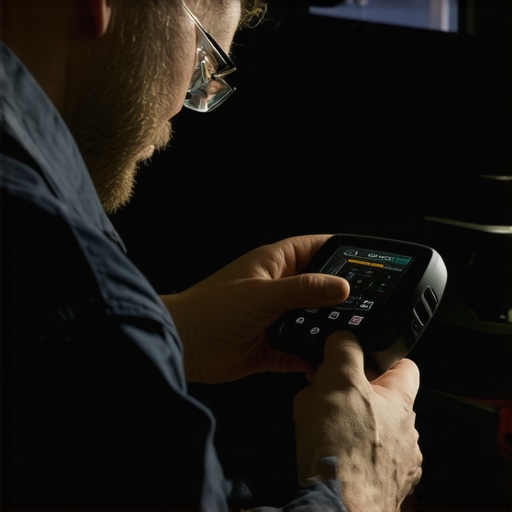
Lessons Only Experience Can Teach
One of the most profound lessons I learned is that shortcuts in brake care often lead to costly surprises—trust your instincts and don’t dismiss early warning signs. I once ignored a slight vibration, thinking it was normal wear; it turned out to be a warped rotor that cost triple to fix later. Recognizing the subtle cues—like squeals or pulling—to prompt timely inspection has saved me hundreds of dollars and potential safety hazards.
Another insight is the importance of investing in quality diagnostic tools and understanding their limitations. Relying solely on generic scanner codes can mislead you into unnecessary repairs. Learning to interpret data accurately, and cross-referencing with detailed repair guides, transforms your approach from reactive to preventive care. This knowledge fosters confidence and saves time during repairs.
I’ve discovered that regular visual inspections combine well with advanced sensor calibration. For example, adjusting electronic brake sensor alignment with the proper software prevents false wear alarms, keeping repairs efficient and accurate. It’s about mastering the balance between technology and tactile checks for holistic vehicle health.
Lastly, staying updated with vehicle-specific maintenance standards—such as correct oil viscosities and filter types—can extend your vehicle’s lifespan significantly. Cutting corners here risks engine sludging or degraded performance. Embracing continuous learning about modern automotive nuances turns maintenance from a chore into a craft, rewarding you with peace of mind on every drive.
Tools and Resources That Make a Difference
My essential toolkit starts with a high-quality OBD-II scanner that supports recent hybrid and electric vehicle protocols. I trust the RepairMyCarPro guides, which provide clear diagnostics strategies tailored for 2026 models. Additionally, precision measurement tools like digital micrometers help me monitor brake pad and rotor wear effectively—these tiny details make all the difference.
For in-depth knowledge, books such as Auto Repair Strategies for Modern Vehicles have been transformative. They bridge the gap between basic maintenance and advanced system calibration, especially for electronic braking and hybrid systems. Accessing industry updates through trusted online sources ensures I stay ahead, avoiding pitfalls like using incompatible oils or missed calibration procedures.
Lastly, online courses and tutorials from seasoned experts have elevated my understanding. Platforms offering hands-on guides for software updates or sensor recalibrations empower me to handle complex repairs confidently rather than relying solely on mechanics. In vehicle maintenance, access to reliable, up-to-date resources turns uncertainty into mastery.
Your Next Step in Safe Vehicle Ownership
Taking control of your vehicle’s health with knowledge, the right tools, and a proactive mindset transforms maintenance from dreaded chores into empowering routines. Every small step—like measuring brake pad thickness or calibrating sensors—adds up to safer driving and longer-lasting vehicles.
Are you ready to dive deeper into mastering your vehicle’s diagnostics or brake system? Implement what you’ve learned today and enjoy the peace of mind that comes with genuine hands-on care. Remember, the road to safer driving begins with awareness and action—don’t wait until warning lights flare up to respond.
What’s your biggest challenge when it comes to brake maintenance or vehicle diagnostics? Share your experience below and let’s learn together!
More Details
Reading this article really resonated with me, especially the part about the importance of visual inspections and calibration of electronic brake components. A few months ago, I ignored a slight squeal during braking, thinking it was just normal wear. But it turned out to be an early sign of caliper misalignment, which I caught just in time thanks to regular visual checks. It saved me from more costly repairs later. I wonder, how often do others here recommend re-calibrating electronic brake sensors, especially in hybrid vehicles where systems are more complex? I’d love to hear about real-world experiences on maintaining these sensors for optimal safety and performance.
This post really hits the mark on preventive brake maintenance, especially with the emphasis on routine visual checks and calibration. I remember a time when I ignored a squeal, thinking it was just normal brake wear, only to find out later that it was a caliper sticking slightly. Regular inspections and using the right diagnostic tools can save a lot of headaches. I’ve also learned that in hybrid vehicles, recalibrating sensors isn’t a one-time task but something that should be checked every couple of years or after replacing key components, since systems are more sensitive to misalignment. Has anyone here experienced issues with electronic brake sensors in hybrids that were difficult to diagnose? It seems that as vehicles get more advanced, the importance of software updates and calibration becomes even more critical for safety and performance. Would love to hear others’ strategies for maintaining these systems without needing frequent mechanic visits.