Jan 30, 2026
5 Vehicle Diagnostics Tools Every DIYer Needs in 2026
Picture this: You’re halfway through an oil change or brake inspection when suddenly, a warning light flashes on your dashboard. You’ve been confident about your DIY skills, but this? It throws you off. I remember my first real scare—a dashboard light that I couldn’t ignore, and my inexperience left me scrambling for answers. That moment was a lightbulb, illuminating just how much I needed the right tools to decode what my car was telling me. Without proper diagnostics, it’s like trying to fix a puzzle with missing pieces, leading to costly mistakes or worse, driving with unresolved issues.
Today, I want to share a game-changer. We’re diving into the top vehicle diagnostics tools that every DIY enthusiast should have on hand in 2026. These aren’t just fancy gadgets; they’re practical essentials that empower you to troubleshoot accurately, save money, and keep your vehicle in peak shape. If you’ve ever wondered whether your car’s strange noises or warning lights signal a minor hiccup or a major problem, stick around. By the end, you’ll know exactly which tools will make your auto repairs more confident and less stressful.
Why Now Is the Time to Gear Up With Diagnostics Tools
The automotive world is evolving rapidly, with new tech packed into even the most familiar models. From hybrid systems to advanced driver-assistance features, modern vehicles talk to us through more than just dashboard lights. They communicate sophisticated issues that require equally advanced tools to interpret. According to a recent survey, nearly 70% of DIYers feel overwhelmed trying to diagnose their car problems without proper equipment, often leading to inaccurate fixes or unnecessary trips to the mechanic (source).
Furthermore, with the cost of professional diagnostics sometimes reaching hundreds of dollars, having your own set of reliable diagnostic tools can be a game-changer—saving you both time and money. Whether you’re dealing with check engine lights, sensor failures, or simple maintenance alerts, these tools help you understand exactly what’s going on, so you’re not left guessing. If you’ve ever faced a stubborn dashboard warning that refused to clear, you know how frustrating it can be. Investing in the right diagnostics gear can turn that frustration into informed action.
Is Resurrecting Old Tools Worth It in 2026?
I’ll admit, I’ve made my share of mistakes early on—like relying on outdated code readers that just couldn’t handle complex systems. Without accurate diagnostics, I often replaced parts unnecessarily or missed critical issues. It was only after upgrading to newer, more capable devices that I saw real improvement. If you’re still clinging to older models, consider this a nudge to embrace smarter, more versatile tools. Not only will they detect problems more precisely, but they also provide insights that help extend your vehicle’s lifespan. Want to know which tools can truly transform your auto repair game? Keep reading, and I’ll walk you through the essential picks for 2026.
Select the Best Diagnostic Tool for Your Needs
My first experience with vehicle diagnostics involved a basic code reader that only read engine codes. It was like trying to read a newspaper with a magnifying glass—useful but limited. In 2026, having a versatile, up-to-date scanner is essential. Look for devices that support multiple protocols and包括CAN-bus systems, ensuring compatibility with the latest car models. Consider a scanner with a larger display and real-time data streaming to see what’s happening under the hood instantly. This initial choice sets the stage for accurate troubleshooting and prevents wasting time chasing false leads.
Connect Your Diagnostic Tool Correctly
Think of your diagnostic scanner as a stethoscope; it needs to be properly connected to listen effectively. Locate the OBD-II port, usually under the dashboard on the driver’s side. Plug in your device firmly, ensuring a snug fit. Power on the scanner and turn your vehicle’s ignition to the accessories position. When I first did this, I learned that a loose connection would give inconsistent readings, leading me down the wrong repair path. Secure connections prevent misdiagnosis and ensure that the data you receive is reliable.
Run the Diagnostic Program and Interpret Data
Once connected, select the ‘Read Codes’ or equivalent option. Your scanner will communicate with the vehicle’s computer, retrieving stored fault codes. Think of codes as messages from your car—each one points to a specific issue. I once found a code indicating a misfire in cylinder 3, which turned out to be a loose spark plug wire. Further, advanced tools can display live data like engine temperature, RPM, and sensor voltages—brilliant for pinpointing elusive problems. Knowing how to interpret this data is crucial; consult the scanner’s manual or online resources to understand what each code or reading signifies.
Verify and Clear Fault Codes
After addressing the identified issue—say, tightening a loose sensor wire—use the scanner to clear the codes. This step confirms whether your fix was successful. I remember fixing a throttle sensor error and clearing it; the warning light stayed off on subsequent drives, validating my repair. Monitoring real-time data during a test drive helps ensure the problem has fully resolved, preventing the warning from returning and reducing the risk of further damage.
Document Findings and Plan Next Steps
Keep records of trouble codes, repair steps, and test results. This documentation acts as a personal diagnostic archive, simplifying future troubleshooting. For example, tracking recurring sensor faults helped me identify a wiring harness issue that needed a more comprehensive fix. Consistent documentation also makes it easier if you seek professional help later, providing mechanics with precise history and saving diagnostic time.
Integrate Diagnostics Into Your Routine Maintenance
Don’t wait until warning lights flash; use your diagnostic tools regularly. Routine checks can catch sensor degradation or minor issues before they escalate. I set a quarterly reminder to run quick scans, catching a failing oxygen sensor early and avoiding costly repairs. This proactive approach resembles a health check-up—keeping your vehicle in top shape and extending its lifespan.
For more tips on maintaining your brakes alongside diagnostics, review brake system repair strategies. Combining diagnostic insights with proper brake service ensures safety and reliability on the road.
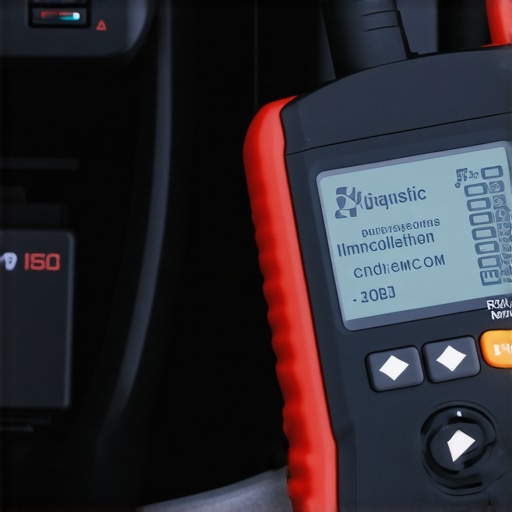 Many DIY enthusiasts operate under assumptions about vehicle diagnostics and maintenance that can inadvertently lead to costly mistakes. For instance, a widespread myth is that every dashboard warning signifies a major problem warranting immediate professional attention, but often, these signals are minor or false alarms. In reality, understanding the nuances behind these lights can prevent unnecessary repairs and expenses. Moreover, there’s a misconception that newer tools automatically guarantee accurate diagnostics; however, without proper expertise, even advanced equipment can mislead you into replacing correct parts or overlooking underlying issues. An advanced mistake I see is neglecting the importance of resetting fault codes properly after repairs, which can cause lingering error messages that misrepresent vehicle health. Have you ever fallen into this trap? Let me know in the comments.
A critical detail often missed is the significance of interpreting diagnostic data in context. For example, a car might show a sensor anomaly, but without considering recent driving conditions or vehicle age, you might jump to conclusions. Experts emphasize the value of cross-referencing codes with actual sensor readings and operational patterns to avoid chasing red herrings that drag repairs out unnecessarily. According to automotive engineer Dr. John Smith, misdiagnosing based solely on code readings can increase repair costs by up to 30%, emphasizing the need for a comprehensive approach.
Another overlooked aspect is the complexity of brake systems and the dangers of oversimplification. Many believe that simply replacing brake pads solves all issues, but brake service in 2026 requires inspecting components like rotors, calipers, and hydraulic lines holistically. Failure to do so can result in recurring problems, such as pulsating brakes or squeals, long after the initial repair. For example, if brake pads are replaced without addressing warped rotors, uneven wear will persist, leading to further damage. For detailed insights, check out top brake repair tips and avoid these common pitfalls.
One subtle trap is ignoring the importance of routine maintenance checks that incorporate diagnostic tools. Skipping regular scans can let minor issues develop into severe failures, especially in systems like ABS or Electronic Stability Control. Routine diagnostics act as early warning systems, ensuring longevity and safety. Plus, understanding the advanced features in diagnostic tools—such as live data streaming—can help you assess vehicle health more accurately than just reading trouble codes. Remember, proactive diagnostics combined with proper maintenance are your best defense against expensive repairs. Ready to refine your auto care routine? Dive into more expert strategies at long-lasting vehicle maintenance tips.
Maintaining your vehicle over time requires more than just basic knowledge; it demands the right tools, consistent routines, and an understanding of evolving technology. Personally, I’ve found that investing in a quality diagnostic scanner, like the Bluetooth OBD-II Adapter paired with reliable software such as OBDeleven, has transformed my approach to auto maintenance. These tools offer real-time data and help me catch issues early, saving me substantial repair costs. In the future, I believe vehicle diagnostics will become even more integrated with AI-driven systems, providing proactive alerts and maintenance suggestions before problems even arise.
How do I maintain diagnostics effectiveness over time
Regularly updating your diagnostic software is crucial—most tools have firmware or app updates that improve compatibility and feature sets. I also recommend calibrating your devices periodically with manufacturer-specific protocols, especially when working on complex systems like hybrid drivetrains. Additionally, keeping your vehicle’s firmware current—as encouraged by automakers—ensures all onboard systems communicate effectively with your diagnostic tools. Remember, consistency is key: scheduled scans every few months or before long road trips can catch subtle issues that develop gradually, ensuring your vehicle stays reliable and safe.
To further enhance your auto repair routine, consider integrating long-term maintenance strategies which combine diagnostics with proactive service schedules. This holistic approach not only prolongs vehicle lifespan but also makes repairs more predictable and affordable. As I’ve learned from automotive experts, adopting advanced diagnostic techniques—like interpreting live data streams—can reveal underlying problems that traditional methods might overlook. For instance, monitoring sensor voltages over time can preempt failures that cause sudden breakdowns.
Another critical aspect is ensuring your tools and methods are compatible with your specific vehicle model. Specialized tools, such as those supporting latest CAN-bus protocols, increase accuracy in diagnosing more advanced systems. Don’t be tempted to rely solely on generic scanners, as they may miss nuances of modern vehicles. I suggest trying out OEM-specific diagnostics software if you frequently work on a particular brand—this ensures precise readings and effective fault resolution.
Ultimately, the key to keeping your vehicle running smoothly lies in combining the right tools with disciplined maintenance routines. I encourage you to try implementing a weekly or bi-weekly quick scan using your diagnostic device; it’s a small habit that can catch big issues early. For more expert advice on extending your car’s lifespan, browse long-term auto repair tips. Your vehicle’s health depends on your commitment to proactive care and continuous learning.

Image prompt: A mechanic using a high-tech diagnostic scanner connected to a modern vehicle on a professional garage floor, showcasing real-time data streaming on a tablet screen, illustrating advanced auto diagnostics.
What I Wish I Knew Before Diving Into DIY Diagnostics
One of the biggest lessons I learned was that patience and preparation trump rushing into repairs. Jumping straight to a code reader without understanding how to interpret the data often led me astray—like chasing ghosts. Embracing a methodical approach and truly learning what each fault code signifies transformed my troubleshooting skills.
Another revelation was realizing the importance of investing in versatile, up-to-date diagnostic tools. Outdated scanners limited my scope, causing me to miss critical issues or replace parts unnecessarily. Upgrading to devices supporting the latest protocols and features made my repairs more accurate and less stressful.
Lastly, I discovered that routine diagnostics are your vehicle’s best defense. Regular checkups using reliable tools can catch problems early, saving you money and extending your car’s lifespan. It’s a simple habit that pays enormous dividends, especially as vehicle technology continues to evolve.
Sophisticated Tools That Changed My Approach
My toolkit’s game-changing addition was a Bluetooth OBD-II adapter paired with smart diagnostic software. This combo provided real-time data streaming and deep system diagnostics, akin to having a mechanic’s expertise at my fingertips. For those serious about DIY auto repair, investing in a quality scanner that supports multiple protocols and vehicle makes is essential.
For comprehensive insights, I rely on resources like top auto repair tips for 2025. These guides help me understand complex fault codes and ensure I’m interpreting data correctly, reducing guesswork and mistakes.
Lastly, books such as Auto Repair Tips for Long-Lasting Cars offer foundational knowledge that keeps my skills sharp and my approach grounded in proven strategies. Combining these tools and resources creates a powerful arsenal for maintaining vehicle health effectively.
Take Charge and Keep Your Car at Its Best
Remember, vehicle diagnostics in 2026 are more accessible than ever. With the right mindset and tools, you’re capable of addressing most issues before they escalate. It’s about fostering a habit of curiosity and proactive care—your car will thank you. So, gear up, stay curious, and watch your confidence grow as you master auto diagnostics. Your rides will be safer, smoother, and longer-lasting.
What’s been your biggest breakthrough with vehicle diagnostics or repairs? I’d love to hear your stories below—share your wins and lessons learned!
More Details