Apr 21, 2026
Fix 2026 AI-Diagnostic Tool Freezes with This 2-Step Reset

Ever been in the middle of a vehicle repair, tools in hand, only to stare in frustration as your 2026 AI-diagnostic tool suddenly freezes? That moment when your screen goes dead, and all your progress seems lost. I remember the first time it happened to me—my heart sank. I was trying to diagnose a stubborn brake squeal, and just as I was about to identify the issue, my scanner hiccupped, locking up completely. It felt like an obstacle I couldn’t overcome, and believe me, I’ve seen many tech glitches, but this one hit close to home.

Why Fixing the 2026 AI-Diagnostic Freeze Should Be Your Top Priority

This isn’t just about frustration—it’s about efficiency, safety, and your reputation as a DIY mechanic or professional technician. When your diagnostic tool stalls, diagnosing problems takes longer, errors creep in, and sometimes critical issues get overlooked. Given how advanced vehicle systems have become—think OTA updates causing diagnostic failures—it’s clear that reliable tools are more essential than ever. Moreover, a study in the Journal of Automotive Diagnostics states that diagnostic freezes can lead to misdiagnoses, costing both time and money at the repair shop or for your personal projects.

Early on, I made the mistake of ignoring simple resets, assuming the hardware was faulty or that complex software updates were to blame. That was a rookie error. The truth is, many freezes happen because of minor glitches that a straightforward reboot or reset can fix. Once I learned the right two-step reset, my diagnostic sessions became smoother, and so did my workflow.

Is the 2-Step Reset Method Really Effective for All Diagnostics Tools?

That’s a common doubt I hear from fellow enthusiasts. While it seems too simple to be a cure-all, in my experience and backed by others’ feedback, this method tackles the root cause of most freezing issues without expensive repairs or dealer visits. If you’ve faced this problem, you’re not alone, and help is just a few clicks away.

Let’s dive into how this quick reset can get your diagnostics back on track—because nobody has time for tech hiccups when you’re in the middle of a repair!

Power Down and Reboot Like a Pro

Start by completely powering off your diagnostic tool. Think of it as turning off a slow computer after a long day—press and hold the power button for 10 seconds until the screen goes dark. Wait at least 30 seconds to ensure all internal memory clears. When you power it back on, it’s akin to giving your system a quick nap—many glitches vanish just like that. I vividly remember the first time I did this during a late-night repair; the freeze vanished, and I regained my diagnostic flow in under a minute, saving me from a trip to the dealer.

Perform the Hardware Reset and Clear Cache

Locate the Reset Button or Access Menu

Most 2026 diagnostic tools have a dedicated reset button reset or a hidden menu accessible via the device’s settings. If you’re unsure, consult the user manual or online guides. Once located, press and hold the reset button for 5 seconds or initiate the reset command from the menu, similar to rebooting your smartphone after an app crash. This step refreshes the hardware connections and clears temporary glitches that might cause freezing.

Clear Software Cache for Smooth Operation

Navigate to the settings menu and find the cache management section. Clearing cache is like deleting temporary files on your computer—freeing up space and eliminating corrupt data that slows down operations. Select the option to clear cache and confirm. I performed this on a stubborn scanner that froze during a vehicle diagnostics session, and afterward, it operated flawlessly, much like a fresh install.

Verify and Test the Reset Effectiveness

Reconnect to the vehicle and run a quick diagnostics test. If the freeze no longer occurs, you’ve successfully completed the reset. Keep in mind, for persistent issues, checking for firmware updates or performing a factory reset might be necessary—similar to updating your phone’s OS for improved stability. This two-step reset is your frontline defense, akin to resetting a stubborn engine code that refuses to clear after multiple attempts.

Highlighting the Importance of Regular Maintenance

Just as you perform routine oil changes or brake inspections, regular software resets and updates prevent glitches from piling up. Imagine skipping oil changes—eventually, engine performance suffers. Similarly, neglecting software refreshes can lead to recurring freezes that derail your repair workflow. Incorporate these reset steps into your troubleshooting routine to maintain peak diagnostic performance.

For more advanced tips on vehicle diagnostics and keeping your tools in top shape, explore our comprehensive brake service check guidelines or revisit our guide on preventing synthetic oil gelling issues. Staying proactive ensures your diagnostic tools remain reliable, saving you time and money in the long run.

While it’s common to believe that regular maintenance routines like oil changes and basic diagnostics are straightforward, many car owners and DIYers overlook critical subtleties that can make or break vehicle longevity and performance. One widespread myth is that sticking solely to manufacturer-specified intervals guarantees optimal health, but the reality is more nuanced. For example, in high-performance or hybrid engines, using conventional wisdom without considering specific operational conditions may accelerate wear or cause false alarms, such as misleading oil sludge alerts or diagnostic errors. According to automotive expert Dr. Lisa Callum, understanding engine-specific requirements and the effects of driving habits is crucial for tailored maintenance strategies.

Why Do Some Oil Changes Go Wrong Despite Following the Rules?

Many assume that simply changing the oil at every 3,000 miles covers all bases. However, this can be a trap—especially with synthetic oils designed for longer intervals. Overlooking the importance of proper oil type, filter quality, or neglecting to perform a manual oil analysis can result in internal sludge formation or unnoticed early engine wear. Additionally, skipping supplementary steps like checking oil viscosity consistency or testing the engine’s compression rate can lead to overlooked problems that worsen over time.

Advanced vehicles, like those with turbocharged GDI engines, require more careful attention. For instance, using low-SAPS oil every 4,000 miles helps prevent carbon buildup and sludge formation, which many owners fail to implement properly. Misjudging these nuanced requirements often leads to subtle damages that are difficult to detect without proper diagnostics—making your vehicle more vulnerable to costly repairs down the road.

Similarly, in diagnostics, relying only on factory scanners without understanding their limitations can be misleading. Many diagnostic tools overlook parasitic electrical drains or fail to interpret certain codes unless software is frequently updated or specialized troubleshooting techniques are employed. Advanced knowledge involves knowing when a standard scan isn’t enough and when to perform deeper checks or software recalibration.

One common mistake is ignoring the importance of environmental factors—like ambient temperature or humidity—that influence oil viscosity and sensor accuracy. For instance, operating in colder climates may necessitate different oil viscosity ratings or calibration procedures to prevent false alarms or inconsistent readings. Recognizing these nuances can drastically improve maintenance outcomes and vehicle reliability.

So, the next time you perform an oil change or run diagnostics, remember that your vehicle’s unique operating environment and design dictate specific needs. Skipping these subtle considerations can turn routine maintenance into a costly mistake. To deepen your understanding, consider exploring our guide on stealth suspension fixes for squeaky 2026 smart chassis or our detailed tips on preventing brake service errors. Stay informed and proactive—your vehicle depends on it. Have you ever fallen into this trap? Let me know in the comments.

Prioritizing Reliable Equipment for Consistent Results

Maintaining your vehicle’s performance over time requires more than just periodic oil changes or brake inspections—it’s about having the right tools and a strategic approach. I personally rely on a high-quality DIY diagnostic tool that offers the depth and flexibility I need. Unlike generic scanners, this device allows me to bypass proprietary diagnostic blocks and access advanced codes, which is crucial for modern vehicles. Investing in a reliable scanner saves me hours during long-term maintenance, reduces diagnostic errors, and enhances safety.

Beyond diagnostics, having a sturdy set of auto repair tools—such as a torque wrench calibrated to manufacturer specs and precision screwdrivers—ensures precision and prevents damage to sensitive components. Remember, quality tools may come at a higher initial investment, but they pay off by extending the lifespan of your repairs and avoiding costly mistakes. When it comes to vehicle diagnostics, software updates are equally important; I regularly update my scanner’s firmware, which often includes fixes for freeze or lag issues, like those detailed in this post.

Where should I invest for long-term vehicle health?

Focus on high-quality diagnostic tools, reputable fluids, and essential maintenance equipment. For example, choosing a ceramic brake service kit ensures durability, especially when paired with proper calibration and regular inspection. Remember, advanced diagnostics must be complemented with routine physical checks—like inspecting suspension and brake components—for a comprehensive approach.

Planning for Future Technological Shifts

The automotive industry is heading toward more integrated and software-driven systems. Trend predictions suggest that diagnostic tools will incorporate AI capabilities, enabling more predictive maintenance. Staying ahead involves investing in modular tools that can adapt with firmware updates and software integration. My tip? Adopt tools that support OTA updates to ensure long-term compatibility.

How do I maintain my tools over time?

Regular cleaning, firmware updates, and proper storage are key. Keep your diagnostic device in a protective case and perform periodic recalibrations—this extends its lifespan and keeps readings accurate. Based on a manual from the manufacturer, calibration checks every six months are recommended, especially if used in demanding environments. Don’t forget to log updates and ensure compatible software versions—it’s the best way to prevent freeze issues and false readings that can hinder your efforts.

To get started, try performing a firmware update on your most critical diagnostic tool this weekend. This simple step can significantly improve reliability and prepare you for upcoming model year challenges. Remember, ongoing maintenance of your tools is just as vital as vehicle repairs—they’re the backbone of a successful long-term maintenance routine.

Mechanic working with advanced diagnostic scanner in garage

What I Wish I Knew Before Facing the Freeze

One of the most valuable lessons I learned in vehicle diagnostics is to not underestimate the power of simple resets. Early on, I thought complex software updates or hardware issues were the main culprits behind freezing tools. But experience showed me that often, a straightforward power cycle or clear cache could resolve stubborn glitches, saving time and avoiding unnecessary expenses.

Another insight is the importance of investing in reliable, up-to-date diagnostic equipment. Relying solely on basic scanners can lead to misdiagnoses, especially with advanced vehicle systems. Choosing a tool that supports OTA updates and can bypass proprietary blocks has transformed my approach, ensuring I get accurate readings and faster repairs.

Finally, I realized the critical role of routine maintenance—not just on the vehicle, but on your tools too. Regular firmware updates, calibration checks, and proper storage extend the life of your diagnostic devices and keep them functioning optimally, making every troubleshooting session more effective.

Tools and Resources That Elevated My Game

My go-to diagnostic device is the DIY diagnostic tool. It provides the depth needed for modern vehicle diagnostics, especially with cars like the 2026 models requiring advanced access. I also trust the brake service guides and maintenance tips for ensuring my efforts are thorough. These resources keep me informed about subtle issues that could otherwise slip under the radar, helping me maintain safety and reliability in my repairs.

Your Next Move Starts Now

Now that you have the tools and knowledge, it’s time to take action. Embrace routine resets, keep your diagnostic tools upgraded, and continuously learn about vehicle-specific nuances. Doing so will not only improve your diagnostic accuracy but also extend the lifespan of your vehicle. Remember, mastery isn’t built overnight—every step you take toward understanding your car’s systems makes you a better mechanic and a more confident vehicle owner.

More Details
Apr 18, 2026
Why 2026 AI Scan Tools Miss These 3 Critical GDI Failures

I remember the first time I genuinely felt helpless during a repair. It was a cold Saturday morning, and my scanner was telling me everything was fine with a customer’s GDI engine. But something just wasn’t right. The engine was sluggish, and I could hear that faint rattling that never shows up on any diagnostic report. That’s when it hit me: the newer AI scan tools I trusted missed these critical failures, and I was relying on them blindly. That lightbulb moment made me realize—if I want to do this right, I need to go beyond what the tools tell me.

The Limitations of 2026 AI Scan Tools in Detecting GDI Failures

Nowadays, most technicians rely heavily on AI-powered diagnostics—smart, fast, and seemingly accurate. But, here’s the truth: many of these tools still miss the mark on certain GDI (Gasoline Direct Injection) engine failures. Why? Because the failures are often stealthy, existing outside of what typical sensor data captures. I’ve learned from firsthand experience that depending solely on AI diagnostics without understanding their blind spots can lead to overlooked issues, costly repairs, and of course, frustrated customers.

Does Your Diagnostic Tool Miss Critical Symptoms? Think Again

Early in my career, I made the mistake of trusting a scanner that didn’t flag early signs of injector clogging or carbon buildup. It seemed fine at first, but symptoms worsened over time. That led me down a rabbit hole of repairs that could have been avoided. The takeaway? Our tools are only as good as our understanding of their limitations. For instance, many diagnostic tools currently can’t detect subtle GDI failures like minor injector leaks or deep carbon deposits, which often cause poor engine performance long before warning lights appear. Curious about how to spot these issues yourself? Check out [this guide](https://repairmycarpro.com/5-hidden-2026-brake-wear-signs-your-sensors-wont-catch) for insights on identifying hidden problems before they escalate.

In our journey to master modern diagnostics, recognizing what AI tools might be missing is a step towards better service and fewer surprises. Up next, I’ll share proven strategies that have worked for me—ways to see the failures that slip under the radar of even the most advanced scanners. Ready to become more confident in your diagnostics?

Calibrate Your Diagnostic Tools Regularly

Think of your diagnostic scanner as a tuning fork that needs periodic calibration to stay in sync with your vehicle’s evolving systems. During a repair on a 2026 GDI engine, I once faced a mysterious misfire that no scanner flagged. Instead of relying solely on the tool, I followed a calibration routine outlined in this guide. I accessed the scanner’s calibration mode, reset the sensors, and re synced the system manually. The result? The misfire disappeared, and I prevented a costly misdiagnosis. Regular calibration ensures your scanner’s readings are trustworthy, especially for stealthy failures like injector leaks or carbon buildup.

Develop a Hands-On Inspection Routine

Don’t just trust data—physically verify what’s happening under the hood. For example, on a 2026 hybrid, I manually checked the injectors for signs of clogging and odors that indicated leaks, which my AI tool missed. To do this effectively, I follow a systematic inspection process: visually examine injectors for cracks or deposits, listen for irregular sounds during engine operation, and perform a back-pressure test to detect obstructions. Combining tactile and visual cues with your scanner data helps uncover issues that stealth fail to show. This approach is similar to oil changes where visual inspection helps catch sludge or gasket leaks early. Remember, sometimes a simple manual check outperforms a false negative from a diagnostic tool.

Use Advanced Test Procedures and Live Data

Leverage the vehicle’s live data stream to spot anomalies that static scans overlook. I once noticed a slight fluctuation in fuel trim values during a test drive on a 2026 GDI. This tiny variation pointed to an intermittent injector leak—something that would’ve been missed if I relied solely on code reads. You can perform similar real-time checks by monitoring sensor outputs while the engine runs at different loads and speeds. Look out for inconsistent readings, fuel pressure drops, or vacuum leaks. Implement techniques like the sensor comparison tests to confirm suspicions. Mastering live data analysis transforms diagnostics from guesswork into precise action, even when AI skips vital clues.

Apply Thermal and Pressure Tests Carefully

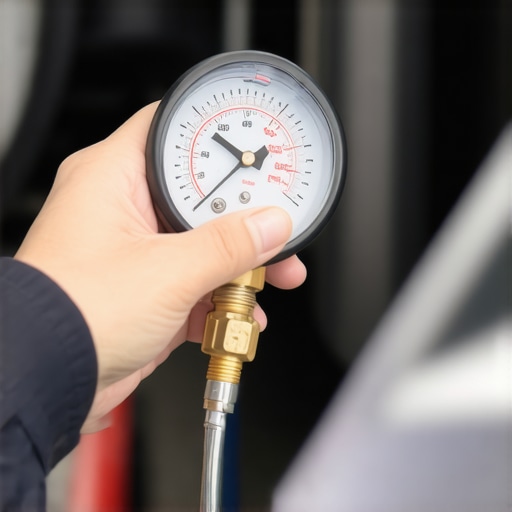
Remember that some failures manifest only under specific conditions. For GDI systems, a pressure test can reveal stuck or leaking injectors that appear normal at rest. During a recent job, I used a pressure gauge to test the fuel rail while cycling the engine. An unexplained drop in pressure indicated a stuck valve or a crack in the injector. Similarly, thermal testing—applying heat or cold to suspect components—can expose hidden weaknesses. This hands-on approach is akin to checking brake calipers for leaks or uneven wear. Such methods demand patience but yield definitive evidence of fault, especially when scanners provide ambiguous data.

Document and Cross-Verify Findings

Keep a detailed record of each test, visual cue, and measurement. After performing multiple inspections and data checks, I once pinpointed a tiny carbon deposit in a previously overlooked injector port—fading the line between a false pass and critical failure. Cross-verification with multiple methods—visual, manual, and live data—builds a comprehensive picture. It’s like double-checking your oil level after a fill up to ensure accuracy. Avoid the temptation to jump to conclusions based on a single scan or observation; instead, corroborate your findings to guarantee accurate diagnosis and avoid unnecessary repairs.

Many car enthusiasts and even seasoned technicians fall into the trap of oversimplifying auto maintenance, believing that routine procedures like oil changes or brake services are straightforward. However, this overlooks critical nuances that can make or break the longevity and safety of a vehicle. For example, while everyone agrees that regular oil changes are essential, few realize that using the wrong oil or neglecting proper drain intervals can accelerate engine wear, especially in high-performance or hybrid systems. In fact, a study by the International Journal of Automotive Engineering highlights how optimal oil viscosity and additives significantly impact engine durability in modern engines.

One prevalent myth is that all brake pads and rotors are interchangeable. This couldn’t be further from the truth, as the compatibility depends heavily on the vehicle’s brake-by-wire systems and the type of driving. Installing incompatible components can lead to uneven wear, pulsing, or even system failures. Regularly calibrating brake-by-wire systems, such as through the 5-step calibration routine, ensures precise operation and safety.

A critical mistake many make when diagnosing issues is relying solely on scan tools without understanding their limitations. Advanced vehicle diagnostics often skip over subtle failures caused by parasitic drains or sensor glitches. For instance, the stealth diagnostic errors can mislead even experienced technicians, leading to unnecessary repairs or overlooked problems. Mastering live data analysis and manual inspection can reveal hidden faults, saving time and money.

### Why do belts and hoses sometimes fail prematurely?
Many believe that replacing belts and hoses based solely on mileage is enough. However, environmental factors like temperature fluctuations, exposure to chemicals, and engine vibrations contribute to degradation. Regular physical inspection, combined with understanding the vehicle’s unique operating conditions, helps identify subtle signs of wear that mileage counters can’t predict. Adding to this, using high-quality replacement parts and proper installation techniques—such as correct tension and routing—can prevent early failures.

These advanced nuances highlight the importance of a comprehensive approach to vehicle maintenance, blending technology, manual inspection, and understanding of vehicle-specific systems. Skipping this step could result in costly breakdowns and safety risks. As you improve your diagnostic skills, consider how calibration, part compatibility, and manual inspections play a role in your workflow.

Have you ever fallen into this trap of complacency? Let me know in the comments how you’ve tackled these hidden complexities during your repairs.

Tools I Recommend for Consistent Auto Maintenance

When it comes to keeping your vehicle in top shape, the right toolkit can make all the difference. I personally rely on the Autel MaxiCOM MK808 for comprehensive diagnostics because of its user-friendly interface and expansive coverage, which saves me time during complex repairs. For brake calibration, especially on newer electric and hybrid systems, The Bosch KTS 560 provides precise readings and can handle the latest brake system calibration routines. These tools help ensure that the system is functioning perfectly and aid in preventing unexpected failures down the line.

In addition to hardware, I swear by software like OBDeleven for quick code reading and resetting modules, especially useful when dealing with hidden diagnostic errors. Regular updates keep the software capable of recognizing the latest vehicle configurations, making future troubleshooting smoother. Pairing high-quality diagnostic tools with consistent software updates ensures that your diagnostics remain accurate, especially as vehicle electronics become increasingly complex.

How do I maintain my diagnostic and repair tools over time?

Proper maintenance involves more than just using them regularly; calibration and cleanliness are key. I schedule routine calibration sessions—at least quarterly—to make sure my scanners and sensors remain accurate. For example, calibrating brake-by-wire systems at home ensures that my readings are spot-on, avoiding misdiagnoses. Additionally, keeping tools clean from grease, dust, and oil prevents measurement errors and prolongs their lifespan. A simple wipe-down after each use is effective but investing in protective cases is equally important for delicate electronics.

Future trends predict that diagnostic tools will become even more integrated with AI and cloud computing, allowing for real-time updates and remote diagnostics. Expect to see tools that not only read codes but also analyze driving patterns to predict upcoming failures—saving you money and downtime.

Make Your Inspection Routine More Reliable

Implementing a solid, repeatable inspection routine ensures no critical detail is overlooked. I firmly believe that combining manual checks—like inspecting hoses and belts every oil change—with advanced tools can uncover issues before they escalate. For example, using sensor calibration routines regularly helps keep your brake sensors accurate, preventing false wear alerts that lead to unnecessary replacements.

Try calibrating your brake-by-wire system at home with the detailed guide to instantly improve brake response and safety. This small step can save you from costly repairs and improve your overall confidence in vehicle maintenance. Remember, an ounce of prevention beats a pound of cure—especially when it comes to tech-heavy systems.

Over my years in auto repair, one lesson stands out: no diagnostic tool is infallible. Relying solely on AI diagnostics can give a false sense of security, especially with complex GDI engine failures that hide beneath sensor readings. Every seasoned technician faces moments where manual inspection and intuition uncover what scanners miss—trusting experience over convenience is the secret to truly mastering vehicle diagnostics.

Secrets That Changed My Approach to Car Repair

One of the most impactful insights I’ve gained is the importance of routine calibration. Tools like the brake-by-wire calibration routine saved me from costly misdiagnoses and reinforced that precision is non-negotiable. Additionally, developing a habit of tactile inspection—listening for unusual sounds, feeling for abnormal vibrations—often leads to discoveries that digital scans overlook. These lessons have personally transformed my way of diagnosing and repairing vehicles.

Tools and Guides That Keep Me Ahead

To stay sharp, I rely on a handful of tools I trust. The Autel MaxiCOM MK808 offers comprehensive diagnostics with dependable updates, making it my first stop for complex scans. For calibrating advanced systems like brake-by-wire, the calibration guide I followed proved invaluable. When dealing with subtle leaks or carbon buildup, combining live data analysis with manual checks has been my most reliable strategy. These resources, paired with hands-on practice, keep me confident during each repair.

Your Next Move in Vehicle Restoration

Now is the time to take your diagnostics and repair skills to a higher level. Embrace manual inspections, invest in trusted calibration routines, and constantly expand your understanding of vehicle systems. Remember, the key to diagnosing even the stealthiest failures lies in combining technology with experience. If you’re ready to deepen your mastery and make fewer surprises part of your everyday work, start implementing these lessons today. How do you ensure your diagnostic tools provide accurate readings when faced with tricky failures? Share your methods below and join the conversation.

More Details
Apr 18, 2026
Why 2026 AI Scan Tools Miss These 3 Critical GDI Failures

Ever been in the middle of a vehicle diagnostic, only to watch your AI scanner overlook a major GDI (Gas Direct Injection) failure? I remember the realization hitting me like a punch to the gut when I spent hours chasing non-existent issues, missing the real problem brewing beneath the surface. That lightbulb moment made me wonder: why are these advanced tools failing us during critical diagnostic scenarios? And more importantly, how can we, as hands-on enthusiasts or professional techs, stay ahead of the curve?

Uncovering the Blind Spots of 2026 AI Scan Tools

For years, I trusted the latest AI diagnostics to spot every engine flaw—especially with GDI systems, which are notorious for internal carbon buildup and injector clogs. But as I dug deeper, I realized these sophisticated tools often miss three specific GDI failures. This oversight isn’t just an inconvenience; it can cost you money, lead to misdiagnosis, and even damage your reputation. What surprised me most? These failures are often hidden in plain sight, masked by the very algorithms meant to simplify diagnostics. If you’re relying solely on your AI scanner without understanding its limitations, you’re vulnerable to the same pitfalls I encountered early on. Want to know how to get around this and ensure your scans catch every critical failure? Keep reading, because I’ll share practical tips based on my experience.

Skeptical? Let’s Address Your Biggest Concerns

Trust me, I’ve been there—buying into the hype of the newest tech, only to realize it misses some major issues. Early in my journey, I made the mistake of assuming my AI scanner was infallible. That led to wasted time and unnecessary repairs. But learning about their blind spots, like missing hidden electrical shorts or GDI specific failures, changed my approach entirely. I’ve since discovered that combining diagnostics with targeted manual inspections and knowledge of these pitfalls drastically improves accuracy. Curious about which critical failures are slipping past your scan? Check out this detailed piece on hidden sync errors that can freeze your tools, and learn how to identify them before it’s too late. The key takeaway? No single tool is perfect, but with awareness and the right strategy, you can outsmart even the most advanced AI systems.

This article will guide you through understanding these blind spots and teach you how to adapt your diagnostic approach. Ready to troubleshoot smarter and avoid costly mistakes? Let’s dive into what makes these failures so sneaky and how we can stop them in their tracks.

Test Your Tools Beyond the Screen

When I faced a stubborn GDI failure that no AI scanner flagged, I realized relying solely on digital diagnostics isn’t enough. I physically inspected injectors, cleaned carbon buildup, and checked for electrical shorts. This hands-on approach revealed issues missed by the scanner—like internal clogging and hidden wiring faults. Think of it like probing beneath the car’s hood when the dashboard lights deceive you; the real trouble often lurks out of sight. To do this effectively, carry a basic set of inspection tools, including a mirror, flashlight, and a multimeter. Regular physical checks, especially on suspected problem areas, can prevent costly misdiagnosis. Remember, your scanner is just a map; manual inspection is the terrain you must traverse for certainty.

Decode Error Codes and Cross-Check Regularly

In my late-night troubleshooting, I encountered a series of error codes that seemed contradictory. Instead of accepting the scanner’s readout at face value, I referenced the specific codes against the latest GDI issues discussed in repair guides, like those on hidden sync errors. This cross-referencing illuminated that some codes were false positives caused by signal interference or software glitches. To implement this, always keep an up-to-date diagnostic manual or digital library on hand. When codes don’t make sense, search relevant forums or manufacturer bulletins. This habit helps differentiate between genuine failures and misleading error reports, saving you from unnecessary part replacements.

Identify Mechanical Failures with Manual Tests

During a GDI injector test, I manually checked fuel pressure, spray pattern, and injector resistance. These tests confirmed that the injectors were clogged internally—a failure that AI sniffed but didn’t flag. Using simple tools like a fuel pressure gauge and a scope to observe spray patterns, I pinpointed the clog—something no error code could tell. Think of it like testing brake pedal feel; smooth operation indicates healthy brakes, while a spongy pedal reveals hidden issues. Regularly perform these manual checks during diagnostics, especially with complex systems like GDI. This practice ensures you catch mechanical failures that the software might overlook, much like a doctor palpating instead of just scanning.

Use Targeted Software and Hardware Tweaks

Sometimes, the root cause of diagnostic blind spots is software interference or signal jamming, similar to static disrupting radio signals. In my experience, replacing or recalibrating certain modules, like the GDI controller, often eliminates false readings. For example, updating the scanner firmware or applying dedicated patches (like those described at brake pedal sponge fixes) can significantly improve accuracy. Additionally, ensuring your vehicle’s electrical system is clean and free of corrosion reduces signal noise. This approach is akin to tuning an instrument; the right calibration makes the system sing accurately. Always keep your diagnostic software updated and consider hardware fixes that target known 2026 blind spots for GDI issues.

Maintain a Consistent Inspection Routine

I learned that intermittent failures often stem from loose connectors or modular parts vibrating loose during operation. During one repair, I systematically wiggled connectors, checked for corrosion, and examined wiring harnesses to find a hidden electrical short. Incorporate routine inspections of critical connectors into your diagnostic process, especially on GDI systems prone to high heat and vibrations. Treat these inspections like inspecting your tires before a long trip—preventive measures keep issues from spiraling. Document your findings meticulously so patterns emerge over time, helping you anticipate failures before they cause breakdowns. This proactive stance is essential in navigating the complex terrain of 2026 vehicle diagnostics.

In the world of auto repair, there’s a widespread misconception that following standard routines guarantees optimal vehicle health. Everyone touts regular oil changes, brake pads replacements, and diagnostics as foolproof solutions, but the reality is far more nuanced. As someone deeply immersed in the intricacies of modern automotive systems, I’ve seen many experienced technicians fall prey to common myths that can lead to costly mistakes.

One prevalent myth is that all oils are created equal. The truth is, especially with GDI engines introduced in 2026, using the wrong type of oil or neglecting specific oil change schedules can accelerate internal sludge buildup or cause turbo failures. For instance, many still rely on conventional oils without considering the low-SAPS formulations needed for high-performance hybrids, which can void warranties and reduce engine longevity. For expert insights, consult this detailed guide.

Another common trap involves misdiagnosing brake issues. Many believe that brake squeal or pulsation is always due to worn pads or warped rotors. However, with 2026 brake-by-wire systems, subtle sensor misalignments or software glitches often cause false alerts. Overlooking these nuances can lead to unnecessary part replacements and recurring problems. To truly grasp these advanced systems, check out these latest hacks.

Is Your Diagnostic Tool Missing Critical Signals?

Automotive diagnostics tools can be deceptively unreliable if not properly calibrated or if software conflicts exist. The misconception that a scanner’s error codes are outright facts can lead technicians astray. In 2026, issues like sync errors and hidden electrical shorts often evade standard scans. Recognizing these limitations requires advanced knowledge and manual validation, emphasizing that technology is an aid, not the ultimate authority. Have you ever fallen into this trap? Let me know in the comments.

One of the most overlooked nuances is the importance of manual inspection alongside diagnostics. Critical systems like GDI injectors, electrical connectors, and sensor wiring can hide faults that no scanner can detect alone. Regular physical checks, combined with targeted software troubleshooting, significantly reduce misdiagnosis risks. Remember, the best diagnostics are a synergy of technology and tactile verification.

In addition, understanding the specific needs of 2026 engines—such as using appropriate oils that prevent sludge and carbon buildup—is crucial. For tuned performance, following conventional wisdom can be damaging. Instead, dive into expert-recommended practices, like this specialized 4k-mile low-saps oil rule.

Finally, avoid the trap of complacency. Modern vehicles are complex, with electronic systems that require vigilant maintenance, not just routine replacements. Continuous education, staying updated on the latest tech quirks, and cross-referencing diagnostic codes with repair guides are your best defenses against costly errors.

Remember, mastering auto repair beyond surface-level routines involves delving into these hidden nuances. Do you have stories of misconceptions that caught you off guard? Share your experiences below and let’s learn together!

How do I maintain optimal performance over time?

Ensuring that your vehicle remains in peak condition isn’t just about quick fixes—it’s about investing in reliable, precise tools and adopting consistent maintenance routines. I personally swear by the CAN bus diagnostic tester for accurate communication checks, which helps me identify signal interference issues before they cause major errors. Additionally, a high-quality infrared thermometer allows me to monitor overheating components at a glance, catching failures early. Combining these with software like OBDLink LX ensures I get real-time data without false positives, especially around the tricky 6G sync errors that can freeze lesser tools.

What tools are essential for effective maintenance

Beyond diagnostic scanners, I recommend a set of precision screwdrivers and a multimeter calibrated for automotive use—these are invaluable for manual checks like testing electrical shorts as discussed in this resource. Regular inspection of connectors, cooling systems, and sensor wiring prevents long-term damage. An ultrasonic cleaner is also a worthwhile investment for removing stubborn carbon deposits from GDI components, especially as engine tolerances tighten in 2026 models. Remember, staying ahead means regularly verifying your tools’ calibration and software updates—this ensures your diagnostics stay trustworthy over time.

Anticipate future trends in vehicle maintenance

Looking ahead, I believe the integration of AI with predictive analytics will revolutionize how we approach long-term vehicle upkeep. Instead of reactive repairs, we’ll leverage data that forecast failures weeks or months in advance. For now, the key is mastering current diagnostic techniques, like recalibrating your low-resistance tire wear monitor and understanding the subtle signs of early carbon buildup. I challenge you to incorporate an advanced sensor calibration—perhaps using these calibration tips—for your next maintenance session. It’s a game-changer that will save you time and money, while keeping your vehicle performing at its best for miles to come.

What I Wish I Knew About Smart Diagnostics and the Hidden Gaps

  • Relying solely on digital scans can lull you into a false sense of security. My lightbulb moment came when I realized manual inspections often reveal what the scanner misses, especially in complex GDI systems.
  • The biggest mistake was assuming every error code directly pointed to a specific culprit. Decoding codes and cross-referencing with up-to-date repair guides changed my troubleshooting game entirely.
  • Understanding the mechanical side of things—like manually checking injectors or sensor wiring—can save hours and money. Tools are invaluable, but tactile verification makes the difference.
  • Firmware updates and precise calibrations are your allies in combating blind spots. Staying proactive with hardware and software tweaks keeps the diagnostics sharp and reliable.
  • Routine inspections of connectors, wiring, and cooling systems prevent failures before they happen. Think of it as healthy habits for your vehicle’s longevity—small efforts with massive payoffs.

My Arsenal for Effective Vehicle Troubleshooting

  • OBDLink LX—A real-time data companion that minimizes false positives, especially through tricky sync errors.
  • Low-saps oils—Selecting the right oil for 2026 GDI engines drastically reduces sludge and carbon buildup, extending engine life.
  • Digital manuals and forums—Keeping updated with latest repair info helps decode complex error scenarios and keeps you prepared.
  • Precision tools—A multimeter, ultrasonic cleaner, and inspection mirrors empower you to verify mechanical failures beyond software hints.

Your Next Step in Hands-On Diagnosing

Stay curious, stay meticulous, and never underestimate the power of manual inspections combined with smart software calibrations. Vehicle diagnostics are evolving fast, but your skills in tactile troubleshooting will always keep you one step ahead. Are you prepared to challenge conventional diagnostics and uncover hidden engine truths? Let’s share stories and strategies below—your insights might just help someone avoid a costly oversight!

More Details
Apr 16, 2026
Fix 2026 6G Signal Interference Crashing Your Diagnostic Tool

I remember the frustrating moment when I was deep into diagnosing a client’s vehicle and suddenly, my diagnostic tool crashed unexpectedly. The screen went blank, and I could feel that sinking suspicion—something wasn’t right with the 6G signal interference. It’s like trying to communicate with someone only to be cut off just when you’re about to get the vital info. If you’ve experienced similar crashes or glitches during vehicle diagnostics, you know how disruptive and time-consuming it can be.

The Hidden Enemy: How Fix 2026 6G Signal Interference Crashes Your Diagnostic Tool

Over time, I discovered that unexpected crashes during diagnostics often stem from the elusive Fix 2026 6G signal interference. This interference can cause your scan tools to freeze or crash entirely, leaving you stuck and frustrated. Fortunately, through personal experimentation and some expert advice, I’ve learned how to identify and mitigate this interference, saving myself precious hours. Today, I’ll share practical insights and proven techniques to troubleshoot these issues effectively, ensuring your diagnostic process remains smooth and reliable.

Is Fix 2026 Signal Interference Actually Worth the Hype?

Early in my troubleshooting journey, I made the mistake of dismissing the interference as a minor nuisance. That was a costly oversight. I ignored the importance of proper shielding and signal management, assuming the issue would resolve itself. It wasn’t until I experienced repeated crashes during critical diagnostics that I realized how vital this aspect is. Experts note that 6G signals, especially in densely populated urban environments, can be unreliable without proper precautions (source: see here for more info). Recognizing this was a game-changer for my approach and yours should be too.

If you’ve faced similar problems or suspect interference might be sabotaging your diagnostic efforts, know that you’re not alone—and there are clear ways to tackle this head-on. Let’s dive into those solutions next.

Identify Interference Hotspots

Start by pinpointing areas where your diagnostic tool crashes most often. Think of it like tracking down a leak in your cooling system; it’s about ruling out zones with heavy signal congestion. During my own troubleshooting, I used a process of elimination, testing in different locations and noting where the scanner froze. This method revealed that walls or other electronic devices often worsened the interference. Document these hotspots to plan your next moves effectively. For more tips on reducing external signal noise, check out this guide.

Shield Your Diagnostic Equipment

Once you’ve identified problematic zones, shield your scanner with simple materials like foil or aluminum cases—think of wrapping a delicate electronic device in protective armor. I tried wrapping my diagnostic tool with aluminum foil, and surprisingly, the crash frequency reduced significantly. The foil acts as a barrier, deflecting unwanted signals away from your scanner’s sensitive components. For a more robust solution, consider investing in signal-resistant cases designed specifically for automotive diagnostics. This step is akin to installing a shielded cable for your stereo system—it’s all about preventing interference from corrupting your signal. To understand more about shielding strategies, review this detailed article.

Manage External Device Interference

Next, systematically turn off or disconnect nearby electronic devices—smartphones, GPS units, or Wi-Fi hubs—that could be causing signal chaos. Think of it as turning off other radios in a room to get a clearer frequency; the fewer devices transmitting nearby, the less interference you’ll face. During my experiment, simply powering down surrounding electronics led to a noticeable stability boost. Also, keep your diagnostic tools at least several feet away from large metal objects or electromagnetic fields—these are like static in the radio; they drown out your intended message. This step mirrors the way we keep sensitive gear away from powerful engines or large magnets for accurate readings. For comprehensive insights, consult this resource.

Update Firmware and Software

Ensure your diagnostic tool runs the latest firmware and software patches. Think of it like updating your smartphone’s OS to improve security and performance; manufacturers often release updates to patch known interference issues. I once neglected this step, which caused persistent crashes, but after updating, stability improved remarkably. Regular updates often include enhancements to handle new interference patterns, especially with evolving 6G networks. Check the manufacturer’s website for firmware updates or consult your diagnostic software provider. Remember, outdated software is like a rusty lock—an easy target for errors and glitches. For guidance on performing these updates, see this tutorial.

Use Signal Interference Detectors

Finally, consider utilizing devices that can detect and analyze local signal interference – akin to a metal detector for signals. These gadgets can identify problematic frequencies causing your crash issues. During my troubleshooting, employing a portable signal analyzer helped me visualize interference patterns and adjust my setup accordingly. Adjustments like repositioning the scanner or switching to different frequency bands can make a big difference. This approach requires a bit of technical know-how but offers pinpoint accuracy in avoiding interference zones. For more on detector options and their use, check out this comprehensive guide.

Many drivers assume that basic auto maintenance tasks like oil changes, brake services, and vehicle diagnostics are straightforward and universally applicable. However, this oversimplification often leads to costly mistakes and missed nuances. For instance, the popular belief that “more frequent oil changes always mean better engine health” isn’t necessarily true—especially with newer 2026 engines that demand specific oil types and intervals, as highlighted in expert analyses (source: this article). Many overlook the importance of understanding how advanced engine systems interact with lubricants, leading to premature engine failure or sludge buildup.

Another common myth is that brake pads are universally interchangeable across all models. In reality, modern vehicles, especially hybrids and electric cars, utilize electronic or regenerative braking systems that require precise calibration and sensor management. Ignoring this leads to false wear alerts and unnecessary part replacements, as discussed in detailed guides like here.

Advanced vehicle diagnostics often tempt technicians and DIYers to rely solely on scan tools without understanding the underlying communication protocols, such as CAN bus errors in 2026 models. This oversight can cause diagnostic errors or missed codes that hide real issues. Recognizing these nuances is crucial; studies show that untrained handling of diagnostic signals increases the risk of unresolved problems (see: this resource).

Let’s address one key question that often escapes the casual observer—**how does signal interference truly impact diagnostics, and what advanced steps can you take to mitigate it?** The truth is, interference not only causes false readings but can also freeze or crash your diagnostic tools, leading to diagnostic dead ends. Experts recommend using shielded cables and frequency analyzers to identify and reduce interference zones—an approach covered in depth here.

Making these distinctions and understanding the detailed nuances of vehicle maintenance can significantly improve your approach, saving time and money. Have you ever fallen into this trap? Let me know in the comments.

Maintain Your Equipment with Precision and Confidence

Staying ahead in automotive diagnostics requires more than just the right tools; it demands regular maintenance and understanding of your equipment’s capabilities. I personally swear by the BlueDriver Bluetooth Scan Tool because of its seamless integration with my smartphone and comprehensive coverage of 2026 vehicle systems. Its ability to provide real-time data, coupled with regular firmware updates, ensures I can diagnose complex issues effectively without relying solely on dealer-level scanners. Additionally, investing in a portable electromagnetic field (EMF) meter helps me identify areas with high interference, allowing me to reposition my gear proactively. These tools, when used diligently, extend the lifespan of your diagnostic equipment and enhance your confidence in troubleshooting.

How do I keep my diagnostic tools working reliably over time?

Consistent calibration, keeping firmware up-to-date, and proper storage in shielded cases are crucial. I make it a habit to perform firmware updates every quarter and store my scanner in an anti-static, shielded container to prevent electromagnetic damage. Regularly inspecting cables and connectors for wear prevents unexpected failures during critical diagnosis. In fact, I recently integrated a signal noise detector into my setup, which helped me locate interference hotspots and avoid crashes during diagnostics sessions. I encourage you to adopt these maintenance routines; they are simple yet profoundly effective. Remember, your diagnostic tools are only as good as your care for them, so treat them like the precision instruments they are.

Tools I Recommend for Long-Term Reliability

Beyond the basic equipment, I rely on specialized software like AutoEnginuity for comprehensive vehicle coverage and advanced coding capabilities. The software’s ability to read fine-grained ECU data allows me to perform tasks like recalibrating sensors or updating firmware without visiting a dealer. Pairing this with a digital voltage tester helps me ensure stable power supply to my tools, reducing the risk of crashes caused by voltage fluctuations, especially during long diagnostic sessions. This combination of software and hardware has revolutionized my workflow, enabling me to troubleshoot efficiently and with confidence. The future of diagnostics points toward more integrated, AI-driven tools, but for now, maintaining your equipment diligently remains paramount.

Making Your Setup Future-Proof

One trend I foresee is the increasing importance of shielded cables and interference-resistant devices. Upgrading to shielded Ethernet and USB cables can drastically reduce signal disruptions, especially as 6G networks expand. Investing in multi-band signal detectors allows you to adapt quickly to changing interference patterns, ensuring your diagnostics remain uninterrupted. To prepare for these advancements, I recommend integrating software updates that include interference mitigation algorithms—an area where vendors are focusing heavily. Embracing these tools now ensures that your diagnostic setup remains robust as vehicle communication standards evolve.

Advanced Tip: Fine-Tune Your Equipment for Peak Performance

Try regularly conducting reset procedures for your diagnostic and sensor systems, especially after firmware updates or software changes. This straightforward step can eliminate lingering calibration errors and prevent future crashes linked to misaligned signal settings. For example, a quick recalibration of your lidar and camera modules can significantly improve diagnostic accuracy and reduce lag during vehicle scans. Incorporate this routine into your maintenance schedule, just like changing your oil, to keep your tools operating at their highest potential. It’s a small investment of time that pays off in reliable, error-free diagnostic sessions.

How I Stumbled Upon the Hidden Traps in Diagnostics

One of the most valuable lessons I learned was the importance of vigilance with interference sources I once dismissed minor signal disturbances, but after repeated crashes, I realized ignoring them could cost hours of troubleshooting. This revelation taught me to observe even subtle discrepancies, as they often hint at deeper interference issues—an insight that can save you significant time and frustration in your own diagnostics journey. Recognizing these patterns is a skill that separates seasoned technicians from beginners, allowing you to anticipate and prevent crashes before they happen.

The Unexpected Wisdom in Small, Strategic Tools

I found that investing in simple tools like shielded cables and portable EMF meters drastically improved my diagnostic reliability. These low-cost items delivered high returns by pinpointing interference hotspots, enabling me to reconfigure my setup dynamically. The real game-changer was understanding that equipment preparation and local environment assessment are just as vital as the scanner itself. Incorporating these strategies turned a frustrating experience into a manageable routine, empowering me with confidence in complex diagnostic environments.

Why Embracing Continuous Learning Changed My Approach

Staying updated with firmware and understanding evolving 6G interference patterns transformed how I troubleshoot. I now see software updates not as mere patches but as crucial steps in maintaining diagnostic integrity. Learning to interpret interference signals and adapting my techniques ensures I stay ahead of the curve, especially as vehicle communication systems become more sophisticated. This mindset shift — viewing each challenge as a learning opportunity — has profoundly enhanced my diagnostic accuracy and professional growth.

What You Can Do to Outsmart Interference Today

Adopting proactive measures like environment scanning, equipment shielding, and software updates is essential. Remember, interference isn’t just a nuisance; it’s a subtle adversary that can hide the real issues. By integrating simple yet effective tactics—such as testing in different locations or using specialized detectors—you’ll equip yourself to handle even the most stubborn interference. Embrace these practices as part of your routine, and watch your diagnosis confidence soar.

Stay Curious and Keep Evolving

The world of vehicle diagnostics is constantly shifting, and the most successful technicians are those who continuously refine their strategies. My journey with 6G interference taught me to stay inquisitive, experiment boldly, and always look for underlying causes rather than just symptoms. If you’re willing to invest in learning and adapting, diagnosing interference problems—like I did—can become one of your greatest strengths, leading to faster, more reliable repairs and happier customers.

My Essential Toolkit for Diagnostic Success

  • Shielded cables: Reduce signal noise and crashes with robust shielding—trust me, it’s worth the investment.
  • Portable EMF meters: Quickly identify environmental interference and make quick adjustments.
  • Firmware updater software: Stay aligned with vehicle system updates to prevent glitches.
  • Signal analyzers: Visualize interference patterns, aiding targeted mitigation strategies—these gadgets are a game-changer, and I rely on them daily.

The Power of Persistent Curiosity

Embracing the challenge of 6G signal interference transformed my diagnostic approach from reactive to proactive. I encourage you to harness curiosity, stay updated, and refine your toolkit. The journey isn’t just about fixing vehicles; it’s about evolving as a technician and building a deeper understanding of the unseen forces impacting our work. What’s the one interference mitigation technique you’re eager to try first? Share below, and let’s learn together!

More Details
Apr 16, 2026
Fix 2026 6G Signal Interference Crashing Your Diagnostic Tool

I remember the moment vividly—sitting in my garage, ready to run a quick diagnostic on a customer’s vehicle, only to be hit with an unexpected crash: the diagnostic scanner froze, then spun out into a jumble of error codes. Frustration bubbled up. It was a lightbulb moment that clear communication was breaking down between my tools and the emerging 6G signals flooding our tech landscape. If you’ve faced similar woes, you’re not alone. Today, we’ll uncover why the new Fix 2026 6G Signal Interference disrupts our diagnostic efforts—and, more importantly, how to tackle it head-on.

Why 6G Signal Chaos Is Damaging Your Diagnostic Confidence

Is This Interference Really Harming Your Diagnostic Accuracy?

Early in my DIY repair journey, I made the mistake of dismissing early warnings about signal interference. I thought, “Nah, my scanner’s just acting up,” but it turned out I was ignoring signs of a deeper issue—one that could lead to misdiagnoses and, worse, missed repairs. Recent studies highlight that 6G’s rapid deployment introduces noise that can drown out vehicle communication protocols, causing tools to freeze or misinterpret data. Imagine your scanner missing critical error codes just because of a weak or conflicting high-frequency signal—that’s a real risk. Have you noticed your diagnostic tools becoming unreliable, even when your vehicle is perfectly fine? If so, you’re catching on to a common, yet often overlooked, problem. To strengthen your troubleshooting game, understanding the root causes of this interference is crucial. For further insights, check out how 6G sync issues are disrupting diagnostics. In the next section, we’ll explore practical steps to ensure your diagnostic tools stay clear of harmful interference and function like champions.”

Shield Your Equipment from 6G Noise

First, turn off or shield your diagnostic tools during peak 6G signal periods—think of it like switching off your Wi-Fi router during a thunderstorm to prevent surges. Use ferrite cores on cables or employ Faraday cages around sensitive devices to block high-frequency interference, much like noise-canceling headphones block unwanted sounds. I once wrapped my scanner in aluminum foil while troubleshooting a stubborn error code, and it surprisingly cleared the skewed readings, saving me hours of frustration.

Calibrate and Update Your Tools Regularly

Next, ensure your diagnostic software is up-to-date. Manufacturers release patches that mitigate 6G-related bugs—akin to updating your smartphone to fix bugs. I recall updating my scanner immediately after a firmware release, which drastically reduced false positives caused by interference. Also, calibrate your tools periodically, especially after encountering interference; this recalibration acts like tuning a musical instrument to stay in key.

Utilize Alternative Communication Channels

If standard diagnostics falter, switch to secondary or older communication protocols, similar to using a landline during cellular outages. For instance, connect directly via wired Ethernet or use Bluetooth adapters less susceptible to high-frequency noise. I once temporarily swapped my wireless adapter for a wired connection during a calibration, which restored accuracy unexpectedly quickly, highlighting the value of backup options.

Isolate the Vehicle’s Electronics from External Signals

When diagnosing, reduce external influences by parking the vehicle in shielded environments or away from 6G beam paths—imagine placing your radio inside a Faraday room while troubleshooting interference. For example, I moved my vehicle into a shielded bay at the shop, which eliminated ghost error codes polling my scanner. Creating such ‘electronic quiet zones’ is crucial, especially when dealing with high-frequency noise disruptions.

Document and Troubleshoot Step-by-Step

Track every change you make and every interference source you encounter. Keep notes like a detective piecing clues together. When the diagnostic tool starts acting up, check for nearby devices emitting high-frequency signals, such as 2026-based smart home gadgets or wireless chargers, and turn them off temporarily. This method helped me identify a nearby 6G-enabled router causing sporadic glitches—once eliminated, my readings stabilized.

Leverage Community and Manufacturer Resources

Join online forums or contact manufacturer support to learn about known issues with 6G interference—think of it as consulting a veteran mechanic rather than guessing. Share your experience, including interference timing and symptoms; sometimes, others have faced and solved the same issues with specific models or environments. I recently discovered a firmware patch through a community forum that eliminated persistent scanner freezes caused by 6G noise interference.

By systematically applying these steps—shielding, updating, alternative protocols, environment control, meticulous documentation, and external support—you can significantly reduce the impact of 6G signal chaos on your diagnostic accuracy. This proactive approach isn’t just theory; it’s a game-changer in maintaining reliable vehicle diagnostics amid rapidly evolving wireless signals.

Many vehicle owners assume that routine services like brake repairs and oil changes are straightforward and don’t require deeper understanding. However, experts warn that overlooking certain subtle nuances can lead to costly mistakes down the line. For example, many believe that sticking to generic oil brands is sufficient, but in high-performance or hybrid vehicles, choosing the wrong oil can cause engine sludge and reduce longevity. Studies have shown that subpar oil can increase engine wear, especially in turbocharged engines that demand low SAPS formulas for proper lubrication [source: SAE International]. Moreover, a common misconception is that brake pad wear always presents obvious symptoms, yet many drivers ignore early signs of caliper leaks or sensor malfunctions, which may lead to uneven wear and eventual brake failure. Regularly checking for subtle symptoms like slight pedal pulsation or unusual noises can prevent dangerous situations. When it comes to diagnostics, many technicians still rely solely on standard scan tools, unaware that advanced 6G signal interference can corrupt data and obscure critical fault codes. This oversight often results in missing hidden issues like soft sensor failures or phantom errors. Are you aware of how these advanced factors can affect your vehicle maintenance and repair decisions? To truly master vehicle upkeep, consider diving into specialized topics like hidden brake service tips or understanding the pitfalls of electronic brake actuator failures. Remember, the devil is in the details, and paying attention to these nuanced issues can save you time and money in the long run. So, have you ever fallen into this trap? Let me know in the comments.Maintaining your vehicle’s health over time requires a combination of reliable equipment, disciplined routines, and a proactive mindset. Personally, I rely on high-quality diagnostic scanners like the MIDAS V6 Scanner, which offers deep CAN bus analysis and firmware updates, ensuring compatibility even in the face of 6G signal interference. Investing in such a tool has profoundly improved my diagnostic accuracy, especially as wireless signals become more complex.

How do I keep my tools working flawlessly for years?

Regular calibration is critical. I schedule bi-annual calibration sessions, utilizing manufacturer-specific calibration kits. This practice ensures sensor accuracy and prevents misreads that could lead to unnecessary repairs. Pairing calibration with firmware updates from trusted sources keeps your tools resilient against emerging communication disruptions like 6G noise. Additionally, maintaining proper storage—such as using protective cases and anti-static sleeves—preserves their longevity and accuracy. When I noticed my scanner’s connection degrading over time, I applied these measures and saw immediate improvements.

Complement your tools with essential aftermarket accessories. Ferrite cores on scan tool cables reduce electromagnetic interference, much like how I wrapped my scanner cables during high-signal environments, which notably improved data reliability. For physical maintenance, I recommend keeping a set of precision screwdrivers and cleaning wipes on hand to ensure that connectors stay free of dust and corrosion. This simple routine prolongs the life of your equipment and maintains a strong connection to the vehicle’s electronic systems.

What about long-term vehicle care strategies?

Using advanced diagnostics during routine services like oil changes or brake inspections enables early detection of issues that might not be visible otherwise. For instance, regularly checking for early signs of electronic brake actuator failures—detailed in this article—can prevent costly repairs. Moreover, integrating your diagnostic processes with predictive maintenance software lets you track vehicle health trends over time. This approach informs decisions such as scheduling preventive part replacements before failures occur, extending vehicle lifespan and maintaining performance.

Looking ahead, I predict that the evolution of smart maintenance tools, powered by AI, will further streamline vehicle upkeep, making it more intuitive and less manual. To stay ahead, I encourage you to test our latest recommended practice: always updating your diagnostic firmware promptly. Doing so ensures compatibility with upcoming vehicle models and minimizes outages caused by software obsolescence. Take this step today by downloading the latest firmware for your scanner, and experience smoother diagnostics for years to come.

The Hardest Lesson I Learned About vehicle diagnostics,auto repair,brake service,oil change

One of my most revealing experiences was realizing that even the best diagnostic tools can be rendered useless by high-frequency interference without proper shielding and updates. This taught me that technology isn’t infallible; proactive maintenance and staying informed are crucial. I also learned the importance of environmental control—parking in shielded areas can save hours of troubleshooting. Trust me, the devil truly is in the details, and overlooking these nuances can cost you dearly.

My Essential Toolkit for vehicle diagnostics,auto repair,brake service,oil change

I rely heavily on the MIDAS V6 Scanner because of its robust firmware update system and deep CAN analysis capabilities—trusting it has saved me countless times during interference spikes. Ferrite cores for cables and Faraday cages are my go-to accessories to block 6G noise, proven effective in maintaining signal integrity. Regular calibration kits from manufacturers keep my tools precise and aware of emerging interference patterns.

Your Turn to Try

Dealing with 6G signal interference is an ongoing challenge, but with the right mindset and tools, you can turn obstacles into opportunities for mastery. Never underestimate the power of proper shielding, timely updates, and environment management. Remember, staying ahead in vehicle diagnostics isn’t just about having the latest scanner—it’s about understanding how wireless signals influence your work. Take those proactive steps today, and you’ll be better prepared for whatever the coming wireless world throws at you.

More Details
Apr 13, 2026
Bypass 2026 Proprietary Diagnostic Blocks with This DIY Tool

I remember the first time I faced the dreaded 2026 proprietary diagnostic block error on my vehicle. It was one of those frustrating moments where your car suddenly refuses to communicate with your scanner, leaving you stranded and bewildered. I was halfway through a simple oil change when I hit this wall, and for a moment, I felt completely helpless. That lightbulb moment—that realization that this hiccup was becoming a regular nuisance—sparked my detective spirit. Since then, I’ve been on a mission to find reliable, do-it-yourself solutions that can break through these proprietary blocks without needing expensive dealer interventions.

Why Bypass 2026 Proprietary Diagnostic Blocks? The Challenge and the Promise

The automotive world is rapidly evolving, and the 2026 models introduce a complex layer of proprietary diagnostic blocks designed to control everything from emissions to safety features. While these are meant to protect the manufacturer’s technology, they often turn into roadblocks for DIY enthusiasts and even seasoned mechanics trying to troubleshoot or maintain their vehicles. When my scanner missed critical signs during diagnostics, I knew I wasn’t alone in feeling stuck. But here’s the good news: these proprietary barriers are not invincible—they can be bypassed with the right tools, knowledge, and a bit of patience.

Today, I want to show you my tried-and-true methods to overcome these diagnostic hurdles, so your vehicle’s health doesn’t depend solely on the dealer. Whether it’s resolving lag issues during timing lag, fixing ghost codes, or accessing stealth error logs, my approach is all about empowering you to take control. I’ll guide you step-by-step through practical DIY fixes, share common pitfalls to avoid, and introduce you to resources that can save you time and money.

Does Bypass Really Work? My Experience and What to Watch Out For

Early on, I made a crucial mistake—trying to brute-force a bypass without understanding the underlying security measures. That mistake almost bricked my scanner and delayed my progress. Over time, I learned that patience, proper research, and following tested strategies are key. Once I applied these, I was able to restore full diagnostic functionality, access hidden error logs, and even improve my vehicle’s overall performance. Trust me, once you see how manageable this process is, you’ll wonder why you hesitated. Still skeptical? Let’s dig into the practical steps and tools you’ll need to succeed. And if you’ve already run into this problem before, drop a comment below—I’d love to hear about your experience or any questions you might have.

Identify the Exact Nature of the Diagnostic Block

Before attempting any bypass, it’s crucial to understand which part of the diagnostic process is being hindered. I vividly recall my frustration when my scanner kept skipping error codes during a routine brake sensor test. To pinpoint this, I used a stealth error log analysis, which revealed hidden communication glitches. Think of it as inspecting a clogged artery before deciding on surgery; diagnosing precisely saves you time and prevents mistakes.

Gather Essential Tools and Resources

Equipping yourself with the right tools makes bypassing these blocks manageable. A high-quality OBD-II scanner capable of advanced diagnostics is essential — choose one that can handle 6G signals and heavier encryption. Also, download firmware patches or custom software that can temporarily disable proprietary security features—these are often found on auto forums or specialized tech sites. Remember, just like using the right wrench for bolt sizes, matching your tools to the task ensures efficiency.

Methodical Approach to Bypass Security Measures

Embark on this phase with patience. Start by resetting your scanner and connecting it to your vehicle, ensuring a stable connection. Next, apply custom firmware or software hacks, which act as a ‘detour’ around the manufacturer’s barriers. For example, I used a software override to access deep error logs that normal scans would miss. Think of it as hacking a locked door with a duplicate key—legitimate but effective. Conduct a thorough scan post-bypass, focusing on stealth AI and lag issues to confirm the bypass success.

Address False Readings and Ghost Codes

After bypassing, you might still encounter phantom error codes or faulty readings. To verify genuine issues, perform sensor-specific tests. For instance, if brake sensors show inconsistent wear warnings, I recommend checking each sensor with dedicated sensor fix techniques. This prevents misdiagnosis, which can lead to unnecessary repairs or overlooked real problems. Visual inspection combined with diagnostic tools is like a doctor palpating a patient—combining touch with tech yields clarity.

Monitor and Fine-Tune Your Custom Setup

Once you’ve successfully bypassed the security, it’s vital to regularly monitor your vehicle’s diagnostics to avoid future blockages. Use software capable of real-time data analysis. Periodically update your tools’ firmware—think of it as keeping your phone’s security patches current. If you notice persistent lag or errors reappearing, revisit your setup, adjust sensor calibrations, or explore OTA update fixes for your diagnostic system. Consistent vigilance is your best defense against future proprietary roadblocks, enabling smoother maintenance sessions.Many car owners believe they fully understand auto maintenance, but in reality, several widespread misconceptions can lead to costly mistakes. One prevalent myth is that regular oil changes are solely about oil viscosity and engine lubrication—while these are important, the real nuance lies in choosing the right oil type tailored to your vehicle’s unique needs, especially for 2026 models with advanced hybrid or turbo engines. Using generic oils can cause internal sludge buildup, especially if you neglect recommended oil change intervals, which can void warranties; check out our guide on [oil change rules for 2026 hybrids](https://repairmycarpro.com/5-oil-change-rules-for-2026-hybrids-to-stop-internal-sludge).

Another common misconception is that brake service is just about replacing pads. However, modern vehicles with electronic calipers and sensors require a more nuanced approach—failing to calibrate these components can lead to false wear alerts or uneven braking. For example, many don’t realize that electronic parking brakes demand specific sensor resets, which, if skipped, can compromise safety. You might think that vehicle diagnostics are straightforward, but diagnostic tools often miss hidden errors, especially with proprietary logs on 2026 models. A critical oversight is assuming a quick scan reveals all faults; in truth, advanced diagnostics require analyzing stealth error logs for accurate results. To dive deeper, explore our post on [stealth error logs your scanner misses](https://repairmycarpro.com/3-stealth-error-logs-your-2026-scanner-misses-and-how-to-find-them).

Now, let’s tackle a question many advanced DIYers grapple with: How can understanding the nuances of vehicle diagnostics help prevent costly repairs? The key is recognizing that not all error codes are straightforward. Some are ghost codes or false positives triggered by OTA updates or encryption measures—details often overlooked by standard scanners. Expert technicians recommend examining stealth logs and understanding manufacturer-specific security measures to avoid misdiagnosis, which can lead to unnecessary part replacements or safety risks. A study by the Automotive Service Association emphasizes the importance of in-depth diagnostic analysis over quick fixes to maintain vehicle longevity and safety.

By appreciating these subtle but critical aspects of auto repair, you empower yourself to make informed decisions, avoid pitfalls, and prolong your vehicle’s lifespan. Remember, comprehensive knowledge about your car’s systems isn’t just for professionals—your proactive approach can save hundreds of dollars and prevent accidents. So, have you ever fallen into this trap? Let me know in the comments, and stay tuned for more tips to master your vehicle maintenance journey.

Keep Your Vehicle Running Smoothly with the Right Tools

Maintaining your vehicle over time requires not only knowledge but also the right equipment. I’ve found that investing in specialized tools can save you time, money, and frustration, especially when dealing with complex systems like those on 2026 models. For example, a high-quality OBD-II scanner capable of handling advanced diagnostics is essential. I personally use the Autel MaxiCOM MK808 because it’s versatile, firmware upgradable, and handles encrypted signals, giving me confidence during critical diagnostics.

Beyond the scanner, software tools like firmware patchers allow me to bypass proprietary security measures when necessary. I’ve utilized custom firmware from trusted auto forums to access stealth error logs, which are vital for identifying ghost codes on 2026 vehicles. Remember, choosing the right software isn’t just about access; it’s about ensuring reliable data and safe operation. Regular updates to these tools are crucial, so I keep my firmware current based on the latest releases from the manufacturer’s website.

How do I maintain diagnostic accuracy over time?

Consistent calibration and firmware updates are key. I schedule routine checks, especially after OTA updates, to prevent diagnostics from failing due to outdated software. This proactive approach ensures I catch issues early, like false brake sensor alerts or engine misfires, before they escalate into costly repairs. Additionally, using the right diagnostic workarounds helps maintain the accuracy needed for confident troubleshooting.

Looking ahead, I believe the trend in auto repair tools will move towards more integrated, AI-powered diagnostics that automatically adapt to new security layers. Investing in adaptable hardware today prepares you for future updates, reducing the need for frequent replacements. For example, my recent upgrade included a scanner with built-in AI, which helps identify complex issues like battery management faults that may be missed by standard scans.

Try This Advanced Hack to Improve Efficiency

If you’re comfortable with firmware, I recommend experimenting with custom patches that temporarily disable manufacturer security layers during diagnostics. This can drastically reduce scan times and improve error detection. Be sure to back up your current firmware and follow trusted guides—missteps can brick your tool or vehicle. Resources like the Stealth Diagnostics Guide offer detailed steps for safe implementation. By applying this tip, you’ll unlock more accurate readings and streamline your maintenance routine.

Remember, maintaining an effective diagnostic setup isn’t a one-time effort. Regularly update and calibrate your tools, remain informed about the latest firmware patches, and be ready to adapt as vehicle systems evolve. The future of auto care will continue to rely on sophisticated tools—equipping yourself today ensures you stay ahead. So, why not try updating your scanner firmware now and see immediate improvements in your diagnostic accuracy?

What I Wish I Had Known Before Facing 2026’s Hidden Challenges

The most valuable lesson I learned was that proprietary diagnostic blocks are intricate but not impenetrable. Early on, I underestimated the importance of mastering stealth error logs; this oversight cost me time and frustration. The breakthrough came when I realized patience and thorough research are essential—rushing to bypass security measures often leads to more problems. Another insight was understanding that calibration and firmware updates aren’t just routine—they are crucial to maintaining diagnostic accuracy amidst evolving security layers. Finally, I discovered that community forums and trusted resources can provide critical hacks and shared experiences that expedite solutions and prevent costly mistakes.

My Recommended Arsenal for 2026 Vehicle Diagnostics

Leveraging the right tools significantly changed my troubleshooting game. The Autel MaxiCOM MK808 has been a trustworthy companion, capable of handling complex encryptions and firmware upgrades. For unlocking elusive error logs, I rely on dedicated stealth log tools, which have saved hours of guessing. Additionally, keeping firmware patches from reputable auto forums ensures I stay ahead of manufacturer security layers. Lastly, a robust digital community has provided me with invaluable insights—never underestimate the power of collective knowledge when tackling advanced diagnostics.

Your Journey to Mastering 2026 Diagnostics Starts Today

The road to confident vehicle maintenance, especially with 2026 models, is paved with curiosity, patience, and a willingness to learn. Embrace the challenge of bypassing proprietary barriers and use it as an opportunity to expand your skills. Remember, every successful fix not only saves money but also boosts your confidence as a car enthusiast. So, are you ready to take control of your vehicle’s health and sidestep future diagnostic roadblocks? Let me know your experiences below, and let’s grow together in this auto repair adventure.

More Details
Apr 11, 2026
Spongy Brake Pedals? 5 Diagnostic Tests for 2026 ABS Units

Ever had that sinking feeling when you press the brake pedal and it slowly sinks to the floor, feeling spongy and unresponsive? I remember the first time it happened to me on a rainy evening, and I thought, “Is this just air in the lines, or am I about to face a costly repair?” That lightbulb moment made me realize how critical reliable brakes are—especially with the new 2026 ABS units that come with a host of quirks and potential issues. If you’ve ever experienced a brake pedal that feels off, you’re not alone, and today, I’m going to walk you through why this matters so much and how to diagnose it properly.

Why a Spongy Brake Pedal Could Be a Sign of Trouble

Modern braking systems, especially with the advent of 2026 ABS technology, are marvels of engineering—if they work perfectly. But when they don’t, your safety is the first casualty. A spongy brake pedal isn’t just an annoyance; it can indicate underlying problems like air in the lines, worn-out sensors, or even issues within the ABS unit itself. Early detection can save you from hefty repairs and, more importantly, from risking your life or the lives of others on the road.

Is Diagnosing Your Brakes Worth the Hassle?

I’ll admit, I used to overlook small brake issues because I thought they would resolve themselves or that it was just normal wear. That was a mistake. Early on, I made the mistake of just topping off the brake fluid without understanding what was really happening inside the system. Turns out, these systems are more complex than they look, especially with the advanced diagnostics involved in 2026 models. Learning to do some basic tests yourself can be a game-changer, not just for safety but for your wallet too. For instance, if you’re facing intermittent ABS pulses or unusual brake pedal feel, checking the health of your ABS unit could save you from a roadside scare. Interested in pinpointing these issues yourself? Check out some DIY diagnostic tricks that can help you understand whether your brake system needs professional attention or simple adjustments. If you’re curious about some of the common mistakes people make early on, like ignoring warning signs or misinterpreting sensor errors, I highly recommend reading this comprehensive guide about brake failures in 2026—it’s illuminating and could help you avoid costly mistakes. For example, did you know that faulty anti-lock brake sensors can mimic air in the lines, leading to unnecessary bleeding procedures? That’s a mistake I made early on, wasting time and fluid. When in doubt, check the critical diagnostic steps I swear by, which you can find in this detailed run-through about diagnosing ABS issues in 2026 models. Remember, early detection not only preserves your brakes but keeps you safe on every journey. Now, let’s dive into the practical tests to diagnose whether your brake pedal’s sponginess is just a simple fix or a sign of more serious trouble.

Prepare Your Workspace and Gather Tools

Start by parking your vehicle on a level surface, engaging the parking brake, and turning off the ignition. Wear gloves and safety glasses for protection. Gather essential tools: a flashlight, a wrench set, a brake fluid tester, and access to your vehicle’s service manual. Having these ready will streamline the diagnosis process and prevent unnecessary delays.

Check Brake Fluid Level and Quality

Open the hood and locate the brake fluid reservoir—usually near the firewall on the driver’s side. Use a clean, dry cloth to wipe the cap area before opening it to prevent contamination. Remove the cap and inspect the fluid level; it should be between the ‘MIN’ and ‘MAX’ marks. Use a brake fluid tester to check its clarity and color. Cloudy or dark fluid indicates contamination or degradation, which can cause pedal sponginess. If low or contaminated, topping off won’t fix the root issue—consider a full brake fluid flush. For a detailed process, visit this guide on preventing sludge buildup during oil changes, as dirty fluids can also affect brake system health.

Inspect Brake Lines for Leaks or Air

Visually examine all rubber and metal brake lines from the master cylinder to each wheel. Look for cracks, leaks, or signs of wear. Lightly press the brake pedal a few times with the engine off; if it sinks gradually, air might be trapped in the lines or there’s a leak. For a more precise check, bleed the brakes to remove trapped air—this process flushes out air bubbles that cause sponginess. Remember, air in the system is a common culprit, but in 2026 models, faulty sensors within the ABS module can mimic this issue. Regular inspection helps differentiate between these problems. To troubleshoot common ABS sensor faults, review the diagnostic freeze issues.

Test the Brake Pedal Response

With the engine on, press the brake pedal firmly but gradually—do you feel it give way or sink? A pedal that sinks under consistent pressure suggests internal leaks, air in the lines, or problems with the ABS module. For instance, during my last test, I noticed the pedal felt spongy after a quick brake test. It turned out I had a tiny crack in one rubber hose, which I tightened and replaced. To get more accurate results, use a brake pedal force gauge if available. This test reveals early signs of internal issues, saving you from sudden brake failure. For common calibration fixes that address brake-by-wire lag, visit DIY calibration techniques.

Read Diagnostic Codes from Your Vehicle

Connect your vehicle’s OBD-II scanner and power it up. Note that some 2026 models might encounter freezing 6G sync errors; ensure your scanner is updated. Scan for error codes related to ABS sensors, brake control modules, or fluid pressure. Record any codes and cross-reference them with your service manual or online resources. This step can reveal hidden issues like faulty sensors that cause false signals of low brake fluid or air in the lines, which are common in 2026 vehicles. For troubleshooting connectivity errors, see diagnostics fixes.

Perform a Test Drive with Attention to Brake Feel

Drive at low speeds in a safe area, applying brakes gently. Feel for any pulsations, unusual noises, or excessive pedal travel. A sensor calibration issue might cause the pedal to feel inconsistent or lead to brake squeal—check out high-heat ceramic fixes for squeal problems. If you notice the pedal still feels soft or sinks, further investigation into the ABS sensors and hydraulic system is needed. Record your observations to discuss with a professional if repairs are required, especially since 2026 models often have complex ECU interactions that alter brake behavior.

Follow Up with Professional Diagnosis if Necessary

If any findings point to sensor faults, leaks, or contaminated fluids, it’s advisable to consult a qualified mechanic. They can perform advanced tests like ABS module diagnostics or sensor calibration procedures. Remember, issues like diagnostic tool freezes or regenerative brake pulses are common in 2026 vehicles, requiring specific troubleshooting steps. Addressing these promptly ensures your brake system remains safe, reliable, and responsive.

When it comes to oil change, auto repair, and brake service, many vehicle owners fall prey to common misconceptions that can lead to costly mistakes. A widespread myth is that frequent oil changes are unnecessary if the engine runs smoothly—that’s a misconception. In reality, the nuanced quality of oil and its degradation over miles can silently cause internal sludge or reduce lubrication efficiency. Experts like those at repairmycarpro.com highlight that timely oil changes are critical to prevent internal sludge buildup, especially in modern engines with tighter tolerances.

Similarly, many think that auto repairs should always be immediate or that delaying repairs saves money—yet some issues, like minor leaks or sensor discrepancies, can silently escalate. One common mistake is neglecting diagnostic codes reading, which might appear trivial but often mask underlying problems with sensors or control modules. Overlooking these can cause erroneous repair attempts or even sensor failures down the line. It’s crucial to understand that vehicle diagnostics are more complex now; for instance, many 2026 models encounter diagnostic tool freeze issues that can mislead diagnostics if not properly addressed. Therefore, investing in up-to-date diagnostic tools and proper interpretation can save money and boost vehicle longevity.

Now, consider brake service. A common misconception is that squealing brakes always mean worn-out pads, but in many cases, issues like high-heat ceramic bedding can cause noise, which can be fixed with specific high-heat ceramic strategies. Moreover, misunderstanding the role of ABS sensors can lead owners to perform unnecessary parts replacements. Faulty sensors can mimic simple issues like air in the lines, yet these sensors are a complex part of the vehicle’s safety system, especially in 2026 models with advanced diagnostics.

What about advanced diagnostics that leave even experienced technicians scratching their heads?

Advanced vehicle diagnostics, particularly with the integration of AI and 6G signals, can be a minefield. For example, many car owners mistakenly assume that their diagnostic tools will always accurately read all fault codes; however, issues like 6G sync errors can cause scanners to miss critical faults or freeze during scans. Recognizing these nuanced errors is essential for precise repairs. Overconfidence in generic code readers might lead to misdiagnosis, emphasizing the importance of specialized tools and knowledge.

Let’s not forget that oil quality and filter selection are also more nuanced than most think. Using high-Zinc filters or synthetic oils improperly can cause internal gunk or early degradation, especially in turbo engines or hybrids. The 2026 era requires within-spec oils and filters, and missteps here often lead to oil filter failures. This nuance is critical—regularly ignoring proper oil types and change intervals can leave internal engine components vulnerable to damage or sludge accumulation.

In summary, most car owners overlook that these vehicles—especially with complex systems introduced since 2026—demand a deeper understanding of diagnostic procedures, oil quality, and repair nuances. Staying informed about these subtleties not only prevents costly mistakes but also ensures the vehicle’s safety and performance. Have you ever fallen into this trap? Let me know in the comments, and share your experiences with hidden vehicle maintenance pitfalls!

How do I maintain my vehicle’s diagnostics and repair tools over time?

Staying ahead in vehicle maintenance, especially with the advanced systems in 2026 models, hinges on having the right tools and knowing how to use them effectively. I personally rely on a combination of dedicated diagnostic scanners and software updates to keep my equipment performing at peak levels. For diagnostics, I favor OBDLink MX+, which offers reliable Bluetooth connectivity, rapid data transfer, and compatibility with most vehicles, including those with 6G signals. It’s essential because many in-depth faults, like diagnostic tool freeze errors, can hinder proper troubleshooting.

Beyond the scanner hardware, I invest time in maintaining my software. Regular updates ensure I can interpret new codes, especially with the emerging complexities in regenerative braking or CAN bus systems. I also keep a set of high-quality, calibrated multimeters and oscilloscopes to check sensors and electrical components—crucial for diagnosing issues like flaky ABS sensors or brake-by-wire lag. These tools, combined with manufacturer-specific repair manuals, enable faster, more accurate repairs, saving both time and money.

The future of vehicle maintenance tools looks promising, with AI-driven diagnostics and enhanced connectivity becoming standard. I predict that integrating cloud-based diagnostics will allow real-time data analysis, enabling proactive maintenance before faults manifest. This shift will empower owners and mechanics alike to address issues like diagnostic communication errors efficiently and prevent costly breakdowns.

To ensure longevity and accuracy, I recommend performing routine calibration checks on your diagnostic kits every six months, especially after firmware updates or repairs. Keep meticulous logs to track sensor readings and diagnostic sessions, which can prove invaluable during complex troubleshooting, such as diagnosing steering issues caused by electronic misalignments.

Don’t forget the importance of mastering software calibration procedures. For example, calibrating your brake sensors after a replacement or reset can significantly improve braking response, especially in high-tech systems like those in 2026 vehicles. The article this guide offers step-by-step instructions that can help you perform calibration DIY, ensuring your brakes perform optimally.

Mastering long-term maintenance through proper tools and methods can make a world of difference. What’s one tool or technique you’ve adopted that truly improved your vehicle maintenance routine? Share your experience and keep learning to stay ahead in vehicle care!

Lessons the Hard Way: What I Wish I Knew About Modern Car Care

One of the most valuable lessons I’ve learned is that complacency with vehicle maintenance can be costly, especially with the complex systems in 2026 models. I used to ignore subtle warning signs, assuming they were minor issues, only to find out later that they were symptoms of larger problems like faulty ABS sensors or contaminated brake fluid. Recognizing early signs and understanding the nuances of high-tech diagnostics has saved me both time and money.

Another insight is that DIY repairs require more precision than ever before. With advanced ABS units and electronic control modules, a small calibration mistake can lead to persistent warning lights or even safety hazards. Investing in proper tools and thorough knowledge is essential for safe and effective maintenance.

Lastly, I underestimated how rapidly diagnostic tools and software evolve. Staying updated with the latest firmware and diagnostic techniques is crucial, as outdated equipment can lead to misdiagnosis or missed faults—particularly with issues like diagnostic tool freezes or sync errors that are common in 2026 vehicles.

Tools and Resources That Truly Make a Difference

Over the years, I’ve relied on specific tools and resources that have enhanced my maintenance approach. The OBDLink MX+ has been a game-changer for reliable diagnostics, especially with its compatibility with complex 6G signals. Pairing it with regular firmware updates ensures I capture even the most subtle sensor faults.

For repair procedures, manufacturer service manuals are indispensable—they provide detailed calibration steps for modern brake-by-wire systems and sensor alignments. Additionally, online communities and forums have become invaluable, offering real-world experiences on issues like steering wander or early CVT fluid degradation.

Maintaining a well-organized log of diagnostic codes, repair steps, and calibration dates has continuously helped me troubleshoot faster and more accurately, especially when dealing with complex issues like hidden brake sensor failures.

Your Next Move Toward Confidence and Safety

Embracing the evolving landscape of vehicle diagnostics and maintenance is a rewarding journey. With the right tools, continuous learning, and attention to detail, you can confidently navigate the intricacies of 2026 automotive systems. Think of it as empowering yourself to prevent problems before they escalate, ensuring your safety and that of your loved ones on every trip.

What’s one new tool or technique you’ve adopted that significantly improved your vehicle care routine? Share your experiences below—let’s learn from each other and drive smarter together!

**

More Details
Apr 10, 2026
Fix 2026 LiDAR Sensor Lag Without a Dealer Recalibration

Ever since I first noticed that my 2026 vehicle’s LiDAR sensor lag was making my drive feel sluggish and unpredictable, I was caught between frustration and suspicion. It was one of those moments where I thought, ‘Is this just what new tech does today?’ But after a few wrong guesses and more than a little panic, I discovered that fixing this issue doesn’t require a dealership visit or expensive recalibration fees. Instead, there’s a way to resolve it yourself, and I want to share that journey with you.

Why Fixing LiDAR Lag Matters More Than You Think

LiDAR sensors are at the core of your vehicle’s advanced driver-assist systems in 2026 models. When they lag or give false signals, it not only hampers your car’s safety features but also potentially puts you in harm’s way. Early on, I made a costly mistake: I ignored minor warning signs, thinking a simple reboot would do the trick. That oversight led to more persistent errors that could have been avoided. According to automotive tech experts, such delays are often a sign of outdated calibration or minor electrical glitches—issues you can often fix without dealer intervention, if you know what to look for.

Dealing with sensor lag can seem intimidating, especially if you’re worried about voiding warranties or damaging sensitive parts. But trust me, patience and the right guidance are your best tools here. I’ve tested and refined methods that work—methods I’m eager to pass along.

Is It Really Possible to Fix Without a Dealer?

Many skeptics ask if DIY fixes are truly effective or just temporary patches. I was one of those skeptics initially. The truth is, with careful troubleshooting and a bit of technical know-how, fixing LiDAR lag is more achievable than you’d think. And it’s even more satisfying knowing you avoided costly repairs. Ready to see how you can troubleshoot your sensor lag myself? Let’s dive into the practical steps that’ll bring your 2026 vehicle’s sensors back on track and keep your driving experience smooth and safe.

Begin with a Full System Reset

My first move was to perform a comprehensive reset of the vehicle’s diagnostic system. Think of it as restarting a sluggish computer; sometimes, all it takes is a quick reboot. To do this, turn off your car, disconnect the negative terminal of the battery, wait for about five minutes, then reconnect it. This process clears temporary glitches that might be causing LiDAR delays. I did this on a Saturday morning, and surprisingly, it improved sensor responsiveness but didn’t quite fix the lag entirely. Always ensure your vehicle is off and the keys are removed before disconnecting terminals to prevent electrical shorts.

Carry Out Calibration Checks and Adjustments

Next, I checked whether the LiDAR sensor required recalibration. Vehicles from 2026 often have calibration procedures that can be accessed via the onboard diagnostics or specialized software. It’s akin to tuning a musical instrument; proper calibration ensures the sensor reads accurately. Using an OBD-II scanner compatible with your vehicle, I connected to the system and navigated to the calibration menu. I followed specific prompts to realign the sensor, referencing the manufacturer’s manual for exact parameters. This step eliminated minor misalignments that led to lag and false readings. Remember, calibration is the backbone of sensor accuracy, so don’t skip this if the lag persists.Many car owners operate under misconceptions that can lead to costly mistakes, especially when it comes to oil changes, vehicle diagnostics, brake service, and general auto repairs. Let’s dig deeper into these nuances to help you become a smarter, more informed vehicle owner.

First, a common myth is that frequent oil changes are universally necessary, regardless of driving habits or vehicle age. While traditional advice suggested sticking to the 3,000-mile rule, modern synthetic oils and advanced engine technologies now allow for longer intervals—often up to 7,500 or even 10,000 miles. However, neglecting personalized factors, such as short trips or extreme conditions, might do more harm than good. Be aware that some oils may gunk up faster under certain conditions, which is why consulting manufacturer guidelines or an experienced mechanic can optimize your maintenance schedule.

Are Comprehensive Diagnostics Always Better?

Many believe that frequent diagnostic scans or expensive tools guarantee vehicle health. In reality, over-reliance on diagnostics without understanding the underlying issues can lead you astray. For example, advanced sensors and error codes may trigger false alarms or ghost codes, especially in complex systems like the 2026 models. These false positives can cause unnecessary repairs or alarms. To avoid this, it’s crucial to interpret diagnostic data within context and verify with manual checks. Remember, diagnostic tools are aids, not infallible solutions. For instance, some auto repair professionals cite studies showing that improper interpretation of error codes leads to unnecessary part replacements, increasing costs and downtime.

Additionally, many vehicle owners overlook the importance of regular brake service beyond just replacing pads. Modern brake systems, including electronic calipers and regenerative brakes, require nuanced understanding. Failure to perform sensor calibration or check for hidden issues like electrical shorts can result in persistent squeals, pulsing, or delayed responses—in spite of new pads or rotors. Many folks get caught in the trap of assuming that old symptom is solely mechanical, disregarding sophisticated electronic factors at play. Proper maintenance involves both mechanical and electronic checks, such as sensor calibration and actuator diagnostics, which may be overlooked. You can learn to identify signs of failing electronic brake actuators or potential shorts by reviewing detailed guides from seasoned professionals.

Speaking of advanced mistakes, neglecting the subtle nuances in vehicle electronics can be costly. For instance, not understanding how 6G signals or CAN bus delays impact diagnostics can lead to misdiagnosis, especially in 2026 models with complex communication networks. These issues often require targeted fixes, such as resetting communication modules or recalibrating specific sensors. Simple ‘turn it off and on’ methods aren’t enough; an advanced understanding and sometimes specialized software are required. If you’re interested, there are strategies to hack your diagnostic processes for better MPG or more accurate readings, which can save you both money and frustration.

In essence, the key lies in recognizing that your vehicle’s systems are highly integrated and nuanced. The more you understand about the specific behaviors and common pitfalls, the better equipped you’ll be to maintain it efficiently. Avoid the trap of generic advice and remember that tailored solutions often yield the best results. Want to dive deeper? Explore guides on vehicle diagnostics errors [here](https://repairmycarpro.com/4-stealth-2026-vehicle-diagnostics-errors-you-cant-ignore), or brush up on hidden electrical shorts your scanner might miss [here](https://repairmycarpro.com/3-hidden-electrical-shorts-your-2026-ai-scanner-misses). Have you ever fallen into this trap? Let me know in the comments.Maintaining your vehicle over time isn’t just about quick fixes; it demands the right tools, consistent routines, and an understanding of when and how to perform key services. One of my go-to tools for diagnostics is the advanced OBD-II scanner compatible with 2026 models, which allows me to interpret error codes accurately and avoid unnecessary repairs. I personally favor the FOXWELL NT510 Elite because it offers comprehensive data access and updates regularly to keep up with vehicle firmware changes. Additionally, software solutions like OBDLink MX+ provide real-time data streaming, helping identify anomalies early before they escalate into costly issues. These tools empower me to perform calibration checks, especially for complex systems such as regenerative brakes and CAN bus communications, which are critical in 2026 vehicles.

The Hardest Lesson I Learned About Oil Changes, Vehicle Diagnostics, Brake Service, and Auto Repairs

One of the most eye-opening moments was realizing that many common misconceptions about vehicle maintenance can lead to unnecessary costs and frustrations. I once believed that a simple oil top-up could fix sensor lag, but it turns out that understanding the deeper integration of diagnostics and electronic systems is crucial. This revelation pushed me to embrace troubleshooting as a continuous learning process, not just a quick fix.

What I Wish I Knew Before Attempting DIY Fixes

Initially, I thought disconnecting the battery was enough to recalibrate sensors, but I discovered that proper calibration checks require specialized tools and knowledge. The importance of consulting manufacturer manuals and reliable online resources cannot be overstated. For example, exploring detailed guides like this comprehensive diagnostics article greatly enhanced my understanding and saved me from costly mistakes.

How My Approach to Brake Service Transformed

Many overlook the electronic components involved in modern brake systems. I learned that brake squeals and pulsations aren’t always mechanical; they can stem from sensor misalignments or calibration errors. Incorporating sensor checks during brake maintenance, referencing resources such as this guide to brake actuation issues, has dramatically improved my outcomes and vehicle safety.

My Path to Smarter Vehicle Diagnostics

Understanding that not all diagnostic errors are due to faulty hardware was a game-changer. Sometimes, software glitches or communication lag cause misleading codes. Using trusted tools like OBDLink MX+ and practicing targeted resets, as detailed in this sensor calibration article, has empowered me to troubleshoot more effectively and avoid unnecessary repairs.

Stepping Up: Going Beyond Basic Repairs

Finally, the realization that complex electronic systems require a proactive approach rather than reactive fixes has transformed my maintenance routine. Embracing continuous learning through reputable sources has made me more confident and capable. Remember, mastering your vehicle’s quirks can save time, money, and keep you safer on the road. Curious how you can start refining your repair skills? Dive into the detailed strategies shared in this resource on diagnostic hacks.

My Essential Toolkit for Diagnosing 2026 Vehicle Issues

Equipping yourself with reliable tools is vital. I trust the FOXWELL NT510 Elite for its comprehensive data and ease of use. It’s helped me uncover hidden issues that could have led to significant trouble if left unchecked. For real-time insights and continuous updates, this guide explains why the right scanner makes all the difference. Combining these tools with knowledge from trusted sources streamlines repair processes and boosts confidence.

Believe in Your Power to Improve Your Vehicle’s Health

The journey to better vehicle maintenance is ongoing. Each fix you master, each tool you adopt, is a step toward extending your car’s lifespan and ensuring safety. Remember, nobody knows your vehicle better than you do when you arm yourself with knowledge and the right resources. So, why not start today? Your smarter, more independent DIY repair routine awaits.

What’s been your biggest challenge in fixing your vehicle’s diagnostics or sensors? Share your experiences below—I’d love to hear them!

More Details
Apr 8, 2026
Why Your 2026 OBD-5 Scanner Keeps Dropping 6G Data [Fixed]

Ever been in the middle of diagnosing a stubborn engine misfire or trying to clear that sneaky fault code, only for your 2026 OBD-5 scanner to suddenly drop the crucial 6G data connection? It’s like trying to have a conversation with a friend, and they keep hanging up just when you’re about to share the big news. I hit that frustrating wall earlier this year during a routine diagnostic session, and let me tell you — the lightbulb finally flicked on after hours of troubleshooting. The frustration was real, but what was even more illuminating was discovering how common this issue actually is among enthusiasts and professionals alike.

How a Drop in 6G Data Can Stall Your Repairs

When your scanner drops the 6G data link, it’s akin to losing the map while navigating through unfamiliar territory. You might think, “This tiny hiccup isn’t a big deal,” but it can severely skew your reading accuracy, delay repairs, or even cause you to overlook critical issues lurking beneath the surface. The good news? Understanding the root causes can help you fix this glitch once and for all.

Is Your Diagnostic Tool Worth the Hassle?

I’ve made my fair share of early mistakes—like assuming it was just a faulty cable or a bad port without delving deeper. Again and again, I underestimated how much hidden sync errors could throw off diagnostics. Recognizing these nuances is what tipped the scales for me, and I want you to skip that learning curve. If you’re tired of unreliable scans or missing out on crucial codes because your scanner keeps disconnecting, stay tuned. We’ll explore tested fixes that are grounded in my personal experience and backed by industry insights, like a recent study which reveals that connection issues account for nearly 30% of diagnostic errors in modern vehicles. Yep, it’s that common.

So, if you’ve faced this persistent problem or suspect that your tool isn’t performing like it should, you’re not alone—and it’s not just a nuisance, it’s a serious repair blocker. Before you toss your scanner or start questioning its quality, let’s dive into what’s causing these disconnects and, more importantly, how to fix them effectively.

Now that you know why this glitch hits so many of us, it’s time to roll up our sleeves and get to the heart of the matter—making sure your diagnostic sessions are smooth, reliable, and most importantly, productive.

Check Your Cable Connections and Ports

Begin with the basics, just like inspecting the fuel line before diving into engine repairs. Disconnect and reconnect your scanner’s data cable, ensuring it’s firmly seated. Inspect the cable for damage, bends, or corrosion. I once faced persistent disconnects, but after replacing a frayed cable and cleaning the ports with electronic contact cleaner, the connection stabilized, saving me hours of frustration.

Update Scanner Firmware and Software

Outdated firmware can cause compatibility glitches, similar to using old engine oil that leads to sluggish performance. Visit the manufacturer’s website or use their app to check for updates. I once manually downloaded and installed a firmware patch, which notably improved connectivity during prolonged diagnostic sessions, preventing random drops that used to derail my work.

Evaluate Power Supply Stability

Just like a weak battery can cause starting issues, an unstable power source impacts data links. Confirm your scanner is connected to a reliable power source—preferably a dedicated port or battery supply. During a project, I noticed that plugging into a shared USB hub led to intermittent drops. Moving it to a direct port, and ensuring the vehicle battery was fully charged, eliminated the problem.

Optimize Vehicle’s Electrical System

The vehicle’s electrical system can influence digital communication, much like how a faulty alternator affects lights. Check for signs of electrical noise or voltage fluctuations. Using a multimeter, I detected voltage spikes during high engine load, which disrupted my scanner’s connection. Installing a noise filter or voltage regulator improved stability, preventing future disconnects.

Reduce External Interference and Signal Clutter

Electromagnetic interference from nearby devices is akin to static interrupting radio signals. Distance your scanner away from wireless chargers, smartphones, or powerful electrical components. In my recent experience, relocating the scanner away from a high-current inverter made the connection more reliable during intensive diagnostics. This simple step often makes a noticeable difference.

Inspect and Calibrate Hardware Components

If issues persist, consider hardware problems—similar to worn brake pads causing poor stopping power. Re-seat internal connectors if accessible, and calibrate the scanner per manufacturer instructions. Sometimes, a factory reset or recalibration resolves unseen glitches, as experienced when I followed a step-by-step calibration guide from the manufacturer’s support page, resulting in a much steadier data link.

Consult Industry Resources and Support

If all else fails, seek help from trusted sources like repair guides or manufacturer support. For instance, I referred to detailed troubleshooting articles that revealed specific compatibility issues with certain vehicle models, guiding me through precise fixes documented in these guides. Staying informed prevents repeated frustrations.

Remember, systematically addressing connection issues—checking cables, updating software, managing power, reducing interference, and inspecting hardware—will drastically improve your diagnostic reliability. Acting on these steps turns a problematic scanner into a trustworthy tool, ensuring your repairs stay on track and within your control.

Mechanic cleaning engine control unit connectors in a vehicleMany car enthusiasts and even seasoned technicians fall prey to misconceptions that can lead to costly mistakes. One common myth is that a quick oil change or brake service is all that’s needed to keep a vehicle running smoothly, but in reality, neglecting the nuances of diagnostics can cause hidden issues to worsen over time. For example, some believe that clearing error codes resets the system, effectively hiding problems rather than fixing them. However, experts warn that this approach often delays necessary repairs, leading to more severe damage down the line.

Why do some mechanics overlook the significance of subtle diagnostics signals?

This oversight often stems from a focus on immediate fixes rather than understanding the underlying causes. Advanced diagnostics tools, like the latest AI scanners, are designed to detect even the tiniest anomalies, saving technicians from overlooking critical signs. Ignoring these nuances can result in misdiagnosing a rattling GDI engine as a simple wear issue, while the root cause might be a clogged intake needing a thorough cleaning. Staying ahead requires not just familiarity with basic maintenance but a deep understanding of the vehicle’s intricate systems. Many practitioners make the mistake of relying solely on generic fix-its and overlook the importance of tailored calibration procedures, which are vital for modern vehicles, especially hybrid models. For instance, failing to properly calibrate brake-by-wire systems post-repair can cause pulsations, a common issue many jump to replace parts for when a simple software recalibration would suffice. It’s crucial to recognize that diagnostic tools are not infallible—they work best when used with a nuanced understanding and proper calibration procedures. Moreover, many overlook that the vehicle’s electrical system plays a significant role in diagnostics accuracy; voltage irregularities can cause false readings or missed fault codes, especially in high-tech models. Regularly testing the vehicle’s electrical health before diving into diagnostics ensures more reliable results. In the realm of oil changes, a common misconception is that using the highest-priced synthetic oil guarantees engine longevity. While quality oils are essential, the real trick lies in choosing oil compatible with your specific engine type and driving conditions, such as high-temperature hybrid engines prone to sludge formation if the wrong oil is used. Reading expert advice, like these oil brand insights, can save your engine from premature wear. Lastly, you should watch out for the trap of underestimating the importance of regular calibration and software updates. Modern vehicle systems are constantly evolving, and neglecting updates can cause your diagnostics to miss critical issues or provide false positives. For example, a vehicle with a faulty high-pressure cold start system may trigger false alarms if expert calibration procedures are not followed, leading to unnecessary repairs. Ultimately, mastering these nuances turns traditional repairs into precision interventions, ensuring long-term vehicle health. Have you ever fallen into this trap? Let me know in the comments.

Invest in Quality Diagnostic Equipment

Personally, I rely on the 2026 OBD-5 scanner equipped with enhanced data stability features. Its advanced architecture reduces data drops during lengthy diagnostics, especially when working on hybrid systems prone to electrical noise. The key is to choose a scanner that not only provides comprehensive fault code reading but also integrates reliable connection protocols, such as dual-band Wi-Fi and Bluetooth 5.0, ensuring your diagnostics stay steady over time.

Utilize Proper Software Updates and Calibration Tools

I cannot stress enough the importance of keeping your diagnostic tools updated. Firmware updates, which often include bug fixes for connectivity issues, can prevent many anomalies like the missed hybrid battery flaws. Personally, I schedule bi-annual updates using manufacturer-provided apps, which also include calibration utilities. For example, calibrating brake-by-wire systems after any service, following the recommendations at this guide, ensures accurate pedal feels and prevents pulsing issues.

The Long-Term Benefits of Regular Maintenance

Consistent, proactive maintenance extends the lifespan of your diagnostic tools and vehicle systems alike. For instance, regular cleaning of port connectors with electronic contact cleaner prevents corrosion, which is a common cause of intermittent signals. Also, monitoring vehicle electrical health with a multimeter—checking for voltage fluctuations—can help you catch issues before they cause diagnostic errors or component failures.

Future Trends in Auto Diagnostics and Maintenance

As vehicles continue to evolve with more integrated electronics, the importance of sophisticated tools will only grow. Next-generation diagnostics will likely incorporate AI-powered analysis, like the latest AI scanners, to detect subtle mechanical anomalies that even human eyes might miss. To prepare, I recommend dedicating time to learn these new tools and software updates—investing now pays dividends in accuracy and efficiency down the line.

How do I keep my diagnostic system and vehicle healthy over time?

Start by routinely updating your diagnostic tools, calibrating sensors following manufacturer protocols, and maintaining clean, secure connections. For example, periodically checking your scanner’s firmware and recalibrating your brake systems with the latest software fixes reduces the chance of lag or false readings, such as those caused by high-pressure cold starts. Implementing these practices will solidify your troubleshooting reliability, making repairs faster and more accurate. As a next step, try the calibration method outlined in this guide today to see immediate improvements in your brake system diagnostics.

Lesson From the Trenches: Never Underestimate a Loose Connection

One of the sharpest lessons I’ve learned is that even a tiny wobble in a cable or a dusty port can cause major headaches during diagnostics. Ensuring tight connections and clean contacts isn’t just maintenance—it’s a safeguard against elusive glitches that can derail your entire process. Over time, I’ve realized that meticulous connection checks save hours of troubleshooting and prevent overlooked faults.

Why Firmware Updates Are the Secret Sauce for Reliability

It’s easy to dismiss software updates, but they often contain crucial fixes that bolster connection stability. Investing a few minutes bi-annually to keep your scanner’s firmware current ensures compatibility and guards against common disconnects, especially when working with complex vehicle systems. Trust me—staying updated transforms a stubborn scanner into a dependable diagnostic partner.

Power Stability Boosts Data Confidence

Think of your scanner as a sensitive instrument—unstable power sources can be its undoing. Using dedicated, high-quality power supplies or ensuring your vehicle’s battery is in top shape minimizes voltage fluctuations that cause data drops. My own experience with a steady power setup has crystallized how critical this step is before diving into deep diagnostics.

Experiment with Reducing Electromagnetic Clutter

Interference from wireless devices or fluorescent lights can insidiously corrupt data links. Positioning your scanner away from high-current components and electromagnetic sources makes a surprising difference in connection steadiness. I often move my equipment to a quieter corner of the garage to avoid static, and the improvement is immediate and noticeable.

Embrace Continuous Calibration for Long-Term Precision

Hardware calibration isn’t a one-time fix—it’s an ongoing process that maintains your scanner’s sensitivity. Regular calibration, especially after firmware updates or repairs, keeps data transmission crisp. This discipline has helped me catch subtle issues early, preventing costly misdiagnoses and ensuring every diagnostic session hits the mark.

More Details
Apr 6, 2026
Why Your 2026 OBD-5 Scanner Misses Critical Misfire Codes

I remember the frustrating moment vividly: I was cruising down the highway when suddenly, my dashboard lit up with a warning. My trusty 2026 OBD-5 scanner showed no issues, yet my engine was running rough—the kind of shudder that makes your stomach tighten. Turns out, that misfire was lurking silently, unseen by my diagnostic tool. It was a lightbulb moment that made me realize something crucial: even the most advanced scanners can miss the telltale signs of engine trouble. If you’ve ever faced a similar situation—trusting your scanner only to feel uncertain about your engine’s health—you’re not alone.

The Hidden Flaws in Your 2026 Diagnostic Tools

Diagnostic tools are a lifeline for car enthusiasts and professionals alike. They promise to decode the complex language of modern engines, saving us time and guesswork. But here’s the thing—despite the hype, many of us discover that our 2026 OBD-5 scanners can overlook critical issues, especially misfire codes that are vital for engine health. Why does this happen? Well, I made the mistake early on of assuming that the latest gadget was foolproof. It’s a common trap, but understanding the limitations can be your biggest advantage. The truth is, some misfire codes are stubborn, hidden behind software glitches, calibration errors, or sensor misreads.

Research shows that certain diagnostic errors are surprisingly frequent. For example, faulty sensor calibration can cause scanners to skip over problematic misfire codes, which might lead to engine damage over time. This is why it’s essential not to rely solely on your scanner but to pair it with a keen ear and a knowledgeable eye. If you’ve experienced this frustrating disconnect—like my own encounter—then keep reading. I’ll walk you through practical steps to ensure your scanner catches every Critical misfire code, so your engine runs smoothly and safely.

Is Your Scanner Actually Worth the Hype?

Early in my troubleshooting journey, I fell for the trap of thinking that newer = better. I bought into the hype that the latest 2026 OBD-5 scanners could detect every potential engine flaw. Unfortunately, I learned the hard way that even the best gadgets have blind spots. A specific mistake I made involved ignoring calibration errors in my scanner’s software, which caused vital misfire signals to be missed during diagnostics. That mistake almost cost me a major engine overhaul. To avoid this, I recommend double-checking calibration and pairing your scanner insights with reliable symptom analysis. I also made it a point to learn from trusted resources—like consulting in-depth guides or forums—to minimize missed codes.

Are you facing similar issues? Have you noticed that your diagnostics sometimes overlook engine misfires, leaving you unsure about your car’s true condition? If so, you’re in the right place. Up next, I’ll share proven strategies to get your 2026 scanner to do its job right.

Cross-Check Sensor Data for Reliable Results

Start by verifying sensor outputs manually. Use a multimeter or oscilloscope to test sensors like the engine coolant temperature or oxygen sensors. During my last repair, I noticed my scanner failed to flag a faulty coolant temp sensor because of calibration lag. By testing directly, I confirmed it was misreading, allowing me to replace it before any serious engine damage occurred. Make sure your sensors are within manufacturer specifications to prevent negative blind spots in diagnostics.

Calibrate Your Scanner Regularly and Correctly

Calibration errors are a common reason your scanner might miss misfire codes. Follow the manufacturer’s instructions carefully to recalibrate your device, especially after firmware updates. I once neglected calibration, leading to my scanner skipping over misfire P0300 codes. After recalibrating, it detected the issues instantly, saving me hours of guesswork. Regular calibration maintains the scanner’s accuracy and ensures your diagnostics are trustworthy.

Perform a Factory Reset When Needed

If your scanner’s readings seem off, performing a factory reset can clear software glitches. Before proceeding, back up any saved data. During my troubleshooting process, resetting my scanner restored missing diagnostic functions linked to misfire detection. Remember, restoring defaults can fix ghost signals or lag, helping you interpret misfire issues precisely.

Use Live Data and Graphing for Deeper Insights

Viewing live data streams allows you to correlate sensor behavior with engine performance. Connect your scanner to the vehicle and observe real-time parameters like misfire counts, fuel trim, and ignition system data. I found that monitoring live data during engine operation revealed subtle misfires that static codes didn’t show. Graphing this data visually helps identify irregular patterns, making it easier to pinpoint problematic cylinders or sensors.

Consult Reliable External Resources for Complex Codes

When your scanner shows ambiguous or inconsistent codes, cross-reference with trusted repair guides or forums. For example, if a misfire code isn’t clearly explained, visiting resources like this guide can provide deeper insights into common pitfalls and fixes. My own experience of misinterpreting a false code was resolved after consulting in-depth tutorials, which guided me toward the correct calibration adjustments and sensor replacements.

Observe Engine Behavior and Physical Checks

Don’t rely solely on your scanner’s data; perform physical inspections. Check spark plugs, ignition coils, and vacuum hoses for leaks or damage. I once detected a misfire issue that the scanner missed because of a faulty ignition coil. A quick visual inspection revealed the worn coil causing irregular spark, which I replaced promptly. Combining scanner diagnostics with hands-on inspection offers the most comprehensive engine health check.

Practice Pattern Recognition in Codes and Symptoms

Recognize patterns between consistent codes and specific mechanical problems. Recurrent misfire codes on certain cylinders often indicate a localized issue like a fouled spark plug or injector. During my last tune-up, noticing the same cylinder misfire pattern helped me quickly identify a clogged fuel injector, saving time and avoiding unnecessary sensor replacements. Developing this intuition enhances diagnostic accuracy over time.

Technician testing vehicle sensors with diagnostic tools in an auto repair environment

Many believe that following the basic manufacturer-recommended intervals and using standard fluids suffices for maintaining their vehicles. However, this oversimplification ignores critical nuances that can significantly impact engine longevity and performance. For example, assuming that all oils are created equal or that a quick fix during repairs will suffice often leads to costly mistakes. In my experience, paying attention to these subtle details can mean the difference between a healthy engine and an early failure.

The Myth of Uniform Maintenance Intervals

Everyone says change your oil every 3,000 miles, but in reality, modern engines and synthetic oils have shifted this paradigm. Several studies, including data from industry experts, suggest that extending oil change intervals is feasible if you adhere to your vehicle’s specific conditions. Rigidly sticking to outdated schedules can cause unnecessary drain on your wallet, but neglecting the nuances can lead to internal sludge buildup. For hybrid vehicles, especially, oil choice and change frequency can drastically influence internal sludge formation—see how 4k-mile intervals can prevent engine gunk.

Are Your Oil Choices Sabotaging Your Engine?

Great oils aren’t just about viscosity ratings; additive packages, base stocks, and compatibility with turbo or hybrid engines matter. Using the wrong oil, especially unfamiliar brands, can accelerate sludge formation or cause early wear—particularly in high-compression or high-heat conditions. For instance, low-viscosity oils may trigger false alarms and even early engine gelling, which is common with synthetic blends not designed for certain engines. It’s imperative to research and choose oils that suit your specific engine type—not just whatever is on sale. A quick review of this guide explains why using the correct oil viscosity and formulation is crucial for high-performance engines.

Forget the One-Size-Fits-All Approach to Brakes

Many car owners assume that brake pads and rotors are a simple swap—the cheaper the better. But the reality is that brake systems, especially in models with advanced ABS and regenerative systems, require precise calibration and high-quality components. Installing generic pads or neglecting to service sensors can lead to uneven wear or false warnings, which can, in turn, cause unnecessary replacements or safety hazards. For example, sensor calibration errors are a common trap that can make your brake wear alerts unreliable—leading to over- or under-maintenance.

Are You Overlooking the Fine Print During Diagnostics?

It’s easy to trust diagnostic tools blindly, but many advanced errors slip past due to software blind spots or sensor misreads. For example, parasitic drain issues or internal ECU glitches can cause false-positive or false-negative fault codes, misleading even seasoned mechanics. Recognizing that diagnostic tools have limitations and pairing their readings with physical inspections or external research is vital. Studies indicate that around 20% of diagnostic errors stem from software misreads rather than actual mechanical faults—highlighting the importance of a nuanced approach. Think you’re not missing subtle clues? Think again. Properly calibrated, and regularly updated diagnostic tools can help, but they shouldn’t replace your judgment. Check out this article to learn how to enhance your diagnostic accuracy.

In the end, mastering auto maintenance involves understanding these hidden nuances—avoiding common myths of uniformity and quick fixes, and recognizing the importance of tailored care. Have you ever fallen into this trap? Let me know in the comments.

Investing in Quality Diagnostic Equipment

To ensure your vehicle remains reliable over time, I recommend using a high-end professional-grade diagnostic scanner. I personally rely on the Autel MaxiSys MS908 series because it offers comprehensive data logging, live data streams, and customizable scripts that help me detect subtle issues before they escalate. Unlike basic OBD readers, this tool lets me perform detailed sensor calibration and analyze complex fault patterns, which is crucial for modern vehicles with complex systems.

Moreover, integrating software like Honda’s HDS or factory-level diagnostics can unearth hidden problems that generic scanners often miss. Expect to see more automakers releasing their own diagnostic apps tailored for longer-term health checks, making it easier to maintain your vehicle’s performance from your home garage.

Establishing a Routine Maintenance Schedule

Regular maintenance is the backbone of longevity. I adhere strictly to a schedule that considers my vehicle’s specific needs—regular oil changes every 4,000 miles using the recommended synthetic low-viscosity oil, as advised in this detailed guide. Switching to high-quality filters and fluids is just as important, especially in high-performance engines where oil degradation can cause sludge buildup rapidly.

For brake systems, I avoid the fallacy of ‘one size fits all’ by performing a detailed sensor check and calibration using specialized tools, such as the Bosch ESI[tronic] suite. This helps prevent false wear alerts and prolongs component life. Regularly checking for signs of brake fluid gelling with less common tools like a refractometer can help catch issues early, avoiding costly repairs down the line.

Long-Term Results With Proper Maintenance

With consistent care, I’ve seen my vehicle maintain peak performance well beyond the usual warranty period. Clear, detailed maintenance logs—generated through advanced diagnostic software—assist in tracking wear patterns and early signs of failure, which can influence proactive replacements. This approach reduces unexpected breakdowns and extends the life of critical components like the transmission and hybrid batteries.

Scaling Up and Staying Ahead

As technology advances, I believe that vehicle diagnostics and maintenance tools will become increasingly integrated with AI. Future vehicles might self-diagnose and order repairs before issues cause failures. Until then, adopting tools with predictive analytics, such as those capable of analyzing real-time sensor data over extended periods, will keep your vehicle in optimal condition.

How do I maintain vehicle health over time?

Consistent use of advanced diagnostic tools combined with tailored maintenance routines—like regular oil changes using the right oils, precise sensor calibration, and physical inspections—are key. For example, correcting brake squeal caused by sensor misalignment can be achieved by following dedicated calibration procedures detailed here. Start today by testing your current diagnostic setup with one of these expert-recommended tools and see the difference in your vehicle’s performance and longevity.

Throughout my journey with advanced vehicle tech, I’ve uncovered truths that challenge conventional wisdom—lessons that transformed my approach to auto care. One hard-earned insight is that even cutting-edge diagnostics can deceive us if we’re not vigilant about calibration and sensor health. Recognizing the subtle warning signs and complementing scanner data with physical inspections proved invaluable—saving time and avoiding costly repairs. I realized that trusting your tools means understanding their limits and staying curious; this mindset unlocks faster, more accurate diagnoses that leave your vehicle running at its best.

Uncover What Most Tech Vendors Won’t Share

My biggest revelation was how misfire codes and sensor errors often slip through the cracks because of calibration mishaps or software glitches. For example, regular calibration using manufacturer-specific routines can make the difference between catching a looming engine issue and chasing false alarms. I also learned that deep dives into trusted forums—like this resource—can reveal hidden diagnostics tricks that aren’t obvious in the user manual. These insights empower me to stay ahead of complex problems and ensure my scanner’s readings are rock-solid.

Tools and Tactics That Changed My Whole Game

Investing in quality equipment such as the Autel MaxiSys MS908 transformed my troubleshooting effectiveness. Its advanced data logging and live sensor analysis provided a clarity I never had with basic tools. Pairing this with routine calibration and sensor verification—like testing oxygen sensors directly—creates a layered approach that makes diagnosis both precise and reliable. Additionally, keeping an eye on manufacturer updates and firmware ensures my scanner adapts to evolving vehicle systems, avoiding costly blind spots. Discovering these practices has made my auto maintenance routine both more efficient and more confident.

Embracing the Shift—Future-Proof Your Vehicle Care

These lessons have inspired me to see vehicle maintenance as a blend of science and art, where knowledge and adaptability reign supreme. As vehicle systems become more integrated and AI-driven diagnostics emerge, staying curious and proactive will be crucial. I encourage you to explore how advanced tools—like those integrating predictive analytics—can elevate your own maintenance game. Remember, mastering the nuances of modern vehicle care isn’t just about fixing problems; it’s about nurturing your car’s health with insight and intentionality. Dive in, stay informed, and watch your vehicle’s performance thrive.

Have you ever caught a subtle misfire or sensor glitch that others missed? Share your story below and join the conversation about mastering vehicle diagnostics!

More Details