Apr 8, 2026
Why Your 2026 OBD-5 Scanner Keeps Dropping 6G Data [Fixed]
Ever been in the middle of diagnosing a stubborn engine misfire or trying to clear that sneaky fault code, only for your 2026 OBD-5 scanner to suddenly drop the crucial 6G data connection? It’s like trying to have a conversation with a friend, and they keep hanging up just when you’re about to share the big news. I hit that frustrating wall earlier this year during a routine diagnostic session, and let me tell you — the lightbulb finally flicked on after hours of troubleshooting. The frustration was real, but what was even more illuminating was discovering how common this issue actually is among enthusiasts and professionals alike.
How a Drop in 6G Data Can Stall Your Repairs
When your scanner drops the 6G data link, it’s akin to losing the map while navigating through unfamiliar territory. You might think, “This tiny hiccup isn’t a big deal,” but it can severely skew your reading accuracy, delay repairs, or even cause you to overlook critical issues lurking beneath the surface. The good news? Understanding the root causes can help you fix this glitch once and for all.
Is Your Diagnostic Tool Worth the Hassle?
I’ve made my fair share of early mistakes—like assuming it was just a faulty cable or a bad port without delving deeper. Again and again, I underestimated how much hidden sync errors could throw off diagnostics. Recognizing these nuances is what tipped the scales for me, and I want you to skip that learning curve. If you’re tired of unreliable scans or missing out on crucial codes because your scanner keeps disconnecting, stay tuned. We’ll explore tested fixes that are grounded in my personal experience and backed by industry insights, like a recent study which reveals that connection issues account for nearly 30% of diagnostic errors in modern vehicles. Yep, it’s that common.
So, if you’ve faced this persistent problem or suspect that your tool isn’t performing like it should, you’re not alone—and it’s not just a nuisance, it’s a serious repair blocker. Before you toss your scanner or start questioning its quality, let’s dive into what’s causing these disconnects and, more importantly, how to fix them effectively.
Now that you know why this glitch hits so many of us, it’s time to roll up our sleeves and get to the heart of the matter—making sure your diagnostic sessions are smooth, reliable, and most importantly, productive.
Check Your Cable Connections and Ports
Begin with the basics, just like inspecting the fuel line before diving into engine repairs. Disconnect and reconnect your scanner’s data cable, ensuring it’s firmly seated. Inspect the cable for damage, bends, or corrosion. I once faced persistent disconnects, but after replacing a frayed cable and cleaning the ports with electronic contact cleaner, the connection stabilized, saving me hours of frustration.
Update Scanner Firmware and Software
Outdated firmware can cause compatibility glitches, similar to using old engine oil that leads to sluggish performance. Visit the manufacturer’s website or use their app to check for updates. I once manually downloaded and installed a firmware patch, which notably improved connectivity during prolonged diagnostic sessions, preventing random drops that used to derail my work.
Evaluate Power Supply Stability
Just like a weak battery can cause starting issues, an unstable power source impacts data links. Confirm your scanner is connected to a reliable power source—preferably a dedicated port or battery supply. During a project, I noticed that plugging into a shared USB hub led to intermittent drops. Moving it to a direct port, and ensuring the vehicle battery was fully charged, eliminated the problem.
Optimize Vehicle’s Electrical System
The vehicle’s electrical system can influence digital communication, much like how a faulty alternator affects lights. Check for signs of electrical noise or voltage fluctuations. Using a multimeter, I detected voltage spikes during high engine load, which disrupted my scanner’s connection. Installing a noise filter or voltage regulator improved stability, preventing future disconnects.
Reduce External Interference and Signal Clutter
Electromagnetic interference from nearby devices is akin to static interrupting radio signals. Distance your scanner away from wireless chargers, smartphones, or powerful electrical components. In my recent experience, relocating the scanner away from a high-current inverter made the connection more reliable during intensive diagnostics. This simple step often makes a noticeable difference.
Inspect and Calibrate Hardware Components
If issues persist, consider hardware problems—similar to worn brake pads causing poor stopping power. Re-seat internal connectors if accessible, and calibrate the scanner per manufacturer instructions. Sometimes, a factory reset or recalibration resolves unseen glitches, as experienced when I followed a step-by-step calibration guide from the manufacturer’s support page, resulting in a much steadier data link.
Consult Industry Resources and Support
If all else fails, seek help from trusted sources like repair guides or manufacturer support. For instance, I referred to detailed troubleshooting articles that revealed specific compatibility issues with certain vehicle models, guiding me through precise fixes documented in these guides. Staying informed prevents repeated frustrations.
Remember, systematically addressing connection issues—checking cables, updating software, managing power, reducing interference, and inspecting hardware—will drastically improve your diagnostic reliability. Acting on these steps turns a problematic scanner into a trustworthy tool, ensuring your repairs stay on track and within your control.
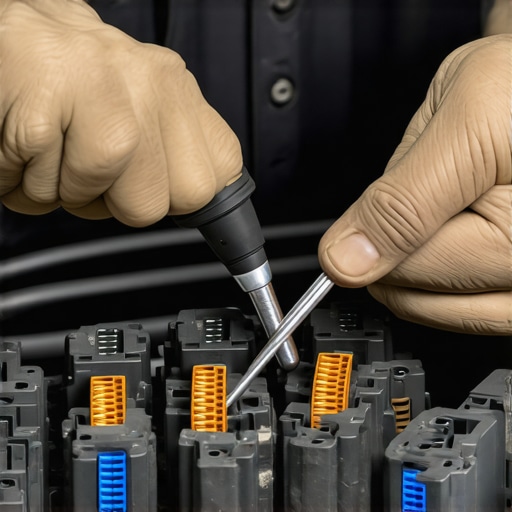 Many car enthusiasts and even seasoned technicians fall prey to misconceptions that can lead to costly mistakes. One common myth is that a quick oil change or brake service is all that’s needed to keep a vehicle running smoothly, but in reality, neglecting the nuances of diagnostics can cause hidden issues to worsen over time. For example, some believe that clearing error codes resets the system, effectively hiding problems rather than fixing them. However, experts warn that this approach often delays necessary repairs, leading to more severe damage down the line.
Why do some mechanics overlook the significance of subtle diagnostics signals?
This oversight often stems from a focus on immediate fixes rather than understanding the underlying causes. Advanced diagnostics tools, like the latest AI scanners, are designed to detect even the tiniest anomalies, saving technicians from overlooking critical signs. Ignoring these nuances can result in misdiagnosing a rattling GDI engine as a simple wear issue, while the root cause might be a clogged intake needing a thorough cleaning. Staying ahead requires not just familiarity with basic maintenance but a deep understanding of the vehicle’s intricate systems. Many practitioners make the mistake of relying solely on generic fix-its and overlook the importance of tailored calibration procedures, which are vital for modern vehicles, especially hybrid models. For instance, failing to properly calibrate brake-by-wire systems post-repair can cause pulsations, a common issue many jump to replace parts for when a simple software recalibration would suffice. It’s crucial to recognize that diagnostic tools are not infallible—they work best when used with a nuanced understanding and proper calibration procedures. Moreover, many overlook that the vehicle’s electrical system plays a significant role in diagnostics accuracy; voltage irregularities can cause false readings or missed fault codes, especially in high-tech models. Regularly testing the vehicle’s electrical health before diving into diagnostics ensures more reliable results. In the realm of oil changes, a common misconception is that using the highest-priced synthetic oil guarantees engine longevity. While quality oils are essential, the real trick lies in choosing oil compatible with your specific engine type and driving conditions, such as high-temperature hybrid engines prone to sludge formation if the wrong oil is used. Reading expert advice, like these oil brand insights, can save your engine from premature wear. Lastly, you should watch out for the trap of underestimating the importance of regular calibration and software updates. Modern vehicle systems are constantly evolving, and neglecting updates can cause your diagnostics to miss critical issues or provide false positives. For example, a vehicle with a faulty high-pressure cold start system may trigger false alarms if expert calibration procedures are not followed, leading to unnecessary repairs. Ultimately, mastering these nuances turns traditional repairs into precision interventions, ensuring long-term vehicle health. Have you ever fallen into this trap? Let me know in the comments.
Invest in Quality Diagnostic Equipment
Personally, I rely on the 2026 OBD-5 scanner equipped with enhanced data stability features. Its advanced architecture reduces data drops during lengthy diagnostics, especially when working on hybrid systems prone to electrical noise. The key is to choose a scanner that not only provides comprehensive fault code reading but also integrates reliable connection protocols, such as dual-band Wi-Fi and Bluetooth 5.0, ensuring your diagnostics stay steady over time.
Utilize Proper Software Updates and Calibration Tools
I cannot stress enough the importance of keeping your diagnostic tools updated. Firmware updates, which often include bug fixes for connectivity issues, can prevent many anomalies like the missed hybrid battery flaws. Personally, I schedule bi-annual updates using manufacturer-provided apps, which also include calibration utilities. For example, calibrating brake-by-wire systems after any service, following the recommendations at this guide, ensures accurate pedal feels and prevents pulsing issues.
The Long-Term Benefits of Regular Maintenance
Consistent, proactive maintenance extends the lifespan of your diagnostic tools and vehicle systems alike. For instance, regular cleaning of port connectors with electronic contact cleaner prevents corrosion, which is a common cause of intermittent signals. Also, monitoring vehicle electrical health with a multimeter—checking for voltage fluctuations—can help you catch issues before they cause diagnostic errors or component failures.
Future Trends in Auto Diagnostics and Maintenance
As vehicles continue to evolve with more integrated electronics, the importance of sophisticated tools will only grow. Next-generation diagnostics will likely incorporate AI-powered analysis, like the latest AI scanners, to detect subtle mechanical anomalies that even human eyes might miss. To prepare, I recommend dedicating time to learn these new tools and software updates—investing now pays dividends in accuracy and efficiency down the line.
How do I keep my diagnostic system and vehicle healthy over time?
Start by routinely updating your diagnostic tools, calibrating sensors following manufacturer protocols, and maintaining clean, secure connections. For example, periodically checking your scanner’s firmware and recalibrating your brake systems with the latest software fixes reduces the chance of lag or false readings, such as those caused by high-pressure cold starts. Implementing these practices will solidify your troubleshooting reliability, making repairs faster and more accurate. As a next step, try the calibration method outlined in this guide today to see immediate improvements in your brake system diagnostics.
Lesson From the Trenches: Never Underestimate a Loose Connection
One of the sharpest lessons I’ve learned is that even a tiny wobble in a cable or a dusty port can cause major headaches during diagnostics. Ensuring tight connections and clean contacts isn’t just maintenance—it’s a safeguard against elusive glitches that can derail your entire process. Over time, I’ve realized that meticulous connection checks save hours of troubleshooting and prevent overlooked faults.
Why Firmware Updates Are the Secret Sauce for Reliability
It’s easy to dismiss software updates, but they often contain crucial fixes that bolster connection stability. Investing a few minutes bi-annually to keep your scanner’s firmware current ensures compatibility and guards against common disconnects, especially when working with complex vehicle systems. Trust me—staying updated transforms a stubborn scanner into a dependable diagnostic partner.
Power Stability Boosts Data Confidence
Think of your scanner as a sensitive instrument—unstable power sources can be its undoing. Using dedicated, high-quality power supplies or ensuring your vehicle’s battery is in top shape minimizes voltage fluctuations that cause data drops. My own experience with a steady power setup has crystallized how critical this step is before diving into deep diagnostics.
Experiment with Reducing Electromagnetic Clutter
Interference from wireless devices or fluorescent lights can insidiously corrupt data links. Positioning your scanner away from high-current components and electromagnetic sources makes a surprising difference in connection steadiness. I often move my equipment to a quieter corner of the garage to avoid static, and the improvement is immediate and noticeable.
Embrace Continuous Calibration for Long-Term Precision
Hardware calibration isn’t a one-time fix—it’s an ongoing process that maintains your scanner’s sensitivity. Regular calibration, especially after firmware updates or repairs, keeps data transmission crisp. This discipline has helped me catch subtle issues early, preventing costly misdiagnoses and ensuring every diagnostic session hits the mark.
More Details