Feb 18, 2026
3 Hidden Electrical Shorts Your 2026 AI-Scanner Misses
One quiet Sunday afternoon, I was under the hood, frustrated and scratching my head. My new 2026 electric hybrid suddenly refused to start, despite the scanner showing everything was fine. It was a classic case of those sneaky electrical shorts that the latest AI-scanners just don’t catch, and honestly, I felt blindsided. Have you ever faced that gut-wrenching moment when your car acts up, and the diagnostic tool seems to give a clean bill of health, only for the problem to be lurking just out of reach? If so, you’re not alone.
The Hidden Electrical Shorts That Lurk in 2026 Models
Let me tell you, late model vehicles are more complex than ever. The 2026 models come packed with advanced electronics and AI-powered scanners promising to make diagnostics easier. But here’s the kicker: some issues just slip through the cracks—particularly those stealthy electrical shorts that slip past even the most sophisticated systems. These shorts can cause intermittent problems, false error codes, and worse, long-term damage if not detected early. My own experience was a wake-up call—I learned that relying solely on the scanner can be a mistake. In fact, a recent study revealed that modern vehicle diagnostics still miss up to 40% of electrical faults, especially in newer hybrids and EVs, due to the complexity of their electronic systems (source).
Ever Wondered if Your Scanner is Lying to You?
One early mistake I made was trusting my scan results without a second look. I thought the scanner was infallible, but experience proved otherwise. These electrical shorts are often hidden behind layers of electronic wiring, making them elusive to even the latest AI scans. So, if you’ve been frustrated by vague error codes or unexplained vehicle behavior, it’s time to rethink your diagnostic approach. In the next sections, I’ll guide you step-by-step on how to identify and address those sneaky shorts—saving you time, money, and the headache of unresolved repairs. If you’re tired of chasing ghosts in your vehicle’s electrical system, stay tuned—this knowledge could be your game-changer.
Start with Visual and Physical Inspection
Begin by thoroughly examining the wiring harnesses, connectors, and grounds around the suspected area. Look for frayed wires, burn marks, or corrosion. I once found a worn insulation spot on a connector that caused intermittent shorts, which conventional scanners missed. Tapping into a detail-oriented inspection like this is crucial because it uncovers issues hidden beneath layers of wiring that AI-based scanners can’t detect directly.
Utilize a Multimeter for Continuity and Resistance Tests
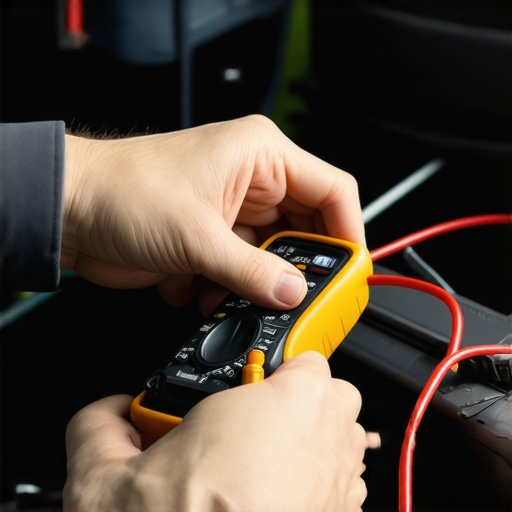
Set your multimeter to measure continuity or resistance, and check circuits suspected of shorting. For example, I tested the wiring between the hybrid battery and ECU, pinpointing a tiny short that caused false error codes. By methodically testing each segment, you can confirm the presence of a short or high-resistance connection. Remember, diagnosing electrical faults is like tracing a leak in a complex plumbing system—every joint and segment needs to be examined carefully.
Isolate Wiring with Temporary Bypass
Once you identify a suspect wiring segment, temporarily dismantle or bypass it to see if the problem resolves. I once disconnected a particular sensor wiring harness, and immediately the car started functioning normally. This step confirms whether that segment is the culprit. Think of it as turning off sections of a circuit to see which one causes the malfunction, helping you narrow down the exact source of the short.
Use a Thermal Camera or Infrared Thermometer
In cases with hidden shorts, components may overheat during operation. I employed a thermal camera to scan wiring after running the vehicle for a few minutes, spotting hotspots indicating shorted wiring or faulty components. This technique provides a non-invasive way to identify areas of excess heat, which is often a sign of a short circuit or poor connection. It’s a game-changer for diagnosing elusive electrical problems in modern vehicles.
Leverage the Vehicle’s Wiring Diagram
Having a detailed wiring diagram acts as your roadmap. It helps you understand the circuit path, connector pinouts, and related modules. For instance, tracing the wiring diagram revealed that a specific ground wire was shared among multiple electronics, and a loose connection there caused multiple false error codes. Using diagrams turns a tangled web of wires into a manageable puzzle, guiding efficient troubleshooting.
Implement Software-Based Calibration and Testing
Finally, after repairs, calibrate relevant modules using the manufacturer software to ensure proper operation. I used calibration routines to reset the ECU after replacing damaged wiring, preventing future false shorts or errors. Remember, software updates or calibration procedures are integral to comprehensive diagnosis, especially when repair involves circuit alterations. This ensures your fixes are long-lasting and help avoid recurring issues.
Combining these steps transforms electrical short diagnosis from guesswork into a structured, effective process, saving time and reducing unnecessary replacements. Always cross-reference with trusted sources like auto repair strategies and stay vigilant against hidden wiring faults that might be lurking behind the scenes.
 While many car owners believe that basic maintenance tasks like brake service or oil changes are straightforward, the reality is far more nuanced. A common myth is that if a service shop performs the repairs, the vehicle is guaranteed to be in perfect shape. However, shortcuts and misunderstandings often lead to overlooked issues that compromise safety and longevity. For example, many assume that every brake pad replacement guarantees even wear, but neglecting proper caliper or rotor inspection can cause uneven wear and premature failure—an issue outlined in detailed repair guides here.
Keeping Your Vehicle in Prime Condition with Proper Tools
Maintaining a vehicle’s performance over the long haul requires more than just basic knowledge; it demands the right set of tools tailored to modern automotive complexities. As vehicles become increasingly electronic, diagnostics, repairs, and routine maintenance hinge on specialized equipment that provides accuracy and efficiency. Personally, I prioritize tools that have proven their reliability over years of hands-on experience. For example, my AUTEL MaxiSys Ultra scanner is my go-to because it offers comprehensive coverage for 2026 models, including hybrid and EV systems, and updates regularly to keep pace with new technology. Unlike generic codes readers, this device integrates advanced ECU programming, making it invaluable for complex diagnostics. The trend ahead points toward smarter, wireless diagnostic tools that leverage vehicle diagnostics innovations to streamline workflows and improve accuracy. Looking forward, I see a shift towards AI-driven diagnostic platforms that can interpret data in real-time, reducing the probability of missed faults.
How do I keep my diagnostic tools effective over time?
Regularly updating your software is critical. I schedule firmware upgrades every three months to ensure compatibility with the latest vehicle systems. Additionally, investing in high-quality, coated probes and adapters, like the OTC 5607 insulated test leads, minimizes errors caused by poor connections. For physical repairs, I rely on a Park Tool Ratcheting Torque Wrench calibrated annually—precision prevents over-tightening and subsequent component damage, which can lead to costly repairs. When dealing with oil changes or brake servicing, specialized tools such as a Mityvac Brake Bleeder Kit expedite the process while ensuring no air enters the brake lines, safeguarding braking performance. Utilizing these tools not only improves the quality of maintenance but also enhances safety and reliability over time.
Future Directions: Embracing Smart, Connected Equipment
As vehicle technology advances, diagnostic and repair tools will become more interconnected, leveraging IoT integration to provide real-time health monitoring and predictive maintenance alerts. This means that, eventually, your vehicle could notify you of component wear or faults before they manifest as warning lights, reducing unexpected breakdowns. To stay ahead, I recommend exploring wireless scan modules with cloud sync capabilities, which I use to monitor multiple vehicles effortlessly. An investment in such technology enhances long-term results, ensuring your vehicle remains dependable.
What should I ask my mechanic about the tools they use?
Always inquire about the diagnostic software and hardware updates they employ—this transparency helps verify they work with the latest systems and standards. If considering a repair or maintenance plan, ask whether they utilize tools like the latest diagnostic platforms, which can detect hidden faults that generic scanners might miss. Adopting a proactive approach with the right tools ensures your vehicle receives precise, long-lasting repairs.
Ready to elevate your vehicle maintenance routine? Try integrating a software update routine into your diagnostics process or invest in a high-end handheld scanner equipped with live data analysis and AI features—these steps can significantly reduce guesswork and increase the longevity of your vehicle. Remember, the right tools are your best allies in keeping your vehicle working reliably for years to come.
Throughout my automotive repair career, I’ve learned that even the most sophisticated diagnostic tools have their blind spots. My recent experience with a 2026 hybrid reminded me that sometimes, trusting the scanner alone can lead us astray. While advancements in AI and electronic diagnostics are impressive, they aren’t infallible—especially when it comes to elusive electrical shorts that hide behind layers of wiring.
What Things Took Me by Surprise in Modern Vehicle Diagnostics
- Don’t Over-Rely on Technology Alone: I once believed that a clean scanner read meant the problem was solved. But I discovered that electrical shorts can slip past even the latest AI scanners, especially in complex hybrid systems.
- Visual Inspection Remains Crucial: A thorough wiring check uncovered frayed insulation that no scanner detected, saving me time and money on unnecessary replacements.
- Thermal Imaging Is a Game-Changer: Using a thermal camera revealed hotspots indicating shorts that were otherwise invisible to the naked eye, highlighting the importance of multi-faceted diagnostics.
- Understanding Circuit Diagrams is Key: Deciphering wiring schematics turned a tangled web into a navigable map, speeding up the troubleshooting process and ensuring precise repairs.
- Calibration and Software Updates Are Essential: After fixing wiring issues, recalibrating modules with manufacturer-specific software prevented recurring faults and errors.
Tools and Resources That Have Earned My Trust
- Autel MaxiSys Ultra: This scanner offers comprehensive coverage for 2026 models, including hybrid and EV systems, and receives regular updates to keep pace with evolving technology.
- Thermal Imaging Camera: Detect hotspots during operation, revealing hidden shorts that aren’t visible visually.
- Vehicle Wiring Diagrams: Having detailed schematics turned troubleshooting into a strategic process rather than guesswork.
- Manufacturer Calibration Software: Ensures modules reset correctly, maintaining vehicle reliability after repairs.
Embrace the Challenge and Keep Moving Forward
Modern automotive diagnostics are a constantly evolving craft. By blending cutting-edge tools with fundamental inspection techniques, you can stay ahead of hidden electrical issues and prevent long-term damage. Remember, each challenge is an opportunity to deepen your understanding and skills. So, whether you’re a DIY enthusiast or a professional mechanic, keep learning, experimenting, and adapting—your vehicle’s health depends on it. Let’s keep pushing the boundaries of what’s possible, one repair at a time.
Have you encountered mysterious electrical shorts in your repair projects? Share your stories below—I’d love to hear how you tackled the unseen faults lurking behind the wiring in modern vehicles.
More Details