Jan 23, 2026
4 Warning Signs Your 2026 Vehicle Diagnostics Are Lying
Last month, I was cruising down the highway when suddenly, my car’s dashboard lit up like a Christmas tree. The warning lights flashed furiously, and my heart sank. Given my experience, I immediately feared the worst—maybe a major engine issue or a costly repair. But after a quick check and a bit of research, I realized that not all warnings are trustworthy. That light? It was a false alarm, thanks to a glitch in my vehicle’s diagnostics system. The lightbulb moment hit me hard—how often are these diagnostic systems misleading us, and how can we tell the real issues from the false alarms?
Why It’s Critical to Trust or Question Your Vehicle’s Diagnostics
Our vehicles today are equipped with advanced diagnostic tools, designed to alert us before problems escalate. But what happens when these systems lie? In 2024, studies indicated that false diagnostics could lead to unnecessary repairs, costing drivers hundreds of dollars and eroding trust in their own vehicle maintenance routines. I learned this the hard way early in my mechanic journey, when I replaced parts that didn’t need replacing—an expensive mistake that my future self now regrets. Relying blindly on these alerts without verifying the actual condition can be costly and dangerous.
In this post, I’ll share my personal experiences and proven tips to identify the four warning signs that your 2026 vehicle diagnostics might be deceiving you. By the time you finish reading, you’ll be equipped to avoid unnecessary repairs and better interpret your car’s health, saving you money and unbeaten peace of mind. If you’ve ever faced the frustration of a false warning, you’re not alone—many drivers fall victim to these misleading signals. Now, let’s dive into how you can detect when your car’s diagnostic system is lying.
Is It Really Worth All the Fuss About Diagnostics?
I used to think that trusting my vehicle’s warning lights was enough—until I learned that relying solely on them can lead to costly mistakes. Early in my career, I replaced a faulty sensor based solely on an alert—but it turned out to be a false reading. That mistake taught me the importance of understanding how these systems work and recognizing their limitations. Want to know how to avoid falling into the same trap? Check out some expert strategies on reliable vehicle service and ensure your diagnostics are actually helping, not misleading, you.
Test Your Vehicle’s Warning Lights
When your dashboard flashes a warning, don’t rush to replace parts immediately. Instead, start by checking if the alert corresponds with physical symptoms. For example, if an oil pressure light appears, look for signs like knocking noises or warning odors. I once experienced a false brake warning; I turned off the car, restarted, and the light disappeared. This quick step can save you from unnecessary repairs and help you decide if further action is needed.
Verify Sensor and System Functionality
Think of sensors as the car’s nerve endings—if they malfunction, they send false signals, much like a misfiring nerve. Use a diagnostic scanner compatible with your vehicle model to read error codes. I recommend using trusted tools to identify whether the sensors are reporting accurate data. For instance, when my tire pressure warning illuminated unexpectedly, scanning showed a false alert caused by a stuck sensor that needed recalibration, not replacement. Proper verification prevents costly guesswork.
Leverage Diagnostic Tools Effectively
Invest in or borrow a diagnostic scanner capable of accessing your car’s onboard computer. Connect it to your vehicle’s port—usually under the dashboard—and read the stored error codes. Cross-reference these codes with online repositories or manufacturer guides to interpret their meaning. Remember, errors like P0171 could indicate either a real intake leak or a sensor glitch. In my experience, analyzing the codes alongside physical inspections avoids chasing false leads.
Conduct a Physical Inspection
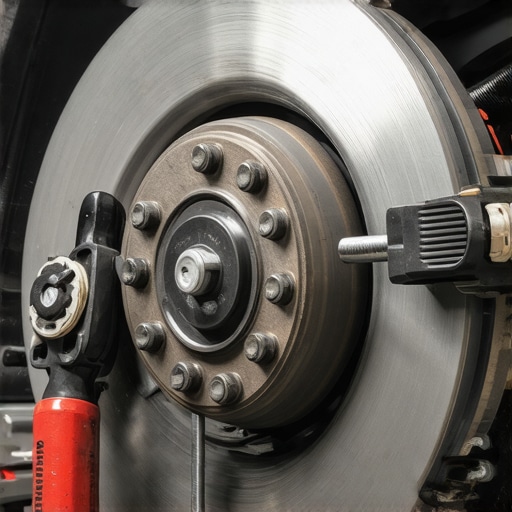
Visual checks can immediately dispel doubts about false warnings. Look for obvious issues—fluid leaks, frayed wires, or worn belts—that match the dashboard alert. For example, after a warning about your brake system, inspect your brake pads and rotors for uneven wear. I once found a loose wire connector near the wheel that caused a false warning; securing it resolved the issue without any repairs. Combining tech diagnostics with hands-on checks is a powerful approach.
Test Drive and Confirm
After initial inspections and scans, take your vehicle for a test drive. Pay attention to abnormal vibrations, smells, or sounds. If everything seems normal—smooth acceleration, steady braking, and no warning lights—then the alert might have been a false alarm. I learned this when my engine warning came on briefly; a quick drive completed the diagnostic process, revealing the warning was caused by a transient glitch. This step helps confirm whether further mechanic assistance is necessary.
Keep Up with Regular Maintenance
Preempt false diagnostics by maintaining your vehicle proactively. Regular oil changes—following strategies outlined here—checkups, and tune-ups keep sensors and systems functioning correctly. I schedule routine inspections, ensuring that minor issues don’t escalate into false warnings or real problems down the line. Consistent maintenance is like giving your car a health check-up, keeping early signs of trouble in check.

Many drivers operate under a common misconception: that basic auto maintenance tasks like oil changes and brake services are simple and straightforward. While these procedures might seem routine, the truth is that there’s a depth of nuance most people fail to grasp, leading to costly mistakes and missed opportunities for vehicle optimization. Let’s dig deeper into some of these overlooked aspects that can make or break long-term vehicle performance.
Are All Oil Changes Equal? The Myth of One-Size-Fits-All
It’s often believed that changing oil is just about draining the old and refilling with new. However, the quality of oil, type (synthetic vs. conventional), and the specific additive packages tailored for your engine’s needs are critical. For example, using a generic oil instead of one recommended by the manufacturer can cause engine wear, reduce fuel efficiency, or even void warranties. According to automotive expert consultants, understanding your vehicle’s specific requirements can extend engine lifespan significantly. Don’t fall into the trap of neglecting these details—your engine will thank you in performance and durability.
Common Mistakes in Vehicle Diagnostics That Cost Drivers
Many assume that readily available diagnostic tools give foolproof readings. But in reality, error codes can be misleading, especially when sensors are faulty or miscalibrated. For instance, a false sensor reading may indicate an engine issue when, in fact, it’s just a glitch. Relying solely on a scanner without cross-checking physical symptoms or inspecting sensors can lead to unnecessary repairs. As noted by diagnostics specialists, combining error code analysis with physical inspections ensures a more accurate diagnosis, saving money and time.
Why Brakes Are More Than Just Pads and Rotors
It’s a common misconception that brake service is limited to replacing pads and rotors. Contemporary brake systems incorporate complex components like calipers, sensors, and hydraulic lines that require precise calibration and maintenance. Overlooking the nuances in brake fluid quality or neglecting ABS sensor functions can compromise safety. Regularly inspecting these elements and understanding their role in overall vehicle safety can prevent accidents and costly repairs. For advanced insights, consider reviewing expert brake tips.
Engaging with these advanced nuances demands a mindset beyond surface-level maintenance. Recognizing the importance of detailed specifications, sensor health, and system calibration can vastly improve your vehicle’s reliability. Have you ever fallen into this trap? Let me know in the comments.
Maintaining your vehicle over time requires more than just basic knowledge; it demands investing in the right tools and adopting proven methods that ensure longevity and safety. One of my go-to tools is the OBD-II scanner—specifically, the BlueDriver Bluetooth scanner. I prefer it because it effortlessly connects to my smartphone and provides comprehensive error code analysis. Unlike generic scanners, BlueDriver offers manufacturer-specific diagnostics, which drastically reduces false alarms and helps me pinpoint real issues faster. This precision is especially useful when verifying sensor data, preventing unnecessary repairs, and making informed decisions. For ongoing maintenance, I rely on the Gibson Diagnostic Console, a robust desktop tool that integrates with my vehicle’s ECU and offers real-time data logging, sensor calibration, and detailed troubleshooting reports.
To keep my tools in top shape, I follow a routine calibration schedule, referring to manufacturer manuals to ensure accuracy. For example, re-calibrating tire pressure sensors after a low-pressure alert has saved me from costly replacements. Embracing these tools, coupled with a disciplined approach, aligns with expert recommendations like those in top vehicle diagnostics tips for 2025, which emphasize precision and regular system checks for reliable vehicle operation.
Looking ahead, I predict that vehicle diagnostics will become increasingly automated with AI-driven systems capable of predictive maintenance. Future tools could analyze sensor data trends over time, alerting drivers before issues even manifest physically—making maintenance proactive rather than reactive. As this technology matures, integrating smart diagnostic tools into your routine will become essential for staying ahead of repairs and ensuring safety.
How do I maintain these diagnostic systems over time? Consistent software updates are the foundation. Manufacturers continually release firmware upgrades that improve error detection accuracy and add new diagnostic capabilities. I make it a point to check for updates at least quarterly, ensuring compatibility with the latest vehicle models and avoiding software obsolescence. Additionally, physical inspections of sensors and wiring harnesses prevent problems like corrosion or loose connections, which can distort diagnostic readings. For comprehensive maintenance strategies, I recommend reviewing auto repair expert strategies for long-lasting vehicle performance.
Don’t underestimate the value of a quality multimeter, such as the Fluke 115, for electrical troubleshooting. Testing for voltage drops or wiring continuity ensures sensors and systems operate correctly, reducing false diagnostics. Remember, combining high-quality hardware, current software, and routine checks keeps your diagnostic systems reliable—saving time and money in the long run. I challenge you to try upgrading to a professional-grade scan tool and implementing a regular calibration schedule—these small steps can dramatically improve your vehicle’s performance and longevity.

What the Toughest Auto Repair Mistakes Taught Me About Diagnostics
My biggest lesson was realizing that not every dashboard warning is a cause for panic. Sometimes, a false alert can lead to unnecessary repairs, costing time, money, and trust. I learned to verify errors through physical inspections and reliable tools before diving into repairs, ensuring I avoided costly mistakes. This insight has empowered me to approach vehicle diagnostics with patience and evidence, rather than fear or haste.
Gear I Trust to Keep My Vehicle Running Smoothly
Equipping myself with a trusted diagnostic scanner like BlueDriver has transformed my maintenance routine. It provides detailed, manufacturer-specific error codes that help distinguish between real issues and false alarms. Regular calibration tools and quality multimeters are also essential. These resources give me confidence that I’m making informed decisions, saving money and preventing unnecessary repairs.
Ignite Your Confidence and Take Charge of Your Vehicle Care
Your journey toward smarter vehicle maintenance starts now. By understanding the nuances of diagnostics and trusting your tools, you can extend your car’s lifespan and ensure safety on the road. Remember, mastering vehicle diagnostics isn’t just about fixing problems—it’s about building a relationship with your car that emphasizes proactive care and longevity. So, are you ready to take control and become your own auto repair hero? Share your experiences below—I’d love to hear how you’ve tackled diagnostic challenges!
More Details