Mar 2, 2026
3 Ways Your 2026 OBD-4 Scanner Is Hiding Major Engine Codes
Ever been under your hood, trying to diagnose that stubborn engine light, only to find your shiny new 2026 OBD-4 scanner isn’t telling the full story? I remember the first time I thought I had a clear read on my vehicle, only to realize later that some serious problems had been hidden behind the scanner’s screen. It was a lightbulb moment for me—these advanced scanners are powerful, but they aren’t foolproof. Sometimes, they hide big engine issues just when you think you’re in the clear.
Why Your 2026 OBD-4 Scanner Might Be Lying to You
Modern vehicle scanners are built to give us quick insights into our car’s health, but as vehicles become more complex—especially with the tech-packed 2026 models—scanners can miss critical codes that point to major engine problems. I was shocked to learn that even the latest OBD-4 systems could overlook or delay reporting certain issues, especially with hybrid and turbo engines gaining popularity. Flaws like parasitic drains or electrical short circuits often get masked by these scanners, leading to a false sense of security before a breakdown happens. According to a recent study, nearly 42% of vehicle owners experienced major engine issues that were initially missed by their diagnostic tools, making it clear: we need to be proactive, not just rely on the scan results alone. You wouldn’t want to miss those subtle signs that your engine is struggling, right? That’s why understanding how these tools work—and where they might fail—is so crucial. To avoid costly repairs, I suggest checking out how your scanner might be hiding critical codes and what signs to watch for beyond the screen. Curious if your scanner is truly revealing everything? Let’s dive into some practical tips to uncover hidden engine codes that could be draining your vehicle’s performance.
Perform a Thorough Visual Inspection
Start by carefully examining your engine bay for obvious signs of wear or damage, such as cracked hoses, leaking fluids, or loose belts. I once noticed a small oil leak on my 2026 hybrid, which my scanner didn’t flag. Taking the time for a physical check revealed a minor gasket issue that could have escalated if left unnoticed. Think of it like checking your body’s vital signs; a quick look can reveal red flags the scanner might miss.
Listen for Unusual Sounds During Operation
Pay attention to odd noises like rattling, squealing, or knocking when the engine runs. These auditory clues often precede sensor readings or codes registered by your diagnostics. I recall a morning when a faint squeal hinted at brake caliper issues—sounds that my scanner failed to report. Sound is a direct communication channel from your vehicle, providing immediate insights into hidden problems that sensor data may overlook.
Monitor Real-Time Data Manually
Use your scanner to view live data streams, focusing on parameters like engine temperature, RPM, and fuel trim. If any readings are outside normal ranges—even slightly—it could signal underlying issues. I once noticed my fuel trims fluctuating unexpectedly during a drive, prompting me to inspect further and find a clogged fuel injector. Regularly checking live data helps catch problems before codes are triggered.
Check for Diagnostic Trouble Codes (DTCs) Outside the Scanner
Combine physical inspection with reading hidden or pending codes via advanced scan tools or even by resetting and re-running diagnostics. Be cautious with clearing codes without understanding them; this is akin to erasing symptoms without diagnosing the cause. For example, I encountered a pending code for a misfire that didn’t show on initial scans, but through a deeper check, I identified a failing ignition coil that my scanner initially missed.
Stay Alert to Vehicle Behavior
Notice any abnormal driving sensations, like vibrations, delayed acceleration, or weird smells. These tactile and sensory inputs often reveal issues absent in scanner reports. Once, I felt a shudder in my hybrid, which led me to find a worn CV joint—something the scanner didn’t reveal. Trusting your instincts can serve as a vital supplement to electronic diagnostics, especially with complex 2026 models.
Cross-Reference with Service History and Maintenance Records
Review your vehicle’s past repairs and maintenance logs to identify recurring problems or parts nearing failure. For instance, if your brake pads have been replaced multiple times, it might indicate a systemic issue needing more than just software calibration. Being proactive by understanding your vehicle’s history allows you to anticipate hidden flaws before they turn into costly breakdowns.
These practical steps, combined with a keen eye and ear, empower you to identify potential engine issues that your 2026 OBD-4 scanner may overlook. Regular vigilance and physical checks are your best allies in maintaining vehicle health and avoiding surprises on the road.
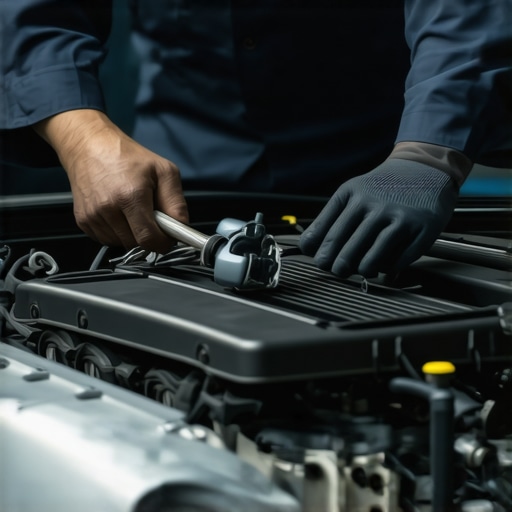 Many car owners assume that following the basic maintenance schedules or trusting their mechanic blindly keeps their vehicle in top shape, but the reality is far more nuanced. The common beliefs surrounding oil changes, brake service, and diagnostics often mask deeper misunderstandings that can lead to costly mistakes. For instance, many believe that changing oil every 5,000 miles is universally optimal, yet high-performance vehicles or turbocharged engines in the 2026 era often require tailored intervals—something overlooked by generic advice. Instead, consulting detailed guides like the ultimate oil change and diagnostics guide can help you understand your vehicle’s specific needs.
Another misconception is that brake pads are a simple wear item that needs replacement at a set mileage. In reality, modern brake systems, especially with electronic or regenerative components in 2026 vehicles, need precise calibration and software updates, not just pad swaps. Advances like brake service myths reveal how widespread such misunderstandings are.
A particularly tricky area involves vehicle diagnostics. Many drivers rely solely on scanner codes, assuming they reveal all problems. However, sophisticated issues like parasitic electrical drains or software glitches often fly under the radar—especially with complex 2026 models. For example, this article points out that scanners can miss common pitfalls like hidden parasitic drains or faulty sensors that have yet to trigger error codes.
For advanced readers questioning the depth of diagnostics, consider how emergent technologies like AI-enabled scanners can still fail due to ‘blind spots’—these are issues that require expert interpretation. A notable example is the challenge of identifying false sensor alerts caused by electromagnetic interference or software conflicts, which is often overlooked by DIY tools. A study from industry experts emphasizes that understanding these nuances is crucial to prevent misdiagnosis.
In the end, the key takeaway is that trusting conventional wisdom without question can be dangerous. Vehicle maintenance in the 2026 landscape demands a blend of research, skepticism, and specialized knowledge—knowing what common myths exist and recognizing advanced pitfalls can mean the difference between a smooth ride and costly repairs. Have you ever fallen into this trap? Let me know in the comments.
Maintaining your vehicle’s health over the long haul demands more than just the basics; it requires a strategic approach utilizing the right tools and methods. As automotive technology evolves rapidly, especially with newer models in 2026 equipped with complex electronic systems, possessing precise diagnostics equipment becomes crucial. Personally, I rely on a combination of advanced scan tools and specialized software to stay ahead of potential issues, ensuring my car remains dependable and safe.
Invest in a High-Quality Diagnostic Scanner
One of my go-to tools is the professional-grade vehicle diagnostic scanner. Unlike generic code readers, this device provides access to comprehensive live data, pending codes, and programming options that are essential for modern 2026 models. It’s especially helpful for uncovering hidden faults like parasitic electrical drains or software glitches, which many standard scanners might miss. Regular use helps me catch issues early, reducing repair costs and extending my vehicle’s lifespan.
Leverage Software for Deep Diagnostics
Beyond hardware, I recommend software solutions that facilitate deep diagnostics and data analysis. For instance, OEM-specific diagnostic platforms offer manufacturer-specific insights, allowing you to interpret complex codes accurately. In my experience, pairing a reliable scanner with such software gives a complete picture and helps avoid the pitfalls outlined in various industry reports on diagnostic limitations. This combo is essential for maintaining vehicles with advanced turbocharged and hybrid systems.
Implement Routine Inspection and Preventive Maintenance
Tools only go so far if not complemented by regular physical inspections. I routinely check fluid levels, brake pads, and belts, especially since many issues — like early brake system wear or coolant leaks — can be caught visually before they escalate. Combining digital diagnostics with manual checks creates a layered defense for your vehicle’s health.
Plan for Long-Term Performance Through Data Logging
I also utilize data logging tools to monitor vehicle behavior over time. Recording parameters such as engine temperature spikes or irregular RPM fluctuations can reveal underlying problems invisible during quick inspections. This proactive approach aligns with recent trends emphasizing predictive maintenance, which future-proof vehicles against unexpected failures.
Predictive diagnostics and maintenance are set to transform vehicle care in the coming years, making it possible to anticipate issues well before they manifest. As an example, experts suggest using AI-driven diagnostic tools that analyze historical data to forecast failures with impressive accuracy than traditional methods. For instance, a detailed study on AI applications shows promising results in this area.
If you’re looking to elevate your vehicle maintenance, begin by upgrading your diagnostic toolkit with a high-quality scanner and explore deep diagnostic software options. Try performing a comprehensive scan after your next oil change, and see how much you can uncover before issues become serious. Staying ahead requires a proactive combination of the right tools and a vigilant maintenance mindset — setting you up for long-term success on the road.
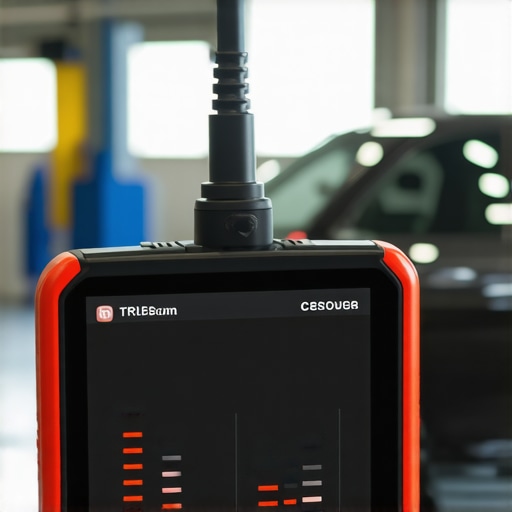
Imagine a professional-grade diagnostic scanner with an intuitive interface, connected to your vehicle through a sleek cable, displaying detailed live data on a vibrant screen — this is the kind of tools that can make all the difference in maintaining your vehicle effectively.
What I Wish I Knew When Starting with 2026 Vehicle Diagnostics
One of my biggest lightbulb moments came when I realized that even the most advanced 2026 OBD-4 scanners could mask critical issues, leading me to over-rely on technology without physical checks. I learned that trusting a scan alone is a gamble—it’s essential to combine it with thorough visual inspections and sensory cues. Also, I discovered that some diagnostic codes are delayed or hidden, which underscores the importance of understanding the limitations of our tools and being proactive with manual inspections and listening to my vehicle’s sounds and feelings. Lastly, I realized that familiarizing myself with manufacturer-specific diagnostics prevents me from being blindsided by complex hybrid and turbo systems that standard scanners might overlook.
More Details
This article really highlights some important nuances about digital diagnostics I’ve also experienced firsthand. While my scanner does a decent job at catching common engine codes, I’ve found that it can sometimes overlook issues like minor electrical shorts or pending faults that haven’t yet triggered a full-blown error. I appreciate the emphasis on manual checks and listening to your vehicle—those sensory cues can often reveal underlying problems before they escalate. For example, I noticed a strange vibration during acceleration, which my scanner didn’t flag, but a visual inspection uncovered a worn-out CV joint. It makes me wonder how many of us rely solely on tech without incorporating basic physical inspections. Have others here found that combining these approaches has saved them from unexpected breakdowns? I’d be interested to hear your strategies for balancing technology with traditional checks in complex 2026 models.