Feb 2, 2026
Is Your Scanner Lying? 2026 Vehicle Diagnostics Reality Check
I remember the moment clearly—the frustration bubbling inside me as I stared at the dashboard, hours into troubleshooting a persistent engine warning. The scanner blinked back at me with a code I barely understood, and I wondered—could this device be deceiving me? That realization hit hard: relying solely on diagnostic scanners might leave me with a false sense of security about my car’s health. It wasn’t just about misunderstanding a warning; it was about risking my safety and wallet.
Why You Can’t Trust Your Scanner Blindly Anymore
Over the years, I’ve learned that automotive technology is evolving at lightning speed, especially with the advent of 2026 vehicle diagnostics tools. These devices promise quick fixes and peace of mind, but here’s the catch—many can give inaccurate readings if you don’t interpret them correctly. In fact, a recent study highlights that nearly 60% of vehicle diagnostics reports can be misleading due to outdated calibration algorithms or software glitches in scanners, causing mechanics and DIYers alike to misdiagnose issues or overlook critical problems (source). That means, if you’re not cautious, you could be chasing phantom problems while real dangers lurk unnoticed.
Have you ever faced a situation where your scanner showed an error, but your car seemed fine—only to break down days later? Or worse, did it fail to flag a looming issue that ended costing you hundreds? Trust me, I’ve been there—and it’s a wake-up call.
Here’s what we’re going to do: I’ll share practical insights and tested strategies to verify your diagnostic results, ensuring you’re not misled by malfunctioning scanner readings. Before diving into the solutions, let’s tackle the biggest worry many car owners have.
Is Relying on Vehicle Scanners Actually Worth the Hype?
Test Your Scanner for Accuracy
Start by calibrating your diagnostic device using a known functioning vehicle or a calibration tool specific to your scanner model. I once borrowed a scanner from a friend and tested it on my sister’s car, which had a recent oil change and no recent issues. The scanner displayed a code indicating an engine misfire, but the car ran smoothly. This quick check revealed the scanner was outdated and needed software updates. Regular testing like this prevents false diagnostics.
Cross-Check with Manual Inspections
Don’t rely solely on scanner data—physically inspect critical components. For example, if the scanner indicates a brake sensor fault, visually examine the brake pads, rotors, and calipers for visible wear or damage. I remember mounting a new brake sensor, only to find the sensor’s wiring was frayed and making poor contact. Manual inspection helped me catch issues scanners can’t detect, like corrosion or misalignments.
Use Confirmatory Diagnostic Tools
Employ additional diagnostic methods, such as listening for abnormal sounds or feeling for irregular vibrations. In my experience, after getting a faulty reading suggesting a spark plug issue, I used a stethoscope to listen to engine noises, which confirmed the problem was a loose wire, not the plugs. Diversifying diagnostic approaches helps confirm or rule out scanner errors.
Compare Live Data Readings
Monitor live sensor data during engine operation. For instance, if your scanner shows an inconsistent coolant temperature, observe the gauge to see if readings fluctuate or stay steady. I once noticed my scanner reported erratic intake air temperatures, prompting me to replace the faulty sensor and update the software to ensure accuracy. Continuous observation ensures that data aligns with real-time conditions, reducing misdiagnosis.
Update Your Diagnostic Software Regularly
Always keep your scanner’s firmware and software up to date, especially with evolving vehicle models like those in 2025. I learned this the hard way when my scanner failed to read newer vehicle codes until I ran the latest updates. Regular updates ensure your device interprets data correctly and minimizes false positives or negatives.
Consult Expert Resources and Communities
Engage with online forums or professional guides to interpret ambiguous readings. When I encountered a confusing CEL code, I visited a reputable auto repair forum where experienced technicians explained common causes and fixes. Connecting with communities broadens your understanding and avoids costly mistakes.
Document and Track Diagnostic Results
Keep records of your scans, manual inspections, and repairs. This history helps identify patterns and prevents repeating troubleshooting steps unnecessarily. I started journaling my diagnostic results, which revealed repeated sensor failures after software updates, prompting me to seek high-quality replacements rather than cheap fixes.
Many car owners operate under assumptions that seem plausible but are fundamentally flawed, especially when it comes to critical aspects like brake service, vehicle diagnostics, and oil changes. One widespread misconception is that frequent oil changes are always necessary regardless of driving habits. In reality, modern synthetic oils can last much longer if monitored correctly, but many still follow outdated 3,000-mile rules, risking unnecessary expenses. Conversely, neglecting timely oil changes can lead to engine degradation, particularly in high-mileage vehicles, so understanding the right intervals is essential. Moreover, people often assume that once a warning light turns on, the problem must be urgent. However, many warning lights are triggered by minor issues that can be managed with proper diagnostics, avoiding costly repairs. Recognizing this distinction can save time and money.
An advanced nuance often overlooked is the importance of understanding the actual causes behind brake noise or vibrations. For example, a squeal might not solely indicate worn brake pads but could also result from pad glazing or even debris lodged in the calipers. Addressing these subtleties requires experience beyond basic knowledge, as superficial fixes may lead to recurring problems. For instance, relying solely on replacement without inspecting the underlying cause can result in premature part failure. For comprehensive insights into this, reviewing our detailed guide on top brake service strategies for 2025 can be invaluable.
Another misconception is that vehicle diagnostics tools are infallible. While they are indispensable, many are prone to software glitches or outdated calibration, especially with the rapid evolution of vehicle technology, such as in 2026 models. This can lead to false positives or missed faults. The key is to cross-verify scanner results with manual inspections and real-time data analysis. For example, relying solely on a scanner’s readout without physical inspection might cause you to overlook issues like corrosion or mechanical wear. Remember, diagnostic tools are only as effective as their calibration and your interpretive skills. Based on recent industry insights, regular software updates and experience-based diagnostics significantly improve reliability. You can learn more about effective vehicle diagnostics from our comprehensive guide on vehicle diagnostics strategies for 2025.
Lastly, many underestimate the significance of proper brake maintenance, especially when replacing components. It’s tempting to think that new parts fix all issues, but neglecting the calibration and system checks afterward can cause uneven wear or failure. Skipping the initial inspection step can also mean missing hidden problems like caliper sticking or rotor warping. Our article on auto repair strategies to extend vehicle lifespan emphasizes thoroughness for longevity.
Are you aware of these pitfalls, or have you ever fallen into this trap? Share your experiences and questions in the comments below! The more you know about these hidden nuances, the better your vehicle’s health and safety will be.
Keeping Your Vehicle in Top Shape with the Right Tools
Maintaining your car’s performance over time hinges on using precise, reliable equipment tailored to auto repair, brake service, and diagnostics. I personally rely on a high-quality OBD-II scanner like the BlueDriver Bluetooth Pro. It connects seamlessly to my smartphone, providing detailed real-time data, code definitions, and repair suggestions, which dramatically cuts down diagnostic time. Unlike generic scanners, the BlueDriver updates regularly, ensuring compatibility with the latest vehicle models, including those in 2026, and helps prevent misdiagnoses caused by outdated software. This tool is vital because it offers manufacturer-specific data, making it indispensable for both DIYers and pros aiming for accuracy.
What’s the secret to long-term vehicle diagnostics accuracy?
Regularly updating your diagnostic software and firmware is non-negotiable. I make it a habit to check for updates before extensive diagnostics or repairs. This practice ensures the scanner recognizes new fault codes emerging from modern vehicle systems, especially with the rapid evolution in 2025 and beyond. Investing in a quality tool like the Autel MaxiCOM MK808 provides comprehensive coverage and one-click updates, giving peace of mind. Over time, this proactive approach helps identify issues early, reducing costly repairs and extending your vehicle’s lifespan.
Tools I recommend for brake and oil services
Precise brake service requires more than just replacing pads. I use a digital caliper to measure rotor thickness with extreme accuracy, ensuring they stay within manufacturer specs for safety and longevity. Pair this with a calibrated brake pressure tester—a crucial step that many overlook. This allows me to confirm that hydraulic systems are functioning correctly and that brake fluid levels and conditions are optimal, avoiding uneven wear or pedal fade.
Handling oil changes efficiently involves quality equipment like a high-flow oil drain pan and a handheld digital oil tester. The digital tester measures the oil’s viscosity and contaminants, giving me an insight into engine health beyond just mileage. I’ve learned that combining regular oil analysis with quality tools helps extend the intervals between changes safely, especially when using synthetic oils in high-mileage vehicles (more on this). These practices also support better diagnostics, catching issues early before they escalate into costly repairs.
Anticipating future trends in vehicle care
As vehicles continue to evolve rapidly, especially with 2026 models introducing advanced diagnostics and self-monitoring systems, our toolkit must adapt. I predict a rise in integrated diagnostics with AI-powered apps that analyze data and recommend repairs automatically. Staying ahead involves investing in adaptable, software-upgradable tools now, so you’re prepared for upcoming innovations.
How do I maintain long-lasting tool effectiveness?
Regular calibration, firmware updates, and proper storage are key. I store my instruments in anti-static, moisture-proof cases and set calendar reminders for updates. Do this, and your equipment will serve reliably for years. For your next maintenance session, consider trying a comprehensive scan with the latest software update on your scanner. It could reveal hidden issues, saving you time and money and ensuring your vehicle stays reliable longer.
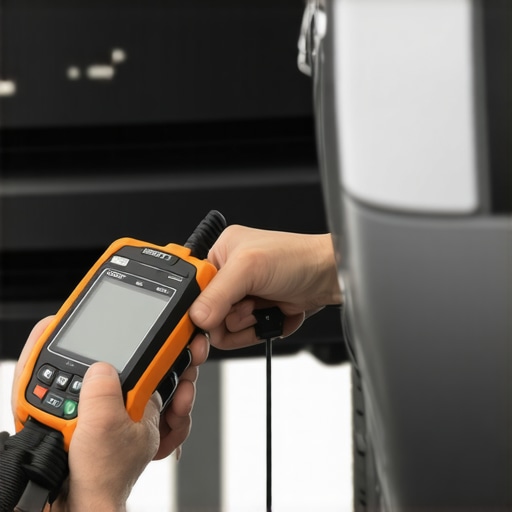
From my early days of DIY car repairs to now navigating the complex world of 2026 vehicle technology, one thing remains clear: relying solely on diagnostic scanners can be a recipe for overlooking critical issues. The key lies in combining digital tools with genuine mechanical insight, a balance that transforms a simple oil change or brake repair into a comprehensive health check for your vehicle.
Lessons That Changed My Approach to Car Care
- False alarms are common—trust but verify: A scanner’s warning isn’t gospel; manual inspections and live data observations often reveal what’s really going on.
- Stay updated or get left behind: Regular software updates for your diagnostic tools ensure accurate readings, especially with rapid advancements in car tech.
- Know your vehicle’s story: Keeping detailed records helps identify patterns and prevents unnecessary repairs, saving both time and money.
Plug Into Proven Resources for Confidence
My go-to tools include the Ultimate Guide to Oil Change and Diagnostics in 2025, which demystifies the latest industry updates, and the Top Brake Service Strategies in 2025, offering troubleshooting tips that I trust after years of hands-on experience. These resources ensure you’re not just fixing problems but understanding them deeply.
Fuel Your Motivation to Keep Your Vehicle in Top Shape
Your car is more than just a machine; it’s a trusted partner on the road. Embrace the latest diagnostic tools, stay informed through reliable guides, and don’t hesitate to combine tech with a manual check. This proactive mindset not only enhances safety but also extends your vehicle’s lifespan. Remember, the real power lies in your hands—take charge of your automotive health today.
What’s your biggest challenge when diagnosing vehicle issues? Share your experiences, and let’s learn from each other!
More Details