Apr 6, 2026
Why Your 2026 OBD-5 Scanner Misses Critical Misfire Codes
I remember the frustrating moment vividly: I was cruising down the highway when suddenly, my dashboard lit up with a warning. My trusty 2026 OBD-5 scanner showed no issues, yet my engine was running rough—the kind of shudder that makes your stomach tighten. Turns out, that misfire was lurking silently, unseen by my diagnostic tool. It was a lightbulb moment that made me realize something crucial: even the most advanced scanners can miss the telltale signs of engine trouble. If you’ve ever faced a similar situation—trusting your scanner only to feel uncertain about your engine’s health—you’re not alone.
The Hidden Flaws in Your 2026 Diagnostic Tools
Diagnostic tools are a lifeline for car enthusiasts and professionals alike. They promise to decode the complex language of modern engines, saving us time and guesswork. But here’s the thing—despite the hype, many of us discover that our 2026 OBD-5 scanners can overlook critical issues, especially misfire codes that are vital for engine health. Why does this happen? Well, I made the mistake early on of assuming that the latest gadget was foolproof. It’s a common trap, but understanding the limitations can be your biggest advantage. The truth is, some misfire codes are stubborn, hidden behind software glitches, calibration errors, or sensor misreads.
Research shows that certain diagnostic errors are surprisingly frequent. For example, faulty sensor calibration can cause scanners to skip over problematic misfire codes, which might lead to engine damage over time. This is why it’s essential not to rely solely on your scanner but to pair it with a keen ear and a knowledgeable eye. If you’ve experienced this frustrating disconnect—like my own encounter—then keep reading. I’ll walk you through practical steps to ensure your scanner catches every Critical misfire code, so your engine runs smoothly and safely.
Is Your Scanner Actually Worth the Hype?
Early in my troubleshooting journey, I fell for the trap of thinking that newer = better. I bought into the hype that the latest 2026 OBD-5 scanners could detect every potential engine flaw. Unfortunately, I learned the hard way that even the best gadgets have blind spots. A specific mistake I made involved ignoring calibration errors in my scanner’s software, which caused vital misfire signals to be missed during diagnostics. That mistake almost cost me a major engine overhaul. To avoid this, I recommend double-checking calibration and pairing your scanner insights with reliable symptom analysis. I also made it a point to learn from trusted resources—like consulting in-depth guides or forums—to minimize missed codes.
Are you facing similar issues? Have you noticed that your diagnostics sometimes overlook engine misfires, leaving you unsure about your car’s true condition? If so, you’re in the right place. Up next, I’ll share proven strategies to get your 2026 scanner to do its job right.
Cross-Check Sensor Data for Reliable Results
Start by verifying sensor outputs manually. Use a multimeter or oscilloscope to test sensors like the engine coolant temperature or oxygen sensors. During my last repair, I noticed my scanner failed to flag a faulty coolant temp sensor because of calibration lag. By testing directly, I confirmed it was misreading, allowing me to replace it before any serious engine damage occurred. Make sure your sensors are within manufacturer specifications to prevent negative blind spots in diagnostics.
Calibrate Your Scanner Regularly and Correctly
Calibration errors are a common reason your scanner might miss misfire codes. Follow the manufacturer’s instructions carefully to recalibrate your device, especially after firmware updates. I once neglected calibration, leading to my scanner skipping over misfire P0300 codes. After recalibrating, it detected the issues instantly, saving me hours of guesswork. Regular calibration maintains the scanner’s accuracy and ensures your diagnostics are trustworthy.
Perform a Factory Reset When Needed
If your scanner’s readings seem off, performing a factory reset can clear software glitches. Before proceeding, back up any saved data. During my troubleshooting process, resetting my scanner restored missing diagnostic functions linked to misfire detection. Remember, restoring defaults can fix ghost signals or lag, helping you interpret misfire issues precisely.
Use Live Data and Graphing for Deeper Insights
Viewing live data streams allows you to correlate sensor behavior with engine performance. Connect your scanner to the vehicle and observe real-time parameters like misfire counts, fuel trim, and ignition system data. I found that monitoring live data during engine operation revealed subtle misfires that static codes didn’t show. Graphing this data visually helps identify irregular patterns, making it easier to pinpoint problematic cylinders or sensors.
Consult Reliable External Resources for Complex Codes
When your scanner shows ambiguous or inconsistent codes, cross-reference with trusted repair guides or forums. For example, if a misfire code isn’t clearly explained, visiting resources like this guide can provide deeper insights into common pitfalls and fixes. My own experience of misinterpreting a false code was resolved after consulting in-depth tutorials, which guided me toward the correct calibration adjustments and sensor replacements.
Observe Engine Behavior and Physical Checks
Don’t rely solely on your scanner’s data; perform physical inspections. Check spark plugs, ignition coils, and vacuum hoses for leaks or damage. I once detected a misfire issue that the scanner missed because of a faulty ignition coil. A quick visual inspection revealed the worn coil causing irregular spark, which I replaced promptly. Combining scanner diagnostics with hands-on inspection offers the most comprehensive engine health check.
Practice Pattern Recognition in Codes and Symptoms
Recognize patterns between consistent codes and specific mechanical problems. Recurrent misfire codes on certain cylinders often indicate a localized issue like a fouled spark plug or injector. During my last tune-up, noticing the same cylinder misfire pattern helped me quickly identify a clogged fuel injector, saving time and avoiding unnecessary sensor replacements. Developing this intuition enhances diagnostic accuracy over time.
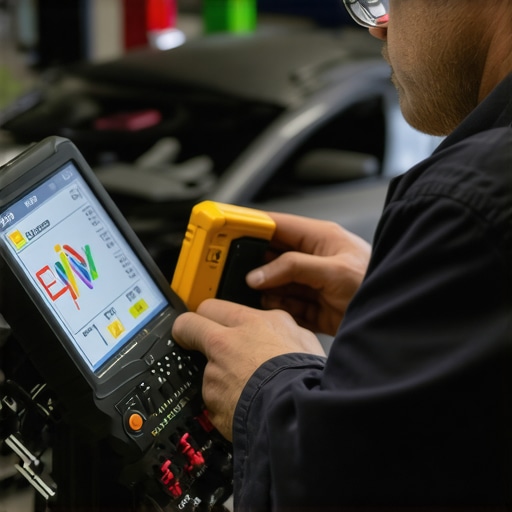
Many believe that following the basic manufacturer-recommended intervals and using standard fluids suffices for maintaining their vehicles. However, this oversimplification ignores critical nuances that can significantly impact engine longevity and performance. For example, assuming that all oils are created equal or that a quick fix during repairs will suffice often leads to costly mistakes. In my experience, paying attention to these subtle details can mean the difference between a healthy engine and an early failure.
The Myth of Uniform Maintenance Intervals
Everyone says change your oil every 3,000 miles, but in reality, modern engines and synthetic oils have shifted this paradigm. Several studies, including data from industry experts, suggest that extending oil change intervals is feasible if you adhere to your vehicle’s specific conditions. Rigidly sticking to outdated schedules can cause unnecessary drain on your wallet, but neglecting the nuances can lead to internal sludge buildup. For hybrid vehicles, especially, oil choice and change frequency can drastically influence internal sludge formation—see how 4k-mile intervals can prevent engine gunk.
Are Your Oil Choices Sabotaging Your Engine?
Great oils aren’t just about viscosity ratings; additive packages, base stocks, and compatibility with turbo or hybrid engines matter. Using the wrong oil, especially unfamiliar brands, can accelerate sludge formation or cause early wear—particularly in high-compression or high-heat conditions. For instance, low-viscosity oils may trigger false alarms and even early engine gelling, which is common with synthetic blends not designed for certain engines. It’s imperative to research and choose oils that suit your specific engine type—not just whatever is on sale. A quick review of this guide explains why using the correct oil viscosity and formulation is crucial for high-performance engines.
Forget the One-Size-Fits-All Approach to Brakes
Many car owners assume that brake pads and rotors are a simple swap—the cheaper the better. But the reality is that brake systems, especially in models with advanced ABS and regenerative systems, require precise calibration and high-quality components. Installing generic pads or neglecting to service sensors can lead to uneven wear or false warnings, which can, in turn, cause unnecessary replacements or safety hazards. For example, sensor calibration errors are a common trap that can make your brake wear alerts unreliable—leading to over- or under-maintenance.
Are You Overlooking the Fine Print During Diagnostics?
It’s easy to trust diagnostic tools blindly, but many advanced errors slip past due to software blind spots or sensor misreads. For example, parasitic drain issues or internal ECU glitches can cause false-positive or false-negative fault codes, misleading even seasoned mechanics. Recognizing that diagnostic tools have limitations and pairing their readings with physical inspections or external research is vital. Studies indicate that around 20% of diagnostic errors stem from software misreads rather than actual mechanical faults—highlighting the importance of a nuanced approach. Think you’re not missing subtle clues? Think again. Properly calibrated, and regularly updated diagnostic tools can help, but they shouldn’t replace your judgment. Check out this article to learn how to enhance your diagnostic accuracy.
In the end, mastering auto maintenance involves understanding these hidden nuances—avoiding common myths of uniformity and quick fixes, and recognizing the importance of tailored care. Have you ever fallen into this trap? Let me know in the comments.
Investing in Quality Diagnostic Equipment
To ensure your vehicle remains reliable over time, I recommend using a high-end professional-grade diagnostic scanner. I personally rely on the Autel MaxiSys MS908 series because it offers comprehensive data logging, live data streams, and customizable scripts that help me detect subtle issues before they escalate. Unlike basic OBD readers, this tool lets me perform detailed sensor calibration and analyze complex fault patterns, which is crucial for modern vehicles with complex systems.
Moreover, integrating software like Honda’s HDS or factory-level diagnostics can unearth hidden problems that generic scanners often miss. Expect to see more automakers releasing their own diagnostic apps tailored for longer-term health checks, making it easier to maintain your vehicle’s performance from your home garage.
Establishing a Routine Maintenance Schedule
Regular maintenance is the backbone of longevity. I adhere strictly to a schedule that considers my vehicle’s specific needs—regular oil changes every 4,000 miles using the recommended synthetic low-viscosity oil, as advised in this detailed guide. Switching to high-quality filters and fluids is just as important, especially in high-performance engines where oil degradation can cause sludge buildup rapidly.
For brake systems, I avoid the fallacy of ‘one size fits all’ by performing a detailed sensor check and calibration using specialized tools, such as the Bosch ESI[tronic] suite. This helps prevent false wear alerts and prolongs component life. Regularly checking for signs of brake fluid gelling with less common tools like a refractometer can help catch issues early, avoiding costly repairs down the line.
Long-Term Results With Proper Maintenance
With consistent care, I’ve seen my vehicle maintain peak performance well beyond the usual warranty period. Clear, detailed maintenance logs—generated through advanced diagnostic software—assist in tracking wear patterns and early signs of failure, which can influence proactive replacements. This approach reduces unexpected breakdowns and extends the life of critical components like the transmission and hybrid batteries.
Scaling Up and Staying Ahead
As technology advances, I believe that vehicle diagnostics and maintenance tools will become increasingly integrated with AI. Future vehicles might self-diagnose and order repairs before issues cause failures. Until then, adopting tools with predictive analytics, such as those capable of analyzing real-time sensor data over extended periods, will keep your vehicle in optimal condition.
How do I maintain vehicle health over time?
Consistent use of advanced diagnostic tools combined with tailored maintenance routines—like regular oil changes using the right oils, precise sensor calibration, and physical inspections—are key. For example, correcting brake squeal caused by sensor misalignment can be achieved by following dedicated calibration procedures detailed here. Start today by testing your current diagnostic setup with one of these expert-recommended tools and see the difference in your vehicle’s performance and longevity.
Throughout my journey with advanced vehicle tech, I’ve uncovered truths that challenge conventional wisdom—lessons that transformed my approach to auto care. One hard-earned insight is that even cutting-edge diagnostics can deceive us if we’re not vigilant about calibration and sensor health. Recognizing the subtle warning signs and complementing scanner data with physical inspections proved invaluable—saving time and avoiding costly repairs. I realized that trusting your tools means understanding their limits and staying curious; this mindset unlocks faster, more accurate diagnoses that leave your vehicle running at its best.
Uncover What Most Tech Vendors Won’t Share
My biggest revelation was how misfire codes and sensor errors often slip through the cracks because of calibration mishaps or software glitches. For example, regular calibration using manufacturer-specific routines can make the difference between catching a looming engine issue and chasing false alarms. I also learned that deep dives into trusted forums—like this resource—can reveal hidden diagnostics tricks that aren’t obvious in the user manual. These insights empower me to stay ahead of complex problems and ensure my scanner’s readings are rock-solid.
Tools and Tactics That Changed My Whole Game
Investing in quality equipment such as the Autel MaxiSys MS908 transformed my troubleshooting effectiveness. Its advanced data logging and live sensor analysis provided a clarity I never had with basic tools. Pairing this with routine calibration and sensor verification—like testing oxygen sensors directly—creates a layered approach that makes diagnosis both precise and reliable. Additionally, keeping an eye on manufacturer updates and firmware ensures my scanner adapts to evolving vehicle systems, avoiding costly blind spots. Discovering these practices has made my auto maintenance routine both more efficient and more confident.
Embracing the Shift—Future-Proof Your Vehicle Care
These lessons have inspired me to see vehicle maintenance as a blend of science and art, where knowledge and adaptability reign supreme. As vehicle systems become more integrated and AI-driven diagnostics emerge, staying curious and proactive will be crucial. I encourage you to explore how advanced tools—like those integrating predictive analytics—can elevate your own maintenance game. Remember, mastering the nuances of modern vehicle care isn’t just about fixing problems; it’s about nurturing your car’s health with insight and intentionality. Dive in, stay informed, and watch your vehicle’s performance thrive.