Dec 14, 2025
Best Oil Change & Brake Service Strategies for Safer Driving in 2025
It was a chilly morning when I turned the ignition and heard that unsettling squeal from my brakes—an unmistakable warning that I had ignored routine maintenance for too long. That moment hit me hard, realizing how neglecting simple yet vital car care could jeopardize my safety and that of my loved ones. Since then, I’ve become a firm believer in proactive vehicle maintenance, especially when it comes to oil changes and brake services.
Why Staying Ahead of Maintenance Is a Must in 2025
With the rapid advancement of automotive technology, it’s easy to think that modern cars are foolproof. But the truth is, regular oil changes and brake inspections remain the backbone of vehicle safety and performance. As we head into 2025, experts emphasize that neglecting these basics can lead to costly repairs and, more importantly, dangerous driving conditions.
In fact, according to a recent study, poorly maintained brakes and old engine oil can significantly increase the risk of accidents—something no driver wants to face. Proper maintenance not only extends your vehicle’s lifespan but also ensures that your car responds precisely when you need it most.
Have you ever found yourself in a situation where your brakes felt less responsive or your engine hesitated during acceleration? That’s a clear sign that it’s time to revisit your maintenance schedule. Trust me, ignoring these signs can be a costly mistake.
Is Skipping Routine Maintenance Actually Worth the Risk?
Early in my driving days, I made the mistake of postponing a brake inspection, thinking it was just a minor issue. That oversight nearly led to a collision when my brakes failed unexpectedly. It was a wake-up call. Now, I prioritize regular checkups and follow expert advice on the best strategies for 2025.
To help you avoid the pitfalls I encountered, I’ll guide you through the most effective oil change and brake service techniques that keep your vehicle reliable and safe. For a comprehensive overview, check out this auto repair oil change guide for 2025 that covers everything from selecting the right oil to understanding when it’s time for a change.
Ready to make smarter choices about your car’s maintenance? Let’s dive into practical steps that will keep you safe on the road in 2025 and beyond.
Start with a Solid Inspection Routine
Before diving into oil changes or brake repairs, perform a comprehensive vehicle checkup. Think of this as your car’s health report—just like a doctor checks vital signs. Use an auto diagnostics kit to identify issues early, focusing on fluid levels, brake pad thickness, and tire condition. I remember the time I used a diagnostic scanner and discovered my brake fluid was contaminated, saving me from a potential accident. Regular inspections can catch problems before they escalate, saving money and ensuring safety.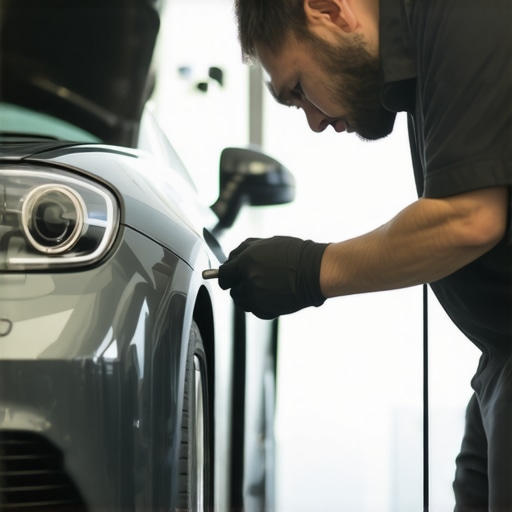
Choose the Right Oil for Your Vehicle
Not all oils are created equal. With so many options available, selecting the proper oil depends on your car’s make, model, and driving habits. For example, synthetic oils offer better stability at high temperatures and longer intervals between changes. I once used a synthetic blend in my older sedan, which improved engine smoothness and extended my oil change interval to 10,000 miles. Consult your vehicle’s manual or visit this guide for tailored advice.
Implement Effective Oil Change Strategies
Establish a Regular Schedule
Set a fixed schedule based on your driving patterns and manufacturer recommendations. For most drivers, this means changing oil every 5,000 to 7,500 miles or every 6 months. I kept a maintenance log and noticed that sticking to this schedule prevented engine sluggishness and reduced repair costs. Use reminders or apps to stay on top of it.
Perform the Change Correctly
When changing oil, ensure the engine is warm to help drain old oil completely. Use a quality oil filter and dispose of used oil responsibly. In my first attempt, I accidentally overfilled the engine because I didn’t measure precisely, which caused minor leaks. Now, I use a funnel and a measuring container for accuracy. For detailed instructions, check this step-by-step guide.
Prioritize Brake System Maintenance
Inspect the Brake Pads and Rotors
Brake components wear out over time. Regular inspections reveal thinning pads or warped rotors that compromise safety. I once ignored squealing brakes until I felt less responsive stopping, which led to a costly rotor replacement. Now, I inspect them every 10,000 miles and replace pads before they get too thin. Use visual checks and listen for unusual noises.
Use Quality Brake Fluids and Replace When Needed
Brake fluid attracts moisture, which can reduce braking effectiveness. Changing it every 2 years or as recommended maintains optimal performance. I learned this the hard way when my brakes felt spongy during a rainy day. Flush the system with fresh fluid following manufacturer specs or professional help. For comprehensive advice, see this brake maintenance guide.
Combine Diagnostics and Routine Checks
Don’t wait for warning lights. Use vehicle diagnostics tools periodically to monitor engine health and brake system status. I use a portable scanner that links to my phone, providing real-time alerts. This proactive approach helps catch issues early, avoiding breakdowns and costly repairs. Explore this diagnostics strategy for more insights.
Keep Records and Stick to a Maintenance Calendar
Maintaining detailed records of oil changes, brake inspections, and repairs helps you stay organized. It’s like a health journal for your car. I keep a digital log, which reminds me when to schedule upcoming services. This habit ensures nothing slips through the cracks and keeps your vehicle in top shape for 2025 and beyond.
Many drivers operate under misconceptions that can sabotage their vehicle’s longevity and safety. Let’s dig deeper into some of the most prevalent myths about car maintenance and reveal the hidden nuances that can save you money and prevent accidents.
Why Believing More Oil Always Means Better Engine Health Can Backfire
One common misconception is that adding extra oil or changing it more frequently automatically improves engine performance. In reality, overfilling your engine oil can cause foaming, leading to inadequate lubrication and even engine damage. Modern vehicles are designed with precise oil capacity in mind, and exceeding it can trigger oil leaks or damage seals. Always stick to the manufacturer’s recommended oil type and quantity, which you can find in this auto repair oil change guide for 2025.
Ignoring Brake Wear Until You Hear Squealing Isn’t Safe
Many think that brake pads only need replacement when they squeal loudly. But this can be a dangerous trap. Squealing brakes often indicate worn-out pads, but sometimes, the pads are already dangerously thin, reducing braking efficiency and risking total failure. Regular visual inspections and diagnostic checks can identify issues before they become critical. Relying solely on noise can delay necessary repairs, increasing repair costs and compromising safety. For advanced tips on brake diagnostics, see this comprehensive brake service guide.
Is It Better to Use Synthetic Oil in Older Cars
This question often puzzles experienced drivers. While synthetic oils are generally superior, using them in older, high-mileage engines without proper consideration can sometimes cause leaks or gasket issues. The nuance here is that switching to synthetic should be done gradually, and only after confirming your vehicle’s condition. Consult your manual or a trusted mechanic and consider using a high-mileage synthetic blend if you’re unsure. For tailored advice, visit this guide on oil change strategies for 2025.
Have you ever fallen into this trap? Let me know in the comments. Remember, understanding the hidden nuances of car maintenance is the key to safer, more reliable driving in 2025 and beyond.
Keeping your vehicle in top shape requires more than just routine checkups; it demands the right tools and an understanding of effective maintenance techniques. Over the years, I’ve honed my approach by selecting equipment that offers precision, durability, and ease of use, ensuring my car remains reliable and safe on the road. In this article, I’ll share the tools I personally recommend and how they help me maintain my vehicle efficiently.
My Go-To Diagnostic Devices
One of the most valuable investments I made was a high-quality portable OBD-II scanner. I use the top auto repair diagnostics tips for 2025 suggest that regular diagnostics are essential for catching issues early. My scanner links seamlessly to my smartphone, providing real-time data on engine health, sensor function, and error codes. This proactive approach helps me identify potential problems before they escalate, saving me money and preventing breakdowns. The accuracy and speed of modern diagnostic tools are truly game-changers for DIY maintenance.
Precision Oil Change Equipment
When it comes to oil changes, I rely on a quality oil extractor pump. Unlike traditional draining methods, this pump allows me to remove old oil through the dipstick tube, minimizing mess and ensuring a complete drain. I prefer a pump with a clear measurement gauge so I can precisely control the oil volume. For topping off or refilling, I use a funnel with a fine mesh filter to prevent contaminants from entering the engine. These small but vital tools make the process cleaner and more reliable.
Brake System Maintenance Tools
For brake inspections, I recommend a digital micrometer for measuring rotor thickness and pad wear. I use it to perform precise checks during routine inspections, aligning with the expert advice found in this brake maintenance guide. Additionally, a brake bleeding kit with clear hoses and a vacuum pump simplifies the process of replacing brake fluid, ensuring the system is fully flushed and free of moisture. Investing in these tools has consistently improved my brake performance and safety.
Long-Term Maintenance with Software
Beyond physical tools, I use maintenance scheduling software that syncs with my vehicle’s diagnostic data. This software sends me reminders based on mileage, time, and diagnostic alerts, ensuring I stay ahead of essential services like oil changes and brake fluid replacements. As vehicle technology advances, integrating hardware with smart software will become even more crucial for long-term reliability.
Where Do I See Maintenance Tools Going?
Looking ahead, I predict that AI-powered diagnostic systems and smart repair tools will become standard. Imagine a system that not only detects issues but also recommends specific repair steps or even performs certain diagnostics automatically. Such innovations will make vehicle maintenance more accessible and precise, reducing the need for guesswork and increasing safety on the roads.
How Do I Maintain These Tools Over Time?
Regular calibration and proper storage are key. For electronic devices, I follow the manufacturer’s calibration schedules and keep them in protective cases to prevent damage. Mechanical tools like micrometers and pumps should be cleaned after each use and stored in a dry environment to prevent corrosion. Periodic software updates ensure your diagnostic tools and maintenance apps stay current with the latest vehicle models and diagnostic protocols. This routine care prolongs the lifespan of your tools and maintains their accuracy, ensuring your vehicle stays in prime condition.
Try investing in a quality diagnostic scanner or a precision oil extractor pump this year. These tools can significantly streamline your maintenance process and improve your vehicle’s longevity. Stay ahead of potential issues by combining physical tools with smart software solutions, and you’ll enjoy safer, more reliable driving well into 2025 and beyond.
The Hardest Lesson I Learned About Car Care
One of my biggest surprises was realizing how neglecting small maintenance tasks like oil changes can lead to major safety issues. It’s easy to overlook routine checks, but I learned that proactive care saves money and lives. The moment I skipped a brake inspection and experienced a near-miss, I understood the importance of staying vigilant.
3 Myths About Car Maintenance That Held Me Back
Myth one: More oil always equals better engine health. I used to overfill, thinking it would boost performance, but it caused leaks and damage. Myth two: Ignoring brake squealing is fine. Turns out, squealing is a warning sign, not just noise. Myth three: Synthetic oils are only for new cars. I found that with proper consideration, synthetic oils can extend the life of older engines too.
What Experts Won’t Tell You About Staying Safe in 2025
Many overlook the power of diagnostics tools. Using a quality portable scanner can reveal hidden issues before they become costly repairs. I personally rely on a device that syncs with my phone, providing real-time engine health updates. This tech-savvy approach is transforming how I maintain my vehicle, ensuring safety and reliability.
Curated Recommendations to Elevate Your Car Care
- High-Quality Diagnostic Scanner: My go-to device is a portable OBD-II scanner that links with my smartphone. It’s precise and easy to use, helping me catch issues early. Learn more about selecting the best diagnostic tools here.
- Precision Oil Extraction Pump: This tool makes oil changes cleaner and more efficient, ensuring a complete drain without mess. It’s a game-changer for DIY enthusiasts. Discover more maintenance tools here.
- Brake Inspection Kit: I use a digital micrometer to accurately measure rotor thickness and pad wear. It’s essential for safe braking. Find detailed brake maintenance strategies here.
- Maintenance Software: Managing my service schedule with smart software keeps me ahead of repairs. It sends reminders based on mileage and diagnostic alerts, making maintenance effortless.
Don’t Just Maintain, Innovate Your Approach
Embracing new tools and technology is crucial for vehicle longevity. AI-driven diagnostics and smart repair systems will soon become standard, offering even greater safety and efficiency. Regularly calibrate and care for your tools—this ensures they stay accurate and effective, helping you keep your vehicle in top shape for 2025 and beyond.
Take Control of Your Vehicle’s Future
By learning from my experiences and leveraging advanced tools, you can avoid costly mistakes and enjoy safer driving. Regular maintenance isn’t just a chore; it’s a vital investment in your safety and peace of mind. Remember, the key is staying proactive and informed to navigate the roads confidently in 2025.
Your Turn to Try
What’s the one maintenance tip you’ve always wanted to master? Share your thoughts below and let’s keep the conversation going!
More Details
Reading this post really hit home for me. I had a similar experience where neglecting routine maintenance almost led to a dangerous situation. It made me realize how crucial proactive care is, especially when it comes to brakes and oil changes. Like the author, I started using a diagnostic scanner to keep an eye on my vehicle’s health, and it’s been a game-changer—detecting issues early saves me both time and money. I particularly appreciate the tips on using quality tools such as the oil extractor pump and brake micrometer, which I’ve recently incorporated into my DIY maintenance routine. My question is, how often would you recommend inspecting brake pads if I drive primarily in the city versus highway driving? Do the wear rates differ significantly? I’d love to hear more about how driving style impacts maintenance schedules. Overall, staying ahead of these repairs not only extends my vehicle’s lifespan but also keeps my loved ones safe on the road.