Dec 29, 2025
Auto Repair Guide: Essential Tips for Long-lasting Vehicles in 2025
Ever been stranded on the side of the road, frustrated and wondering what went wrong? I remember my first big breakdown—an engine sputter that turned into a complete failure. It was a wake-up call, a moment when I realized that neglecting simple maintenance can turn a reliable car into a costly nightmare. That experience sparked my journey into understanding what it truly takes to keep a vehicle running smoothly for years to come.
Why Your Car’s Health Matters More Than Ever in 2025
With the rapid advancements in automotive technology, vehicles in 2025 are more complex than ever. Modern cars come packed with sensors, digital diagnostics, and smarter components. But here’s the catch: all these fancy features still rely on good, old-fashioned maintenance. Neglecting routine checks like oil changes or brake inspections can accelerate wear and tear, leading to expensive repairs down the line.
According to recent studies, proper vehicle maintenance can extend the lifespan of a car by up to 50%, saving owners thousands of dollars. Yet, I’ve seen countless drivers ignore small problems until they become emergencies. That’s why I want to share practical, straightforward tips that will help you keep your vehicle reliable and safe well into 2025 and beyond.
Is Regular Maintenance Actually Worth the Hype?
Honestly, I used to think skipping oil changes was no big deal—until my engine started knocking. Early on, I made the mistake of trusting my intuition over expert advice. Now I know that skipping simple tasks like oil changes or brake inspections can cause serious damage. Modern vehicles require specific maintenance routines, and ignoring them can lead to costly repairs. If you’ve ever wondered whether all the fuss about regular service is justified, I can tell you from personal experience: it absolutely is. For detailed strategies on diagnostics and maintenance, check out this comprehensive guide.
So, whether you’re a seasoned car owner or new to the driver’s seat, understanding the importance of proactive maintenance is key. In the upcoming sections, I’ll walk you through essential tips and practical steps to keep your vehicle running like new. Ready to avoid breakdowns and save money? Let’s dive into the core strategies that will make a real difference.
Start with a Diagnostic Check
Before diving into specific maintenance tasks, perform a comprehensive vehicle diagnostic. Think of this as a health check-up for your car—just like a doctor uses a stethoscope, modern diagnostic tools scan your car’s sensors and computers to detect hidden issues. I once used an advanced diagnostic scanner on my aging SUV, and it revealed a failing oxygen sensor that I wouldn’t have noticed otherwise. This step prevents unnecessary repairs and points you directly to what needs attention. Check out this guide for detailed diagnostics procedures.
Keep the Oil Fresh and Clean
Regular oil changes are the backbone of engine health. Imagine your engine as a busy kitchen; oil is the chef that keeps everything running smoothly. Old, dirty oil is like spoiled ingredients—it hampers performance and causes wear. In 2025, many vehicles benefit from synthetic oils that last longer but still need changing at recommended intervals. I once attempted to stretch my oil change by a few thousand miles, and my engine started to sputter. After a proper oil change using effective techniques, the engine ran smoother. Use high-quality oil and stick to the manufacturer’s schedule for optimal results.
Inspect and Service Brakes Regularly
Brakes are your safety net, so don’t neglect them. Think of brake service as sharpening your tools—you won’t cut well if your blades are dull. In 2025, brake systems are more complex with electronic controls, but the basics remain the same. I once ignored squeaking brakes, only to find out my rotors were warped. A quick brake inspection revealed worn pads and a warped rotor that needed replacing. Employ these diagnostics tips to catch issues early and avoid dangerous failure. Regularly check brake fluid levels and listen for unusual sounds during stops.
Monitor Tire Condition and Pressure
Tires are the contact point with the road—they need to be in top shape. Think of tires as the shoes of your car; worn-out shoes lead to blisters and discomfort. In 2025, smart sensors can alert you to low pressure, but manual checks remain essential. I once ignored a slow leak, only to have a blowout on the highway. After that scare, I adopted a habit of weekly tire inspections, including tread depth and pressure with a reliable gauge. Properly inflated tires improve fuel efficiency and safety. Use these tips for best tire care practices.
Update Software and Firmware
Modern cars are like smartphones—they need regular updates. Firmware updates fix bugs, improve performance, and sometimes add new features. I once visited the dealership for a routine update, and my vehicle’s responsiveness improved noticeably. Check your vehicle’s manual or dealer for software updates, especially for advanced driver-assist systems. This proactive step ensures your vehicle runs on the latest, most reliable software versions, reducing the risk of glitches or malfunctions. For guidance, see this resource.
Plan for Seasonal Checks and Repairs
Seasonal changes demand specific maintenance—think of it as preparing your wardrobe for weather shifts. In winter, focus on antifreeze levels and tire grip; in summer, ensure cooling systems are efficient. I once skipped a winter check, leading to a frozen radiator that required emergency repairs. Use these seasonal tips to stay ahead. Regularly inspect belts, hoses, and fluid levels, adjusting for weather conditions to keep your vehicle dependable year-round.
Many car owners operate under assumptions about auto repair, oil changes, brake service, and diagnostics that can lead to costly mistakes. Let’s dig deeper into some misconceptions that are widespread yet often misunderstood, and explore how to avoid falling into these traps.
Why Relying on Visual Checks Can Be Deceptive
One common myth is that if you don’t see any visible leaks or damage, your vehicle is fine. The truth is, many issues lurk beneath the surface, undetectable to the untrained eye. For example, brake pads may look fine visually, but the internal wear or rotor warping might cause safety risks. Regular brake diagnostics can reveal hidden problems before they escalate. Relying solely on visual inspection is a mistake that can compromise safety and vehicle longevity.
Similarly, many believe that an oil change is just about replacing the oil. In reality, a comprehensive diagnostic check during oil service can identify early signs of engine trouble, such as sensor issues or abnormal combustion patterns. Skipping diagnostic routines during routine maintenance is a missed opportunity to catch problems early.
Advanced Mistakes in Modern Vehicle Care
One often overlooked nuance involves the importance of software updates. Many drivers assume that once a vehicle’s software is installed, it remains optimal forever. However, manufacturers regularly release firmware updates that fix bugs and improve safety features. Neglecting these updates can leave your vehicle vulnerable to glitches, especially with complex driver-assist systems. An update can significantly enhance your car’s performance, a fact supported by experts in automotive software engineering.
Another pitfall is ignoring the significance of proper tire maintenance. Some believe that checking pressure monthly suffices. But with 2025 vehicles equipped with smart sensors, it’s tempting to rely solely on alerts. The reality is, manual inspections for tread depth, sidewall integrity, and pressure are still essential. Combining sensor alerts with regular physical checks ensures safety and optimal fuel efficiency.
Have you ever fallen into this trap? Let me know in the comments.
Understanding these subtle nuances can prevent expensive repairs and extend your vehicle’s lifespan. Regular diagnostics, software updates, and comprehensive inspections are key. Don’t let misconceptions hold you back—stay informed and proactive about your auto care routine.
Maintaining your vehicle over time requires more than just basic knowledge; it demands the right tools and a strategic approach. As vehicles become increasingly complex, investing in advanced diagnostic equipment and understanding specific maintenance methods ensures longevity and safety. I personally swear by using high-quality scan tools like the Autel MaxiCOM series, which provides comprehensive diagnostics without breaking the bank. These tools allow me to quickly identify sensor failures, engine codes, and even reset service indicators, saving me both time and money. 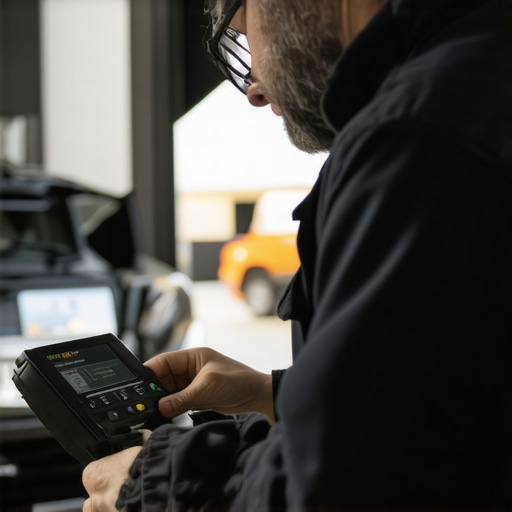
When it comes to software updates, I rely on manufacturer-specific tools such as OEM diagnostic interfaces. These enable me to update firmware on systems like ABS, stability control, and advanced driver-assist features. Keeping software current is predicted to become even more critical as vehicles incorporate AI and machine learning, adapting to driving habits and road conditions. For instance, regularly updating your vehicle’s ECU can improve performance and safety, reducing the risk of glitches that might compromise your drive. Check out this guide for a deep dive into diagnostic tools and update procedures.
Another indispensable aspect is having the right hand tools for routine maintenance like oil changes and brake servicing. I prefer multi-bit screwdrivers, torque wrenches, and specialty brake caliper tools to ensure precision. Using a digital torque wrench ensures I tighten bolts to manufacturer specifications, avoiding over-tightening or under-tightening, which can lead to future issues. For oil changes, I swear by synthetic oils like Mobil 1 because they last longer and resist breakdown at high temperatures, especially in modern engines with turbocharging and direct injection. Remember, routine inspections of belts, hoses, and fluid levels with quality flashlights and mirrors can prevent major failures. This article covers essential tools for comprehensive vehicle upkeep.
Vehicle diagnostics are the backbone of identifying problems early. I highly recommend a combination of software diagnostics and manual checks. Modern scan tools, such as the BlueDriver, provide real-time data and can be used with a smartphone, making diagnostics accessible even for DIY enthusiasts. I use these tools regularly to monitor sensor readings, emission system performance, and to clear error codes after repairs. For advanced diagnostics, especially on hybrid or electric vehicles, specialized equipment like the Hella Gutmann Multi-Scanner is invaluable. This resource offers insights into choosing the best diagnostic tools for your vehicle.
Looking ahead, the trend is clear: vehicles will become even smarter, integrating more AI-driven diagnostics and predictive maintenance. Investing now in versatile, scalable tools prepares you for the future of auto care. I encourage you to try out a diagnostics tool like the BlueDriver to get a feel for your vehicle’s health, and then expand your toolkit as your skills grow. Staying proactive with these technologies will save you significant time and expense down the road. Remember, consistent maintenance paired with the right tools is the key to keeping your vehicle reliable for years to come!
My journey into auto maintenance taught me one crucial lesson: the smallest proactive step can prevent the largest repair bill. Over the years, I’ve learned that neglecting routine checks isn’t just risky; it’s an invitation for costly surprises. The truth is, understanding your vehicle’s needs and acting early can turn your car into a reliable companion for years to come.
What the Hardest Lesson I Learned About Auto Repair and Diagnostics
- Never underestimate the power of diagnostics: A simple scan with a trusted tool like the best diagnostic tools can reveal hidden issues before they become emergencies. I once ignored a warning light, only to find a failing sensor that could have been replaced easily if caught early.
- Consistency beats complexity: Regular oil changes using high-quality synthetic oils, like Mobil 1, are the foundation of engine longevity. Skipping this step led to a rough ride until a proper oil change restored smoothness. Routine checks of belts, hoses, and fluids can save your engine and wallet.
- Don’t rely solely on visual clues: Many problems lurk beneath the surface. Worn brake pads or warped rotors might look fine visually but can compromise safety. Regular brake diagnostics can spot issues early.
- Keep software and firmware updated: Modern cars are as much about code as they are about mechanics. Updating firmware ensures your vehicle’s complex systems operate smoothly, especially as AI features evolve. Check your manufacturer’s recommendations or visit your dealer for updates.
- Seasonal attention matters: Preparing your vehicle for winter or summer isn’t optional. Proper antifreeze levels and tire checks prevent breakdowns. I learned this the hard way when ignoring winter readiness led to a frozen radiator.
My Essential Toolkit for Auto Maintenance Success
- Diagnostic scanners: Devices like the BlueDriver or OEM interfaces are my go-to for quick insights. They’re affordable and empower DIYers to catch issues early.
- Quality hand tools: A digital torque wrench, multi-bit screwdrivers, and specialty brake tools ensure precision. Using the right tools prevents future headaches and guarantees safety.
- Reliable fluids and parts: Synthetic oils and OEM quality brake pads are worth the investment. They last longer and perform better, saving money over time.
- Knowledge sources: The articles on reliable vehicle maintenance and diagnostics strategies keep me informed and prepared for any situation.
Seize the Moment and Drive with Confidence
Taking control of your vehicle’s health isn’t just about avoiding breakdowns; it’s about empowering yourself to extend your car’s lifespan and safety. The future of auto care is bright—AI, smart sensors, and advanced diagnostics are making maintenance easier and more effective. Start today by investing in the right tools, staying updated, and listening to your car’s subtle signals. Your vehicle’s longevity depends on your proactive choices.
What’s the biggest auto maintenance mistake you’ve ever made, or want to avoid? Drop your story below—I’d love to hear it!
More Details
Reading this post really hit home for me, especially the part about the importance of regular diagnostics. I used to think that if my car looked fine visually, then no issues were lurking underneath. But after experiencing a sudden brake failure, I realized quick diagnostics could have flagged early warning signs earlier. Since then, I’ve invested in a good OBD-II scanner, and it’s made a world of difference in maintaining my vehicle’s health. I also learned that sometimes, sensors or internal components can wear out silently without any visible clues. Have others found that regular scans have caught problems before they turned into costly repairs? I’d love to hear what tools or routines you all swear by for catching issues early. It’s amazing how much peace of mind a simple diagnostic can give, especially with modern cars’ complex systems.