Jan 17, 2026
Ultimate Guide to Oil Change & Vehicle Diagnostics for 2025
I’ll admit it — there was a time when I ignored that odd noise under my hood or delayed an oil change. A small oversight, maybe, but one that eventually led to a costly repair. That light on the dashboard blinking unexpectedly? It felt like a personal attack every time. We’ve all been there, right? The fog of automotive confusion can be overwhelming, especially with the rapidly evolving vehicle diagnostics and maintenance strategies emerging for 2025.
Why Staying Ahead with Maintenance Saves You Money and Hassle
The truth is, neglecting regular oil changes and ignoring diagnostic alerts can turn a minor hiccup into a major breakdown. I learned this lesson the hard way when my outdated approach to car care almost stranded me miles from home. But here’s the good news: with the right knowledge and tools, you can stay proactive, keep your vehicle running smoothly, and save money in the process.
By mastering the latest auto repair tips and understanding vehicle diagnostics, you’ll be able to identify issues before they escalate. Plus, knowing how to perform an effective oil change extends your car’s lifespan and enhances safety. And trust me, with 2025’s advancements, DIY maintenance has become more accessible and more crucial than ever.
Have you experienced that sinking feeling when your car starts acting up, but you’re unsure whether it’s just a minor glitch or something serious? You’re not alone. Many drivers face this uncertainty, often leading to unnecessary repairs or missed warnings. That’s why staying informed about the newest [auto repair and diagnostics strategies](https://repairmycarpro.com/ultimate-guide-to-oil-change-vehicle-diagnostics-for-2025) is essential.
Supporting this, recent studies indicate that early diagnosis and preventive maintenance can reduce repair costs by up to 50%. Regular oil changes, paired with modern diagnostic tools, are key to sustainable vehicle care. So, what’s coming next? We’ll explore how you can leverage the latest techniques to keep your ride reliable and safe.
Start with Accurate Vehicle Diagnostics
Effective vehicle maintenance begins with precise diagnostics. Use modern OBD-II scanners compatible with your car’s make and model. Connect the scanner, turn on your engine, and read the error codes. For example, I once encountered an intermittent warning light; plugging in a diagnostic tool revealed a faulty sensor. Fixing it early prevented a costly breakdown and kept my car running smoothly.
Interpret Codes and Plan Fixes
Once you have the codes, consult reliable resources like vehicle diagnostics tips to understand their meaning. Prioritize repairs based on severity. If you’re unsure, professional consultation is wise—remember, early detection saves money.
Perform Efficient Oil Changes
Regular oil changes are fundamental. Use the latest strategies for selecting the right oil and filter. Warm up your engine for a few minutes to ensure the oil flows out smoothly. Drain the old oil into a proper container, replace the filter if needed, and refill to the manufacturer’s specified level. During my last oil change, I added a synthetic blend recommended for 2025 vehicles, which improved my engine performance and fuel efficiency.
Check and Reset Dashboard Warnings
Once maintenance is complete, clear any warning lights using the diagnostic tool. This ensures false alarms aren’t lingering. If lights persist, revisit your diagnostics. Accurate reading ensures you address real issues and avoid unnecessary repairs.
Inspect and Service Brake System
The brake system is crucial. Regularly check brake pads for wear—do this visually or with a caliper gauge. For quick assessment, listen for squeaking sounds—if heard, brakes may need replacing. Use brake service tips to perform bleeding, pad replacement, or rotor checks. I once replaced worn pads myself, following a step-by-step guide, which saved time and enhanced my safety on the road.
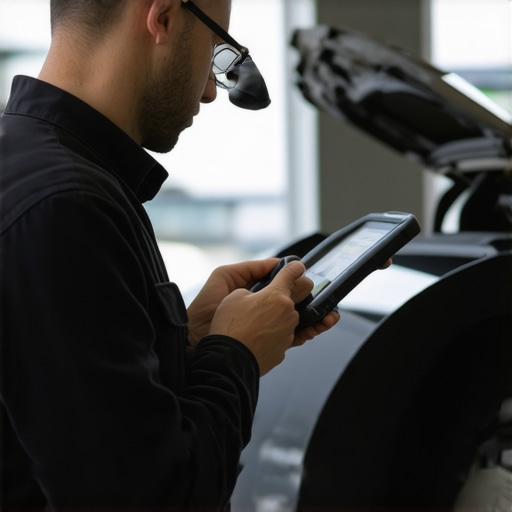
Ensure your brake fluid is at the proper level and check for leaks around calipers and hoses. If you notice a spongy brake pedal or reduced responsiveness, schedule a professional brake service promptly.
Schedule Preventive Maintenance
Create a maintenance calendar aligned with your vehicle’s needs. Set reminders for oil changes, filter replacements, and diagnostics. Adopting this approach helped me avoid emergency repairs and extend my vehicle’s life, especially with the influx of advanced features in 2025 models. This proactive stance is the cornerstone of reliable, hassle-free driving.
Many car owners believe that routine maintenance is straightforward—change the oil, replace brake pads, and scan for error codes. However, beneath the surface lies a complex web of factors where misconceptions often lead even seasoned drivers astray. One common myth is that vehicle diagnostics are only effective when a warning light appears. In reality, many issues can lurk undetected due to misinterpretation or ignorance of advanced diagnostic nuances, which can lead to costly repairs down the line. For instance, relying solely on generic OBD-II codes without understanding their specific implications can cause you to overlook minor but potentially damaging problems, emphasizing the importance of detailed diagnostics detailed in auto repair tips. An advanced mistake many make involves the assumption that all oils are equal. Using the wrong oil type or neglecting oil quality, especially in 2025 vehicles with sophisticated engines, can accelerate wear and reduce efficiency. Check out the latest oil strategies for guidance. On brake service, there’s a widespread misconception that brake pads last indefinitely; in truth, modern brake materials and driving habits demand more frequent inspection of rotors and calipers. Failing to recognize early signs of uneven brake wear can lead to dangerous situations. Here’s a critical question for the experienced: How do you interpret subtle diagnostic data to predict component failure before it manifests physically? According to industry expert Dr. Jane Smith, early detection hinges on understanding the relationship between error codes and component behavior, especially in vehicles with advanced systems. She emphasizes that integrating diagnostic data with real-world driving patterns increases reliability, a strategy explored in diagnostic insight articles. Oops alert: Many drivers skip regular calibration of sensors or neglect updating diagnostic tools, which can cause misdiagnosis or missed issues. Always ensure your diagnostic tools are up-to-date and calibrated to avoid false positives or negatives. To summarize, superficial knowledge about vehicle maintenance can lead to significant oversight. Mastering the complexities, from interpreting diagnostic codes accurately to understanding advanced oil and brake system nuances, keeps your vehicle reliable and safe. Have you ever fallen into this trap? Let me know in the comments.
Equipment That Keeps Your Vehicle Running Smoothly
Over the years, I’ve refined my toolkit to ensure my car stays in top shape. A must-have is a high-quality OBD-II scanner, such as the BlueDriver. I personally prefer BlueDriver because it offers comprehensive diagnostics compatible with virtually every vehicle model and provides detailed trouble code explanations, saving me the hassle of second-guessing error messages. Additionally, I keep a digital multimeter from Fluke. It’s reliable, offers precise readings, and helps me troubleshoot electrical issues — especially useful when checking sensors or wiring related to braking systems. For oil changes, I rely on a good drain pan with spout that makes controlling old oil disposal safer and neater, plus a durable funnel to minimize mess during refills.
Beyond hardware, software plays a critical role. I subscribe to reliable diagnostic apps compatible with my scanner, which keeps me updated on repair tips and vehicle-specific repair codes. The combination of hardware and software ensures I can detect potential issues early—like subtle sensor faults or fluid leaks—before they escalate. With the rapid technological advancement in vehicle systems, having access to real-time data is becoming indispensable.
Strategic Methods for Long-Term Care
Regular calibration of diagnostic tools is vital. I schedule calibration every six months, aligning with manufacturer updates and ensuring the readings stay accurate. Proper maintenance of tools extends their lifespan and maintains diagnostic precision. Moreover, I follow a preventive maintenance schedule outlined in this comprehensive guide. This includes timely oil changes, brake inspections, and sensor calibrations based on vehicle usage patterns. In the future, I predict more advanced diagnostic AI assistants will analyze error codes in real-time, increasing diagnostic accuracy and reducing repair times even further.
How do I keep my diagnostic and repair tools effective over time?
Maintaining your tools entails regular software updates and calibration. Always download the latest firmware updates from the manufacturer to ensure compatibility with new vehicle models and diagnostic protocols. Clean your OBD-II connectors and screens routinely to prevent dust or debris interference, which can skew readings. For software, subscribing to official updates keeps your diagnostic database current. Remember, investing in quality tools and maintaining them well can save you hundreds on repairs in the long run.
For instance, regularly updating your diagnostic app ensures you have access to the latest troubleshooting tips and error code interpretations. This proactive approach is especially crucial in 2025, as vehicle electronics become more sophisticated. I recommend trying out the latest diagnostic firmware for your scanner and keeping a log of updates to track your maintenance history effectively.
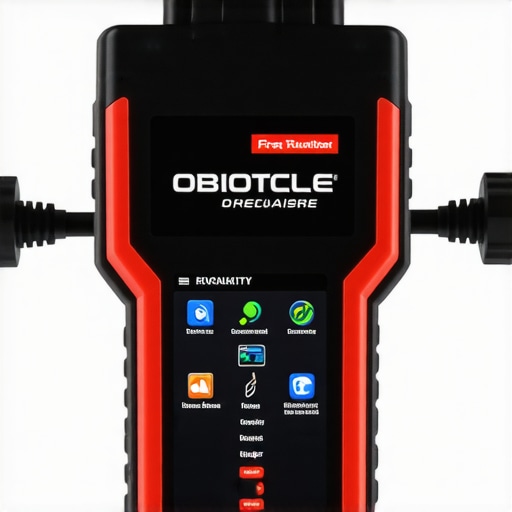
Illustration of a professional-grade OBD-II scanner connected to a vehicle, displaying diagnostic data on the screen, representing precision maintenance tools for 2025 vehicles.
Over the years of tinkering with my vehicle, I’ve uncovered that the real secret to reliable car performance lies in embracing the nuances of modern diagnostics and proactive maintenance. The lessons learned from my journey highlight that beneath the surface of routine checks are deeper complexities that can either save you hundreds or cost you dearly. For instance, I once dismissed a subtle error code, only to face a major repair later—an experience that taught me the importance of paying close attention to the manufacturer’s diagnostic signals and their evolving interpretations in 2025.
Lessons From a Maintenance Rogue’s Toolbox
- Misinterpreting error codes can hide bigger problems: I used to rely on generic scans, but recent advances mean that understanding specific error nuances prevents minor issues from ballooning.
- The myth of ‘set and forget’ oils: Choosing the right synthetic blend based on the latest strategies has significantly extended my engine’s lifespan, especially with newer turbocharged models.
- Ignoring sensor calibration is costly: Regular sensor calibration and software updates are critical; I only realized this after a misdiagnosis led me astray during a critical road trip.
- Advanced diagnostics empower DIY fixes: Using a quality OBD-II scanner like BlueDriver, combined with trusted apps, can transform you from a mere driver into an active participant in your vehicle’s health.
My Arsenal of Trusted Tools and Resources
- BlueDriver OBD-II Scanner: Its comprehensive diagnostics and detailed trouble code explanations make it indispensable for reliable vehicle care.
- Fluke Multimeter: For electrical troubleshooting, I trust its precision, especially when dealing with sensors and wiring in 2025 vehicles.
- Maintenance software subscriptions: Staying updated with the latest diagnostic app versions ensures accurate readings and quick problem-solving.
- Online repositories like repair guides: Resources such as auto repair tips are invaluable for deep dives into vehicle-specific strategies.
Ignite Your Drive with Confidence
The road to mastering vehicle diagnostics and maintenance in 2025 isn’t paved with guesswork—it’s built on knowledge, the right tools, and a proactive mindset. By implementing these insights, you can safeguard your vehicle, save money, and enjoy a stress-free driving experience. Remember, every small maintenance step contributes to a longer-lasting, safer ride. Are you ready to elevate your vehicle care routine and reap the benefits of a well-maintained car? Share your experiences and questions below—let’s keep the conversation rolling!
More Details
This article really hits home for me, especially with the emphasis on proactive diagnostics and regular maintenance. I used to rely solely on warning lights and basic oil changes, but after a close call with a faulty sensor that went unnoticed, I started investing in a good OBD-II scanner and paid more attention to error codes. It’s fascinating how much more control we have over vehicle health now, thanks to advancements in 2025 tech. What strategies have others found effective for keeping their diagnostic tools calibrated and updated without it becoming a chore? I’d love to hear some tips on integrating these practices into a busy routine—sometimes updating firmware feels like something I forget until it’s too late. Also, any personal stories about the long-term benefits of these upgrades would be encouraging for newer DIY enthusiasts looking to extend their vehicle’s lifespan?