Jan 20, 2026
Top Oil Change & Auto Repair Tips for Reliable Vehicles in 2025
Ever turned on your engine only to be greeted by strange noises or a sluggish start? I remember the moment I ignored a minor oil leak, thinking, “It’s just a drip, no big deal.” Next thing I knew, I was stranded on the side of the road, wishing I’d paid more attention earlier. That lightbulb moment taught me a vital lesson: small auto issues can escalate quickly, jeopardizing your vehicle’s reliability. Today, I want to share how mastering simple yet effective maintenance tips can save you time, money, and the stress of unexpected breakdowns.
Why Consistent Auto Care Should Be Your Top Priority in 2025
In our fast-paced world, it’s easy to neglect routine car maintenance until it’s almost too late. But with modern vehicles becoming more complex, understanding the best practices for oil changes and diagnostics isn’t just for mechanics anymore—it’s essential for every driver wanting long-lasting reliability. I used to think a quick oil top-up once in a while was enough. However, a survey from AAA indicates that neglecting regular maintenance significantly increases the risk of vehicle breakdowns, often costing owners hundreds or even thousands in repairs. This realization prompted me to overhaul my auto care routine, ensuring I stay ahead of potential issues. Are you tired of worrying about sudden breakdowns or costly repairs? You’re not alone. The good news is, by adopting some proven strategies, you can keep your vehicle running smoothly and reliably well into 2025 and beyond. Let’s explore what it takes to achieve this peace of mind.
Is It Really Worth the Effort and Cost to Maintain My Car Properly?
Early in my driving days, I believed skipping routine maintenance saved me money. I thought, ‘Why bother with all those checks when the car seems fine?’ That mistake cost me dearly when my car finally broke down, and repairs were more expensive than scheduled oil changes or diagnostics. Now, I realize that proper maintenance isn’t just about avoiding breakdowns—it’s about ensuring safety, improving fuel efficiency, and extending your vehicle’s lifespan. For comprehensive guidance on how to optimize your car’s durability, I recommend this authoritative [auto repair guide](https://repairmycarpro.com/auto-repair-tips-for-reliable-vehicle-diagnostics-maintenance). Starting with simple steps like effective oil changes and diagnostics, you can significantly reduce your risk of unexpected issues. Ready to learn the insider secrets that professional mechanics swear by? Let’s dive into the key strategies that will keep your vehicle dependable and safe in 2025.
Change Your Oil Like a Pro
First, never skip oil changes; think of it as nourishing your car’s engine with a daily vitamin. Let me share a time I found my engine running rough because I neglected a scheduled oil change. After draining the old oil and installing fresh, high-quality oil following the manufacturer’s specs, my engine responded with a noticeable boost in smoothness and efficiency. To get this right, always buy the correct oil grade and change the oil filter simultaneously. Use a clean drain pan and ensure the engine is warm, but not hot, to allow better drainage. For a step-by-step guide, visit this effective oil change and diagnostics strategy. This small effort prolongs engine life and saves fuel.
Think of diagnostics as your vehicle’s health report card. During a trip, I once noticed the Check Engine light flickering; rather than ignoring it, I used a basic OBD-II scanner, which revealed a misfire in one cylinder. Tackling such issues early can prevent costly repairs. Connect an affordable scanner to your car’s port, and when the light appears, retrieve the code. Now, interpret the code using the scanner’s app or manual, and address the identified issue—be it spark plug wear or sensor failure. Regular diagnostics can uncover problems before they cause breakdowns. For comprehensive tips, refer to this vehicle diagnostics guide. Performing these checks ensures your car’s reliability and safety in 2025.
Imagine your brakes are like the tires of a bicycle; if they’re worn out, stopping becomes hard and dangerous. I once experienced squealing brakes on a rainy day, prompting me to inspect the pads. They were nearly thin enough to need replacement. Replacing brake pads involves removing the wheel, compressing the caliper piston, and installing new pads—this can be done at home with the right tools. Check brake fluid regularly; if it’s dark or low, flush and refill it to maintain hydraulic pressure. For safer roads, follow expert tips on brake service, like those outlined here. Reliable brakes are essential for your safety and peace of mind.
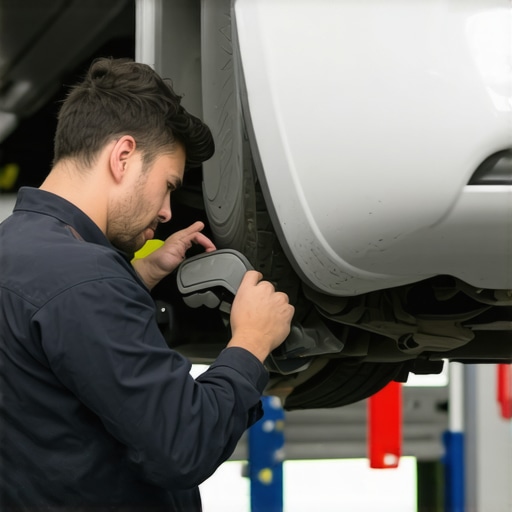
A clear image of a mechanic inspecting brake pads on a vehicle, demonstrating proper inspection techniques.Many drivers believe they understand auto repair because they’ve watched a few tutorials or read some blogs. However, these surface-level ideas often lead to fundamental mistakes, especially when it comes to diagnostics and routine maintenance. For instance, a prevalent myth is that changing oil at arbitrary intervals without regard to your vehicle’s specific needs doesn’t make a difference. In reality, modern vehicles and driving conditions require a nuanced approach, as detailed in authoritative guides on oil change strategies [here](https://repairmycarpro.com/effective-oil-change-vehicle-diagnostics-strategies-for-reliable-cars-2025-2).
Another common misconception is that vehicle diagnostics are only necessary when the check engine light illuminates. This reactive mindset overlooks the importance of proactive diagnostics, which can identify issues before they escalate into costly repairs. Regular diagnostic checks, supported by sophisticated tools, can reveal early signs of wear or failure, making maintenance more effective. For advanced insights into this approach, visit [this comprehensive diagnostics guide](https://repairmycarpro.com/top-vehicle-diagnostics-auto-repair-tips-for-2025-reliability-5).
People also tend to underestimate the complexity of brake systems, assuming they simply wear out over time without the need for regular attention. In fact, timely inspections and understanding the nuances of hydraulic pressure and pad material can prevent dangerous failures. Common pitfalls include neglecting brake fluid quality, which can impair braking performance. To avoid this, refer to [top brake service tips](https://repairmycarpro.com/top-brake-service-tips-for-safer-roads-in-2025).
Have you ever fallen into this trap? Let me know in the comments.
### Are DIY Auto Repairs Sufficient for Long-Term Vehicle Reliability?
Many enthusiasts assume that minor repairs and maintenance performed at home can match the quality of professional service. While some basic tasks like oil changes and brake pad replacements are manageable, the real challenge is ensuring precision and diagnosing subtle issues that require specialized tools. Mistakes made during DIY repairs, such as improper torque application or overlooking hidden vacuum leaks, often lead to more problems down the road. For a detailed discussion on balancing DIY efforts with professional diagnostics, see [this ultimate auto repair guide](https://repairmycarpro.com/auto-repair-ultimate-guide-to-boost-vehicle-reliability-in-2025).
Understanding the advanced nuances of vehicle systems helps you avoid common pitfalls and extend your vehicle’s lifespan. For example, incorrect installation of sensors can trigger false diagnostic codes, causing unnecessary repairs and expenses. This emphasizes the importance of knowing when to seek expert help despite your DIY efforts.
By recognizing these common misconceptions and the hidden complexities of auto repair, you place yourself ahead in vehicle maintenance. If you’re interested in detailed strategies that can significantly boost your car’s durability, check out [these expert tips](https://repairmycarpro.com/auto-repair-strategies-to-extend-your-vehicles-lifespan-in-2025). Next time, you’ll know precisely how to approach diagnostics, brake systems, and oil changes to truly get the most out of your vehicle.Maintaining your vehicle’s performance over the long term requires more than just knowledge; it demands the right equipment and software. Personally, I rely on a combination of advanced diagnostic tools and quality maintenance supplies to ensure my car stays in top shape. One indispensable item I recommend is a reputable OBD-II scanner like the BlueDriver Bluetooth Professional Scanner. Unlike basic code readers, this device connects seamlessly to your smartphone, providing detailed diagnostics and live data streams, which are crucial for identifying issues early. I use it regularly to monitor sensor performance and check engine codes, preventing small problems from escalating.
Another tool I swear by is a digital torque wrench. Proper torque application during repairs, especially when dealing with critical components like wheel lug nuts or cylinder head bolts, is vital for safety and longevity. I prefer a digital model because of its precision and ease of use, which helps me avoid over-tightening or under-tightening fasteners.
For fluid and filter replacements, quality hand tools matter. I keep a set of high-grade screwdrivers and socket wrenches, ensuring a tight fit and reducing damage to fasteners. Investing in these tools pays off by making repairs cleaner and more efficient.
Looking ahead, I believe vehicle maintenance will increasingly incorporate smart diagnostics and automation. As technology advances, expect tools to become more integrated, with AI-driven diagnostics capable of predicting failures before symptoms even appear. Trends suggest that automotive software will evolve to offer remote monitoring options, allowing you to track your vehicle’s health from anywhere.
How do I maintain my tools over time? Regular calibration and cleaning are key. Digital tools like torque wrenches need periodic calibration to maintain accuracy—many manufacturers provide calibration services or guide you on home calibration techniques. Keep your diagnostic equipment clean and update the software firmware periodically, ensuring compatibility with new vehicle models and diagnostic protocols. For comprehensive guidance, check out this auto repair guide.
Don’t just read about maintenance—try upgrading your toolkit with a quality OBD-II scanner or a digital torque wrench today. These investments will streamline your repair process, increase reliability, and ultimately save you money on future repairs.
Little Secrets That Changed My Approach to Car Care
One of the most valuable lessons I learned was the importance of listening to subtle engine noises. That faint whine or rattle often signals a developing issue, saving me from costly repairs later. Embracing routine diagnostics has also transformed my driving experience, as catching problems early feels like having a personal auto health check-up. Lastly, investing in quality tools, like a reliable OBD-II scanner, empowered me to diagnose problems myself, making maintenance more manageable and less intimidating.
What Retro Tools & Modern Tech Have Taught Me
Understanding emerging tools like smart diagnostic apps has revolutionized how I approach vehicle health. Pairing digital torque wrenches with traditional hand tools ensures repairs are both accurate and safe. Rich resources, such as the comprehensive auto repair guide, have been my compass for long-term vehicle reliability. These insights have helped me make smarter decisions, avoid pitfalls, and extend my car’s lifespan dramatically.
Choose to Protect Your Drive in 2025 and Beyond
If you’re ready to take control, start with small but consistent steps—schedule regular oil changes, use diagnostic tools proactively, and pay attention to brake health. These habits are investments in your safety and wallet. Remember, quality maintenance isn’t just a chore; it’s a game-changer that keeps your vehicle dependable for years to come.
Now I want to hear from you: Have you ever struggled with diagnosing a weird noise or a sensor warning? Share your story below and join the conversation on building a stress-free auto routine.
More Details
Reading through this detailed guide reminded me of a time I neglected my brake fluid, assuming it would last indefinitely. It wasn’t until I heard squealing brakes that I realized how important regular checks really are. Since then, I started scheduling routine inspections, and it’s made a noticeable difference in safety and comfort. I find that small preventive measures, like checking brake pads and fluid every few months, save me from costly repairs and unexpected breakdowns. What’s everyone’s approach to maintaining brake systems? Do you prefer DIY inspections or professional services? I’d love to hear tips from experienced drivers on how to stay ahead of brake issues, especially in changing weather conditions like winter or heavy rain. The post rightly emphasizes that proactive maintenance keeps everything running smoothly, and I believe paying attention early can really extend the lifespan of such critical components.