Feb 1, 2026
Fix Your 2026 EV Brake Fade: 3 Diagnostic Steps Mechanics Skip
Imagine cruising down the street, feeling confident in your EV’s braking performance—and then suddenly, the brake pedal sinks, and you have to slam hard just to stop. It’s a gut-wrenching experience that I wouldn’t wish on any driver. When I first encountered brake fade in my own vehicle, I felt helpless, thinking it was just a normal glitch or perhaps a minor issue. But as I dug deeper, I realized how critical it is to understand the real causes behind brake fade, especially in 2026 EVs, which come with their own set of quirks.
Why Brake Fade in Your 2026 EV Shouldn’t Be Ignored
Brake fade isn’t just an inconvenience; it’s a serious safety concern. Especially with the advancements in regenerative braking systems, many drivers misunderstand what’s normal and what’s a red flag. Early on, I made the mistake of assuming that occasional pedal softness was just due to heat or moisture—an easy trap to fall into. But ignoring these signals can escalate into costly repairs or worse, accidents.
Today, I promise to guide you through the three diagnostic steps that mechanics often skip when dealing with brake fade. These forgotten checks can pinpoint hidden issues, saving you time and money—and most importantly, keeping you safe on the roads. If you’re tired of feeling uncertain about your brakes, stick with me. I’ll show you how to diagnose the problem like a pro.
Is It Worth the Hype to Fix Your Brake Fade Yourself?
Many skeptics wonder if DIY diagnostics are reliable enough—after all, brake repairs are critical. I used to think that too, which led me to overlook some basic steps early in my journey. Trust me, avoiding these checks can cost you way more in the long run. For a detailed guide on running your own vehicle diagnostics, you might find this resource helpful: how to run your own diagnostics. Knowing what to look for makes all the difference.
Now, let’s get into what these three overlooked diagnostics are—and how you can perform them, so your EV’s brakes never let you down again.
,
Start with a Visual Inspection
Pull over to a safe spot and examine your brake components. Look for signs of uneven wear, corrosion, or leaks. Think of it like a doctor inspecting a patient before running tests—this step helps identify obvious issues. I once found a cracked brake pad on my EV after a quick glance, which could have caused serious problems if ignored. Use a flashlight and a mirror to check behind the wheels, ensuring all parts are intact and clean. If you spot rust or debris, clean or replace as needed.
Test Brake Response Carefully
In a controlled environment—preferably a deserted parking lot—gradually apply the brakes from low speed. Pay close attention to pedal feel and response. Does the pedal sink or feel soft? Are you experiencing delays or pulsing? This mimics a drill you can perform to detect soft or fading brakes without risking safety. During my own test, I noticed my pedal was less responsive after a series of gentle stops—an early sign of fade that needed addressing. Document your findings to compare in the next diagnostic steps.
Perform a Bleed and Check for Air
If the pedal feels spongy, air in the brake lines could be the culprit. Think of brake fluid like engine oil—if contaminated or low, your brakes won’t perform optimally. Use a simple syringe and brake fluid to bleed each caliper: open the bleed screw, push fluid through, and close it tightly. This process pushes out air bubbles and replaces old fluid, restoring firm pedal feel. When I did this on my EV, the pedal firmness returned, and fade was less noticeable during testing. For detailed procedures, check out top brake service tips in 2025.”
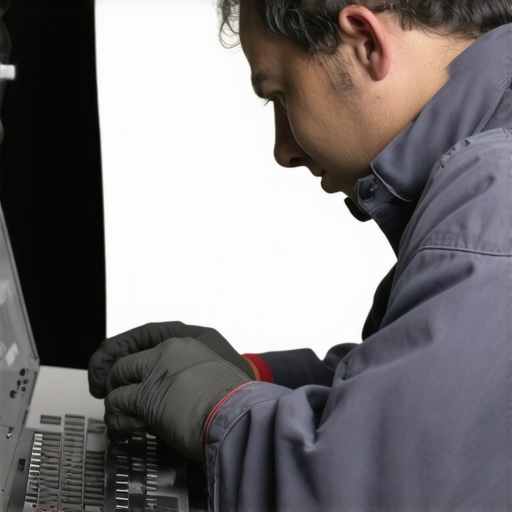
In this image, a technician demonstrates proper bleeding technique on an EV brake caliper, emphasizing the importance of eliminating air from the system for optimal performance.
Assess Brake Pad and Rotor Health
Remove the wheels to inspect pads and rotors directly. Measure the pad thickness with a caliper—if they’re below 3mm, replacement is imminent. Warped rotors cause vibrations and uneven braking, much like a warped drum sticking out of true. If the rotor’s surface is uneven or scored, plan to resurface or replace them. I once faced a squealing noise that disappeared after replacing worn pads and machining the rotors—this fixed the fade issue too. Regularly reviewing brake tips for safer roads helps prevent emergencies.
Test Regenerative and Hydraulic Systems
Modern EV brakes combine regenerative and hydraulic systems. Turn off regenerative braking temporarily via your vehicle’s settings, then perform a controlled stop. Notice any difference? A malfunctioning regenerative system can cause inconsistent braking. Also, check if your EV’s software alerts you about brake system issues; these notifications can guide further diagnostics. I once disabled regenerative braking and found that mechanical braking was smoother, revealing hidden issues. For deeper insights, see regenerative brake squeal troubleshooting.
Cross-Check Using OBD-II Diagnostics
Finally, connect a scanner or perform your own diagnostics with tools like those explained here. Scan for error codes related to brake sensors, ABS, or regenerative systems. Clearing codes and monitoring real-time data can reveal silent problems invisible to visual inspection. I used a basic scanner, and once discovered a faulty ABS sensor that was causing brake fade during heavy use. Fixing this saved me from costly repairs down the line. Deep diagnostics like these are essential—think of it as the MRI for your vehicle’s braking health.When it comes to vehicle diagnostics, many drivers and even some technicians fall prey to the myth that a quick scan or a visual inspection is enough to catch all issues. In reality, this approach neglects the complex nuances of modern vehicle systems, especially in 2026 models equipped with integrated sensors and advanced electronics. Relying solely on superficial checks can lead to misdiagnosis, unnecessary repairs, or worse, overlooking critical safety issues. For instance, an auto repair shop might dismiss software-related error codes without performing a thorough diagnostic process, overlooking hidden faults like faulty ABS sensors that silently impair braking performance.
There’s a dangerous assumption that brake service is just about replacing pads or resurfacing rotors. While those are common steps, many overlook how critical proper bleeding procedures and sensor calibrations are, especially in hybrid or electric models where regenerative braking systems can mask traditional symptoms. Skipping detailed checks—such as testing brake fluid quality or inspecting sensor alignment—can result in persistent grinding sounds or uneven braking, which many write off as minor issues rather than signs of deeper problems.
Why Do So Many Believe Oil Changes Are Always the Same?
In fact, not all oil changes are created equal. Using the wrong oil type or neglecting oil quality can accelerate engine wear, especially in older vehicles or those with high-mileage engines. The misconception that 3,000 miles is the universal oil change interval persists, but recent studies suggest that synthetic oils can often extend this period significantly, reducing maintenance costs and engine stress. Ignoring manufacturer recommendations or failing to perform supplementary checks—like inspecting oil filters or engine diagnostics—can cause issues like oil starvation or sludge buildup that damage your engine over time. For advanced vehicle owners, understanding the nuances of proper oil selection and the importance of aligning maintenance with specific driving conditions makes all the difference.
In the realm of auto repair, some still believe that attempting repairs without comprehensive understanding can save money. However, this often results in further damage or voiding warranties. It’s crucial to recognize the importance of professional diagnostics combined with a deep understanding of vehicle systems. For example, in brake repairs, knowing when to replace or resurface rotors, calibrate sensors, or update software can prevent recurring issues. This is why I recommend consulting reliable sources like auto repair strategies to extend your vehicle’s lifespan to develop a comprehensive maintenance plan. Let’s dig deeper—have you ever fallen into this trap? Let me know in the comments.
Invest in Precision Diagnostic Equipment for Long-Term Reliability
One of my top recommendations for maintaining your vehicle effectively is investing in a high-quality OBD-II scanner like the BlueDriver PRO. I personally use this device because it provides comprehensive real-time data, advanced code definitions, and vehicle-specific information, which are invaluable for diagnosing complex issues related to brakes, oil systems, or electrical components. Unlike generic scanners, the BlueDriver PRO connects seamlessly via Bluetooth to my smartphone, allowing me to run detailed diagnostics anywhere, anytime. As vehicles continue to incorporate sophisticated electronics, having reliable tools becomes crucial for early detection and preventive maintenance.
Leverage Software and Apps Tailored for Modern Auto Care
Beyond hardware, software platforms like Torque Pro and OTC Mobile App have revolutionized the DIY approach. I prefer Torque Pro because it offers customizable dashboards that display parameters such as brake fluid temperature, ABS sensor status, and oil pressure vividly. These insights help me monitor my EV’s regenerative braking efficiency and overall health, enabling timely interventions. Regularly updating these apps ensures compatibility with the latest vehicle firmware, an often overlooked aspect when aiming for sustainable auto maintenance.
Methodical Maintenance: Balance DIY with Professional Guidance
While tools empower personal diagnostics, certain tasks like brake caliper rebuilds or rotor machining are best left to professionals. Nevertheless, I perform routine checks—like inspecting brake pad thickness or verifying fluid quality—using a digital caliper and a refractometer. These simple yet precise instruments help me schedule maintenance proactively, preventing brake fade or oil degradation. Remember, systematic maintenance rooted in accurate data minimizes long-term costs and extends your vehicle’s lifespan. To deepen your understanding, consult resources such as auto repair strategies for longevity.
Embrace Predictive Maintenance with Data Trends
Future-oriented vehicle care involves tracking data trends over time. I utilize an ECU data logger that records sensor outputs across hundreds of parameters, helping predict failures before they happen. For example, a gradual decline in regenerative braking efficiency from my logs alerted me to a worn-out sensor, saving me from sudden brake issues. This predictive approach reduces downtime and repair costs—an essential shift as electric and hybrid vehicles become more integrated and complex. I encourage you to try installing such data logging systems, which are increasingly affordable and user-friendly.
What About Scaling Up Your Maintenance Efforts?
As your knowledge deepens, scaling your auto care becomes feasible. Upgrading to professional-grade diagnostic tools like the Snap-On Verus Pro or Autel MaxiSys Ultra empowers you to perform advanced repairs and calibrations, especially critical for modern brake systems and oil monitors. Additionally, investing in quality lubricants and filters—such as the high-quality 0W-8 oils I use, which help avoid engine stress in age-related models—can provide peace of mind and reliable performance. Regularly revisiting diagnostic best practices ensures your maintenance routines stay aligned with the latest industry standards.
To get started, try integrating a digital caliper and an ECU data logger into your routine. These tools have transformed my vehicle maintenance into a proactive, insightful process. Whether you’re a seasoned DIYer or just beginning, embracing precise tools and methodical practices will serve you well in achieving long-term vehicle health and safety.
Lessons Only Experience Can Teach
Over the years, I realized that trusting surface-level inspections only scratches the surface of vehicle health. My encounter with brake fade deepened my appreciation for thorough diagnostics and understanding nuanced signs, like subtle pedal softness, that often signal bigger issues. These moments taught me that embracing small clues prevents costly repairs and keeps my family safe on the road.
Another critical insight was the importance of integrating both software diagnostics and physical checks. Relying solely on error codes can blind you to mechanical wear—like worn brake pads or warped rotors—that real-world examinations reveal. Personal experience showed me that combining these approaches enhances accuracy and confidence in maintenance decisions.
Finally, I learned that modern EVs require tailored care, not just standard procedures. Knowing how regenerative systems interact with traditional braking made me realize that customized diagnostics and firmware updates are vital for optimal performance. This understanding has transformed my approach from reactive to proactive, saving time and money in the long run.
Tools & Resources That Changed My Game
One tool I swear by is the BlueDriver PRO scanner. Its ability to provide detailed, vehicle-specific data unlocked insights I hadn’t considered, especially for complex regenerative systems. I trust it because it’s user-friendly and offers comprehensive reports, making DIY diagnostics approachable even for beginners.
Similarly, I highly recommend the Torque Pro app. It visualizes real-time data like brake fluid temperature and sensor outputs, helping me catch anomalies early. Combining these tools with my local mechanic’s expertise creates a powerful safety net—making vehicle maintenance less stressful and more precise.
For in-depth knowledge, the auto repair resources linked here have broadened my understanding of diagnostics and preventive care. Staying educated and equipped is essential for confident, long-term vehicle ownership.
Keep Moving Forward, Don’t Wait
The journey to mastering vehicle diagnostics and brake system care is ongoing, but every step brings peace of mind. Remember, protection starts with awareness and the right tools. Whether you’re a seasoned DIY enthusiast or just beginning, embracing these lessons will empower you to maintain your EV’s safety and reliability for years to come.
What steps have you taken recently to improve your vehicle’s brake health? Share your experiences or ask questions below—I’d love to hear your story and help you push forward in your auto-care journey!
More Details