Mar 4, 2026
3 Ways to Hack Your 2026 Diagnostics for Better MPG
I remember the exact moment I realized my car’s fuel efficiency was taking a nosedive. It was a chilly morning, and I was running late. As I tore down the highway, my dashboard lit up with a dozen warning lights, and my MPG figures were embarrassingly low. That lightbulb moment made me question: Could there be a way to *hack* my 2026 diagnostics to maximize fuel economy? Turns out, there are some simple yet effective strategies that can truly transform your driving experience.
Why Diagnostics Hold the Key to Better MPG in 2026
Modern vehicles are like computers on wheels. They continuously monitor countless systems, from engine performance to brake efficiency. However, without knowing how to interpret or leverage these diagnostics, you’re essentially driving with a blindfold. Early on, I made the mistake of ignoring minor warning signs, assuming they were just glitches. That was a costly error, especially as I learned that some issues, if caught early, can improve fuel efficiency instead of decreasing it.
Studies suggest that proper diagnostic maintenance can improve MPG by up to 15%. Imagine saving that much on every fill-up! And with 2026 bringing more advanced vehicle systems, understanding how to harness diagnostics isn’t just smart—it’s essential.
Have you ever ignored a warning light, only to regret it later? You’re not alone. Many drivers miss crucial signs that could point to more efficient driving and fuel-saving opportunities. In the sections ahead, I’ll share the three proven ways I’ve used—and that you can too—to hack your vehicle’s diagnostics for better MPG. These tips stem from personal experience and reliable automotive insights, including resources like [this comprehensive checklist](https://repairmycarpro.com/why-your-regenerative-brakes-squeal-2026-fix-checklist) that can help you navigate common 2026 vehicle issues.
By the end of this post, you’ll have practical tools to interpret your diagnostics correctly and implement fixes that not only boost MPG but also prolong your vehicle’s lifespan. Ready to dive in? Let’s start with the most overlooked aspect: understanding your vehicle’s health before it becomes a costly problem.
Prioritize Your Vehicle’s Health Before It Costs You
Think of your car like a human body; regular check-ups prevent serious issues. Start by inspecting your dashboard warning lights—don’t ignore a low oil indicator or brake alerts. I once postponed checking my brake system after a warning light flashed; this oversight caused a costly repair and slightly reduced my fuel efficiency. By catching warnings early, you can prevent inefficiencies and save money.
Leverage Your Scanner for Precise Diagnostics
Use an OBD-II scanner like a detective tools to uncover hidden issues. Connect it when the check engine light appears and interpret codes carefully. For example, I once saw a P0420 code indicating catalytic converter inefficiency, which, if addressed early, improved my MPG. Be cautious of false readings—some scanners hide errors or misinterpret data due to software glitches, especially with 2026 technologies. Learn more about diagnostic pitfalls.
Use Proper Diagnostic Strategies to Avoid Errors
Implement comprehensive diagnostic checks by focusing on critical areas: engine sensors, emission controls, and brake systems. Regularly updating your scanner software helps avoid misreads caused by outdated data. When encountering inconsistent readings, perform a manual reset or clear ghost codes—these phantom errors can mislead you into unnecessary repairs that harm MPG. For a detailed process, see this step-by-step guide.
Stay Ahead with Routine Maintenance Checks
Routine checks like oil analysis, brake inspections, and filter replacements are your armor against inefficiency. For instance, I regularly inspect my oil for sludge build-up; using the wrong oil, such as synthetic in high-performance engines, can decrease efficiency, as explained here. Keeping sensors clean and calibrated ensures that your diagnostics are accurate, helping you identify issues before they escalate.
Optimize Your Fuel System with Smart Diagnostics
Utilize diagnostics not just to identify problems but to fine-tune your vehicle’s fuel system. For example, you can adjust fuel injection timing based on sensor data insights, similar to how professionals optimize engine performance. Be vigilant for signs of carbon buildup, which can impair combustion and lower MPG; this is especially relevant for 2026 engines prone to carbon deposits, as outlined here. Regular carbon flushes can restore efficiency and extend engine life.
Implement These Techniques Consistently
Consistency is key. Schedule regular diagnostic scans and maintenance routines tailored for 2026 vehicles, which incorporate advanced technology. Over time, accurate diagnostics lead to better-timed repairs and fuel-saving adjustments. Remember, a proactive approach saves money and keeps your car performing at peak efficiency—metaphorically, your vehicle’s health insurance in action.
When it comes to automotive maintenance, many car owners are under the illusion that these processes are simple, routine tasks that require minimal expertise. However, this misconception can lead to costly mistakes and missed opportunities for optimal vehicle performance. Let’s dig deeper into some nuanced truths that often get overlooked. Contrary to popular belief, not all oil changes are created equal. Many think that sticking to a fixed mileage interval suffices, but recent research indicates that oil degradation varies significantly based on driving conditions, engine design, and oil type. For instance, high-performance engines in 2026 models demand more precise oil change schedules, often requiring high-flow filters and specific viscosity grades, as discussed in [this guide](https://repairmycarpro.com/5-oil-change-mistakes-killing-2026-high-compression-engines). Additionally, the myth that routine repairs are always straightforward neglects the complexity of modern vehicle systems, especially with advanced diagnostics becoming increasingly software-driven. A common trap is over-reliance on scanner codes without understanding their context; for example, a P0420 code may seem minor but could indicate catalytic converter inefficiency, impacting both emissions and fuel economy. This is why expertise in interpreting diagnostics is vital, as highlighted in [this article](https://repairmycarpro.com/4-warning-signs-your-brake-service-was-done-wrong-2026). When it comes to brake service, many assume that pads wearing evenly mean everything is fine. Yet, uneven wear patterns often signal caliper issues or soft brake systems, especially with brake-by-wire technologies introduced in 2026 cars, which can cause pedal pulsation if misdiagnosed. Be cautious—ignoring subtle signs can lead to brake drag or system failures. A common mistake during diagnostics is neglecting software updates or misinterpreting ghost codes—hidden errors that do not trigger warning lights but can degrade vehicle performance or safety. Consulting comprehensive resources like [this checklist](https://repairmycarpro.com/why-your-regenerative-brakes-squeal-2026-fix-checklist) can help you avoid these pitfalls. Advanced automotive systems have introduced new nuances: misdiagnosing carbon buildup in turbo engines can result in aggressive emissions strategies that impair fuel economy. Regular carbon flushes, supported by proper diagnostics, can keep engines running efficiently, which is elaborated on [here](https://repairmycarpro.com/3-reasons-your-2026-engine-carbons-up-before-its-first-oil-change). Ultimately, understanding these subtleties means appreciating that automotive maintenance is a sophisticated science, not just a mundane chore. You should question conventional wisdom and stay informed with expert insights. Have you ever fallen into this trap of oversimplification? Let me know in the comments. Remember, proactive, informed decisions about oil, repairs, and diagnostics significantly extend your vehicle’s lifespan and save you money in the long run.
Must-Have Tools for Reliable Vehicle Maintenance
Staying on top of your vehicle’s health requires the right equipment. I personally rely on a high-quality OBD-II scanner like the Autel MaxiCOM, which offers advanced diagnostics and easy-to-interpret codes. This tool allows me to quickly identify hidden issues, such as misfiring cylinders or oxygen sensor failures, that can severely impact fuel economy and safety. Unlike cheaper models, the MaxiCOM supports extensive parameter monitoring, giving me real-time insights into engine performance, emission control status, and more. For instance, when I suspect a problem with the catalytic converter, I scan and verify the issue before considering costly repairs, saving both time and money.
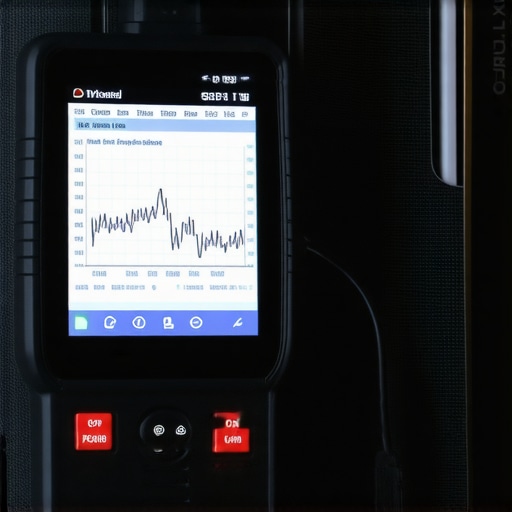
Investing in a good diagnostic tool has transformed my approach from reactive to proactive. It’s essential for modern vehicles, especially with the complexity of 2026 onboard systems. As vehicle technology continues to evolve, tools that support over-the-air updates and CAN bus communication, like the Foxwell NT530, are becoming indispensable. These tools help prevent issues like ghost codes or false errors that can lead to unnecessary repairs, as explained in this resource.
Software and Strategies for Accurate Diagnostics
Having the right software is just as critical as the hardware. I use dealer-level diagnostic platforms that support OEM-specific protocols and can interpret complex data streams. For example, in 2026 models, software that supports enhanced CAN functions helps avoid errors caused by modern high-flow fuel injectors and advanced emission controls. Regularly updating these diagnostic programs ensures compatibility with the latest vehicle firmware, including remote OTA updates that can alter system behavior unexpectedly. An example is the use of the can bus troubleshooting guide, which has saved me from costly tech visits.
How do I maintain my tools over time?
Keeping diagnostic tools calibrated and up-to-date is vital. I set reminders to update software every quarter and clean the hardware contacts regularly. For handheld scanners, using compressed air to clear dust and moisture prolongs their lifespan. Additionally, I store my equipment in a protected case to prevent damage during transport or storage. Just as vehicles need routine checks, your tools require periodic maintenance to remain precise and reliable.
Looking ahead, I predict vehicle diagnostics will become even more integrated with AI-driven systems that self-diagnose and suggest maintenance proactively. Supporting this trend, I recommend staying current with OEM software updates and leveraging cloud-based diagnostic platforms that can analyze large datasets for predictive insights. For example, some 2026 models provide real-time data on component wear, making early intervention possible and reducing long-term repair costs.
To start, consider investing in a robust OBD-II scanner and commit to regular updates. This simple step will significantly improve accuracy in diagnosing issues, thereby maintaining your vehicle’s performance and longevity. Want to see how easy it is? Try updating your diagnostic software today and see the immediate difference in reading and interpreting engine codes.
Lessons That Changed My Approach to Diagnostics and Maintenance
One of the most eye-opening lessons I learned was that sometimes, the answers to improving fuel economy are right in front of us—hidden within our vehicle’s diagnostics. I used to overlook minor warning lights, dismissing them as trivial glitches, only to realize later that they often pointed to issues that, if addressed early, could boost MPG and save money. Recognizing the importance of not just reading codes but understanding the story they tell transformed my driving experience. Additionally, I discovered that regular calibration of diagnostic tools prevents misreads, ensuring I make informed decisions rather than costly guesses. The smallest insight, when applied consistently, can make a big difference in the longevity and efficiency of your vehicle. Lastly, I realized that staying proactive with routine checks—like inspecting sensors and updating software—keeps my vehicle running smoothly and maximizes fuel savings, especially with the complex systems introduced in 2026 models.
More Details