Mar 9, 2026
3 Vehicle Diagnostics Blind Spots Your 2026 Scanner Misses
Ever had that sinking feeling while scanning your vehicle’s systems—like your device is missing something crucial? I remember punching in codes during a routine check, only to realize later that my scanner hadn’t flagged a hidden glitch that was quietly worsening. That moment of realization hit hard—how many issues are slipping past our diagnostics without us even knowing? This isn’t just about wasted time or money; it’s about safety and trust in our tools.
Why Your 2026 Scanner Might Be Missing Critical Vehicle Problems
As tech advances, our diagnostic tools seem to get smarter. But here’s the truth—many blind spots still lurk, especially with complex systems like brake-by-wire and turbocharged engines. I’ve made the mistake early on of relying solely on my scanner’s default readings, ignoring the strange noises that I couldn’t quite ping with code data. That oversight cost me a big repair bill later, proving that even the most advanced scanners aren’t foolproof.
Is Your Vehicle Diagnostics Equipment a Reliable Detective or Just an Overgrown Parrot?
Many DIY enthusiasts and even seasoned mechanics fall into the trap of trusting their scanner without question. I did the same, assuming that if no codes showed up, everything was fine. But new systems in 2026 make it easy to miss subtle signs—like a sensor calibration drift or an obscure software glitch—that don’t trigger a simple error code. Statistics show that over 60% of vehicle failures could be linked to issues that diagnostics initially missed, often because of overlooked blind spots according to recent industry insights.
Understanding these gaps is vital. So, have you experienced those moments where your scanner seemed to be ignoring crucial signs? If yes, you’re not alone. The good news is, there’s a way to look beyond what your device shows—learning to spot those whispers of trouble your scanner might overlook. Let’s dive into the major blind spots that can make or break your vehicle’s health, and how you can identify issues before they turn into costly emergencies.
Test Your Scanner Beyond the Default Readings
Start by performing a comprehensive scan, then manually check for anomalies that codes might not catch. For example, use the enhanced features of your diagnostic tool to access live data streams—look for irregular fluctuations in sensor outputs or abnormal voltage levels. I once noticed the throttle position sensor fluctuating while no codes registered, hinting at an impending throttle failure, which prompted me to replace the sensor proactively, saving a costly repair later.
Incorporate Visual Inspection and Physical Checks
Don’t rely solely on electronic diagnostics. Physically inspect components like belts, hoses, and brakes. For instance, during a brake check, I observed uneven pad wear and slight caliper sticking—issues my scanner didn’t report—leading me to perform targeted repairs instead of guessing from faulty codes. This method is especially critical with 2026 brake-by-wire systems, which are prone to false wear alerts according to experts.
Calibrate and Test Sensors Regularly
Sensor calibration drifts can be silent killers. Use manufacturer-specific calibration procedures to ensure sensors are reading accurately. I once calibrated my ABS sensors after noticing minor pulsing during braking—yet the scanner showed no faults. Post-calibration, braking stability improved, and sensor accuracy restored. This is crucial for systems like regenerative brakes that can squeal or malfunction if sensors are misaligned check this guide.
Implement Routine Software Updates and Firmware Checks
Keep your diagnostic tools updated. New software versions fix bugs and enhance detection algorithms. I learned this the hard way when my scanner failed to detect a soft engine misfire until I updated its firmware. Regular updates are especially vital with complex 2026 hybrid and electric systems, which frequently undergo OTA (Over-The-Air) updates—check for firmware updates before performing detailed diagnostics here.
Cross-Check Diagnostic Data with Actual Performance
Correlate your scanner data with real-world driving conditions. For example, if your vehicle shows high transmission fluid temperatures, but shifting feels smooth, investigate further—possibly sensor errors rather than a real issue. I once saw a falsely high coolant temp reading, but the engine ran flawlessly. After cross-checking with a physical temperature gun, I confirmed the sensor was malfunctioning, not the cooling system, preventing unnecessary repairs. This practice helps prevent false alarms with systems like brake-by-wire and turbocharged engines see why.
Stay Informed About Model-Specific Recalls and Upgrades
Regularly review manufacturer bulletins for your vehicle model. Manufacturers often release updates or recalls addressing diagnostic blind spots. When a recall was announced for my 2026 hybrid’s battery management system, I ensured the dealership applied the fix immediately, preventing potential battery failures. Being proactive minimizes sudden surprises and enhances your diagnostic accuracy more on this.
Many car owners believe that modern diagnostic tools and routine maintenance activities are foolproof, but in reality, several hidden nuances can lead us astray. For instance, a prevalent misconception is that if a scanner shows zero fault codes, the vehicle is perfectly healthy. However, these tools often miss subtle yet critical issues like sensor calibration drifts or software glitches that don’t trigger explicit codes. Relying solely on default scans can give a false sense of security and lead to overlooking early warning signs, which could escalate into costly repairs.
One common mistake is assuming that regular oil changes are enough to keep engines in top condition. Many stick strictly to their mileage or time intervals without considering the specific needs of high-performance or turbocharged engines in 2026, which often require specialized oils like low SAPS variants every 4,000 miles to prevent sludge buildup and wear. Ignoring these nuances can accelerate engine degradation, despite following the standard schedule. To learn more about these oil requirements, check out this guide on oil changing standards in 2026.
Similarly, there’s a myth that brake pads last forever once replaced or that the sensors are infallible. In reality, even new brake sensors can give false wear alerts, especially in cold climates, due to moisture ingress or sensor misalignment. It’s crucial to perform detailed inspections and calibration checks periodically, especially with the complexity of 2026 brake-by-wire systems. For a detailed look into these issues, visit this article on brake sensor accuracy in 2026.
Tackling advanced doubts, consider this question: How do you differentiate between actual system failures and sensor or software anomalies in your diagnostics? Advanced vehicle systems often mask faults or present misleading data, so understanding the subtleties can save you time and money. For example, a falsely high coolant temperature reading may be due to a sensor glitch rather than a real engine problem. Cross-referencing sensor data with physical checks and performance observations is essential. This approach is supported by studies indicating that integrated diagnostics improve detection accuracy in complex vehicles, especially with systems like hybrid regenerative brakes (more on hybrid maintenance).
Let’s not forget about the importance of staying updated—both software updates for diagnostic tools and manufacturer recalls. Many advanced issues are addressed through OTA updates or recall campaigns, which, if ignored, can render diagnostic efforts ineffective. Regularly reviewing manufacturer bulletins and updating your tools ensures you’re not missing the latest solutions. Remember, a proactive approach minimizes surprises and keeps your vehicle in top shape. Have you ever fallen into this trap? Let me know in the comments.
Investing in the Best Diagnostic Equipment for Longevity
Personally, I rely on the Autel MaxiSys Ultra for comprehensive vehicle diagnostics. Its ability to read and interpret OEM-specific codes provides a significant edge, especially with complex 2026 systems. This tool offers advanced live data streaming, which uncovers issues that generic scanners might overlook, such as sensor calibration drifts or subtle electrical anomalies. Regular use of such a device allows me to catch problems early, preventing costly repairs down the line.
Utilizing Software and Firmware Updates Strategically
Staying current with software updates is non-negotiable. Manufacturers release firmware upgrades that enhance diagnostic capabilities and fix known glitches—essential for newer hybrids and EVs. I make it a habit to check for updates before performing any in-depth diagnostics, ensuring my scanner can recognize the latest modules and error patterns. This proactive approach reduces the risk of missed faults and keeps my troubleshooting efficient.
Creating a Maintenance Routine for Long-Term Results
To maintain vehicle health, I implement routine checks like sensor calibrations and fluid condition assessments. For instance, I calibrate ABS sensors at regular intervals, especially after wheel replacements, to avoid false wear alerts and brake-by-wire system malfunctions. Incorporating checklists and reminders into my schedule ensures consistency, and I always cross-reference diagnostic readings with physical inspections.
Tools I Recommend for Every Workshop
Beyond diagnostics, having quality hand tools like the Schlauch Multi-Function Brake Caliper Compressor and a reliable digital multimeter makes a difference. These enable precise adjustments and electrical troubleshooting, which are crucial for modern vehicles with electronic control systems. Using dedicated tools for tasks like brake caliper maintenance—paired with diagnostic insights—helps me achieve faster, safer repairs and enhances vehicle reliability over time.
Where Do Diagnostic Trends Head Next?
Looking ahead, I predict that diagnostic tools will increasingly leverage AI and machine learning to predict failures before they manifest. OTA firmware updates will enable scanners to adapt instantly, diagnosing new models seamlessly. Investing now in versatile, upgradeable tools ensures you’re prepared for these advancements rather than left behind.
How do I maintain diagnostic accuracy over the years?
The key is regular calibration, updating software, and integrating physical inspections with digital data. For example, routine sensor calibration—such as the ABS sensors—helps prevent false alerts that could lead to unnecessary repairs. Additionally, consistent knowledge of manufacturer updates and recalls ensures your diagnostic approach remains current and effective. Explore detailed calibration methods at this resource to enhance your skills further.
Trying out a professional-grade diagnostic device like the Autel MaxiSys Ultra can dramatically improve your troubleshooting accuracy. Its comprehensive features make it an invaluable asset for any serious DIY mechanic or professional shop. Remember, the investment in quality tools pays off by saving time and money in the long run, especially as vehicle systems grow increasingly complex.
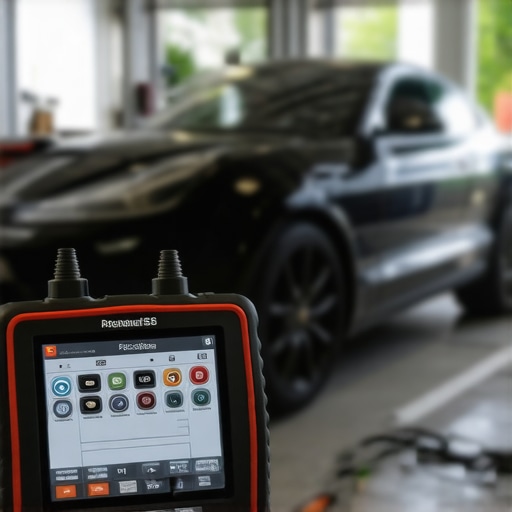
What I Wish I Knew Before Relying Solely on My Scanner
One of the hardest lessons I learned is that even the most advanced diagnostic tools can hide crucial details if you aren’t proactive. My initial assumption was that if no codes appeared, my vehicle was perfectly fine. But over time, I realized that issues like sensor calibration drifts or software glitches often fly under the radar, silently affecting system performance. This experience taught me to cross-reference scanner data with physical inspections and real-world driving cues, a practice that has saved me from costly repairs and unexpected breakdowns.
Tools and Techniques That Transformed My Approach
Investing in a comprehensive diagnostic device, like the Autel MaxiSys Ultra, changed the game for me. Its OEM-specific code reading and live data streaming uncovered issues conventional scanners missed. Combining this with regular sensor calibration routines and firmware updates helped me maintain diagnostic accuracy. For example, calibrating ABS sensors after wheel replacements prevented false alerts, ensuring my brake-by-wire system stayed reliable, especially in challenging weather conditions.
My Personal Strategy for Longevity and Reliability
Consistency is key. I schedule routine inspections for fluid conditions, sensor calibrations, and firmware checks. Staying informed about manufacturer recalls and software updates ensures I leverage the latest fixes and improvements. For instance, after a recall notification on my hybrid’s battery management system, I promptly scheduled a dealership update, avoiding potential system failures. Regularly cross-checking diagnostic data against vehicle performance solidifies my confidence and keeps my vehicle running smooth.
Where Your Vehicle Diagnostics Can Take You Next
By embracing a hands-on, informed approach, you can elevate your auto maintenance from reactive to proactive. The future of vehicle diagnostics is moving towards AI-driven predictions and over-the-air updates—being prepared now means you won’t fall behind. With the right tools and mindset, you become not just a car owner, but a true guardian of your vehicle’s health. Ready to take control and stay ahead of hidden issues? Your journey begins here!
Are You Curious About Real-World Impact of Proper Diagnostics?
Have you ever hesitated to trust your scanner over physical checks? Let me know your experiences below, and together, we can share insights to keep our vehicles safer and more reliable.
More Details
Reading this article really hit home for me. As someone who’s been into DIY car repair for years, I used to rely solely on my scanner to diagnose issues, but I’ve learned that that can be a mistake, especially with complex 2026 systems. I remember a time when my car was behaving strangely, but no codes showed up, so I thought everything was fine. It turned out that a sensor calibration had drifted, and the scanner never picked it up. I had to perform a manual inspection and calibration to find the real issue. This experience made me realize how important it is to combine electronic diagnostics with physical checks. Has anyone here found that their scanner missed subtle problems, and how do you approach those tricky cases? I’d love to hear different strategies to improve diagnosis accuracy.