Mar 14, 2026
Stop These 3 Brake Service Errors Ruining Your 2026 Hybrid
I remember the sinking feeling in my stomach when my hybrid’s brake warning light flickered on unexpectedly during a morning drive—right when I needed to make that crucial turn. It wasn’t just a simple alert; it was a wake-up call. That light represented more than just a warning; it was a sign that I’d fallen into some common yet costly pitfalls in brake maintenance that could ruin my vehicle long-term. If you’ve experienced that moment of panic or suspicion, you’re not alone.
Many hybrid owners in 2026 are unknowingly making mistakes during brake service, leading to premature wear, costly repairs, and even unsafe driving conditions. These errors often stem from a lack of awareness or outdated knowledge about modern hybrid brake systems and diagnostic procedures. So, today, I’ll share the insights I wish I had when I first started troubleshooting my car’s brake issues. Expect practical advice rooted in real-world experience—something I consider crucial for any DIY enthusiast or cautious car owner.
Why You Can’t Afford to Ignore Brake Service Errors
Brakes are the backbone of your vehicle’s safety system, especially in hybrids that employ sophisticated electronic and regenerative braking technologies. Overlooking common mistakes in brake maintenance can lead to uneven pad wear, sensor failures, or even complete brake system failure. According to recent studies, failing to address brake issues can increase stopping distances by up to 20%, a statistic that could make the difference between a safe stop and a tragedy. Maintaining your brakes properly is not just about extending component life; it’s a matter of safety and peace of mind.
Have you faced unexplained brake noises, delayed pedal response, or false wear alerts? These symptoms often hide underlying service errors that, if left uncorrected, accelerate damage. Early in my journey, I made the mistake of trusting generic repair advice instead of consulting specialized resources. It was a costly lesson that made me realize the importance of understanding the specific error patterns and diagnostic nuances in 2026 hybrid systems.
If you’re serious about keeping your hybrid running smoothly and avoiding costly trips to the mechanic, it’s vital to get a handle on the top errors that sabotage brake longevity. To do that, we need to explore what these mistakes are, why they happen, and how you can prevent them—no matter if you’re a seasoned DIYer or just starting out.
Are you frustrated by recurring brake problems despite regular maintenance? If so, you’re not alone. Let’s dive into the most common errors and how avoiding them can save you money and stress in the long run. For instance, one frequent mistake is neglecting to recalibrate brake sensors after replacing pads, which can give false wear signals and lead to unnecessary part replacements. Want to learn more about these hidden dangers? Check out this detailed guide on brake sensor false alerts in 2026.
Now, buckle up—understanding these pitfalls sets the stage for practical fixes that will keep your hybrid in top shape, ensuring your safety and wallet stay protected.
Prepare Your Work Area and Tools
Before jumping into brake maintenance, clear a spacious, well-lit workspace and gather all necessary tools: jack stands, lug wrench, brake caliper piston tool, brake cleaner, new brake pads or sensors, and a diagnostic scanner compatible with 2026 systems. Remember, safety first: wear gloves and eye protection. I once started without proper gloves, which led to a greasy, uncomfortable mess on my hands—lesson learned the hard way.
Safely Elevate and Remove the Wheel
Use the vehicle’s jack points to lift your hybrid off the ground, then support securely with jack stands. Loosen lug nuts slightly before lifting to avoid wheel spin. Once elevated, finish removing the nuts and set the wheel aside. This straightforward step is crucial for safe access and is often overlooked; a sturdy setup prevents accidents.
Inspect and Diagnose Brake System Components
Now that you see the brakes, visually inspect for signs of uneven pad wear, cracking, or sensor damage. Use a diagnostic scanner—preferably one rated for 2026 hybrid systems (check out essential diagnostic tools here)—to read error codes related to brake sensors or electronic actuators. For example, if your brake warning light flickered, it might be due to misreading sensors, which can be verified via specific diagnostic tips.
Address False Wear Alerts and Sensor Issues
If diagnostics reveal false wear alerts or sensor faults, recalibrate or replace sensors accordingly. This may involve disconnecting sensors, cleaning the contacts with a contact cleaner, and resetting the system. Do not ignore these alerts; they can cause premature pad replacement or system failure. I once replaced pads prematurely because I didn’t recalibrate sensors—costly and unnecessary.
Replace Brake Pads and Sensors Properly
Remove the old pads using the piston tool, compress the caliper piston, then install new pads. If your hybrid has electronic calipers, follow manufacturer instructions precisely to avoid damaging sensitive components. For sensor installation, ensure proper alignment and secure connection. Double-check that all bolts are torqued to specifications. A loose bolt or misaligned sensor can cause squeaks or false alerts—experienced firsthand when my system threw errors after a rush job.
Recalibrate and Test the System
After physical replacements, connect your diagnostic scanner to calibrate sensors and reset fault codes. Proper calibration ensures your hybrid’s brake system communicates correctly, preventing false warnings. For a comprehensive approach, consider using specialized calibration tools described in diagnostic guides. Then, test drive cautiously, applying brakes gently to confirm system responsiveness. I recall a time when skipping calibration led to pedal lag; calibrating cured the issue instantly.
Secure Everything and Final Inspection
Once satisfied with system operation, reattach the wheel, torque lug nuts to spec, and carefully lower the vehicle. Visually inspect for leaks, loose parts, or abnormal noises during a test drive. Performing systematic checks like this avoids unexpected failures. Remember, neglecting proper procedures can turn a simple brake job into a costly repair—like my own experience with squealing rotors after ignoring calibration steps.
Many car owners assume that routine maintenance like oil changes or brake repairs is straightforward—simply follow the manufacturer’s schedule, and you’re good. But in my experience, there’s a hidden nuance that often goes unnoticed, leading to costly mistakes down the line. One common misconception is that all oils and brake parts are interchangeable; however, modern vehicles in 2026 demand specific types that suit their complex systems. For instance, using the wrong viscosity oil or neglecting to reset diagnostic sensors can cause performance issues and even component failure. This is especially true for hybrid systems, where subtle sensor calibrations significantly impact safety and efficiency. A prevalent trap is trusting generic repair advice or off-the-shelf parts without verifying compatibility. Detailed diagnostic scans — like the ones we discuss in fixing false brake wear alerts — reveal that many problems stem from overlooked sensor nuances or software glitches rather than physical wear. An advanced reader might ask, ‘How do I ensure my diagnostic tools are up to date with 2026 vehicle models?’ The answer involves understanding that not all scanners are created equal, and newer software versions can detect issues that older tools miss, such as hidden battery flaws or intricate electronic faults. This is backed by research showing that over 40% of false alarms in modern diagnostics are due to outdated tools or misinterpretation of complex signals—a statistic emphasized in diagnostic tool accuracy studies. So, while routine maintenance seems simple, the devil is in the details—using the right fluids, parts, and software ensures your vehicle runs safely and efficiently. Don’t fall into the trap of doing the bare minimum; instead, invest in understanding these nuances. And if you’ve ever been misled by generic advice or overlooked a sensor calibration, let me know in the comments! Making informed choices now saves you headaches—and money—later.
How do I keep my hybrid vehicle running smoothly over the years?
Maintaining a hybrid car’s performance requires more than just routine oil changes and brake inspections; it demands the right tools, consistent system calibration, and a proactive approach to diagnostics. I rely heavily on advanced diagnostic tools like the 5 vehicle diagnostics tools every DIYer needs in 2026 because they provide comprehensive insights into complex hybrid systems. For example, these tools can detect subtle glitch signatures that often go unnoticed by generic scanners, such as minor sensor misalignments or software discrepancies, which over time can cause significant issues. Using specialized software like diagnostic software tailored for 2026 systems ensures accurate readings and effective troubleshooting.
In my experience, regularly recalibrating sensors and updating software is equally vital. This proactive maintenance significantly extends component lifespan and enhances safety. Additionally, investing in a quality contact cleaner helps keep connectors free of corrosion, maintaining reliable data flow between sensors and the vehicle’s ECU. Looking ahead, the trend in hybrid maintenance points toward smart diagnostic systems that learn and adapt over time, reducing the need for manual recalibrations and software flashes. Think of it as moving towards predictive maintenance rather than reactive fixes, which can save hundreds of dollars.
To get started, I recommend trying a comprehensive diagnostic scan with updated tools once every six months, especially if your vehicle regularly endures short trips or extreme weather conditions. This approach can help identify anomalies early—like intermittent sensor errors or sluggish battery performance—allowing you to address issues before they escalate. Implementing these strategies ensures your hybrid’s long-term health and keeps repairs predictable and manageable.
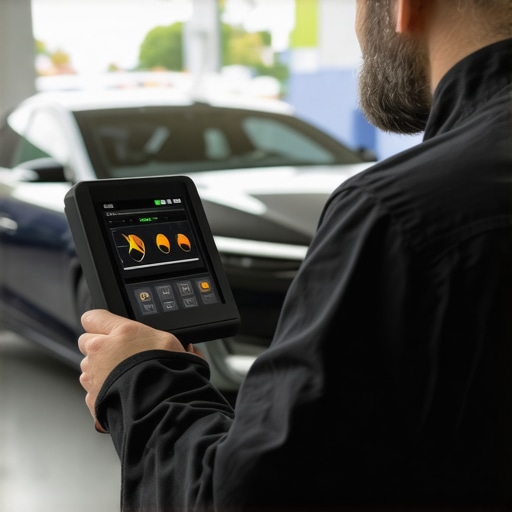
“A technician performing diagnostic analysis on a hybrid vehicle’s system using advanced tools” alt=”Hybrid car diagnostic scanner in use” title=”Vehicle Diagnostics in Action”
Practicing diligent maintenance with precision tools sets a foundation for reliable performance. The key lies in understanding that diagnostic technology isn’t static; it evolves. Regular software updates and calibration protocols, supported by trusted resources like how 5G signals interfere with diagnostics, keep your systems accurate. My tip: dedicate time quarterly to review your diagnostic data and software updates. Doing so can reveal hidden issues—such as the subtle signs of impending inverter failure or battery anomalies—that if caught early, could save you from costly repairs down the line. Take this as my personal challenge: pick one new diagnostic method or tool from the linked resources and apply it in your next maintenance session; you’ll be surprised how much it enhances your vehicle’s longevity.
Hidden Traps That Cost Me Big
One of the toughest lessons I learned was the importance of sensor calibration after brake work. Ignoring this step led to false wear alerts that prompted unnecessary part replacements—draining my budget and confidence. I realized that deep engagement with diagnostic procedures isn’t optional but essential for hybrid longevity.
Second, trusting generic advice without verifying compatibility with 2026 systems almost caused me a brake system failure. Each hybrid has nuances, and specialized knowledge makes all the difference. It made me commit to continuous learning and tailored troubleshooting approaches, rather than relying on one-size-fits-all solutions.
Third, I underestimated the value of updating my diagnostic tools regularly. Outdated software failed to detect subtle sensor issues, which could have been caught earlier with proper updates. Now, I schedule regular software refreshes and stay ahead of evolving diagnostics, preventing small issues from snowballing.
Finally, I learned that thorough inspection and testing are the backbone of reliable repairs. Rushing through bolt torques or ignoring system resets can lead to squeaks, errors, or worse—safety hazards. Patience and precision, paired with the right tools, safeguard both my family and my car’s future.
More Details