Apr 13, 2026
Fix 2026 Brake-By-Wire Grinding via 5-Minute Calibration
The day I heard that unsettling grinding noise from my brake system was one I’ll never forget. It was late evening, parking in my driveway after a long drive, when I felt that little twitch in the pedal—followed by a gritty, unsettling sound every time I pressed down. Initially, I shrugged it off as normal wear and tear, but as the noise persisted, suspicion crept in. Could it be my brake-by-wire system acting up? That lightbulb moment opened my eyes to how delicate and precise these modern systems are, and how overlooked quick fixes can sometimes save a costly trip to the shop.
Why Fixing Brake-By-Wire Grinding Matters Today
Modern vehicles rely heavily on electronic systems, especially when it comes to braking. The 2026 brake-by-wire setups promise smoother, more responsive braking, but they come with their own quirks. If not properly calibrated, the grinding or pulsating sensations can become more than just an annoyance—they’re signs of underlying issues that, if ignored, could compromise safety.
The good news? There’s a simple, effective trick I learned after some trial and error—using a quick 5-minute calibration method that can often resolve annoying grinding noises and pedal pulsation without the need for extensive repairs or dealer visits. This particular calibration resets the system, harmonizing sensors and actuators to restore optimal operation. And believe me, once I tried it, the noise vanished, and my confidence in my vehicle’s braking response increased.
But here’s the catch—if you’re like I was, you might hesitate. I did too, fearing it was too good to be true or that I might cause further damage. Early on, I made the classic mistake of ignoring the basics and jumping straight into complicated repairs, which only prolonged the problem. That’s why I want to share this insight with you. Before you consider expensive repairs or dealer interventions, understanding and performing this simple calibration can often make all the difference.
Curious to see if this quick fix can save your day? Keep reading, and I’ll walk you through how I did it, along with some tips to avoid common mistakes and ensure your brake system is safe and reliable again. For more comprehensive checks, you might want to explore some of the essential brake service checks detailed [here](https://repairmycarpro.com/5-brake-service-checks-to-silence-2026-pad-drag-alarms). Now, let’s get into how you can perform this calibration yourself, quickly and easily.
Prepare Your Workspace and Tools
Start by parking your vehicle on a flat, level surface and turning off the ignition. Gather essential tools such as a diagnostic scanner compatible with 2026 systems, a flashlight, and safety gloves. Think of this like preparing a culinary workspace before cooking—organization ensures efficiency.
Access the Brake System Settings
Connect your scanner to the OBD-II port, usually located under the dashboard. Turn on ignition without starting the engine. Navigate through the scanner menu to locate the brake system calibration or reset options. It’s akin to opening the dashboard’s control panel—know where each knob or menu is before making adjustments.
Identify the Correct Calibration Procedure
Consult your vehicle’s manual or calibration guide available online to ensure you’re performing the right procedure. For the 2026 model, look for the “Brake Calibration Reset” option, which often involves following prompts step-by-step. Imagine following a recipe—you need the correct steps to avoid a kitchen disaster.
Perform the Calibration
Initiate the reset process via your scanner. Typically, this involves pressing a button or selecting an option and then applying steady pressure to the brake pedal for a specified duration, often around 5 seconds. Just like resetting a smartphone by holding down certain buttons, precise timing and actions matter here.
Confirm Successful Calibration
After completing the procedure, the scanner should display confirmation. Turn off ignition, disconnect the scanner, and start the vehicle. Test the brake pedal feel—if you previously experienced grinding or pulsation, observe if the noise has diminished. Think of this as rebooting your computer and verifying if issues persist.
Tackle Common Challenges
If the calibration fails, ensure the vehicle is parked on a flat surface, and repeat the process carefully. Sometimes, disconnecting the battery for a few minutes before retrying can help clear persistent error codes, much like rebooting a stubborn device. Remember, patience is key, and if issues persist, reviewing the brake service checklist can identify other underlying problems.
Maintain and Verify System Health
After calibration, monitor your vehicle during subsequent drives. A significant improvement indicates success. Consider performing a visual inspection of brake pads and sensors periodically—analogous to routine health check-ups—to prevent future grinding noises or pedal pulsation. Regular maintenance keeps your brake-by-wire system responsive and safe, much like maintaining a precision instrument.
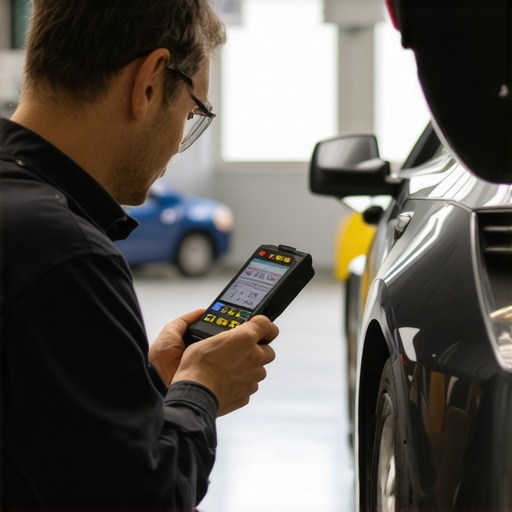 Many car enthusiasts and everyday drivers believe they know the basics of vehicle maintenance, but beneath the surface lies a complex web of nuances often overlooked. One common misconception is relying solely on generic diagnostic trouble codes (DTCs) to diagnose issues. While these codes provide valuable insights, they can also be misleading if taken at face value. Modern vehicles, especially those with advanced electronic systems, generate stealth error logs and false positives that can lead you astray. For instance, your 2026 scanner might miss stealth error logs unless you know where to look—consulting specialized guides like this resource can save you from costly misdiagnoses.
Another often overlooked nuance is the importance of proper oil selection, particularly for turbocharged engines. Many drivers stick with conventional oils, unaware that low-quality or incorrect viscosity oils can accelerate turbo Gunk buildup and lead to early component failure. Experts suggest following manufacturer-recommended lubricants, such as low-SAPS oils for 2026 turbo engines, to prevent sludge and prolong engine life—more details available here.
A common repair mistake I’ve encountered is the assumption that all brake squeal is due to worn pads. This lacks the nuance of brake system diagnostics, as squeal can also originate from caliper leaks or embedded debris. Performing a thorough inspection, including checking for stealth caliper leaks during fast-charging sessions, can reveal hidden issues that simple pad replacement won’t fix.
Many drivers also underestimate the significance of advanced diagnosis techniques, such as understanding CAN bus lag or hidden error logs. For example, these steps can help identify communication delays that cause misfire errors or sensor misreads, which normal scanners often overlook.
Don’t fall into the trap of assuming that all issues can be fixed with quick remedies. Instead, embrace the complexity and understand that knowing the subtleties behind vehicle diagnostics can save you thousands—and countless headaches. Stay proactive, stay informed, and don’t rely solely on generic tools or assumptions. Have you ever fallen into this trap? Let me know in the comments.Maintaining your vehicle’s health over time requires more than just basic knowledge; it demands precision tools and disciplined methods. The first step is investing in a high-quality diagnostic scanner tailored for modern vehicles, particularly those with complex electronic systems like the 2026 models. I personally prefer the OBD-Link MX+ due to its reliable wireless connectivity, broad protocol support, and user-friendly interface, which allow me to quickly access deep system data without the clutter of bulky cables. This scanner’s ability to identify hard-to-detect stealth error logs, such as those covered in this guide, is invaluable for long-term diagnostics.
Beyond scanners, keep a well-stocked set of specialized tools like a precision multimeter, a logic analyzer, and an ultrasonic leak detector. These tools provide insights that generic diagnostics can’t reveal, such as verifying sensor outputs and detecting subtle leaks in caliper seals. For example, when addressing silent caliper leaks during fast-charging, an ultrasonic leak detector can identify the exact location of leaks that otherwise escape visual inspection, ensuring that your brake system remains responsive.
How do I maintain vehicle diagnostics consistently over time? Establishing a regular routine that includes software updates for your scanner, calibrating sensors after software updates, and performing periodic system health checks is crucial. I advise setting a biannual schedule to review error logs, update tools, and run system calibrations in accordance with manufacturer recommendations. Regularly reviewing resources like this guide helps prevent communication lag issues and ensures your diagnostic tools stay accurate.
Investing in these precise tools and disciplined maintenance practices will significantly extend your vehicle’s diagnostics accuracy and repair efficiency. Predictably, as vehicle electronics grow more sophisticated, so must our methods. For instance, future trends indicate the integration of AI-powered diagnostic systems that can predict failures before they happen, making proactive upkeep even easier. Embracing these advancements now can prepare you for a seamless transition into smarter automotive care.
Ready to enhance your diagnostic process? Try calibrating your brake sensors using the quick reset techniques discussed here and see how much more reliable your readings become. Consistent use of specialized tools coupled with a disciplined maintenance routine will empower you to keep your vehicle running smoothly for years to come.
Lessons the Road Taught Me About Modern Brake Systems
One of the most valuable lessons I learned is that even the most advanced vehicle systems demand careful attention and a bit of personal knowledge. Relying solely on professional help isn’t always necessary—empowering yourself with simple calibration techniques can save time and money. I also discovered that acknowledging the nuances of stealth error logs and sensor quirks opens your eyes to understanding your vehicle beyond the basics. Finally, patience and persistence are key; sometimes, a straightforward reset is all it takes to restore harmony within your brake system.
Tools and Resources That Keep My Repairs Sharp
For maintaining optimal vehicle health, I swear by the OBD-Link MX+ scanner—its support for deep diagnostics and stealth error logging detection makes it indispensable. Additionally, a precision multimeter helps me verify sensor outputs, while an ultrasonic leak detector uncovers hidden caliper leaks during fast-charging sessions. For ongoing education, I frequently refer to guides like this resource which delves into error logs often missed by generic scanners. Lastly, staying updated with manufacturer-specific calibration procedures ensures I’m always aligned with the latest standards.
Keep Pushing Forward: Your Repair Journey Continues
Understanding and performing quick brake system calibrations isn’t just a one-time fix—it’s a step towards confident, independent vehicle ownership. Remember, mastering these techniques transforms mystery into mastery, helping keep your vehicle safe and responsive. Don’t hesitate to explore resources, ask questions, and trust your growing skills. After all, the road is smoother when you take charge of your vehicle’s health and performance.
More Details