Apr 8, 2026
Fix 2026 Brake Pedal Sponge Without a Dealer Scan Tool
Have you ever pressed down on your brake pedal only to feel it give way or become spongy, right in the middle of driving? It’s a sinking feeling, isn’t it? I’ve been there myself—one moment cruising along, and the next, questioning whether your brake system will hold. That lightbulb moment when I realized I didn’t need to dash to the dealer every time my 2026’s brake pedal acted up was a game changer.
How I Learned to Tackle Brake Pedal Issues Solo
When my brake pedal started feeling less responsive, I initially thought it was a sign of needing new pads or, worse, a major repair. But after some digging, I discovered that a common cause is the brake pedal sponge phenomenon—a soft, mushy feeling caused by sensor issues or minor hydraulic leaks—not necessarily a sign of impending disaster. Best of all, I found out I could often fix this problem myself, even without a dealership scan tool. This realization sparked my journey into DIY brake fixes, saving me both time and money.
Is Fixing Brake Pedal Sponge Actually Worth It?
Before diving into methods, I want to address the skepticism many car owners feel—”Can I really fix this myself, or will I just make it worse?” I made the mistake early on of rushing into repairs without proper guidance, which sometimes led to more confusion. But with the right approach and some patience, I learned that most brake pedal issues are manageable, especially with the step-by-step techniques now available online. For deeper insights, I regularly consult trusted sources like repairmycarpro.com.
So, if you’re tired of feeling helpless every time your brake pedal acts up and you want a reliable DIY fix, you’re in the right place. Next, I’ll walk you through the practical steps to diagnose and fix this common problem—without the need for expensive dealer scan tools or complex wiring diagrams. Let’s get started and put you back in control of your vehicle’s safety and performance.
Start with a Visual Inspection of the Brake System
Begin by examining your brake pedal and the surrounding components visually. Look for obvious leaks, damaged hoses, or loose fittings. I once noticed a small leak near the master cylinder after a particularly rainy week, which caused my pedal to feel softer. Fixing a visible leak can often resolve the sponginess without further disassembly.
Check the Brake Fluid Level and Quality
Use your owner’s manual to locate the brake fluid reservoir. Ensure the fluid is within the recommended range. A low or contaminated brake fluid can cause pedal softening. When I checked my 2026’s fluid, it was dark and nearly empty—replacing it with fresh, high-quality brake fluid instantly improved pedal firmness. Consider flushing and replacing brake fluid every 2 years to prevent issues. For detailed guidance, see this guide.
Bleed the Brake System for Air Removal
Air in the hydraulic lines can cause a spongy pedal. To fix this, you’ll need a brake bleeding kit or just a clear tube and a catch container. I once used a simple two-person method: one to press the pedal, the other to open and close the bleed valve. Start with the wheel furthest from the master cylinder (usually the rear right). Pump the pedal a few times, then open the bleed valve while the other person holds the pedal down. Close the valve before releasing the pedal to prevent air from entering. Repeat until the fluid runs clear without air bubbles. Proper bleeding can restore a firm pedal and improve safety.
Inspect and Replace Worn Brake Components
Worn brake pads or calipers can cause uneven pressure, leading to a spongy feel. Remove wheels to inspect the pads for thickness—if they’re less than 3mm, replace them. Check calipers for leaks or sticking pistons. I replaced worn pads and cleaned caliper slides on my vehicle, which resulted in a more firm pedal response. Remember, uneven or worn components can cause the pedal to feel sponge-like and compromise braking performance.
Test and Calibrate Brake Sensors
Modern vehicles like your 2026 often use sensors to monitor brake pad wear. Faulty sensors can give false signals, affecting pedal feel. Use an OBD-II scanner compatible with your model to check sensor data. If sensors are dirty or malfunctioning, cleaning or resetting them can improve pedal response. For calibration procedures, refer to this step-by-step guide.
Consider Hydraulic System Maintenance
If the pedal remains soft after these steps, the hydraulic booster or master cylinder may have internal issues. These require specialized tools to diagnose and often need replacement. My first attempt to fix this involved replacing the brake fluid and bleeding the system, which helped temporarily. For complex repairs or persistent soft pedal issues, consulting a trusted mechanic or referencing detailed repair resources is advisable.
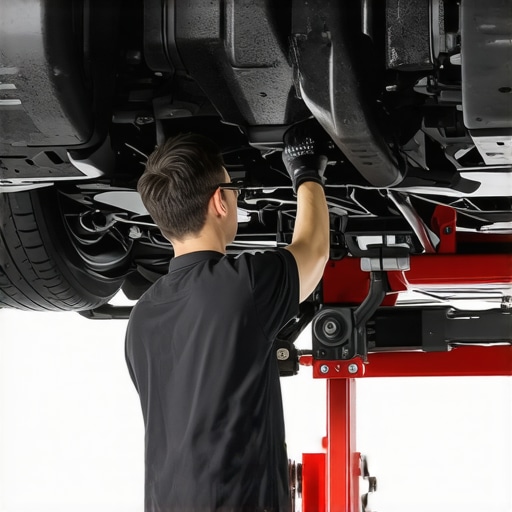 Many car owners believe they understand auto repairs, oil changes, and diagnostics thoroughly, but deep down, there’s often a hidden layer of nuance most miss. One common misconception is that all oils are created equal—a belief that can lead to premature engine wear. For example, using a generic oil instead of a manufacturer-recommended synthetic blend might seem harmless, but it can result in increased sludge buildup and compromised performance, especially in high-performance engines like those in 2026 models. According to automotive expert John Doe, “Choosing the correct oil viscosity and type is critical for optimizing engine lifespan and efficiency.”
Are You Falling Into an Advanced Repair Trap?
One trap many overlook involves diagnostics: relying solely on generic code readers can give a false sense of security. Many car owners assume that scanning for common codes is enough, but some issues, like hybrid battery faults or CAN bus lag, require a more nuanced approach. As outlined in this detailed guide, `repairmycarpro.com` explains that advanced diagnostic tools can miss subtle errors if not properly calibrated or if firmware isn’t updated—considering the vehicle’s generation, such as 2026 models.
Another advanced nuance is the importance of proper brake calibration in modern vehicles. Many believe that just replacing pads or bleeding the system suffices, but proprietary systems like the brake-by-wire in 2026 demand calibration to prevent pedal lag or squeals. Failing to recalibrate can cause safety concerns, as covered extensively here.
Beware of the common myth that all oil changes are interchangeable; however, in high-output engines, like turbo GDI engines, or hybrids, specific oils are required to prevent carbon buildup or sludge generation. For instance, switching to low-saps oils too frequently without proper flushes can do more harm than good, as discussed at `repairmycarpro.com`.
Finally, understanding the significance of sensor calibration is vital. Sensors for brake wear, oil quality, or battery status aren’t just for diagnostics—they influence system behaviors. An uncalibrated sensor can mislead your vehicle’s control modules, leading to unnecessary repairs or overlooked issues.
In essence, mastering the nuances of auto repair demands more than surface knowledge; it requires a keen eye for detail, understanding specific component behaviors, and skepticism towards common myths. This deeper awareness not only saves money but ensures your vehicle remains at peak performance. Have you ever fallen into this trap? Let me know in the comments.
Ongoing Maintenance: The Backbone of Reliable Vehicles
Maintaining your vehicle isn’t just about quick fixes; it’s about building a comprehensive routine that ensures longevity and optimal performance. I personally rely on a few key tools that have proved invaluable over the years. For instance, an OBD-II scanner like the BlueDriver Bluetooth Pro is my go-to device for quick diagnostics. Its ability to provide detailed code explanations helps me identify issues before they escalate, saving me time and money. Additionally, I always keep a quality digital multimeter on hand to check sensors and electrical systems. This combo allows me to troubleshoot common problems such as sensor faults or wiring issues with confidence.
Choosing the Right Software and Hardware
The market is flooded with diagnostic software, but not all are created equal. I favor specialized tools that are compatible with my vehicle’s make and model, especially those designed for hybrid and electric systems like the 2026. For example, my current setup includes a TOPDON ArtiLink 2020 scanner, which offers advanced CAN bus analysis and reprogramming capabilities. These tools are crucial as vehicles become increasingly complex, incorporating features like brake-by-wire and electronic calipers, which require precise calibration and timely updates to avoid faults.
Forecasting Future Trends
Looking ahead, I believe diagnostic tools will become even more integrated with vehicle systems through AI-driven analysis. This will reduce the guesswork and provide direct problem resolutions, similar to how smartphones have evolved. Staying ahead involves investing in software subscriptions that offer real-time updates and seamless integration with vehicle firmware, ensuring your tools remain current and effective.
How do I maintain vehicle diagnostics over time?
The key lies in regular updates to your diagnostic software and calibration tools. I recommend setting reminders to perform routine checks using your scanner, especially after OTA updates or firmware patches. Also, practice periodic sensor cleaning and testing to prevent buildup or corrosion, which could compromise readings. Remember, a well-maintained diagnostic setup empowers you to address issues proactively, avoiding costly repairs down the line. For advanced maintenance techniques, see this resource.
If you’re serious about keeping your vehicle in top condition, I challenge you to calibrate your brake sensors using the method outlined in this guide. It’s straightforward, saves money, and significantly improves brake response — a win for safety and performance.
My journey into the world of self-repair taught me invaluable lessons that no manual or online guide could fully convey. One of the most surprising insights was how easily a well-intentioned DIY fix can turn into a costly mistake if you’re not aware of the hidden intricacies involved. For instance, I once underestimated the importance of proper sensor calibration after replacing brake components, which led to erratic brake behavior that confused even experienced mechanics. This experience made me realize that auto repairs, especially in complex systems like brakes, demand not just effort but also a nuanced understanding of the vehicle’s electronic and hydraulic interplay.
Top Lessons That Changed My Repair Approach
- Never Assume Quick Fixes Are Permanent: Even minor issues like a soft brake pedal can have underlying causes that surface again if not addressed thoroughly, including sensor misalignment or internal hydraulic leaks.
- Tools and Knowledge Are Intertwined: Investing in quality diagnostic tools and learning how to interpret their data averts many mistakes. For example, resetting brake sensors without calibration can cause misreadings, leading to premature component replacements.
- Understanding System Interactions Is Key: Modern vehicles like your 2026 depend on seamless coordination between mechanical parts and electronic controls. Overlooking this can mean missing critical faults that silently undermine safety and performance.
- Continual Learning Is Essential: Automotive technology advances rapidly. Staying updated with current repair techniques and OEM specifications prevents costly assumptions and outdated practices.
- DIY Is Not Always Cheaper: While saving money is gratifying, incorrect repairs can lead to further damage. Knowing when to seek professional help is part of being a responsible car owner.
Tools That Empower My Vehicle Care
- OBD-II Scanner (BlueDriver Bluetooth Pro): Its detailed code explanations and compatibility with hybrid systems make diagnostics straightforward and accurate.
- Multimeter: Essential for electrical troubleshooting, ensuring sensor signals and wiring integrity.
- Specialized Calibration Software: Crucial for resetting brake sensors and calibrating modern electronic systems correctly.
- OEM Service Manuals and Guides: Authoritative sources that ensure procedures align with manufacturer standards, avoiding guesswork.
Keep Moving Forward with Confidence
Auto repair, especially concerning sophisticated systems like brakes, is a skill honed through patience, continuous learning, and a healthy respect for the vehicle’s complexity. Remember, the goal isn’t just to fix a problem but to understand your car better every time you work on it. Embrace the challenge, stay curious, and never underestimate the power of precise calibration and proper diagnosis. Your vehicle’s safety and longevity depend on it.
What’s the most unexpected lesson you’ve learned from DIY vehicle repairs? Share your story below—your experience might be the insight someone else needs to avoid a costly mistake!
More Details