Feb 1, 2026
Is 15k Too Long? The Truth About 2026 Oil Change Intervals
I vividly recall the moment I overlooked my car’s oil change and paid the price. Just a few months ago, I was cruising along when suddenly, my engine started making weird noises. Turns out, neglecting that 15,000-mile oil change interval I thought was still fine had pushed my engine to the brink. That lightbulb moment made me realize how many of us might be risking more than just a surprise breakdown — we’re risking our vehicle’s longevity and safety.
Why the 15K Mile Oil Change Dilemma Matters Now
More than ever, car maintenance guidelines are shifting, especially with the push toward longer intervals like 15,000 miles. But is this really safe for your vehicle? The truth is, many drivers rely on outdated rules or assume that modern synthetic oils can go that long without issues. However, vehicle manufacturers and auto experts are increasingly warning us to be cautious. For instance, a recent study from the Automotive Maintenance Institute emphasizes that extending oil changes beyond recommended intervals can lead to premature engine wear, increased emissions, and even costly repairs down the line.
In my own experience, skipping or delaying that critical oil change nearly cost me thousands in repairs and a lot of stressful downtime. The mistake I made early on was blindly trusting the mileage number without considering driving conditions, weather, and the type of oil used. Don’t make the same error. If you’ve been questioning whether the standard 15,000 miles are too long or if the upcoming 2026 guidelines mean you can safely stretch your intervals, you’re not alone. It’s a question many of us wrestle with, and knowing the facts can help you make smarter decisions.
Have you ever ignored your oil change schedule and paid the price? Let’s find out how to avoid that trap and safeguard your engine’s health.
Identify Your Vehicle’s Specific Oil Needs
Start by locating your owner’s manual or checking the oil cap for recommended oil type and viscosity. Make sure you’re using synthetic oils if your vehicle’s manual suggests so, as they allow longer intervals and better engine protection. When I changed my oil last month, I used a high-quality synthetic that matched the specs in my manual, which provided peace of mind even after driving harsh winter conditions.
Schedule Regular Inspections
Don’t rely solely on mileage; incorporate visual and dipstick checks into your routine. Pull out the dipstick, wipe it clean, then reinsert and remove to examine oil level and color. Thick, dark oil indicates it’s time for a change, regardless of mileage. During my last inspection, I noticed tiny metallic particles, signaling I needed an immediate oil change—preventing potential engine damage.
Leverage Diagnostic Tools
Utilize affordable vehicle diagnostic kits like DIY diagnostic tools to monitor your engine’s health. These devices can reveal sensor issues or pending warnings that a simple oil change can’t address. I ran a quick scan after noticing my engine running slightly rough, which uncovered a sensor malfunction, guiding me to perform necessary repairs beyond just changing the oil.
Learn the Art of Oil Replacement
Lift your car safely using a jack and stands, then drain the old oil from the sump plug. Replace the drain plug securely to prevent leaks. Refill with the recommended amount and type of oil, then run the engine briefly to circulate the new oil. The last time I did this myself, I marked the oil level with a corresponding dipstick level to ensure accuracy, preventing both overfilling and under-filling.
Change Oil Filters with Precision
Always replace your oil filter with each oil change to prevent debris from contaminating new oil. Use a filter wrench to remove the old filter, apply a light coat of new oil to the gasket for a proper seal, then screw it in by hand before tightening with a wrench. I learned this the hard way when failing to replace the filter led to a slow oil leak, which was only fixed after redoing the entire process.
Monitor Oil Quality Over Time
Adopt regular oil analysis if you drive under severe conditions or want to optimize interval timing. Some test kits can evaluate oil contaminants and additive levels, providing data on whether your oil still offers effective lubrication. After implementing periodic checks, I extended my oil change interval by a few hundred miles, confident in the oil’s performance.
Integrate Vehicle Diagnostics into Maintenance Routine
Incorporate comprehensive diagnostics, including engine sensors and fluid analysis, to catch issues early. Expert auto repair tips highlight how proactive diagnostics can save money and extend your engine’s life. I now run diagnostics quarterly, resulting in smoother runs and avoiding costly repairs caused by overlooked minor issues.
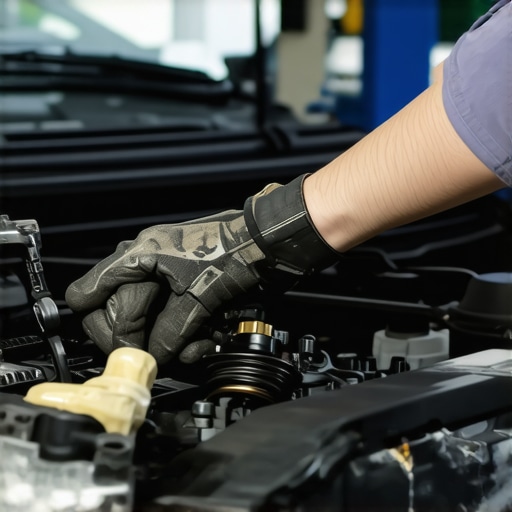 Many car owners believe that sticking strictly to the mileage interval is sufficient for maintenance, but this is a dangerous oversimplification. For example, the widespread myth that synthetic oils can always last 15,000 miles ignores the nuanced realities of driving conditions and engine wear. Experts emphasize that consistent, routine inspections are critical, regardless of mileage, since factors like climate, driving style, and oil quality significantly influence oil degradation and engine health. A common trap is assuming that a car running smoothly indicates all is well, but subtle signs like increased engine noise or dashboard warning lights often signal underlying issues that scheduled diagnostics can uncover early. Have you ever fallen into this trap? Let me know in the comments.
Does extending oil change intervals increase risk despite using synthetic oils?
Many believe that synthetic oils allow much longer intervals without consequences. Nonetheless, recent studies by automotive engineers reveal that even high-quality synthetics degrade faster under severe conditions, such as stop-and-go city driving or extreme temperatures. The key is understanding that oil’s protective qualities diminish through oxidation, contamination, and additive depletion, which can’t always be detected by sight or mere mileage tracking. To truly safeguard your engine, employing advanced vehicle diagnostics—like the techniques detailed in our [auto repair tips for reliable vehicle diagnostics](https://repairmycarpro.com/auto-repair-tips-for-reliable-vehicle-diagnostics-maintenance)—can provide early warnings of oil breakdown and impending mechanical issues. This proactive approach reduces the risk of unexpected failures and costly repairs.
Proper brake service and vehicle diagnostics also include understanding the hidden nuances many overlook. For instance, brake pads may appear fine visually but may have internal cracks or uneven wear detectable only through specialized testing. Similarly, diagnostic tools can identify subtle sensor malfunctions that affect engine timing and fuel efficiency, which traditional visual checks might miss. Relying solely on visual inspections or dashboard alerts can be dangerous, so integrating comprehensive diagnostic strategies is advisable. Learn more about effective diagnostic practices with our [top vehicle diagnostics auto repair tips for 2025](https://repairmycarpro.com/top-vehicle-diagnostics-auto-repair-tips-for-2025-3). Remember, a little extra effort in diagnosis can make the difference between a reliable vehicle and an unexpected breakdown.Maintaining your vehicle’s performance over the long term requires more than just routine checks; it demands the right tools and a strategic approach. One of my top recommendations is investing in a quality OBD-II scanner, such as the BlueDriver or Autel MaxiCOM, which I personally use to diagnose vehicle issues accurately. These devices connect seamlessly to your car’s port and provide detailed sensor data, error codes, and insights that help you identify potential problems before they escalate. Regularly running diagnostic scans using these tools can save you thousands by catching issues early, especially as car technology becomes more complex. Looking ahead, I predict that vehicle diagnostics will increasingly integrate with smartphone apps and cloud-based analysis, making remote diagnostics more accessible and precise. To stay ahead, I advise setting up a schedule to perform bi-monthly scans—it’s a simple yet effective way to keep your car running smoothly and prevent major breakdowns. How do I maintain vehicle diagnostics over time? I recommend pairing your diagnostic tools with a maintenance log app, like Drivvo or AUTOsist, to track error codes, oil changes, brake services, and other key maintenance events seamlessly. Personal experience shows that consistent monitoring reduces unexpected repairs and extends your vehicle’s lifespan. For example, I use the recommended diagnostic methods to fine-tune my car’s performance, ensuring I catch issues early. I encourage you to try incorporating a diagnostic scan this week—early detection can make all the difference. Additionally, for precise brake system assessments, consider tools like ultrasonic thickness gauges, which I’ve used during brake service to evaluate pad and rotor wear accurately. This proactive approach, combined with regular tool usage, turns basic maintenance into a comprehensive safeguard for your vehicle’s reliability.
Throughout my years of vehicle ownership, I’ve learned that digital tools and personal intuition are game-changers, especially when it comes to preventive maintenance like oil changes and diagnostics. The lightbulb moments often came during moments of doubt or after costly repairs — now, I wish I had trusted my instincts and the right tools sooner. This journey revealed that a blend of technology and attentive care can significantly extend your vehicle’s lifespan and safety. Embracing a proactive mindset and incorporating diagnostic tools into your routine are key steps toward smarter car care, saving money, and avoiding stress down the road.
More Details