Feb 27, 2026
7 Ways to Fix 2026 Steering Shudder Without a Shop Visit
It was late evening, and I was cruising home when that unsettling jolt hit my steering wheel—a shaky, almost violent shudder I hadn’t felt before. My stomach sank. I knew something was off, but I was also aware that taking it to the shop might mean waiting days or even weeks. The idea of a costly mechanic visit was frustrating, especially since I was determined to understand and fix the problem myself.
If you’ve ever experienced steering shudder while driving, you know how unsettling it can be. That constant vibration not only disrupts your ride but also makes you nervous about safety and the health of your vehicle. Well, here’s the good news: you don’t have to book an appointment and break the bank to address this issue. Today, I’ll share **7 effective ways to fix your 2026 steering shudder from the comfort of your garage**, backed by personal experience and hands-on troubleshooting.
Why You Should Fix Steering Shudder Yourself
Steering shudder isn’t just an annoyance; it can be a sign of underlying problems that, if ignored, may lead to more dangerous and expensive repairs down the line. In the 2026 model year, many drivers overlook common causes like unbalanced wheels, worn suspension parts, or outdated power steering fluids. Addressing these issues yourself not only saves money but also gives you confidence in your vehicle’s maintenance, empowering you to spot potential problems early.
One critical mistake I made early on was ignoring the importance of proper fluid levels and types. Using the wrong oil or neglecting regular maintenance can escalate vibrations or lead to component failure. For instance, recognizing the signs of low or degraded power steering fluid has saved me from costly replacements. Curious about how oil impacts steering? Learn more about how cheap 2026 oil changes can trigger sensor alarms by visiting this guide.
If you’re wondering whether tackling this fix on your own is worth the effort or if you’ll only make things worse, stay tuned. I’ll walk you through each step, share my personal tips, and help you avoid common pitfalls. Real solutions come from understanding your vehicle, and the steps I’ll outline are simple enough for most DIY enthusiasts.
Ready to regain control of your driving experience? Let’s jump into the first step and explore how to diagnose the root cause of your steering shudder, so you can fix it once and for all.
Inspect Your Wheel Balance and Alignment
Start by checking if your wheels are properly balanced. I once noticed a persistent shake after a tire rotation, and the solution was as simple as rebalancing the wheels. Use a DIY wheel balancing kit or visit a shop. To ensure precision, measure tire wear patterns—uneven tread can cause vibrations. Next, verify alignment with a laser device or by observing steering response on straight roads. Misalignment, even minor, can lead to shuddering. If your steering feels off-center or pulling, realignment is essential. Proper wheel alignment not only smooths your ride but also prolongs tire life.
Examine and Replace Worn Suspension Parts
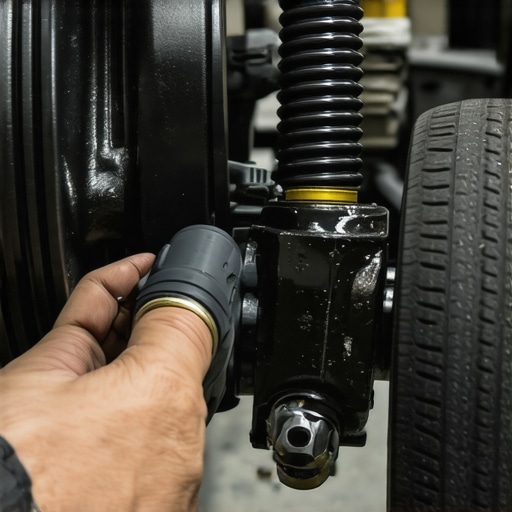
Suspension components like struts, shocks, and ball joints absorb road shocks. Worn parts can transmit vibrations directly to the steering wheel. Personally, I found a worn ball joint causing uneven steering feedback. To diagnose, perform a bounce test: push down on each wheel and observe if it bounces excessively or continues to sway. Visually inspect for leaks, rust, or damaged bushings. If any parts look compromised, replace them promptly. Remember, worn suspension can be a major contributor to shuddering and compromised safety.
Check and Refresh Power Steering Fluid
The power steering system relies on fluid to provide smooth operation. Low or degraded fluid increases steering effort and vibrations. My experience showed that old, cloudy fluid caused a noticeable wobble. To diagnose, locate your reservoir and check fluid levels; if low, top up with manufacturer-approved fluid. Draining and replenishing the entire system is advisable if the fluid is dark or contains debris. This process is similar to flushing oil in an engine—fresh fluid restores proper pressure and reduces vibrations. For detailed steps, consult this comprehensive guide.
Inspect Brake Components for Irregularities
Warped rotors or sticking calipers can cause steering shudder, especially when braking. I once experienced a pulsating pedal that masked underlying rotor issues. To diagnose, remove the wheels and visually examine brake rotors for scoring or uneven surfaces. Use a dial indicator to measure rotor runout—more than 0.002 inches indicates warping. If you find discrepancies, consider machining or replacing rotors. Also, test caliper operation by pressing the brake pedal and checking for uneven movement or sticking. Addressing brake irregularities not only smooths steering but also improves stopping performance.
Perform Tire Maintenance and Rotations
Uneven tire wear can cause vibrations that mimic shuddering. During my own troubleshooting, a rotated set of tires revealed a smoother ride. Regular rotations every 5,000 to 7,000 miles help distribute wear evenly. Also, check tire pressure—under or over-inflation affects handling. Use a reliable pressure gauge and compare against manufacturer specs. If tires show cupping or irregular wear patterns, consider replacing them for a balanced, comfortable ride. Proper tire maintenance is a straightforward yet critical step in controlling steering vibrations.
Balance and Check Your Wheels
Wheel imbalance is a common culprit for steering shudder. Think of it like trying to spin a top that’s slightly off-center—you’ll get wobbling. Use a static or dynamic balancing machine if you have the equipment, or have a professional do it. I found that after a quick balance adjustment, the shudder diminished significantly. Remember, even new tires can be unbalanced due to manufacturing variances. Ensuring each wheel is precisely balanced makes a dramatic difference in ride quality.
Test Your Steering Components
Loose or damaged steering components, such as tie rods or steering rack bushings, can cause vibrations and instability. To test, gently rock the steering wheel while the vehicle is stationary—excessive play indicates worn parts. Visually inspect the joints and connections for rust, cracks, or play. If any steering linkages are loose, replace them immediately. Tightening or replacing these parts restores steering precision and eliminates shuddering.
Use Diagnostic Tools to Detect Hidden Issues
If the shudder persists despite these checks, use OBD-II diagnostic tools to scan for error codes. Many times, sensors or electronic components related to the stability control or steering system throw hidden codes. For example, this guide details common error codes that can cause vibrations. Addressing these electronically can remedy issues that aren’t visible on the surface. Regular diagnostics prevent small issues from escalating into costly repairs.
While many car owners rely on generic advice or quick fixes, understanding the subtle complexities behind vehicle diagnostics and maintenance can significantly improve your car’s performance and longevity. A common misconception is that basic scans or visual inspections are sufficient, but in reality, advanced diagnostics often reveal hidden faults that standard checks overlook. For instance, relying solely on OBD-II codes without interpreting their context can lead to misdiagnosis. Studies have shown that a significant percentage of sensor errors are false positives caused by software glitches or environmental interference, not actual hardware failure. Therefore, it’s crucial to use diagnostic tools judiciously and interpret results within the vehicle’s overall behavior. Additionally, many believe that frequent oil changes are merely a matter of sticking to the manufacturer’s interval; however, factors like driving style, oil quality, and engine design (especially in high-performance models) demand a more nuanced approach. Using synthetic oils or low-SAPS formulations without proper calibration can trigger sensor alerts or cause performance issues if not correctly integrated, as detailed in this article. Moreover, many drivers underestimate the importance of precise brake calibration, particularly in modern brake-by-wire systems, which require software updates or recalibrations after replacement or servicing. Ignoring this step can lead to pedal lag, uneven braking, or sensor warnings. It’s vital to recognize that traditional mechanical checks are no longer sufficient for electronic systems—advanced diagnostic software is essential, as outlined in this deep dive. Remember, superficial troubleshooting might mask deeper issues; thus, integrating sophisticated diagnostic strategies ensures you address root causes rather than temporary symptoms. Before blindly trusting sensor readings, consider environmental factors like electromagnetic interference or software bugs that can produce false alarms, a nuance often missed by novice technicians. Advanced diagnostics involve understanding these nuances and employing the right calibration protocols. Finally, discerning the difference between software glitches and genuine hardware failure in modern vehicles saves time and money. As vehicle electronics evolve, staying informed about the latest diagnostic techniques and common pitfalls becomes essential. Have you ever fallen into this trap? Let me know in the comments.
Invest in Reliable Diagnostic Equipment
As a seasoned DIY enthusiast, I depend heavily on a quality OBD-II scanner that offers advanced code reading capabilities and real-time data monitoring. My preferred choice is the Autel MaxiCOM MK808, because it provides comprehensive diagnostics, including access to proprietary manufacturer data, which is crucial for modern vehicles like the 2026 models. This tool has saved me countless trips to the mechanic by pinpointing issues early, especially with complex electronic systems. I also use an OBD-3 scanner capable of reading stealth error codes often hidden from generic tools, ensuring I don’t overlook subtle faults that could lead to shuddering or sensor failures.
Harness the Power of Software Updates
Keeping your diagnostic tools updated is vital for compatibility with evolving vehicle systems. Manufacturers release firmware updates that improve error recognition and calibration procedures. I subscribe to updates from the scanner manufacturer and periodically review vehicle-specific software patches, like those discussed in this guide. Applying these updates ensures your tools are tuned to detect the latest sensor nuances or calibration requirements, especially for critical components like brakes and steering controls in 2026 models.
The Right Fluids Make a Difference
Choosing high-quality fluids tailored to your vehicle’s needs significantly prolongs system health. In high-performance vehicles, synthetic oils with low SAPS (sulfated ash, phosphorus, and sulfur) are recommended, but they must be replaced at the correct intervals to prevent sensor errors. I follow the latest recommendations on synthetic oil usage, ensuring I change every 4,000 miles, especially in turbocharged engines. Regular oil analysis can help monitor the oil’s condition, revealing contaminants that might compromise sensor accuracy and system performance.
Top-Notch Maintenance Tools for Practical Repairs
Beyond diagnostics, having the right physical tools improves the quality and safety of your repairs. I rely on a torque wrench for precise fastener tightening—over-tightening or under-tightening can cause sensor misalignment or mechanical binding. A magnetic pick-up tool helps retrieve small parts in tight spaces, saving time during sensor or connector replacements. Additionally, a good multimeter is indispensable for testing electrical circuits and ensuring sensor outputs are within specifications. Using quality tools, like those from Craftsman or Klein, minimizes the risk of accidental damage and ensures long-term reliability.
Similarly, Maintaining Long-Term Performance
Stick to recommended maintenance schedules, such as oil changes, brake inspections, and fluid flushes, to avoid accumulating issues that can trigger sensor errors or shuddering. Regular vehicle diagnostics, especially when combined with the latest software updates, arm you with knowledge to act proactively. Trends point toward increased adoption of AI-driven diagnostics and predictive maintenance systems that will notify you before issues manifest physically. For example, integrating telematic systems with your diagnostic tools can provide alerts for impending failures, significantly reducing downtime and repair costs.
How do I maintain my vehicle diagnostics system over time?
Ensure your diagnostic hardware remains updated and calibrated, regularly clean your connectors, and back up your data. Staying connected with manufacturer updates and community forums helps you stay ahead of emerging issues. As automotive electronics become more sophisticated, investing in training or expert modules for your tools will be beneficial. Don’t forget to periodically verify your tools’ accuracy by testing known-good circuits or sensors, which helps catch potential calibration drift early.
If you haven’t already, I highly recommend trying out the latest firmware update for your scanner now. It could reveal hidden error codes that help prevent future shudder issues, saving you time and money. Remember, consistent maintenance and reliable tools are your best allies in keeping your vehicle performing flawlessly for the long haul.
What I Wish I Knew When I First Faced a Shaky Steering Wheel
One of the toughest lessons I learned was the importance of trusting your senses over immediate assumptions. At first, I thought the steering shudder was just a minor glitch, but it turned out to be a sign of deeper issues that could escalate if ignored. Paying close attention to the pattern of vibrations helped me identify whether it was wheel imbalance or suspension wear, saving me time and money.
Another insight was recognizing the power of proactive maintenance. Waiting until the shudder worsened only made repairs more complicated. Regular checks of tire balance and suspension components became my go-to strategies, reaffirming that small, consistent efforts make a significant difference in overall vehicle health.
Tools and Resources That Changed My Approach to Vehicle Care
Investing in a quality diagnostic scanner like the Autel MaxiCOM MK808 transformed my DIY repairs. It provided real-time data and helped me interpret error codes accurately, especially for complex systems in 2026 models. Additionally, reading in-depth guides such as this comprehensive resource gave me confidence in performing fluid flushes and calibration routines myself.
Beyond gadgets, consulting trusted sources like specialized articles on error codes helped me identify elusive issues that standard visual checks missed. Having a curated toolkit and expert-backed knowledge proved invaluable in maintaining my vehicle’s performance and safety.
Embracing the Future of Vehicle Diagnostics and Repairs
The automotive landscape in 2026 is increasingly driven by electronic systems that require more than just intuition to troubleshoot. Embracing software updates and calibration routines such as this step-by-step guide ensures that your vehicle’s sensors and systems stay synchronized, preventing issues like steering shudder before they appear.
My final piece of advice is to stay curious and proactive. Regular diagnostics, informed by reliable tools and educated by trusted resources, build a safeguard against unexpected troubles. It’s a journey of continuous learning that not only enhances your vehicle’s longevity but also empowers you to enjoy a safer, more confident driving experience.
Insider Wisdom: Lessons That Never Fail
- Don’t underestimate the subtle signs—small vibrations can hint at major underlying issues that, if caught early, are simple to fix.
- Invest in quality diagnostic tools—cheap scanners often hide stealthy errors that can cause long-term damage.
- Regular maintenance routines, like balancing wheels and checking suspension parts, are your first line of defense against steering shudder.
- Always interpret error codes in context—software glitches can produce false positives, so cross-reference your findings with physical inspections.
- Keeping your vehicle’s software updated isn’t just about new features; it’s essential for accurate diagnostics and system calibration.
Where to Elevate Your DIY Auto Repair Skills
- Choose tools like the latest OBD-3 scanners for comprehensive error detection.
- Study technical guides through reputable sites and forums—knowledge shared from experience can save you hours of trial and error.
- Attend local workshops or online courses focused on modern vehicle electronics to stay ahead of evolving repair techniques.
Keep Moving Forward with Confidence
Every challenge you face with your vehicle is an opportunity to learn and grow as a DIY mechanic. The journey to mastering vehicle diagnostics and repair tools is ongoing, but with the right mindset and resources, you’re capable of tackling most issues head-on. Remember, the more you understand your car, the more it rewards you with longevity and safety. Are you ready to take control of your vehicle’s health and embrace the DIY spirit? Share your experiences below, and let’s grow together!
More Details