Dec 4, 2025
Top Auto Repair & Vehicle Diagnostics Tips for Reliable Cars 2025
Have you ever been stranded on the side of the road, frustrated, wondering why your car suddenly refused to start? Or maybe you’ve experienced that unsettling dashboard warning light that seems to appear out of nowhere? I’ve been there too—believe me, nothing throws a wrench into your day quite like unexpected car trouble. It’s in those moments of frustration that I realized one thing: proactive vehicle maintenance and diagnostics are the real keys to keeping my car dependable.
Why Reliable Cars in 2025 Start with Smart Diagnostics and Maintenance
In today’s fast-paced world, our cars are more than just transportation—they’re our mobile lifelines. As vehicles become increasingly complex, relying solely on traditional repair methods isn’t enough. The truth is, many breakdowns could be prevented with the right knowledge and tools. That’s why understanding the latest auto repair and diagnostics tips for 2025 is crucial. Staying ahead of potential issues not only saves money but also ensures your safety on every journey.
Have you faced the frustration of unexpected breakdowns despite regular maintenance?
I used to make the mistake of ignoring small warning signs—like strange noises or minor leaks—until they became major problems. Early on, I learned that neglecting these signs was a costly mistake. Now, I prioritize vehicle diagnostics and preventive care, which significantly reduces the chances of breakdowns. According to recent research, proper diagnostics can prevent up to 70% of vehicle failures by catching issues early (source).
In this article, I’ll share the most effective tips and strategies for auto repair and diagnostics that will keep your car running smoothly throughout 2025 and beyond. Whether you’re a seasoned mechanic or a daily driver, these insights will help you make smarter decisions about your vehicle care. Ready to take control of your car’s health? Let’s dive into the essential steps for reliable auto maintenance this year and how you can implement them today.
Step 1: Conduct Regular Visual Inspections
Start your maintenance routine with a thorough visual check of your vehicle. Look for leaks, worn belts, cracked hoses, and tire condition. I remember a time when I noticed a small oil leak during a routine check, which led me to replace a worn gasket before it caused major engine damage. Regular inspections are like giving your car a health check-up, catching issues early before they escalate.
Tip: Keep a maintenance log to track what you’ve checked and replaced, making future diagnostics easier.
Step 2: Use Advanced Diagnostic Tools
Invest in a reliable OBD-II scanner compatible with 2025 vehicle systems. These tools connect to your car’s computer and reveal trouble codes instantly. I once borrowed a scanner from a local auto parts store and plugged it into my car, which showed a faulty oxygen sensor. Replacing it improved my fuel efficiency immediately. Think of this as a doctor’s MRI for your car—quick, precise, and revealing hidden issues.
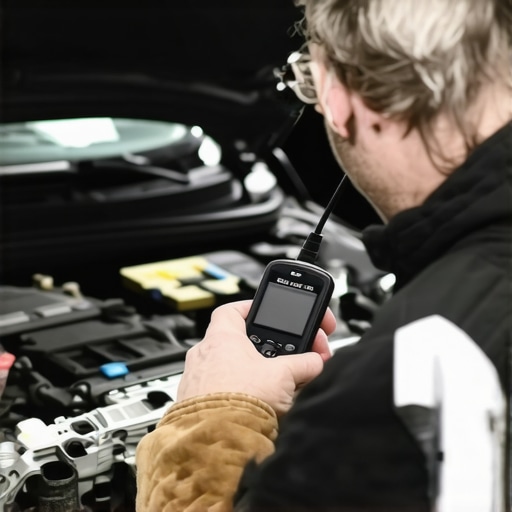
Tip: Regularly update your scanner’s software to keep up with the latest vehicle diagnostics protocols.
Step 3: Prioritize Routine Maintenance
Follow manufacturer-recommended schedules for oil changes, brake inspections, and fluid replacements. For instance, I always schedule my oil changes with an effective oil change vehicle diagnostics service, which ensures my engine stays clean and efficient. This proactive approach prevents many breakdowns and extends your vehicle’s lifespan.
Check out this guide for detailed oil change strategies tailored for 2025.
Step 4: Monitor Critical Systems Regularly
Pay special attention to brakes, tires, and suspension. Use diagnostic tools to verify brake system health—like checking for uneven wear or warning lights. I once caught a brake caliper issue early thanks to a top brake vehicle diagnostics strategy, avoiding a costly repair and ensuring my safety.
For in-depth brake system diagnostics, visit this resource.
Step 5: Respond Promptly to Warning Signs
If your dashboard lights up or you notice abnormal noises, don’t ignore them. Use your diagnostic tools to identify the root cause. I learned this the hard way when a strange squealing noise turned out to be a worn serpentine belt, which I replaced promptly. Addressing issues early minimizes repair costs and keeps your vehicle reliable.
Tip: Keep an emergency repair kit and a diagnostic reference guide in your car for quick troubleshooting.
Many car owners believe they understand auto diagnostics, but in reality, there are nuanced pitfalls that can lead to costly mistakes. Let’s dig deeper into these misconceptions and reveal the hidden nuances that often trip up even experienced drivers. Recognizing these advanced errors can significantly enhance your vehicle’s reliability and safety in 2025.
Myth: Using Basic OBD-II Scanners Is Sufficient for All Diagnostics
While entry-level OBD-II scanners are handy, relying solely on them can be a trap. These devices often provide generic trouble codes that require interpretation, but they might not access the latest protocols used by newer vehicle models. Modern cars, especially in 2025, utilize complex systems like adaptive cruise control and advanced driver-assistance features that demand sophisticated diagnostic tools. Investing in a high-quality, updatable scanner compatible with the latest protocols ensures you catch issues early and avoid misdiagnosis. Remember, manufacturers frequently update diagnostic codes, so software updates are crucial (see more on vehicle diagnostics).
Oops! The Hidden Trap of Ignoring Diagnostic Data
Many drivers ignore or misunderstand the data provided by advanced diagnostic tools. For example, a flagged sensor might seem minor, but if left unchecked, it could lead to reduced fuel efficiency, increased emissions, or engine damage. The key is to interpret data contextually and not dismiss anomalies as false alarms. Regularly updating your diagnostic software and cross-referencing with manufacturer guidelines can prevent these small issues from escalating into major failures (see strategies here).
What’s the Most Overlooked Advanced Mistake in Diagnostics?
One often overlooked mistake is failing to perform a comprehensive system check before replacing parts based solely on trouble codes. For instance, replacing a sensor without checking related systems like wiring harnesses or related modules may result in recurring issues. Advanced diagnostics include verifying the root cause, not just the symptom. A holistic approach, combining multiple diagnostic steps, ensures lasting repairs and maximizes vehicle reliability (guidance on holistic diagnostics).
Furthermore, many assume that diagnostic tools can replace manual inspections. However, visual checks of belts, hoses, and physical components remain vital. The nuance is understanding that diagnostics complement but do not replace traditional inspections. Combining both approaches ensures the highest accuracy in diagnosing and preventing issues.
Have you ever fallen into this trap? Let me know in the comments. Remember, mastering these advanced nuances can significantly improve your vehicle’s performance and safety in 2025.
Maintaining your vehicle over time requires more than just routine check-ups; it demands the right tools and a proactive approach. In my experience, investing in advanced diagnostic equipment and understanding long-term maintenance strategies can significantly extend your car’s lifespan and reliability. Here’s what I recommend for keeping your car in top shape throughout 2025 and beyond.
Why Quality Diagnostic Tools Matter
First and foremost, a reliable OBD-II scanner is indispensable. I personally use the Autel MaxiCOM MK808 because it offers comprehensive coverage of modern vehicle systems, including CAN protocols used by newer models. Its ability to perform active tests and retrieve detailed live data helps me identify issues before they escalate. Regularly updating the scanner’s software ensures compatibility with the latest vehicle firmware, which is crucial as manufacturers continually enhance system security and diagnostics protocols. For more advanced diagnostics, I also utilize this guide on diagnostic strategies.
Specialized Maintenance Tools
Beyond diagnostics, maintaining critical components like brakes and suspension requires specialized tools. I recommend a high-quality brake caliper piston tool, such as the OEM Brake Caliper Tool Set, which allows for precise pad replacement and system bleeding. This minimizes the risk of uneven wear and ensures optimal braking performance. For fluid maintenance, I use a fluid extractor pump that simplifies oil and coolant changes, reducing mess and ensuring thorough fluid replacement. These tools not only improve safety but also save time and money in the long run.
Implementing a Long-Term Maintenance Plan
To keep your vehicle running reliably, establish a maintenance schedule aligned with your manufacturer’s recommendations. I keep a detailed log of all inspections, repairs, and replacements, which helps me track patterns and anticipate future needs. For example, monitoring tire tread depth and replacing tires proactively prevents blowouts and improves fuel efficiency. Additionally, regularly inspecting belts, hoses, and wiring harnesses with the help of a flashlight and mirror can catch wear early—saving hundreds in potential repairs. Learn more about effective maintenance strategies at this resource.
How do I maintain vehicle reliability over time?
The key is consistency. Use diagnostic tools routinely—at least every 3,000 to 5,000 miles—to catch issues early. Schedule preventive maintenance such as oil changes, brake inspections, and fluid replacements on time. Keep an eye on warning lights and unusual noises, and address them immediately with the help of your diagnostic tools. In the future, I predict that integrating IoT-enabled sensors will allow vehicles to self-diagnose and alert owners proactively, further reducing breakdowns and repair costs.
Try implementing a comprehensive diagnostic routine with your scanner and keep detailed maintenance logs. These small but impactful steps will help you stay ahead of potential problems, ensuring your vehicle remains dependable for years to come.
The Hardest Lesson I Learned About Vehicle Diagnostics in 2025
One of the most valuable lessons I stumbled upon was understanding that not all diagnostic tools are created equal. Relying solely on basic OBD-II scanners can lead to missed issues, especially with modern vehicles that use complex systems. Investing in an up-to-date, high-quality scanner that supports the latest protocols made a huge difference in catching problems early and avoiding costly repairs.
3 Myths About Car Diagnostics That Held Me Back
Initially, I believed that a quick scan was enough to diagnose all problems. Turns out, visual inspections and understanding the context behind trouble codes are equally important. Also, I used to think ignoring warning lights was safe—big mistake. Addressing warning signs promptly, with the right tools, is key to maintaining vehicle reliability in 2025.
What Experts Won’t Tell You About Maintaining Reliable Vehicles in 2025
Many professionals emphasize the importance of holistic diagnostics—combining advanced tools with manual inspections. They often overlook the need for continuous software updates for diagnostic devices. Staying current with the latest protocols and manufacturer guidelines can prevent overlooked issues and extend your vehicle’s lifespan significantly.
My Essential Toolkit for Vehicle Diagnostics and Maintenance
My go-to tools include the Autel MaxiCOM MK808 scanner, which provides comprehensive system checks and software updates. I also trust a quality brake caliper piston tool, like the OEM Brake Caliper Tool Set, for precise brake work. Regularly scheduled maintenance logs, combined with these tools, help me stay ahead of potential problems and keep my vehicle running smoothly throughout 2025.
Where to Go from Here to Keep Your Car in Top Shape
Start by upgrading your diagnostic toolkit and learning to interpret data contextually. Follow manufacturer maintenance schedules diligently, and don’t hesitate to seek professional help for complex issues. Remember, proactive care and the right tools are your best allies in ensuring your vehicle’s reliability in 2025 and beyond.
Your Turn to Try: Take Control of Your Vehicle’s Future
Now that you know the secrets behind effective diagnostics and maintenance, it’s time to put this knowledge into action. Trust me, your car—and your wallet—will thank you for it. Keep learning, stay proactive, and enjoy safer, more dependable journeys in 2025 and beyond.
Have you ever struggled with diagnosing a tricky vehicle issue? What tools or strategies worked best for you? Share your experience below!
,
More Details
Reading through this article really resonated with me. I’ve always been a bit of a car enthusiast, but I admit I used to overlook routine diagnostics, thinking that regular oil changes and visual inspections were enough. However, with my newer vehicle, I started experiencing inexplicable misfires and a sudden drop in fuel efficiency. It wasn’t until I invested in a good OBD-II scanner and began regularly monitoring my system that I caught some issues early on—like a failing oxygen sensor and irregular fuel trims—before they turned into costly repairs. My experience has shown me that diagnostics are not just for mechanics but essential tools for any car owner wanting to save money and stay safe. Has anyone else had a similar experience where a diagnostic tool helped prevent a breakdown? I’d love to hear how others incorporate proactive diagnostics into their maintenance routines.
This article hits the nail on the head about the importance of proactive diagnostics in maintaining vehicle reliability in 2025. I recall a time when I ignored a subtle vibration during my daily commutes, and it turned out to be a worn suspension component that could have been caught early with regular use of a diagnostic scanner. Your mention of advanced tools really resonated with me—I recently upgraded to a more sophisticated OBD-II device that supports the latest protocols, which has saved me from unexpected breakdowns. I wonder, how do others balance between manual inspections and relying on tech tools? In my experience, combining both has been the most effective strategy. Also, I’ve found that keeping detailed maintenance logs greatly aids in identifying patterns and preventing larger issues. What are some of the must-have features you all look for in a diagnostic tool for 2025 vehicles? Would love to hear other tips or experiences that could help maximize vehicle dependability.
This article really resonates with me because I’ve experienced how crucial proactive diagnostics are firsthand. Last year, I ignored a small warning light on my dashboard and, unfortunately, it turned out to be a failing sensor that could have been fixed early, saving me a lot of money and stress. Since then, I invested in a quality diagnostic scanner and now run regular checks myself. It’s impressive how much more confident I feel knowing I’m catching issues early. I’m curious, how many of you rely on DIY diagnostics versus professional check-ups? Do you find one approach more effective, especially with the complex systems in newer 2025 models? I believe that blending basic manual inspections with advanced diagnostic tools is the best way to keep our cars reliable. Also, how do you all stay updated with the latest protocols and software updates for your scanners? I’ve found that staying current is vital to get accurate readings and prevent false alarms. Looking forward to hearing everyone’s routines or tips for maintaining vehicle reliability—let’s share our best practices!