Dec 16, 2025
Ultimate Guide to Oil Change & Vehicle Diagnostics in 2025
Ever been stranded on the side of the road, frustrated because your engine just refused to start, and you had no idea why? I’ve been there more times than I’d like to admit, especially before I realized the importance of regular vehicle maintenance. One lightbulb moment came when I overlooked a simple oil change and underestimated how vital diagnostics are for keeping my car reliable. That mistake cost me time, money, and trust in my own vehicle.
Why Staying Ahead of Car Problems Saves You Money and Stress
In 2025, vehicles are smarter and more connected than ever. But no matter how advanced your ride is, neglecting basic maintenance like oil changes and diagnostics can lead to costly repairs—or worse, dangerous breakdowns. Think of your car as a living, breathing partner that needs regular checkups. When I missed my oil change, it led to engine wear that could have been avoided, and I learned the hard way that proactive care is the best way to keep your car running smoothly. According to recent studies, proper vehicle maintenance can extend engine life by up to 50%, saving hundreds or even thousands over the lifespan of your vehicle. So, what’s the secret? It’s knowing what to do and when to do it.
If you’ve ever wondered whether all this routine stuff is really worth your time, you’re not alone. Many drivers delay oil changes and diagnostics, thinking they’re optional or too complicated. But skipping these simple steps can lead to severe damage that costs a lot more in the long run. That’s why I’m here to share a straightforward, effective plan for mastering your vehicle care in 2025, so you can avoid surprises and keep your car dependable for years to come.
Is Vehicle Diagnostics Overhyped or Actually Necessary?
Early in my driving days, I made the mistake of ignoring warning signs, thinking they were just minor issues. It wasn’t until I ignored a persistent check engine light that I faced a major repair bill. The truth is, diagnostics are your car’s health report card—they catch problems early when they’re easier and cheaper to fix. Don’t fall into the trap I did of delaying diagnostics until the problem becomes urgent. Instead, learn how to use the latest tools and strategies to keep your vehicle in top shape. For a comprehensive overview, check out top-rated auto repair diagnostics strategies for reliable cars in 2025.
Ready to take control and avoid the pitfalls I encountered? Let’s dive into the practical steps that will make vehicle care your second nature, saving you money and giving you peace of mind on every drive.
Start with a Clean Slate and the Right Tools
Before diving into diagnostics or oil changes, gather all essential tools: a quality wrench set, a new oil filter, the correct grade of oil for your vehicle, and a reliable diagnostic scanner. Think of this as assembling your toolbox before fixing a leaky faucet; preparation saves time and frustration. I learned this firsthand when I tried to perform an oil change on a rainy weekend without proper gloves or containers—ended up with oil everywhere and a longer process than expected.
Performing a Precise Oil Change
Drain the Old Oil Correctly
Locate your vehicle’s drain plug—usually at the bottom of the oil pan—and position a catch basin underneath. Use your wrench to loosen the plug carefully. Remember, the oil will be hot, so wear gloves to prevent burns. Once the oil starts flowing, let it drain completely. This step is like letting water out of a bathtub before cleaning it; thorough drainage ensures no old oil contaminates the new.
Replace the Oil Filter with Precision
Use a filter wrench to remove the old filter. Apply a bit of fresh oil to the gasket of the new filter, then screw it in by hand before tightening with a wrench. This prevents leaks and ensures a good seal. I once skipped this step and noticed a small leak after driving, reminding me that details matter in maintenance.
Refill with the Correct Oil and Check Levels
Pour the new oil slowly into the fill port, referring to your owner’s manual for the right quantity and type. After filling, run the engine for a few minutes, then turn it off and wait a few minutes for the oil to settle. Use the dipstick to verify the level—adding more if necessary. Proper oil levels are like hydration for your engine—crucial for longevity.
Harness Diagnostics for Early Problem Detection
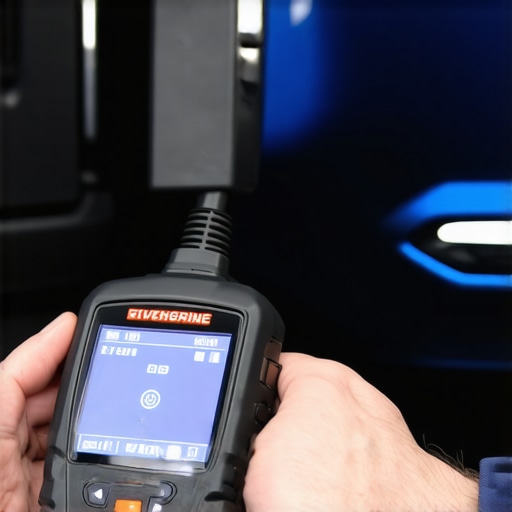
Connect a high-quality diagnostic scanner to your vehicle’s OBD-II port—usually located under the dashboard. Turn on the ignition without starting the engine, and let the scanner communicate with your car’s ECU. Think of diagnostics as your vehicle’s checkup; they reveal hidden issues before they become costly repairs. I once used a scanner to identify a misfire before it caused serious damage, saving me hundreds.
Utilize advanced diagnostic strategies, such as live data monitoring and code history analysis, to get a comprehensive health report. For in-depth insights, visit top-rated auto repair diagnostics strategies for reliable cars in 2025. Remember, regular diagnostics are your best defense against unexpected breakdowns and expensive repairs.
Schedule Routine Checks and Keep Records
Create a maintenance log—digital or paper—to track oil changes, diagnostics, and repairs. This habit helps you spot patterns and plan future service. Just like a health journal for your body, your vehicle’s records keep you informed and prepared. I found that keeping detailed logs made it easier to communicate with mechanics and justify repairs.
By integrating these practical, step-by-step methods into your routine, you gain control over your vehicle’s health. No more guessing or waiting for a breakdown—just confident, proactive maintenance that keeps your car reliable for years to come.
When it comes to vehicle diagnostics, many drivers operate under misconceptions that can hinder effective maintenance. Let’s dig deeper into some of these myths and reveal the hidden nuances that even seasoned car owners often overlook. Understanding these details can save you money, prevent breakdowns, and extend your vehicle’s lifespan.
One widespread misconception is that diagnostics are only necessary when the check engine light comes on. In reality, routine diagnostics—such as top-rated auto repair diagnostics strategies for reliable cars in 2025—are crucial even when your vehicle appears to run smoothly. Modern cars have complex electronic systems that can develop issues silently, leading to long-term damage if undetected. Regular diagnostics act like a health checkup, catching problems early before they escalate into costly repairs.
Another myth is that diagnostics are solely about reading error codes. While code retrieval is the first step, advanced diagnostics involve best auto repair diagnostics tips for 2025 reliability—such as analyzing live data streams and historical fault records. These techniques uncover hidden issues related to sensor accuracy, communication glitches, or software anomalies, which simple code scans might miss. Skipping these nuanced checks can lead to misdiagnosis or incomplete repairs, ultimately wasting your time and money.
Can Diagnostics Predict Future Failures?
Many drivers wonder if diagnostics can anticipate future problems. The answer is yes, but with a caveat. While diagnostics provide real-time insights into current system health, predictive maintenance relies on interpreting trends over time. For example, top vehicle diagnostics auto repair tips for reliable cars 2025-3 suggest monitoring parameters like fuel injector performance or battery voltage over several scans to identify gradual decline patterns. This proactive approach helps you schedule repairs before breakdowns occur, but it requires consistent diagnostics and record-keeping.
Be wary of the trap where drivers believe diagnostic tools are only for mechanics. Today’s affordable, user-friendly scanners empower you to perform effective oil change vehicle diagnostics tips for reliable cars 2025—detecting issues early and avoiding expensive emergency repairs. However, misinterpreting diagnostic data or ignoring persistent alerts can do more harm than good. For instance, neglecting a low coolant temperature reading might lead to engine overheating—an issue that could have been addressed promptly with proper diagnostics.
In summary, the hidden nuance is that diagnostics are not a one-time fix but an ongoing process that requires understanding, interpretation, and action. Don’t fall for the myth that diagnostics are optional or only for major repairs. Regular, advanced diagnostics are your best defense against unexpected breakdowns and high repair costs. Stay informed, use the right tools, and keep your vehicle in top shape.
Have you ever fallen into this trap? Let me know in the comments!
How do I maintain vehicle performance over time?
Consistent maintenance is the backbone of reliable vehicle operation. My go-to approach involves a combination of high-quality diagnostic tools and methodical routines. I personally recommend investing in a reputable OBD-II scanner like the Top-Rated Auto Repair Diagnostics Strategy for 2025. This device has proven invaluable for me, allowing real-time insights into engine health, sensor accuracy, and fault codes. It’s an affordable, user-friendly gadget that empowers you to perform detailed diagnostics without needing a mechanic every time.
Beyond hardware, software solutions like the OBDLink app or Torque Pro provide deep analysis, trend tracking, and customizable alerts. These tools help me spot patterns such as gradually declining battery voltage or increasing coolant temperature, which are early indicators of potential failure. Regularly reviewing this data enables preemptive maintenance, saving money and preventing breakdowns.
Additionally, maintaining detailed records of all diagnostics, oil changes, and repairs is crucial. I use a simple digital log, which over time, reveals patterns like recurring sensor errors or declining brake performance. This historical insight helps me make informed decisions and communicate effectively with professionals when needed.
Looking ahead, I believe the trend points toward more integrated, AI-powered diagnostic systems that can predict failures before they happen. Manufacturers are already exploring machine learning models that analyze vast amounts of vehicle data to forecast issues, much like a human doctor predicts health risks based on symptoms and history. Embracing these innovations will make vehicle maintenance more proactive and less reactive.
To start applying this insight today, try using an advanced diagnostic scanner combined with trend analysis apps. It’s a game-changer for maintaining vehicle reliability, especially as cars become more sophisticated in 2025. Remember, consistent monitoring and record-keeping are your best allies for long-term performance and safety.
The Hardest Lesson I Learned About Car Diagnostics
One of my biggest mistakes was ignoring the early warning signs of engine trouble, which cost me hundreds in repairs. I realized that paying attention to even small issues can save a lot of money and stress later on.
3 Myths About Vehicle Diagnostics That Held Me Back
Many drivers believe diagnostics are only necessary when the check engine light appears, but regular scans can catch silent issues. I used to think diagnostics were complex and only for mechanics, but now I see how accessible and vital they are for everyday drivers.
What Experts Won’t Tell You About Proactive Car Care
Advanced diagnostics involve analyzing live data streams and historical fault records, which can reveal hidden problems. Embracing these techniques has transformed how I maintain my vehicle, making breakdowns a rare occurrence.
My Essential Toolkit for Reliable Vehicle Maintenance
Investing in a reputable OBD-II scanner like the Top-Rated Auto Repair Diagnostics Strategy for 2025 has been a game changer. It provides real-time insights into engine health and helps me identify issues early.
Where to Go from Here
Along with hardware, apps like Torque Pro help me track trends and set alerts for potential problems. Keeping detailed records of all diagnostics and repairs allows me to spot patterns and plan maintenance proactively.
Your Turn to Try
Now it’s your turn—what’s one proactive step you’ll take to improve your vehicle care in 2025? Share your experience or questions below, and let’s learn together!
More Details