Dec 31, 2025
Ultimate Oil Change & Vehicle Diagnostics Guide for 2025 Reliable Cars
I remember the moment vividly—stuck on the side of the road, engine sputtering, and that sinking feeling in my stomach. After years of neglecting routine maintenance, I found myself face-to-face with a costly repair that could have been easily prevented. It was a wake-up call that changed how I approached vehicle care forever.
In my hustle to keep up with daily life, I used to think that oil changes and diagnostics were chores best left to the professionals—expensive, confusing, and ultimately optional. But after that stressful experience, I realized that a little knowledge goes a long way. Today, I want to share with you what I’ve learned about managing your vehicle’s health confidently, especially with the trusted guidance of resources like the [Ultimate Guide to Oil Change & Vehicle Diagnostics for Reliable Cars 2025](https://repairmycarpro.com/ultimate-guide-to-oil-change-vehicle-diagnostics-for-reliable-cars-2025).
Imagine knowing exactly when and how to perform basic maintenance, avoiding unexpected breakdowns, and saving money. Doesn’t that sound like a relief? Well, it’s entirely possible once you understand the essentials and learn to spot early warning signs.
According to recent studies, neglecting routine vehicle checks can lead to significant safety risks and higher repair costs—some estimates suggest that over 70% of breakdowns are preventable with proper maintenance (source: AAA Foundation for Traffic Safety). That’s a compelling reason to take control.
Now, I know what you might be thinking—‘Is all this really worth the effort?’ That’s a fair question, especially given the fear of making mistakes or getting overwhelmed. Well, I’ve been there, and early in my journey, I made a costly mistake: I ignored strange noises and warning lights, assuming they would just go away. Spoiler alert: they didn’t. But by learning from my errors and tapping into expert advice, I turned those challenges into opportunities for confidence and savings.
So, are you ready to overcome the fear and start treating your vehicle like the reliable partner it’s meant to be? Let’s dive into the practical steps you can take to master oil changes and diagnostics, ensuring your car stays safe, efficient, and long-lasting in 2025 and beyond.
Prepare Your Workspace for Success
Start by clearing a flat, well-lit area where you can comfortably access your vehicle’s underside and engine bay. Gather all necessary tools—socket wrenches, screwdrivers, oil catch pan, funnel, and diagnostic scanner—before beginning. An organized setup minimizes frustration and saves time during your maintenance session.
Drain Old Oil Effectively
Locate the drain plug under your car, usually at the bottom of the oil pan. Position your catch pan directly beneath it. Use the socket wrench to loosen the drain plug slowly—think of it like releasing a bottleneck—to let the used oil flow out smoothly. Remember, safety first: wear gloves and eyewear to avoid contact with hot oil or splashes.
Micro-Story: I once rushed this step without proper tools, causing a small spill. Now, I always ensure my tools are ready and the vehicle is securely elevated, preventing messes and accidents.
Replace the Oil Filter with Precision
Locate the oil filter—often a canister or cartridge type. Use an oil filter wrench to loosen it carefully. Before installing the new filter, apply a thin layer of fresh oil to the gasket to ensure a proper seal. Screw the new filter in by hand first; then tighten it snugly without overdoing it, avoiding leaks that can mimic complex engine issues.
Refill with Fresh Oil and Verify
Consult your vehicle’s manual for the correct oil type and quantity. Insert the funnel into the fill port and pour in the new oil steadily, avoiding spills. Turn on the engine and let it run for a few minutes to circulate the new oil. Then, turn off the engine, wait a couple of minutes, and check the oil level with the dipstick. Top off as needed, aiming for the optimal level marked.
Harness the Power of Diagnostics
Connect a reliable diagnostic scanner—like those described in the auto repair diagnostic tips—to your vehicle’s OBD-II port. Turn on the ignition; the scanner will read error codes and live data streams. Think of diagnostics as a health check-up for your car—pinpointing issues before they escalate. I once used a diagnostic tool to identify a faulty sensor, saving hundreds on unnecessary repairs.
Image: A competent diagnostic scanner reading car data, illustrating the tools used for effective car health monitoring.
Interpret and Take Action on Error Codes
Study the codes provided by your scanner. Look them up using credible resources or the ultimate guide to diagnostics. For instance, codes indicating oxygen sensor issues might cause poor fuel economy and rough idling. Address these promptly—either through DIY fixes if you’re comfortable or by consulting a professional. Regular diagnostics keep you ahead of major breakdowns.
Set a Routine for Maintenance and Checks
Schedule oil changes based on your driving habits—more frequent if you do severe driving. Incorporate diagnostics every 3-6 months or whenever the dashboard lights up. Consider keeping a maintenance log, similar to a health journal, to track repairs, oil changes, and diagnostics. Consistency ensures your vehicle remains dependable and safe on every trip.
Most car owners are under the misconception that routine maintenance like brake service, oil changes, and diagnostics are straightforward tasks that require minimal expertise. However, diving into these areas reveals nuanced complexities and common myths that can lead even seasoned DIY enthusiasts astray. Let’s challenge some of these misconceptions and explore the critical nuances often overlooked.
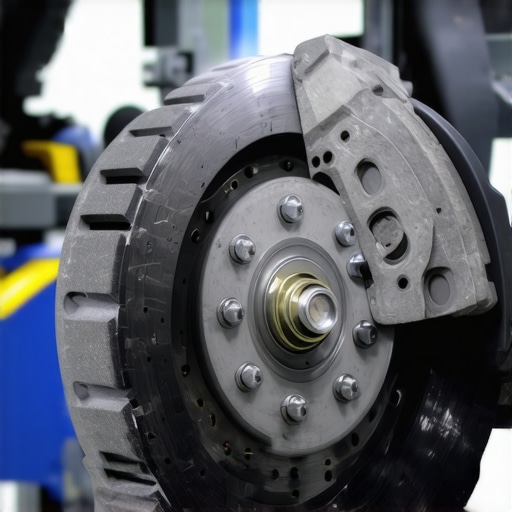
One prevalent myth is that a simple oil change or brake pad replacement suffices for vehicle safety and longevity. In reality, the quality of the components used and the precision of the installation matter significantly. For instance, many overlook the importance of thoroughly inspecting brake calipers, rotors, and brake fluid condition during a brake service. According to expert guidance from best brake service tips, neglecting these nuances can lead to uneven wear or brake failure, which isn’t immediately apparent to the untrained eye.
Furthermore, the ‘DIY is always cheaper and better’ mindset can backfire. While basic maintenance is achievable with proper instruction, advanced diagnostics require specialized tools. Relying solely on generic scanners may cause you to miss hidden faults—like subtle sensor failures—leading to costly repairs down the line. An expert on diagnostics emphasizes that understanding error codes and interpreting live data demands experience and high-quality diagnostic equipment.
What Should Advanced Car Owners Pay Attention To Beyond Basic Repair?
Beyond the usual checks, paying attention to subtle signs such as slight pulsing during braking or irregular engine idling can be indicators of underlying issues. These symptoms often get dismissed but can be early warnings of warped rotors or failing sensors. Invest in a reliable vehicle diagnostic tool and learn to interpret the data for timely maintenance. This proactive approach can save a significant amount of money and enhance safety.
Recognizing the difference between superficial fixes and truly diagnosing potential failures is where expert knowledge shines. Contrary to popular belief, not all repairs are created equal; precision and understanding matter more than effort alone. For a detailed deep dive into what often goes wrong unnoticed, check out top auto repair tips.
Have you ever fallen into this trap? Let me know in the comments.
Investing in Reliable Tools for Ongoing Maintenance
To truly master vehicle upkeep, I rely on a select set of tools that offer precision and durability. My go-to diagnostic device is the advanced OBD-II scanner. Unlike generic models, this scanner provides comprehensive real-time data, allowing me to identify developing issues like sensor malfunctions before they lead to costly repairs. Additionally, I swear by a high-quality cordless impact wrench, which drastically speeds up tasks like brake pad replacement, ensuring I get it right the first time rather than rushing through. Using the right equipment not only saves time but also reduces the risk of mistakes, which is crucial for long-term vehicle health.
Employing Smart Maintenance Strategies for Longevity
Beyond hardware, software tools play an essential role in proactive vehicle management. For instance, setting reminders with maintenance log apps helps me stay on top of fluid changes and inspections. I also regularly consult trusted online resources—like the ultimate guide to auto maintenance—to refine my approach based on the latest expert insights. This habit ensures I can spot issues early, reducing downtime and expenses. In the future, I predict that vehicle diagnostics will become increasingly AI-driven, allowing even more precise maintenance scheduling and issue prediction, making it easier for owners to keep their cars running smoothly without guesswork.
How do I maintain vehicle health over time? The key is consistency—regular diagnostics combined with quality parts and proper procedures. For example, I perform brake inspections every 10,000 miles, checking rotors, pads, and fluid levels, guided by the latest expert techniques available in the top auto-repair tips. This diligent approach pays off by preventing small problems from escalating.
If you’re ready to upgrade your maintenance game, I highly recommend trying out the advanced diagnostic tools. They’re surprisingly user-friendly and can save you hundreds by catching issues early. Remember, the best vehicle care combines reliable tools with disciplined routines—set yourself up for long-term success today.
What I Didn’t Expect About Vehicle Care
The biggest lesson I learned about vehicle maintenance isn’t just about the technical steps but understanding that proactive habits can drastically change your driving experience. I realized that investing a little extra time into diagnostics and quality parts often saves more money and stress in the long run—it’s like giving your car a regular health check-up. Moreover, I discovered that relying solely on beginner tools or skipping routine checks can lead to overlooking subtle warning signs that could turn into costly repairs. This insight transformed my approach from reactive to preventative, ensuring my vehicle’s reliability and safety.
Tools and Resources That Transformed My Maintenance Routine
One resource I can’t recommend enough is the Ultimate Guide to Oil Change & Vehicle Diagnostics for Reliable Cars 2025. It provided me with actionable tips personalized for my car’s needs. My diagnostic scanner, a high-quality OBD-II device, has been a game-changer, revealing hidden issues long before dashboard warning lights turn on. Additionally, a reliable set of basic hand tools and a maintenance app helped me stay organized and consistent. These resources and tools turned maintenance from a dreaded chore into a manageable, even satisfying routine that keeps my vehicle performing optimally.
Seize the Moment: Keep Your Vehicle in Top Shape
Remember, every journey begins with a small step—regular checks, quality parts, and the right tools build the foundation of a reliable vehicle. Don’t wait for signs of trouble to act. Start integrating diagnostics into your routine today, and you’ll enjoy safer, smoother rides while saving money. Your vehicle isn’t just a machine; it’s a trusted partner that deserves your care. Are you ready to take control and elevate your auto maintenance skills? Share your experiences or questions below—I’d love to hear how you’re making your vehicle last longer and perform better.
,
More Details