Jan 16, 2026
Vehicle Diagnostics: Effective Tips for Accurate Auto Repairs in 2025
I remember the sinking feeling that hit me when I clicked the ignition and my car refused to start, right in the middle of a busy weekday. It wasn’t just about the inconvenience; it was the realization that I had ignored early signs of mechanical trouble for too long. That lightbulb moment made me dig deep into the world of vehicle diagnostics, and let me tell you, understanding your car’s health isn’t just for mechanics — it’s essential for every car owner who wants to stay safe and save money.
Why Being Proactive with Diagnostics Can Save Your Day (And Your Wallet)
In 2025, vehicle diagnostics have become more sophisticated yet more accessible than ever before. The competitiveness of the auto repair industry means tools are better, but only if you know how to use them properly. A healthy vehicle isn’t just about replacing parts when things go wrong. It’s about catching issues early—before they turn into costly repairs or safety hazards. Overlooking small warning signs can lead to bigger problems, including breakdowns that disrupt your life and drain your finances. Did you know that according to the AAA Foundation, 79% of cars inspected had at least one critical safety defect that, if unaddressed, could lead to accidents? That’s a stark reminder of why diagnostics matter.
Early in my own journey, I made the mistake of relying solely on symptoms I could see or feel, instead of diving into proper diagnostics. This approach almost cost me dearly. When I finally employed some of the proven strategies I’m about to share, I was able to identify issues with my brake system and oil lubrication before they became serious dangers. If you want to avoid my missteps, understanding how to perform effective diagnostics is the key.
Is Vehicle Diagnostics a Waste of Time or a Game Changer?
I admit, I was skeptical at first—thinking that diagnostics jargon and fancy tools were only for garage pros. But that mindset kept me bouncing from mechanic to mechanic with little progress. An early mistake I made was ignoring simple repeatable checks, like inspecting oil levels and brakes regularly. I learned that with the right knowledge and tools, you can perform a lot of diagnostics at home, saving you both time and money. And if you’re curious about how to identify problems like brake issues or oil leaks, check out effective strategies for oil change and brake service.
In the upcoming sections, I’ll guide you through practical tips and exercises that will help you stay ahead of potential problems, ensuring your vehicle remains safe and reliable. Are you ready to take control of your car’s health instead of waiting for a breakdown? Let’s get started.
Check Engine Light Means Business
When the check engine light flickers on, don’t ignore it. Think of it as your car’s way of raising its hand for help. The first step is to get a diagnostic scan using an OBD-II scanner—similar to a doctor reading your vital signs. I remember connecting mine in a parking lot after noticing sluggish acceleration; the scanner revealed a misfire in cylinder three. Taking quick action here saved me a hefty repair bill.
Perform Basic Visual Inspections
Before diving into complex diagnostics, do a thorough visual check. Look under the hood for obvious issues like cracked belts, loose wires, or fluid leaks. Think of this as giving your car a quick health report—sometimes, visible clues point directly to the problem. I once spotted a worn-out serpentine belt that was making squealing sounds; replacing it was straightforward and inexpensive, preventing a breakdown on the highway.
Assess Fluids and Tire Conditions
Check oil levels, brake fluid, coolant, and transmission fluid regularly. Use your owner’s manual as a guide—it’s like a personal health chart for your vehicle. During my oil change, I noticed dark, gritty oil which indicated it was time for a change. Good oil health supports all engine functions, and neglect can cause severe damage. Also, inspect tire tread and pressure—safety depends on proper grip and pressure, much like grip on a sports car track.
Test Brakes for Response and Wear
Strong brakes are non-negotiable. To evaluate, gently press the brake pedal at low speed; it should feel firm and responsive. If it sinks or pulses, it signals uneven wear or brake issues. I once experienced a pulsating brake pedal; after following top brake service diagnostics tips, I discovered warped rotors—fixed quickly and kept me safe.
Listen and Feel for Unusual Signs
Engine noises, vibrations, smells—these are your car’s vocal cues. A strange noise during acceleration might be a sign of exhaust issues, while a burning smell could indicate overheating or oil leaks. I vividly recall a burning smell that arose during a commute; testing revealed a leaking oil pan gasket. Addressing such signs early prevents costly repairs and keeps you safe.
Utilize Smartphone Apps for Diagnostics
Smartphone-enabled OBD-II adapters connect effortlessly, transforming your phone into a diagnostic tool. Think of it as giving your car a check-up at home. These apps can read trouble codes, monitor real-time sensor data, and even suggest repairs. Using one, I tracked down a failing oxygen sensor that was impairing fuel economy, saving me a trip and extra costs.
Maintain a Diagnostic Log
Record every issue, action taken, and repairs performed. This is like keeping a health journal—valuable for future troubleshooting and warranty claims. Over time, patterns emerge that help you catch problems early. I started logging, and when similar warning signs appeared, I knew exactly what needed attention, streamlining my maintenance routine.
Consult Professionals When Needed
While DIY diagnostics are powerful, some problems require expert intervention. Don’t hesitate to visit a trusted mechanic for advanced scans or repairs. Remember, it’s better to be safe—like consulting a doctor for persistent health symptoms. I once tried to fix a deep engine noise myself; a professional diagnosis confirmed a worn piston ring, averting further damage.
Many car owners believe that sticking to basic maintenance practices like regular oil changes and brake checks is enough to ensure vehicle longevity. However, this oversimplification often leads to overlooked nuances that can compromise safety and performance. Let’s debunk some widespread misconceptions and reveal hidden pitfalls that even seasoned drivers sometimes fall into. One common myth is that all oil changes are created equal. In reality, using the wrong type of oil or neglecting manufacturer-recommended intervals can cause premature engine wear. For instance, synthetic oils offer superior protection, but many overlook the importance of choosing the right viscosity for their climate and driving conditions. Proper diagnostics go beyond just reading trouble codes; advanced methods involve analyzing sensor data trends over time, which can predict failing components before symptoms manifest. Relying solely on OBD-II scanners without understanding how to interpret the data increases the risk of misdiagnosis. A critical trap to avoid is ignoring subtle signs such as slight vibrations or changes in fuel efficiency—these often signal deeper issues like uneven tire wear or fuel delivery problems. For more on accurate diagnostics, check out vehicle diagnostics best practices for reliable repairs. When it comes to brakes, many assume that squealing automatically means the need for new pads. While true in some cases, it could also result from glazed pads or debris lodged between the pad and rotor, which can be fixed with resurfacing rather than replacement. Advanced brake diagnostics involve measuring pad thickness precisely and assessing rotor condition—skip these, and you risk uneven braking or even total failure. A nuanced understanding is essential for genuine safety improvements. Remember, routine inspections are valuable, but periodic professional diagnostics unlock the hidden issues lurking beneath the surface.
What challenges do even experienced mechanics face when diagnosing complex vehicle problems?
One of the biggest hurdles is differentiating between symptoms and root causes—tricky tasks that benefit from comprehensive vehicle history analysis and specialized equipment. As automotive technology evolves, so do the complexities of troubleshooting; modern vehicles contain dozens of sensors and intricate electronic systems. Falling into the trap of oversimplification can lead to costly repairs or dangerous safety oversights. So, stay vigilant, keep learning, and don’t hesitate to seek expert advice when in doubt. For tips on advanced diagnostics, see vehicle diagnostics strategies for 2025. Have you ever fallen into this trap? Let me know in the comments.
Investing in the Right Equipment
To keep your vehicle running smoothly and catch issues early, high-quality diagnostic and repair tools are indispensable. I personally rely on an OBD-II scanner like the BlueDriver Professional Scan Tool because it offers extensive vehicle coverage and user-friendly diagnostics that allow me to interpret trouble codes and sensor data with confidence. Coupled with a digital multimeter, I can check electrical circuits without guesswork, preventing unnecessary replacements and saving time.
Leveraging Software for Accurate Diagnostics
Beyond hardware, I use specialized software like OBDLink which syncs seamlessly with my smartphone or tablet. These apps provide real-time data analysis, help visualize sensor outputs, and sometimes suggest probable causes for failures. The ability to monitor live parameters like coolant temperature or fuel trim over time helps me predict imminent failures before they become serious. As vehicle systems grow more complex, such software becomes an essential part of your toolbox, especially considering the increasing electronic integration in cars.
Creating a Routine Maintenance Strategy
My approach involves combining diagnostics with proactive maintenance routines. Regular oil changes using recommended oils (see these maintenance tips) and scheduled brake inspections ensure small issues don’t escalate. Using a quality jack, stands, and torque wrench, I perform my own brake pad inspections and replacements, which greatly reduces my reliance on costly professional services. Remember, even the best tools require proper training—consider online tutorials or manuals to maximize their effectiveness.
Planning for Future Upgrades
The auto repair industry is trending toward smarter, connected diagnostics. Prediction indicates that by 2030, autonomous predictive maintenance will be standard, powered by AI and IoT sensors embedded in vehicles. To stay ahead, I recommend experimenting with software updates and sensor calibration tools, ensuring your setup remains compatible with evolving vehicle electronics. This investment not only extends your vehicle’s lifespan but also enhances safety and reliability over the long term.
How do I maintain the tools and systems I rely on?
Maintaining your diagnostic tools involves regular calibration and firmware updates, which can be automated with manufacturer software. Keep your multimeter batteries fresh, and store tools in a clean, dry environment to prevent corrosion. Periodically review and upgrade your software subscriptions, ensuring you always have access to the latest features and diagnostic codes. Additionally, dedicating time weekly to run quick tests or update logs ensures your system remains accurate and reliable, ultimately saving you both money and downtime.
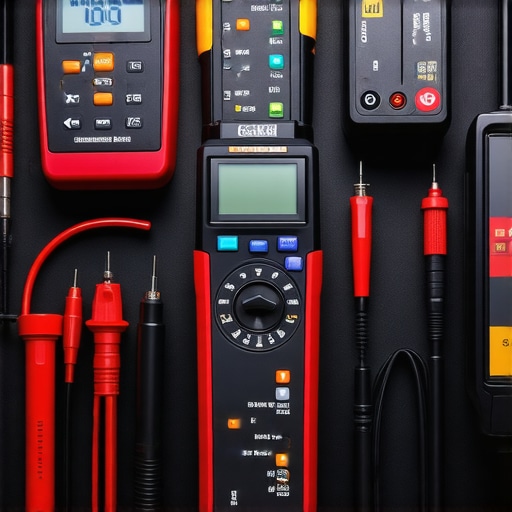
High-quality diagnostic tools laid out on a workbench, ready for vehicle analysis, illustrating the importance of proper equipment in vehicle maintenance strategies.
Think about integrating these advanced tools into your routine—start with a trusted OBD-II scanner like the BlueDriver. Regularly updating your software and calibration ensures your diagnostics remain precise, giving you peace of mind and saving money in the long run. Don’t hesitate to try a detailed sensor calibration session this month—it’s a game-changer for long-term vehicle health.
The Hidden Truth About Overlooking Small Signs
One of the biggest insights I’ve gathered is that ignoring subtle cues, like a faint vibration or a slight decrease in fuel efficiency, can lead to serious safety issues later. These tiny signals are your vehicle’s way of communicating underlying problems that don’t always trigger warning lights. Recognizing them early is like catching a disease before it progresses—saving you time, money, and potential danger.
My Breakthrough Moment: When DIY Diagnostics Changed Everything
I once relied entirely on mechanics for vehicle health, but a misdiagnosis nearly cost me dearly. Switching to effective diagnostics tools and learning to interpret sensor data was a game-changer. It empowered me to catch issues like failing oxygen sensors or worn brake pads early, demonstrating that proactive monitoring can dramatically extend vehicle lifespan and safety. Discover more about top diagnostic tips here.
Lessons That Took My Auto Knowledge to the Next Level
- Don’t ignore the importance of correct oil selection: Using the right viscosity and type; synthetic oils can form a powerful armor for your engine, especially in extreme climates. Proper oil not only prolongs engine life but also improves diagnostics accuracy. Learn more about how to choose the best oil here.
- Temperature and fluid checks are your first defense: Regularly assessing coolant and transmission fluids can reveal hidden issues that impact safety and efficiency. Think of fluids as your vehicle’s lifeblood—keeping them optimal prevents breakdowns.
- Listening saves more than you think: Unusual sounds during driving—like squeals, thuds, or pings—often conceal deeper issues. Trust your ears; they’re your early warning system.
- Embrace smart technology: Smartphone-connected OBD-II scanners are affordable and insightful, turning your phone into a diagnostic powerhouse. They allow real-time data monitoring and can spot problems before lights turn on.
Gear Up for Reliable Vehicle Care
Investing in quality tools like the BlueDriver scanner and dependable calibration software has been pivotal in my maintenance routine. These tools, combined with regular software updates, ensure diagnostics stay accurate and vehicle health remains optimal. For more recommended tools, explore these expert tips.
Feel Empowered to Maintain Your Vehicle’s Future
You don’t have to be a mechanic to keep your car safe and performing at its best. With a bit of learning, proactive diagnostics, and the right tools, you’re capable of catching problems early and avoiding costly repairs. Your vehicle has a story to tell—are you listening? Start today and enjoy the peace of mind that comes with knowing your car is in good hands. Are you ready to take control of your vehicle’s health? Share your thoughts below and let’s discuss how you’re planning to level up your diagnostics skills.
More Details