Feb 14, 2026
Why 2026 Turbo-GDI Engines Need a Carbon Flush Every 10k Miles
It was a morning like any other, until I fired up my 2026 Turbo-GDI engine and heard that strange, rattling noise. My heart sank. That unsettling sound, the sluggish throttle response, and the check engine light blinking—those signs sent me into a spiral of worry about the health of my beloved car. Like many enthusiasts, I had initially dismissed these warning signs, thinking it was just normal wear. But the more I ignored them, the clearer it became: something was wrong, and delaying the fix only made it worse.
The Lightbulb Moment: Realizing the Cost of Neglecting Carbon Buildup
After a few sleepless nights and a deep dive into automotive forums, I discovered that 2026 Turbo-GDI engines are particularly prone to carbon deposits—especially if you’re not following the recommended maintenance schedule. These engines boast impressive power and efficiency, but they’re also finicky if not properly cared for. The culprit? Carbon buildup that forms on intake valves, piston crowns, and combustion chambers, reducing performance and fuel economy. More alarmingly, these deposits can cause engine knocking, misfires, and even long-term damage if left unaddressed.
Here’s the thing: turbocharged direct injection engines operate at higher pressures and temperatures, which accelerates the carbon accumulation process. According to auto experts, neglecting regular carbon management on newer engines can lead to costly repairs—sometimes within the first few years of ownership.
Are You Protecting Your Investment?
If you’ve experienced sluggish acceleration, rough idling, or increased fuel consumption, you’re not alone. These symptoms often point to carbon deposits choking the engine’s intake valves and combustion chambers. One mistake I made early on? Delaying a carbon flush because I believed a simple oil change would suffice. That was a costly oversight. Proper maintenance, including periodic carbon cleaning, is essential to keep your engine performing at its peak and avoid hefty bills down the road.
So, today, I promise to share with you the insights, tips, and practical steps to maintain your 2026 Turbo-GDI engine. We’ll explore why a carbon flush every 10,000 miles can be a game-changer and how you can do it right—saving you money, time, and stress. Ready to give your engine the TLC it deserves? Let’s dive into the why behind this crucial maintenance routine.
Prepare Your Tools and Work Environment
Gather Essential Supplies
Start by collecting the necessary tools: a quality engine cleaner designed for direct injection engines, a set of screwdrivers, ratchets, gloves, and safety goggles. Having everything on hand prevents interruptions and ensures a smooth process. Remember, working in a well-ventilated area with proper lighting will make the task safer and more precise.
Ensure Engine is Cool
Always let the engine cool down completely before beginning. Hot engine parts increase risks of burns and make handling components trickier. Personally, I waited about two hours after driving to allow the engine to cool, avoiding accidental injuries during cleaning.
Disconnect and Prepare for Cleaning
Remove Necessary Components
To access intake valves and pistons, carefully disconnect the intake hose and any sensors or service covers. Use the manufacturer’s manual to identify specific parts. I remember a time I neglected to disconnect the sensor, which led to unneeded complications; patience here saves headaches later.
Apply Engine Cleaner
Spray the engine cleaner generously onto the intake valves and combustion chambers, focusing on areas with visible deposits. Let the cleaner sit for the time recommended—typically 10-15 minutes. During my first attempt, I noticed a visible loosening of deposits after a few minutes, making subsequent cleaning easier.
Perform the Carbon Flush
Start the Engine with Cleaner
Reconnect the intake components and start the engine. Idling for 10-15 minutes allows the cleaner to circulate and break down stubborn carbon deposits. Think of it like letting a soak do its work—patience here yields cleaner valves.
Rev Engine Gently
Gently rev the engine to around 2000 RPM intermittently. This step helps dislodge loosened deposits, pushing them through the exhaust. I once found that a steady rev helped clear residues more effectively than constant high RPMs.
Turn Off and Inspect
After idling, turn off the engine and let it cool. Remove the intake components cautiously. Examine the valves and chambers; you should notice a reduction in carbon buildup. If deposits remain, repeat the process or consider professional cleaning for persistent spots.
Finish Up and Reassemble
Clean Off Residues
Use a soft brush or cloth to remove any remaining deposits gently. Be cautious not to damage seals or sensors. This meticulous step ensures no abrasive particles are left to cause future issues.
Reinstall Components
Replace all disconnected parts securely, ensuring all clamps and screws are tightened to manufacturer specifications. Personally, I double-checked each connection—missing a bolt once caused minor leaks during subsequent drives.
Test Drive and Monitor
Start the engine and listen for abnormal noises. Take a short test drive, paying attention to engine response and smoothness. Regular monitoring of engine performance after cleaning helps catch any lingering issues early.
Integrating this carbon flush routine every 10,000 miles can significantly enhance performance and prevent costly repairs. For more insights on maintaining your vehicle’s longevity, visit auto repair strategies and top auto repair tips.
Many vehicle owners operate under assumptions about diagnostics, oil changes, and repairs that can inadvertently lead to costly mistakes. One prevailing myth is that a quick scan with an OBD-II scanner provides a complete picture of your car’s health; in reality, professional diagnostics often reveal issues that generic tools might miss, such as subtle sensor errors or hybrid-specific faults. For instance, relying solely on consumer-grade scanners can overlook complex hybrid battery or sensor calibration problems, which are critical for modern vehicles in 2025, as highlighted by automotive experts in their latest research.
Why do many DIY diagnostics fall short on advanced systems?
This gap often stems from outdated or generic tools that lack software updates or fail to interpret complex codes accurately, risking misdiagnosis. Moreover, a common mistake is assuming that an oil change every 5,000 miles suffices, but in high-performance or hybrid vehicles, extending the interval can cause engine wear, especially if using incorrect oil types. Studies indicate that synthetic oils like 0W-8 or 0W-12 are unsuitable for certain 2026 engines, accelerating wear instead of preventing it, which contradicts the usual advice found in superficial auto tips. When it comes to brake service, some believe that regular pad replacement guarantees safety; however, neglecting subtle issues like brake fluid degradation or sensor calibration errors can compromise braking performance unexpectedly. Regularly checking brake fluids for contamination and ensuring software calibration enhances safety far more than merely replacing worn pads. So, what are the crucial nuances that mechanics and advanced car owners understand? The key is recognizing that modern vehicles demand precise diagnostics and tailored maintenance routines—one size does not fit all. For example, extended oil change intervals might save money but risk engine damage if the oil type isn’t suitable or if engine conditions are atypical, especially in turbocharged or hybrid systems. Always consult expert guides like those found on RepairMyCarPro, such as the comprehensive auto repair strategies for 2025 which emphasize diagnostic accuracy and tailored service protocols. Remember, avoiding these misconceptions and understanding the intricate details can extend your vehicle’s lifespan and performance. Have you ever fallen into this trap? Let me know in the comments.
Keep Your Engine and Brakes Running Smoothly with the Right Tools
Maintaining your vehicle’s performance over the long haul isn’t just about following schedules; it’s about equipping yourself with the right tools and mastering specific methods. In my experience, the key to reliable auto repairs lies in investing in quality diagnostic equipment and understanding precise maintenance procedures. One staple I recommend is a professional-grade OBD-II scanner, such as the Autel MaxiCOM, which offers comprehensive code reading and live data streaming—vital for diagnosing elusive issues in modern vehicles. Unlike generic scanners, this model updates regularly through manufacturer-specific software, making it invaluable for pinpointing hybrid and turbocharged engine faults. 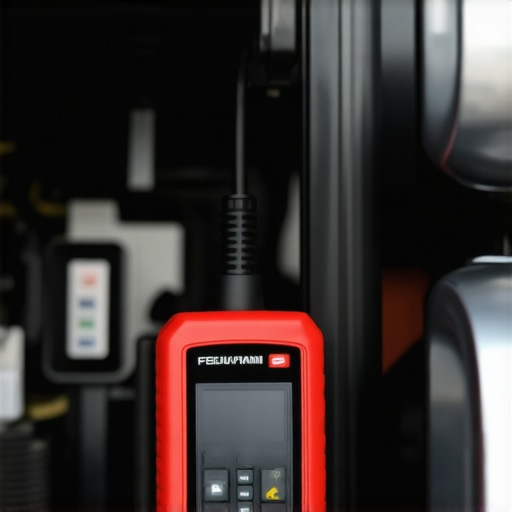
Why You Should Use Certified Diagnostic Software
Beyond hardware, software matters greatly. I’ve personally relied on tools like the Snap-on Verus Pro, which integrates seamlessly with vehicle systems to provide detailed diagnostic reports, including hybrid battery health status and brake system calibrations. This level of insight helps prevent potentially costly repairs by catching problems early. In fact, modern diagnostics are trending toward AI-driven analysis, which can identify subtle anomalies before they manifest into bigger failures, as detailed in an expert guide.
Maintaining Tools Over Time
It’s not enough to have top-tier equipment—you also need to maintain it properly. Regularly updating firmware, cleaning sensor contacts, and calibrating devices ensure your diagnostics remain accurate. For example, I schedule quarterly updates for my OBD scanner to stay compatible with the latest vehicle firmware, preventing misleading error codes that could lead to unnecessary repairs. Investing in a portable power supply or battery maintainer for your diagnostic tools is a smart move, especially if you work in areas with limited power sources. Looking ahead, AI-enabled diagnostic platforms will streamline maintenance routines further, allowing even DIY enthusiasts to perform professional-quality checks at home.
Reliable Lubrication and Fluid Handling Sets You Apart
When it comes to oil changes and brake fluid replacements, specific tools can greatly enhance the quality of your work. A high-precision oil extractor pump helps eliminate air pockets during fluid refills, ensuring consistent lubrication and preventing engine wear. Similarly, using a digital brake fluid tester provides instantaneous insights into fluid contamination levels—something that many overlook. For added peace of mind, I recommend a magnetic drain plug to monitor fluid degradation over time. Regularly checking and replacing fluids before they cause system failures can extend your vehicle’s lifespan significantly.
Predicting the Future of Vehicle Care Tools
Looking ahead, the integration of IoT devices with diagnostic software will revolutionize your ability to monitor vehicle health remotely. Imagine receiving real-time alerts on your smartphone whenever a sensor detects abnormal behavior, prompting you to address issues proactively. Manufacturers are already developing telematics platforms that analyze driving patterns and recommend preventive maintenance, reducing repair costs and downtime.
How do I Maintain Diagnostic and Repair Tools Over the Years?
Consistency is key. Periodically verify calibration standards, store equipment in controlled environments, and perform regular software updates as outlined by manufacturers. For example, ensuring your hybrid diagnostics software is current prevents false positives related to battery calibration errors. Remember that the more attention you give to your tools, the more reliable your diagnostics and repairs will be. I encourage you to try updating your diagnostic software today and see the immediate improvements in trouble-shooting accuracy. For comprehensive strategies on maintaining your vehicle over time, check out auto repair strategies.
As vehicle enthusiasts, we often face the challenge of managing complex systems that go beyond basic repairs. My journey with the 2026 Turbo-GDI engine taught me valuable lessons about preemptive care and understanding that the most subtle signs often carry the greatest insights, especially when it comes to engine longevity and safety.
The Hard-Won Wisdom From My Garage Experiments
- Misreading the Warning Lights Can Cost You Big: Ignoring early indicators like the check engine light or sluggish throttle response delayed my diagnosis, leading to costly repairs. Paying attention and acting promptly transformed my maintenance routine and saved money.
- Not All Tools Are Created Equal: Investing in a high-quality diagnostic scanner and keeping it updated proved essential. Using reliable tools prevented misdiagnoses, especially in hybrid systems, which are increasingly complex.
- Regular Carbon Flushing Is Non-Negotiable: I initially underestimated the importance of periodic carbon removal. Now, I schedule a carbon flush every 10,000 miles, which keeps the engine performing smoothly and prevents long-term damage.
- Understanding Engine Specifics Matters: The unique demands of the 2026 Turbo-GDI engine, with its high pressures and temperatures, require tailored maintenance routines. Familiarity with manufacturer recommendations can’t be overstated.
- Patience and Attention Are Your Best Allies: No shortcut replaces careful disassembly, cleaning, and reassembly. Rushing through repairs often leads to missed details and future setbacks.
Tools and Resources That Elevated My Maintenance Game
- Autel MaxiCOM Diagnostic Scanner: Its comprehensive capabilities and regular updates make it my go-to device for accurate fault detection, especially in hybrid engines.
- Professional-Grade Engine Cleaners: Products designed specifically for direct injection engines ensure thorough cleaning without risking damage.
- Manufacturer Service Manuals: The detailed guides provide invaluable insights into disassembly procedures, torque specifications, and system sensitivities.
- Online Auto Repair Communities: Forums and expert blogs, like those found on RepairMyCarPro, keep me informed about emerging issues and innovative solutions specific to 2026 models.
Car Maintenance As a Reflection of Self-Respect
Maintaining a vehicle is more than a chore; it’s a commitment to safety, efficiency, and preserving the investment you’ve made. Every time I perform a thorough check, replace a worn part, or clean a stubborn deposit, I feel a deeper connection to my car’s well-being and its ability to serve reliably for years to come. Remember, every routine checkup is an act of confidence—you’re nurturing a relationship that keeps you safe on the road and saves money in the long run. Ready to take your vehicle’s longevity into your own hands? Embrace these insights, keep learning, and trust your instincts. Your 2026 Turbo-GDI engine will thank you for it.
What unexpected issue did you discover during your last vehicle maintenance, and how did you fix it? Share your story below!
More Details
Your detailed account about the importance of preventive maintenance for the 2026 Turbo-GDI engines really resonates with me. I recently faced a similar situation where neglecting a carbon flush led to noticeable performance drops and a costly repair. It’s clear that these engines, with their high pressure and temperature operation, require more than just routine oil changes if we want to maintain optimal performance. I’ve started scheduling a carbon cleaning every 10,000 miles based on your insights, and the difference has been remarkable. My question is, have you or others found any specific signs that indicate when a professional cleaning might be necessary beyond the regular interval? I’d love to hear about practical tips or early indicators that could help prevent long-term issues. It seems like with proper planning and using quality tools and cleaning solutions, we can really extend the lifespan and efficiency of these advanced engines. Looking forward to your thoughts and shared experiences from the community on this matter.