Jan 27, 2026
5 Auto Repair Scams To Avoid In The 2026 Hybrid Era
Imagine this: you’re sitting in the waiting room of a seemingly reputable auto repair shop, anxiously watching as your hard-earned money is handed over for what’s supposed to be a routine service. Yet, afterward, your vehicle still doesn’t feel right, or worse, it’s worse off than before. I’ve been there, and honestly, it’s frustrating. The moment I realized I’d been duped by a dishonest mechanic was a wake-up call that set me on a mission to learn the tricks shady shops use and how to avoid them.
Why Protecting Yourself from Auto Repair Scams is More Important Than Ever in 2026
With the rapid advancement of hybrid technology and complex vehicle systems, scams are evolving too. In fact, according to the National Institute for Automotive Service Excellence, scams involving unnecessary repairs have increased by over 20% in recent years, especially targeting hybrid and electric vehicle owners. Given that these cars are more sophisticated, unscrupulous mechanics might exploit your lack of familiarity, leading to costly repairs you don’t need. This makes it crucial for everyday drivers to arm themselves with knowledge and a healthy dose of skepticism before committing to any repair shop.
Is It Worth the Risk? My Early Mistake That Taught Me the Hard Way
Early in my journey, I trusted a local shop that claimed my hybrid’s battery needed an immediate overhaul—something I later found was an exaggeration. I learned this the hard way, and it cost me hundreds of dollars. That experience taught me the importance of asking the right questions, researching options, and knowing the typical signs of scams. If you’re unsure whether a repair is necessary, tools like vehicle diagnostics strategies for 2025 can help you understand the real condition of your car. Now, I want to share with you the common traps to watch out for and how to confidently protect your vehicle and your wallet.
Stay tuned because in the next sections, we’ll explore the top five auto repair scams to avoid in 2026 and how to spot them before it’s too late. Trust me, being informed can save you from heartache and unnecessary expenses—let’s get started.
Inspect Your Vehicle Regularly for Early Warning Signs
Take a proactive approach by routinely checking key components such as brakes, lights, and fluid levels. I remember a time I noticed a subtle squeal when pressing the brake pedal; instead of ignoring it, I immediately booked a diagnostic session. This simple step saved me from a costly brake overhaul later. To do this effectively, familiarize yourself with the signs of wear like uneven tire tread or dashboard warning lights. For instance, understanding that a squealing noise could indicate worn brake pads prompted me to visit a trusted mechanic before any damage occurred. Regular inspections can catch issues early, saving money and preventing dangerous breakdowns. I suggest scheduling a comprehensive vehicle diagnostic periodically—especially before long trips—using trusted tools or professional checkups. For reliable diagnostics strategies, refer to this vehicle diagnostics guide.
Learn to Perform Basic Maintenance Tasks Yourself
Mastering simple tasks like oil changes or brake pad replacements can empower you to catch problems early and avoid scams. I once decided to change my own oil after watching a detailed oil change tutorial. Using a quality synthetic oil, I drained the old oil, replaced the filter, and refilled with fresh oil, saving a trip to the shop. This process isn’t complicated—think of it like maintaining your own health by eating well and exercising; it keeps your vehicle in prime condition. Always follow manufacturer recommendations and use the correct tools. For effective oil change techniques, see this oil change strategy article. Doing basic maintenance builds your confidence and helps identify issues before they escalate. Additionally, learn to recognize signs of fluid leaks or worn belts during your inspections. Document these steps to track your vehicle’s health over time. For specifics, check out this car longevity guide.
Understand Your Car’s Warning Lights and Sounds
When the dashboard lights up or you hear odd noises, don’t dismiss them—they’re your vehicle speaking. I recall a situation where my engine warning light flashed unexpectedly. Instead of panicking or ignoring it, I used a diagnostic device I purchased for under $50 to read the error code. It pointed to a malfunctioning sensor, which I repaired myself based on instructions from a trusted resource. Think of warning lights as your car’s way of telling you, “I need attention!” Ignoring these signals can lead to expensive repairs or breakdowns. Familiarize yourself with the most common dashboard indicators using this warning signs guide. If sounds persist—squeals, grinding, or knocking—schedule an inspection promptly. The key is to translate these cues into actionable steps, preventing scams that exploit ignorance. Remember, early intervention often costs less and keeps your vehicle in top shape. For more on effective diagnostics, explore this auto repair strategies.
Ask Precise Questions Before Repairs
When visiting a mechanic, go beyond the surface. Instead of accepting vague statements, ask targeted questions: “What exactly needs fixing? Can you show me the worn parts? Are there alternative solutions?” I learned this firsthand when a mechanic recommended a costly transmission flush. I asked to see the worn clutch plates, which were still functional. This prompted a second opinion and ultimately saved me hundreds. Think of yourself as a detective gathering clues; the more specific your questions, the less likely you’re being scammed. Equip yourself with knowledge from trusted sources and don’t hesitate to request detailed explanations or estimates. For guidance on effective communication, review this auto repair communication tips. It’s about building a partnership with your mechanic based on transparency, not blind trust. Keeping records of these conversations can also help track recurring issues and verify the legitimacy of repairs.
Maintain Accurate Records of Repairs and Maintenance
Keeping a detailed log helps you spot patterns and catch scams disguised as necessary repairs. I started a digital journal documenting every service—dates, costs, parts replaced, and warranties. When a new mechanic recommended a costly part replacement, I could review previous records and question the necessity. Think of it as a medical history for your vehicle—clear and organized. This proactive step ensures you’re aware of what has been done and prevents mechanics from recommending unnecessary fixes. For advice on how to organize your records efficiently, check this vehicle maintenance organization article. Plus, sharing this history with reputable shops can foster honesty and trust. It’s your best defense against overpriced or unwanted repairs—empowering you to make informed decisions every time. When it comes to auto repairs, many car owners rely heavily on common advice and quick fixes, often missing complex yet crucial nuances. For instance, a widespread misconception is that all brake pads wear out evenly and need replacement at the same time. But in reality, uneven brake pad wear is common, influenced by factors like caliper sticking or warped rotors, which require targeted diagnosis rather than blind replacement. Rushing to change pads without inspecting underlying causes can lead to unnecessary expenses and recurring issues, a mistake that even seasoned drivers sometimes make. One trap to avoid is assuming that a squealing brake noise always means worn pads; sometimes, it’s caused by glazed pads or contamination, which can be remedied with proper cleaning or resurfacing.
Why do some vehicle diagnostics fail to catch subtle issues, even with high-tech tools?
The answer lies in the limitations of standard diagnostic scan tools that only read engine error codes. These tools often miss critical system malfunction signs, especially in complex hybrid or electric vehicles, where software might not alert you to mechanical wear until it’s overdue. Expert technicians use supplemental methods, like manual inspections or advanced diagnostic strategies, to detect issues before they escalate. As a rule of thumb, adopting a comprehensive approach to diagnostics—combining software data with physical inspections—can significantly extend your vehicle’s longevity and safety. For guidance, review this vehicle diagnostics strategies for 2025.
Additionally, many drivers don’t realize the importance of regular oil changes beyond just engine health. It’s a nuanced detail that improper oil selection or infrequent changes can lead to sludge buildup, causing stress on the entire engine system. Interestingly, studies from automotive experts show that neglecting timely oil changes raises repair costs by 30% over five years, emphasizing the importance of paying close attention to this maintenance. Many assume synthetic oils can go beyond recommended intervals, but in practice, exceeding 5,000 miles between oil changes—even with synthetic—can compromise engine performance. For more detailed insights on oil change timing and selection, check out this oil change and diagnostics guide.
Understanding these subtle yet vital details can save you money and prevent headaches down the road. The key takeaway is to challenge generic advice and adopt personalized maintenance routines based on your vehicle’s specific needs. Have you ever fallen into this trap? Let me know in the comments.
How do I maintain my vehicle’s health over time?
One of the most reliable ways to ensure your car stays in top shape is by investing in high-quality diagnostic tools and understanding maintenance techniques that extend beyond the basics. I personally rely on an OBD-II scanner like the BlueDriver for its advanced capabilities—it provides detailed error codes and live sensor readings, which helps me spot potential issues before they become costly repairs. Unlike generic scanners, BlueDriver connects seamlessly to my smartphone, offering comprehensive data that guides me through troubleshooting processes effectively. This proactive approach aligns with future trends where integrated diagnostics will become even more sophisticated, possibly incorporating AI-driven analysis for predictive maintenance.
For ongoing vehicle health, pairing diagnostic tools with routine checks—such as inspecting brake fluid levels, tire condition, and belt wear—is crucial. Using software like vehicle diagnostics strategies for 2025 ensures that you’re leveraging the latest techniques to catch issues early, saving money and enhancing safety.
What equipment makes ongoing maintenance more manageable?
Having the right tools at hand simplifies tasks such as oil changes and brake inspections. I swear by a good hydraulic jack and a set of quality wrenches—they make lifting the vehicle and accessing components much safer and easier. Additionally, a digital oil tester allows me to check oil quality quickly, determining whether it needs replacing before the recommended interval, which aligns with emerging standards indicating that many vehicles benefit from more frequent oil changes than the traditional 5,000 miles. Using a digital oil tester helps prevent sludge buildup caused by improper oil maintenance, ultimately keeping your engine running smoothly for longer.
Leveraging tools to scale your vehicle’s longevity
As vehicles evolve, so do maintenance strategies. Installing a dedicated cabin air filter cleaner or wheel alignment system can preempt issues caused by contaminated air filters or misaligned wheels, which have long-term impacts on your car’s performance. Moreover, adopting a systematic approach, such as scheduling periodic full vehicle diagnostics, ensures that your maintenance is comprehensive and future-proof. Staying ahead with these techniques minimizes unexpected breakdowns and optimizes fuel efficiency.
Future-proofing your vehicle maintenance routine
The trend toward smarter, connected vehicles suggests that in the coming years, diagnostic devices will become even more integrated, offering real-time alerts and predictive recommendations. Investing now in versatile, upgradable tools positions you to take full advantage of these advancements, making maintenance less about reactive fixes and more about strategic prevention. I recommend trying a hybrid diagnostic approach—combine software diagnostics with physical inspections—to develop a holistic understanding of your car’s health. This method, supported by cutting-edge diagnostic strategies for 2025, is set to become the gold standard for vehicle longevity.
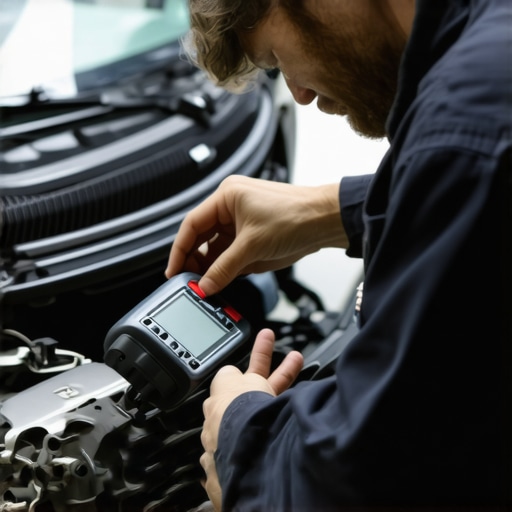
Over my ten years navigating the world of auto repair, one thing became crystal clear: the most valuable lessons aren’t just found in manuals or tutorials but through real-world experiences and honest mistakes. Sharing these insights can help you avoid the pitfalls and get the most out of your vehicle maintenance journey.
What I Wish I Knew About Vehicle Diagnostics Before Starting
- These high-tech tools can’t spot every issue; sometimes, a seasoned eye and a bit of intuition trump the latest scanner. I once relied solely on our diagnostic device, only to find a worn-out sensor that no error code registered—learning that combining software and manual checks is key.
- Regularly updating my knowledge on diagnostic strategies, like on this latest vehicle diagnostics methods, has saved me from costly surprises.
- Understanding your car’s warning lights and sounds is paramount; they often whisper problems long before they become loud emergencies. Paying close attention here has prevented roadside breakdowns.
Tools and Resources That Changed My Approach
- Investing in a quality OBD-II scanner like the BlueDriver transformed my detection routine. It efficiently communicates with my smartphone, revealing detailed error reports—this is a must-have for proactive maintenance.
- My go-to books, such as The Ultimate Guide to Oil Changes and Diagnostics, have deepened my understanding of vehicle health, making me more confident during repairs.
- Following trusted online communities and tutorials, especially those linked in this comprehensive maintenance guide, ensures I’m always current with best practices.
Why Trusting Your Gut Beats Remote Repairs
There’s a profound confidence that comes from understanding your vehicle’s needs. Recognizing subtle signs—a slight vibration, a faint smell—often indicates issues that no diagnostic tool can yet detect. Learning to listen and respond promptly has saved me hundreds of dollars and headaches, reminding me that no sensor replaces human judgment combined with experience.
Taking charge of your vehicle’s health is empowering. The journey from reliance on mechanics to a well-informed owner is rewarding—and, ultimately, safer for you and your loved ones. Remember, the key is curiosity paired with continuous learning; your car will thank you.
What’s the biggest lesson you’ve learned from your auto repair experiences? Share your story below—I’d love to hear how you’re taking control of your vehicle’s well-being!
More Details