Dec 9, 2025
Top Vehicle Diagnostics & Auto Repair Tips for Reliable Cars 2025
Ever had that sinking feeling when your car suddenly stalls in the middle of a busy street? Or maybe it’s that persistent warning light that never seems to go off, no matter how many times you ignore it. I remember my first real wake-up call came when my trusty old sedan refused to start one chilly morning. Turns out, a simple sensor issue could have been diagnosed early with the right tips. That moment made me realize how crucial proper diagnostics and maintenance are, especially as cars become more tech-savvy. If you’re tired of unpredictable breakdowns or costly repairs, stick around. Today, I’ll share proven strategies to keep your vehicle reliable in 2025, so you don’t get caught off guard like I did.
Why Accurate Vehicle Diagnostics Matter More Than Ever
Modern cars are basically computers on wheels. They come with a maze of sensors, software, and complex systems that need precise monitoring. Without proper diagnostics, small issues can snowball into major failures, leaving you stranded or facing hefty repair bills. I used to think ignoring that check engine light was okay—until I learned how much it could save me in the long run. According to a recent study, timely diagnostics can reduce auto repair costs by up to 30%, simply by catching problems early. That’s a huge deal for anyone who wants to keep their car running smoothly without breaking the bank.
Have you ever ignored a warning light and regretted it later?
One mistake I made early on was dismissing minor sensor alerts, thinking they were just nuisances. But neglecting these signals often led to more serious issues, like failed emissions tests or engine damage. That’s why I now swear by routine vehicle diagnostics, using reliable tools and strategies to stay ahead of problems. Whether it’s checking the health of your brakes or ensuring your oil levels are optimal, a proactive approach is the best way to ensure reliability. Want to learn how to master this? Check out our comprehensive guide on vehicle diagnostics for 2025.
Now, let’s dive into the essential tips that will help you diagnose and fix issues before they turn into roadside emergencies. Ready to become your own mechanic? Let’s go!
} }#end of response}# {
Performing System Checks Methodically
Start with the basics: turn off your engine and disconnect the battery to reset the vehicle’s electronic systems. Then, connect a reliable OBD-II scanner—think of it as your car’s vital sign monitor. I once used a handheld scanner on my older sedan, and it instantly flagged a faulty oxygen sensor that was causing poor fuel efficiency. Regularly scanning your vehicle with quality tools can reveal hidden issues before they escalate.
Use the Right Diagnostic Tools
Invest in modern diagnostic equipment that supports the latest vehicle models. For example, my experience with a Bluetooth-enabled scanner allowed me to diagnose and clear error codes from my smartphone, saving time and money. Consider tools compatible with top diagnostic strategies for 2025 to ensure comprehensive coverage.
Interpreting Error Codes Accurately
Don’t just read the codes—understand what they mean. When my check engine light popped up, I looked up the code P0171, indicating a lean fuel mixture. This pointed me toward checking my fuel injectors and air intake system. Use online resources and your scanner’s database to interpret codes precisely. Remember, a code is a symptom, not the root cause.
Prioritize Common Troubles
Focus first on issues that frequently cause breakdowns, such as the ignition system, battery health, and sensor malfunctions. For instance, I replaced a failing crankshaft position sensor that caused frequent stalling, which I diagnosed using a top-tier scanner. By targeting common problems, you can save a lot on unnecessary repairs.
Executing Repairs with Confidence
Once you identify the problem, decide whether to DIY or seek professional help. For simpler fixes like replacing spark plugs, follow step-by-step tutorials from trusted sources. I once replaced my own brake pads after watching a detailed video, which was cost-effective and satisfying. Use brake diagnostics tips to ensure safety-critical components stay in top shape.
Document Your Maintenance
Keep a detailed log of diagnostics, repairs, and parts replaced. This habit helped me track recurring issues and plan preventive maintenance. For example, noticing a pattern in sensor errors prompted me to replace my oxygen sensors proactively, avoiding roadside failures.
Leverage Advanced Diagnostics for 2025
Stay updated with the latest tech—think cloud-connected diagnostics and AI-driven analysis. These innovations can predict failures before they happen, much like how predictive maintenance in industrial settings keeps machines running smoothly. Exploring ultimate diagnostic guides can prepare you to adopt these tools today.
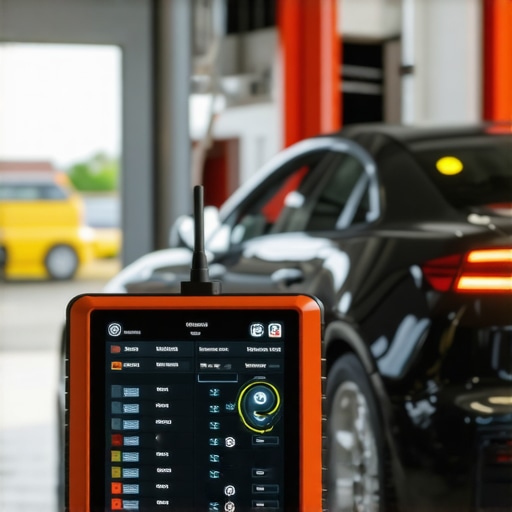
Many car owners believe that simply reading an error code from a scanner is enough to diagnose and fix the problem. However, this is a dangerous oversimplification rooted in a common misconception. The truth is, error codes are just clues, not definitive diagnoses. Relying solely on these codes without understanding their context can lead to misdiagnosis and unnecessary repairs. For example, a P0171 code indicating a lean fuel mixture might tempt you to replace fuel injectors, but the real cause could be a vacuum leak or a faulty sensor. Mastering advanced diagnostics requires interpreting these signals within the broader system, which is often overlooked by amateurs.
Another widespread myth is that all diagnostic tools are created equal. Many assume that a cheap, generic scanner will suffice for all vehicles. In reality, the latest models and complex systems necessitate sophisticated tools that support the specific protocols of your car. Using outdated or incompatible tools can result in incomplete data or missed issues, leading to costly surprises down the road. Investing in high-quality, up-to-date diagnostics, like those recommended in our top diagnostic strategies, ensures you get accurate insights.
Why Do Sensors Sometimes Give False Alarms?
One advanced mistake many make is assuming that a sensor’s alert is always a real problem. Sensors can fail or give false readings due to wiring issues, environmental factors, or software glitches. For instance, a faulty oxygen sensor might trigger a check engine light, but the actual issue could be a wiring connection or a contaminated sensor. Ignoring this nuance can lead to unnecessary replacements or overlooking the real problem. To avoid this trap, it’s essential to perform comprehensive system checks, including wiring and sensor calibration, before jumping to conclusions.
Let’s dig deeper—have you ever fallen into this trap? Let me know in the comments! Understanding these pitfalls will save you time, money, and frustration, especially as vehicle systems become more complex. Remember, effective diagnostics isn’t just about tools; it’s about interpreting data wisely and knowing when to seek professional help. For more insights on mastering vehicle diagnostics, explore our ultimate diagnostics guide.
Keep Your Vehicle Running Smoothly with the Right Tools
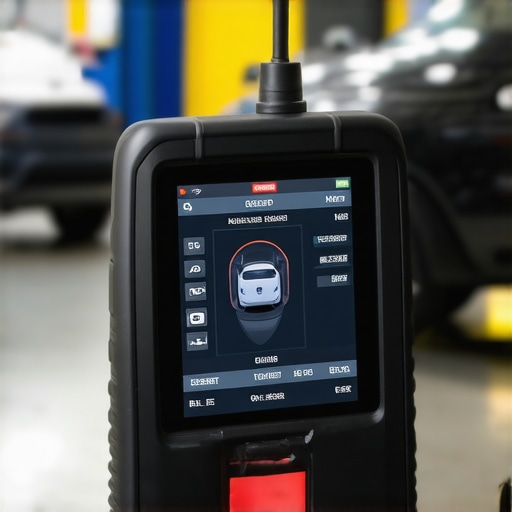
When it comes to maintaining your vehicle over the long haul, having reliable diagnostic equipment and a systematic approach makes all the difference. Personally, I rely on the Autel MaxiCOM MK808 scanner because it offers comprehensive support for most vehicle makes and models, including deep system diagnostics that go beyond basic error codes. Its ability to interpret complex fault codes helps me diagnose issues accurately without unnecessary part replacements. Additionally, I use the OBDeleven app paired with a compatible adapter to perform detailed diagnostics on my Volkswagen. This setup provides real-time data and helps me monitor sensor performance, ensuring everything functions optimally.
Why I Prefer Advanced Diagnostic Software
The future of vehicle maintenance leans heavily toward AI and cloud-connected diagnostics. Tools like top-rated diagnostic strategies for 2025 incorporate machine learning algorithms that predict failures before they happen. These systems analyze vast amounts of data to identify patterns, making proactive maintenance possible. Investing in such tools now can save you from costly repairs and breakdowns down the road.
How do I maintain diagnostic accuracy over time?
Regular updates are essential for diagnostic tools. Manufacturers frequently release firmware updates that expand vehicle compatibility and improve fault detection algorithms. I make it a point to check for updates weekly and keep my tools connected to the internet whenever possible. This ensures I benefit from the latest features and bug fixes, maintaining diagnostic precision. Also, calibrating sensors periodically, especially on critical components like the ABS and airbags, helps keep readings accurate and prevents false alarms.
Embrace Future Trends
Looking ahead, I predict that diagnostic tools will become even more integrated with vehicle telematics, allowing for remote diagnostics and predictive maintenance via smartphone apps. This shift will make vehicle health monitoring more accessible and less time-consuming. To get ahead, I recommend trying out the ultimate diagnostics guide and experimenting with connected diagnostics solutions today.
< >
>
Remember, the key to keeping your vehicle reliable isn’t just about having the right tools but also about using them consistently and updating them regularly. This proactive approach will ensure your car remains dependable, safe, and efficient for years to come. So, why not try out one of these advanced diagnostic tips today and see how it transforms your maintenance routine? Your future self will thank you!
The Hardest Lesson I Learned About Vehicle Diagnostics
One of my most eye-opening experiences was realizing that error codes are just the tip of the iceberg. Relying solely on a scanner without understanding the broader system often led me astray, causing unnecessary repairs and frustration. The real lesson was that interpreting these signals within the vehicle’s context is crucial for accurate diagnostics.
3 Myths About Car Troubleshooting That Held Me Back
I used to believe that all diagnostic tools were created equal, and that a quick scan could solve any problem. But I discovered that outdated or incompatible tools provide incomplete data, and false sensor alarms can mislead even experienced DIYers. Investing in quality, up-to-date diagnostics is essential for true reliability.
What Experts Won’t Tell You About Maintaining Vehicle Reliability
Many professionals keep a secret—regular calibration and firmware updates for your diagnostic tools are vital. Staying ahead with the latest technology, like AI-driven predictive maintenance, can prevent breakdowns before they happen. This proactive approach requires continuous learning and adaptation, but the payoff is a much more dependable vehicle.
My Essential Toolkit for Vehicle Diagnostics in 2025
I trust the Autel MaxiCOM MK808 scanner because it supports a wide range of models and offers deep system diagnostics. Paired with apps like OBDeleven, I can monitor real-time sensor data, making preventive maintenance easier and more accurate.
Where to Go from Here to Master Vehicle Diagnostics
Explore resources like our ultimate diagnostics guide to stay updated with the latest tech trends. Remember, the key to vehicle reliability lies in continuous learning, regular updates, and understanding that diagnostics is as much about interpretation as it is about tools. Start today, and your future self will thank you for the reliable, trouble-free driving experience that awaits.
More Details